
Basil plants are a kitchen garden favorite, but they can fall prey to various diseases. Black spots on leaves or moldy patches can ruin your basil crop if not caught early. It’s super frustrating, right? 😞
Have you ever noticed your basil looking sad or wilted? Let’s figure out what’s going on and fix it! Fungal infections like downy mildew and fusarium wilt are common culprits.🤓
Got any tips or tricks to keep those basil leaves lush and green? Share them in the comments! Let’s make sure our basil plants stay healthy and vibrant together.🌿✨
Understanding Basil Plant Diseases
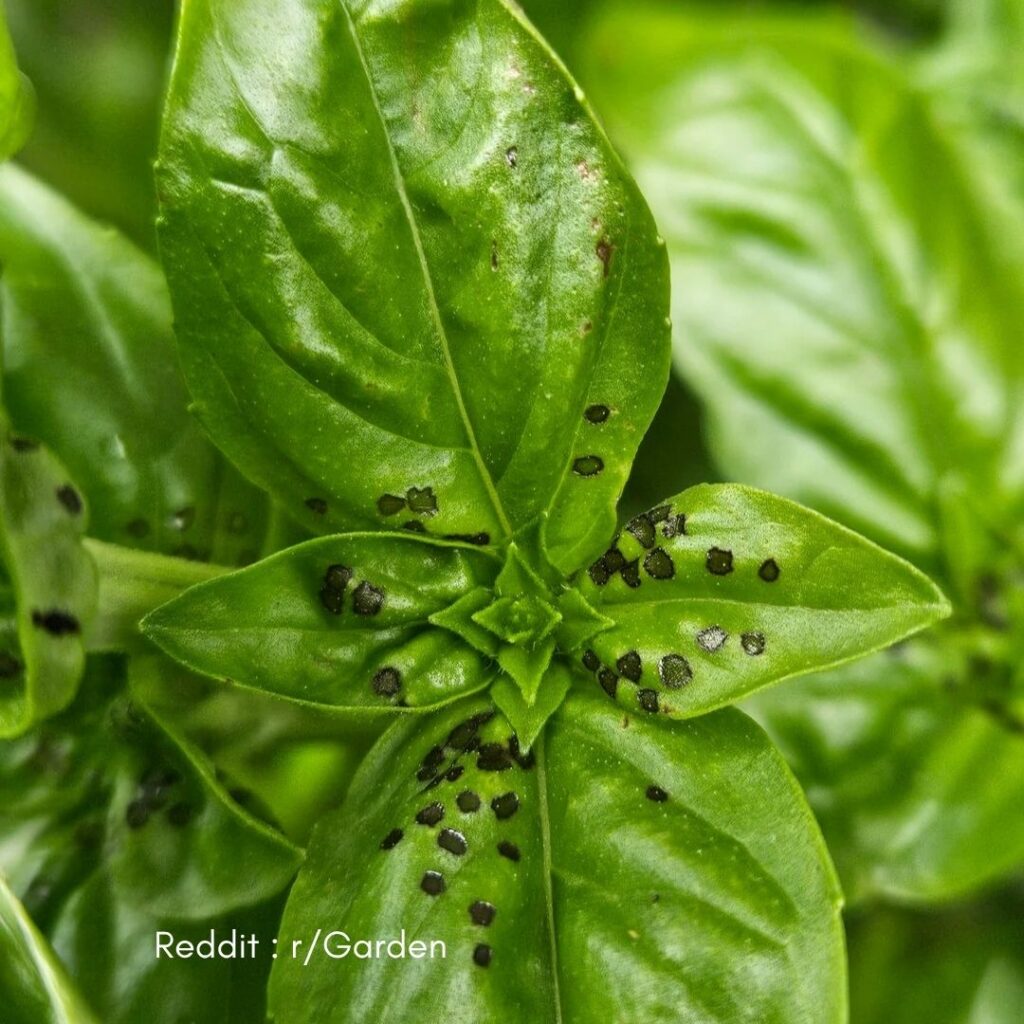
Hey there, fellow basil lovers! 🌿 Let’s dig into some common diseases that can harm our favorite herb. Knowing what symptoms to watch for, understanding the disease lifecycle, and noting the impact on plant health can help us keep our basil thriving.
Common Symptoms
Basil plants can show several warning signs when they are sick.
Yellowing leaves are a big red flag. If you see spots or blotches, that’s another clue. Some diseases cause leaves to wilt even if the soil is moist. That’s a clear sign to check closer.
Have you noticed fuzzy growth on the leaves? That could be a fungal infection. Stunted growth and weird odors are also symptoms. Catching these early can make all the difference!
Disease Lifecycle
Many plant diseases follow a similar pattern.
First, the spores or bacteria land on your plant, often from rain or insects. They infect the plant, causing those nasty symptoms. Then, the disease spreads through the plant and to others nearby.
Warm, damp conditions are a breeding ground for diseases. So, keeping our basil dry and not too crowded can cut down the risk. Savvy, right? Let’s think of it as giving our basil a personal space.
Impact on Plant Health
Diseases can have a big impact on the health of basil plants.
At their mildest, diseases slow down healthy growth and make leaves less tasty. 😢 In serious cases, diseases can kill the plant. They weaken its structure, making it prone to pests and further infections.
Keeping basil plants healthy ensures they keep producing those lovely, aromatic leaves we all love. Let’s stay vigilant and give our basil the best care possible.
Have you ever dealt with basil diseases? How did you handle it? Share your tips in the comments! 💬
Fungal Infections
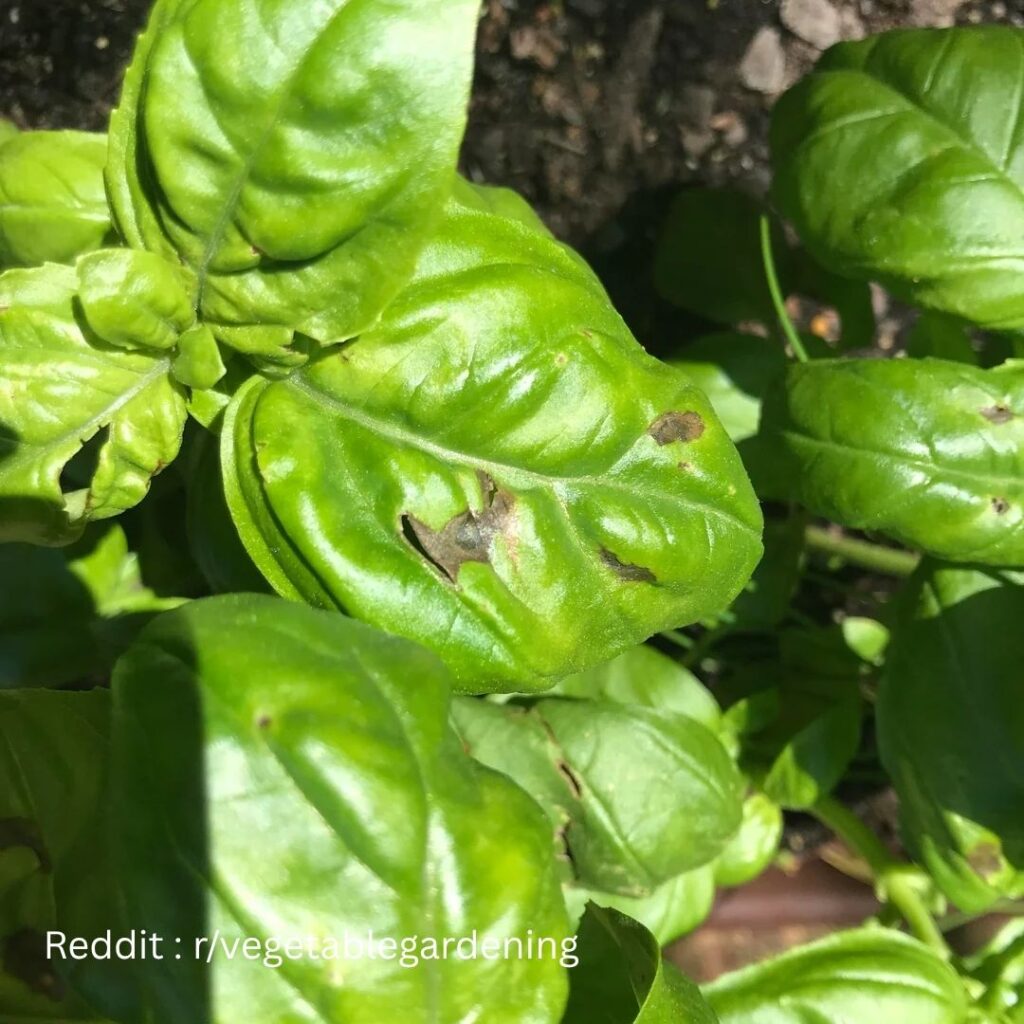
Fungal infections can really mess up your basil plants. Let’s look at a few common ones that can hit your garden.
Downy Mildew
Downy mildew is a big problem for basil. It shows up as yellow spots on the leaves, which then turn brown and weak. The undersides of the leaves show a grayish mold. It spreads fast in humid and wet conditions. Keep an eye on your plants after rain because that’s when this fungus thrives.
Stopping downy mildew is tricky. Remove infected leaves right away. Make sure there’s good air flow around your plants. I also suggest watering the soil directly, avoiding the leaves. Do you have tips on preventing mildew? Share in the comments!
Fusarium Wilt
Fusarium wilt causes your basil to wilt and it can turn the lower stems brown. The roots may also start to rot. This nasty fungus lives in the soil and enters the plant through its roots. If you see your basil drooping despite enough water, fusarium wilt could be the reason.
To fight fusarium wilt, make sure to rotate your crops. Avoid planting basil in the same spot each year. Also, keep your garden clean and pick up any plant debris. If you have any helpful tips, drop them below! 🌿
Grey Mold
Grey mold, or Botrytis, is another fungal infection to watch out for. It creates a fuzzy grey layer on the leaves, stems, and even flowers. This mold loves cool, damp environments. Overwatering and poor air circulation can make it worse. Seeing grey mold can be disappointing, but there are steps to take.
First, trim infected parts right away. Make sure plants are spaced out to improve air flow. Water the base of the plant and not the leaves. Let’s keep our basil plants healthy and tasty. Have you battled grey mold in your garden? I’d love to hear your experience! 😊
Remember, fungal infections can hit your basil any time. Stay vigilant and take quick action to protect your plants. Happy gardening! 🌱
Bacterial Diseases

Basil plants can suffer from several bacterial diseases. Two of the most common ones are Bacterial Leaf Spot and Bacterial Wilt.
Bacterial Leaf Spot
Bacterial Leaf Spot is caused by the bacterium Pseudomonas cichorii. Have you ever noticed yellow or brown spots on your basil leaves? That’s likely due to this sneaky germ.
It spreads through water splashes or contaminated tools. To stop its spread, avoid watering basil from above and sanitize your garden tools. 🍃
Checking the plants regularly for these spots can help save your basil from further damage. If infected, remove the affected leaves immediately and dispose of them properly.
Bacterial Wilt
Bacterial Wilt, caused by Ralstonia solanacearum, can be a real headache. If your basil starts wilting but the soil is still moist, this bacterium may be to blame.
It blocks the water flow inside the plant, causing it to wilt suddenly. Can you imagine a thirsty plant that can’t drink? It spreads through soil, water, and even contaminated gloves or tools.
To control it, rotate your crops and use disease-free soil. It’s also helpful to water at the plant base and keep an eye out for symptoms. If a plant is infected, consider removing and discarding it to protect nearby plants.
Viral Infections
Basil plants are sometimes affected by viruses like Tobacco Mosaic Virus and Cucumber Mosaic Virus which can hurt growth and appearance. 😓
Tobacco Mosaic Virus
Tobacco Mosaic Virus (TMV) is one of those nasties that can make your basil look pretty sad. Leaves might get yellow spots or strange patterns. Sometimes, the leaves even become twisted.
TMV spreads easily. It can be passed on through tools, hands, or even infected seeds. This virus can hang around for a long time, even in dried plant material.
What can you do? Disinfect tools, wash your hands frequently, and buy seeds from reliable sources. Have you ever had this problem in your garden? 😊
Cucumber Mosaic Virus
Cucumber Mosaic Virus (CMV) is another troublemaker for basil. It can cause mosaic patterns on leaves, with light and dark green spots. The leaves may also become wrinkled.
CMV spreads through sap-sucking insects like aphids. These tiny insects can hop from plant to plant, carrying the virus with them.
The best defense is to control aphids. Reflective mulches and neem oil can help keep these bugs away. Have you noticed weird spots on your basil? Let’s chat in the comments! 🍃
Environmental Stressors
Let’s talk about some common stressors that can affect your basil plants. These include improper watering, nutrient deficiencies, and extreme temperatures.
Improper Watering
Watering basil can be tricky. Too much water and the roots may rot. Too little water and the plant can wilt. I’ve found the best way is to water the soil lightly and regularly. Check the soil an inch down; if it’s dry, it’s time to water!
Pro tip: Use a well-draining pot to avoid water buildup. 🌱
Nutrient Deficiencies
Basil plants need a balanced diet. If the leaves start to turn yellow, it might be a nitrogen deficiency. Lack of magnesium can cause leaf discoloration, too. I use an all-purpose fertilizer every two weeks.
Anyone else feel like a plant chef? 🍽️
Extreme Temperatures
Basil loves warm weather, but too much heat can stress it out. Temperatures above 90°F (32°C) can cause wilting. On the flip side, cold temperatures below 50°F (10°C) can slow growth. I keep my basil in a spot with consistent, mild temps.
Anyone else use a weather app for their plants? 🌡️
Feel free to drop any tips or questions in the comments below! 🌿✨
Prevention Strategies
Keeping basil plants healthy requires some smart strategies. By using the right cultural practices and chemical controls, we can prevent most common diseases.
Cultural Practices
First, rotating crops is key. If basil gets sick, planting it in the same spot next year can spread disease. 🏡 Planting basil in containers? 🪴 Make sure to use fresh soil each time.
Watering is also crucial. Let’s avoid wet leaves, which can cause fungus. I water my basil at the base, not on the leaves. And please, don’t crowd the plants! Space them out to let air circulate. 🌬️
Clean tools matter too. I always sanitize my gardening tools before using them on basil to avoid spreading germs. A simple mix of soap and water does the trick! 🧼
Adopting these practices will help keep our basil strong and healthy.
Chemical Controls
Sometimes, nature needs a little boost. Using organic fungicides can help keep diseases away without harming the environment. 🌱 Products like copper soap or neem oil work well. I try to apply them early in the morning or late in the evening to avoid burning the plants.
Can’t find organic options? Regular chemical fungicides can still be effective. Just be sure to follow the label instructions. I always wear gloves and a mask for safety.
Lastly, remember to avoid overusing chemicals. They can build up in the soil and harm our plants in the long run. Balance is key!
How do you keep your basil healthy? Share your tips in the comments! 🍃🗨️
Treatment and Management
Basil plants can face many problems, but there are several ways we can handle these issues. We’ll look at natural remedies, chemical treatments, and good habits like pruning and sanitation.
Natural Remedies
When it comes to natural remedies, you have quite a few options. I like to use neem oil spray to keep pests away. It’s safe and effective. Mixing one teaspoon of baking soda with two cups of water can also help to treat fungal infections.
Have you tried using companion planting? Growing basil next to tomatoes or marigolds can keep harmful insects at bay. Simple homemade solutions like garlic spray or soap water can deter pests. Isn’t it amazing how nature provides solutions?
What natural remedies have you tried? Share in the comments below! 🌱
Chemical Treatments
Sometimes, natural remedies aren’t enough, and we need to turn to chemical treatments. In my experience, using fungicides like chlorothalonil can be very effective against fungal diseases.
Insecticidal soaps can help get rid of pests, especially aphids and whiteflies. Make sure to follow the instructions for application carefully. Too much can harm your basil plant. If you’re dealing with a serious infestation, you might need systemic insecticides, which are absorbed by the plant.
What’s your go-to chemical treatment? Let me know!
Pruning and Sanitation
Good habits go a long way in keeping your basil healthy. I always practice regular pruning. It helps the plant grow better and prevents disease. Remove any dead or yellow leaves; they can be a breeding ground for pests and fungi.
Sanitation is just as important. Clean your pruning tools with alcohol before using them. This helps stop the spread of disease. Always clear away fallen leaves and debris from around the plant.
Do you keep your garden tools clean? It’s a simple way to keep your plants happy! ✂️
Got any tips or questions? Drop them below! 🌿✨
Monitoring and Regular Care
Watching over your basil plant is like taking care of a pet! 🪴🐶 Daily check-ups are super important. Look for any yellowing leaves or brown spots.
I usually give my basil a little water every morning. 🌞 Not too much, just enough to keep the soil moist. Dry soil is a no-no.
Trimming is also a fun way to spend time with your plant. Snip off the top leaves to promote growth. ✂️ This helps make your basil bushier and healthier.
Do you see any bugs? 👀 Aphids or whiteflies can be troublemakers. If you spot them, a gentle spray with soapy water can do the trick.
Tell me, how do you care for your basil plant? 🌿 Share your tips in the comments!
Frequently Asked Questions
Basil plants can face many issues, ranging from symptoms of diseases to treatment options. Let’s answer some common questions about basil plant diseases.
What are the common symptoms of disease in basil plants?
Basil plants may show yellowing leaves, spots, or wilting. If your plants look droopy or have discolored leaves, they might be sick.
How can you treat diseases found in basil plants?
To treat diseases, I recommend removing affected leaves and using organic fungicides. Keeping the plants in well-ventilated areas can also help.
What does downy mildew look like on basil, and how can it be managed?
Downy mildew on basil shows up as a yellow, fuzzy mold on the underside of the leaves. To manage it, try using a spaced planting method and improve air circulation.
Is it safe to consume basil leaves affected by downy mildew?
It’s best to avoid eating affected leaves. They can taste bad and may not be safe for consumption. Stick to harvesting healthy, unaffected leaves.
How can you distinguish and treat blight on basil plants?
Blight appears as black spots or wilted leaves. You can treat it by pruning infected parts and avoiding overhead watering.
What are the signs of fusarium wilt in basil, and how do you deal with it?
Fusarium wilt causes wilted, yellow leaves and stunted growth. It’s often treated by rotating crops and ensuring the soil is well-draining.
Have you experienced any of these issues with your basil plants? Share your thoughts in the comments! 🌿✨