
I love getting new rose bushes for free, and cuttings are my favorite way to do it. You don’t need special tools or a greenhouse. Just a healthy rose, a little patience, and a pot of soil.
To propagate roses from cuttings, snip a 6 to 8 inch piece of healthy stem, strip off the lower leaves, dip the cut end in rooting hormone, and plant it in moist potting mix. Keep it warm and humid until roots form in about 4 to 8 weeks. That’s the short version of rose propagation. The details help turn a bare stick into a leafy little plant.
Below, I’ll show you how to propagate roses step by step, from picking the right stem to knowing when your cutting has rooted. I’ll also point out the mistakes that cause cuttings to fail and explain how the season and your growing zone can affect your timing.
Choose the Right Time and Stems
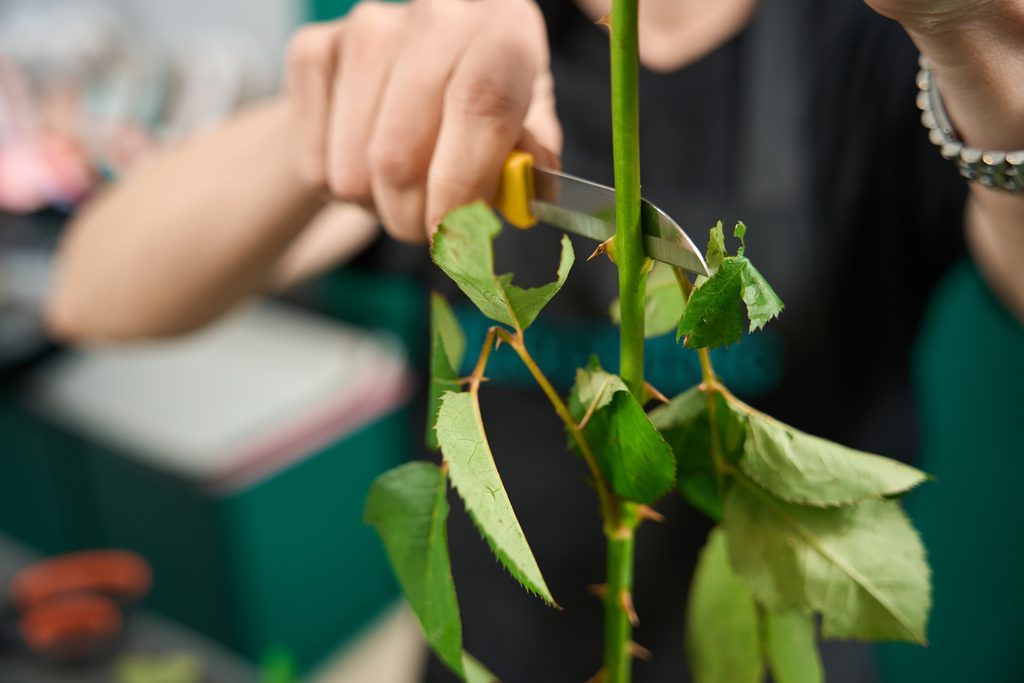
Late spring to early summer brings soft, fast-rooting stems. Fall and early winter bring tougher stems that root slowly but need less fuss.
Choose a healthy, pencil-thick stem from a rose growing on its own roots.
Compare Softwood, Semi-Hardwood, and Hardwood Cuttings: One Season Roots in Weeks
Rose cuttings fall into three groups based on how mature the stem is. Each has its own season and rooting speed.
| Type | When to Cut | How It Feels | Rooting Speed |
|---|---|---|---|
| Softwood cuttings | Late spring to early summer | Green and bendy | 3–6 weeks |
| Semi-hardwood cuttings | Mid to late summer | Firm but still flexible | 4–8 weeks |
| Hardwood cuttings | Late fall to early winter | Woody and stiff | Often by spring |
Softwood roots fastest, but it wilts easily and needs high humidity and steady care.
I like semi-hardwood for beginners. The stem snaps cleanly when bent, and it handles a little neglect better.
Hardwood is easiest to leave alone, though it takes patience. In hot zones (9 and up), summer heat can cook soft cuttings, so fall or winter tends to work better.
Quick Tip: Cut in the early morning, when stems are full of water and crisp to the touch.
Pick Healthy Stems From a Suitable Rose: Not Every Rose Wants to Be Cloned
Start with the right plant. Shrub roses, old garden roses, climbers, and miniatures usually root well.
Many hybrid teas grow on another rose’s roots because they’re grafted, so they root poorly and may grow weaker on their own.
Next, pick good stem cuttings. Look for:
- A stem about as thick as a pencil
- A section that just finished blooming or has a fading flower
- Green, spot-free leaves with no black spots or powdery coating
- At least 3–4 leaf nodes (the small bumps where leaves grow)
Skip stems that look thin, bruised, or buggy. A sick stem rarely turns into a healthy plant.
Quick Tip: If a thorn pops off cleanly with a light push, the stem is usually at a good stage for cutting.
Root Rose Cuttings Step by Step
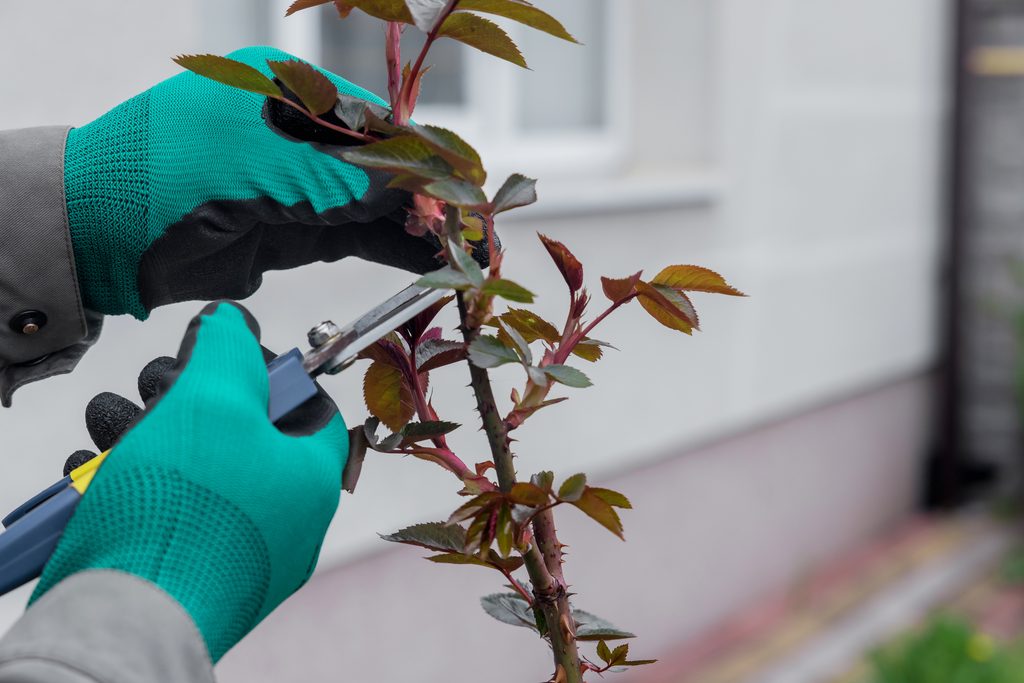
To root rose cuttings, you’ll need clean pruning shears, a gritty mix that drains fast, and 6–8 inch stems from healthy growth. Rooting hormone and a snug spot in the pot give each stem its best shot at making roots.
Gather Tools and Prepare a Free-Draining Mix So Your Cuttings Don’t Rot
Before you cut anything, get your supplies ready. Cuttings dry out fast, so plant them within minutes.
What I keep on hand:
- Sharp pruning shears, wiped with rubbing alcohol
- A 4–6 inch pot with drainage holes
- Potting soil and horticultural grit (or perlite)
- Rooting hormone powder or gel
- A clear plastic bag or a cut-off soda bottle
Mix about two parts potting soil to one part grit. The mix should feel damp and crumbly, like a wrung-out sponge, not muddy. Soggy soil rots the stem before roots can form.
Quick Tip: Water the mix before you plant. Pouring water on fresh cuttings can knock them loose.
Take and Trim Each Cutting: The Right Stem Matters More Than You Think
The best stems are pencil-thick and come from this year’s growth. Choose one that has just finished blooming.
Early morning is my favorite time to cut because the plant is full of water then.
How I trim each one:
- Cut a 6–8 inch piece just below a leaf node (the bump where a leaf joins the stem).
- Snip off the spent flower and any buds.
- Remove all leaves except the top two sets.
- Cut the top end straight across, just above a node.
Why strip the leaves? They lose water, and a stem with no roots can’t replace it.
Two sets are enough to feed the cutting without drying it out.
Quick Tip: Make the bottom cut at a 45-degree angle. It gives roots more surface area to grow from, and you’ll always know which end goes down.
Apply Rooting Hormone and Plant the Stems for Faster, Stronger Roots
Rooting hormone isn’t required, but I’ve had much better luck with it. Dip the bottom inch of the stem in water, then in the powder, and tap off the extra.
A thin dusting works better than a thick coat. Poke a hole in the mix with a pencil first so the soil doesn’t wipe the hormone off as you push the stem in.
Set the stem 2–3 inches deep and press the mix firmly around it. Cover the pot with the bag or bottle to hold in humidity.
Place it in bright, indirect light, such as near an east-facing window, and keep it out of hot afternoon sun. Roots usually form in 4–8 weeks.
A gentle tug that meets resistance means roots have formed. In zones 7 and warmer, you can also root cuttings outdoors in fall. In colder areas, keep them indoors over winter.
Quick Tip: If the top inch of soil feels dry, mist it or add a little water. Condensation on the bag is a good sign.
Care for Cuttings While Roots Form
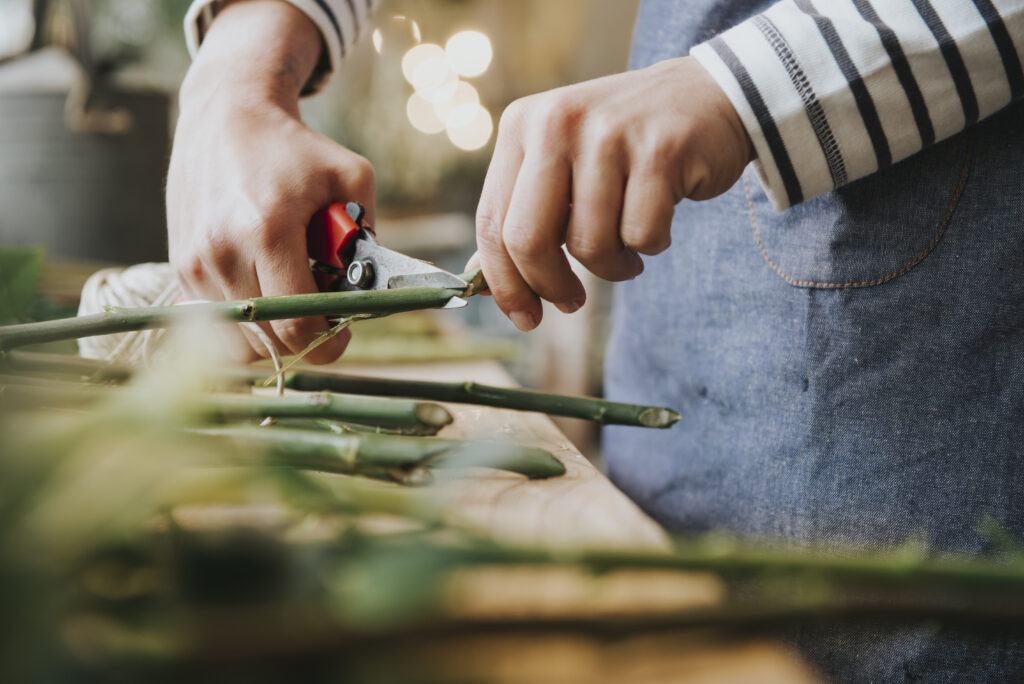
Rose cuttings need steady humidity, fresh air, bright indirect light, and lightly moist soil. Most take 4 to 8 weeks to root, so a simple routine makes the wait easier.
Create Humidity Without Trapping Excess Moisture (Why a Little Air Saves Your Cuttings)
Cuttings have no roots yet, so they can’t pull up much water. Moist air keeps the leaves from drying out while roots start to develop.
A humidity dome, a mini greenhouse, or a clear plastic bag over the pot all work well. But too much trapped moisture invites mold and rot.
I lift the cover once a day for about 10 minutes to let fresh air in. Watch for these signs:
| What You See | What It Means | What to Do |
|---|---|---|
| Light fog on the cover | Good humidity | Leave it |
| Water dripping down the sides | Too wet | Vent longer or prop the cover open |
| Fuzzy gray spots or a musty smell | Mold | Remove bad leaves and add airflow |
Quick Tip: Poke a few small holes in a plastic bag so it can breathe on its own.
In dry indoor air or hot, dry climates, you may need to keep the cover on longer. In humid areas, venting more often helps.
Provide Bright Indirect Light and Consistent Moisture (The Sweet Spot Most People Miss)
Cuttings need light to make energy, but direct sun under a cover can cook them fast. Aim for bright indirect light.
An east-facing window or a spot a few feet back from a south-facing window usually works. In a north-facing window, the light may be too weak.
A basic grow light set 6 to 12 inches above the cuttings for 12 to 16 hours a day can fill the gap. For water, aim for soil that feels like a wrung-out sponge, and check it every few days.
- If the top inch is dry, water gently at the base.
- If the soil feels soggy, wait before watering again.
- If the stem turns black or mushy, it has likely rotted, so remove it.
Quick Tip: Don’t tug on cuttings to check for roots. Look for new leaf growth or roots showing through the pot’s drainage holes instead.
Check for Roots and Transplant Young Roses

Most rose cuttings grow roots in 4 to 8 weeks, and you can spot them without pulling anything up. Once the roots fill a small pot, your new rose needs a bigger home and a slow move outdoors.
Recognize Root Growth Without Disturbing the Cutting (Hint: Don’t Yank It)
I know the urge to pull up a cutting and peek. Please don’t. Fresh roots are thin and snap easily, and one tug can undo weeks of growth.
Watch for these signs instead:
- New leaves: Fresh, soft green growth usually means the roots are working below.
- Gentle resistance: Give the stem a very light tug. If it holds firm, roots have grabbed the soil.
- Roots in the drainage holes: White root tips poking out the bottom are a clear sign.
- Visible roots: In a clear plastic cup, you can see roots along the sides.
A cutting that turns black or mushy at the base has probably rotted. Toss it and try another. You’ll likely lose a few cuttings when rooting roses.
Quick Tip: Root cuttings in clear cups so you can check their progress without touching them.
Pot Up, Acclimate, and Plant Outdoors (The Slow Move Pays Off)
When roots reach the sides of the cup, move the cutting into a 1-gallon pot with fresh potting mix. Keep the soil moist, not soggy. Water it when the top inch feels dry.
Next, harden it off over 7 to 14 days:
| Days | Where to Place It |
|---|---|
| 1–3 | Shade, 1–2 hours |
| 4–7 | Morning sun, half a day |
| 8–14 | Full sun, most of the day |
I plant young roses in the ground in spring or early fall. In cold zones (5 and below), I keep first-year plants in pots through winter in an unheated garage. The wait is worth it.
Quick Tip: If leaves wilt or look scorched, move the plant back into shade for a day.
Troubleshoot Cuttings That Wilt, Rot, or Fail to Root
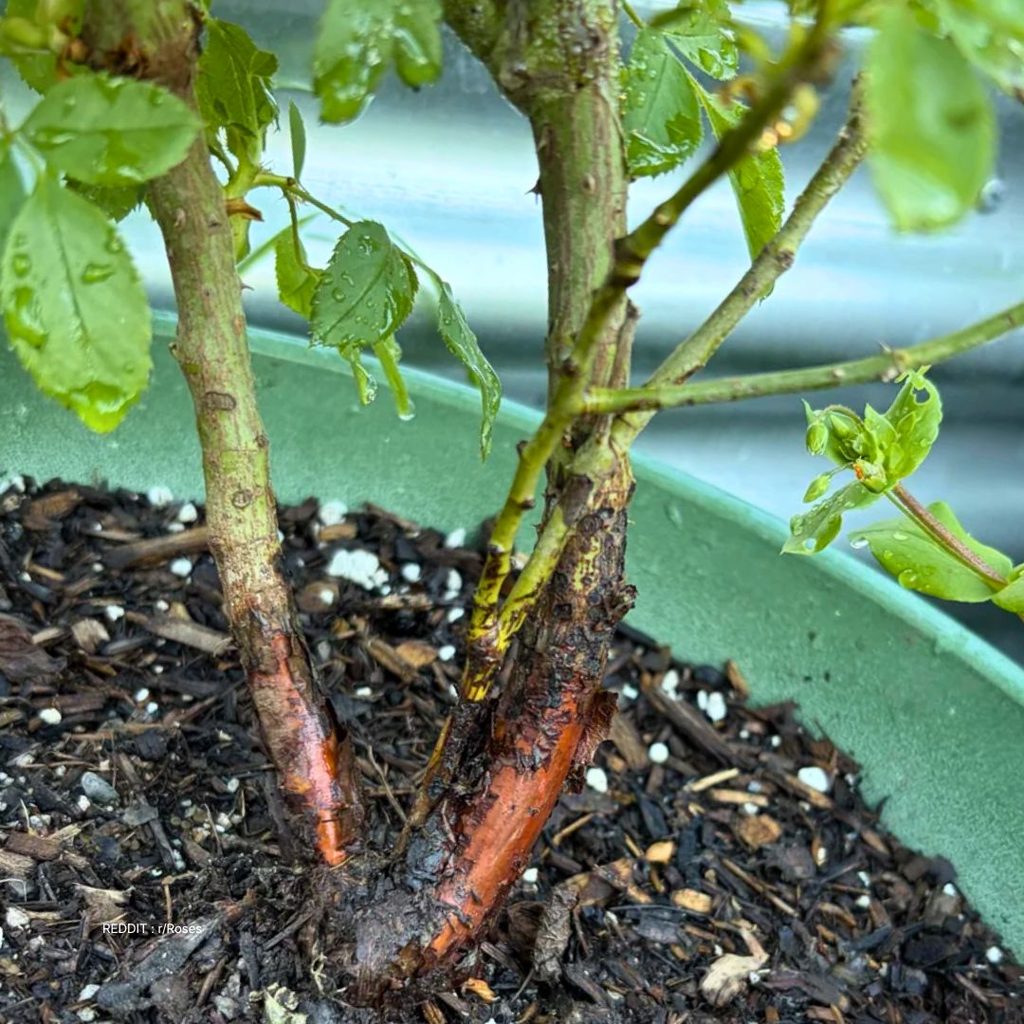
Most rose cuttings fail for three reasons: too little airflow, too much water, or not enough warmth. Small changes to your humidity dome and potting soil can often help cuttings that look like they’re struggling.
Fix Wilting and Mold Under a Humidity Cover (It’s Usually an Airflow Problem)
A little droop during the first two or three days is normal. The cutting has no roots yet, so it’s thirsty. But if the leaves stay limp past day four, the air around them is probably too dry or too hot.
Mold signals the opposite problem. Fuzzy gray spots or a musty smell mean the air is too still and wet.
Here’s what I do:
- Wilting: Mist the inside of the dome and move the pot out of direct sun.
- Mold: Lift the dome for 10 to 15 minutes each day. Remove any moldy leaves right away.
- Black stems: Toss that cutting. It won’t recover, and the rot can spread.
In hot zones or near a south-facing window, bright indirect light works better than full sun.
Quick Tip: If heavy droplets run down the dome, crack it open a little for the day.
Address Soggy Mixes and Slow Rooting (Patience Only Goes So Far)
Wet, heavy potting soil keeps oxygen from reaching the stem, which often leads to rot. Squeeze a pinch of mix. If water drips out, it’s too wet.
I use a light mix of half potting soil and half perlite. I water only when the top half inch feels dry.
A cool room often slows root development. Rose cuttings root best when the soil stays around 65–75°F.
| Problem | Likely Cause | Fix |
|---|---|---|
| Mushy stem base | Soggy mix | Repot in drier, gritty mix |
| No roots after 6 weeks | Cold soil | Use a seedling heat mat |
| Green but no growth | Normal waiting | Leave it alone |
Quick Tip: Don’t tug on cuttings to check for roots. Look for white roots through the drainage holes instead.
Know the Limits of Cutting Propagation
Some roses root from a snipped stem in a few weeks, while others barely try. You also need to know which part of the plant you’re cutting from and whether the variety is legally protected.
Understand Why Rooting Success Varies by Rose (Some Varieties Just Want It More)
Not every rose is built for this. Shrub roses, old garden roses, ramblers, climbers, and miniatures usually root without much fuss. Hybrid teas and many grandifloras are pickier.
Why? Many hybrid teas come grafted onto tougher rootstock. On their own roots, they can grow more slowly and stay weaker, especially in cold zones.
| Rose Type | My Rooting Expectation |
|---|---|
| Shrub and old garden roses | Good |
| Climbers and ramblers | Good |
| Miniatures | Good |
| Hybrid teas | Hit or miss |
Weather matters, too. Hot, dry spells can make cuttings wilt fast, while cuttings taken during a cold snap may sit there doing nothing.
Quick Tip: Take 4 to 6 cuttings from a picky rose, not just one. I’d rather have extras than an empty pot.
Distinguish Stem Cuttings From Root Cuttings and Check Variety Rights (The Tag Can Tell You More Than the Color)
For rose propagation, stem cuttings are the standard method. Gardeners rarely use root cuttings for roses.
Here’s the catch with a grafted rose: if you dig up a piece of its root, you’ll grow the rootstock, not the pretty bloom you wanted. Take a stem cutting above the graft (the knobby bump near the soil) to grow the actual variety.
Then check the tag. Look for:
- “PP” or “PPAF” – a U.S. plant patent, or a patent that has been applied for
- A ™ or ® name – a trademark on the name
You can’t legally propagate patented roses without permission, even for your own yard. Patents last 20 years, so older heirlooms are usually fair game.
Quick Tip: No tag? Take a photo of the bloom and search for the variety name before you cut.
Frequently Asked Questions
Rose cuttings root best when you take them in late spring or early summer and strip them down to a few top leaves. Most need 3 to 8 weeks to grow roots. Soil usually gives you stronger plants than water, whether or not you use rooting hormone.
When is the best time to take rose cuttings? (Hint: It’s Not the Middle of Winter)
I take most of my cuttings in late spring or early summer. The stems are firm but still a little bendy then, and they root fastest.
You can also take hardwood cuttings in fall after the leaves drop. They take longer, but need less attention.
In hot zones (9 and up), I aim for spring, before summer heat dries everything out. In cold zones, fall cuttings often do better in a protected spot or cold frame.
Quick Tip: Cut in the morning, when the stems are full of water and feel cool and crisp.
How do you prepare a rose stem for rooting? (A Few Snips Make a Big Difference)
Pick a healthy stem about the thickness of a pencil. Use clean, sharp pruners to cut a 6 to 8 inch piece just below a leaf node.
Remove the flower and any buds. Then strip off all but the top two or three leaves. With fewer leaves, the cutting loses less water while it tries to make roots.
Some people scrape a thin strip of bark near the bottom. I sometimes do this because it gives roots more places to start.
Quick Tip: Make the bottom cut at a slant so you always know which end goes down.
Can you plant rose cuttings directly in soil? (Yes, and Old-Time Gardeners Swear by It)
You can. Push the cutting about 2 to 3 inches into loose, well-draining soil in a shady spot. Firm the soil around it so it stands up straight.
The catch is moisture. Keep the soil damp, not soggy. Give it a drink when the top inch feels dry.
Many gardeners cover each cutting with a clear plastic bottle or jar to hold in humidity. This works well outdoors.
Quick Tip: Skip full sun. Bright shade keeps cuttings from wilting before they grow roots.
Is it better to root rose cuttings in water or soil? (One Makes Tougher Roots)
Water is fun because you can watch the roots grow. But water roots are thin and weak, and many cuttings struggle when you move them to soil.
I prefer soil or a mix of potting soil and perlite. The roots grow thicker and handle the move to the garden much better.
If you try water, change it every few days so it stays clear and doesn’t smell. Pot the cutting up once the roots are about an inch long.
Quick Tip: Use a clear cup if you root in soil, too. You can see roots through the sides without pulling on the cutting.
Can rose cuttings root without rooting hormone? (Many Do Just Fine)
Yes. Plenty of roses root without help, especially old garden roses and shrub roses. Some fancy hybrid teas are pickier, though.
Rooting hormone can boost your success rate and speed things up. I use it when I have only a few cuttings from a rose I really want.
Some people try dipping cuttings in honey or willow water. Results vary, so I’d call these worth a try, but not a sure thing.
Quick Tip: Take a few extra cuttings. If some fail, you’ll still have backups.
How long does it take for rose cuttings to grow roots? (Patience Pays Off Here)
Most softwood cuttings root in about 3 to 8 weeks. Hardwood cuttings taken in fall may take several months, and often don’t show much until spring.
New leaves are a good sign, but they don’t prove the cutting has roots. A cutting can leaf out on stored energy alone.
To check, give the stem a very gentle tug. A little resistance means roots are holding on.
Quick Tip: Warm soil speeds rooting. A spot around 70°F usually works better than a chilly windowsill.