
Ever wondered why your orchid leaves turn yellow? It’s a question that many orchid lovers face. The answer can be surprisingly simple: too much water 🌧️. Orchids are sensitive plants and can easily get overwatered. The roots might rot, causing the leaves to lose their healthy green color.
Overwatering isn’t the only culprit. Sometimes, it’s lack of sunlight ☀️. Orchids need just the right amount of light to thrive. Not enough light can make their leaves turn yellow too. So, finding a sunny spot in your home might save those precious leaves.
Have you checked your orchid’s potting mix? Old or poor-quality mix can also cause yellowing leaves. Make sure the potting mix is fresh and well-draining. Curious to know more tips? Stick around and let’s dive into each cause and solution! 🌸✨ Share your own orchid stories below! 💬
Understanding Orchid Biology
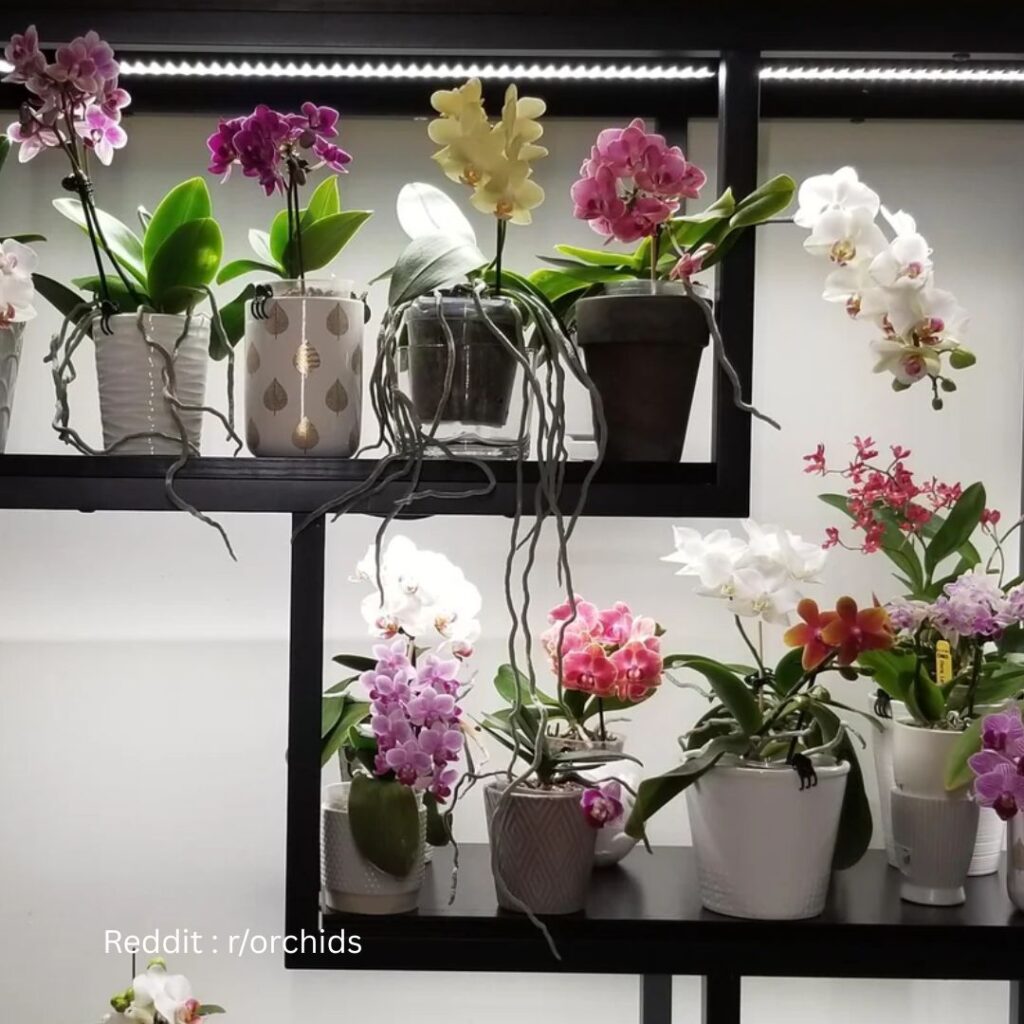
Orchids are fascinating plants with unique needs. Their leaves play a crucial role in their health, but many factors can cause them to turn yellow. Let’s dive in!
The Lifecycle of Orchid Leaves
Orchid leaves have a natural lifecycle. They grow, mature, and eventually age. Young leaves are typically bright green, full of life. With time, older leaves naturally yellow and fall off. It’s just how these plants roll!
Ever noticed a yellow spot on your otherwise healthy orchid leaf? That’s often a sign of the leaf aging. It’s like us getting a few gray hairs. 🌱
Yellowing can also be a sign of root issues. If the roots aren’t getting enough water or nutrients, the leaves will show it. It’s their way of waving a red flag. 🚩
Types of Orchids and Their Leaves
There are over 25,000 species of orchids! Each type has its own leaf characteristics. For example, Phalaenopsis orchids have broad, flat leaves which can be prone to yellowing if overwatered.
Dendrobiums, on the other hand, have thinner leaves. They have their quirks too. Their leaves might yellow if they don’t get enough light. Ever tried growing Dendrobiums on your windowsill? It’s a balancing act!
Then, there are Cattleyas. They have thick, fleshy leaves that can handle a bit more sun. Despite their toughness, they still like well-drained soil to keep yellowing at bay. 🌞
Got a favorite orchid type? Share it with me in the comments! 🌸🌼
I hope this was helpful and feel free to share your thoughts or experiences with orchids! Let’s chat! 💬✨
Common Causes of Yellowing Leaves
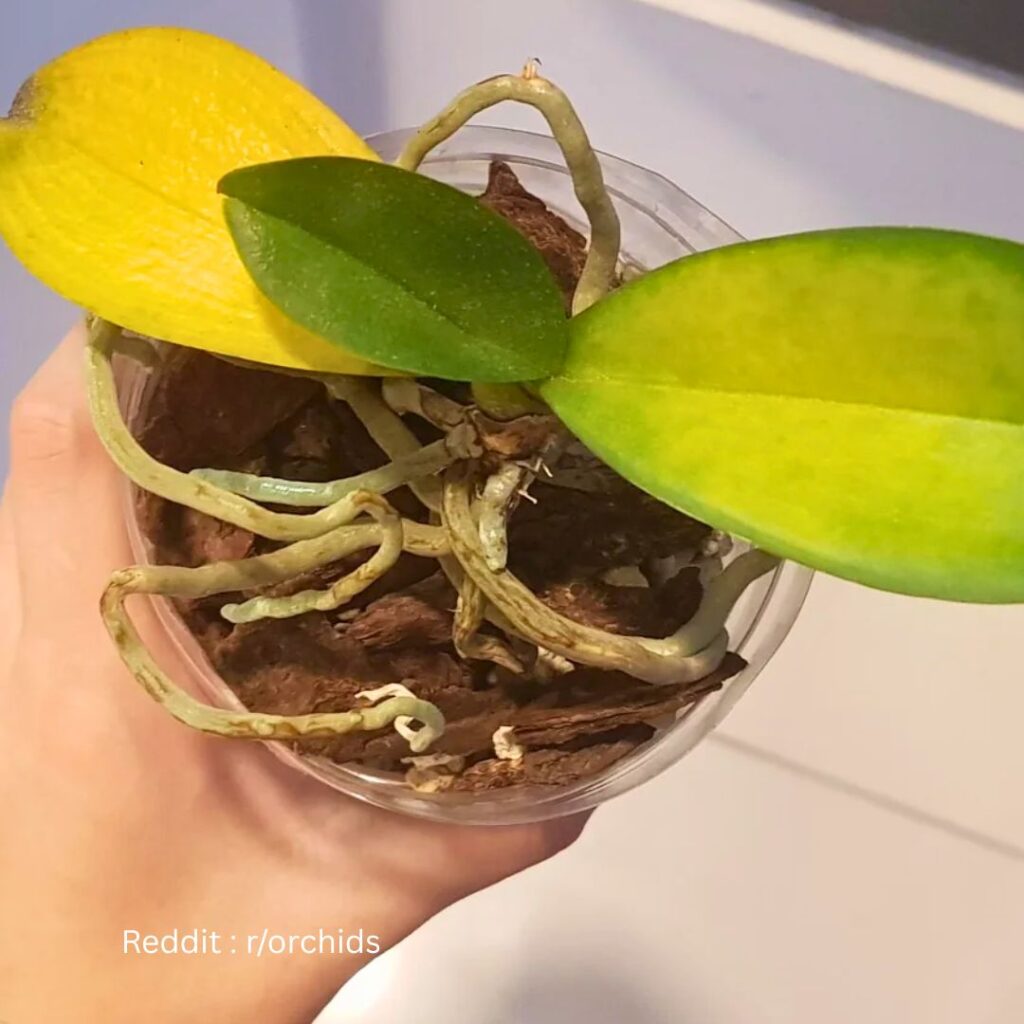
Let’s dive into a few reasons why your orchid leaves might be turning yellow. It could be due to how and when you water them, how much sunlight they’re getting, or even just the plant’s natural aging process. 🌱
Inadequate Watering Practices
Too much or too little water can wreak havoc on your orchid. Overwatering is a common issue. If the roots stay wet for too long, they can start to rot. On the flip side, underwatering can dry out the plant. To keep it simple, aim for a balanced approach: water your orchid when the top inch of soil is dry.
Pro tip: try using a moisture meter to avoid any guesswork. And remember, orchids like humidity. If you live in a dry area, consider misting the leaves or using a humidifier. How do you water your orchids? Share your tips below! 💧
Exposure to Direct Sunlight
Orchids love bright, indirect light. Placing them in direct sunlight can cause their leaves to burn and turn yellow. Think about it like a bad sunburn—ouch! 🥵
To keep your orchid happy, place it near a window with filtered light. North or east-facing windows are usually a good choice. Got a particularly sunny spot? Use sheer curtains to diffuse the light. Does your orchid have a favorite sunny spot? Let me know in the comments! 🌞
Natural Aging Process
Just like us, orchid leaves age too! It’s completely natural for older leaves to turn yellow and eventually drop off. This process allows the plant to focus its energy on new growth.
Not every yellow leaf is a cause for alarm. If you see just a few older leaves yellowing, your orchid might be simply going through its normal cycle. Do you get worried when you see a yellow leaf, or do you embrace the change? 🍂
Feel free to share your experiences with yellowing orchid leaves in the comments below! Let’s help each other keep our orchids green and happy. 🌿✨
Nutrient Deficiencies and Orchid Health
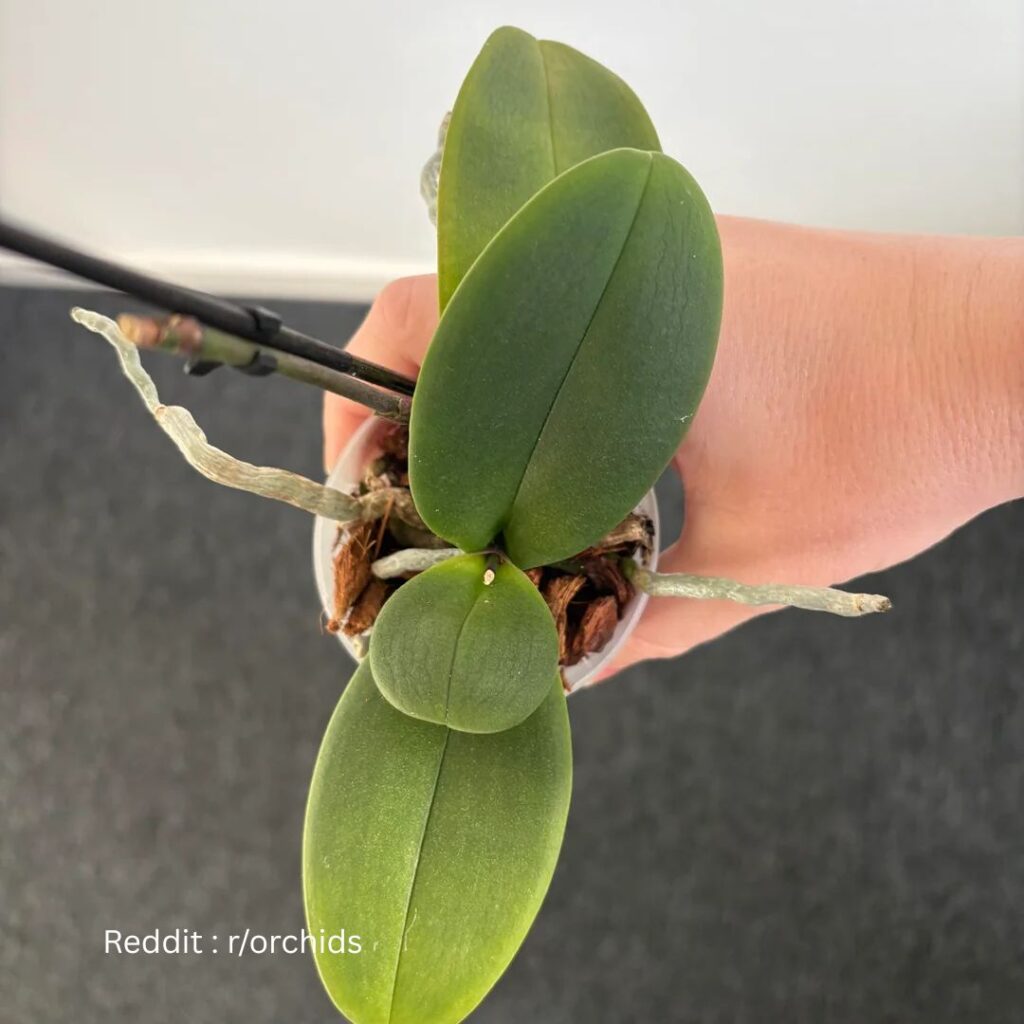
Yellow leaves on orchids can be a sign of problems. Nutrient deficiencies are a common cause. Let’s dig into specific nutrients and their roles in keeping your orchid healthy!
Importance of Nitrogen
Ever noticed your orchid’s leaves looking pale or yellow? It’s often due to a lack of nitrogen. Nitrogen is key for leaf growth. Without it, leaves can’t produce enough chlorophyll.
Picture this: Imagine running a marathon without breakfast. You’d be exhausted! Orchids feel the same without nitrogen. Regular feeding, with a nitrogen-rich fertilizer, helps keep leaves green and vibrant. 🌿
Do you check your orchid’s feeding schedule? Share your tips in the comments!
Understanding Potassium’s Role
Potassium is a powerhouse nutrient for orchids. It helps in water regulation and enzyme activation. When orchids lack potassium, their leaves may turn yellow or show brown spots.
I like to think of potassium as a personal trainer for orchids. It helps them stay strong and resilient. Using a balanced fertilizer ensures your orchid gets enough potassium.
Ever had trouble with yellow leaves on your orchid? Maybe it was a potassium issue. Tell us your story!
The Effect of Iron on Orchid Leaves
Iron is another crucial nutrient. It’s needed for chlorophyll production. When orchids don’t get enough iron, their young leaves turn yellow while veins stay green.
Think of iron like a magic potion for your orchid’s leaves. It helps them stay healthy and lush. Sometimes, watering with rainwater can boost iron availability.
Have you tried using different water types for your orchid? What works best for you? Let me know below! 🌸
Diseases and Pests Affecting Orchids
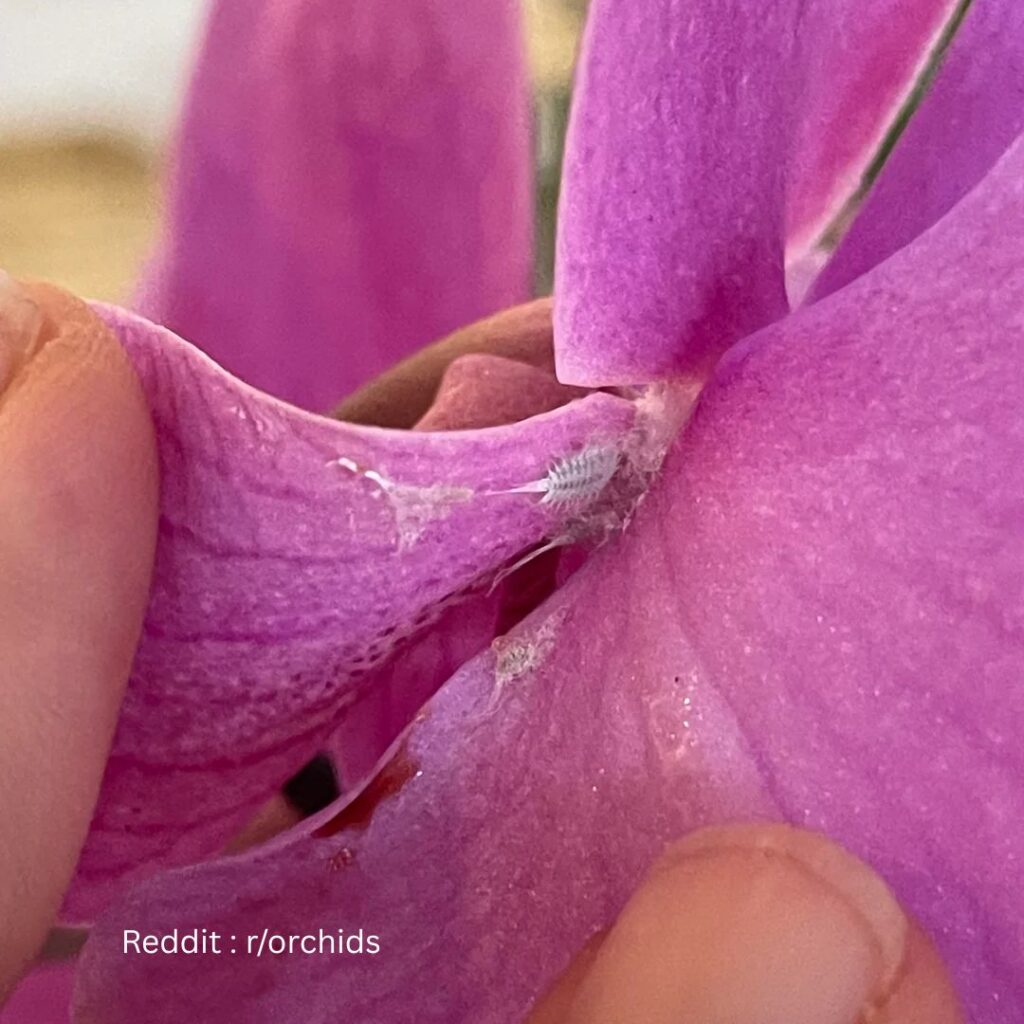
Let’s talk about that yellow leaf problem. It’s often due to diseases like root rot or pesky insects. If you’ve noticed your orchid isn’t looking its best, read on to learn more.
Root Rot and Fungal Infections
Many orchids suffer from root rot. When roots sit in water, they can decay and turn mushy. 🌧️ This stops the plant from taking up nutrients.
Ever left a plant in water for too long? I sure have! Orchids hate soggy feet. Make sure your pot has good drainage.
Fungal infections can also be an issue. Black spots on leaves or roots might mean a fungus! To fix this, I’ve used a fungicide spray, or sometimes, just letting the roots dry out helps.
Common Orchid Pests
Gross bugs can mess with orchids, too. Mealybugs are white and fluffy, often hiding in bud joints. Squish them or use a spray with neem oil.
Aphids are another problem. These tiny bugs suck the juice out of leaves. Use a gentle insecticidal soap to get rid of them.
What about spider mites? They leave tiny webs and yellow spots. 👉 Increase the humidity or use a miticide spray to banish them.
Ever had these pests? Share your stories below! 🌸 Remember, keeping a close eye on your orchid and giving it proper care can help it stay pest-free.
Environmental Stress Factors
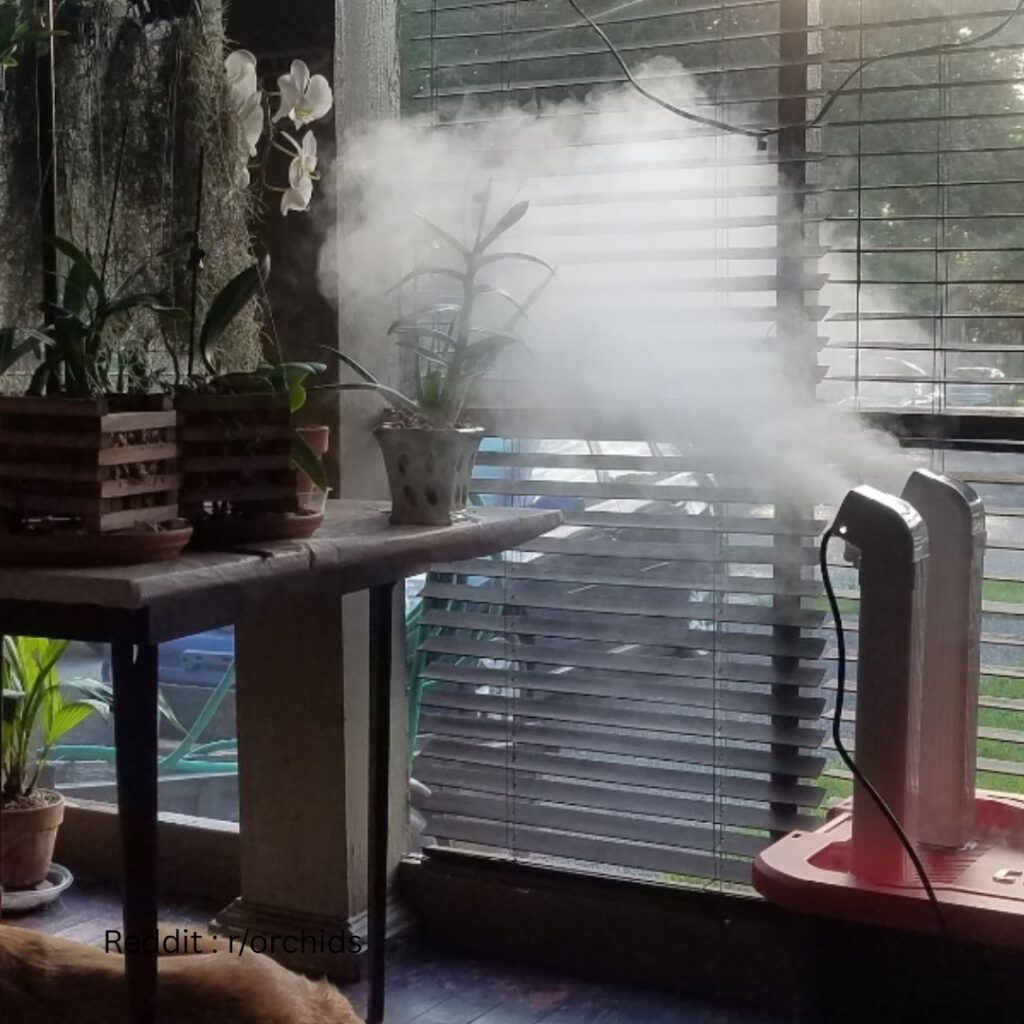
Orchid leaves can turn yellow due to several environmental stress factors. Let’s dive into two big ones that can really make a difference: temperature fluctuations and humidity levels.
Temperature Fluctuations
Orchids are sensitive to temperature changes. They prefer consistent temperatures. Sudden changes, like moving from a cool window to a warm kitchen, can stress the plant. 😰 Have you ever felt uncomfortable with quick temperature shifts? Orchids feel that too!
If your home gets too cold at night or too hot during the day, your orchids might struggle. Ideal daytime temperatures for most orchids are between 65°F to 80°F (18°C to 27°C). Night temperatures should be slightly cooler but not below 55°F (13°C). These fluctuations can cause the leaves to turn yellow.
Humidity Levels
Humidity plays a huge role in orchid health. Orchids usually come from tropical areas with high humidity. That’s around 50-70%. If your home is dry, especially during winter, your orchids can suffer.
Using a humidifier can really help. You can also place a tray with water and pebbles under the orchid. This can create a more humid environment. 🌧️ Be careful not to let the plant sit in water, though!
Have you noticed your skin feeling dry when the air is dry? Orchids kind of have the same experience, and their leaves turn yellow as a sign of stress. Keep the air moist, and your orchids will be happy and green. 🌿
Are you struggling with keeping the right humidity for your orchids? Share your tips or questions in the comments below! 💬
Proper Orchid Care Techniques

To keep orchids healthy and their leaves green, it’s essential to focus on three areas: watering and feeding, providing the right lighting, and repotting when needed.
Watering and Feeding Recommendations
Orchids love humidity but don’t want to sit in water. I water my orchids once a week, letting the water drain completely. Too much water can cause root rot, leading to yellow leaves. Do you mist your orchids? It helps with humidity! Feeding these plants is also key. I use a balanced fertilizer every two weeks during the growing season. Using half the recommended strength works best. Emojis to remember: 🌿💧.
Appropriate Lighting Conditions
Orchids thrive with bright, indirect light. Placing them near a north or east-facing window works wonders. Direct sunlight can scorch their leaves! If you’re unsure, a sheer curtain can help filter the light. Have you noticed your orchid leaves looking pale? They might need a bit more light. But if the leaves turn dark green, they’re getting too much shade. 🌞🌿
Repotting and Root Care
Orchids usually need repotting once every 1-2 years. A clear pot works best so you can see the roots. Spring is a great time for this task! Remove old potting mix and trim any dead roots. I like to use a special orchid mix with bark. It gives the roots plenty of air. Ever tried using a transparent pot? You can easily check root health that way! 🌿🪴
Got tips or questions about orchid care? Share them in the comments! 🌸
Troubleshooting Yellow Leaves
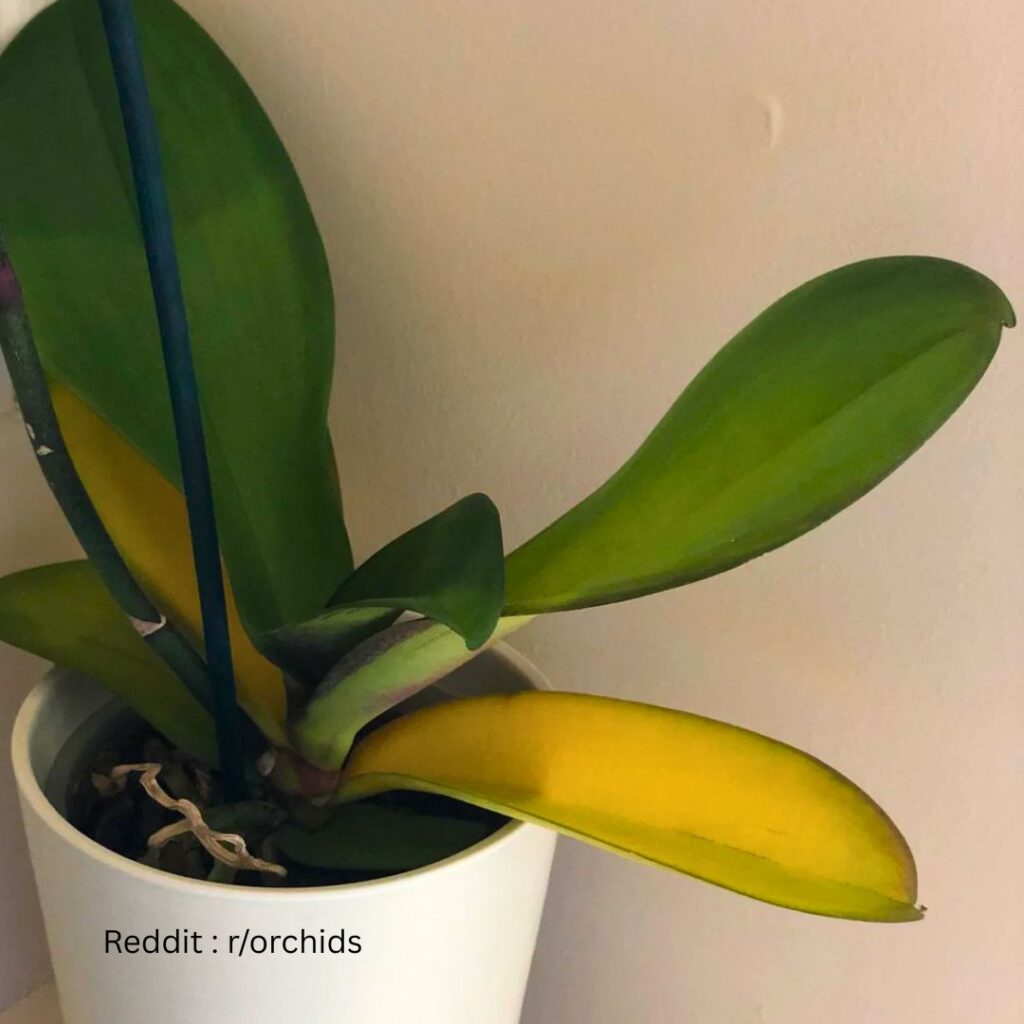
Yellow leaves on orchids can be frustrating! Let’s figure out why this happens and how to fix it. 🌼
Diagnosing the Underlying Cause
Overwatering: One common reason for yellow leaves is overwatering. Orchids don’t like sitting in soggy soil. Do you tend to water your plant too often?
Underwatering: On the flip side, underwatering can stress your orchid out. Check if the roots look dry or shriveled.
Light Issues: Is your orchid in the right spot? Too much direct sunlight can burn leaves, while too little light can make them weak and yellow.
Pests or Disease: Sometimes, pests like spider mites or aphids might cause problems. Look for tiny bugs or webbing.
Solutions for Yellow Leaves
Adjust Watering: If you’ve been overwatering, let the soil dry out before the next drink. For underwatering, I suggest a good soak and misting.
Change Light Conditions: Move your orchid to a spot with bright, indirect light. I keep mine near an east-facing window where it gets gentle morning rays.
Check for Pests: If you spot any pests, use insecticidal soap or a diluted alcohol solution to wipe them off. It’s a bit tedious, but it helps!
Repot if Needed: Sometimes, the soil mix can get compacted or old. I repot my orchid every year in a fresh, well-draining mix to keep it happy.
Prevention Strategies
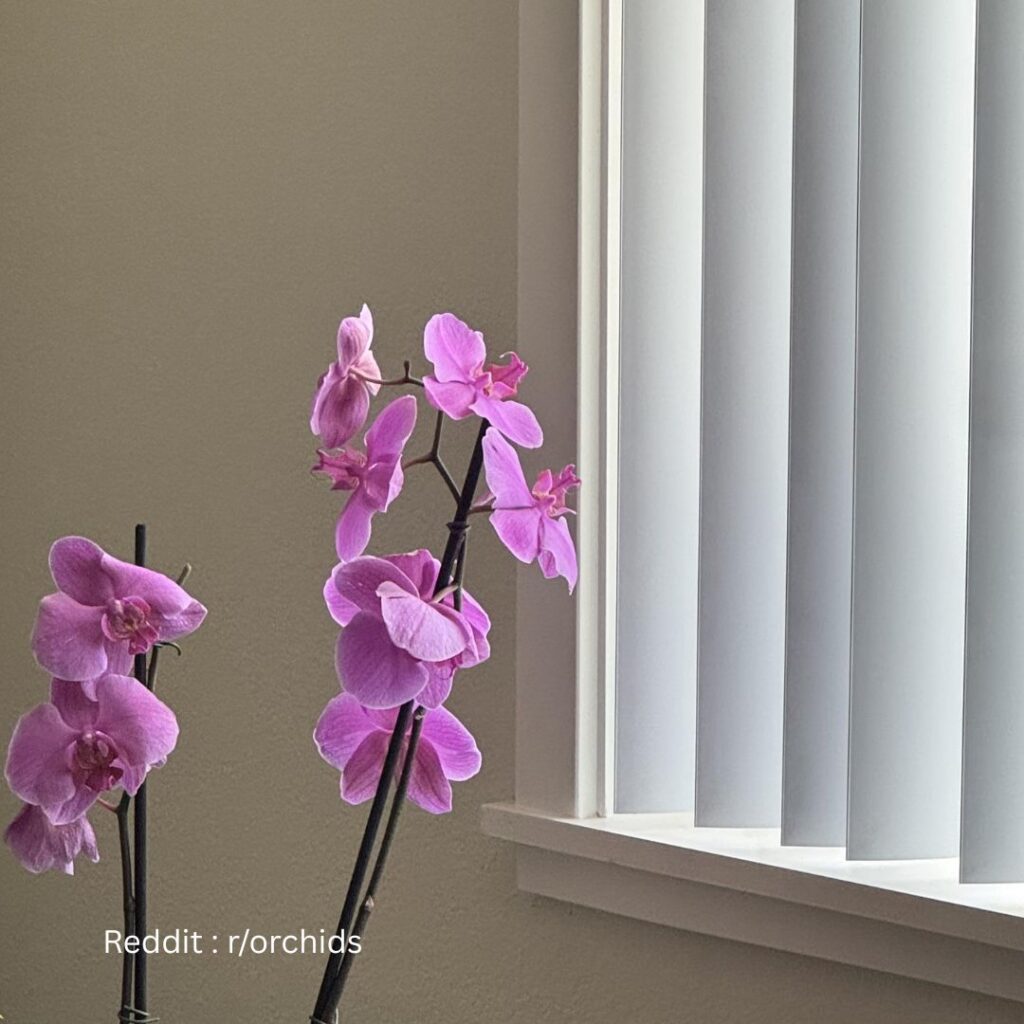
Keeping your orchid healthy involves consistent care and attention. By following routine maintenance tips and regularly monitoring your orchid’s health, you can keep the leaves green and vibrant.
Routine Maintenance Tips
To start, water your orchid properly. Orchids need a delicate balance—neither too dry nor too wet. I always make sure the potting mix is slightly dry before giving it a good soak. Have you tried using a spray bottle for misting?
Provide enough light. Orchids love bright, indirect sunlight. I place mine near a window with sheer curtains—just the right amount of filter. Too much direct sun can scorch the leaves, leaving them yellow.
Fertilize with care. I use a balanced orchid fertilizer every couple of weeks. Remember, more is not always better. Over-fertilizing can harm the plant.
Lastly, proper airflow is key. Orchids need good ventilation. I never place mine in a stuffy room. Circulating air helps prevent fungal issues and keeps leaves healthy.
Monitoring Orchid Health
Consistently check the leaves. Are they firm and green? If they start to yellow, it’s a sign something’s off. I always act fast; sometimes it’s just a minor fix.
Inspect the roots. Healthy roots are thick and white, with green tips. I gently lift the orchid from its pot every few months. Brown or mushy roots mean it’s time for a change.
Watch for pests. Little bugs can slip in unnoticed. Scale insects and spider mites love orchids. I keep a magnifying glass handy to spot them early. A quick wipe with soapy water can save the plant.
How’s your orchid doing? If you have tips or questions, drop them in the comments below. 🌿💬
When to Seek Expert Advice
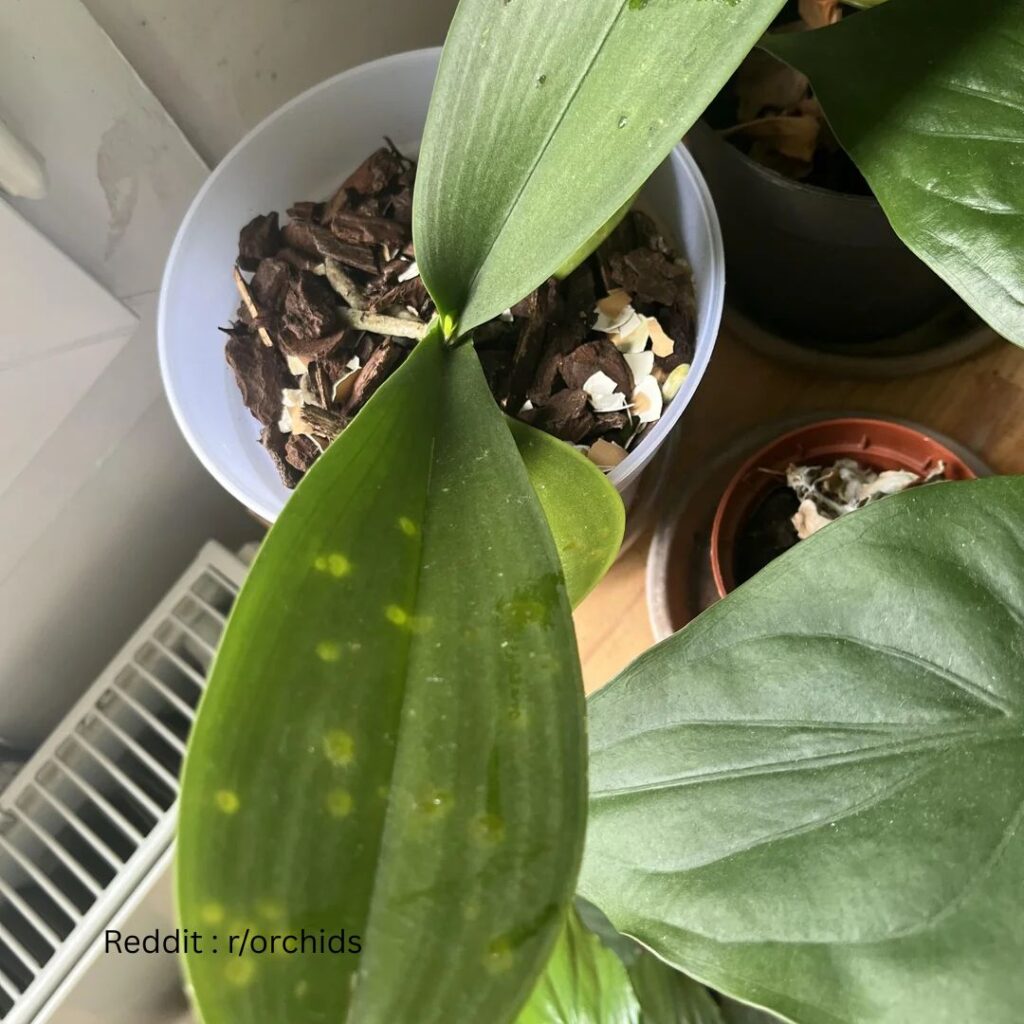
Not sure if your orchid needs expert help? Let’s chat about it 🤔. Sometimes, we need a little extra assistance to keep these plants happy.
Yellow leaves can mean your plant is stressed. If you’ve tried everything—adjusting light, water, and nutrients—and nothing works, it’s time to talk to a plant expert.
Another sign? Spots or pests. If those yellow leaves have weird spots or insects crawling around, give that pro a call! 🐛
Also, if your orchid has been unwell for a long time and keeps losing leaves, it’s best to let an expert take a look.
Did you receive your orchid as a gift and it’s turning yellow fast? Sending pictures to an orchid specialist can help diagnose the problem.
I’ve found that reaching out to online forums or local garden stores can be super helpful too! 🌱 Do you have any tips? Drop them in the comments below.⬇️
Frequently Asked Questions
Yellowing orchid leaves can be confusing. Here, I’ll answer some common questions about why it happens and how to handle it. 🌿
What causes the yellowing of orchid leaves at the base?
Yellow leaves at the base might mean the orchid is getting rid of old leaves. It’s part of the plant’s natural process. Sometimes, it could also be from overwatering or lack of nutrients. Always check the roots and adjust your watering habits, if needed.
How can you treat yellow and wrinkled leaves on an orchid?
When leaves are yellow and wrinkled, it often means the orchid is dehydrated. Try soaking the orchid in water for a short time to rehydrate it. Also, make sure the humidity around the plant is appropriate. I use a humidity tray or mist the plant lightly.
Is it possible for yellow orchid leaves to become green again?
Usually, yellow leaves won’t turn green again. Focus on helping new leaves grow healthy. It’s important to identify the cause, so this doesn’t keep happening. Keep an eye on the light, water, and nutrients your orchid is getting.
What should I do when just one leaf of my orchid turns yellow?
If it’s just one leaf, don’t worry too much. Gently remove the yellow leaf if it’s dry and not healthy anymore. This helps the plant focus its energy on new growth. Make sure to monitor your plant for any additional issues.
How can I address yellowing orchid leaves after I’ve repotted the plant?
Repotting can stress an orchid, causing leaves to yellow. Ensure it’s in a well-draining medium and gets the right amount of water. Sometimes the plant needs a little time to adjust. Keep an eye on it and adjust care as needed.
What does it mean when my orchid has yellow leaves but is losing its flowers?
When flowers and leaves yellow at the same time, it often signals a problem with watering or nutrition. Make sure the orchid has enough (but not too much!) water, and occasionally use an orchid fertilizer. This combo should help your plant get back to its vibrant self! 🌸
Feel free to share your own orchid stories or ask me more questions in the comments below! Let’s help our orchids thrive together! 🌷😊