
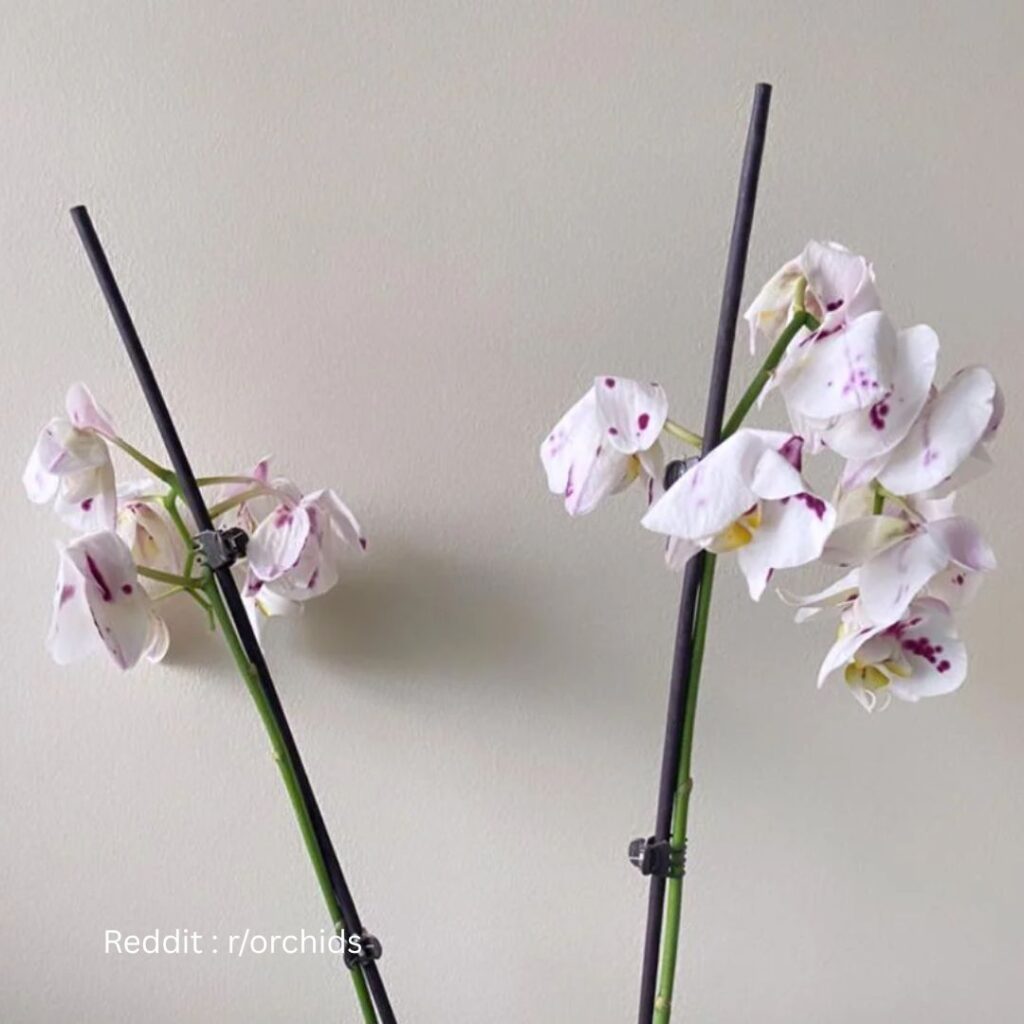
Orchids can be tricky to care for, but there’s still hope, even when they seem to be on their last legs. Reviving a dying orchid is possible with the right steps. Imagine this: your once-beautiful orchid has wilted, and you’re scared it’s beyond saving. Don’t worry, I’ve been there too!
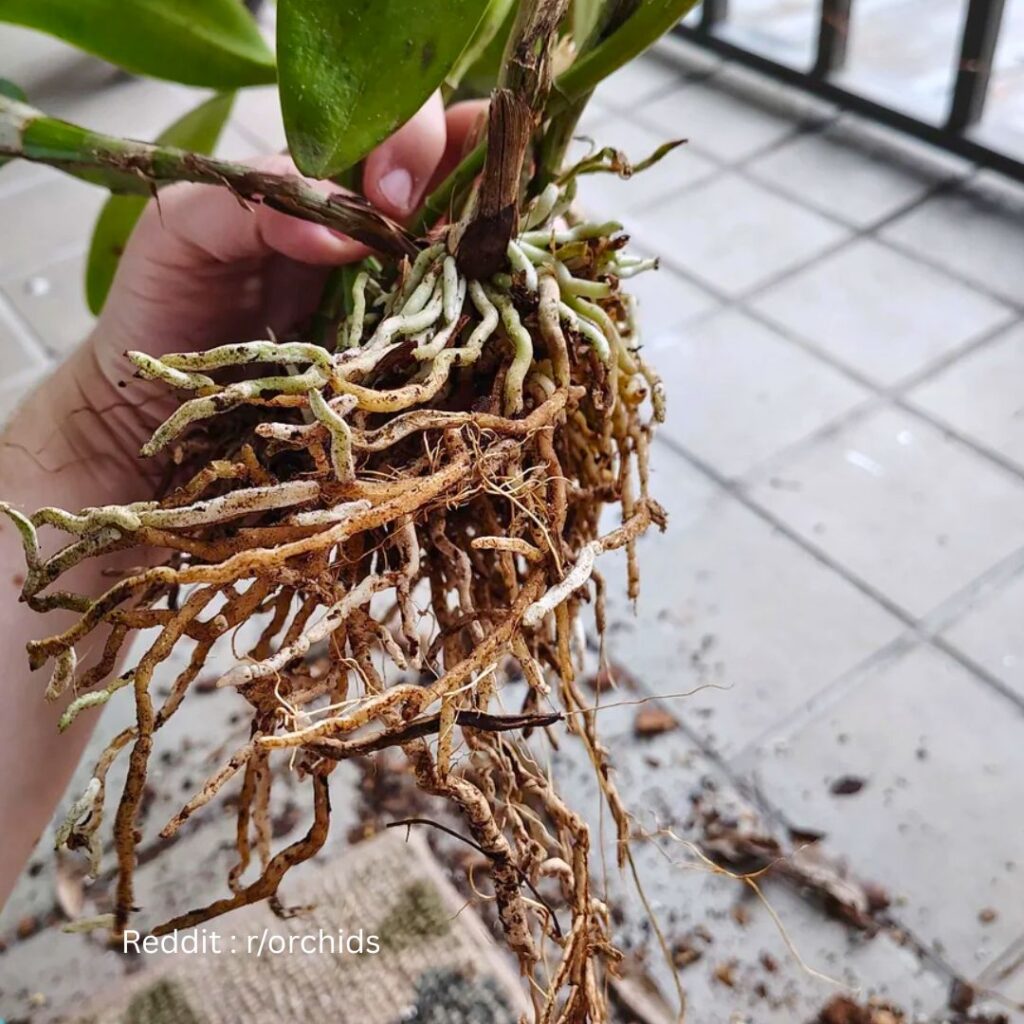
Firstly, check the roots. Healthy roots are firm and green; if they look mushy, it’s time to trim them. Repotting can work wonders as well. Swap out the old soil for fresh, well-draining mix, and make sure the pot has proper drainage. This can give your orchid a second chance to thrive. 🌿
Also, remember to give it the right amount of light and water. Overwatering is a common mistake! Feel the soil—if it’s still moist, hold off on watering. Orchids like bright, indirect light, so place yours near a window but out of direct sunlight. 🌞 Have any questions about your orchid? Drop a comment, and let’s talk!
Understanding Orchid Health
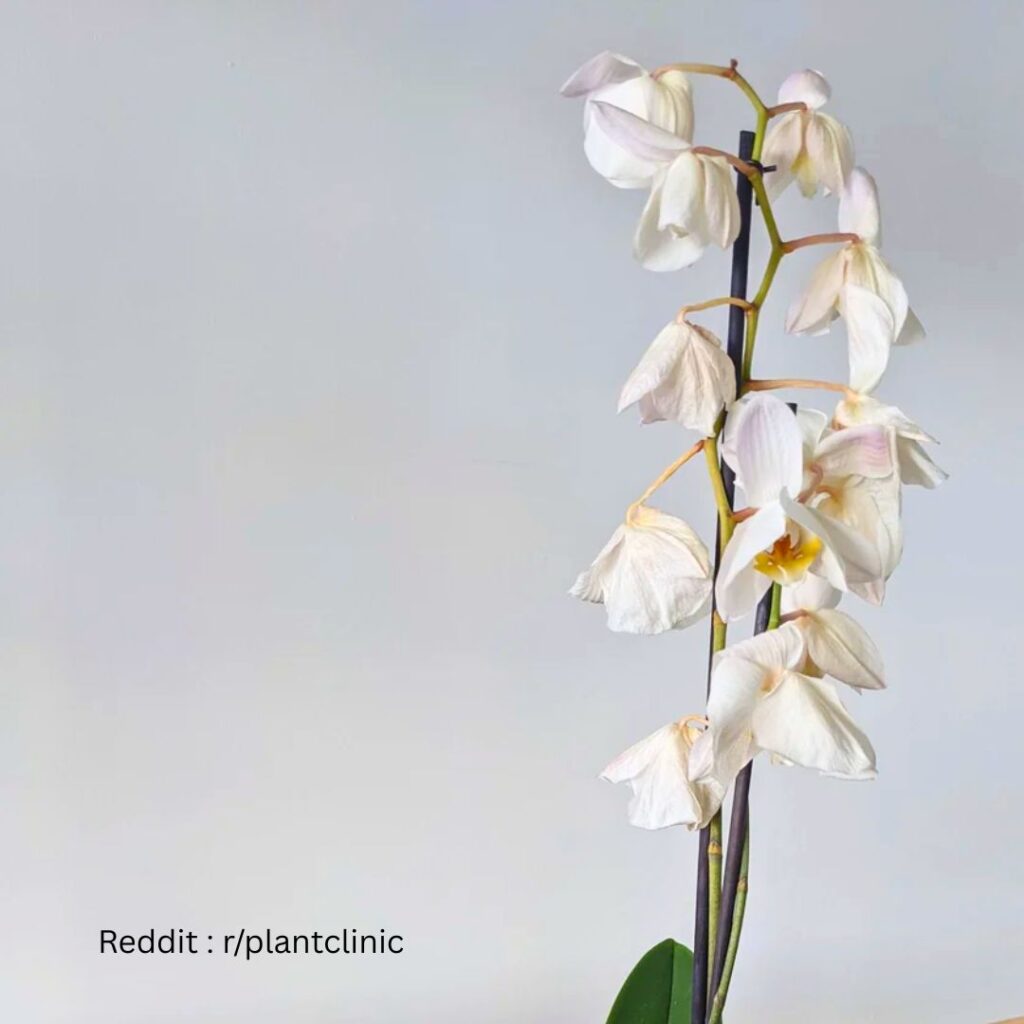
Taking care of an orchid can be a rewarding experience, but it’s essential to recognize when your plant needs help. Here’s how you can spot and manage issues with your orchid.
Identifying a Dying Orchid
Have you noticed wilting leaves or drooping flowers? These can be signs that your orchid is struggling. Check the roots: healthy roots are firm and white or green, while unhealthy roots tend to be brown and mushy. Another clue is the leaves turning yellow or going soft. If you see these signs, your orchid needs some TLC!
Common Causes of Decline
Overwatering is a frequent cause of orchid misery. Orchids need a balance of moisture and dryness. Avoid soggy roots! Underwatering can also spell trouble. Make sure to water your orchid just right.
Improper light is another culprit. Orchids love bright, indirect light. Too much sunlight can scorch the leaves, while too little light can prevent blooms. Find a happy medium!
Don’t forget to watch out for pests. Little bugs like aphids or spider mites can stress your plant. Check regularly and treat your plant if you see any unwanted visitors.
Got any orchid care tips or stories? 🌸 Share in the comments!
Immediate Care Steps
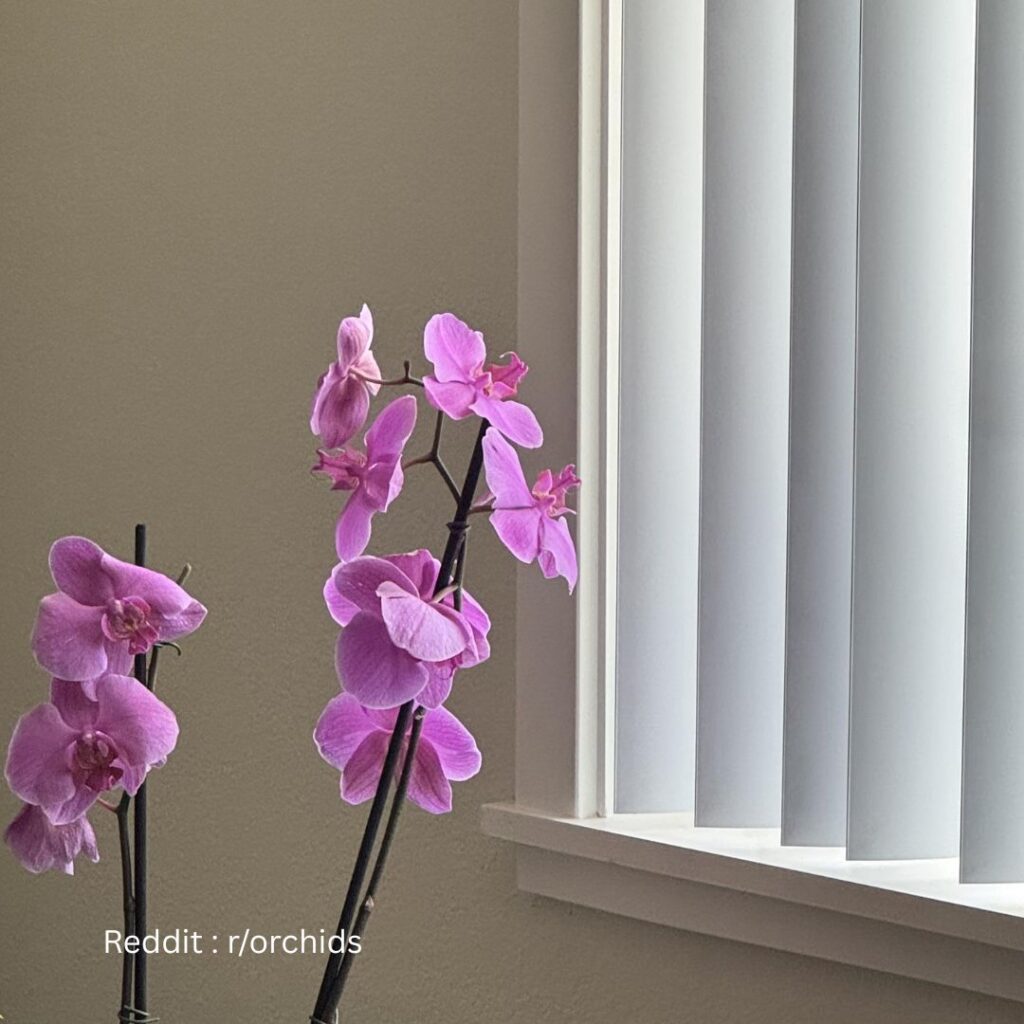
Let’s dive into the immediate steps to revive your orchid. Pay attention to the environment and hydration needs to give your plant its best chance.
Assessing the Environment
First things first, check the light! Orchids love bright, indirect light. Too much direct sun can scorch the leaves. 🌞 Is your orchid getting the right kind of light? Adjust it if it’s not.
Then, temperature is key. Orchids thrive in temperatures between 65-75°F during the day and slightly cooler at night. Does your room feel too hot or too chilly? Adjusting this can make a big difference.
Ever thought about the air circulation? Stagnant air can lead to mold. Make sure the room is airy. Maybe a small fan can help? Give it a try!
Hydration and Humidity Adjustments
Watering practices are vital! Orchids don’t like soggy roots. How often are you watering? Usually, once a week is good. Ensure the pot drains well to prevent root rot.
Humidity should be around 50-70%. Is your home too dry? 😬 Consider using a humidity tray or misting the leaves. Just don’t overdo it!
Lastly, fertilize but sparingly. A balanced, diluted orchid fertilizer every two weeks helps. Over-fertilizing can harm, so be cautious!
Got your own tips or hacks for caring for orchids? Share in the comments! 🌸 Let’s make our orchids happy and healthy together.
Long-Term Orchid Revival Techniques

Let’s bring that orchid back to life! We’ll focus on proper watering, good lighting, and the perfect temperature and airflow to make your orchid thrive again.
Proper Watering Practices
First things first – water wisely! Orchids don’t like too much water. I water my orchid once a week, but let it dry out in between. Do you overwater? Your plant might be in trouble!
To avoid this, make sure your pot has good drainage. No one likes soggy feet, right? Check the roots. When they’re silver, it’s time to water. Is your orchid in a pot without drainage? Time to find a new home for it!
Oh, and use room temperature water. Orchids are picky and don’t like it too hot or too cold. Remember these tips and your orchid will thank you 🌱💧.
Lighting Requirements
Did you know orchids love bright, indirect light? Direct sunlight can burn the leaves, and no one likes a sunburn! I keep mine near an east-facing window. It’s like giving it a cozy spot with just the right amount of morning sun.
Got a north-facing window? You might need some additional light. Consider using a grow light. It’s a game-changer for those darker spots in your home.
Watch the leaves closely. If they’re dark green, your orchid is happy with the light. If they’re yellow, it’s getting too much. And if they’re pale, it needs more light. Keep that balance, and your orchid will glow with health 🌞✨.
Temperature and Air Flow
Orchids like it just right – not too hot, not too cold. I keep mine in a space with temperatures between 65-75°F (18-24°C). At night, a slight drop is okay, but nothing drastic.
Do you have a fan in the room? Orchids enjoy good air circulation. It keeps diseases away. Make sure the air isn’t too dry, though. I use a humidifier to keep the humidity between 50-70%.
Got a drafty window or a heater nearby? Move the orchid to a spot where the temperature stays steady. This balance is key to keeping your orchid healthy and happy throughout the year 🌡️🌀.
Share your orchid tips and stories in the comments! Let’s help each other grow 🌸💬.
Advanced Care Strategies

When caring for a dying orchid, there are two main advanced strategies to help revive it: repotting and fertilization. Implementing these methods can give your orchid a better chance of survival.
Repotting Essentials
Repotting is crucial when the roots outgrow the pot or the potting mix breaks down. I like to repot my orchids every 1-2 years, usually after blooming. Use a clean pot with good drainage holes. Clear pots help monitor root health.
First, gently remove the orchid and trim dead roots. It’s satisfying to see healthy, white roots emerge. Use a fresh, high-quality orchid mix to fill the pot about halfway. Place the orchid in the pot and fill around the roots. Water thoroughly, but avoid soaking. Repotting can be a bit messy, but it’s worth the effort. 🌱
Fertilization Schedule
Orchids need the right nutrients to thrive. I follow a “weekly weakly” schedule: fertilize every week with a diluted orchid fertilizer. Avoid fertilizers with urea, as orchids can’t easily absorb it.
Measure half or a quarter of the recommended dose. It’s fun to see the leaves and roots respond to the nutrients. Skip fertilizing during the orchid’s rest period, typically after blooms fall. If leaves turn yellow, reduce the frequency. 🏵️ Make sure to share your experiences in the comments!
Monitoring and Routine Care
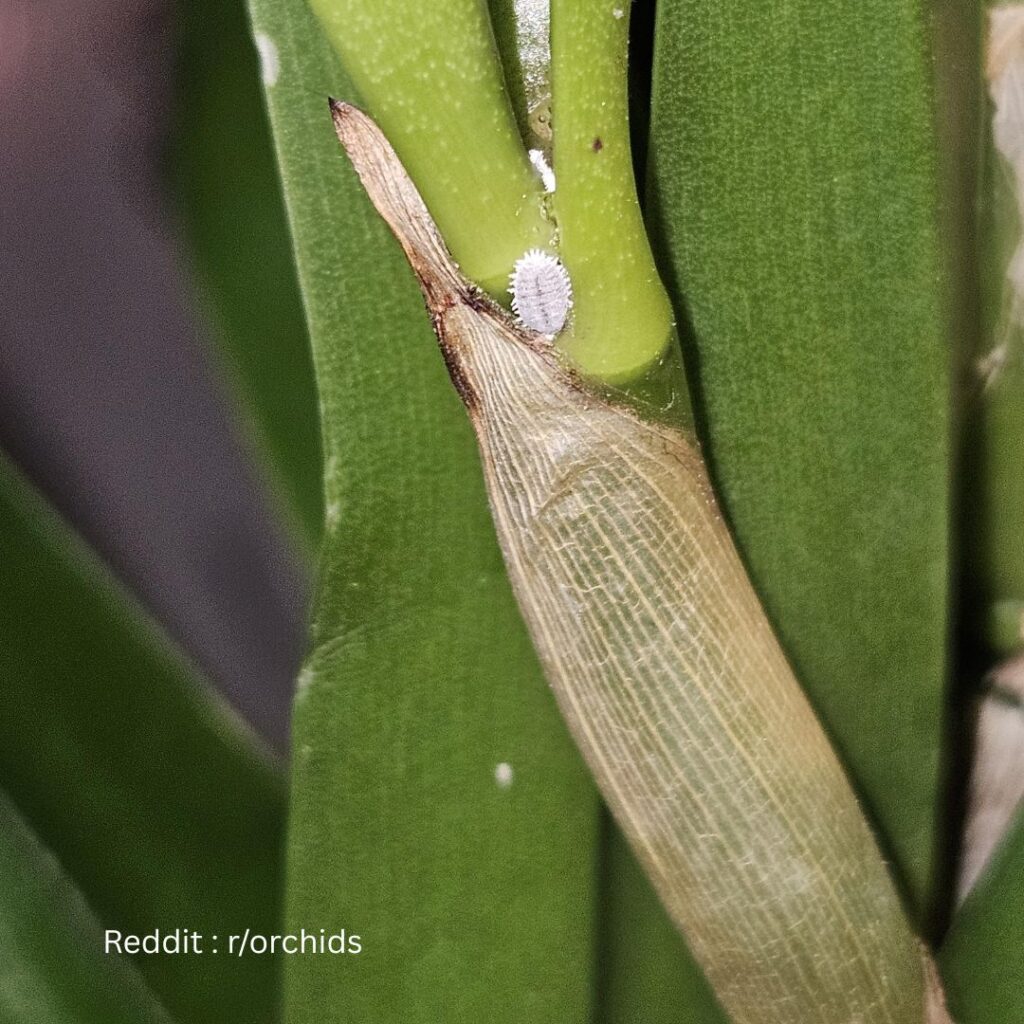
Keeping an orchid healthy requires vigilance and a little bit of routine care. Here’s what you should focus on to make sure your orchid stays in the best shape possible 🌸.
Pest and Disease Prevention
Pests love to make a home in your orchids. Keep an eye out for common pests like aphids, spider mites, and mealybugs. I find that wiping the leaves gently with a damp cloth and using natural insecticidal soap helps a lot. Fungal infections can also be a problem, especially if your orchid is overwatered.
Check your orchid for mold or mildew—little white or gray spots are a big red flag 🚩. Good air circulation can prevent these, so make sure your orchid is in a place where it can breathe. A little fan can even help keep things airy.
Regular Maintenance
Regular maintenance is all about keeping up with the basics. Orchids need the right amount of light—not too much and not too little. I place mine near a window with filtered sunlight. Too much direct sunlight can burn the leaves, while too little will stunt growth.
Watering can be tricky. Make sure to water your orchid when the soil feels dry to the touch. Overwatering can lead to root rot, so it’s better to underwater than overwater. Use a pot with good drainage to help with this.
Also, remember to fertilize your orchid every once in a while. Choose a balanced fertilizer and follow the instructions on the package. I usually feed mine once a month; it makes a big difference!
What’s your experience with orchid care? Share your tips or ask questions in the comments below! Let’s keep those orchids blooming together 🌺✨.
Rehabilitation and Recovery
Reviving a dying orchid can be challenging, but it’s often possible with persistence and proper care. I’ll guide you through recognizing signs of recovery and providing continued support to help your orchid thrive again 🌸.
Signs of Recovery
After starting rehabilitation, watch for new leaf growth. New leaves are a good sign your orchid is bouncing back. Roots turning green when watered shows they’re healthy and absorbing water.
Another clear indicator is flower spikes. While it might take time, new spikes mean your orchid is ready to bloom again 🌷. Keep track of these signs to know if your efforts are working.
Continued Orchid Support
Once you see signs of recovery, it’s important to continue supporting your orchid. Regular watering is key. Use the “soak and dry” method to avoid overwatering. Also, indirect sunlight helps the orchid grow strong.
Consider using a balanced fertilizer. Orchids need nutrients to thrive. Apply a diluted fertilizer every couple of weeks. Finally, repotting your orchid into fresh medium can help it grow better. Orchids do well in bark or moss-based mediums.
Has your orchid shown any of these signs? What support methods have worked best for you? Share your experience in the comments below! 🌱✨
Frequently Asked Questions
Hey there! Taking care of a dying orchid can be challenging, but don’t worry, I’ve got you covered. Here are some common questions and answers to help you save your orchid and maybe even get it to bloom again 💚.
How can I revive an orchid with dead roots?
First, trim off the dead roots with sterilized scissors. Then, soak the orchid in water mixed with a root growth stimulant for about 20 minutes. Finally, repot it in fresh, well-draining orchid mix.
What are the steps to care for a dying orchid using water?
Gently remove the orchid from its pot, rinse the roots, and trim away any dead parts. Place the orchid in a bowl of water for a few hours (no more than 6). After that, let the roots dry and repot the orchid in fresh moss or bark.
Is it possible to bring an orchid back to bloom, and if so, how?
Yes! 🌸 Keep the orchid in a spot where it gets indirect sunlight. Water it properly and fertilize it once a month. It may take a while, but with patience, you’ll see new blooms.
What should I do with an orchid that seems completely dead?
Cut back the leaves and roots that look dead. Place the plant and roots back into the potting mix and ensure they get proper water and indirect light. Sometimes a little care can bring it back to life!
Why might my indoor orchid be dying, and how can I address this?
Overwatering, underwatering, and lack of sunlight are common problems. Make sure the orchid is in a well-lit area and check if you’re watering it correctly. The media should always be damp, not soaked.
Can an orchid without leaves or flowers be saved, and what is the process?
Yes, it can! Even without leaves or flowers, an orchid is not necessarily dead. Focus on the roots. Keep the plant in a moist environment and provide indirect sunlight to encourage new growth.
I’d love to hear if you’ve ever had trouble with your orchids. Drop your thoughts and questions in the comments below! 🌱💬