
Orchids are beautiful, aren’t they? Their leaves splitting can be so frustrating! So, why do orchid leaves split? 🌿 It’s mostly due to a lack of humidity or too much direct sunlight.
Imagine being a tropical plant in a dry room—it’s harsh! Ever felt your skin crack in winter? That’s what happens to orchid leaves when it’s too dry. And while we love sunshine, orchids can get sunburned too. Have you noticed any teeny, tiny splits in your orchid’s leaves? Drop a comment if you have!
So, to help your orchid thrive, adjust the light and humidity. Keeping a spray bottle nearby or placing a humidity tray under your plant can work wonders. Share your orchid care tips below! 🌸
Understanding Orchids
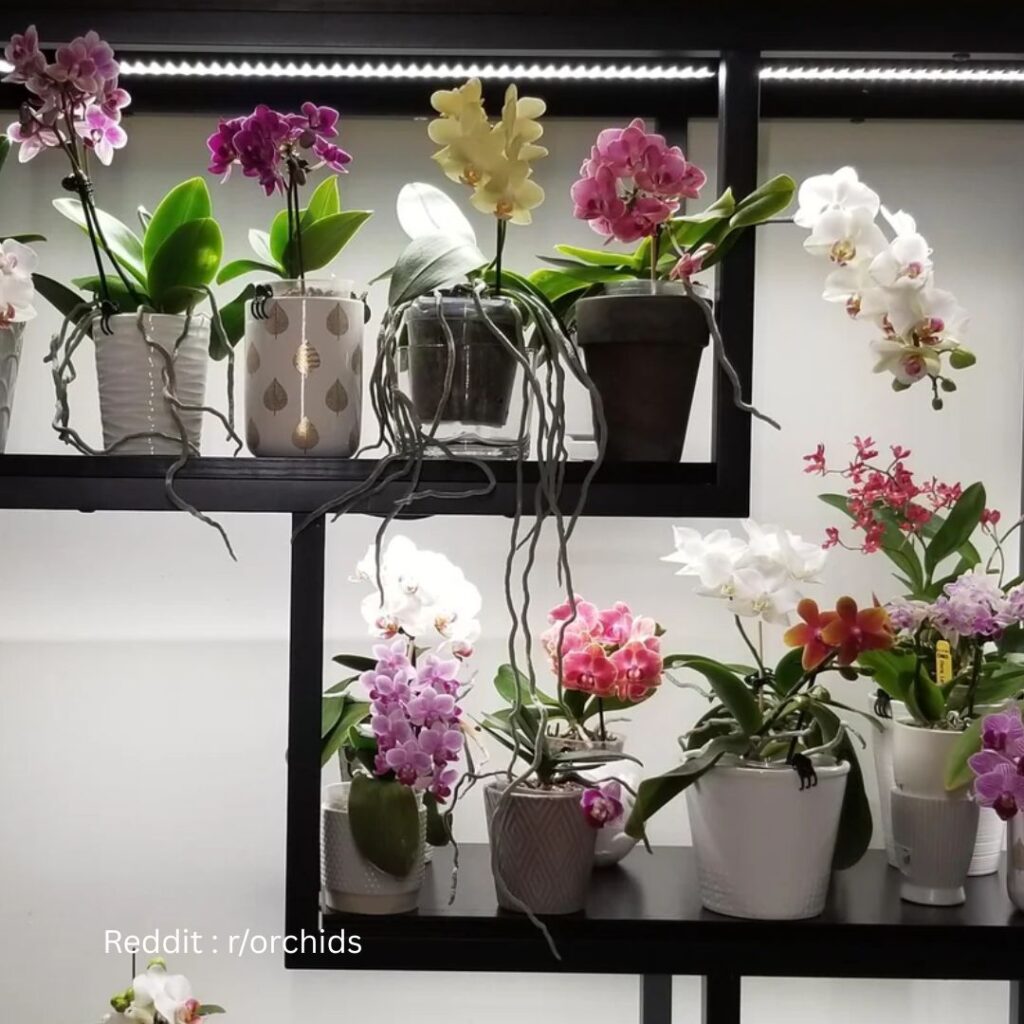
Orchids are fascinating plants with unique structures and clear signs of health. Knowing their anatomy and leaf indicators helps us care for them better.
Orchid Anatomy
Orchids have three main parts: roots, leaves, and flowers. The roots are often aerial, growing out of the pot and soaking up moisture from the air. It’s normal for these roots to look a bit wild and tangled. 📸 Ever seen an orchid with roots hanging out of the pot? Totally normal!
The leaves are usually broad and flat, providing the necessary surface for photosynthesis. Healthy leaves should be firm and green. Then we come to the flowers. 🌸 This is the part everyone loves! Orchid flowers come in a stunning variety of shapes and colors. Each type of orchid has unique blooms, making them a collector’s dream.
Leaf Health Indicators
Orchid leaves tell us a lot about their health. Firm, green leaves are a sign of a happy plant. If the leaves are yellow or spotted, it could be a sign of trouble. It’s like your orchid is crying for help! 😢
Splitting leaves can result from overwatering or extreme temperatures. Imagine being in a sauna one minute and a freezer the next – not fun, right? Also, keep an eye out for pests. Little bugs can cause big problems for your orchid leaves. So, regular checks are essential.
What do you think? Have you noticed these signs in your orchids? 🌿 Drop a comment below and let’s chat!
Common Causes for Split Leaves
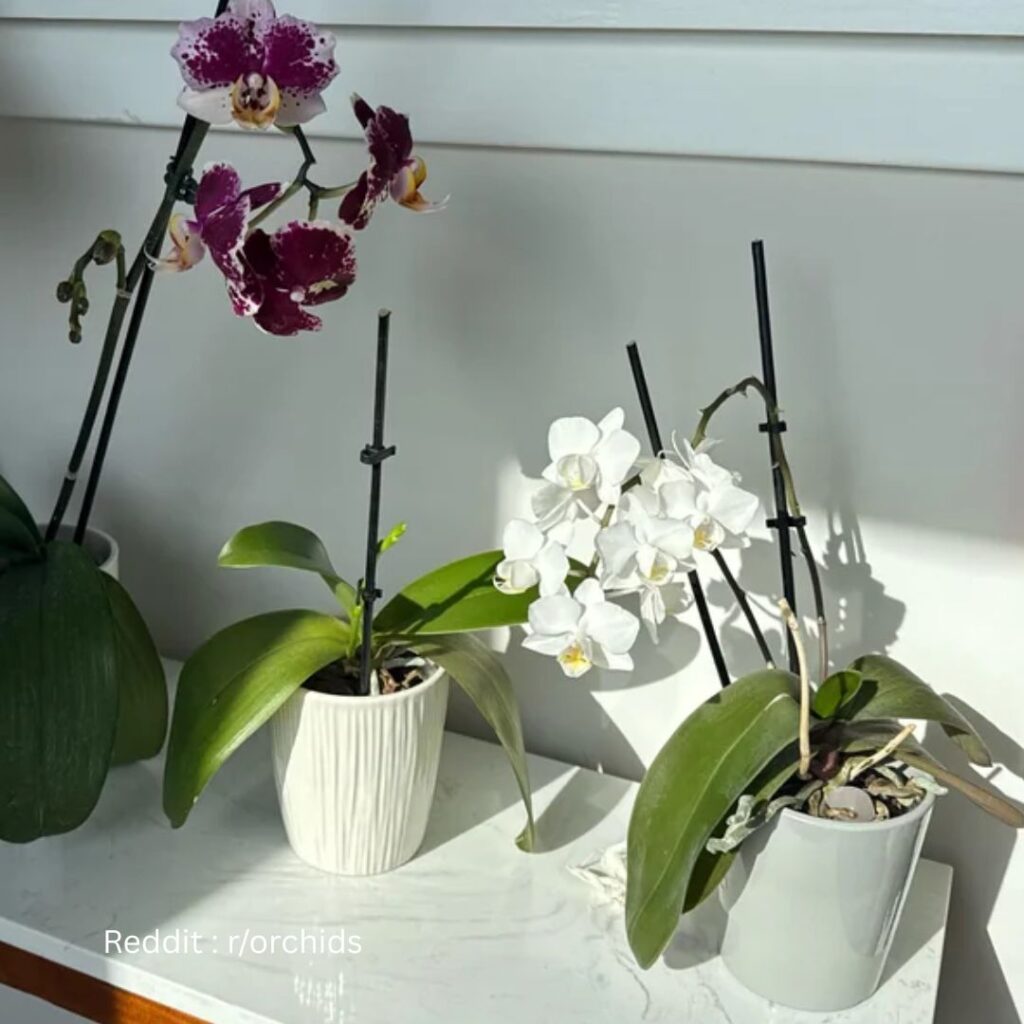
Orchid leaves often split due to a mix of factors like stress, watering habits, lack of nutrients, or physical harm. Let’s dig into these reasons and find out what might be affecting your precious plants. 🌿
Environmental Stress
Orchids are sensitive to their surroundings. Too much direct sunlight can cause their leaves to scorch and crack. Think about putting them in a spot with filtered light. 🌞 Also, sudden temperature changes can stress out your orchid. Aim for a consistent, comfortable environment to keep them happy.
Do you have your orchid near drafty windows or heating vents? Extreme drafts can also lead to split leaves. Try to find a cozy spot without too much air flow. Your plant will thank you!
Improper Watering
The way you water your orchid can play a big role in how its leaves look. Too much water can lead to root rot, which in turn can make leaves weak and prone to splitting. Make sure to water your orchid only when the soil is dry to the touch.
On the flip side, not enough water can cause the leaves to become brittle and crack. Keep a regular watering schedule, but always check the soil first. Are you guilty of overwatering or underwatering? 🌱
Nutritional Deficiencies
Orchids need the right mix of nutrients to stay healthy. Lack of essential nutrients, like nitrogen, can weaken the leaves, making them more likely to split. Consider using a balanced orchid fertilizer to keep your plant strong.
Regular feeding is key, but be careful! Too much fertilizer can burn the roots and damage the leaves. Have you been feeding your orchid enough but not too much?
Physical Damage
Sometimes, the cause is as simple as accidental bumps or handling errors. Orchids are delicate, and rough handling can cause their leaves to split. Be gentle when moving your plant around or repotting it.
Even pets can be a culprit. 🐾 Cats playing near your orchid might accidentally scratch the leaves. Have you noticed any nibbles or scratches lately?
Got more tips or curious questions? Share them below! Let’s keep those orchids happy and healthy together! 🌸💬
Preventative Measures
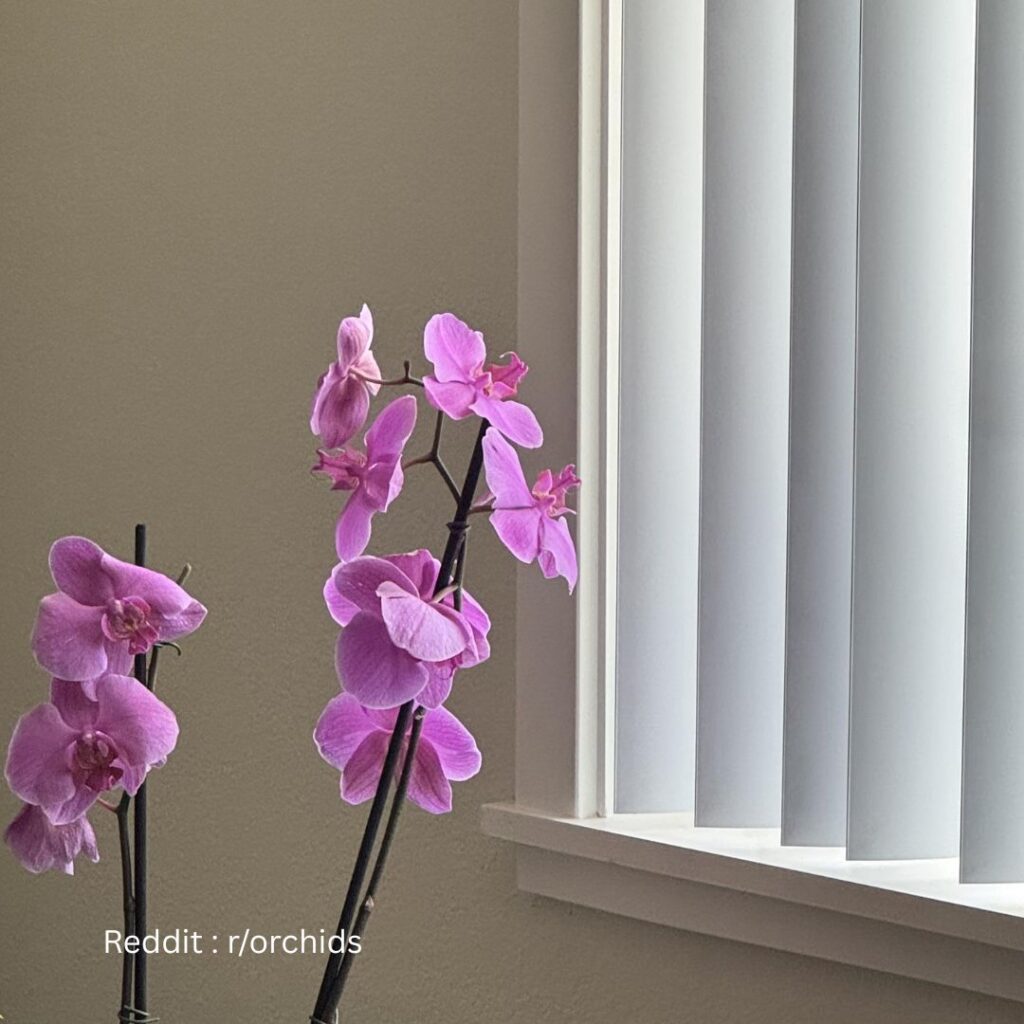
Orchid leaves can split due to a variety of reasons. To keep your orchid healthy, it’s important to focus on a few key areas like growing conditions, watering techniques, and proper nutrition.
Optimizing Growing Conditions
To prevent split leaves, make sure your orchid gets enough light but not too much. Orchids like bright, indirect sunlight. If the light is too strong, it can cause the leaves to become dry and split. If the light is too weak, the plant may become weak and prone to damage.
Temperature is also key. Orchids usually prefer temperatures between 65°F to 75°F (18°C to 24°C). If it’s too hot or too cold, the leaves can get stressed and split.
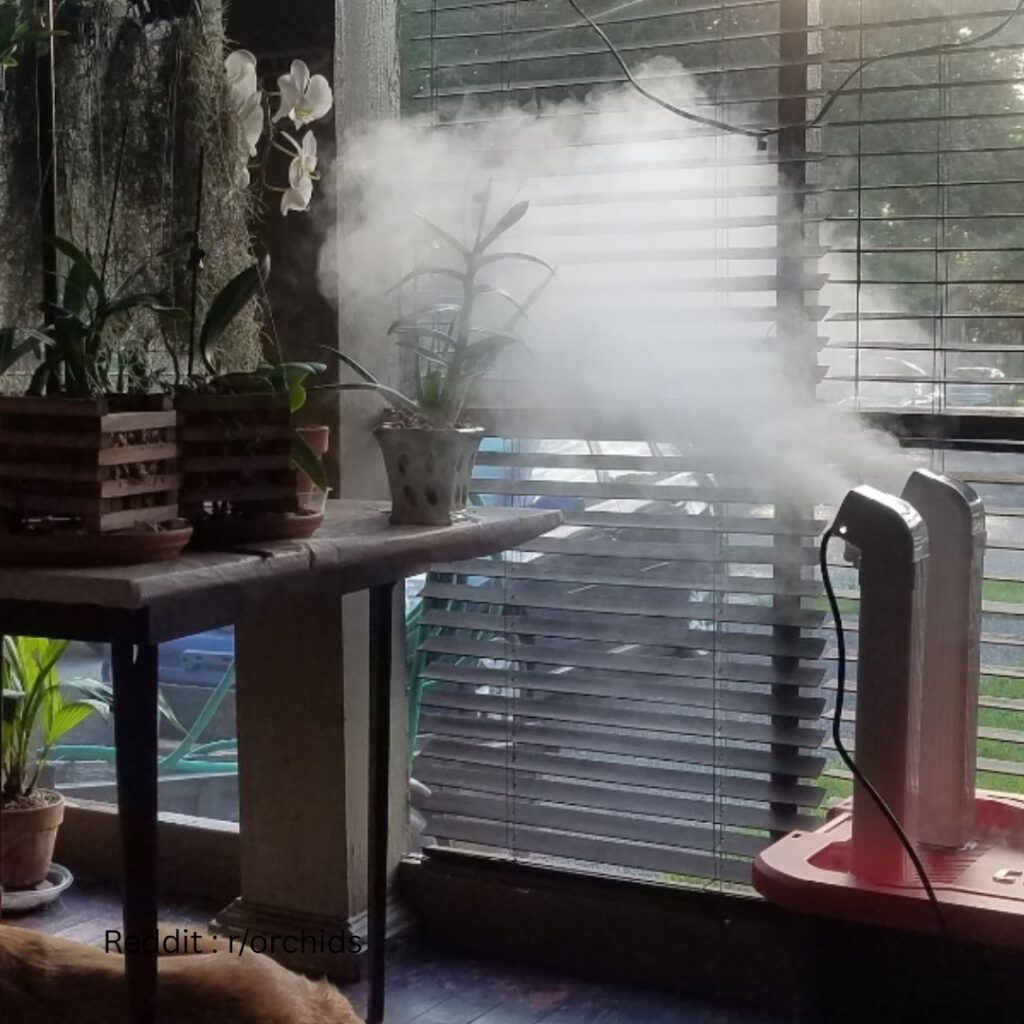
Another thing to think about is humidity. Orchids love a humid environment, usually between 50% to 70%. You can use a humidity tray or a room humidifier to keep the levels just right. 🌿
Appropriate Watering Techniques
Watering can be tricky! Too much water can cause root rot, while too little can dry out the leaves. My rule of thumb is to water the orchid once a week. Always check if the roots are dry before you water.
Use room temperature water and avoid getting the leaves wet. Also, make sure the pot has good drainage. Orchids hate sitting in water. Think of their roots like goldfish; they need air just as much as water.
Ever used ice cubes to water orchids? It’s a fun hack! Just place one or two ice cubes on the soil. It’s a slow-release way to provide water and avoid overwatering. 💧
Providing Adequate Nutrition
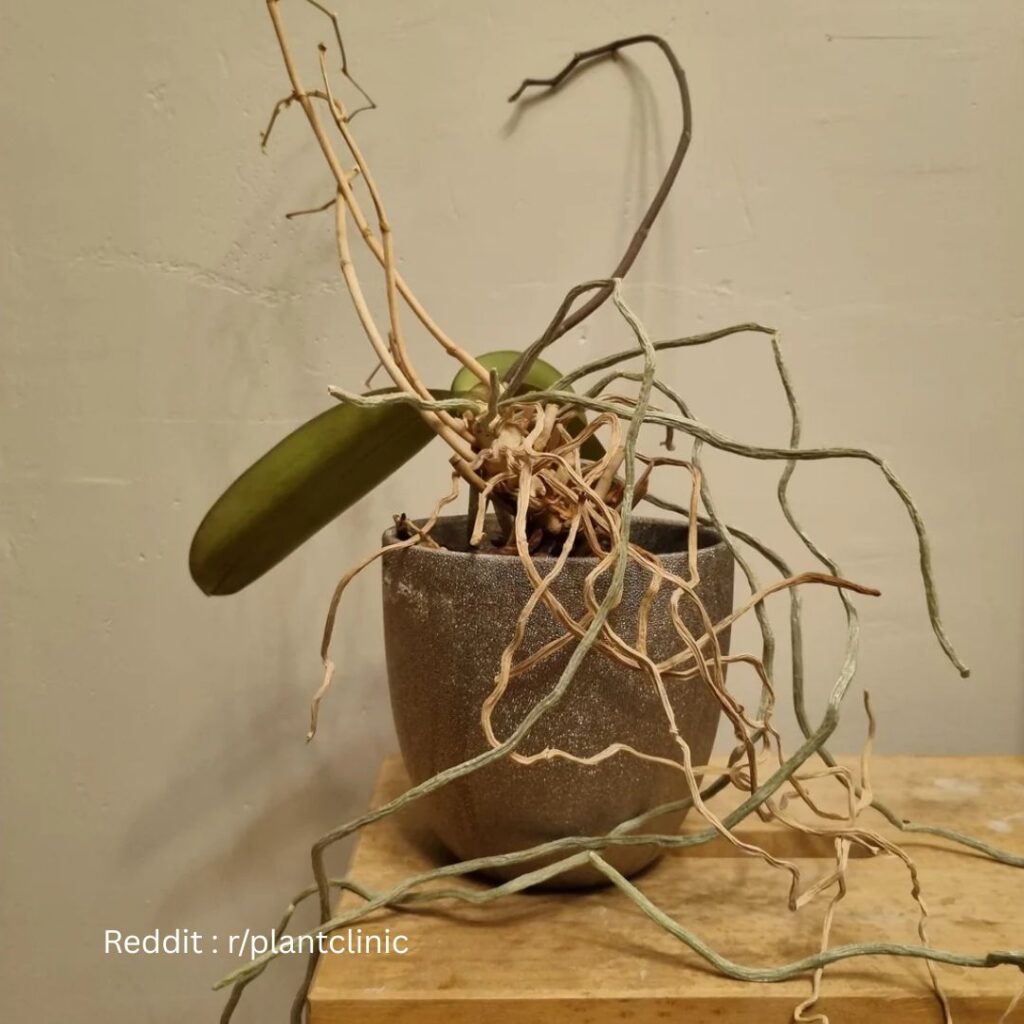
Good nutrition keeps your orchid strong. I use a balanced orchid fertilizer every two weeks. Look for one with equal parts nitrogen, phosphorus, and potassium (like 20-20-20).
Always dilute the fertilizer, usually mixing it with water at half strength. Over-fertilizing can do more harm than good. It’s like feeding your orchid a balanced diet, not a super-sized meal.
Sometimes I also use a foliar spray to provide extra nutrients directly to the leaves. Just make sure it’s a light mist and not soaking wet. 🌸
By paying attention to these preventative measures, you can keep your orchid looking its best. Share your own tips below! 🌿💧😊
Treatment and Recovery
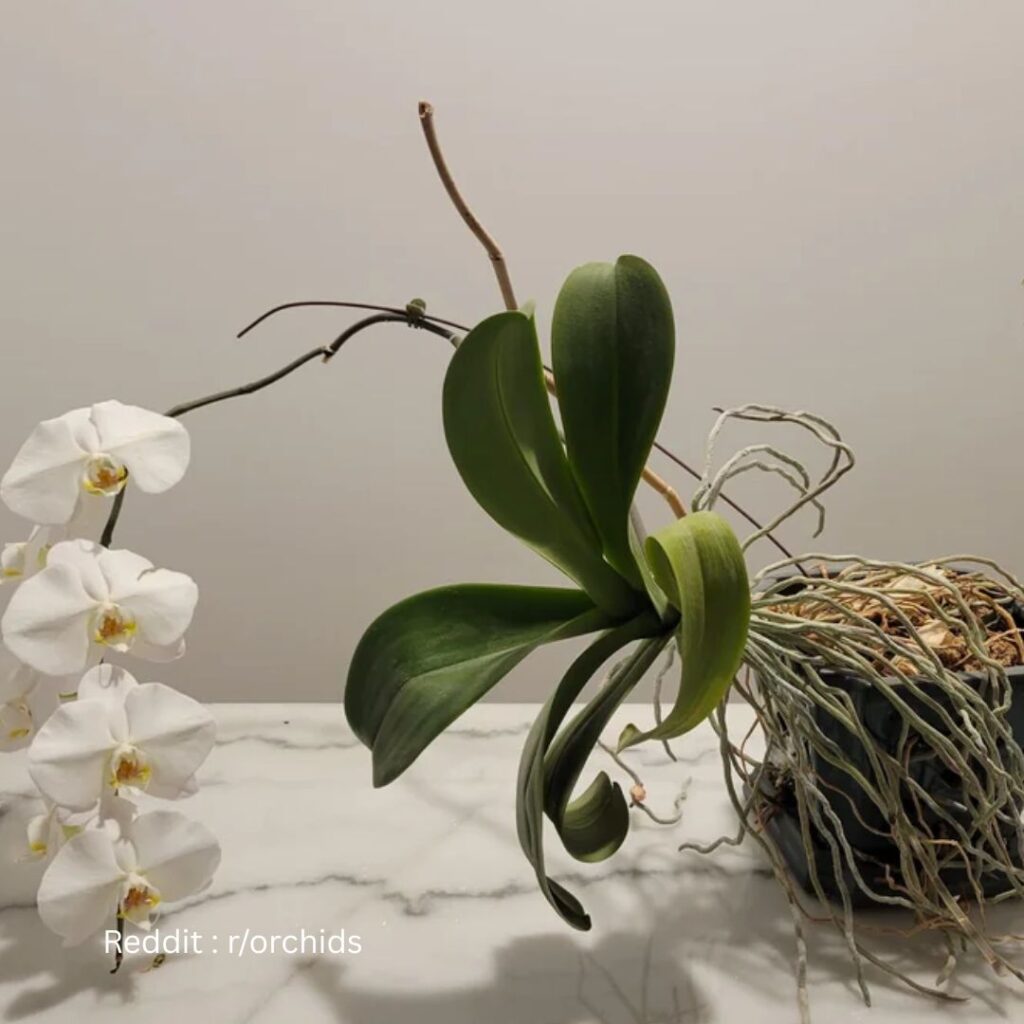
Orchid leaves can split for various reasons, like improper watering or lack of humidity. Here’s how to treat damaged leaves and adjust your care habits to help your orchid thrive. 🌟
Caring for Damaged Leaves
First things first, don’t panic. Split leaves might not look the best, but your orchid can still recover. Trim any badly damaged parts using clean scissors. Make sure to sterilize the scissors to prevent infection. You don’t want to spread bacteria!
Keep the cut area dry to avoid further problems. Applying a small amount of cinnamon (yes, the spice!) can help prevent infections. Isn’t that cool? 🌿
Adjusting Care Practices
Take a look at how you’re caring for your orchid. Are you watering it correctly? I always feel like a plant detective!🕵️♀️
If the air is too dry, use a humidity tray or a humidifier. Orchids love a bit of extra moisture. Also, make sure your orchid gets enough light without direct sun. Direct light can damage leaves. 😎
Remember, stick to a consistent watering schedule. Not too much, not too little. Just the right amount keeps them happy. 🪴
Pro Tips for Orchid Care
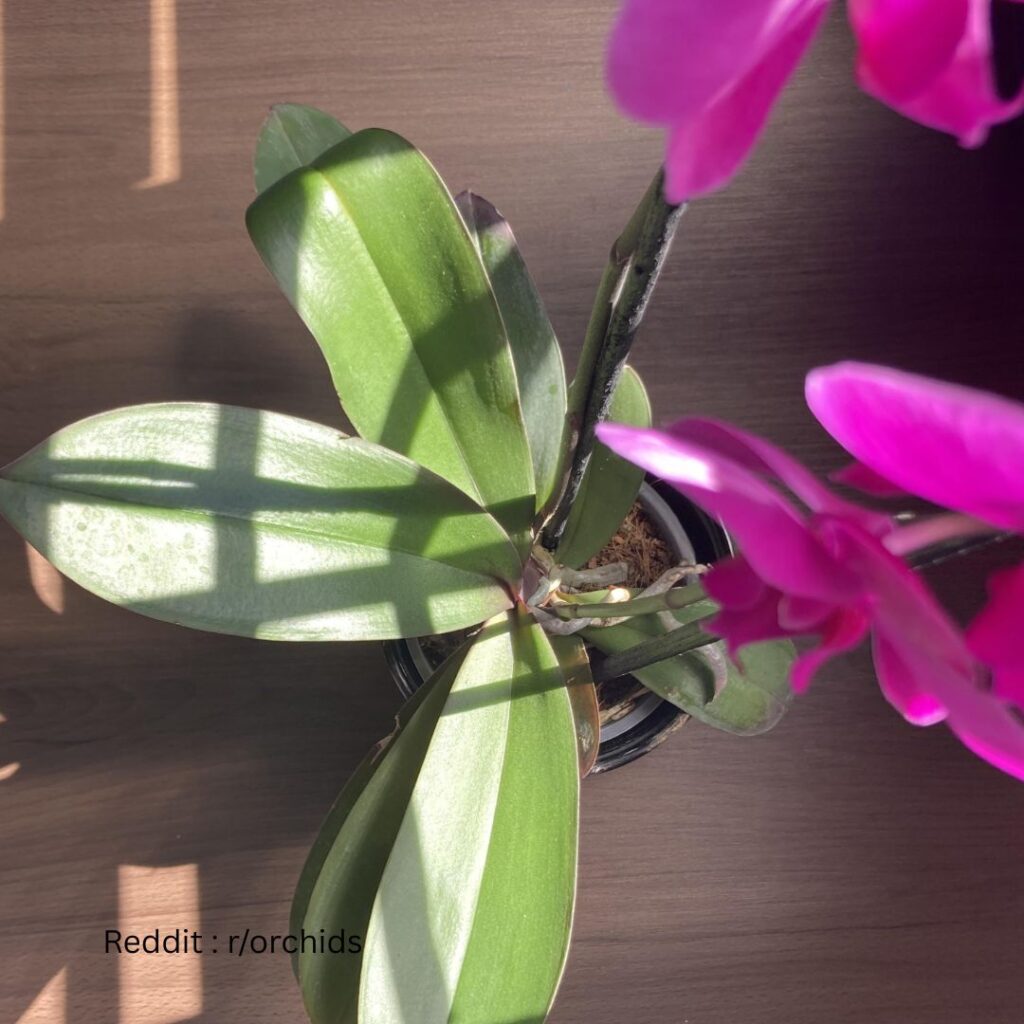
Keeping orchids happy can be a fun and rewarding challenge. Here are some awesome tips to make your orchids thrive:
Light: Orchids love indirect light. Place them near a window, but not in direct sunlight. Too much sun can burn their leaves!
Water: Don’t drown your orchids! Water them once a week and let the water drain out completely. Do you have a watering routine?
Humidity: Orchids enjoy humid environments. A simple trick is to use a humidity tray or mist the leaves regularly.
Temperature: Keeping the room temperature between 60-80°F is ideal. Just like me, they don’t like sudden temperature changes!
Feeding: Use a balanced fertilizer once a month. A weak solution is better, so you don’t overfeed them.
Potting Mix: Use a well-draining potting mix. Orchids prefer special mixes that usually contain bark or moss to provide airflow to their roots.
Pruning: Trim dead or yellow leaves to encourage new growth. It feels like giving them a fresh haircut!✂️
Repotting: Repot your orchid every 1-2 years. Not only does it give them fresh nutrients, but it also lets you check their roots.
Do you have any favorite orchid tips? 🌸 Share in the comments below!
Frequently Asked Questions
Orchid leaves can show problems for many reasons, like too much or too little water. Let’s dive into some specific questions that might help you care better for your plants.
What can cause orchid leaves to develop splits?
Orchid leaves can split due to low humidity, direct sunlight, or physical damage. 🌿 If the air is dry, the leaves might crack. Also, rough handling might cause splits. Make sure to check your plant’s environment and handle it gently.
How can you tell if an orchid is overwatered by its leaves?
Overwatered orchid leaves often look soft and soggy. If you notice the leaves turning yellow and feeling mushy, it might be a sign of too much water. 🌧️ Do your orchid’s roots look brown? Overwatering can lead to root rot too.
Why might orchid leaves turn yellow and is it a concern?
Yellow leaves can be a sign of stress or poor conditions. It could be anything from too much sunlight, old age, or improper watering. Don’t panic! 🍂 Sometimes, it’s just one leaf that’s old and needs to be removed.
Is it possible to revive an orchid with a broken stem?
Yes! An orchid with a broken stem can be saved. 🛠️ Cut the broken part cleanly with sterilized scissors and continue to care for it as usual. Often, the plant will grow new shoots and leaves.
What are the signs of under-watering in orchid leaves?
Leaves that look wrinkled or leathery might mean the orchid is not getting enough water. 🌵 The leaves will lose their smooth appearance and may start to fold or curl.
What should I do if my orchid leaves are sticky?
Sticky leaves could be a sign of pests like scale insects or mealybugs. 🕷️ Carefully look under the leaves and in the nooks of your plant. If you spot pests, use a cotton swab dipped in rubbing alcohol to remove them. Clean leaves are happy leaves!