
Orchid leaves looking a bit droopy? 🌿 You’re not alone! I’ve also had times when my beloved orchid seemed sad with limp leaves. The most common reason for limp leaves in orchids is improper watering—either too much or too little. It’s a delicate balance, just like making the perfect cup of coffee.
Another thing to check is the humidity levels around your orchid. These tropical beauties love a humid environment. If your home is too dry, that could be why your orchid leaves are limp. Think of it as your orchid asking for a little spa day! 🧖♀️
Lastly, don’t forget to examine the roots. Healthy orchid roots should be firm and green. If they’re mushy or brown, it could signal root rot. Proper care of orchid roots can make a huge difference. Have you had this issue with your orchids? Share your experiences in the comments! 🌸
Understanding Orchid Physiology
Learning about an orchid’s physiology helps us care for these lovely plants better. Let’s explore the leaf structure and its functions, along with signs that show us when an orchid is healthy.
Leaf Structure and Function
Orchid leaves are like the plant’s solar panels. They soak up sunlight to make energy. Each leaf has a waxy coating to protect it from water loss and pests. Do your orchid’s leaves feel smooth and firm? That’s a good sign!
Leaves also help in transpiration, which is how they “breathe.” They release water vapor through tiny pores called stomata. Ever noticed leaves getting limp? It might mean the stomata are struggling, maybe because of not enough water or poor humidity levels. 🌿
Signs of a Healthy Orchid
You can usually tell if an orchid is healthy just by looking at it. Bright, vibrant leaves are a key sign. They should be green and firm, not floppy or discolored.
Roots play a big role too. Healthy roots are thick and white or light green. They should be plump and moist. If they’re brown or shriveled, that’s a problem. Check the blooms; lots of blooms often means a happy plant!
Got an orchid at home? Notice these signs to keep it thriving. Do you have tips for identifying healthy orchids? Share in the comments! 🌸🪴
Common Causes of Limp Leaves
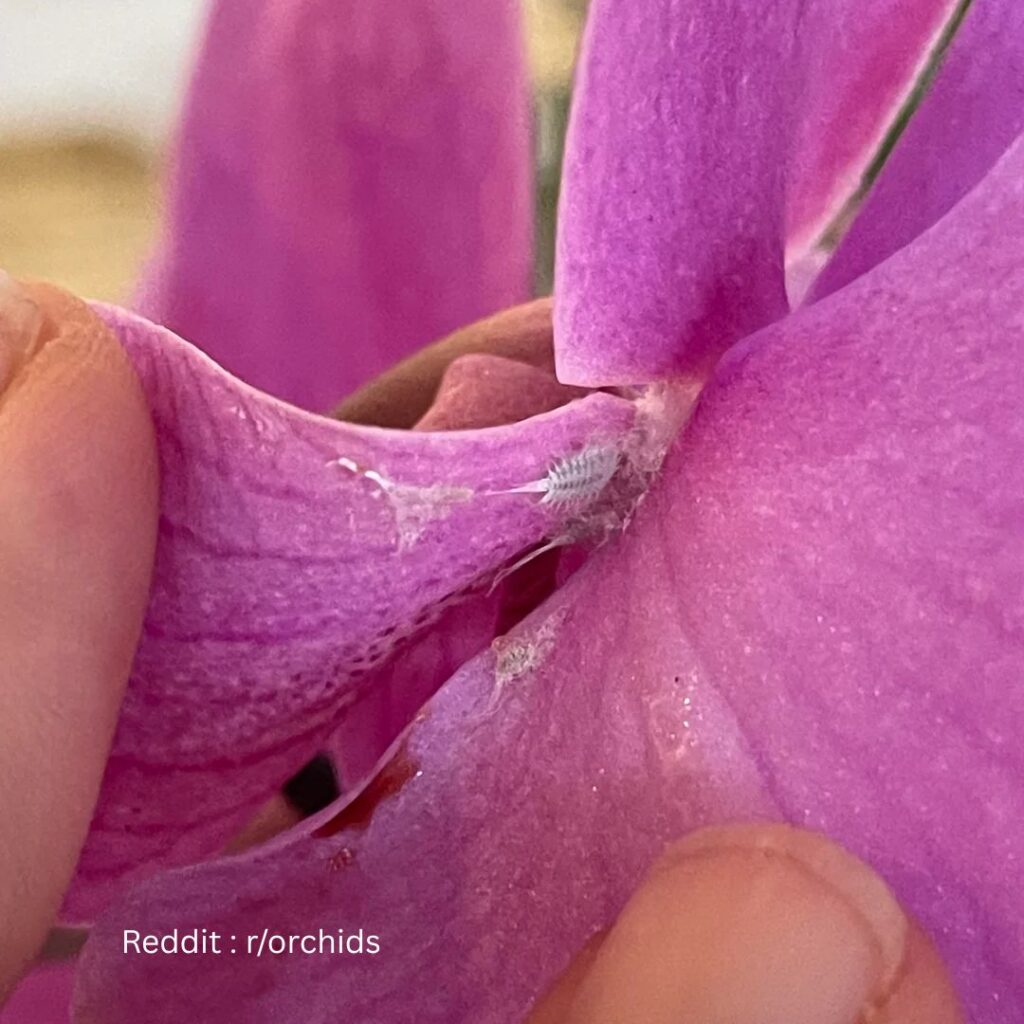
Sometimes, orchid leaves can go limp, causing concern for their health. Before you panic, let’s explore the main reasons this can happen.
Watering Issues
Watering is a big deal for orchids. Did you know that both overwatering and underwatering can make orchid leaves limp? Overwatering can drown the roots, while underwatering can leave them thirsty. Striking the right balance is key. I found that one way to check if your orchid needs water is by feeling the potting mix. If it’s dry, it’s time to water. Too wet? Wait a bit longer. 💧
Root Health Concerns
Healthy roots = happy orchids. If the roots are rotting or damaged, the orchid can’t get the nutrients it needs. Often, root problems link back to watering issues. You might need to repot your orchid if you see mushy or blackened roots. When I repotted mine, I saw an improvement in no time. 🌱
Environmental Stress
Orchids are sensitive to changes in their surroundings. If the air is too dry or your orchid isn’t getting enough light, the leaves might become limp. I put my orchid near a window but not in direct sunlight and kept the room humid. This seemed to help a lot. 🌞💦
Pests and Diseases
Pesky pests like aphids, mites, or scale can also stress your orchid. They feed on the plant, affecting its health. Keep a close watch and act fast if you see any pests. I use a gentle insecticidal soap to treat mine. If disease strikes, act quickly to prevent it from spreading. 🐛🦠
Do you have any tips or tricks to keep orchid leaves perky? Share your thoughts in the comments! 🌸
Proper Watering Techniques

Many orchid problems come from incorrect watering. Knowing how much and how often to water can keep your orchid healthy and its leaves firm.
Identifying Your Orchid’s Needs
Every orchid is different. Some love a lot of water, while others prefer it on the dry side. Do you know what type of orchid you have? If not, a quick search can help. 🌸
Phalaenopsis orchids are the most common and like to stay moist but not soggy. If the leaves are limp, it might be thirsty. On the other hand, orchids like Dendrobium need to dry out between waterings. Check the roots; green means they’re hydrated, while white means they’re dry.
Watering Best Practices
Wondering when to water? Stick your finger in the potting mix. If it’s dry, it’s time to water. Overwatering can be a big problem. Orchids hate having wet feet! 🚫🦶
Use room-temperature water and avoid getting it on the leaves. Water early in the day so the plants dry out by evening, reducing the chance of rot. Use a drainage method, letting the water freely flow through the pot.
I like to use a watering schedule. Once a week works for most orchids. Do you keep a schedule? Share in the comments! 🌿
Optimizing Orchid Environment
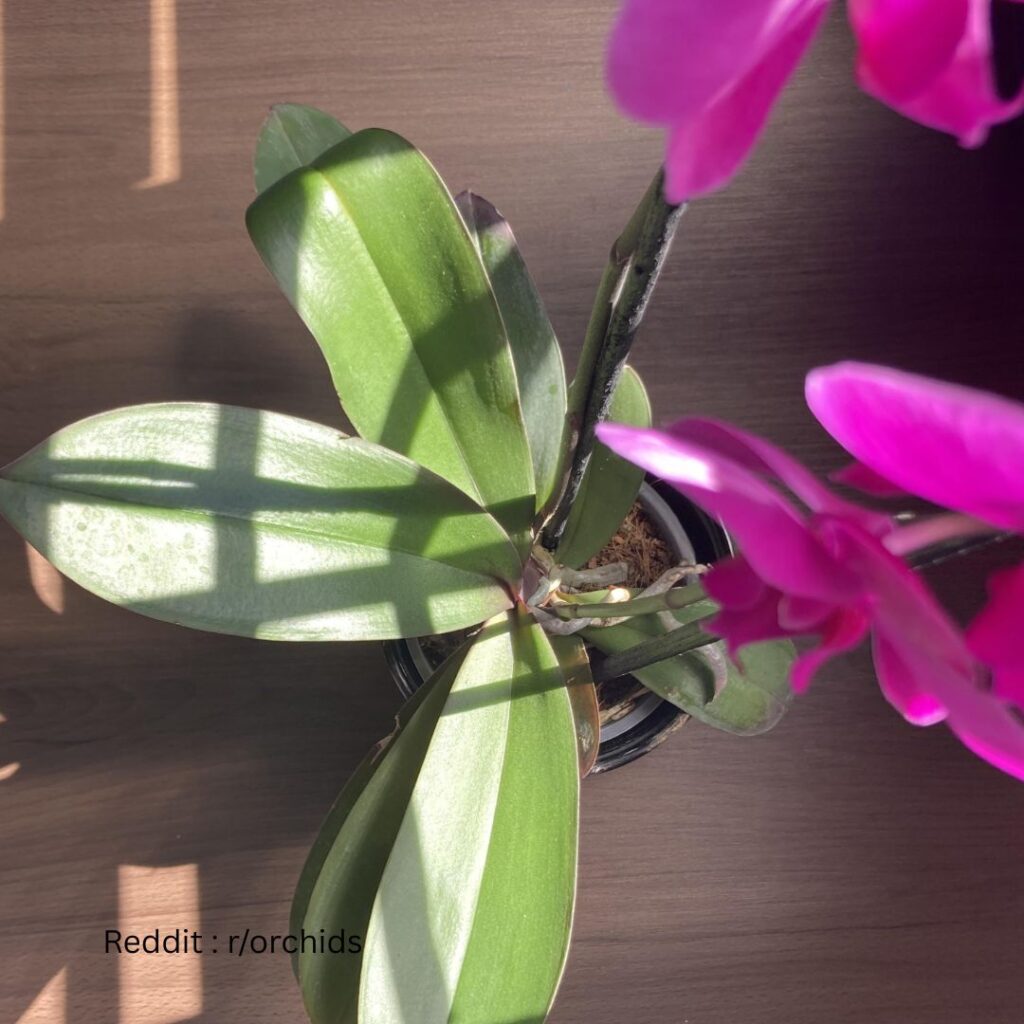
Making sure your orchid is happy means getting the right light, temperature, humidity, and air circulation. I’ll break down each part to help keep those leaves green and perky 🌿🌺.
Light Requirements
Orchids need bright, indirect light. Imagine the light filtering through a curtain. Direct sunlight can scorch those delicate leaves 🌞. If you’re not sure about the light, place your orchid where it gets morning sunlight but is shaded in the afternoon.
A simple way to check light conditions is the shadow test. If you hold your hand over the plant and see a faint shadow, it’s just right. When the shadow is too dark or non-existent, adjust the location. This ensures your orchid gets the light it deserves without getting burned.
Temperature and Humidity
Orchids prefer temperatures between 65-75°F (18-24°C) during the day and a bit cooler at night. If it gets too hot or cold, the leaves might go limp. I like to think of orchids as Goldilocks; not too hot, not too cold, just right.
Maintaining 50-70% humidity around your orchid is crucial. If you live in a dry area, consider using a humidity tray or misting the leaves lightly. Adding a small humidifier nearby can also help. Ever tried placing a shallow bowl of water with pebbles under your plant? It works wonders!
Air Circulation
Good air flow is essential for healthy orchids 🌬️. Stagnant air can cause mold or rot. Place a small fan nearby, but not blowing directly on the plant. This helps keep the air moving, similar to a gentle breeze.
If you’ve got your orchid by the window, crack it open for some fresh air. Orchids, like us, don’t like stuffy rooms. Just make sure they’re not in drafty spots either. Balance is key.
Got any tips or funny orchid stories? Drop them in the comments below! 🌸
Repotting and Root Care
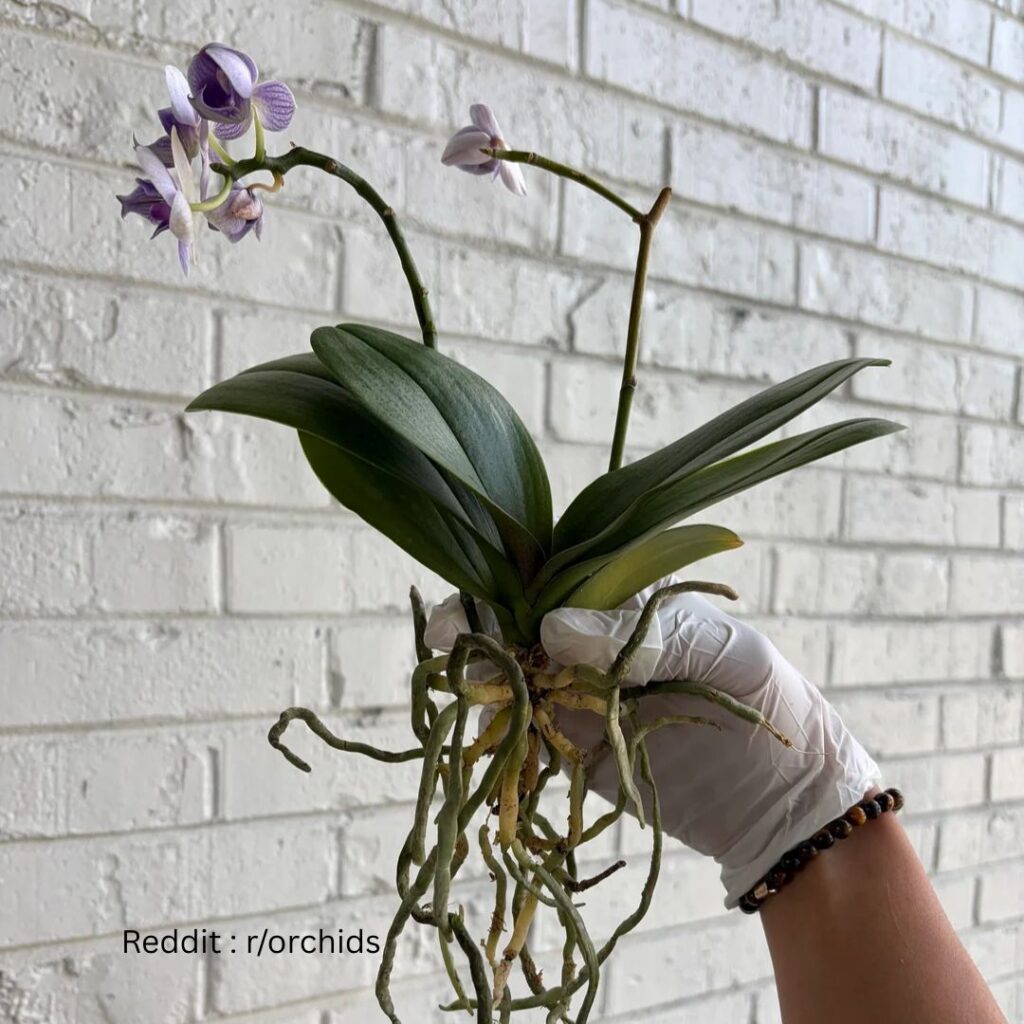
Repotting orchids can significantly improve their health. Proper root care is also key to keeping leaves firm and vibrant. Let’s break down how to do it right.
When to Repot
One sign it’s time to repot is roots growing out of the pot or the plant looking very crowded. Also, if the potting medium is breaking down and looks soggy, it’s time to change it.
Repotting is best done after blooming. Do you see your orchid’s flowers falling off? That’s the cue. 🌼 Don’t wait until the plant looks sick; regular repotting keeps it in top shape.
Choosing the Right Medium
Orchids aren’t potted in regular soil. Instead, use a special orchid mix. This lets the roots breathe well. Bark chips, sphagnum moss, or a mix of both works great for many orchid species.
Is your orchid drying out too fast? Try sphagnum moss. Too soggy? Use more bark. The right balance keeps the roots healthy and happy. 🌿
Steps for Repotting
- Water the orchid a day before repotting. This makes roots more flexible.
- Gently remove the orchid from its pot. Shake off the old mix.
- Trim any dead or mushy roots with sterilized scissors. Healthy roots look firm and white.
- Place a bit of the new mix in the bottom of the new pot. Position the orchid and fill around it with the mix, supporting the roots.
- Water the orchid lightly and place it in its usual spot, avoiding direct sunlight at first.
Repotting might sound tricky, but practice makes perfect. Got some funny orchid repotting stories or questions? Share them in the comments! 🌸🪴
Nutrition and Fertilization
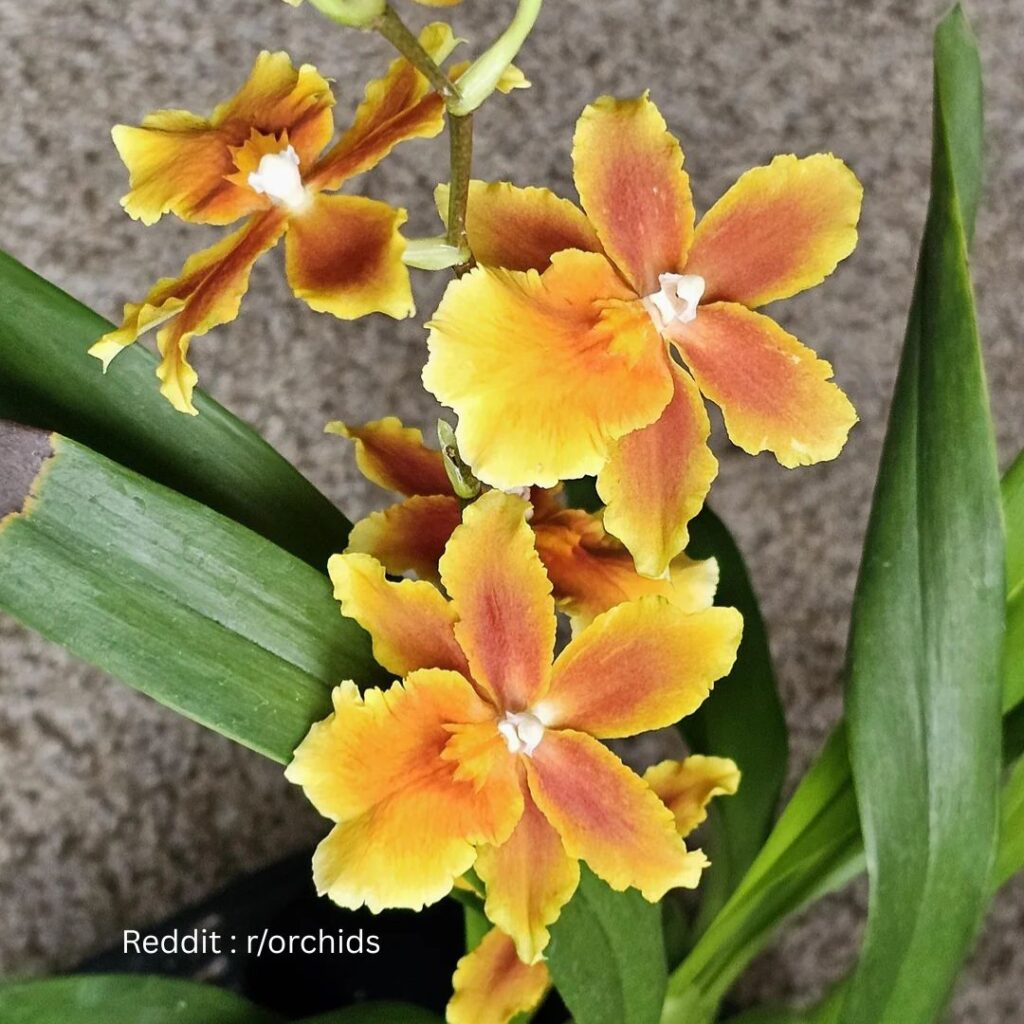
When it comes to orchids, getting the nutrition right is key to having healthy, firm leaves. Let’s look at how fertilizing can make a difference and how often you should be doing it.
The Role of Fertilizer
Fertilizer gives your orchid the nutrients it needs to grow strong and healthy. It’s like giving your plant a vitamin boost. Orchids need special fertilizer that balances nitrogen, phosphorus, and potassium. Ever noticed those numbers on the fertilizer bag, like 20-20-20? They tell you the nutrient mix.
Using the right fertilizer helps orchids develop firm leaves and strong roots. Without it, leaves can turn limp and sad. Trust me, your plant will thank you! 🌱 Have you ever tried feeding your orchids to see the difference?
Fertilizing Schedule and Methods
Knowing when and how to fertilize is super important. Orchids generally need to be fertilized once a week during their growing season, usually spring and summer. In fall and winter, you can cut back to once a month.
Always water your orchid first, then apply the fertilizer. This helps prevent root burn. Use a diluted fertilizer mix; orchids prefer a weak but regular dose. Remember, less is more with orchids. Have you over-fertilized before? Share your experiences below! 😊
Prevention and Long-Term Care
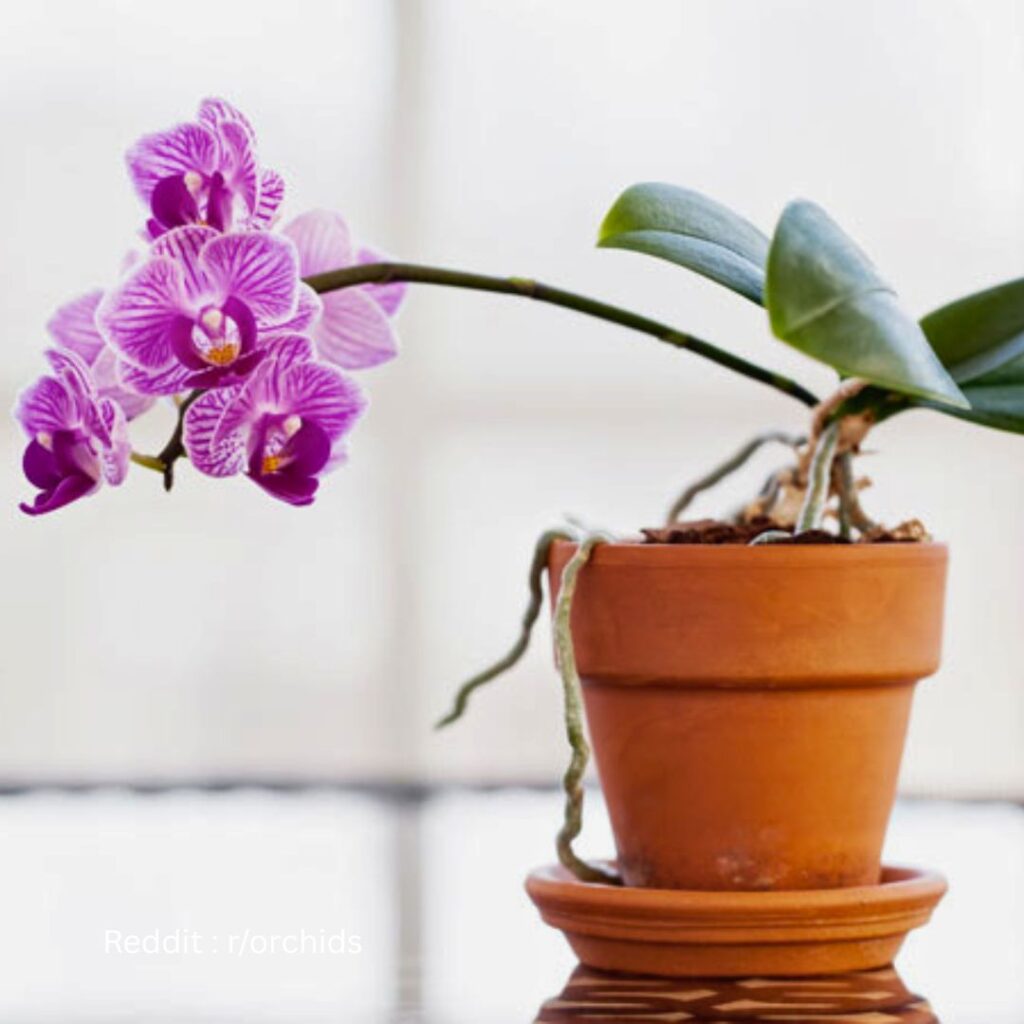
Keeping orchid leaves healthy involves routine monitoring and simple preventative measures. By catching problems early, you can avoid most issues and enjoy vibrant plants.
Routine Monitoring
I always check my orchids’ leaves regularly for any signs of stress. If leaves start drooping, it could be due to overwatering or underwatering. 🪴 Feel the soil – if it’s too wet or bone dry, you’ve got your culprit.
Every week or two, I inspect for pests. Tiny bugs like spider mites or aphids can make orchids sad. A quick wipe-down with a damp cloth or a gentle insecticidal soap do wonders. 🌿
I also pay attention to light. Orchids love bright, indirect sunlight. Too much direct sun 🔆 can scorch leaves, while too little light leaves them limp and sad. Don’t forget to rotate your orchid so all sides get even light.
Preventative Measures
To keep orchid leaves perky, I use well-draining pots and soil specifically for orchids. Regular pots and soil can hold too much moisture, suffocating the roots. I’ve found that special orchid bark mix works best.
Watering properly is crucial. I let the water run through the pot and ensure it drains out. No sitting in water! 🤔 How often? About once a week, though this changes with the seasons.
Finally, I give my orchids a monthly feed with balanced orchid fertilizer. Orchids are like us – they need food to stay strong and healthy. Feeding them keeps those leaves firm and vibrant.
Got any orchid care tips? Share your thoughts in the comments below! 🌸
Frequently Asked Questions
I’m here to help you figure out why your orchid leaves are limp and how to get them back to their best. Let’s dive into some common questions you might have.
How can I fix droopy orchid leaves?
Droopy orchid leaves usually mean the plant isn’t getting enough water or is getting too much. Check the roots—if they look brown and mushy, it’s overwatered. If they’re dry and withered, it needs more water. Adjusting your watering schedule can help get those leaves standing tall again.
Can droopy orchid leaves recover?
Yes! Once you address the underlying issue, which is often watering-related, the leaves can rebound. Be patient, though—orchids take their time to bounce back. Keep giving them the right care, and you’ll see improvement.
What should I do with limp orchid leaves after repotting?
After repotting, your orchid might need some time to adjust. Limp leaves can happen because of the stress. Keep a close eye on the watering and ensure it’s getting enough humidity. A little TLC will help it settle into its new home.
Is it necessary to cut off limp orchid leaves?
Not always. If the leaves are just a bit limp but otherwise healthy, leave them be. If they’re turning yellow and mushy, it might be time to trim them off. Always use sterilized scissors to avoid spreading any disease.
What causes orchid leaves to turn yellow and wilt?
Yellowing and wilting can be due to overwatering or underwatering. Check the roots to see which it is. Light issues or even pests might also be culprits. Make sure your orchid is getting the right light and isn’t being attacked by bugs.
What are the signs of an overwatered orchid?
Overwatered orchids often have mushy, brown roots and leaves that are soft and limp. The pot might smell bad, and the plant might even start to rot. If you spot these signs, cut back on the watering and let the roots dry out.