
Growing basil at home is super easy and rewarding! 🌱 To keep your basil plant thriving, you’ll need to give it plenty of sunlight and regular watering. Imagine having fresh basil right at your fingertips for all your favorite recipes. Who needs to run to the store?
I’ve found that basil loves being kept in a sunny spot, like a kitchen windowsill. Make sure you water your basil regularly, but don’t let it sit in soggy soil. Have you tried touching those fragrant leaves? It’s pure joy. And guess what? The more you pinch off the leaves, the bushier your plant gets! ✂️
Ever had trouble with wilting or pests? I’ve been there too, and I’ll share tips to keep your basil healthy and happy. 🌿 What’s your favorite way to use basil? 🍝 Let me know in the comments below!
Getting to Know Your Basil Plant
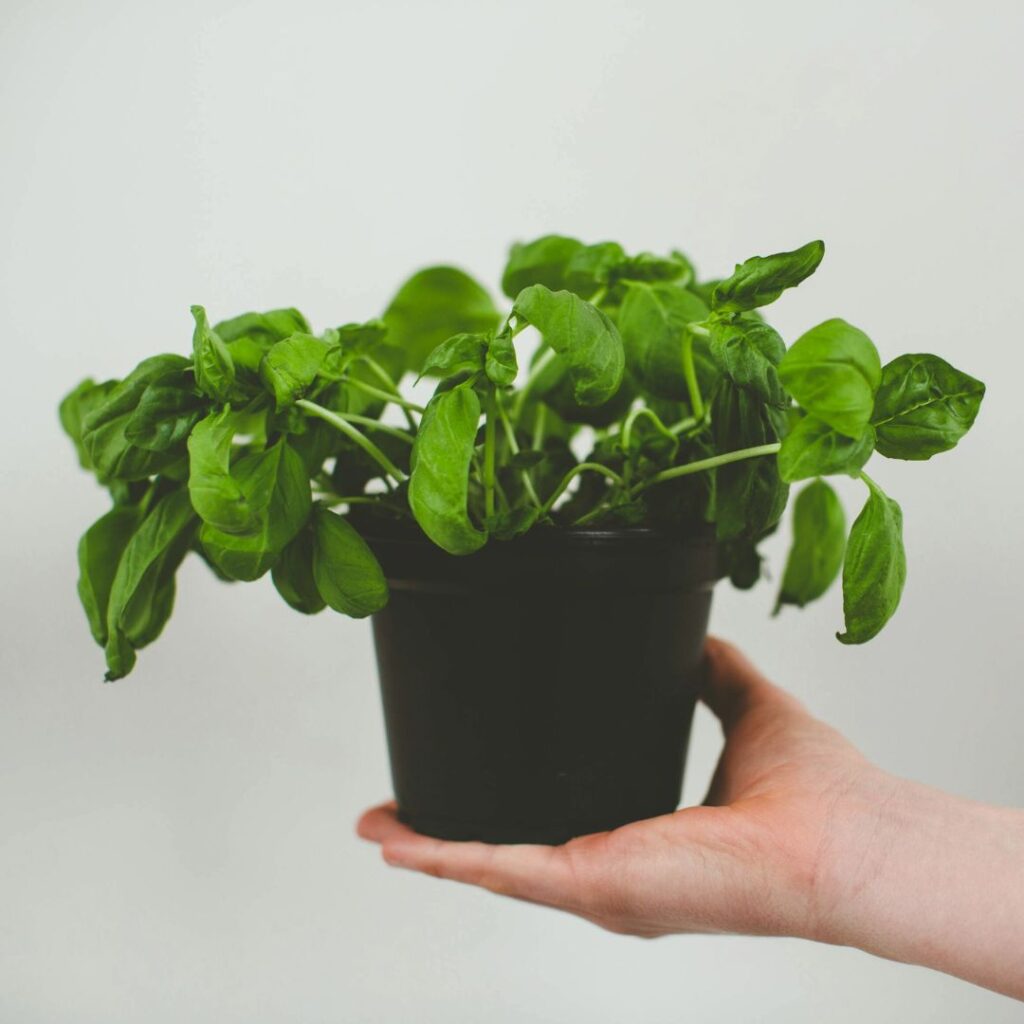
Basil is one of my favorite herbs to grow. It’s easy to care for and smells amazing! 🌿
Appearance
Do you know what basil looks like? Basil has bright green leaves that are smooth and slightly curved. There are lots of types, like sweet basil and Thai basil. Each has its own unique flavor.
Smell
One of the best parts about basil is its scent. When you rub the leaves between your fingers, you’ll get a whiff of its fresh, peppery smell. 😍
Growth Habits
Basil plants can grow up to 24 inches tall. Isn’t that cool? They have a bushy appearance and love to spread out. To keep them happy, make sure they get enough space.
Needs
Basil loves the sun! ☀️ It needs at least 6 hours of sunlight each day. It also likes well-drained soil. Too much water can make it sad. Make sure the pot it’s in has a good drainage system.
Flowers
Did you know basil can flower? The flowers are usually white or light purple. While pretty, it’s best to pinch them off. This helps the plant stay bushy.
Which type of basil do you like the most? Let me know in the comments! 📝
Selecting the Perfect Location
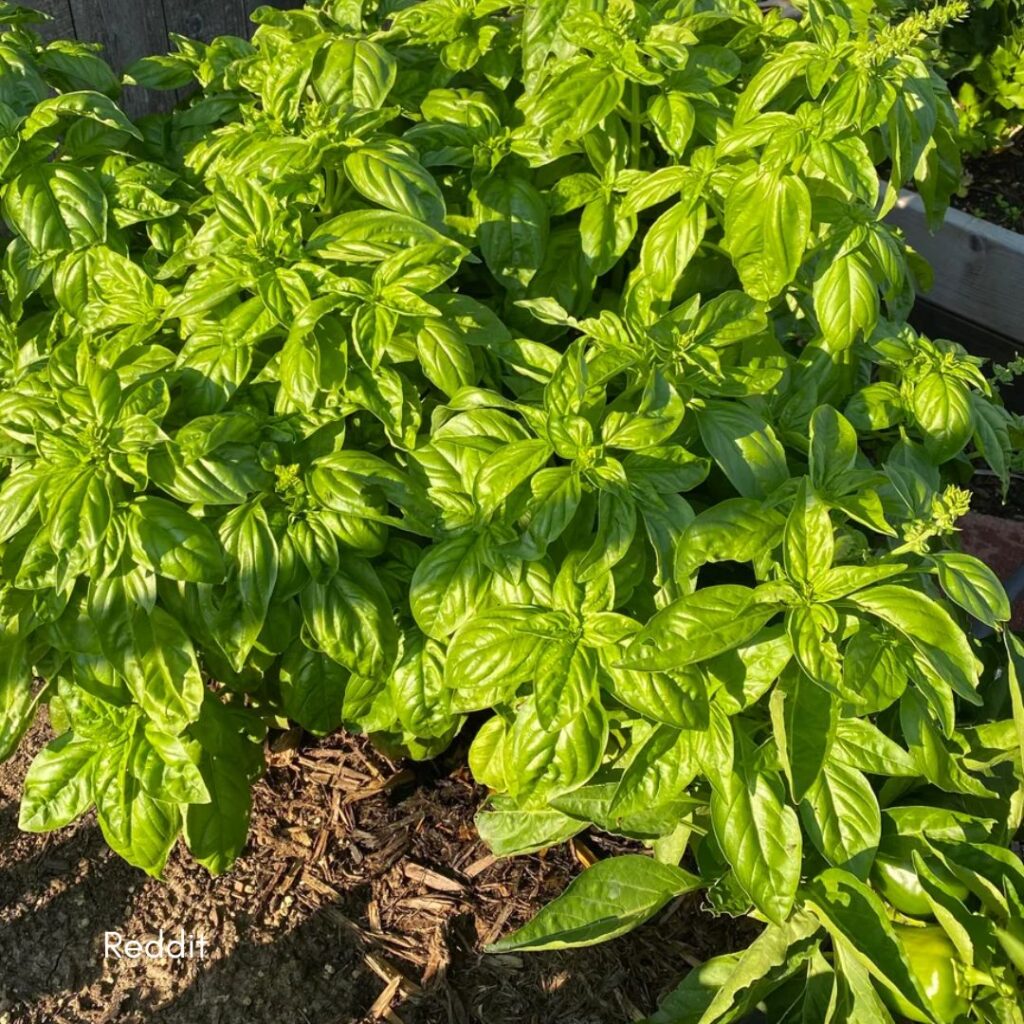
When you’re picking a spot to grow basil, you need to think about light, temperature, and humidity. These factors are crucial for a healthy plant.
Light Requirements
Basil loves sunlight. Aim to place it somewhere it can get 6-8 hours of direct sunlight each day. If you’re growing it indoors, put it near a south-facing window.
Don’t have a sunny spot? Use grow lights to give it the light it needs. Be sure to keep the light on for about 14-16 hours a day. Don’t forget to adjust it as the plant grows to maintain proper distance.
Spend a few minutes checking the sunlight pattern in different spots in your home. Trust me, your basil will thank you with vibrant green leaves! 🌱
Temperature and Humidity
Basil thrives in warm conditions. Keep it in an environment where the temperature is 70-80°F during the day. Be careful of cold drafts and sudden temperature changes, as basil doesn’t like the cold. 🌡️
Humidity is also important. Basil prefers a humidity level of around 40-60%. If you live in a dry area, use a humidifier or a humidity tray. Another option? Mist the leaves with water every few days.
Notice your home feeling too dry or too cold? Keep an eye on the temperature and humidity levels to make sure your basil stays happy!
Got other tips for finding the perfect spot? Share them in the comments! 🌿✨
Planting Your Basil
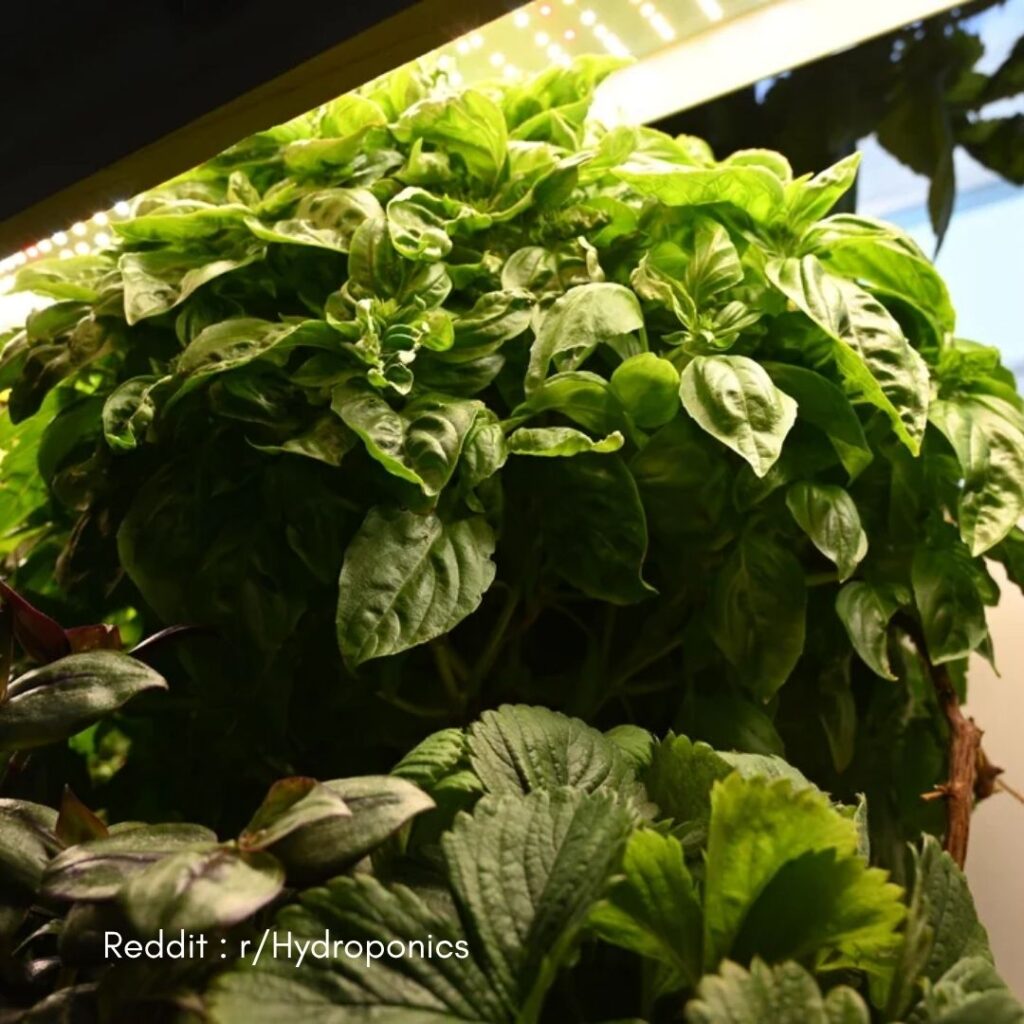
Planting basil is about choosing the right soil and deciding if you want to start from seeds or transplants. Let’s get right into it!
Soil Selection
Basil loves well-drained soil with a lot of organic matter. I recommend getting a high-quality potting mix from a local garden store. Look for one that mentions it’s good for herbs.
Pro tip: Add some compost to the mix. This provides nutrients and helps retain moisture. Avoid heavy, clay-like soils as they can cause basil roots to rot.
Check the pH of your soil. Basil prefers slightly acidic to neutral soil (pH 6.0 to 7.0). If needed, you can adjust the pH with additives which you can find at garden centers.
Think of your basil like a fancy guest. It just wants comfort and good food! 🍃
Planting Seeds vs. Transplanting
Seeds: Planting basil from seeds can be so satisfying. Plant seeds 1/4 inch deep in the soil. Water them gently and cover with plastic wrap until they germinate. This usually takes about 5-10 days. Remember to keep soil moist but not waterlogged.
Transplants: If patience isn’t your thing, pick up a basil transplant from your local nursery. These are baby plants ready to go in your garden or pot. Just dig a hole deep enough to cover the root ball, place it in, and press the soil around it.
I like transplants because you can see results faster. Plus, there’s less chance of messing up germination. 😉
What’s your method of choice? Starting from seeds or transplants? Share your tips in the comments below! 🌱✨
Watering Guidelines
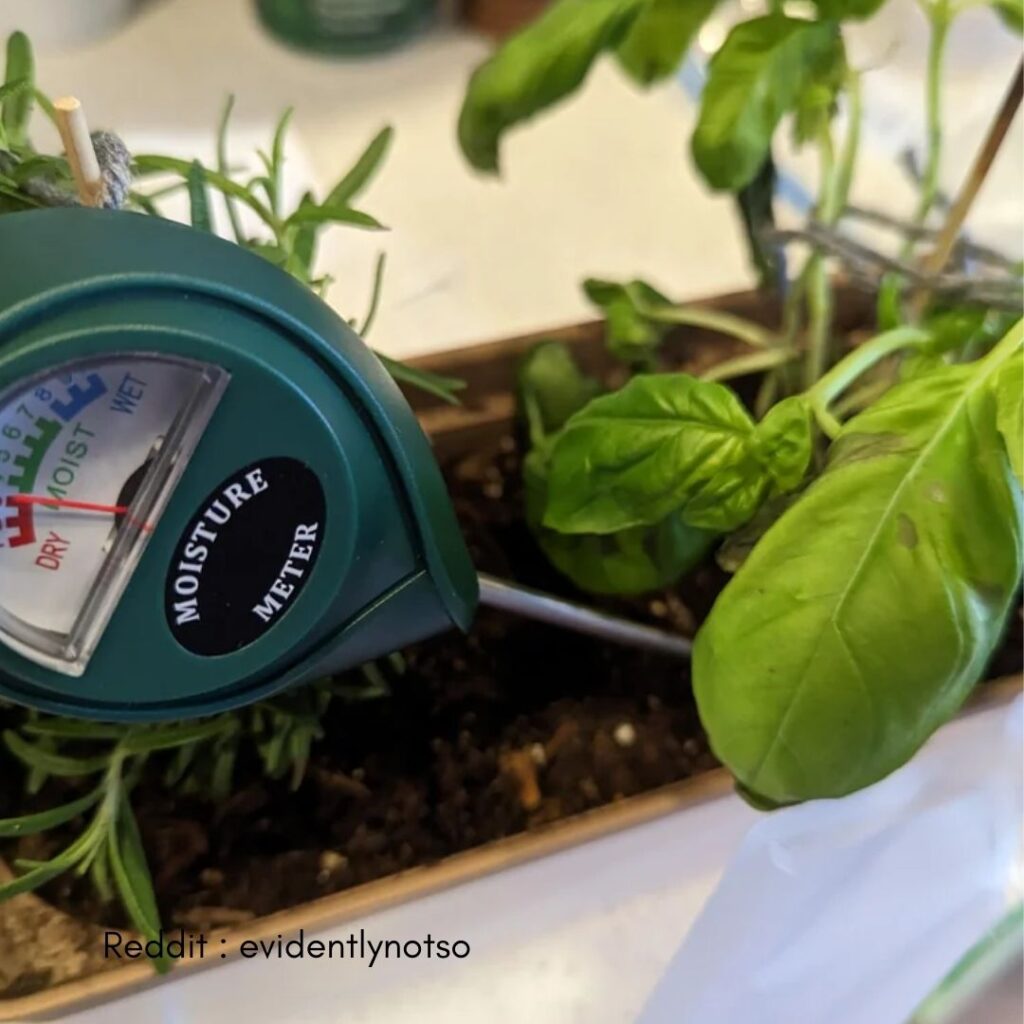
Keeping your basil plant hydrated is crucial for its health. Let’s break down how often to water it and how to avoid giving it too much.
Watering Frequency
I water my basil plant every 2-3 days during the warmer months. 🌞 Basil likes its soil moist, but not soaked. Aim for the “Goldilocks” zone – not too dry, not too wet.
You can check the soil moisture by sticking your finger about an inch deep into the soil. If it feels dry, it’s time to water. Pro tip: Watering in the morning helps the plant dry off during the day, reducing the risk of diseases.
Signs of Overwatering
Can you spot the signs of overwatering? The soil will stay soggy, and the leaves might turn yellow or wilt. 🌿
If you see these signs, stop watering for a few days and let the soil dry out. Remember: Basil plants prefer well-draining soil, so make sure your pot has drainage holes.
Have you ever struggled with watering your basil? Share your tips or questions in the comments! 💬
Feeding and Nutrients
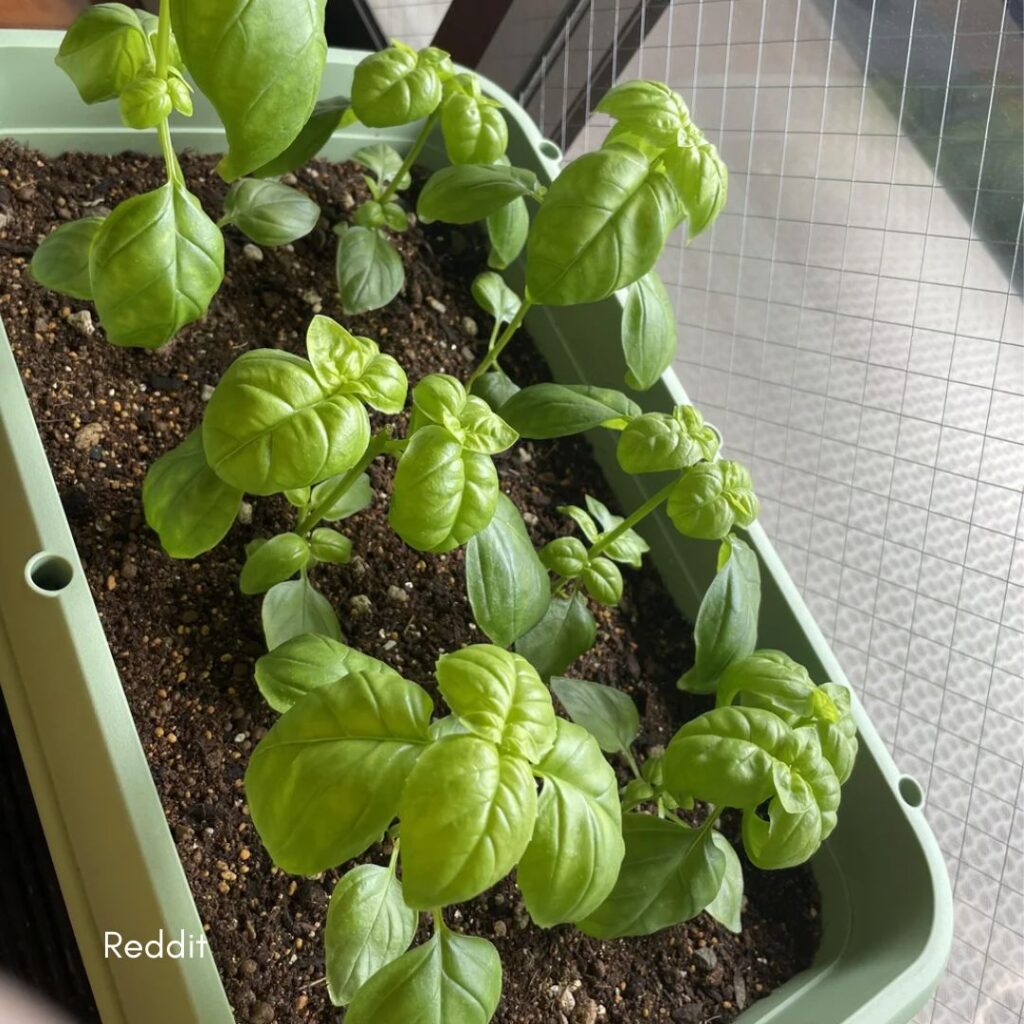
To keep a basil plant healthy and flourishing, it needs the right nutrients. Feeding it correctly can make all the difference. Here’s everything you need to know.
Choosing Fertilizer
Picking the right fertilizer is crucial. I usually go for a balanced liquid fertilizer, something like a 10-10-10 mix, which means it has an equal amount of nitrogen, phosphorus, and potassium.
Liquid fertilizers have an advantage because they are easy to apply and get to the roots faster. You can find these at any garden store. For those of you who prefer natural options, compost tea is a great choice.
Remember to dilute the liquid fertilizer according to the instructions on the package. Over-fertilizing can harm your plant. Have you ever accidentally overdone it?
Fertilizing Schedule
Now, let’s talk about the feeding schedule. Basil plants don’t need fertilizing too often. I usually feed mine every 3-4 weeks during the growing season.
The key here is consistency. Miss a feeding? No worries, just try to get back on track. During the winter or slow-growing times, you can cut back on feeding. 🌿
Also, don’t forget to water your basil plant after fertilizing. This helps to spread the nutrients evenly. Have you got any nifty tricks on feeding plants? Share in the comments!
Pruning and Harvesting
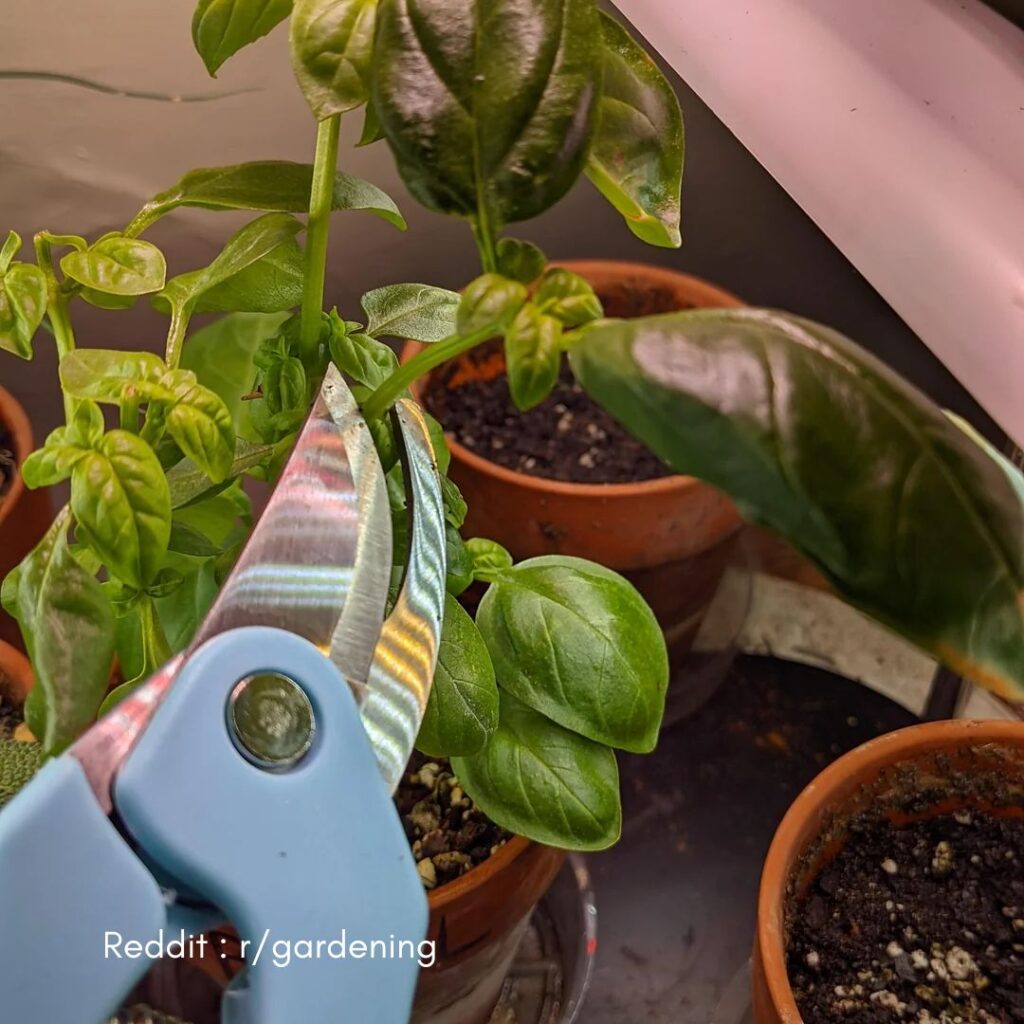
Keeping your basil plant healthy and full of flavor involves both pruning and harvesting. These steps ensure your plant stays lush, provides fresh leaves, and doesn’t get too leggy.
Pruning Techniques
Pruning basil is essential. It helps the plant grow bushy and full. I usually prune my basil once a week. When you prune, use clean scissors to cut right above a leaf node (where leaves meet the stem). This makes the plant produce more side shoots and leaves.
If you see flowering buds, snip them off immediately. Basil flowers take energy away from leaf production, and we want those tasty leaves, right? 🌿 Aim to maintain a height of about 6-8 inches for optimal growth.
Optimal Harvesting Time
Harvesting at the right time keeps your basil flavorful. I recommend picking basil in the morning after the dew dries, as the essential oils are at their peak. Always pick the largest leaves first. This encourages new growth.
When you harvest, try to leave at least three sets of leaves on the lower part of the stem. This helps the plant to keep growing. Regular harvesting not only gives you fresh basil for recipes but also promotes a healthier plant.
Have you tried pruning or harvesting your basil yet? Share your experiences in the comments! 🍃
Pest and Disease Management
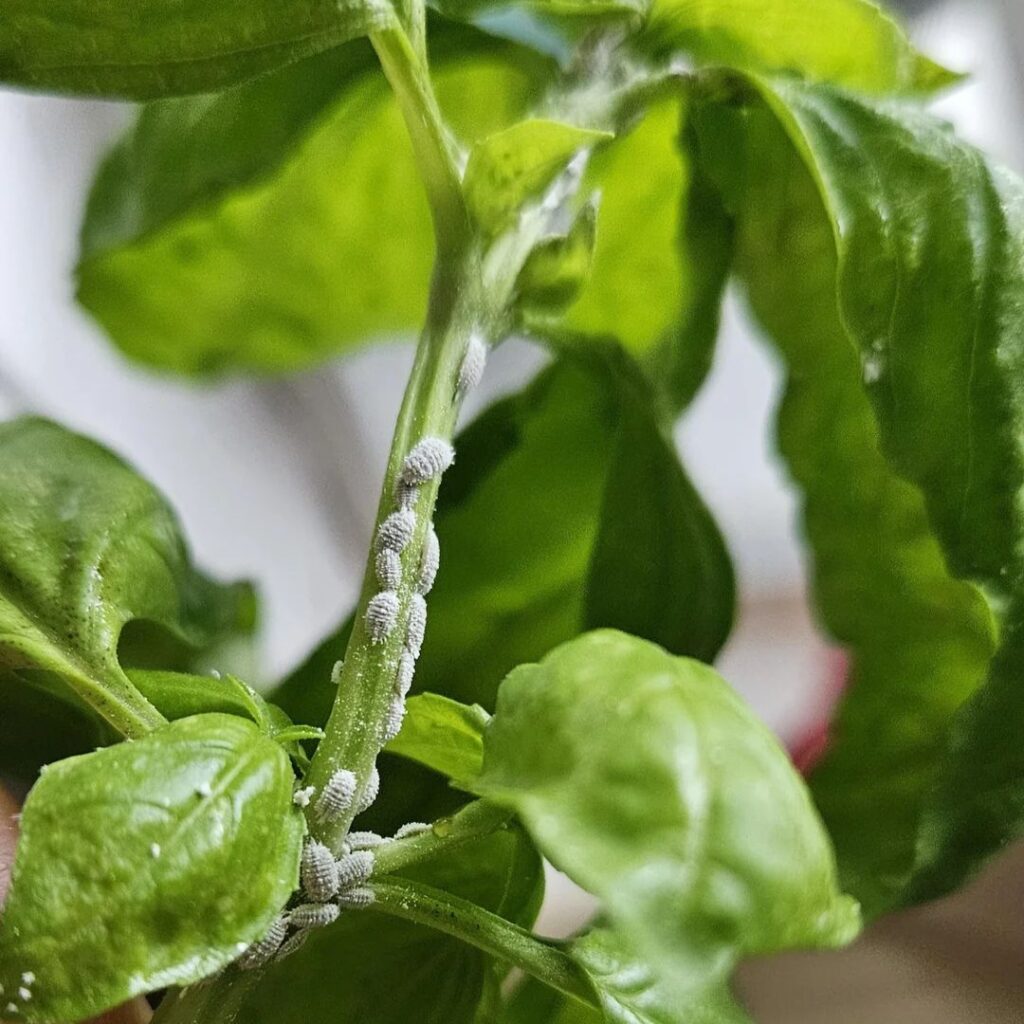
Basil plants can attract pests and diseases, but with the right care, you can keep your plant healthy and strong. Here’s how to spot common issues and handle them effectively. 🌿
Common Basil Pests
Basil plants often fall victim to aphids, whiteflies, and spider mites. These pests can suck the sap from your plant, causing wilting and yellow spots. Have you ever noticed tiny bugs swarming your basil? It might be these guys!
To combat them:
- Aphids: Spray them off with water or use insecticidal soap.
- Whiteflies: Use yellow sticky traps or neem oil.
- Spider Mites: Increase humidity and use a miticide spray.
Check your basil regularly. A quick inspection a couple of times a week can help catch these pests early. Imagine finding out your basil is pest-free while you prepare fresh pesto!
Disease Prevention
Preventing diseases is crucial to keeping your basil thriving. Downy mildew and fusarium wilt are common problems. Has your basil ever had fuzzy grey mold or wilted suddenly? That’s often the culprit!
To prevent diseases:
- Ensure good air circulation. Avoid overcrowding plants.
- Water the soil, not the leaves, to prevent moisture build-up.
- Rotate your plants yearly to keep the soil fresh.
By following these simple tips, your basil can stay healthy and disease-free. Got any other tips or questions? Share them in the comments below! 🌱
Winter Care
Taking care of basil during winter is super important. I’ll share how to bring your basil indoors and keep it safe from frost. 🌿❄️
Indoor Transition
Moving basil indoors is key for wintertime. Before frost hits, I gently dig up the plant and place it in a pot with well-drained soil. It’s like giving basil a cozy home!
I place the pot near a sunny window where it can get 6-8 hours of light. If you don’t get much sun, a grow light helps. Also, keep it away from cold drafts and heaters to avoid stress. 🌞
Watering is tricky; I keep the soil moist but not soggy. Overwatering is a no-go! I also avoid fertilizing too much in winter as the plant’s growth slows down.
Protecting Basil from Frost
Cold weather can be harsh on basil. I bring the plant indoors well before the first frost. If you must leave it outside, I use a frost cloth or an old bed sheet to cover it at night.
Mulching helps too. I add a layer of straw or leaves around the base to insulate the soil. When the temperatures dip way low, I make sure to give it extra protection.
Keeping the basil away from windowsills at night can also prevent the cold from reaching it. Warm, happy basil is the best basil! 😊
Got any other winter tips for basil? Drop a comment below! ❄️🍃
Propagating Basil
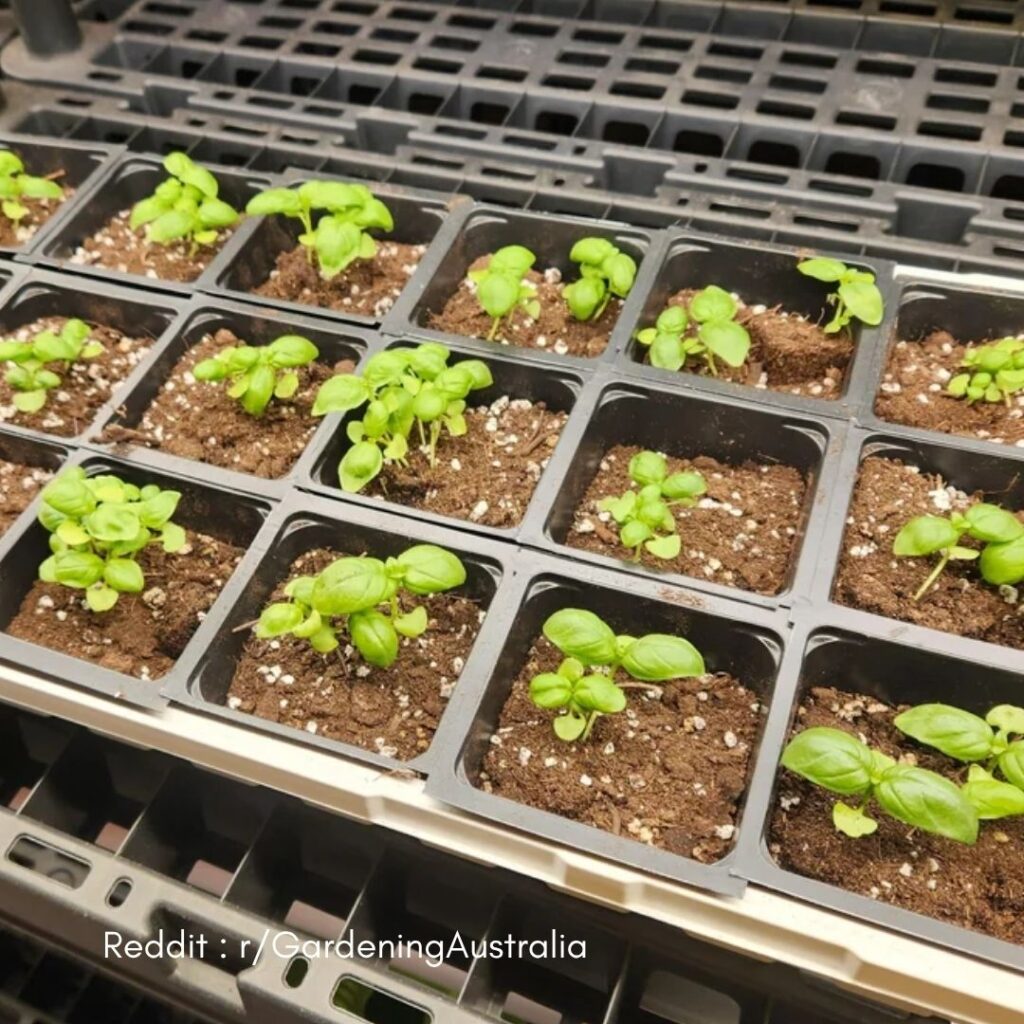
Want more basil plants without buying seeds? Try propagating! 🌱 It’s super easy and fun.
First, pick a healthy basil plant. Look for a stem with a few leaves. Using sharp scissors, cut about 4 inches below a leaf node.
Next, strip the leaves off the bottom part of the stem. Place the stem in a glass of water. Make sure the nodes are submerged but keep the upper leaves above water.
Change the water every few days to keep it fresh. In a week or two, you’ll see roots! Isn’t that cool?
Once the roots are about 2 inches long, plant your basil in a small pot with good soil. Water it well and place it in a sunny spot. ☀️
And there you go! More basil plants for your kitchen.🍃
Ever tried propagating basil before? Share your tips in the comments! Or if you’re giving it a go now, let me know how it’s working out!
Happy gardening! 🌿
Enjoying Your Basil

Whether it’s keeping your basil fresh for longer or adding it to your favorite dishes, enjoying basil can be both tasty and fun! Let’s dive into some tips for storage and cooking with basil.
Storage and Preservation
Basil can be tricky to keep fresh. One way I like to store basil is in a glass of water, just like fresh flowers. Trim the stems and place them in water, cover with a plastic bag, and keep it on your counter. Don’t put basil in the fridge!
Another method is to dry or freeze basil. To dry, hang small bunches upside down in a dry, dark place. For freezing, chop the leaves and mix with a little olive oil before freezing in ice cube trays. This way, you have perfect portions ready whenever you need them!
Ever tried making basil pesto? It’s a great way to preserve basil and it’s delicious! Just blend basil with olive oil, garlic, nuts, and Parmesan cheese. Store in an airtight container in the fridge.
Cooking Tips
Basil adds a fresh, aromatic touch to many dishes. I love to tear up leaves and sprinkle them over a margherita pizza or a Caprese salad. Always add basil at the end of cooking to keep its flavor fresh and vibrant.
Do you enjoy making pasta? Toss some fresh basil into your pasta sauce just before serving. It brightens up the dish and makes it taste incredible. 🍝
Mixing basil in drinks is also a fun idea. Try adding whole leaves to lemonade or cocktails for an extra burst of flavor. Basil lemonade is refreshing on a hot day and impresses guests at parties! 🍹
What are your favorite ways to use basil? Share your tips and recipes in the comments below!
Frequently Asked Questions
Growing basil can be both fun and satisfying! Let’s tackle some common questions on how to keep your basil plant happy and healthy. 🌿
How do you care for a basil plant indoors?
Keep your basil in a sunny spot with at least 6 hours of light. Use well-draining soil and a pot with drainage holes. Remember to water it when the soil feels dry.
What’s the best way to maintain a basil plant in water?
Use a clear glass jar, filling it with water just enough to cover the roots. Change the water every few days to avoid mold. Make sure it gets plenty of light.
How often should you water potted basil to keep it healthy?
Water your basil when the top inch of soil is dry. Be careful not to overwater; basil prefers slightly moist soil. 👨🌾
What are the pruning techniques for a thriving basil plant?
Prune the top leaves regularly to encourage bushier growth. Snip above a pair of leaves to avoid harming the plant. Pruning helps the plant grow fuller!
Does basil thrive better outdoors or indoors?
Basil can thrive both indoors and outdoors. Outdoors, it enjoys sunlight and can grow larger. Indoors, it needs a sunny window and regular watering.
Can you grow basil from a plant bought at the grocery store, and how?
Yes, you can! Take cuttings, place them in water, and wait for roots to grow. Then plant them in soil. 🌱 It’s a simple and fun way to start your basil garden.
Got more questions or tips? Share them in the comments! 😊👇