
Ever wondered if you’re watering your basil plant the right way? 🌱 Too much or too little water can really impact its growth. Let me tell you, I’ve had my share of droopy basil leaves!
Basil plants thrive best when their soil is kept moist but not soaked. Finding that balance can be tricky. Imagine checking the soil once a day with your finger; if it feels dry an inch below the surface, it’s time to water!
Curious about why this really matters for your basil’s flavor? Healthier plants produce more vibrant and aromatic leaves. Share your own basil stories or questions in the comments! 👇
Understanding Basil Plant Hydration Needs
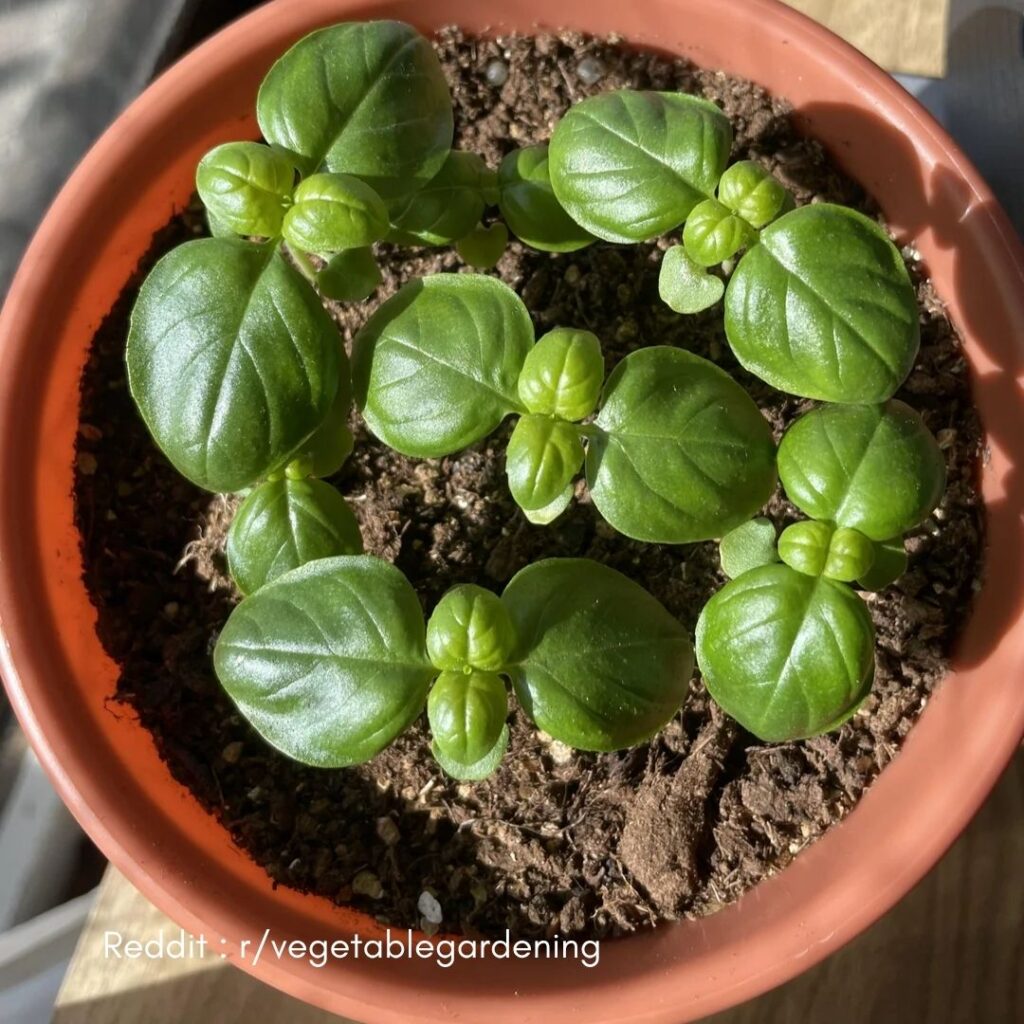
Keeping a basil plant healthy means giving it the right amount of water. Too much or too little can cause problems. Let’s dig into what to look for.
Signs of Adequate Watering
When a basil plant gets enough water, it looks vibrant and green. The leaves should be firm and slightly shiny. You’ll also see steady growth, with new leaves popping up regularly.
Check the soil too. It should be moist, but not soggy. Stick your finger an inch into the soil. If it feels damp but not wet, you’re good!
Isn’t it satisfying to see your basil happy? 🌿
Symptoms of Overwatering and Underwatering
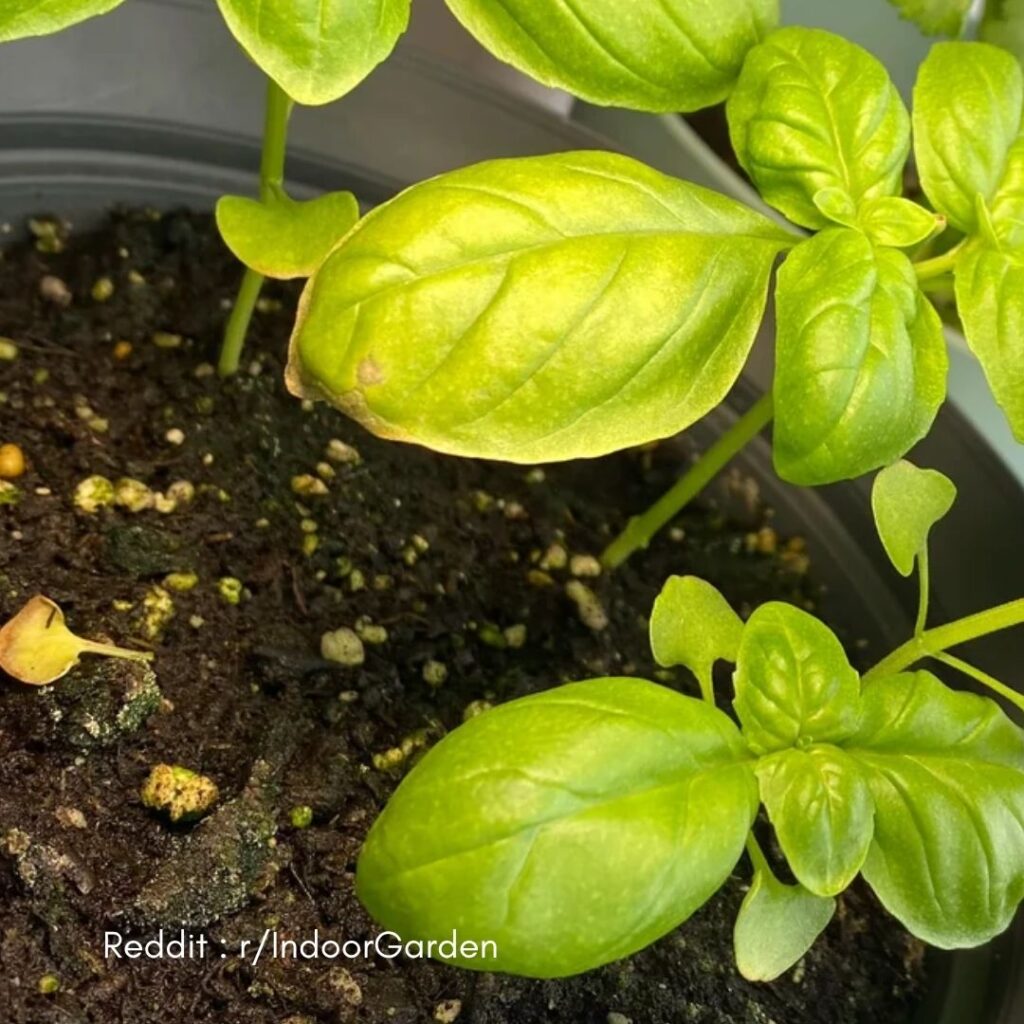
Overwatering can make the basil plant look droopy and yellow. The soil might start to smell bad, like it’s rotting. If the roots sit in water too long, they can rot, which is a real downer for your plant.
Underwatering, on the other hand, makes the leaves wilt and turn brown at the edges. The soil will feel dry and crumbly. Sometimes, the plant might look like it’s giving up on life.
Have you ever seen your basil look sad? It’s usually a water problem.
Encourage readers to drop their thoughts or experiences in the comments. 🌿✨
Watering Techniques for Basil Plants
Watering basil plants requires attention to timing, method, and environmental conditions. The right approach can make all the difference in keeping your basil healthy and flourishing.
Best Times to Water
I find that watering basil plants in the early morning or late afternoon works best. This helps the plants absorb water without it evaporating too quickly in the midday sun. 🌞 Have you ever noticed how wilted they look during the hottest part of the day? That’s why timing is crucial!
Avoid watering at night because it can lead to mold growth. A good rule of thumb: if the top inch of soil feels dry, it’s time to water. Stick a finger in the soil to test, simple as that!
Methods of Water Delivery
When it comes to watering, gentle and consistent is the way to go. Using a watering can with a fine spout ensures even, light watering. Do you use a hose? Make sure to use a nozzle that provides a gentle spray to avoid damaging the leaves.
Consider drip irrigation systems if you have multiple basil plants. It reduces water waste and ensures each plant gets the right amount.
Tip: Water at the base of the plant to keep the leaves dry and prevent disease.
Temperature and Humidity Considerations
Basil thrives in warm, humid environments, but it still needs proper watering techniques. High temperatures mean more frequent watering since water evaporates faster. During cooler months or inside, you might need to water less. Ever left a basil plant by a drafty window? It won’t be happy!
Humidity can impact watering. In dry climates, you might need to mist your basil to replicate the humidity it loves. Remember, finding that balance can be a bit of trial and error, so don’t stress too much if it takes a bit to get it just right! 😊
Soil and Drainage Essentials
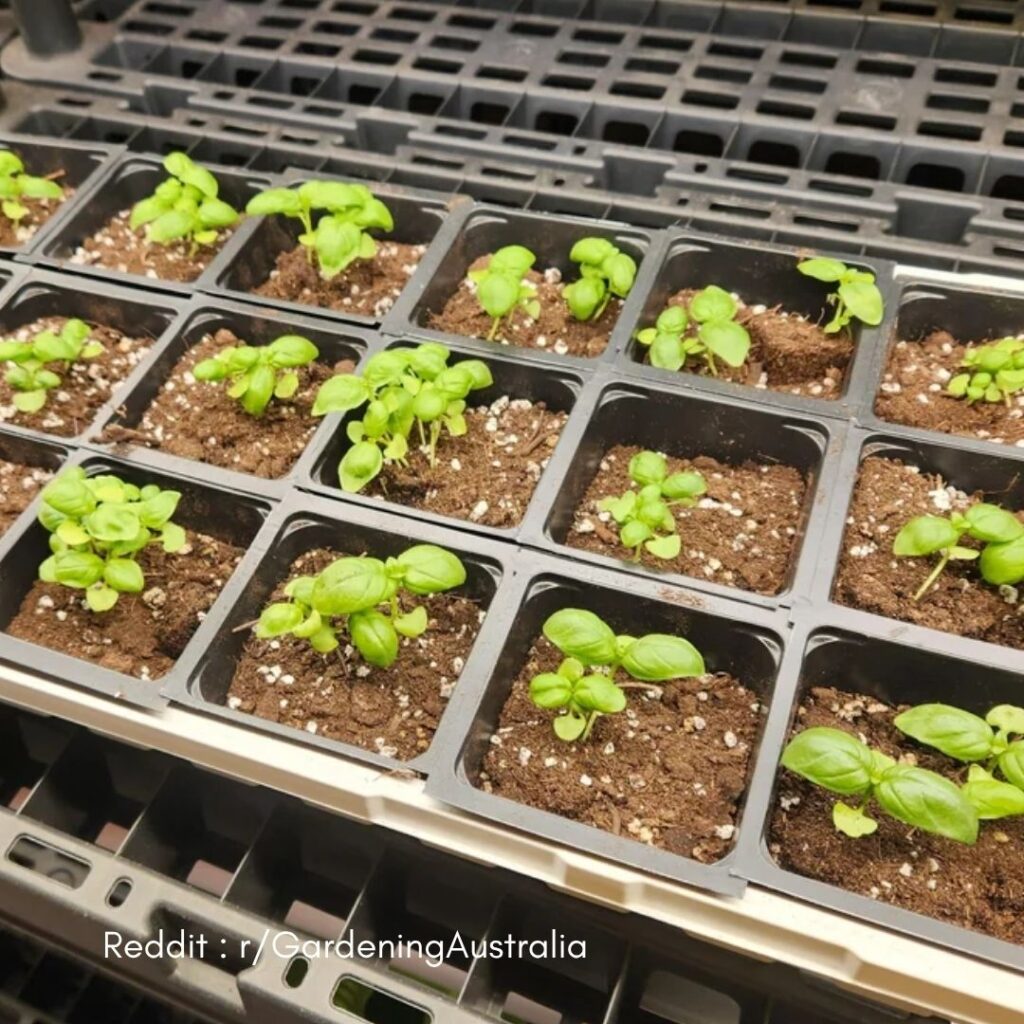
Taking care of a basil plant involves choosing the right soil mix and ensuring proper drainage. These factors are crucial to the plant’s health and growth.
Choosing the Right Soil Mix
For basil, well-draining soil is a must. I always pick a potting mix that includes ingredients like perlite or vermiculite. These help keep the soil light and airy. Ever notice how some soils get clumpy and soggy? That’s a no-go for basil! 🌱
A herb-specific potting mix can also work wonders. It’s specially formulated with the right nutrients. I recommend avoiding garden soil as it can be too heavy and retain too much water. Lastly, consider adding some compost for extra nutrients. It’s like a multivitamin for your basil!
Improving Drainage
Basil plants hate having “wet feet.” To improve drainage, I often start with a pot that has drainage holes at the bottom. If you’re using a container without holes, you’re setting yourself up for root rot. 🚫
Adding a layer of small rocks or gravel at the bottom of the pot can also help. This keeps excess water away from the roots. Another tip: elevate the pot slightly using a saucer or stand to allow air circulation underneath.
Got any cool tips or tricks for watering basil? Share them in the comments below! 🌿💬
Seasonal Watering Strategies
Basil plants need varying amounts of water throughout the year. Knowing how to adjust your watering schedule can make a big difference in keeping your basil healthy.
Adjusting Watering in Summer and Winter
In summer, basil plants usually need more water because of the heat. Water your basil daily to keep the soil moist but not soggy. Feel the soil with your fingers; if it’s dry two inches down, it’s time to water. I like to water in the early morning 🌞 so the plant can absorb the moisture before it gets too hot.
In winter, basil can still grow indoors. Reduce the watering frequency, as the plant doesn’t need as much moisture with lower temperatures. Check the soil once a week. If the top inch feels dry, give it a drink. Don’t overwater, because it can lead to root rot. Keeping the environment warm and well-lit helps too!
Dealing with Rainfall Variations
Rainfall can be tricky. You don’t want your basil to get too much water from rain. If there’s a lot of rain 🌧️, make sure your basil pot has good drainage. Raise your pots to avoid waterlogging.
During dry spells, rely on your senses. If you see droopy leaves, it’s a sign your basil needs more water. Keep a close eye on the weather forecast. It keeps me on my toes, and I find it fun to adapt my watering routine to match the rain patterns.
How do you manage your basil during rainy seasons? Any tips to share? Let’s chat in the comments! 😄
Basil Plant Lifecycle and Watering
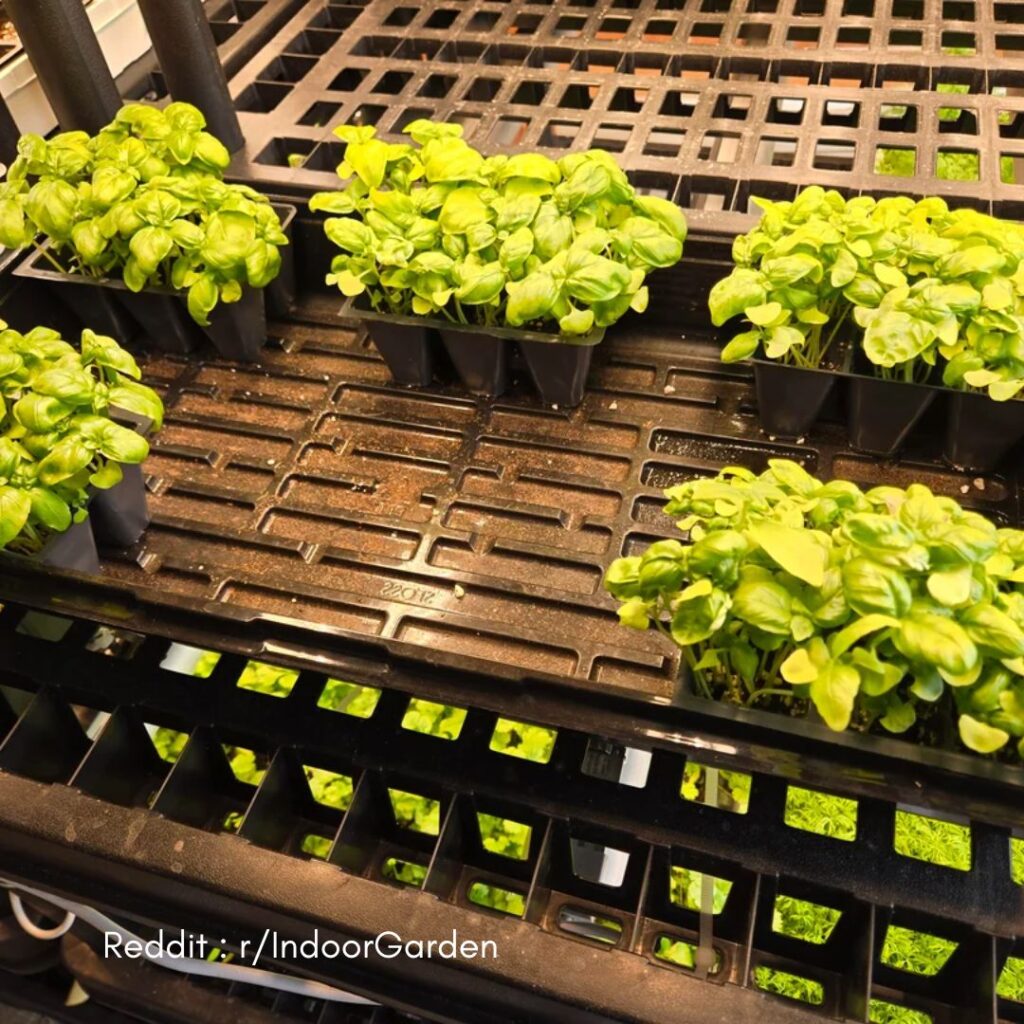
Taking care of a basil plant involves different steps at various stages of its life. It’s crucial to understand how to water it properly whether it’s just sprouting or fully grown.
Seedling Care
When basil seeds first sprout, they need gentle care. I keep the soil moist but not soaked to help the seedlings grow strong roots. I use a spray bottle to mist the soil lightly once or twice a day. 👶 This way, the tiny seeds get just enough water without being overwhelmed.
Do you have a sunny windowsill? That’s perfect for seedlings! They need plenty of light to grow healthy and tall. I make sure the soil drains well too. Good drainage prevents the roots from rotting, letting the plant thrive. 🌱
Mature Plant Maintenance
Once the basil plant grows bigger, I adjust my watering habits. Mature plants need a bit more water but also more consistency. I water them every 2-3 days, checking if the top inch of soil feels dry. 💦 If it’s dry, the basil needs a drink. You can use your finger to test it!
During hot summer days, thirsty basil might need more frequent watering. So, I keep an eye out for wilting leaves or dry soil. A well-watered basil plant will look vibrant and smell amazing! 🌿 Do you notice any yellow leaves? That’s a sign your basil might be getting too much water, so I scale back a bit.
Try it out! How do you take care of your basil plant? Let me know in the comments! ✍️
Watering Best Practices
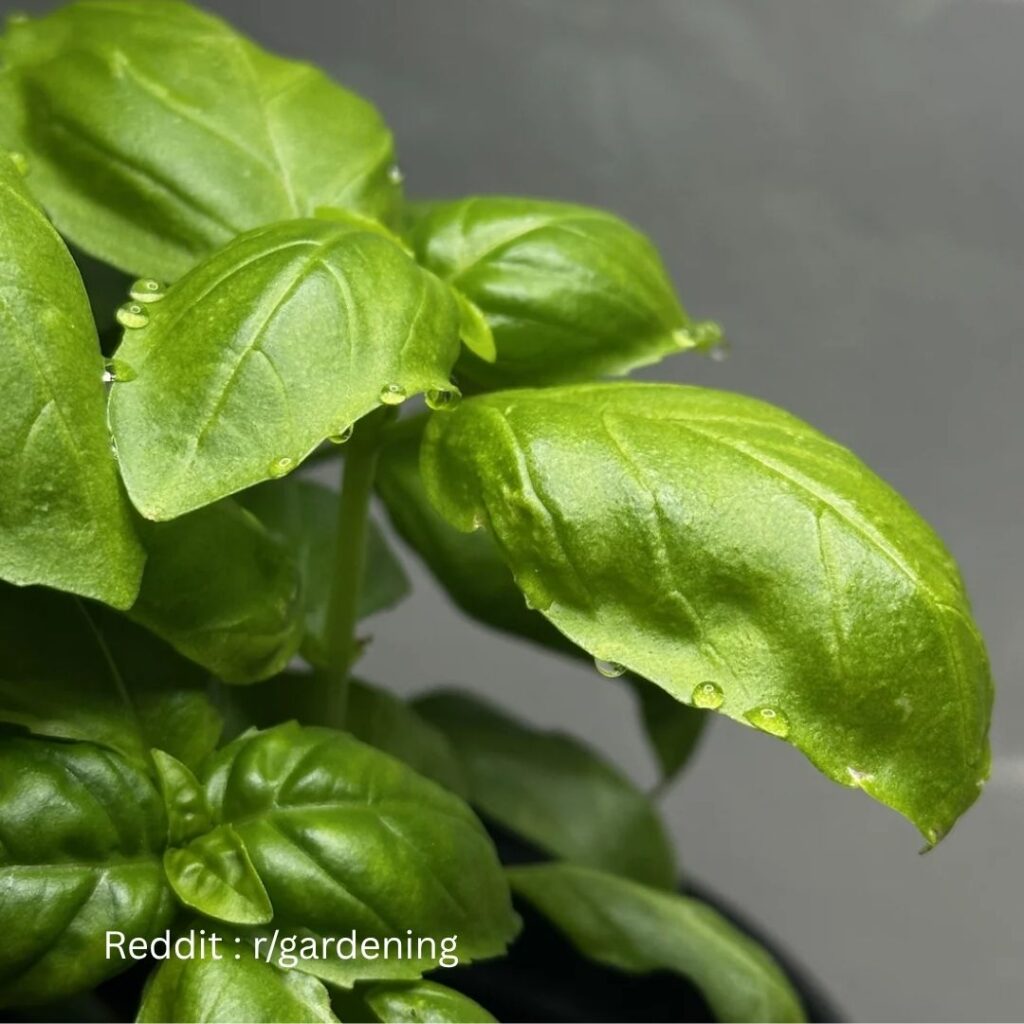
Let’s make sure your basil plants stay healthy and happy. In this section, I’ll share the best practices for watering your basil, including how often and how much to water, and the benefits of mulching.
Frequency and Quantity
Watering basil correctly is crucial. Basil plants like to be kept moist but not soaked. I usually water mine every other day, especially during the hot summer months.
Check the soil before watering. If the top inch is dry, your basil needs a drink. A good rule of thumb is to keep the soil evenly moist. Too much water can lead to root rot, so be careful not to overdo it.
Ever wondered how much water is enough? A deep watering once in a while is better than frequent light watering. It encourages roots to grow deeper, making the plant stronger. 🌿
Mulching to Retain Moisture
Mulching can be a game-changer for your basil! It helps retain moisture and keeps the soil cool. I like to use organic mulch, such as straw or leaves.
Spread a thin layer of mulch around the base of your basil plants. This helps reduce water evaporation and keeps weeds at bay, which can compete for water and nutrients. Plus, mulch breaks down and adds nutrients back into the soil over time!
Do you use mulch for your basil plants? Give it a try and see the difference it makes. Feel free to share your experiences and tips in the comments! 🌱
Monitoring and Adjusting Watering
Keeping an eye on the basil plant’s moisture levels and knowing when to adjust is crucial. Both moisture meters and simply observing the plant can give you the clues you need. 🌱
Using Moisture Meters
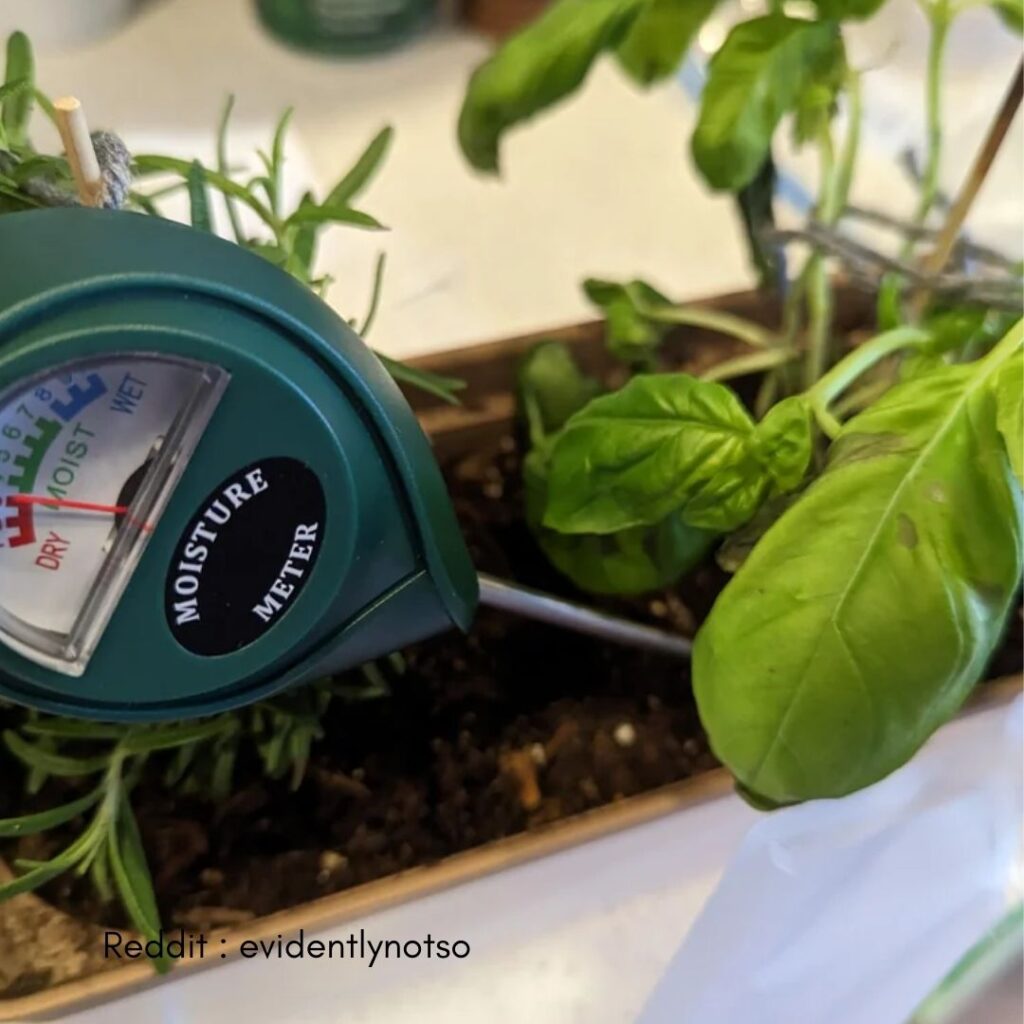
Moisture meters are a lifesaver for a basil gardener! They help you know exactly how much water the plant has. Stick the meter into the soil, and it’ll tell you if the soil is too wet, too dry, or just right.
Pro tip: Look for readings in the middle range.
If it’s low, add some water. If high, relax and let it dry out a bit. Simple, right? Plus, these meters are super affordable and easy to use. Do any of you use moisture meters? I find them so handy! 😊
Observation Techniques
Sometimes, you don’t need fancy tools. Just watch your basil plant closely.
- Leaves turning yellow? Too much water.
- Leaves wilting? Not enough water.
Feel the top inch of soil with your finger. If it’s dry, time to give it a drink. Keep it moist, but not soaked.
Be sure to water in the morning so the soil has time to dry out during the day. Have you ever noticed your basil looking droopy in the afternoon? It might be thirsty!
Got any other tips? Share them in the comments! 🌿
Troubleshooting Common Watering Issues
Overwatering
Ever felt like giving your basil a bit too much love? 🌼 If your basil leaves turn yellow and start to droop, it’s a sign of overwatering. Their roots need to breathe too! Let the soil dry out a bit before you water again.
Underwatering
On the other hand, if your basil looks wilted and the soil is super dry, it’s crying out for water. Happened to me too! Give it a good drink and it should perk up in no time. 💦
Poor Drainage
Is the water pooling at the bottom of the pot? 🚫 Ensure the pot has drainage holes. Basil hates soggy feet just as much as we hate soggy socks! If needed, add some pebbles at the bottom of the pot. This helps water drain better.
Water Quality
Surprised that tap water might not be great for your basil? 🤔 Sometimes, it has too many chemicals. Try using filtered water or let the tap water sit out overnight to let chemicals evaporate. Your plant will thank you!
Time of Day
Do you water your basil at night? 🌙 Let’s try switching it up! Watering in the morning ensures excess water evaporates during the day. Nighttime watering can lead to mold and mildew. Give it a shot and see the difference.
What problems have you faced with your basil plant? 🤷♂️ Drop your experiences in the comments! Let’s grow happy basil together! 🌿😊
Frequently Asked Questions
Wondering about the best ways to water your basil plant? 🌿 From how often to water to seasonal changes, I’ve got you covered!
How often should I water my indoor basil plants?
I water my indoor basil plants every 2-3 days. It’s important to make sure the soil is moist but not soggy. If the top inch of the soil feels dry, it’s time for a drink!
What is the best way to water basil in pots?
When watering basil in pots, I find that watering until it drains from the bottom holes works best. This ensures the water reaches the roots. Be sure to empty the saucer beneath the pot after it drains.
How can I tell if I’m overwatering my basil?
Overwatering is a common mistake. If you notice yellowing leaves or a musty smell from the soil, you might be overwatering. Let the soil dry out a bit before the next watering.
Does the basil watering schedule change during the winter?
In winter, I water my basil less frequently because the plant’s growth slows down. Check the soil moisture and water only when the top inch is dry. Basil needs more water in summer than in winter.
After repotting, how should I adjust watering for my basil plant?
After repotting, water your basil thoroughly right away. Then adjust to your regular schedule, but make sure to check the new soil’s moisture often as it might dry out faster initially.
Should I water my basil plants from the top or the bottom?
I prefer watering my basil from the top because it’s simpler and helps wash away any dust on the leaves. Just be careful not to water directly on the leaves for too long.