
Is your orchid giving you the silent treatment by refusing to bloom? 🌸 You’re certainly not alone! Most of the time, orchids won’t bloom due to a lack of proper care, specifically light and water. Sometimes, even when we think we’re doing everything right, there’s something simple we might be missing.
I remember feeling super frustrated when my orchid was just all leaves and no flowers. 😤 Turns out, ensuring it gets enough indirect sunlight and not watering too often can make a huge difference. Orchids are a bit picky, but once you get the hang of it, they’re rewarding.
Have you checked if your orchid is getting enough light? Or maybe you’re giving it too much love with frequent watering? I’d love to hear your thoughts and experiences in the comments below. Let’s get those beautiful blooms back! 🌺✨
Understanding Orchid Blooming
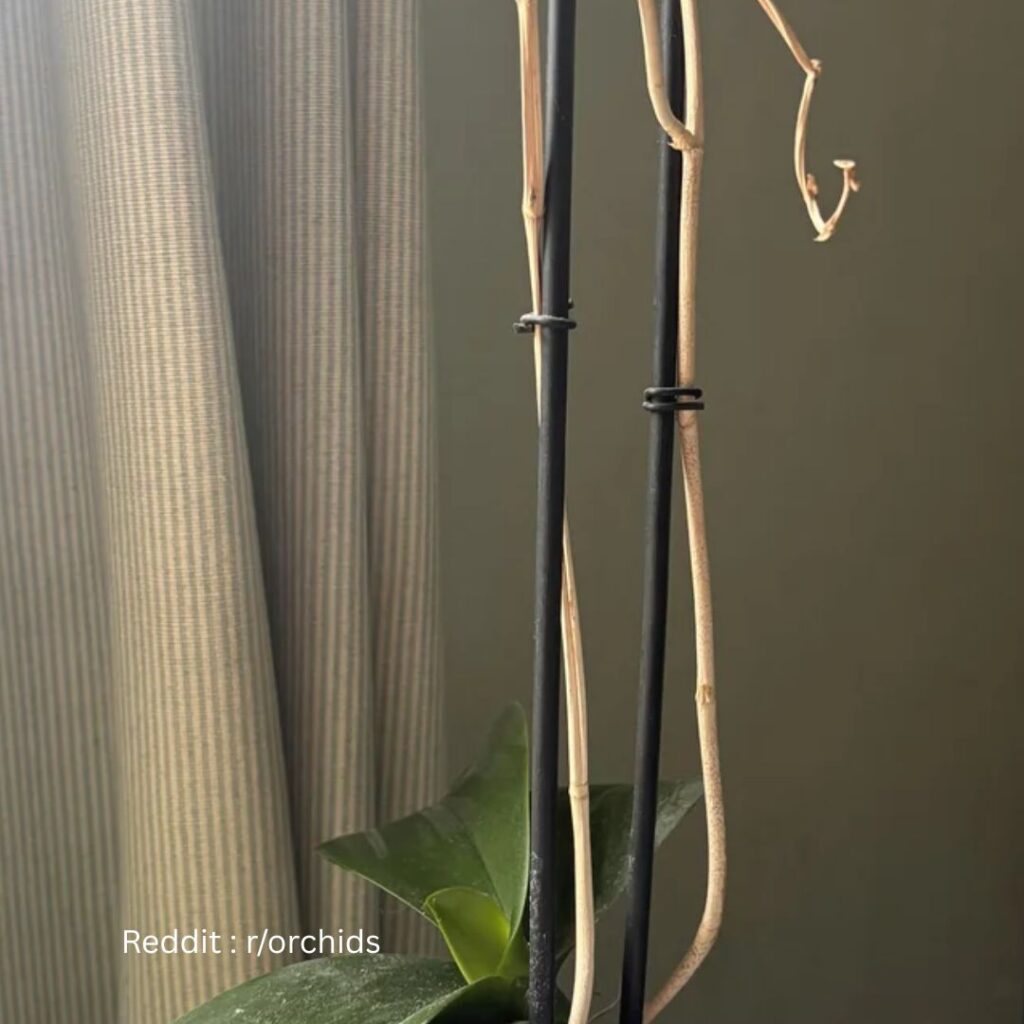
Ever wondered why your orchid isn’t blooming? 🌸 Let’s break it down and figure it out together. It might be simpler than you think.
Orchid Growth Cycle
Orchids go through different growth phases. First is the vegetative stage. Here, the plant focuses on growing roots and leaves. This might be why you see more green than blooms. The next is the dormant stage, where the plant rests and gathers energy. This stage can make you impatient, but it’s crucial for your orchid’s health. Finally, there’s the blooming stage. If all goes well in the previous stages, your orchid should start to bloom.
To help it along, make sure your orchid gets the right amount of light, water, and nutrients. These basics are key for a happy, blooming orchid. 🌿
Blooming Triggers in Orchids
Certain conditions trigger blooming. Light is the most important. Orchids need bright, indirect sunlight to thrive. Too little light means no blooms, so place them near a window. Next up is temperature. Many orchids need a drop in temperature at night to bloom. Try moving them to a cooler spot in the evening.
Humidity also plays a role. Orchids love a humid environment. If your home is dry, consider misting your orchid or using a humidity tray. And don’t forget about fertilizing. Use a balanced fertilizer to give your orchid the nutrients it needs. Follow these tips, and you might see more blooms soon! 🌷
What has worked for your orchid? Share your tips and experiences in the comments! 👇
Common Reasons for Non-Blooming Orchids
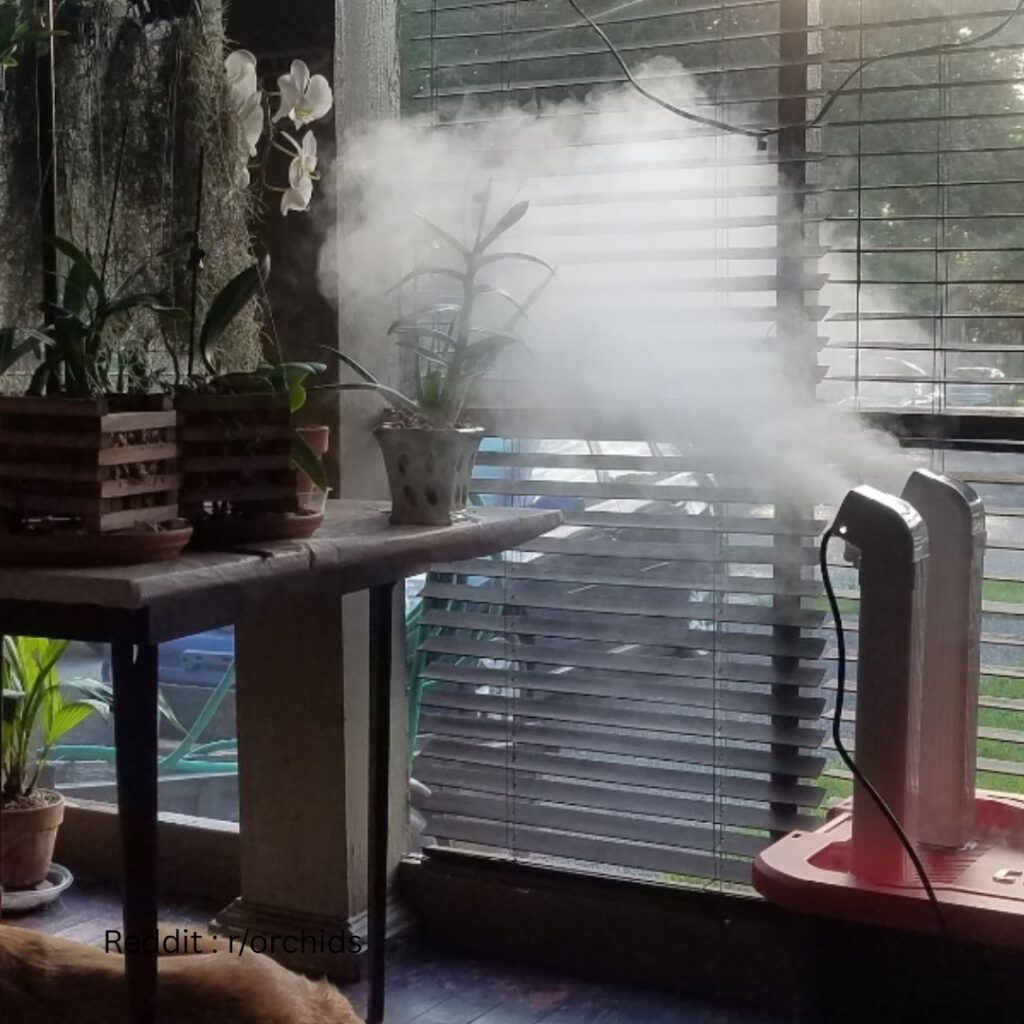
Orchids can be finicky about their blooming conditions, needing the right balance of light, water, humidity, and temperature. Let’s break down each factor that could be keeping your orchid from showing off its gorgeous blooms.
Insufficient Light
One common issue is not enough light. Orchids need bright, indirect sunlight to thrive. If your orchid is in a dark corner, it might not get the energy it needs to bloom. I always make sure mine are near a window but protected from direct sun. Too much direct sunlight can scorch the leaves, and nobody wants a crispy orchid! 🌞
Inappropriate Watering Habits
Watering can be tricky. Too much water and the roots can rot. Too little, and the plant dries out. I’ve learned that orchids like a good soak, then need to dry out a bit. If you’re unsure, poke a finger an inch into the medium. If it’s dry, time to water! 💧
Suboptimal Humidity Levels
Orchids love humidity. If the air in your home is too dry, your orchid might struggle. Keeping a humidity tray or a small humidifier nearby can help. In my experience, misting the plant lightly each morning has also worked wonders. 🌬️
Incorrect Temperature Range
Finally, orchids need the right temperature. Most orchids prefer temperatures between 60-80°F (16-27°C). Extremes on either side can stress the plant and prevent blooming. I like to keep a thermometer near my orchids to monitor this. Are your orchids getting the cozy environment they need? 🌡️
Let’s get those beautiful blooms showing! 🌸 Share your thoughts or tips in the comments.
Orchid Care Best Practices
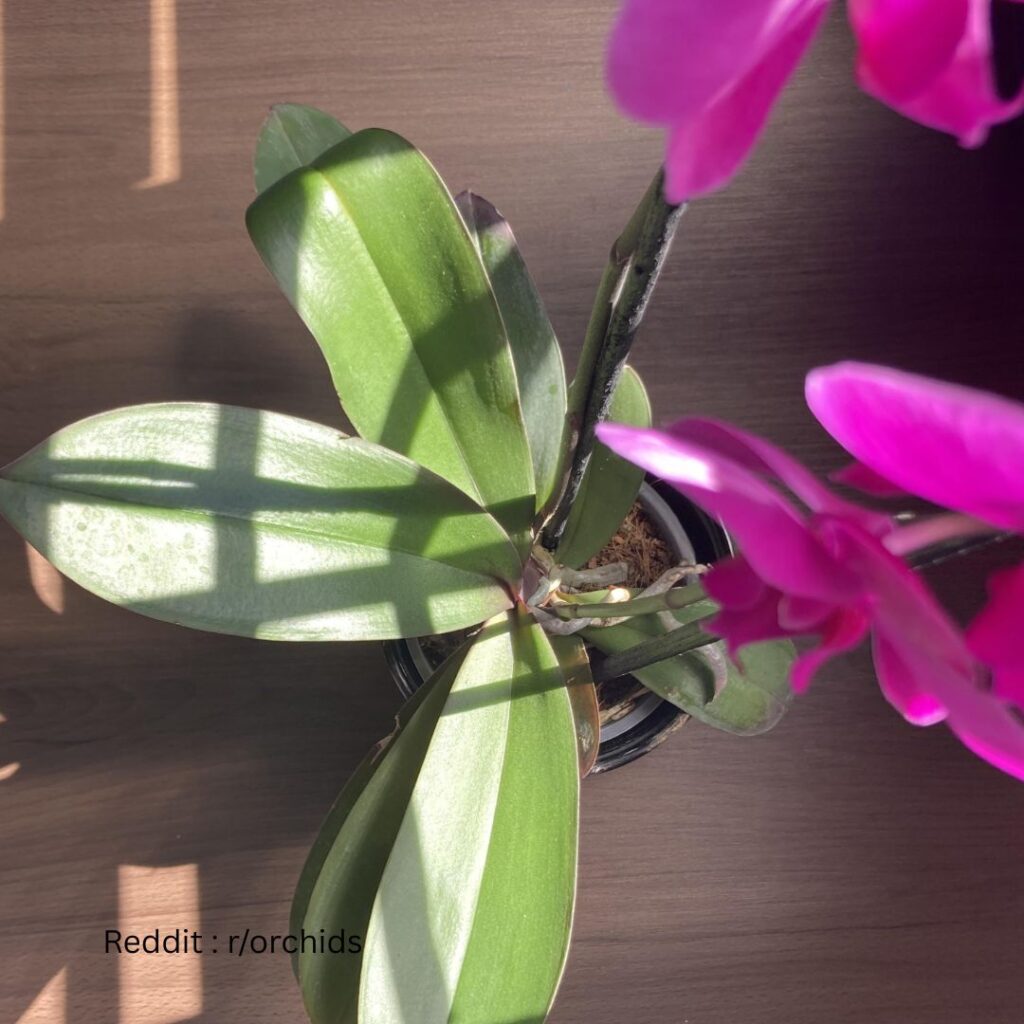
Making sure your orchid blooms takes a bit of care and attention. The key areas to look at include lighting, watering, and humidity.
Proper Lighting Conditions
Orchids need indirect sunlight. They like bright light but not direct rays. Think of placing them near an east-facing window. If they get too much direct sun, the leaves can scorch, turning yellow or brown.
Using sheer curtains can help filter the light. 🪟 Also, if your orchid’s leaves are dark green, they might need more light. Light green leaves are a sign they’re getting the right amount. Check the light often, especially during seasonal changes.
Watering Techniques for Orchids
Orchids don’t like to sit in water. Too much water can cause root rot. 🚫💧 It’s best to water them once a week. Use room temperature water and make sure it drains well.
I find that using an ice cube once a week works too! Just pop it on top of the soil, and it will melt slowly, giving the roots a nice, slow drink. Avoid using softened water because it can build up salts that orchids don’t like.
Maintaining Ideal Humidity
Orchids thrive in 50% to 70% humidity. If you live in a dry area, think about using a humidity tray. This can be a simple dish filled with pebbles and water. Place your orchid pot on top, but don’t let the roots touch the water.
Using a small humidifier can also help, especially in winter when indoor air gets dry. 🌿 Another trick is to group your plants together; they naturally create a more humid environment. Remember, keeping the air around your orchids humid will make them much happier and likelier to bloom.
Got more questions or tips? Share in the comments below! 💬
Fertilization and Nutrition
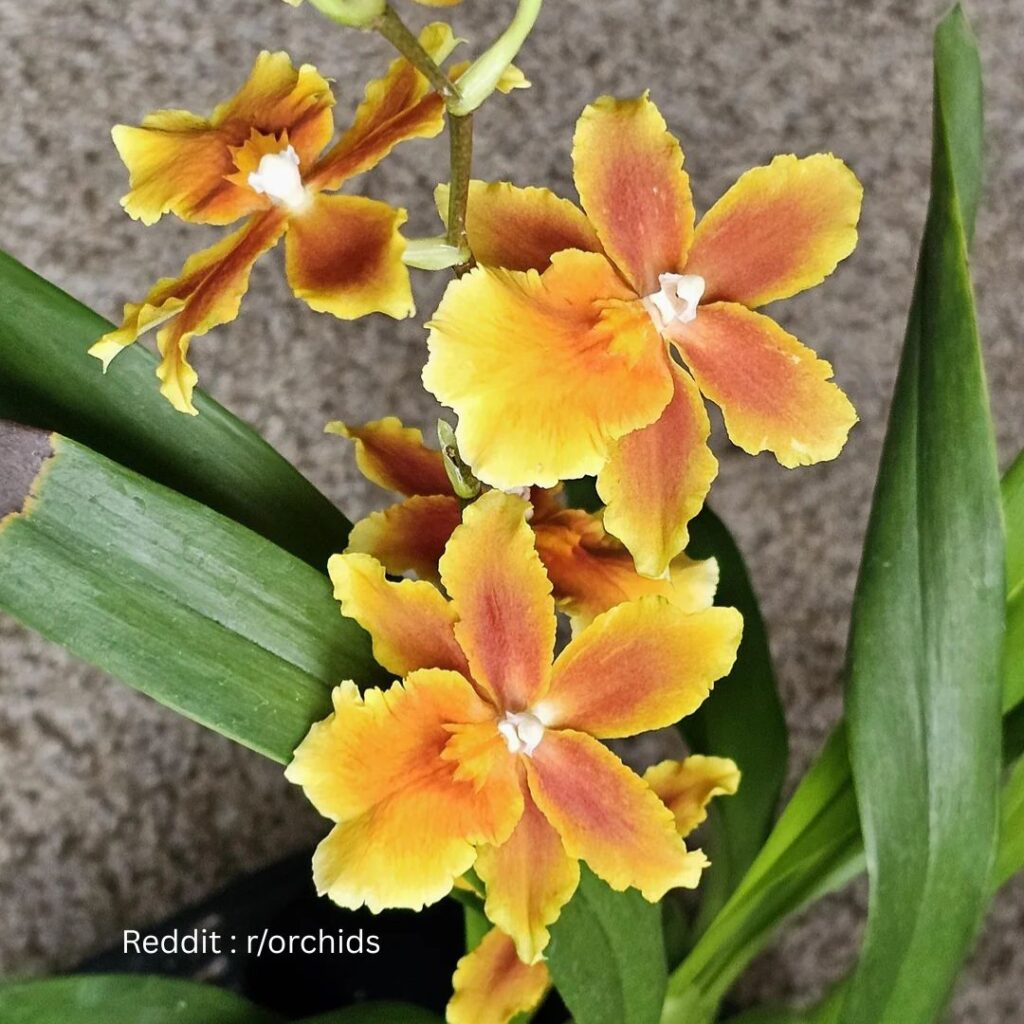
To help your orchid bloom, it’s essential to understand the role of fertilization and nutrition. Proper feeding can make a big difference in the health and flowering of your plant.
Fertilizer Types and Frequency
I know that orchids need a specific type of fertilizer. Using a balanced fertilizer, like 20-20-20, can provide the right mix of nutrients. I opt for a water-soluble type because it’s easy to apply.
I fertilize my orchids every two weeks during their growing season, usually in the spring and summer. During the rest of the year, I reduce this to once a month or stop entirely in the winter. Over-fertilizing can harm the plant, so it’s important not to go overboard with it.
Nutrient Deficiencies and Orchid Health
When my orchid isn’t blooming, I also look for signs of nutrient deficiencies. Common signs include yellowing leaves, weak stems, and poor root growth. These symptoms can mean the plant isn’t getting enough of the right nutrients.
For example, yellowing leaves can suggest a lack of nitrogen, whereas poor flowering might mean a shortage of phosphorus. I make sure to tailor my fertilization approach based on these signs.
Do you have an orchid that’s not blooming? 🌸 Drop a comment with your experiences or any tips you might have! Let’s help each other grow beautiful orchids. 🪴
Potting and Root Health

Healthy roots and the right potting medium are key for getting your orchid to bloom. Let’s dive into these topics to see how they can help.
Choosing the Right Potting Medium
Selecting the right potting medium is like picking the perfect shoes for an outfit. Orchids need something that drains well and provides plenty of air to the roots. Think about using bark or sphagnum moss. Both options allow airflow and can hold just enough moisture.
Avoid regular potting soil because it holds too much water, which can rot the roots. Ever tried walking in soaking wet shoes? It’s not fun, and the same goes for orchids. 🤔
Remember, a mix of large and small pieces can help balance moisture and air. Check the medium often. If it starts breaking down, it’s time to refresh it.
When and How to Repot
Repotting might sound like a chore, but it’s super important. Orchids don’t like being root-bound. I’ve found that repotting every year or two keeps my plants happy. 🌿
Start by choosing a clear pot with drainage holes. Seeing the roots helps you monitor their health. Gently take the orchid out, shake off the old medium, and trim any dead roots. It’s like giving the plant a mini spa day! ✂️
Place the orchid in the new pot, adding fresh medium around it. Don’t pack it too tightly. Give the roots some room to breathe. Water lightly to settle everything in.
Got any repotting stories or tips? Share them in the comments! 🌸
Dormancy Period and Reblooming

Understanding why your orchid won’t bloom again can often be traced back to the orchid’s dormancy period and what it needs to re-bloom.
Understanding Orchid Dormancy
Orchids have a dormancy period after flowering. During this time, they rest and gather energy for their next blooming cycle. 🌺 Think of it as a vacation for plants! Usually lasting 6 to 9 months, this phase involves no blooming and slower growth.
During dormancy, it’s important to reduce watering. 🌱 Watering too much can harm the plant. I usually water my orchid about every two weeks. Also, it’s a good idea to keep it in a cooler location to mimic its natural environment.
Encouraging Orchids to Re-Bloom
To help your orchid bloom again, you need to create the right conditions. Proper lighting is key. Orchids love bright, indirect light. 🌞 Too little light, and your orchid might stay on vacation forever!
Fertilizing is also important. I use a balanced fertilizer every month during the growing season. Just be careful not to overdo it. More fertilizer doesn’t equal more blooms.
Temperature changes can trigger blooming. I sometimes move my orchid to a slightly cooler spot at night to simulate natural temperature drops. 🌙 Doing this for a few weeks can kickstart the blooming process.
Have you tried any of these tips? What’s worked best for your orchid? 🌸 Share your thoughts below! ⬇️
Addressing Orchid Pests and Diseases
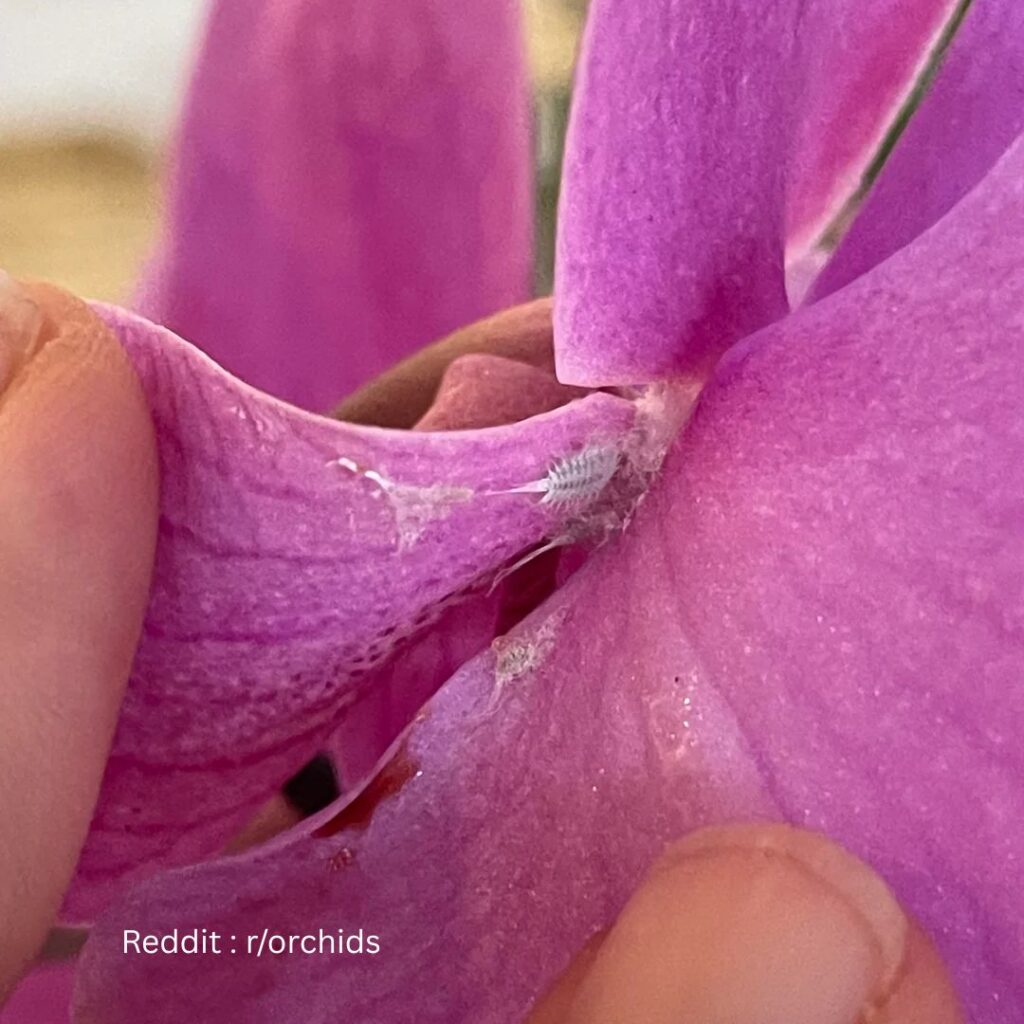
Orchids might stop blooming because they face pests or diseases. Let’s dig into what common pests might be causing trouble and how to prevent and treat diseases.
Common Pests and Management
Aphids, spider mites, and mealybugs are common pests. Look for tiny bugs on your orchid leaves. 🕵️♂️ If you see any, try using a mixture of water and mild soap to gently wash them away.
Neem oil is a natural remedy that works wonders. Spray it on the affected areas.
Slugs and snails might munch on your plant at night!🐌 Put crushed eggshells around the base to keep them at bay.
Have you ever had pests attack your orchids? Share your stories in the comments! ✍️
Disease Prevention and Treatment
Orchids can get fungal infections like black rot. This happens when they’re too wet. Make sure not to overwater your plant and ensure it has good drainage.
Bacterial infections show up as brown, mushy spots. If you see this, cut off the affected part with a sterile tool and reduce humidity around your plant.
Use a fungicide if you notice any mold. It can keep your orchid healthy and happy!
What’s the most challenging disease you’ve dealt with?Let me know in the comments! 💬
Keeping an eye on your orchid’s health can make all the difference in its blooming. 🌸
Specific Orchid Varieties and Their Needs
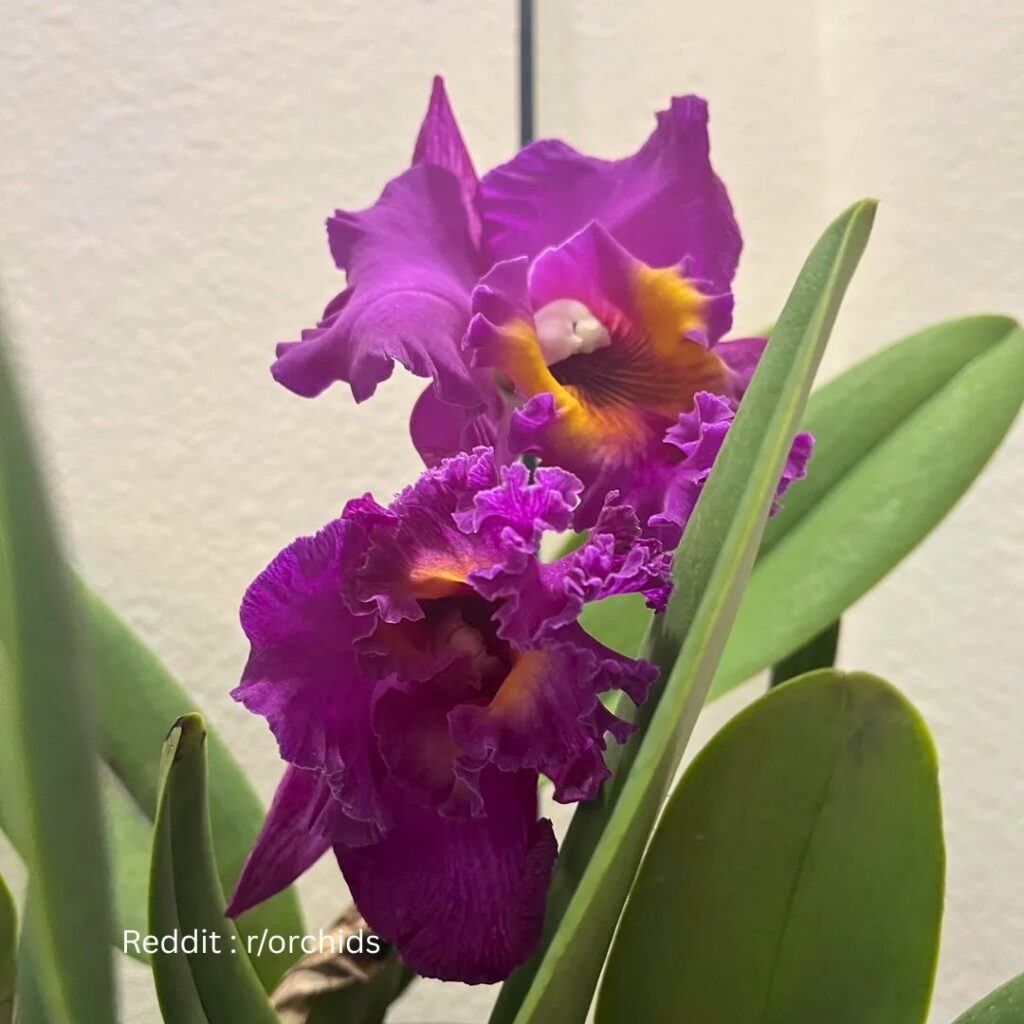
Different orchid varieties have unique care requirements. Here’s a closer look at some popular types and how to help them thrive.
Phalaenopsis Orchid Care
Phalaenopsis, or “moth orchids,” are popular for beginners. These orchids love bright, indirect light. A windowsill that gets a bit of morning sun is perfect. The trick is to keep them away from direct sunlight, which can burn their leaves.
Watering is key. I water mine once a week, but make sure the potting mix dries out a bit before the next watering. Over-watering can lead to root rot. 🌱 Always check the roots; healthy roots are firm and green.
Fertilize them every two weeks during their growing season with a balanced fertilizer. When it comes to temperature, they like it warm – between 65-80°F. Keep them happy and they’ll reward you with beautiful blooms!
Cattleya Orchid Care
Cattleya orchids are known for their vibrant and fragrant flowers. They need more light than Phalaenopsis. Place them where they can get bright but filtered light, like behind a sheer curtain. Too little light and they won’t bloom!
For watering, let them dry out completely between waterings. I usually give mine a good soak every 7-10 days. Unlike Phalaenopsis, they don’t mind drying out a bit. Just make sure the humidity is around 50-70%.
Regular feeding during the growing season helps too. Use a high-nitrogen fertilizer every two weeks. Keep the temperature between 70-85°F in the day and 55-65°F at night. With a little patience, you’ll get those showy blooms!
Other Popular Varieties
There are many other orchid varieties like Dendrobium, Oncidium, and Vanda. Each has unique needs:
Dendrobium Orchids: They thrive in bright, indirect light and prefer to dry out between waterings. Fertilize them lightly every month. They like it warm during the day (75-85°F) and cooler at night (55-60°F).
Oncidium Orchids: These prefer bright light. Water when the potting mix is dry to the touch. They enjoy a bit more humidity (60-70%). Fertilize every two weeks with a balanced fertilizer.
Vanda Orchids: These need a lot of light and high humidity (80%). Water them daily in the summer and every few days in the winter. Fertilize weekly with a balanced fertilizer. They like it warm, around 80-90°F during the day.
Do you have a favorite orchid variety? Share your tips and experiences in the comments! 🌺
Frequently Asked Questions
I’ve gathered some helpful tips and answers to common questions about why your orchid might not be blooming. 🌸 Let’s dive right in!
What can I do to encourage my orchid to produce flowers?
To help your orchid bloom, give it more light without direct sun exposure. Place it near an east-facing window. Water it carefully—not too much, not too little—usually once a week. Keep the temperature between 60°F and 80°F. 🪴
Is there a special fertilizer I should use to promote blooming in orchids?
Yes! Use a balanced orchid fertilizer or one with higher phosphorus content to encourage blooming. Fertilize once a month during the growing season. Just mix it with water as per the instructions on the label and feed your orchid.
What conditions trigger an orchid to start blooming?
Temperature drops at night can trigger blooming. Keep the nights cooler by 10°F compared to daytime. Adequate light and a proper watering routine also play a big role in making your orchid happy enough to flower.
How can I tell if my orchid will flower again?
Look at the base of the plant. If you see small, green leaves developing, that’s a good sign! Also, healthy roots and leaves mean your orchid is likely to bloom again soon.
What should I do with an orchid that hasn’t bloomed for several years?
If your orchid hasn’t bloomed in years, it might need a dormant period. Reduce watering and stop fertilizing for a few weeks. Also, make sure it gets sufficient light and a slight temperature drop at night.
Why are my orchid’s buds not opening even though they’ve formed?
If buds form but don’t open, it could be due to temperature fluctuations, low humidity, or drafts. Make sure your orchid stays in a stable environment with around 50-60% humidity. Ensure it’s getting consistent light and isn’t exposed to cold drafts.
Got other questions or tips to share? Drop them in the comments below! 🌿💬