
You water your chrysanthemum. You give it sun.
The leaves look healthy, but you still see no flowers. It’s maddening when mums grow lush and green but just won’t bloom.
Most chrysanthemums skip blooming because they don’t get enough direct sun, get pruned at the wrong time, or end up with the wrong fertilizer. I’ve run into all sorts of small issues—too much shade, trimming too late, or extra nitrogen in the soil—that stop buds from forming.
Quick Tip: Give your mums at least 6 hours of direct sun each day and avoid pruning after mid-summer. I’ll cover light, feeding, trimming, pests, and even the quirks of different varieties, so you can figure out what’s holding your mums back and coax those blooms out.
Essential Conditions for Chrysanthemum Blooming
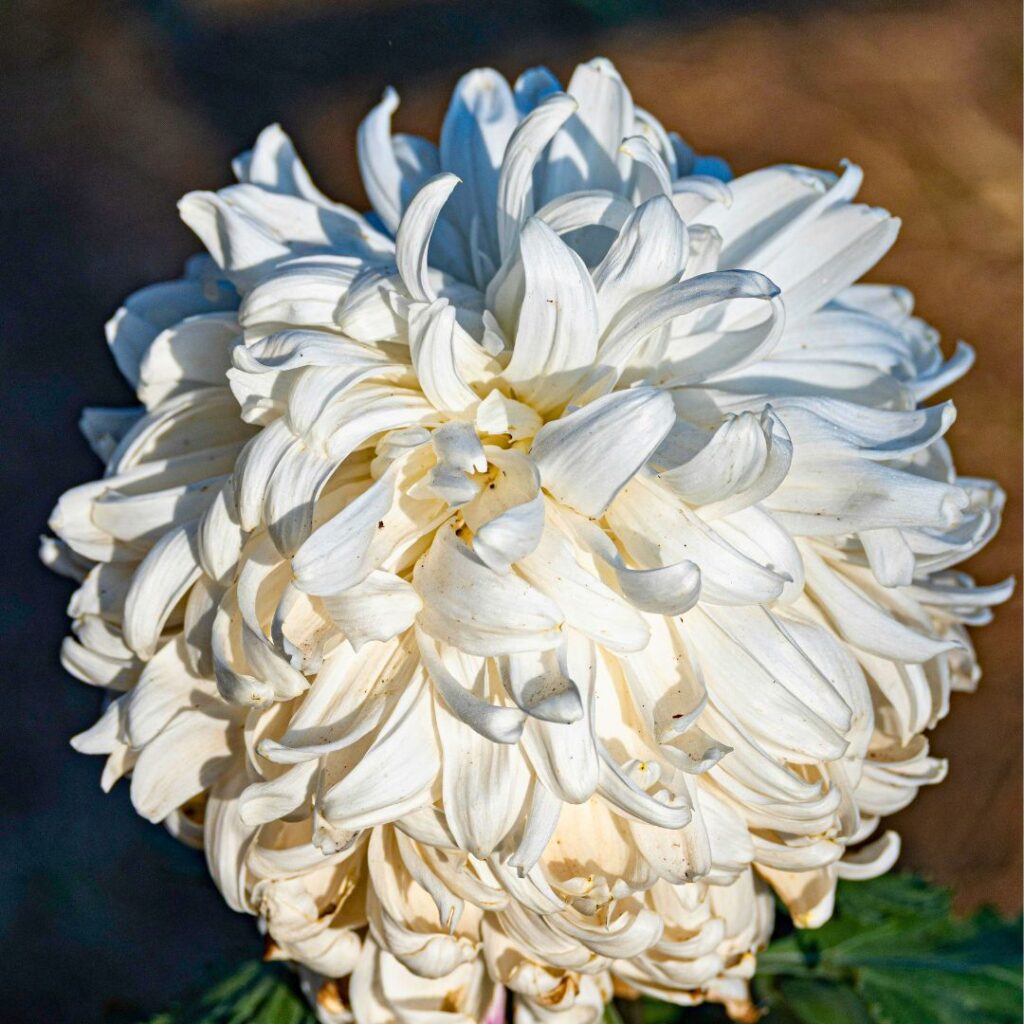
When my chrysanthemum won’t bloom, I start with three basics: light, soil, and water. Garden mums and hardy mums all need the right mix to set buds and open up.
Light Requirements and Sun Exposure That Trigger Strong Bud Set
I make sure my mums get at least 6 hours of direct sun a day. Morning sun is great, but if you’re somewhere cool, all-day sun is even better.
If I stick hardy mums in a shady spot, I get tall, leafy plants with barely any flowers. North-facing yards or spots under trees are usually the culprits.
Shorter days in late summer help buds set. Bright streetlights or porch lights at night can mess with their timing and delay blooms.
With potted mums, I rotate them so every side gets some sun. If I don’t, they lean and bloom lopsidedly.
Quick Tip: If your mum isn’t getting 6 hours of sun, move it. More light almost always means more buds.
In the hot South, I let them have some afternoon shade to avoid stress. But I never let them sit in deep shade—never ends well.
Soil Quality and Drainage Needs That Support Healthy Roots and Buds
I plant my mums in loose, well-draining soil. Heavy clay or soggy ground just rots roots, and that means no flowers.
When I plant, I mix in compost. It feeds the plant and helps drainage at the same time.
The soil should crumble in your hand. If water pools up after a rain, I know it’s a bad spot for mums.
I keep the soil slightly acidic to neutral. Most garden soil works if it drains well.
For container mums, drainage holes are non-negotiable. I won’t let them sit in a saucer of water—ever.
Quick Tip: If soil stays soggy for more than a day, I improve drainage or move the plant.
Cold, wet soil in early spring slows hardy mums down. I wait for the ground to warm up before planting outside.
Watering Practices for Healthy Growth and Steady Flower Development
I water my chrysanthemums deeply, but not every day. I poke my finger in the soil—if the top inch is dry, I water.
If it’s still damp, I hold off.
Mums hate dry spells when they’re setting buds. If I let them dry out, buds might drop or never open.
I water at the base, not over the leaves. Wet leaves just invite disease, especially when it’s humid.
Potted mums dry out faster, especially in heat or wind. I check them more often during hot spells.
Quick Tip: Keep the soil evenly moist—think wrung-out sponge. Not bone dry, not soaked.
When fall comes and it cools down, I water less. They still need some moisture, just not as much as in summer.
Nutrient Management and Fertilization
Getting blooms means balancing nutrients and feeding at the right time. When I fertilize mums right, I get full flowers instead of just tall, leafy plants.
How to Fertilize Mums Effectively for Strong Buds and Steady Growth
I use a balanced, water-soluble fertilizer—something like 10-10-10 or 20-20-20—at half strength every 2–3 weeks during active growth. This keeps stems strong and leaves healthy without making them too soft.
If the soil’s dry, I water first, wait a bit, then fertilize. That way, I don’t burn the roots and the nutrients soak in where they’re needed.
Mums in the ground like a little compost. I add a one-inch layer around the plant in spring.
Quick Tip: Once I see flower buds, I stop feeding. The plant shifts from growing leaves to making blooms at that point.
Understanding the Role of Nitrogen So You Don’t Get Leaves Instead of Flowers
Nitrogen makes mums leafy. Too much, and I get big green plants with no flowers.
I always check the fertilizer label. If the first number is way higher than the others, it’s pushing leaves, not flowers. That’s fine for lawns, not for mums.
I stick to balanced or slightly lower-nitrogen feeds. This keeps growth compact and helps buds set.
In colder zones, I avoid heavy feeding late in the season. Soft new growth can get zapped by early frost.
Quick Tip: If your mums look big and leafy but have no buds, cut back on nitrogen and switch to a balanced feed.
Timing Fertilizer Applications to Support Bloom Cycles
Timing matters. I start feeding hardy mums in early spring once new growth hits 2–3 inches.
I keep it up through early to mid-summer. By late July, I start tapering off. Feeding too late delays blooms and cuts down flower numbers.
Potted mums need nutrients more often—every couple weeks until buds show up.
During long hot spells (above 90°F), I stop feeding. Stressed plants won’t use fertilizer anyway.
Quick Tip: I set a reminder to stop feeding about 6–8 weeks before my area’s first fall frost. That gives buds time to form.
Pruning and Maintenance Techniques

I shape my mums on purpose. Pinching stems at the right time, removing faded blooms, and cutting plants back with the season all help mums branch, set more buds, and bloom when they should.
Pinching Back for More Blooms and Fuller, Bushier Mums
I pinch hardy mums in late spring when new shoots reach 4–6 inches. I use my fingers to snap off the top inch, just above a set of leaves. That makes the plant branch out, which means more flowers later.
I repeat this every 2–3 weeks until early July, maybe a bit later in warm zones. I stop by midsummer so buds can form for fall.
If I skip pinching, I get tall, floppy stems and fewer blooms.
Quick Tip: If stems are still soft and green, pinch. If you see tiny buds, stop.
I water after pinching if the soil feels dry. It helps the plant bounce back.
Deadheading Spent Flowers to Keep Chrysanthemums Blooming Longer
I cut off faded flowers as soon as petals turn brown or crispy. I snip back to the first healthy set of leaves to keep things tidy and push energy into new buds.
During peak bloom, I check every few days. The plant looks better and feels less crowded.
If a whole stem finishes, I cut it back to the base or a strong side shoot. Clean pruners are a must—nobody wants to spread disease.
Quick Tip: Don’t just pull petals. Cut the whole stem cleanly so the plant doesn’t waste effort.
Cool fall weather means blooms last longer. Hot spells? I deadhead more often—flowers fade fast.
Seasonal Care and Cutting Back to Support Next Year’s Growth
After frost turns the foliage black, I cut hardy mums down to 3–4 inches. I wait until they’re dormant—cutting too early can trigger weak growth before winter.
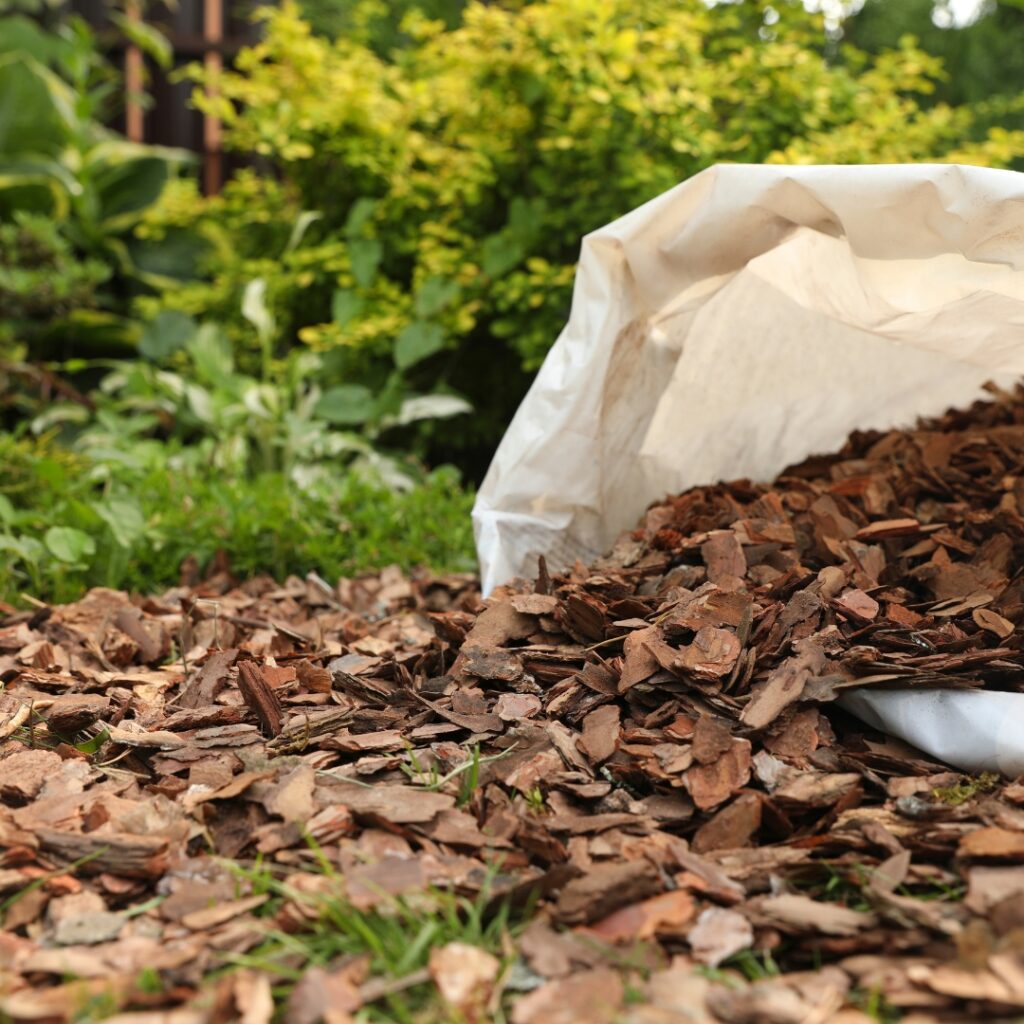
I leave a stub so I remember where they are. In cold zones, I toss 2–3 inches of mulch on after the ground cools to protect roots from freeze-thaw cycles.
In spring, I clear out old stems once I see new shoots at the base. In harsh winters, I sometimes leave the old stems to trap snow and insulate the crown.
Quick Tip: If stems are brittle and dry after winter, trim them back to green growth and let the plant take off again.
Pest and Disease Prevention
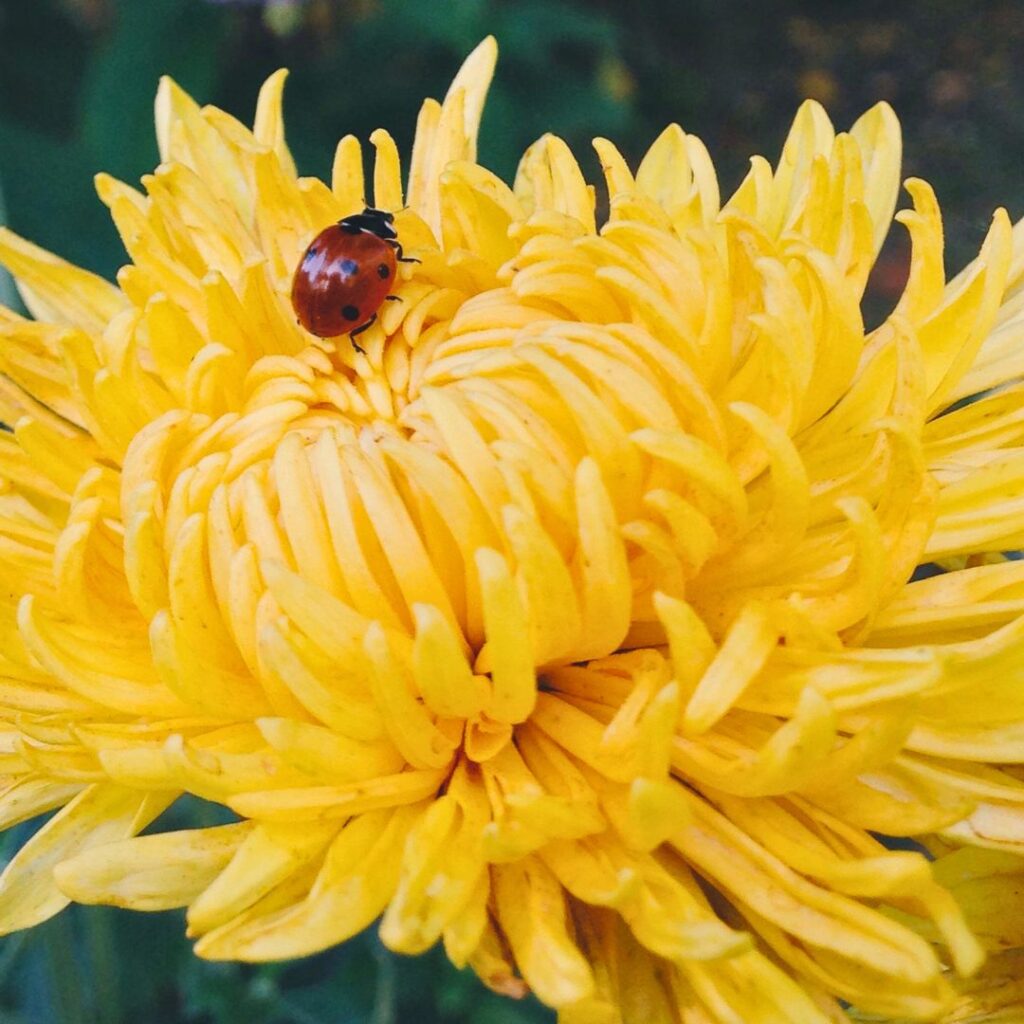
Pests and disease can wreck mums before they bloom. I keep a close eye and act quickly—healthy stems and leaves mean better flowers.
Recognizing Common Pests Before They Ruin Buds
I check my mums at least weekly, especially in late summer when buds start to show. Aphids, spider mites, and thrips are the usual suspects.
Aphids cluster on new tips and under buds. They look like tiny green or black dots and leave sticky residue. Spider mites cause pale spots and fine webs. Thrips chew petals, making blooms streaky or ragged.
Curled leaves or sticky stuff? I look closer. Catching problems early makes a difference.
Quick Tip: Spray a strong stream of water under the leaves every few days to knock pests off before they get comfortable.
Spider mites love hot, dry weather. Aphids hang around longer in cool, damp falls. I adjust my vigilance as the weather changes.
Dealing with Fungal Diseases That Block Healthy Growth
Fungal diseases start when leaves stay wet. Powdery mildew and leaf spot are the big ones on mums.
Powdery mildew looks like white dust. Leaf spot shows up as dark brown or black spots. Both sap energy and cut down on blooms.
I always water at the base, never over the top. Wet leaves are asking for trouble. I also give my mums space for air flow.
Quick Tip: If the top inch of soil is dry, water deeply at the base in the morning—leaves dry off by night.
In humid places, mildew spreads fast. In drier spots, it can still sneak in after cool nights. I toss infected leaves in the trash, never the compost.
Protecting Plants from Infestations with Simple Prevention Steps
Healthy mums fight off pests better. I feed them with balanced fertilizer during the season but stop once buds start to show.
I keep the area around my mums clean. Fallen leaves and old stems hide bugs and disease spores.
Mulch helps, but I keep it a few inches away from the stems. Packed, damp mulch just attracts problems.
Quick Tip: Inspect buds closely before they open. If they’re sticky or misshapen, check for pests inside.
When I bring home potted mums, I keep them separate from other plants for a week. That way, one sick plant doesn’t infect the whole garden.
Variety Selection and Bloom Timing

The type of chrysanthemum I pick and when I plant it both shape whether I see flowers at all. Some mums bloom early, others wait until late fall, and a few never get the chance if frost moves in first.
I always try to match the variety and planting time with my local climate, though sometimes I get it wrong and learn the hard way.
Early, Mid, and Late-Flowering Varieties and Why Timing Changes Everything
Chrysanthemums don’t all bloom on the same schedule. Some early-flowering mums open in late summer, while mid-season types wait for early to mid-fall.
Late varieties? They might hold off until the last minute—late fall—if frost doesn’t get them first.
If I plant a late-blooming mum in a short growing season, frost can ruin everything before buds even open. In colder zones, late types just don’t stand much of a chance unless I start them extra early in spring.
Garden centers rarely label bloom time clearly, which is annoying. I hunt for tags that say early, mid-season, or late fall bloomer, but if I’m lost, I just ask someone.
Quick Tip: If your area gets early frost, stick with early or mid-season mums so you actually get to enjoy the flowers.
In warm zones, I have more wiggle room. In colder spots (Zone 5 or below), bloom timing can make or break the whole thing. Weather always gets the final word, though.
How Planting Time Directly Affects Bloom Production
Planting mums at the wrong time can throw off blooming. When I buy those showy mums in fall and stick them in the ground right away, they put their energy into roots, not new buds.
Hardy chrysanthemums need time to get settled. If I plant in spring, they build up strong stems and start forming buds when days get shorter. That shift in light is what tells them it’s time to bloom.
Planting too late in summer? The plants stay small, make fewer flowers, or sometimes just skip blooming altogether. I’ve had that happen and it’s a letdown.
I try to plant hardy mums in spring after the last frost. In warmer zones, early fall sometimes works, but in cold zones, spring is way safer.
Quick Tip: For reliable blooms, plant hardy chrysanthemum varieties in spring so they have time to build strong roots before fall.
If I missed the spring window and planted late, I’ll protect them from early frost with a light sheet at night. Sometimes that’s enough to let the buds finish opening.
Choosing Hardy Chrysanthemum Types That Actually Return and Bloom
Not all mums are built for winter. Many colorful fall mums are just for quick porch color and don’t survive once the cold hits.
When I want blooms year after year, I go for hardy chrysanthemum varieties rated for my USDA zone. They’re usually called garden mums or hardy mums, but you’ve got to check.
I scan plant tags for zone ratings. Living in Zone 6, I avoid anything marked Zone 7 or higher—winter cold will take them out before spring.
Compact, bushy plants with lots of stems tend to bloom better next season. I look for those and skip the floppy ones.
Quick Tip: Always match the chrysanthemum’s zone rating to your own or you’ll risk losing them before they even get a chance to bloom next year.
Troubleshooting: When Mums Still Won’t Bloom
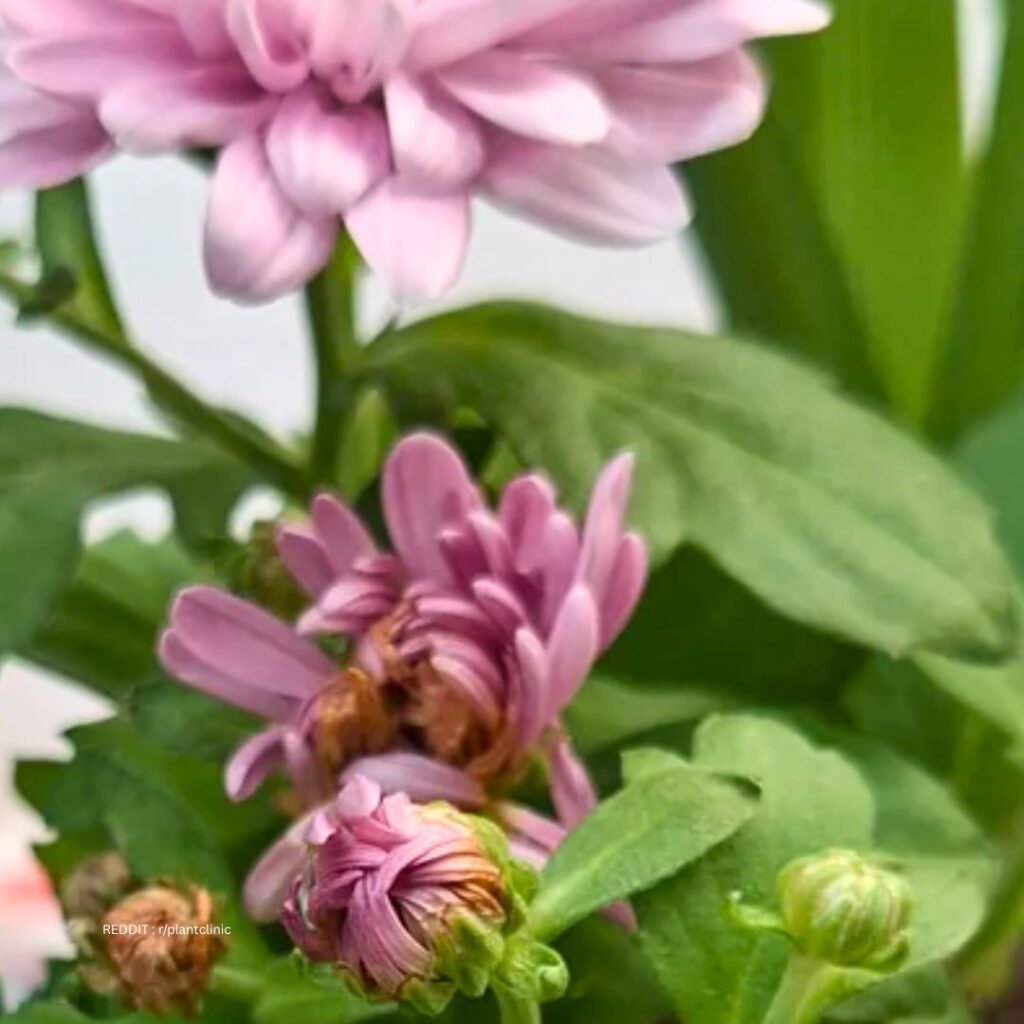
When my mums just refuse to bloom, I start looking at stress, crowded pots, and what I’ll do differently next year. Sometimes it’s just the tiniest change in light, water, or timing that finally gets them to flower.
Addressing Environmental Stress That Stops Buds Before They Open
I always check sunlight first. Chrysanthemum plants need at least 6 hours of direct sun every day. If my mums are sitting in shade by noon, they grow lots of leaves but never seem to flower.
Heat waves can stall buds, too. If it’s over 90°F for days—especially warm nights—blooming gets delayed. In hot zones (like 8–10), I give them light afternoon shade and keep the soil evenly moist.
Water stress is another culprit. If the top inch of soil feels dry when I poke it, I water deeply until it soaks through.
Quick Tip: Water at the base early in the day so leaves dry quickly and disease doesn’t get a foothold.
I also watch for nighttime light. Porch lights or streetlights can trick mums into thinking days are still long, which delays blooming. If that’s a problem, I move the pot or block the light somehow.
Container Growing Challenges That Limit Flower Production
Potted chrysanthemums dry out fast. Roots fill up the pot, soil gets depleted, and before I know it, the mums just won’t bloom.
I lift the pot. If it feels light by midday, roots are probably crowded. I’ll slide the plant out—if roots are circling, I move it to a bigger container with fresh mix.
Fertilizer helps, but it’s all about timing. I use a balanced fertilizer in spring and early summer, then stop by mid-July so the plant can focus on buds.
Quick Tip: Skip high-nitrogen fertilizer after summer starts. Too much just means more leaves, not more flowers.
Drainage matters a lot. If water sits in the saucer, roots can rot. I always empty trays after watering and make sure pots have clear holes.
Improving Bloom Next Season With Better Timing and Care
If my mums struggle this year, I try to set them up better for next time. Timing is everything with these plants.
I pinch back new growth in late spring, then again in early summer, but I stop by mid-July in cooler zones (earlier if it’s hot). Pinching too late cuts off flower buds, and that’s just frustrating.
Quick Tip: I set a reminder for my last pinch date so I don’t accidentally remove next season’s blooms.
I plant mums in spring, not fall, whenever possible. Spring planting gives roots a head start before winter, and stronger roots mean better blooms.
Before frost, I mulch 2–3 inches deep around outdoor mums. That keeps roots safe in cold zones. Healthy roots now pay off with bigger flowers next year.
Frequently Asked Questions
Every fall, I see the same mum issues over and over. Buds stall, turn brown, bloom late, or just refuse to open. Usually, it comes down to light, water, temperature, or timing.
What causes chrysanthemum buds to form but never open even though the plant looks healthy?
I usually spot this when the plant isn’t getting enough direct sunlight. Mums need at least 6 hours of full sun each day or buds just stay closed.
Cool nights below 40°F can slow things down, too. A sudden cold snap often leaves tight buds stuck in place.
Overwatering can also be a problem. If soil stays soggy, roots struggle and buds stall out.
Quick Tip: I make sure the plant gets full sun and let the top inch of soil dry before watering again.
Why are the buds on my mums turning brown before they bloom instead of opening?
Brown buds usually mean water problems. Too much water can rot them, and very dry soil can make buds shrivel up.
Frost damage is another big one. One cold night can turn healthy green buds brown in a hurry.
Sometimes fungus shows up during wet, humid spells. Buds might look mushy or spotted if that’s happening.
Quick Tip: I water at the base, keep leaves dry, and cover plants if frost is coming.
How can I encourage my chrysanthemums to bloom sooner without harming the plant?
If I want earlier blooms next year, I pinch back new growth in late spring and early summer, then stop by mid-July so buds can form.
I make sure the plant sits in full sun. Shade just slows everything down.
Light feeding during the growing season helps, but once buds show up, I stop fertilizing.
Quick Tip: I pinch the soft tips every few weeks until mid-summer to help the plant branch and set more buds.
What makes some chrysanthemums bloom late in the season even in good conditions?
Some mums just bloom late because of their variety. Not all types flower on the same schedule.
Warm fall weather can also push blooms back. Mums respond to shorter days and cooler nights, so a lingering warm spell can delay things.
If I plant them late in the season, they might still be settling in and bloom later than I hoped.
Quick Tip: I always check the plant tag before buying to see if it’s an early, mid-, or late-season bloomer.
How long do chrysanthemums typically bloom outdoors in a home garden?
Most garden mums bloom for about 4 to 8 weeks outdoors. Weather makes a huge difference.
Cool, mild fall temperatures help blooms last longer. Hard frost usually ends the show.
In warmer zones like 7–9, blooms can stick around a little longer. In colder zones, frost can cut things short.
Quick Tip: I deadhead faded flowers to keep the plant tidy and help it focus on unopened buds.
Can fertilizer like Miracle-Gro help mums produce more flowers, or does it cause problems?
Fertilizer definitely helps, but timing’s everything with mums. I usually feed them when they’re actively growing in spring and early summer.
If I get carried away and fertilize too late in the season, I notice a lot more leaves but not many flowers. Too much nitrogen really seems to push back blooming.
Once I spot buds, I stop feeding altogether. At that point, mums just want steady sunlight and consistent watering, not more nutrients.
Quick Tip: I stick to a balanced fertilizer early on and quit by mid-summer. That way, I avoid ending up with a big bushy plant and hardly any blooms.