
Do you ever look at your orchid and wonder why those gorgeous flowers are suddenly falling off? 🌸 It’s a common problem and it can feel super frustrating. Orchids typically drop their flowers due to changes in environment, temperature, or watering habits. Let’s dig into it and get those blooms to stick around!
Once, I had an orchid that was doing great, then out of the blue, flowers started to drop. 😢 Turns out, I had moved it too close to a drafty window. Small changes like these can really upset orchids. Keeping a stable environment is key!
Have you checked how much light your orchid’s getting? Too much or too little light can stress the plant and cause it to lose flowers. Share your orchid stories below and let’s help each other out! 🌱
Understanding Orchid Biology

Hey there! Ever wondered what makes your orchid tick? Let’s dive into the exciting world of orchid biology.
Life Cycle of Orchids
Orchids have a unique life cycle. They start as tiny seeds, which need a special fungus to help them grow. 🌱 Cool, right? This fungus gives the seeds the nutrients they need.
Then, they grow into seedlings. This stage takes time and patience. Here, the roots, leaves, and stems develop. As the plant matures, it gets ready to bloom!
Finally, the orchid reaches its blooming stage. This is when you see those beautiful flowers. After blooming, the plant rests and stores energy for the next cycle.
The Flowering Process
The flowering process of orchids is fascinating! It starts with the plant receiving the right amount of light and water. Too much or too little can mess things up.
Orchids also need a specific temperature range to flower. Most orchids prefer warm days and cool nights.
Once conditions are just right, the plant sends out flower spikes. 🌼 These spikes produce buds, which eventually blossom into those stunning flowers we all love.
Keep your orchid healthy by giving it the ideal conditions. And if you ever feel stumped, just ask! Have you had any cool experiences with your orchid? Share in the comments!
Common Causes of Flower Drop
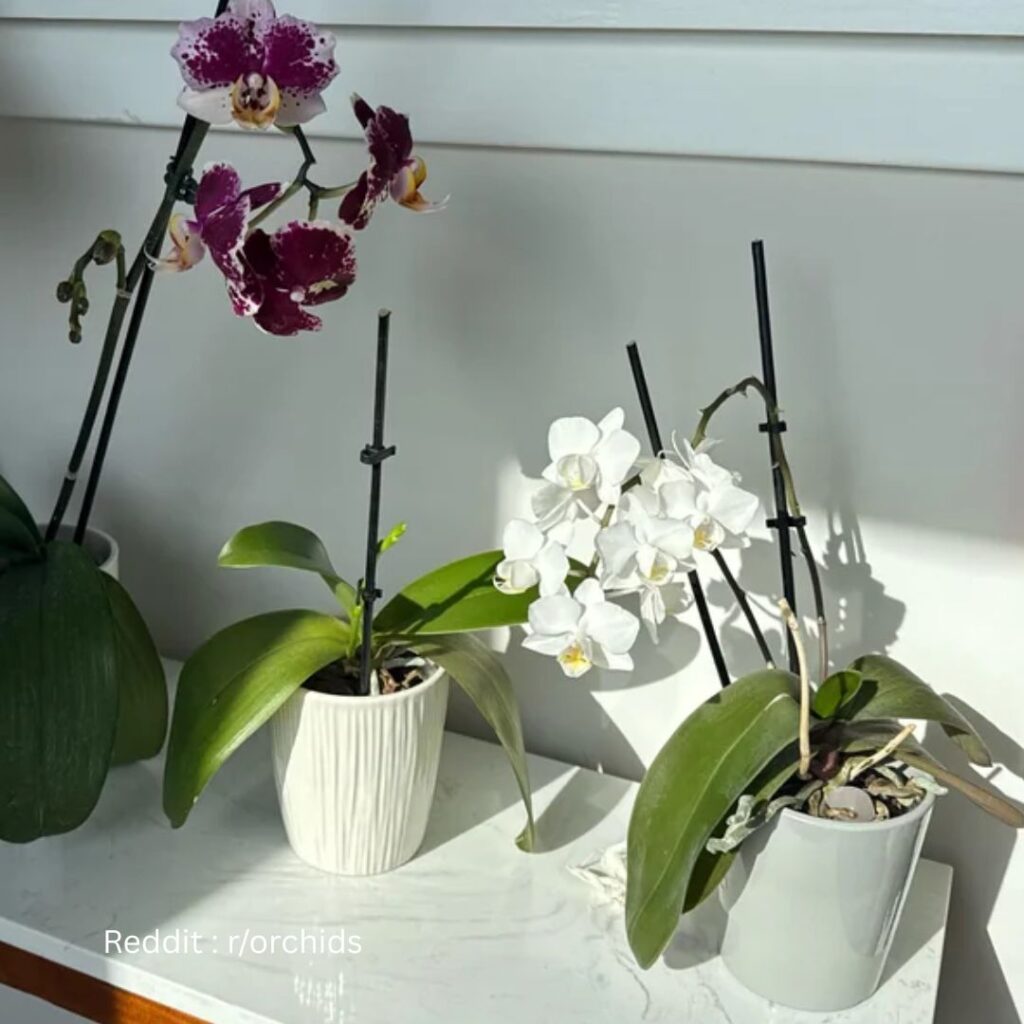
Let’s explore the key reasons why your orchid may be dropping its flowers. We’ll dive into common issues like environmental stressors, watering practices, temperature fluctuations, and lighting conditions.
Environmental Stressors
Stress can affect us all, including our lovely orchids. Changes in the environment such as moving the plant or sudden drafts can cause flowers to drop. If you’ve recently moved your orchid to a new spot, that might be the culprit.
Check if the orchid is near an air vent or a drafty window. Drafts and sudden temperature changes hurt orchids. Keep the plant in a stable environment to keep those blooms happy. Have you moved your orchid recently? Share in the comments!
Watering Practices
Watering is crucial for orchids but can be tricky. Over-watering or under-watering can both cause flowers to drop. I water mine only when the potting medium feels dry to the touch.
Make sure the pot has drainage holes to let extra water escape. Standing water leads to root rot, and that can cause the flowers to fall off. Do you have any watering tips? I’d love to hear them!
Temperature Fluctuations
Orchids are sensitive to temperature. Sudden changes can stress the plant and cause flower drop. Most orchids prefer a temperature between 65-75°F during the day and slightly cooler at night.
Are you keeping the temperature stable? If it’s too hot or too cold, your orchid might not be happy. Checking the temperature regularly can make a big difference in keeping those blooms alive and well. 🌸
Lighting Conditions
Light is super important for orchids. Too much or too little light can make flowers drop. Orchids usually prefer bright, indirect light. Direct sun can scorch the leaves and flowers, while too little light can starve the plant.
I usually place mine near a window that gets filtered light. Have you found a lighting setup that works for your orchid? Share your experiences below! 🌞
What are your thoughts on these common causes of flower drop? 😊 Share your tips and tricks in the comments!
Nutritional Factors
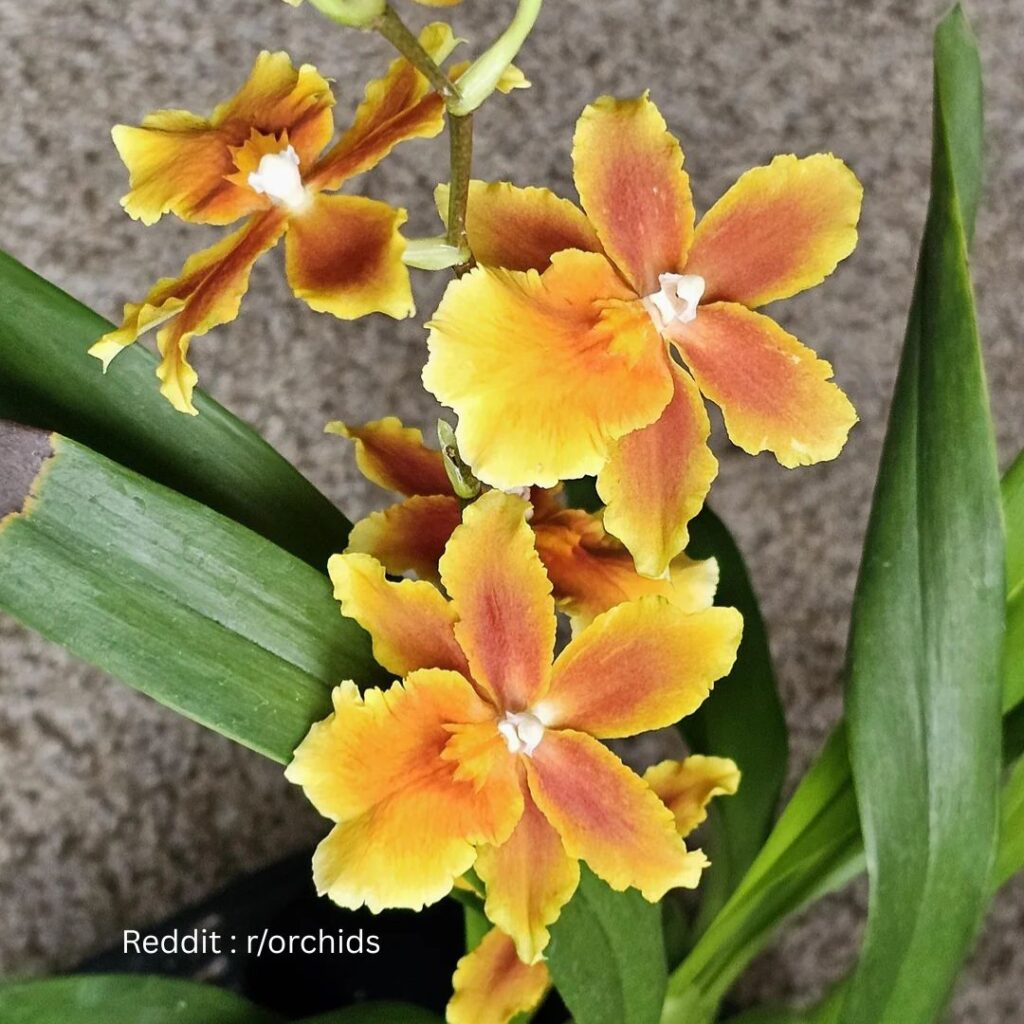
When your orchid is dropping flowers, it might be due to nutritional factors. Proper fertilization and soil quality play crucial roles in keeping your orchid healthy and blooming.
Fertilization Needs
Orchids need regular feeding to thrive. I like to use a balanced fertilizer specifically for orchids. A mix like 20-20-20 works well. I feed my orchids weekly during the growing season but at a quarter of the recommended strength. Over-fertilizing can harm them, leading to leaf burn or stress, causing flower drop.
Also, make sure to flush the potting medium with plain water monthly. This prevents the buildup of salts from the fertilizer. Skipping this can stress your orchid and make it drop its flowers.
What are your experiences with orchid feeding? Share in the comments! 🌸👍
Soil Quality
The quality of soil is equally important for orchids. Unlike other plants, orchids need a special potting mix. I use a mix like bark, moss, or perlite. Standard soil blocks airflow and water drainage, which can harm orchid roots.
Adequate drainage is essential. Orchids hate “wet feet!” If the medium stays too wet, it can lead to root rot 💧. Ensure the pot has drainage holes and never let water collect at the bottom.
Has anyone else experimented with different potting mixes? What worked best for you? Let me know! 🌿💬
Keeping an eye on these nutritional factors can make a big difference in the health and beauty of your orchid blossoms. 🌼✨
Improper Care Techniques
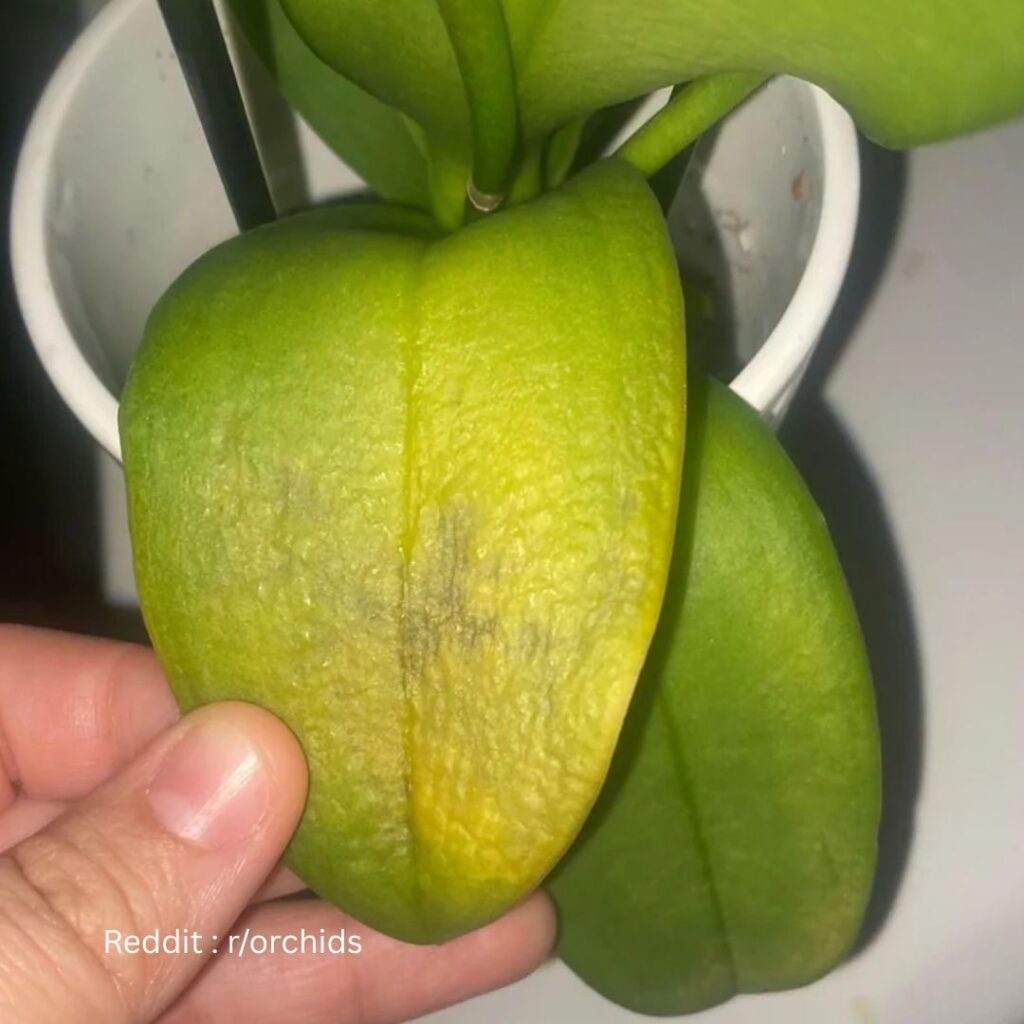
Orchid flowers can drop off due to mistakes in care. Here are some common problems and how to avoid them.
Overhandling and Damage
Orchids are delicate and don’t like to be moved or touched too much. Leaf and root damage can happen easily when you move them often or handle them roughly.
Imagine you’re relaxing, and someone keeps moving your chair—super annoying, right? 🌸 Avoid frequent repositioning of your orchid pot. Also, sharp tools or rough hands can break stems or leaves. Use soft ties to support the plant. Place your orchid in a stable spot with proper light and water it correctly without drenching.
Have you ever accidentally knocked an orchid over? It’s easy to forget how fragile they are! 😅 Be gentle and mindful.
Pest Infestations
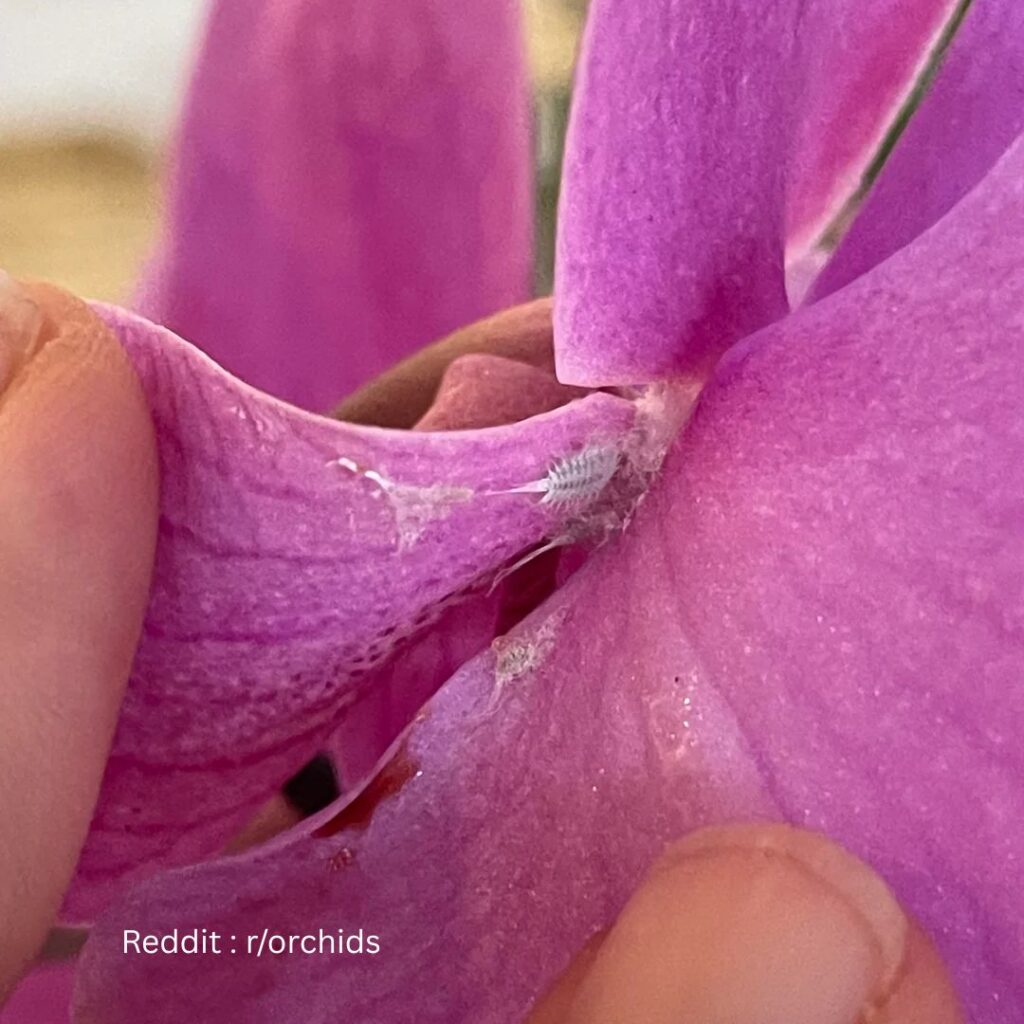
Pests like aphids and spider mites love attacking orchids. Do you check your orchid leaves often? These tiny pests suck the nutrients from the plant, causing the flowers to fall.
Use a magnifying glass to spot these tiny invaders. Sticky traps can catch adult pests, and neem oil can help deter them. Make it a habit to wipe the leaves every week with a soft, damp cloth.
Dealing with bug problems isn’t fun, but keeping an eye out is key. If you see leaves turning yellow or spots, act fast! Have you tried natural remedies? 🐜 🌿
Tell me your orchid worries in the comments below, and let’s help them bloom again! 💬✨
Disease and Illness
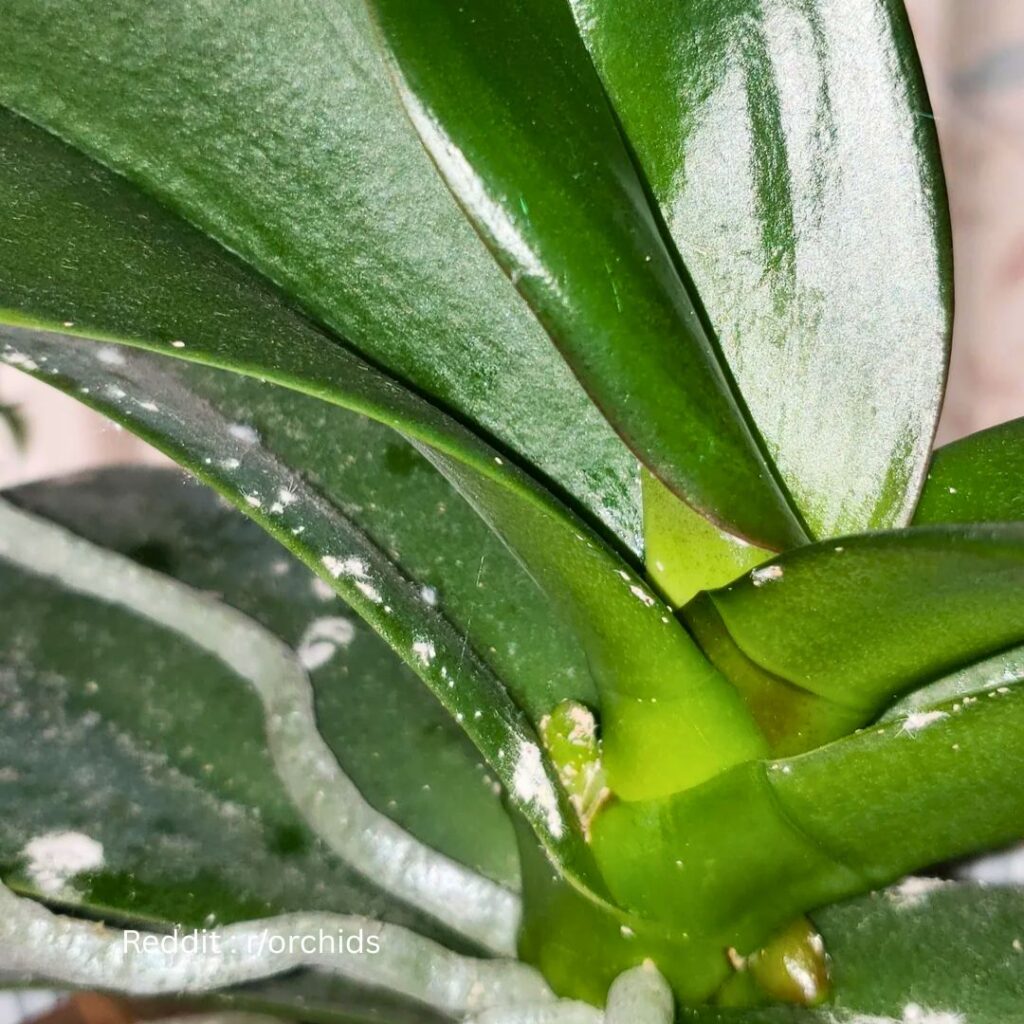
Orchid flowers can drop due to disease and illness. Common culprits include fungal infections and bacterial or viral diseases. Let’s take a closer look at these issues.
Fungal Infections
Fungal infections are a frequent problem for orchids. These infections often thrive in humid conditions. One sign is black spots on the leaves or petals. Have you ever noticed white fuzzy patches on your orchid? That could be powdery mildew.
To prevent fungal infections, make sure your orchid has good air circulation. Avoid over-watering and don’t let water sit on the leaves. Using a fungicide can help keep these infections at bay. If an infection does occur, removing the affected part of the plant may be necessary. 😟
Bacterial and Viral Diseases
Bacterial and viral illnesses can also cause flower drop. Bacterial infections usually show as brown or black soft spots on the leaves. These areas might feel slimy. Have you ever seen a yellowing or mosaic pattern? That could be a viral infection.
To manage bacterial issues, ensure your tools are sterilized before use. Keep an eye out for unusual spots or discolorations. If you see these signs, it might be best to remove the infected part.
Unlike bacterial infections, there’s no cure for viral diseases. The best approach is to isolate the infected orchid to prevent it from spreading. Keep your plants healthy to reduce the risk of both bacterial and viral diseases.
Have you had to deal with any of these issues? How did you handle it? Drop your tips in the comments! 🌸
Genetic and Specie-Specific Factors
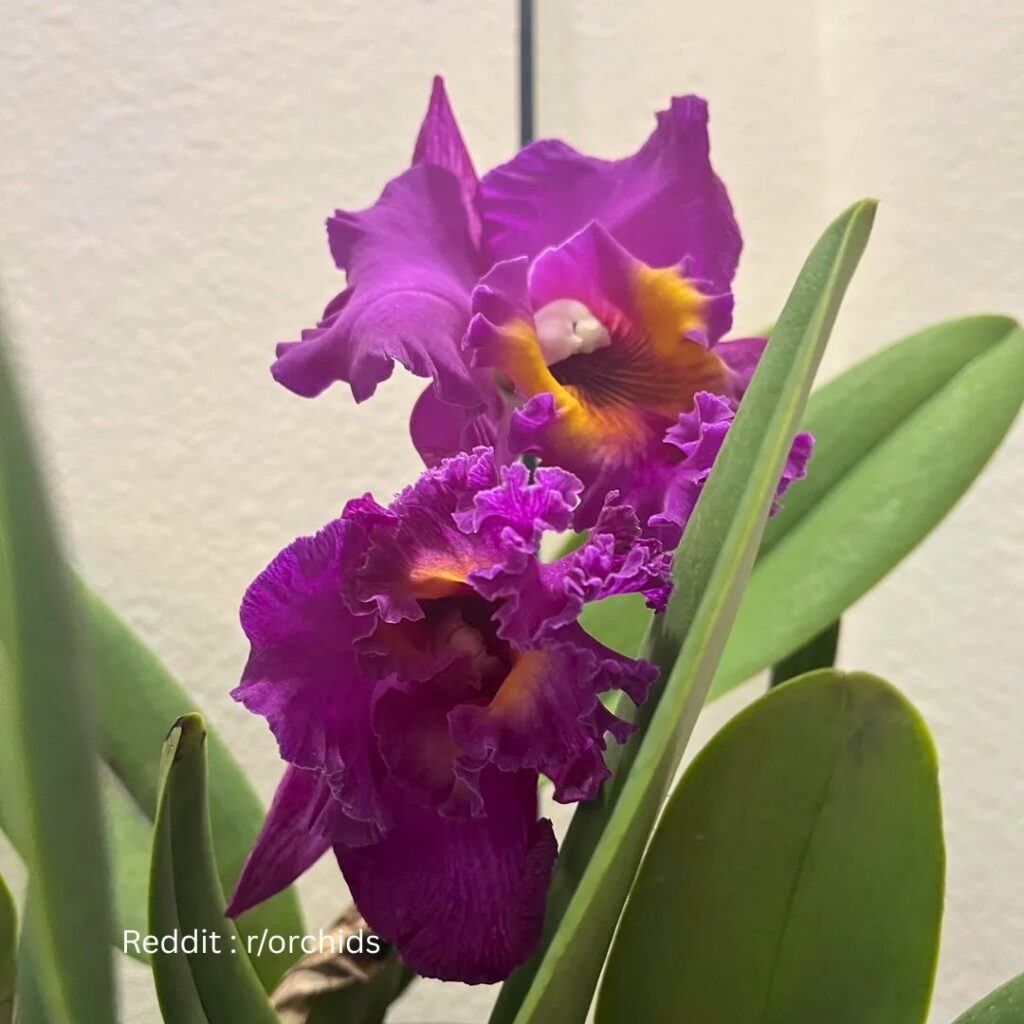
Did you know that some orchids are naturally more prone to dropping flowers? 🌸 It’s not always your fault! Different orchid species have different needs and behaviors.
For example, Phalaenopsis orchids, or “Moth orchids,” are known for their resilience. They can keep their blooms for months. Cattleya orchids, on the other hand, have shorter blooming periods. They might drop flowers sooner because that’s just how they roll.
Do you have multiple orchid types? 👀 It’s fun to compare their quirks! Some orchids react differently to the same conditions. Maybe one orchid is super happy while another is a bit picky!
Genetics also play a role. Some individual orchids may have traits that make them less likely to retain flowers. It’s like how people have different hair colors or heights!
Wondering what your orchid’s story is? Observe your plant closely and note any patterns. Is it always the same type that drops flowers quickly? Let’s chat about it in the comments! 🌿💬
Preventative Measures and Solutions

To keep your orchid’s flowers from dropping, there are several key areas to focus on: watering, temperature, humidity, lighting, and fertilization.
Optimal Watering Guidelines
Overwatering or underwatering is a common issue. Orchids need a balance. I water my orchid about once a week, making sure the potting mix dries out slightly before watering again. Are you drowning your orchid in love 🌊?
Wilting or yellow leaves often mean too much water. Soggy roots can lead to rot. Try to use room-temperature water and avoid letting any water sit in the saucer. Remember: less is more!
Temperature and Humidity Control
Orchids thrive in a cozy environment. They prefer temperatures between 65-75°F during the day and 55-65°F at night. 🌡️ Ever notice how uncomfortable we get if it’s too hot or cold? Orchids feel the same!
They also love humidity. Aim for around 50-70% humidity. If your home is dry, especially in winter, use a humidifier or place a tray of water near the plant.
Adequate Lighting Techniques
Light is like food for orchids. They need bright, indirect sunlight. Direct sunlight can scorch their leaves. 🌞 Have a bright window? That’s the perfect spot!
I use sheer curtains to diffuse the light. No bright window? No problem! Orchids can thrive under fluorescent lights too. Just keep them close to the source.
Proper Fertilization Practices
Feeding your orchid is crucial. Use a balanced orchid fertilizer, typically one with a ratio like 20-20-20. 🥗 Think of it as giving your plant a healthy meal.
I fertilize mine every two weeks during the growing season and cut back during the dormant period. Too much fertilizer can burn the roots, so follow the instructions on the label.
Got any orchid tips of your own? Share your thoughts in the comments! 🌸🗨️
When Flower Drop is Normal
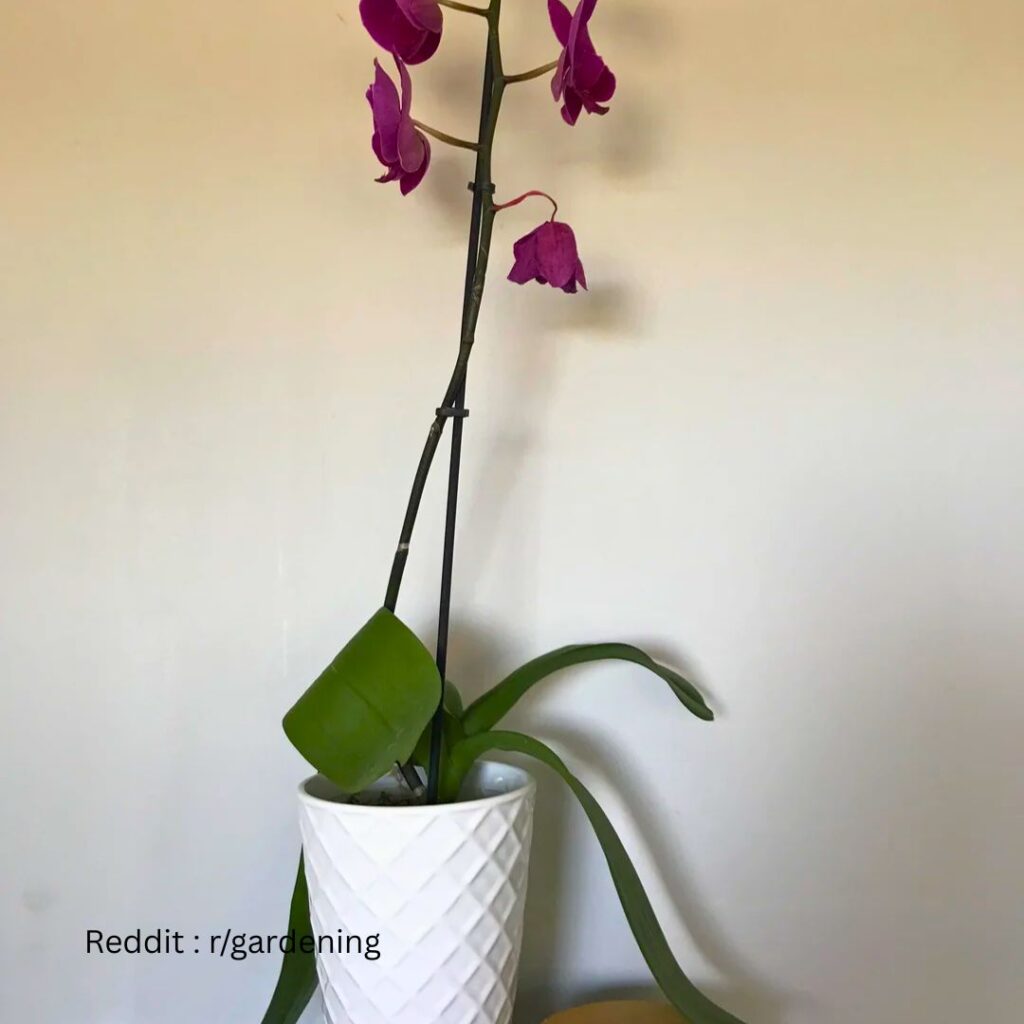
Sometimes, orchid flowers drop naturally. 🌺 It’s part of their life cycle. Like all plants, orchids go through stages. When the blooming phase ends, flowers start to fall.
Orchids often bloom for several weeks or even months before their flowers start to drop. If you’ve enjoyed weeks of beautiful blossoms, it’s likely just their time.
Have you recently moved your orchid? Sometimes, a change in environment can cause flowers to drop. Usually, they’ll adapt and bloom again.
Older plants also drop flowers as they age. Just like people, plants get older. If your orchid is over a few years old, it may not bloom as often.
Relatable example: My orchid, Olivia, had her flowers for 8 weeks before they started to drop. 😢 I was sad at first. Then I remembered it’s normal!
Do you have any tips or experiences with your orchids? Share in the comments! 🌸
Frequently Asked Questions
Here are some common questions about why orchids drop their flowers and how to care for them afterwards.
What should I do when my orchid’s flowers fall off?
First, don’t panic! This is a natural part of the orchid’s life cycle. Cut back the flower spike to help conserve the plant’s energy. Keep the plant in a stable environment with medium light and consistent watering. 🌿
How do I care for my orchid after it has lost its flowers?
Make sure to keep the orchid in bright, indirect light and water it when the top inch of soil is dry. Don’t forget to feed it with a balanced fertilizer every month. Stay patient; your orchid just needs some time to regroup. ✨
Will my orchid bloom again after losing its flowers?
Yes, it will! Orchids usually bloom once a year, but some can bloom more often. With proper care, your orchid will surely produce new flowers. Keep an eye on it and be patient.
What does it mean when an orchid’s leaves turn yellow and the flowers drop?
Yellow leaves can mean several things: overwatering, underwatering, or too much direct sunlight. Check your plant’s environment and adjust accordingly. 🌞 Too much or too little water are common culprits.
Why are the buds on my orchid falling off before they bloom?
This can be caused by sudden changes in temperature, humidity, or light. Make sure your orchid is in a stable environment. Avoid moving it too much and try to maintain a consistent routine. ❄️🌞
How can I tell if my orchid is still alive after all the flowers have fallen off?
Check the leaves and roots. Healthy leaves should be firm and green, while roots should be white or green and plump. If both are in good shape, your orchid is still alive and just resting. 🌱
Feel free to share your orchid stories in the comments below! 🌸✨