
You walk out to your rose bush with your morning coffee and spot it: a few leaves have gone from deep green to a pale, sickly yellow. I’ve been there too, and it’s not a fun surprise.
Rose leaves turn yellow most often because of watering problems, low nutrients, or a fungal disease called black spot. Sometimes, though, old leaves near the bottom simply drop off, which is normal. When the yellow appears between green veins, it’s called chlorosis. That usually points to a missing nutrient, such as iron or magnesium.
The good news is that yellow rose leaves are a clue, not a death sentence. The color pattern, which leaves turn first, and recent weather can tell you a lot. I’ll walk you through each cause, how to spot it, and what I do to get my roses green again.
Read the Yellowing Pattern Before Choosing a Fix
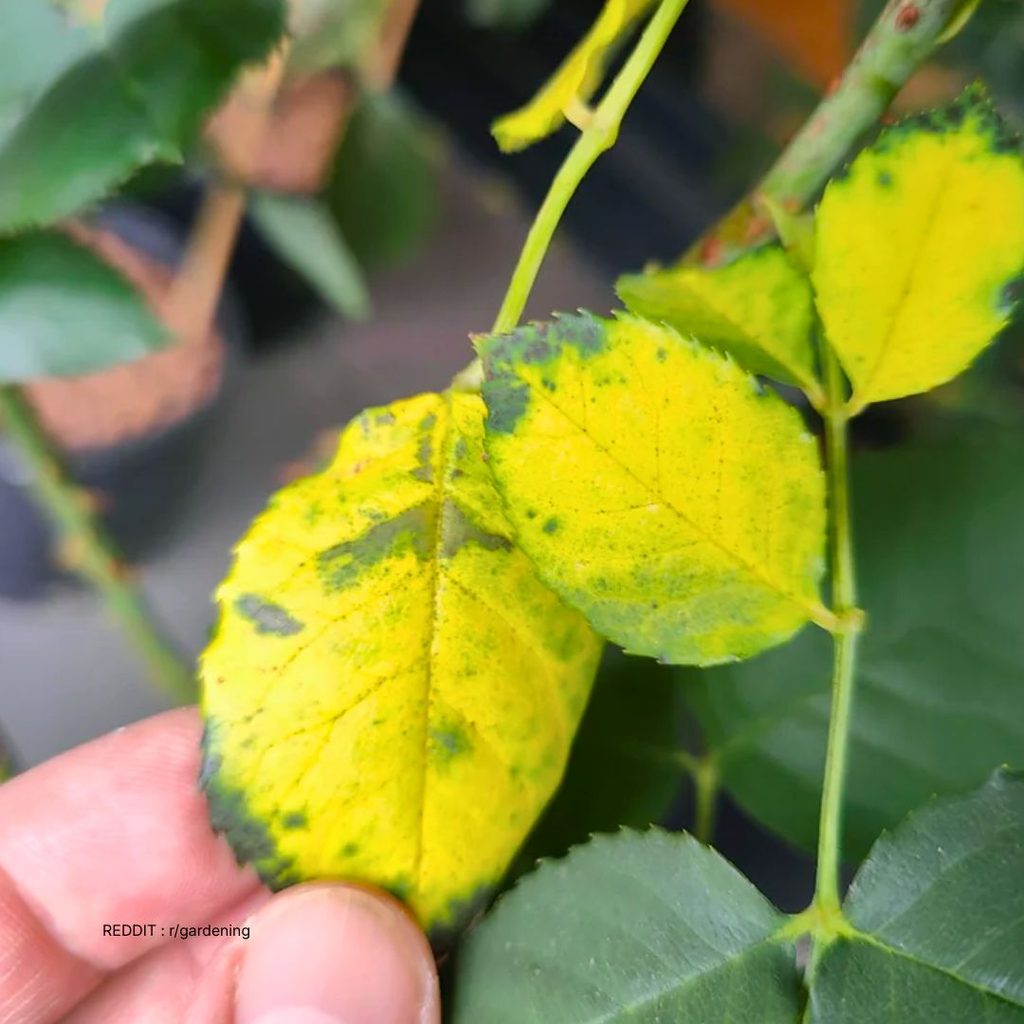
Yellowing on old leaves points to a different problem than yellowing on new leaves. Black spots, green veins, and tiny dots each tell you something specific, and some yellowing is just a normal part of the season.
Check Which Leaves Turned Yellow First (Old Growth or New Growth Tells a Different Story)
Start at the bottom of the plant and work your way up. Where the yellow shows up first can quickly narrow down the cause.
- Lower, older leaves first: This often points to low nitrogen or magnesium. The plant pulls these nutrients from old leaves to feed new growth. Soggy soil can cause this, too.
- Upper, newer leaves first: This often points to iron or another nutrient the plant can’t move around. New leaves come out pale and stay that way.
I always check the soil before I blame a lack of nutrients. Push a finger 2 inches down. If it feels cold and wet a day after watering, poor drainage is more likely.
Quick Tip: Snap a photo of the whole plant today, then take another next week. You’ll be able to see which way the yellow is spreading.
Look for Spots, Green Veins, or Tiny Speckles (Each One Points to a Different Culprit)
Now get close. Turn a leaf over and check the details.
| What You See | Likely Cause |
|---|---|
| Round black spots with fuzzy edges, yellow around them | Black spot (a fungus) |
| Yellow leaf with green veins, mostly on new growth | Interveinal chlorosis, often iron chlorosis |
| Tiny pale dots, fine webbing underneath | Spider mites |
Black spot appears most often in warm, wet weather, and infected leaves often drop. Iron chlorosis is common in alkaline soil, where iron is present but roses can’t absorb it well. Spider mites love hot, dry spells, especially near walls or pavement.
Quick Tip: Hold a white sheet of paper under a branch and tap it. If you see specks moving, they’re mites.
Know When a Few Yellow Leaves Are Normal (Not Every Yellow Leaf Is a Warning Sign)
Roses drop old leaves on their own. A few yellow leaves at the bottom, with healthy green growth on top, are usually nothing to worry about.
Here are times when I don’t worry much:
- After planting or moving a rose. Some leaf drop is normal while the roots settle.
- During a heat wave. Roses may shed leaves to reduce water loss.
- In fall. In colder zones, roses yellow and drop leaves as they head into dormancy. In warm zones, this may happen less often or later.
- Shaded inner leaves. Leaves that get little sun often yellow and fall.
It’s time to act when the yellow spreads quickly or new leaves look sick.
Quick Tip: Pick up fallen leaves anyway. This keeps fungal spores from sitting under your rose.
Check Watering and Drainage First
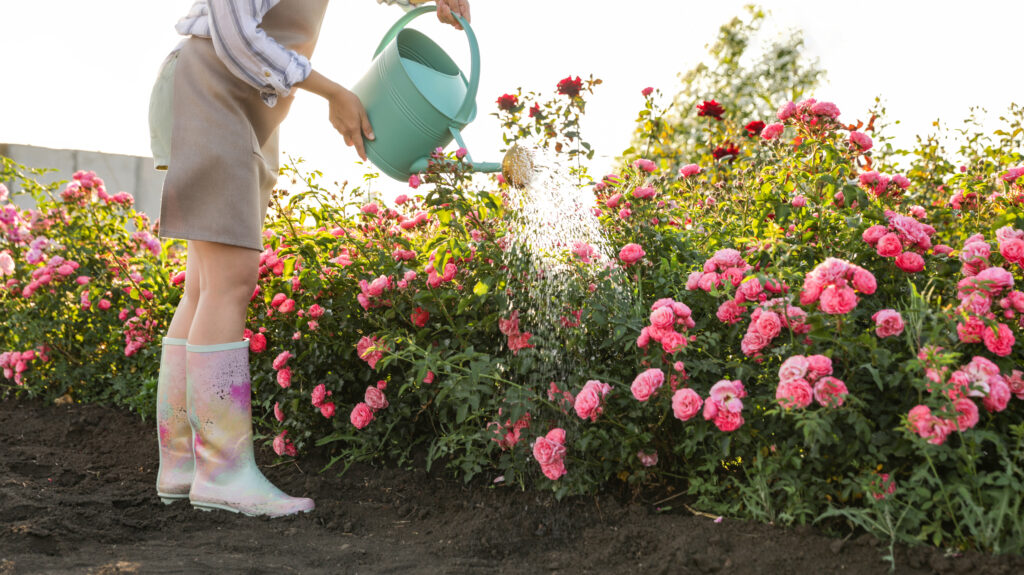
Too little water makes rose leaves turn yellow, curl, and drop. Too much water, or soil that stays soggy, damages the roots and causes the same yellowing from the bottom up.
Dry Soil, Wilting, and Drought Stress: Why Thirsty Roses Drop Their Lower Leaves First
When a rose runs short on water, it saves what it has for new growth. The older, lower leaves turn yellow, feel crispy, and fall off. That’s drought stress, and it can happen fast in hot, windy weather.
I check by pushing my finger into the soil near the base. If the top 2 inches feel dry and dusty, the plant needs a drink.
Signs of a thirsty rose:
- Leaves droop in the afternoon and don’t perk up by evening
- Yellow leaves with brown, dry edges
- Soil pulls away from the sides of a pot
Water deeply at the base about once or twice a week. In hot zones or sandy soil, you may need to water more often.
Quick Tip: Water in the morning so the leaves dry before night and the roots stay cool all day.
Wet Soil, Poor Drainage, and Struggling Roots: The Hidden Problem Behind Soft Yellow Leaves
This one surprises people. Improper watering often means too much, not too little.
Soggy soil pushes out air. The roots can’t breathe, which can lead to root damage or rot. Leaves turn pale yellow, feel soft, and may drop even while the soil looks wet.
Poor drainage is a common cause. Heavy clay, low spots in the yard, and pots without holes all hold water too long.
| What You Notice | Likely Cause |
|---|---|
| Soil smells sour or musty | Waterlogged roots |
| Puddles sit for hours after rain | Poor drainage |
| Mushy, dark roots | Root rot |
Mix compost into clay beds or plant in a raised bed. Skip watering after heavy rain.
Quick Tip: Before you water again, make sure the top 2 inches have dried out.
Match Nutrient Problems to the Leaves They Affect
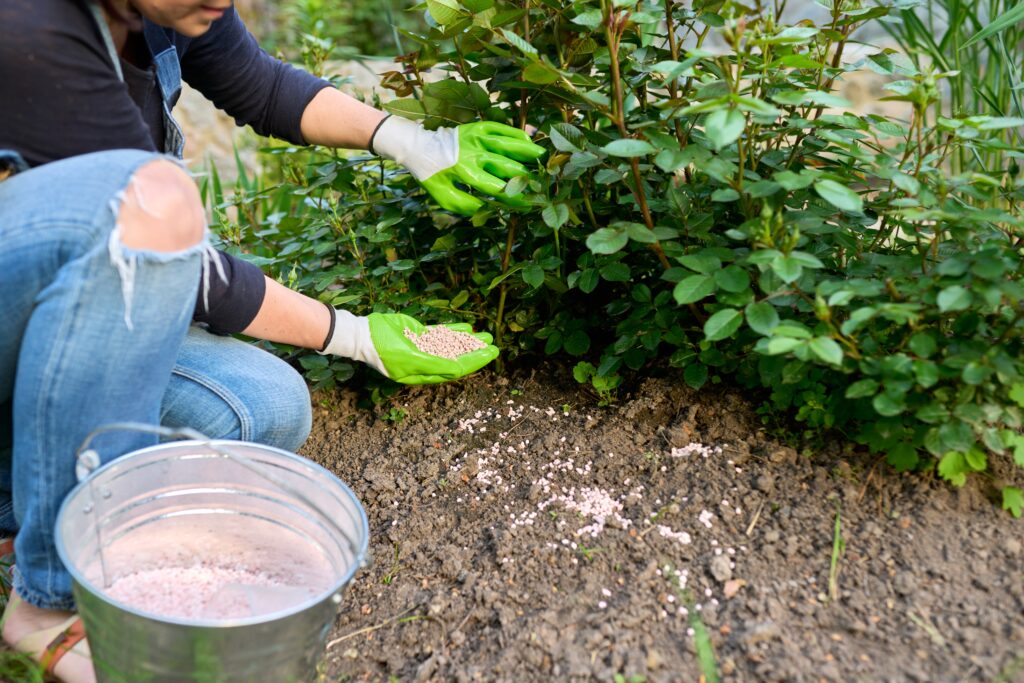
Where the yellow shows up on your rose tells you a lot. Yellow on old, low leaves usually points to low nitrogen, while yellow between green veins on new growth often means the plant can’t get enough iron.
Older Leaves Turning Uniformly Yellow: Nitrogen Deficiency (Why the Bottom Goes First)
Roses move nitrogen from old leaves to new ones when supplies run low. So the lower, older leaves turn pale green, then yellow all over. The veins fade, too. Growth slows, and new leaves come in small.
This is common in spring, when roses grow fast. It also shows up after heavy rain, which washes nitrogen out of the soil.
The fix is simple. Feed with a balanced rose fertilizer, or one with a bit more nitrogen, and follow the label. You should see greener new growth in about two to three weeks. The old yellow leaves won’t turn green again.
Quick Tip: Stop feeding about six weeks before your first frost date. In colder zones, late feeding pushes soft growth that winter can damage.
Young Leaves Yellowing Between Green Veins: Iron Deficiency (The Soil Might Be the Real Problem)
Iron deficiency looks different. The newest leaves at the tips turn yellow, but the veins stay dark green. This pattern is called interveinal chlorosis. When iron causes it, gardeners call it iron chlorosis.
Here’s the twist: your soil may have plenty of iron. If the soil pH is above about 7.0, roses can’t absorb it well. Soggy, packed soil makes the problem worse.
| Sign | Nitrogen Deficiency | Iron Deficiency |
|---|---|---|
| Which leaves | Older, lower | Newer, upper |
| Veins | Yellow too | Stay green |
| Common cause | Low nitrogen in soil | High soil pH or wet soil |
I test the soil pH before adding anything. Roses like a pH of about 6.0 to 6.5. For a quick fix, use a chelated iron product. For a longer-term fix, add sulfur to lower the pH slowly.
Quick Tip: If your area has hard tap water or chalky soil, check pH every spring. These conditions often push pH up over time.
Inspect for Disease and Sap-Sucking Pests
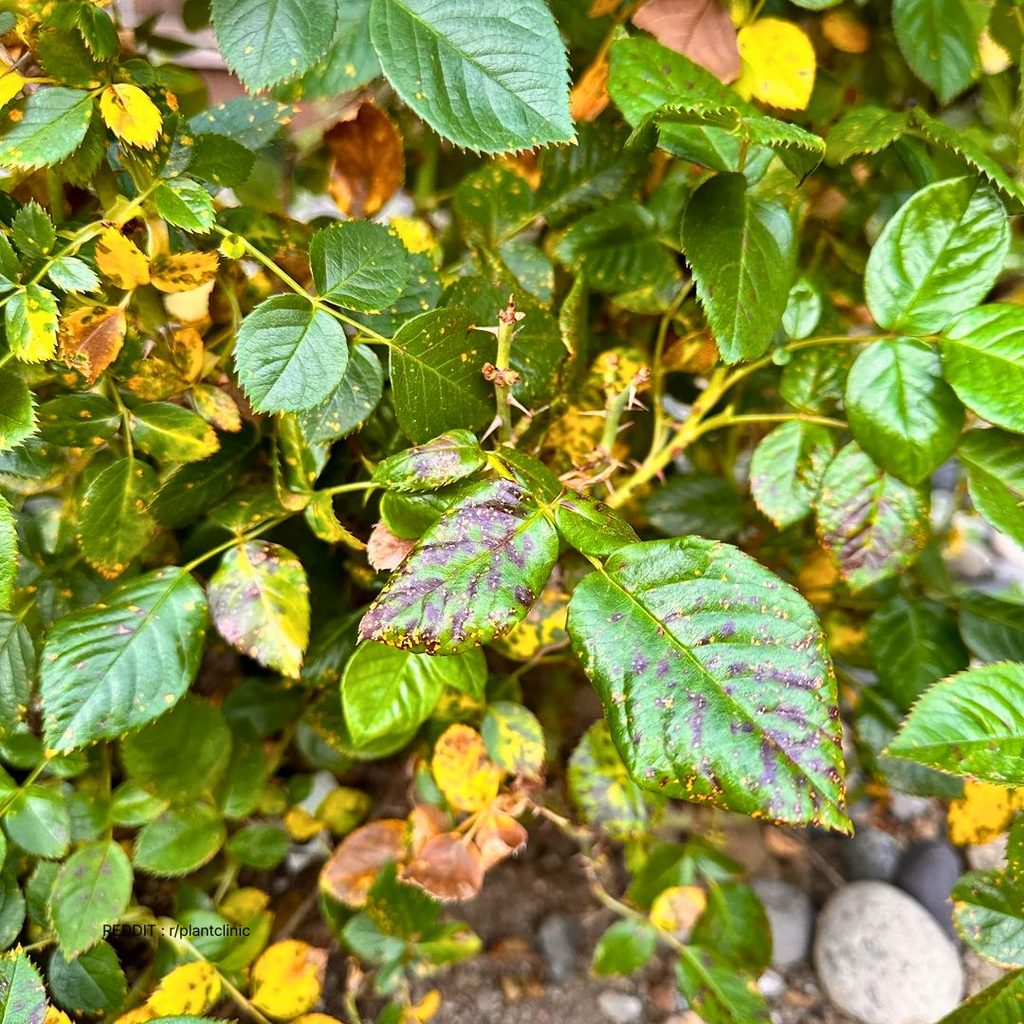
Black spot disease leaves dark marks ringed in yellow, while spider mites, aphids, and thrips drain sap and cause pale, speckled, or twisted leaves. A close look at both sides of the leaves usually tells you which problem you’re dealing with.
Black Spots With Yellow Halos: The Fungus That Spreads From the Bottom Up
Black spot is a fungus, and it’s one of the most common reasons I see rose leaves turn yellow. Look for round black spots with fuzzy edges. The leaf around each spot turns yellow, and then the whole leaf drops.
It usually starts on lower leaves and moves up. Warm, wet weather helps it spread fast, especially when leaves stay damp overnight. In dry climates, you may barely see it.
What to do:
- Pick off spotted leaves and rake up fallen ones.
- Throw them in the trash, not the compost.
- Water at the base in the morning, not over the leaves.
- Prune crowded stems so air can move through.
Quick Tip: If you have to replant, choose a rose labeled “disease resistant.” It saves you a lot of leaf-picking.
Fine Stippling or Webbing From Spider Mites: Tiny Dots That Point to Hot, Dry Trouble
Spider mites are so small you can barely see them. What you do see is their damage: tiny pale dots on leaves that make them look dusty or bronze before they turn yellow.
Flip a leaf over. Fine webbing near the stem or under the leaf is a strong sign. Mites love hot, dry spells, especially on roses near walls or pavement that throw off heat.
Hold a white piece of paper under a branch and tap it. Moving specks the size of pepper grains are likely mites.
Quick Tip: Spray the undersides of the leaves with a firm stream of water every few days. Mites hate being wet, and I find this knocks them back well.
Aphids and Thrips on Leaves and New Growth: Why Fresh Buds Get Hit First
Aphids are soft, pear-shaped bugs, often green or black. They cluster on new shoots and buds. Leaves may curl or yellow, and feel sticky from the sugary “honeydew” aphids leave behind.
Thrips are thin, quick, and hard to spot. They cause silvery streaks, brown petal edges, and buds that won’t open properly. Pale roses show their damage most.
| Pest | Where to Look | Main Sign |
|---|---|---|
| Aphids | Tips, buds, leaf undersides | Sticky, curled leaves |
| Thrips | Inside flowers and buds | Silver streaks, brown edges |
Blast aphids off with water or wipe them away with your fingers. For thrips, cut off damaged buds and toss them.
Quick Tip: Leave ladybugs alone. I’ve watched them clear an aphid-covered shoot in a few days.
Consider Light, Heat, and Recent Changes
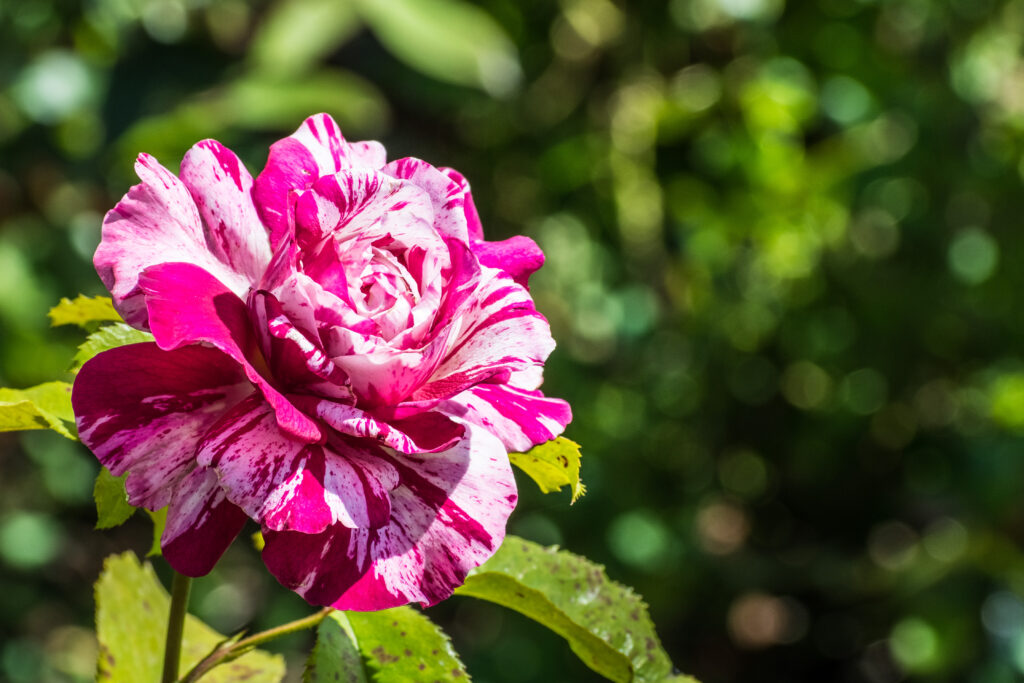
Roses need at least 6 hours of direct sun, but hot spells above 90°F can stress them too. Moving or replanting a rose bush can also cause yellow leaves while the roots recover.
Shade and Heat Stress: Why Too Little Sun (or Too Much Heat) Turns Leaves Yellow
A rose in too much shade will drop its lower, inner leaves first. They turn pale yellow, then fall. I see this a lot when a nearby tree grows and slowly steals the sun.
Heat causes a different problem. When temperatures stay above 90°F, leaves can yellow, curl, or look crispy at the edges. The soil dries fast, and the plant can’t take up water quickly enough.
Quick Tip: Water deeply in the early morning during heat waves, and add 2–3 inches of mulch to keep the roots cool.
If you’re in a hot zone like 9 or 10, afternoon shade can actually help. Cooler climates usually need full sun all day.
Transplant Shock and Root Disturbance: The Hidden Reason a New Rose Looks Sad
Did you plant or move your rose in the last few weeks? Yellow leaves are a common side effect. When roots get cut or torn, the plant can’t take in enough water to feed every leaf, so it drops some.
Root damage can also happen without moving the plant. Digging nearby, deep weeding, or moles can disturb the roots.
Here’s what I do to help a stressed rose bush:
- Keep the soil evenly moist, but not soggy. If the top inch feels dry, water.
- Skip fertilizer for about 4–6 weeks. New roots burn easily.
- Don’t pull off green leaves. The plant still needs them.
Quick Tip: Plant in spring or fall when it’s cool, so the roots can settle before summer heat.
Most roses bounce back in a few weeks. Fresh red or green shoots mean recovery is on track.
Help Your Rose Recover and Prevent More Yellow Leaves
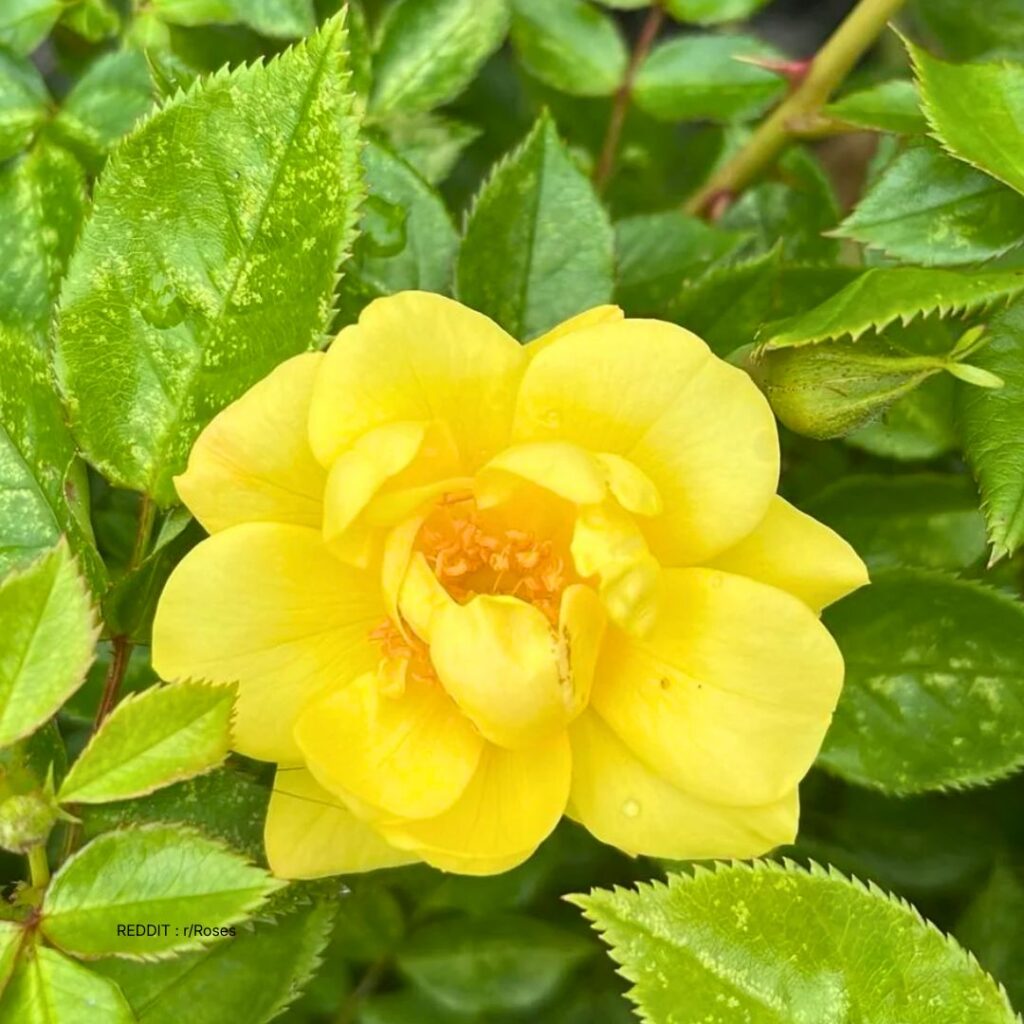
Yellow leaves won’t turn green again, so the goal is healthy new growth. Fix one problem at a time, then stick to steady habits with water, mulch, and weekly leaf checks.
Make One Cause-Specific Change and Watch New Growth for the Real Answer
I know it’s tempting to water more, feed more, and spray everything at once. Don’t. If you change five things, you won’t know which one worked.
Pick the fix that matches your cause:
| Likely Cause | One Change to Make |
|---|---|
| Soggy soil | Water less and improve drainage |
| Dry soil | Water deeply 1–2 times a week |
| Pale leaves, green veins | Add a balanced rose fertilizer |
| Black spots on leaves | Remove spotted leaves and improve airflow |
Then wait 2–3 weeks. The old yellow rose leaves may still drop. That’s normal. Watch the new leaves instead. If they come in deep green and firm, you found the problem.
Quick Tip: Snap a photo of your rose on day one. It makes small changes much easier to spot later.
Build a Simple Watering, Mulching, and Inspection Routine That Takes Minutes a Week
Good rose care mostly comes down to boring habits done on time. I think that’s good news.
- Water: Push a finger into the soil. If the top 2 inches feel dry, water slowly at the base. Skip the leaves.
- Mulch: Spread 2–3 inches of organic mulch, like shredded bark or compost. Keep it a few inches away from the stem.
- Inspect: Once a week, flip a few leaves. Look for spots, sticky residue, or tiny bugs.
Mulch holds moisture and keeps roots cooler. In hot zones, you may need to water more in July and August. In rainy spells, you may not need to water at all.
Quick Tip: Do your leaf check in the morning, when leaves feel cool and pests are easier to see.
Frequently Asked Questions
Yellow rose leaves usually point to one of a few causes: too much water, a fungus called black spot, missing nutrients like iron or nitrogen, or old leaves dying off naturally. Potted roses can have extra issues, such as poor drainage and roots that have run out of room.
How Can I Help My Rose Leaves Turn Green Again? (Hint: The Old Leaves Might Not Come Back)
A leaf that has turned fully yellow usually stays yellow. The good news is your rose can still grow healthy green leaves if you fix the cause.
I start by checking the soil. Is it soggy or bone dry? Then I look at the leaves for spots, bugs, or yellow between green veins. Each clue points to a different fix, like watering less, feeding with a balanced rose fertilizer, or treating a fungus.
Pale, lightly yellow leaves caused by low nitrogen can sometimes green up after feeding. Give it two to three weeks before you judge the results.
Quick Tip: Pull off the fully yellow leaves so the plant can focus on new growth, and watch the fresh leaves to see if your fix is working.
Why Are the Leaves at the Bottom of My Rose Bush Turning Yellow and Falling Off? (It’s Not Always Bad News)
Sometimes this is just old age. Lower leaves get less sun as the bush fills out, so the plant lets them go. A few yellow leaves at the base now and then are normal.
If lots of lower leaves drop at once, I look closer. Wet soil near the roots, low nitrogen, or black spot can all start at the bottom. Rain splashes fungus spores from the soil onto the lowest leaves first.
Quick Tip: Rake up fallen leaves right away and add a 2- to 3-inch layer of mulch to keep soil from splashing onto the plant.
What Causes Yellow Leaves With Black Spots on Roses? (Meet the Most Common Rose Fungus)
This is almost always black spot. It’s a fungus that shows up as round black spots with fuzzy edges, and the leaf around each spot turns yellow before falling off.
Black spot loves warm, wet weather. It spreads fast in humid areas and during rainy stretches, so gardeners in the Southeast often fight it all summer. Drier climates see less of it.
To slow it down, I remove the spotted leaves and throw them in the trash, not the compost. I water at the base in the morning so the leaves dry quickly. Thinning crowded stems helps air move through the bush. A fungicide labeled for roses can protect new leaves, but it won’t clear spots that are already there.
Quick Tip: When you buy new roses, look for varieties labeled as disease-resistant. They save you a lot of work later.
How Can I Tell If I’m Overwatering My Roses? (Your Finger Knows Before the Leaves Do)
Overwatered roses often have yellow leaves that feel soft and limp, not crisp. The plant may also droop even though the soil is wet. Soggy roots can’t take in air or water well.
I push a finger about 2 inches into the soil. If it feels cool and damp, I wait. If it’s dry, I water deeply. A sour or musty smell from the soil is another warning sign of root rot.
Heavy clay soil holds water longer, so roses in clay need less frequent watering. In hot, sandy spots, you may need to water more often.
Quick Tip: Water deeply once or twice a week instead of giving small sips every day.
How Should I Treat Yellow Leaves on a Potted Rose? (Check Under the Pot First)
With potted roses, I always check drainage first. Tip the pot and look at the holes. If they’re blocked or missing, water pools at the bottom and the roots start to rot.
Next, I look at the roots. If they circle the pot or poke out the bottom, the rose needs a bigger container. Crowded roots can’t pull in enough nutrients.
Potted roses also lose nutrients faster because water washes them out each time you water. Feeding with a rose fertilizer during the growing season helps. Pots in full sun can dry out fast on hot days, so check them more often in summer.
Quick Tip: Use a pot at least 15 inches deep so the roots have room to grow.
What Do Yellow Rose Leaves With Green Veins Mean? (A Clue Hiding in the Soil)
This pattern is called chlorosis. It usually means the rose isn’t getting enough iron or magnesium. Iron problems tend to show up on new leaves first, while magnesium problems appear on older leaves.
Often, the nutrient is in the soil, but the rose can’t use it because the soil is too alkaline. Roses do best with a slightly acidic pH, around 6.0 to 6.5.
I recommend doing a simple soil test before adding anything. If iron is the issue, chelated iron works well. If the test shows low magnesium, a small dose of Epsom salt can help. But don’t add it without a test, since too much can cause other problems.
Quick Tip: This problem is more common in areas with hard water or chalky soil. If you live in one, test your soil every year or two.