
Brown leaves on a rose bush can make your heart sink a little. I’ve been there, staring at a plant I thought I was caring for properly. The good news is that brown leaves usually point to a fixable problem, not a death sentence.
Rose leaves turning brown are most often caused by watering problems, fungal diseases like black spot, sun or heat stress, or too much fertilizer. Sometimes, old leaves are simply dying off, which is normal. The trick is to look closely at the pattern. Crispy edges, dark spots, and soft, mushy leaves can each point to a different cause.
In this post, I’ll walk you through each cause and explain how to spot it. I’ll also share the simple rose care fixes I use to get my plants green and healthy again. Weather and growing zone can change things a bit, so I’ll point out those differences along the way.
Start With the Browning Pattern
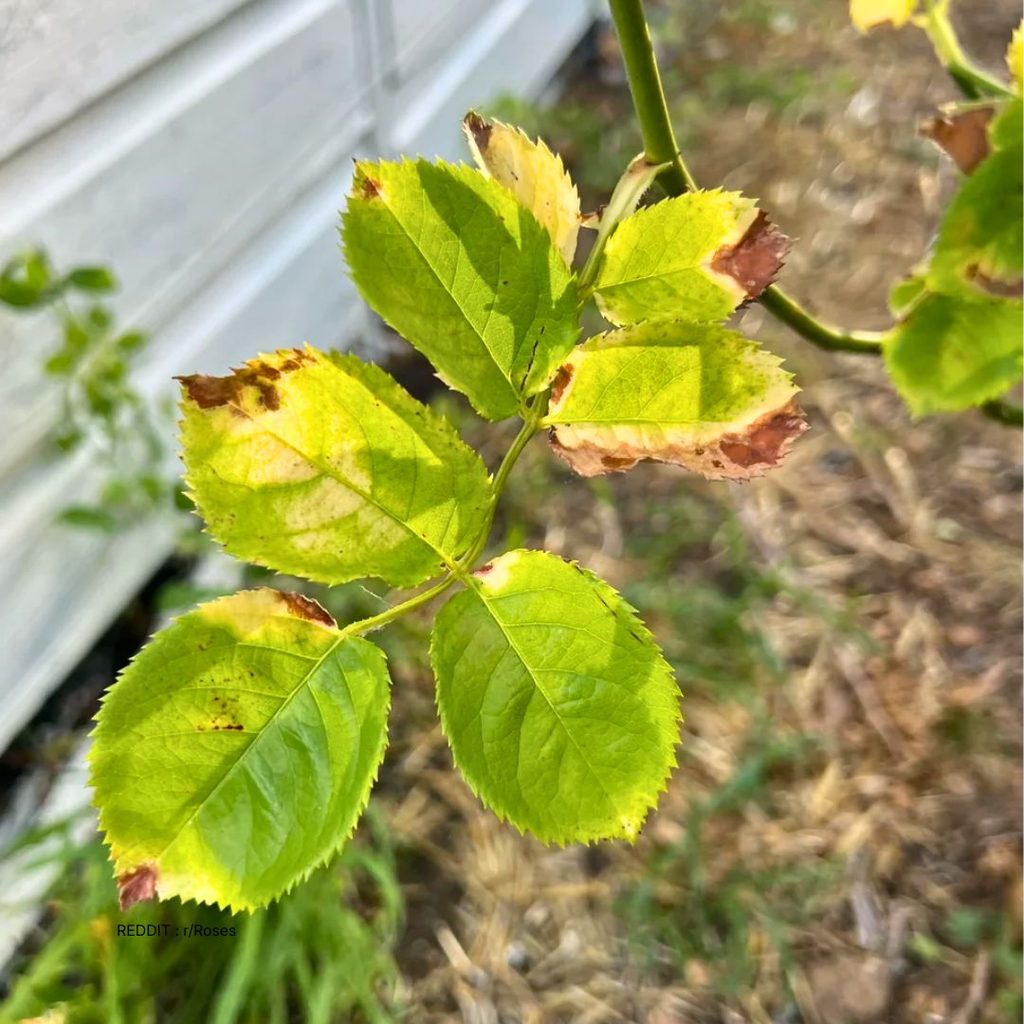
Where brown shows up on a rose leaf tells you a lot about the cause. Crispy edges often point to water or salt problems, while spots usually mean fungus.
Browning across the whole plant can come from problems with the roots, heat, or cold.
Crispy Edges, Spots, or Widespread Browning: What Each Look Is Telling You
I always look closely at the leaf before doing anything else. Each pattern points to a different group of causes.
| Pattern | What It Looks Like | Common Causes |
|---|---|---|
| Crispy edges | Dry, papery tan or brown rims | Underwatering, heat, wind, fertilizer salt buildup |
| Spots | Dark or brown circles, sometimes with yellow halos | Black spot, anthracnose, other fungal problems |
| Widespread browning | Whole leaves or branches turn brown and droop | Root rot, soggy soil, frost damage, transplant stress |
Run a leaf between your fingers. Crunchy usually means dry, while soft and limp often means too much water.
Quick Tip: Check leaves on different parts of the bush, not just one branch.
Check the Soil, Leaf Undersides, and Recent Weather: The Three Places Answers Hide
First, push a finger into the soil. Soil moisture is one of the quickest things to check.
- If the top 2 inches are dry and dusty, your rose may be thirsty.
- If the soil feels wet and smells sour, the roots may be sitting in too much water.
Then flip a few leaves over. Tiny moving dots or fine webbing can mean spider mites. These pests suck the juice from leaves, leaving them speckled and bronze.
Last, think back over the past week or two. A heat wave, a hard frost, or a strong, dry wind can brown leaves quickly.
Quick Tip: Keep a short note of weather swings. It makes patterns much easier to spot later.
When Reddish-Brown Edges Are Normal (and You Can Relax a Little)
Not every brown or red tint is a sign of trouble. Many rose varieties put out new leaves with reddish or bronze edges. As the leaves grow, they usually turn fully green.
I’ve seen plenty of gardeners panic over this, but it’s just how the plant grows.
In fall, older leaves may also turn yellow, red, or brown before they drop. This happens more often in colder zones, where roses slow down for winter.
In warm areas, roses may keep more of their leaves year-round. Here’s how to tell normal color from a problem:
- Normal: Soft, healthy new growth with even red edges
- Problem: Dry, crispy, spotted, or curling leaves
Quick Tip: If the reddish leaves feel smooth and flexible, give them a few weeks before you worry.
Match the Clues Before Choosing a Treatment So You Don’t Make Things Worse
Guessing can backfire. Adding water to a rose with root rot makes the problem worse, while fungicide won’t help a thirsty plant.
I like to put the clues together first:
- Leaf pattern: edges, spots, or all over
- Soil: dry, damp, or soggy
- Undersides: clean, or showing pests
- Weather: heat, cold, wind, or steady rain
When two or three clues point the same way, you’ve likely found your answer. Crispy edges, dry soil, and a hot week point to water stress. Round spots after a rainy stretch point to fungus.
Quick Tip: Fix one thing at a time and wait about a week. That way, you’ll know what actually worked.
Check for Watering and Root Problems
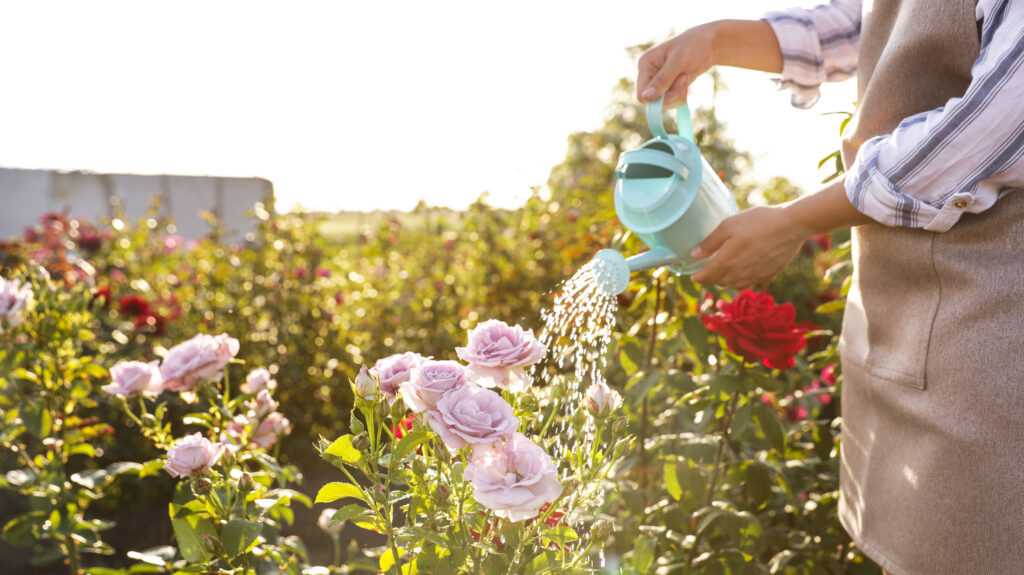
Brown rose leaves often come down to water. Too little makes leaves dry and crispy, while too much can drown the roots and lead to root rot.
Dry Soil and Crispy Leaves: Underwatering Shows Up at the Edges First
Thirsty roses usually brown at the leaf tips and edges. The leaves feel dry and papery, almost like old paper. Some curl, droop, or fall early.
Push your finger into the soil near the base. If the top 2 inches feel dry and dusty, your rose needs a drink. New flower buds may also shrivel before they open.
Heat makes this worse. In hot, windy weather or sandy soil, roses can dry out in just a day or two. Potted roses dry out even faster than roses in the ground.
Quick Tip: After a heat wave, I check my roses every morning, not every few days.
Soggy Soil and Declining Leaves: Overwatering and Root Rot Can Look Like Thirst
Here’s the tricky part: an overwatered rose can wilt just like a thirsty one. Its leaves turn yellow first, then brown, and feel soft instead of crispy.
Too much water fills the air spaces in the soil. Roots can’t breathe, so they start to rot. Watch for these signs:
- Soil that stays wet for days
- A sour or musty smell near the base
- Dark, mushy roots instead of firm, light-colored ones
- Leaves that drop even when the soil is damp
Heavy clay soil and pots without drain holes often cause this problem. Rainy spells in cooler zones can, too.
Quick Tip: If you suspect root rot, stop watering and let the soil dry before doing anything else.
How to Water Roses Without Guesswork: My Simple Finger-and-Schedule Method
Good rose care starts with checking soil moisture before you water. I use my finger as a free moisture meter. Dry 2 inches down? Water. Still damp? Wait.
| Situation | How Often to Water |
|---|---|
| Roses in the ground, mild weather | About once a week, deeply |
| Hot, dry summer weather | 2–3 times a week |
| Potted roses in summer | Check daily |
| Cool or rainy weeks | Only when soil is dry |
Water deeply at the base, not over the leaves. Most roses need about 1–2 gallons per plant each time. Water in the morning, since wet leaves at night can invite disease.
A 2–3 inch layer of mulch helps hold moisture in. Keep it a few inches away from the stems.
Quick Tip: Slow, deep soaking beats a quick daily sprinkle every time.
Recognize Fungal Diseases
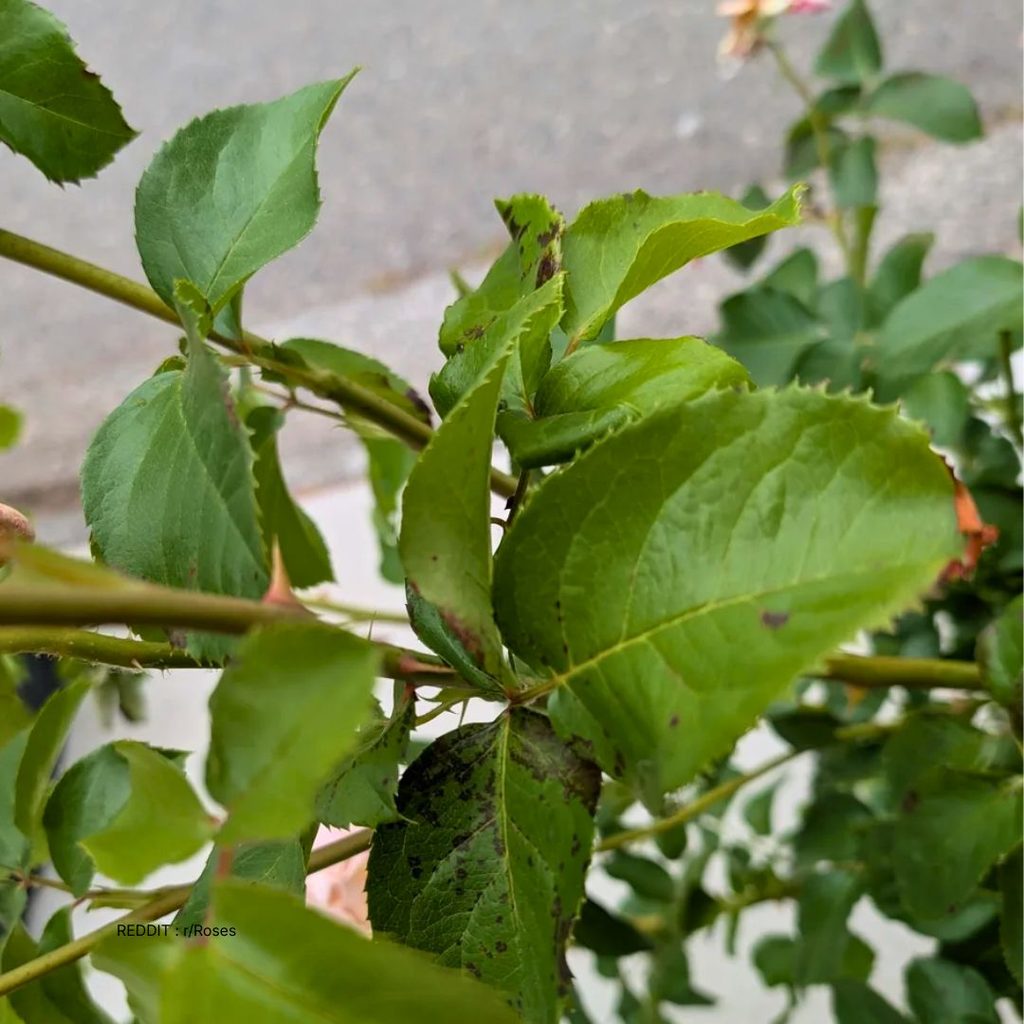
Brown leaves on roses often come from fungus, and each type leaves its own marks, such as black circles, orange bumps, or white dust. Wet leaves and poor air circulation help fungal growth spread quickly, but a few simple habits can limit damage.
Black Spot and Premature Leaf Drop: Why Yellow Leaves Fall Before Fall
Black spot is the fungus I see most on roses. It starts as round black spots about the size of a pea, with fuzzy or feathery edges. Soon, the leaf around each spot turns yellow.
Then the leaf drops. A bad case can strip the lower half of a bush by midsummer. You might find a ring of yellow, spotted leaves on the ground under the plant.
Black spot thrives in warm, wet weather. Water splashes its spores from leaf to leaf. You may barely see it in dry climates, but in humid areas like the Southeast, it can show up every year.
- Pick off spotted leaves as soon as you see them.
- Rake up fallen leaves and throw them in the trash, not the compost.
Quick Tip: Check the lower leaves first. Black spot usually starts near the ground and works its way up.
Rust, Powdery Mildew, and Other Leaf Symptoms: What That Orange Dust or White Film Really Means
Not every fungus looks like black spot. Here’s how I tell the common ones apart:
| Disease | What You See | When It Shows Up |
|---|---|---|
| Rust | Orange or rusty bumps under leaves, yellow spots on top | Cool, damp springs and falls |
| Powdery mildew | White or gray powder, curled or twisted leaves | Warm days, cool nights, dry leaves |
| Downy mildew | Purple-brown blotches, gray fuzz underneath | Cool, very humid weather |
Rust is easy to confirm. Rub the underside of a leaf with a tissue. If orange powder comes off, that’s rust.
Powdery mildew feels dusty, like flour on your fingers. It’s the odd one out because it doesn’t need wet leaves to grow.
Quick Tip: Flip leaves over. Many fungal signs hide underneath, where you won’t spot them from above.
Reduce Moisture on Leaves and Improve Airflow: Small Changes That Stop Fungus Before It Starts
Fungus needs wet leaves and still air. Take those away, and most problems shrink. I focus on how I water and how much space my roses get.
Water the right way:
- Water at the base of the plant, not over the top.
- Water in the morning so any splashes dry by noon.
- Use a soaker hose or drip line if you can.
Give roses room to breathe:
- Space plants so leaves don’t touch their neighbors.
- Prune out crossing canes and crowded stems in the center.
- Trim nearby plants that block breezes.
Poor air circulation keeps leaves damp for hours after rain or dew. A bush in a tight corner by a fence often gets sick first.
If you live somewhere with long rainy stretches, you may also want to pick disease-resistant rose varieties.
Quick Tip: Touch the leaves an hour after watering. If they still feel wet, change your timing or watering method.
Look for Pests on Leaves and New Growth
Spider mites, aphids, and thrips can all turn rose leaves brown, but each leaves a different clue. Tiny yellow dots, sticky shine, or silver streaks can tell you which pest you have and how hard to hit back.
Spider Mites: Stippling, Bronzing, and Fine Webbing (The Clues Hide Under the Leaf)
Spider mites are tiny. You’ll usually see their damage before you see them. Look for leaves covered in small yellow or pale dots, called stippling. Over time, those leaves turn dull bronze or brown and drop.
Flip a leaf over. A spider mite infestation often leaves fine, silky webbing on the underside or between stems. The mites look like moving specks of dust.
They love hot, dry weather. In warm zones or during a summer heat wave, I check my roses every few days.
Quick Tip: Hold a sheet of white paper under a branch and tap it. If the specks that fall start crawling, you have mites.
Aphids: Clusters, Sticky Residue, and Distorted Growth (Check the Newest Buds)
Aphids are easier to spot. They’re soft, pear-shaped bugs, often green, black, or pink. They cluster on tender new shoots and flower buds.
As they suck sap, they leave a sticky, shiny coating called honeydew. That goo can grow black sooty mold, which makes leaves look dirty and brown.
New leaves may also curl, pucker, or grow twisted. Aphids show up most in cool spring weather. Ants climbing your rose canes are a good hint, since they farm aphids for honeydew.
Quick Tip: Run your finger along a new stem. If it feels tacky, look closer for aphids.
Thrips: Silvery Scarring and Brown Patches (Your Flowers Tell the Story)
Thrips are thin, fast insects about the size of a comma. They scrape plant tissue and drink the juice, leaving silvery streaks or scars on leaves and petals.
Those scars turn into brown patches. Buds may open badly or not at all, with brown edges on the petals. Light-colored roses show the damage most.
Quick Tip: Gently shake an open bloom over white paper. Tiny moving slivers mean thrips are inside.
Choose a Pest Control Method That Fits the Infestation (Start Gentle, Then Step Up)
I always start with the mildest fix and only move up if it fails. Match your method to how bad things are.
| Infestation Level | What to Try |
|---|---|
| Light (a few leaves) | Strong spray of water, hand-wipe, prune damaged tips |
| Moderate (several stems) | Insecticidal soap or horticultural oil every 5–7 days |
| Heavy (whole plant) | Remove badly damaged growth, repeat treatments, consider a targeted product |
Water blasts work well on aphids and spider mites. Hit the undersides of leaves, too. For thrips, removing affected blooms helps a lot.
Skip oils and soaps when temperatures go above about 85°F, since they can burn leaves. Spray in the early morning or evening instead.
Ladybugs and lacewings eat many of these pests. Broad-spectrum sprays kill them, too, so I save those as a last resort.
Quick Tip: Check your roses again 3–5 days after treating. One round rarely gets every egg.
Consider Weather and Chemical Stress
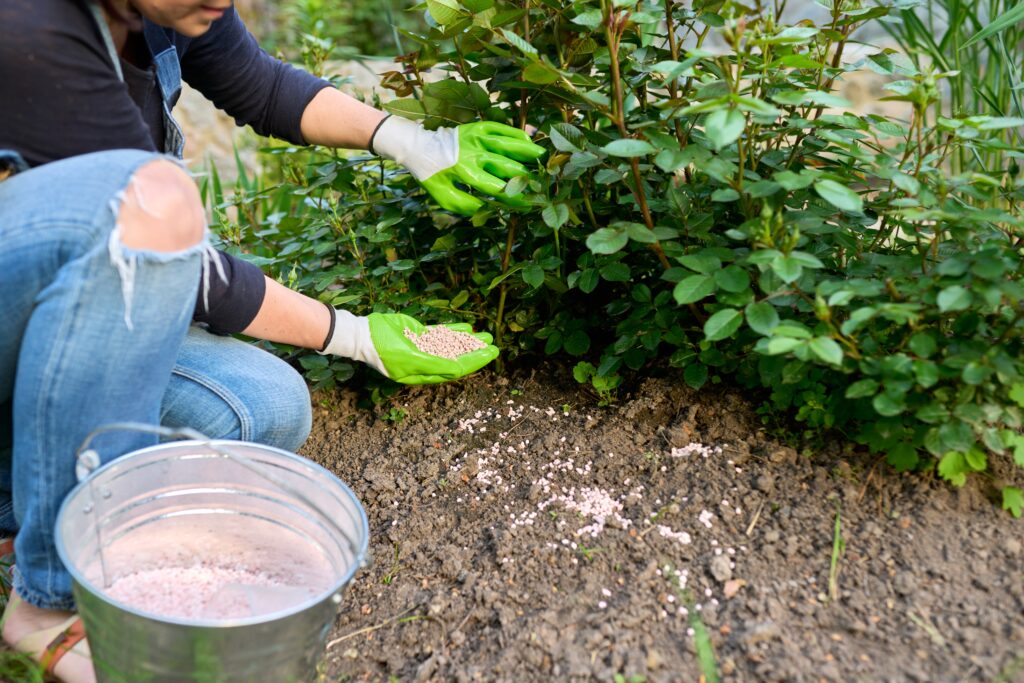
Hot sun, dry wind, late frost, and too much fertilizer or spray can all brown rose leaves. The damage usually shows up fast and follows a clear pattern, so the clues are easy to spot once you know them.
Heat, Intense Sun, and Wind-Scorched Edges: Why the Crispy Brown Rims Show Up After a Hot Week
Scorch starts at the leaf edges and tips. The brown parts feel dry and papery, like old tissue paper. The center of the leaf often stays green.
This happens when leaves lose water faster than the roots can replace it. Temperatures above 90°F, strong afternoon sun, and steady wind all speed up water loss. Roses near hot walls or pavement get hit hardest.
What I do:
- Water deeply at the base early in the morning.
- Add 2 to 3 inches of mulch to keep roots cool.
- Give potted roses afternoon shade during heat waves.
In hot zones like the desert Southwest, a little afternoon shade helps a lot.
Quick Tip: If the top 2 inches of soil feel dry, give your rose a slow, deep soak.
Frost-Damaged Leaves and Spring Growth: How One Cold Night Can Brown Your Newest Leaves
Frost damage hits the soft, new leaves first. After a cold night, they may look dark and wilted. Within a day or two, they turn brown or black and feel limp.
Roses often push out tender growth during a warm spell. Then a late frost arrives and catches it. Older, tougher leaves usually handle the cold better.
The good news? Established roses usually recover. I wait until the danger of frost has passed, then trim the dead tips back to healthy green stems. New buds will fill in.
In colder zones, late frosts can come well into May, so keep an eye on the forecast.
Quick Tip: Throw an old bedsheet over your rose on frosty nights, and remove it in the morning.
Fertilizer, Salt, or Spray-Related Leaf Burn: The Hidden Chemical Mistakes That Leave Brown Spots
Chemical leaf burn can look like scorch, but the cause is different. Here’s how the common types compare:
| Cause | What You See | What to Do |
|---|---|---|
| Too much fertilizer | Brown edges, white crust on soil | Flush soil with plenty of water |
| Salt (road salt, salty water) | Browning on the side facing the salt | Water deeply and move the plant if you can |
| Sprays in hot sun | Brown spots or blotches where spray landed | Spray only when temps are below 85°F |
I always water before feeding my roses. Dry roots soak up fertilizer salts too fast and burn.
Read spray labels closely. Many sprays, including oils and soaps, can burn leaves in bright sun or high heat.
Quick Tip: Spray in the cool early morning or evening, never at midday.
Help Your Rose Recover and Prevent Repeat Damage
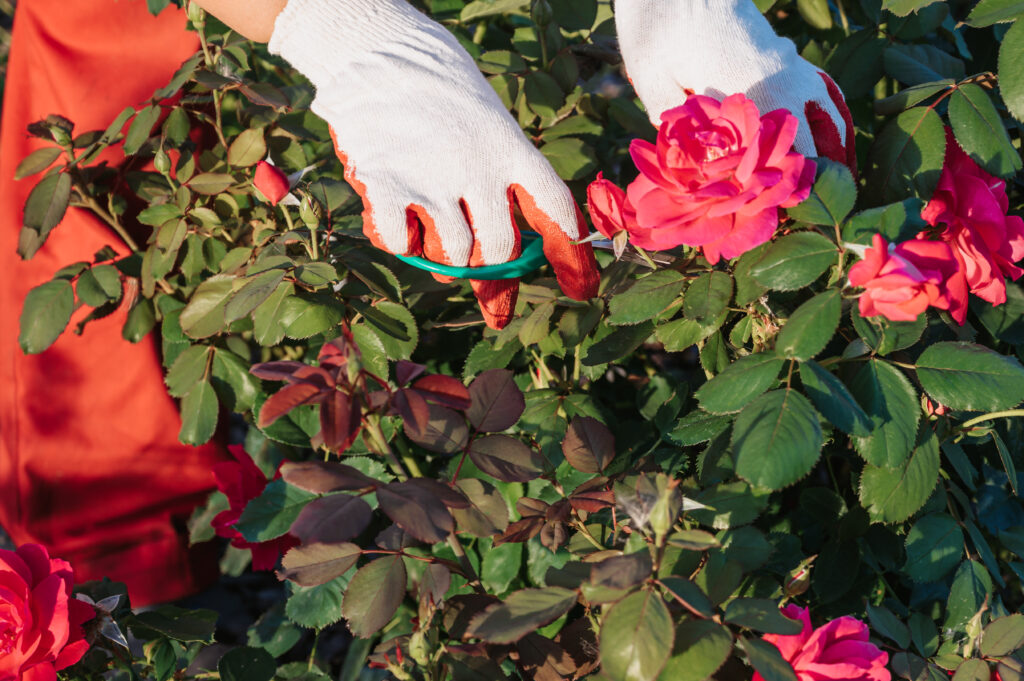
Clean up the worst leaves, fix the watering and airflow problems behind the browning, and watch the new growth for a few weeks. Fresh, green leaves are the best sign that your changes are working.
Remove Damaged Leaves Without Overpruning (Why Taking Less Helps More)
Start with leaves that are mostly brown, crispy, or covered in black spots. Snip them off at the base of the leaf stem with clean, sharp pruners. Leaves with only a little browning on the tips can stay. They still make food for the plant.
I try never to remove more than about one-third of the leaves at once. Strip too many, and your rose has to work harder to recover.
Pick up fallen leaves from the ground, too. Fungal spores can sit in old leaves and splash back onto the plant when it rains. Bag them up instead of adding them to your compost.
Quick Tip: Wipe your pruners with rubbing alcohol between cuts if you see black spots or fuzzy mold.
Adjust Watering, Mulch, and Spacing (Small Changes That Stop the Browning)
Most brown leaves trace back to water or air problems. Check the soil before watering by pushing a finger into it near the base. If the top 2 inches feel dry, water deeply. If the soil feels cool and damp, wait.
Water at the base in the morning, not over the leaves. Wet leaves overnight can invite fungus.
Here’s how I handle each fix:
| Problem | What to Do |
|---|---|
| Soil dries too fast | Add 2–3 inches of mulch, kept 2 inches from the stem |
| Soggy soil | Water less often and improve drainage |
| Poor air circulation | Thin crowded canes and give roses 2–3 feet of space |
In hot, dry zones, you may need to water twice a week in summer. In cool, rainy areas, spacing and airflow matter even more.
Quick Tip: Mulch should look loose and crumbly, not packed against the canes.
Monitor New Growth to See Whether the Fix Is Working (What Healthy Leaves Tell You)
Give your rose 2 to 4 weeks to respond. New leaves should come in deep green or reddish, and feel soft and smooth.
Check the plant once a week, looking at both sides of the leaves. If the new growth stays clean, your changes are working.
Watch for these warning signs:
- Brown edges on new leaves: The plant may still be too dry, or there could be too much fertilizer
- Yellow leaves with black spots: Fungus is still active
- Limp, droopy leaves: The roots may be too wet
If problems return, adjust one thing at a time so you can tell what actually helped. Good rose care mostly means paying attention and making small fixes.
Quick Tip: Snap a photo each week so you can compare the leaves side by side.
Frequently Asked Questions
Brown rose leaves usually have a few common causes: dry soil, heat and sun scorch, fungal disease like black spot, salt buildup from fertilizer, or soggy roots. You can fix most cases with better watering, pruning off damaged leaves, and improving airflow.
Why are my rose leaves turning brown and crispy? (Hint: Your Soil Might Be Telling You)
Crispy brown leaves often mean your rose is thirsty. When the roots can’t get enough water, the leaves dry out first. They feel papery and may crumble when you touch them.
Hot wind and strong afternoon sun can make this worse. Roses in pots dry out even faster than roses in the ground.
Push your finger about two inches into the soil. If it feels dry, give the plant a deep, slow soak at the base.
Quick Tip: I water deeply once or twice a week instead of giving small sips every day. Deep watering helps the roots grow down to where the soil stays cooler.
What causes the edges of rose leaves to turn brown? (It’s Often Something You Added)
Brown edges are a classic sign of salt buildup. This can happen when you use too much fertilizer or when your water has a lot of minerals. The salts pull moisture away from the leaf tips and edges.
Dry soil and hot, windy weather can also cause brown edges. Winter wind can, too, in colder zones.
If you just fertilized, hold off for a while. Water the soil deeply a few times to flush the extra salts down past the roots.
Quick Tip: I always water my roses the day before I feed them. Fertilizer on dry roots is a fast way to burn leaf edges.
Why do rose leaves turn brown during the summer? (Heat Isn’t the Only Culprit)
Summer brings intense sun and high heat. Leaves can get scorched, especially on days above 90°F. You’ll often see dry brown patches on the leaves that face the sun most.
Summer is also prime time for fungal problems. Warm, humid weather helps black spot and other diseases spread fast.
In very hot zones, some afternoon shade can help a lot. A two- to three-inch layer of mulch keeps the roots cooler and holds in moisture.
Quick Tip: I water early in the morning in summer. The plant gets a drink before the heat hits, and the leaves dry off quickly.
Why are my rose leaves turning yellow and brown? (Look Closely for Black Spots)
Yellow leaves with brown or black spots usually point to black spot disease. The spots are round with fuzzy edges. The leaf turns yellow around them, then drops off.
Yellow and brown leaves can also mean a nutrient problem, like low nitrogen or iron. Older leaves near the bottom often turn yellow first.
If you see spots, pick off the sick leaves and clean up any that have fallen to the ground. The fungus can live on fallen leaves and spread again.
Quick Tip: I throw diseased rose leaves in the trash, not the compost pile. Most home compost doesn’t get hot enough to kill the fungus.
Can overwatering cause rose leaves to turn brown? (Yes, and It Looks a Lot Like Underwatering)
Yes, it can. Too much water keeps the soil soggy, so roots can’t get the air they need. Damaged roots can’t move water up to the leaves, which then wilt, turn yellow, and brown.
This is tricky because the plant looks thirsty. Adding more water just makes things worse.
Check the soil before watering. If it feels wet or smells sour, let it dry out. Make sure pots have drainage holes and garden beds don’t hold puddles.
Quick Tip: I skip watering if the top two inches of soil still feel damp. Roses like moist soil, not muddy soil.
How can I treat brown leaves on my roses? (A Few Simple Fixes Go a Long Way)
Start by finding the cause. Check the soil moisture, look for spots, and consider whether the plant’s had too much heat or fertilizer lately. Then tackle that problem first.
Here’s what I usually do:
- Remove damaged leaves. Brown leaves won’t turn green again, so snip them off with clean pruners.
- Water at the base. Keep the leaves dry to help prevent fungal disease.
- Improve airflow. Prune crowded stems in the center of the bush.
- Add mulch. It keeps roots cool and helps keep soil moisture steady.
- Use a fungicide if needed. For black spot, a product labeled for roses can help. Just follow the label directions.
Once you fix the problem, new growth should come in green and healthy. Give it a few weeks.
Quick Tip: I wipe my pruners with rubbing alcohol between cuts on sick plants. It helps keep disease from spreading to healthy roses.