
Poinsettia leaves usually turn yellow because of watering stress, poor drainage, sudden changes in light or temperature, pests, or nutrient problems. It’s a little unnerving when your festive plant starts losing its color, isn’t it?
Check the soil, the leaf pattern, and where you’ve placed your poinsettia before making any changes. A soggy pot, cold draft, or a dim window can make yellowing worse.
Quick Tip: Feel the top inch of soil—if it stays wet, your poinsettia may need less water and better drainage. Let’s figure out what’s going on and get your Euphorbia pulcherrima looking healthy again.
Diagnose Yellowing by Checking Soil and Leaf Symptoms
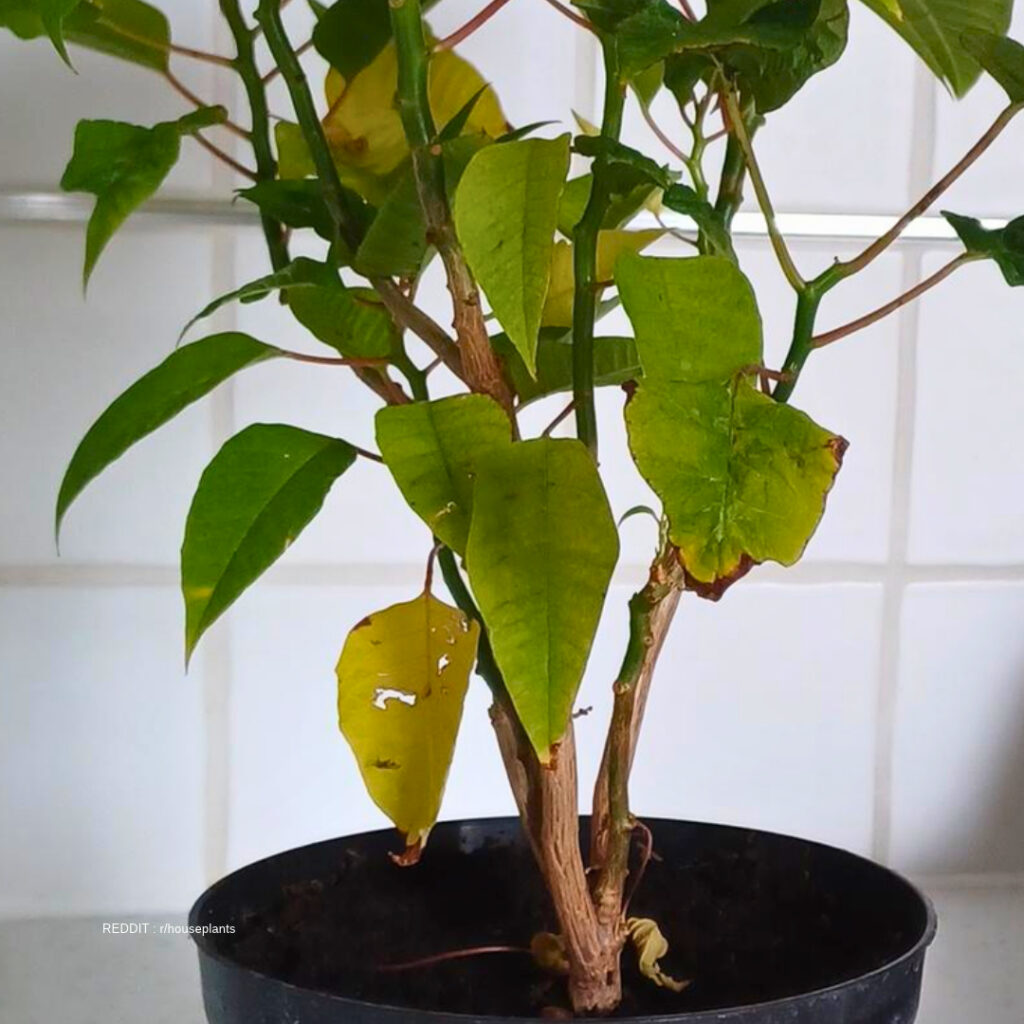
I always start by checking the potting mix, then I look at the leaves and where the yellowing begins. These clues help me tell if I’m watering wrong or if it’s just normal leaf aging.
Wet Soil, Soft Leaves, and Root Stress
If the soil’s still wet days after watering, I’m usually dealing with overwatering. Yellow leaves often show up with limp, soft leaves that fall off easily.
The pot might feel heavy, and the soil can even smell a bit sour or stale. I press my finger 1–2 inches into the soil—if it’s cool and soggy, I hold off on watering until it dries out.
I always empty water from the saucer. Roots sitting in water? That’s a no-go.
Quick Tip: I only water when the top inch of soil feels dry, not just because it’s been a certain number of days.
Poor drainage stresses roots, especially in pots without holes. In cool, low-light rooms, soil dries slower, so wet soil problems are more common. I make sure the pot drains freely before watering again.
Dry Potting Mix, Wilting, and Thirst
Underwatering leads to its own kind of yellowing. The potting mix feels dry, might pull away from the pot, and the whole thing feels light as air when I pick it up.
Leaves can look thin, wrinkled, or wilted before they turn yellow and drop. I water slowly until it drains out the bottom. If the soil’s super dry and water runs right through, I let the pot soak in a shallow bowl for 10–15 minutes, then drain it.
Quick Tip: I check soil moisture a couple times a week, especially near heaters or in sunny spots.
Yellow leaves get worse if the plant dries out more than once. I aim for soil that’s evenly moist—not soggy, not bone dry. In warm homes or dry climates, I check more often.
When Lower-Leaf Yellowing Is Natural Aging
Not every yellow leaf is a disaster. A few old lower leaves turning yellow is totally normal as the plant shifts energy to new leaves and bracts.
This natural aging usually starts at the bottom, while the top leaves stay firm and green. I remove yellow leaves if they come away easily, but I don’t yank them off.
Quick Tip: I watch for patterns: a couple old leaves is fine, but if yellowing spreads quickly, something’s off.
If I see lots of leaves yellowing at once, especially near the top, or sudden leaf drop, I dig deeper for a care issue.
Correct Watering and Drainage Problems First
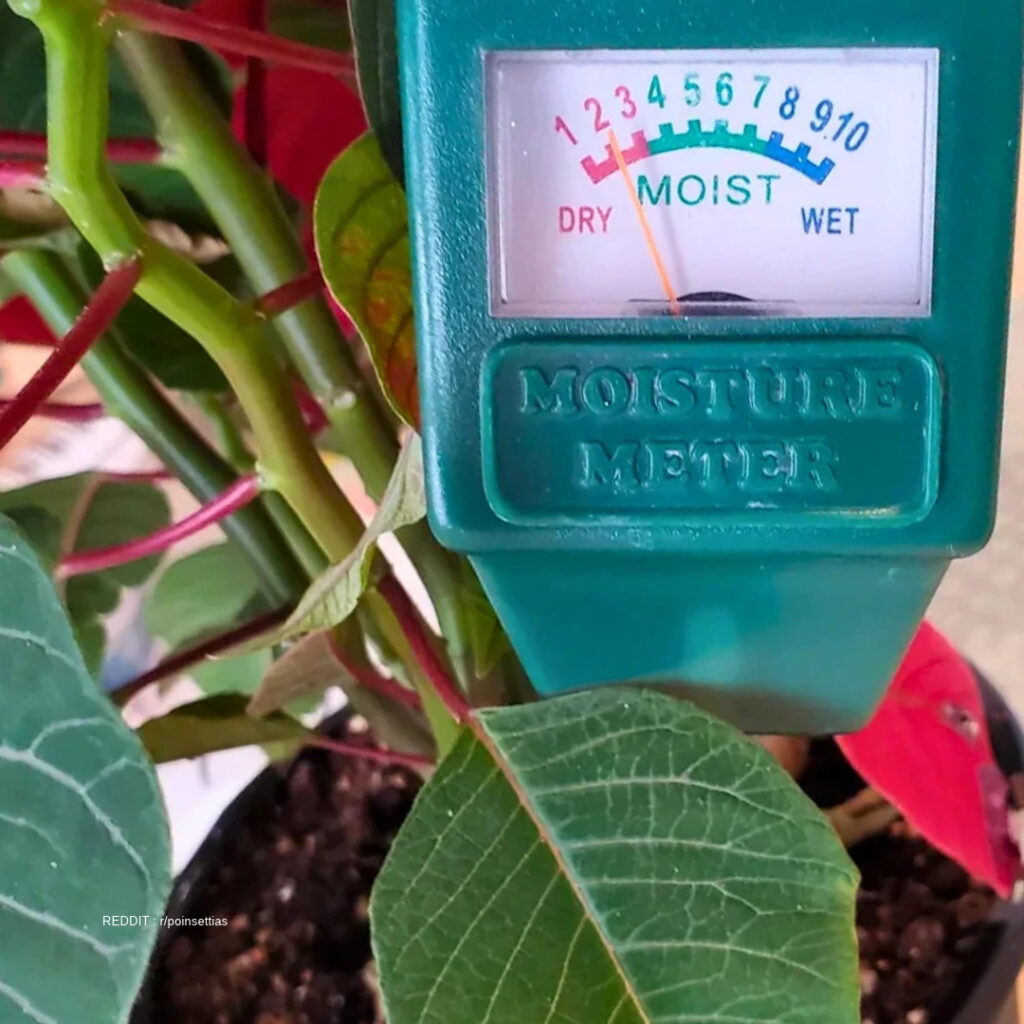
I always check soil, pot, and saucer before blaming light or temperature. Too much water, standing water, or poor drainage can quickly turn leaves yellow and cause root rot.
How To Water Without Overwatering
I water only when the top inch of soil feels dry. I press a finger near the pot edge—if it’s cool or damp, I wait.
When it’s time, I use room-temperature tap water or rainwater and water slowly until it runs from the drainage holes. That’s it. A small drink every day just keeps the roots wet and unhappy.
Quick Tip: I lift the pot before watering. If it feels light, it probably needs water; if it’s heavy, I leave it alone.
I keep an eye out for limp yellow leaves, wet soil, or a sour smell—these mean too much moisture. If the soil’s dry and leaves feel thin or crisp, it’s probably underwatered.
In cooler rooms or dim windows, I water less. Warm, dry air can dry soil faster, so I adjust as needed.
Remove Decorative Foil and Empty the Saucer
I take off or loosen decorative foil as soon as I bring the plant home. Foil traps water and blocks drainage holes—it looks nice but creates a soggy mess for roots.
After watering, I let the pot drain for 10–15 minutes and always empty the saucer. Never let it sit in standing water.
Quick Tip: I check the saucer every time I water, even if I’m sure it drained.
Poor drainage can cause root rot and stem rot. I look for soft, dark stems near the soil or a musty smell. If I spot these, I stop watering and make sure water can escape from the pot.
If my poinsettia sits in a cover pot, I remove the nursery pot for watering and let it drain fully before putting it back.
When To Repot a Waterlogged Plant
I repot if the soil stays wet for days, smells off, or roots look black and mushy. I also repot if drainage holes are blocked or root rot is obvious.
I gently slide the plant out and check the roots. Healthy roots are firm and pale tan or white. I trim away any dark, mushy roots with clean scissors and use a pot with drainage holes.
Quick Tip: I pick a new pot just 1–2 inches wider than the old one. Bigger isn’t better here.
I swap out wet, packed soil for a well-draining mix. I avoid huge pots since extra soil just holds more water. After repotting, I water lightly and wait for the top inch to dry before watering again.
Provide Stable Light, Temperature, and Humidity
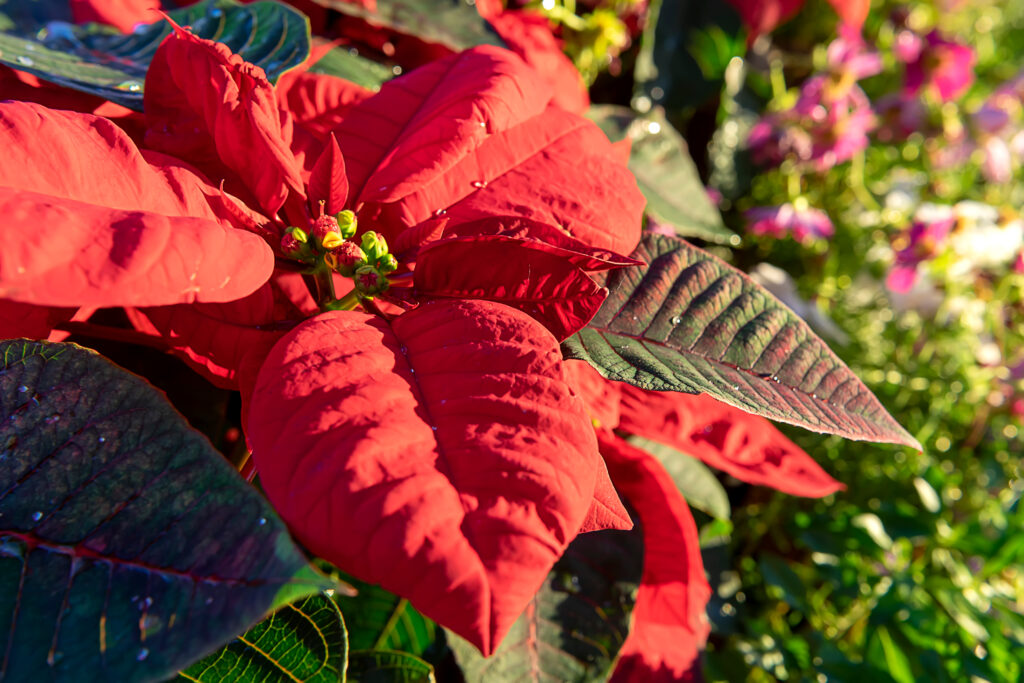
I try to keep my poinsettia in bright, indirect light and away from sudden temperature swings. Stable conditions help it keep making food and avoid stress-induced yellow leaves.
Bright Indirect Light Versus Direct Sunlight
I place my poinsettia near an east window or a few feet from a sunny south or west window. It really likes bright indirect light for about six hours a day.
Direct sunlight through glass can scorch leaves, especially in the afternoon. If leaves feel hot or look faded or crispy at the edges, I move the plant back or use a sheer curtain.
Too little light is a problem too. Without enough energy, older leaves may yellow and drop.
Quick Tip: I rotate the pot a quarter turn each week so all sides get even light.
Prevent Cold Drafts and Temperature Fluctuations
I keep my poinsettia where it’s between 65°F and 75°F during the day, and above 60°F at night. Cold drafts from windows or doors can cause leaves to yellow fast.
Warm air from heaters or fireplaces dries out the air and stresses the plant too. Poinsettias don’t like sudden changes, and sometimes the damage shows up days later.
I also avoid setting it near strong air from fans or ACs. Fresh air is fine, but a constant chilly breeze? Not so much.
Quick Tip: I keep the pot a few feet from exterior doors, vents, and cold window glass.
Use Grow Lights When Natural Light Is Low
I use grow lights during gloomy winter days or if my window faces north. A basic LED grow light gives it enough light without direct sun.
I set the light about 12 to 18 inches above the plant and run it for 10 to 12 hours a day. I use a timer so I don’t forget. Leaving lights on all night isn’t good—it needs rest too.
Grow lights can warm things up, so I check that leaves don’t get hot. Indoor heat dries the air, so I keep it away from vents and sometimes use a pebble tray with water nearby if things get dry.
Quick Tip: I keep the pot above the water line in a pebble tray, never sitting in water.
Rule Out Nutrient and Fertilizer Issues
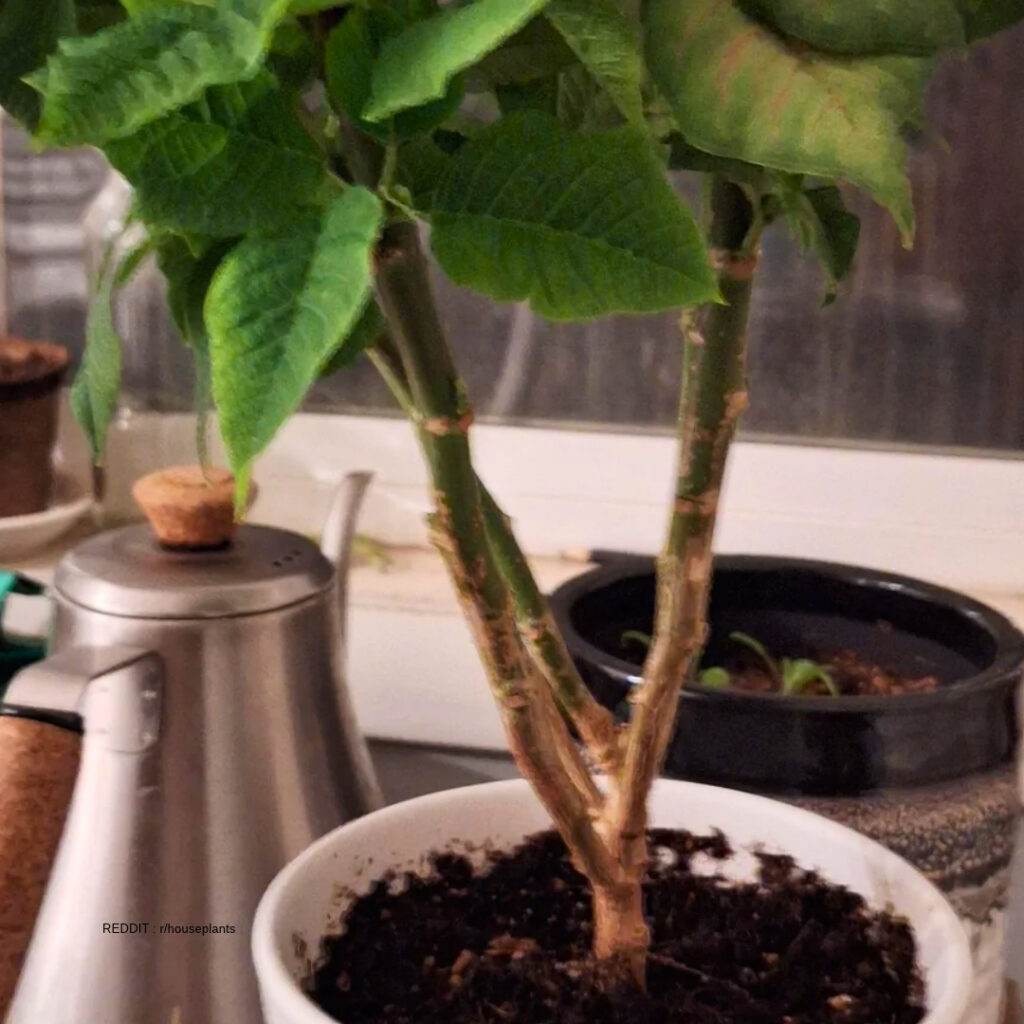
Nutrient problems can cause yellow leaves, but honestly, overfeeding is usually the bigger issue. I always check roots, watering, and my fertilizer habits before adding anything.
Recognize Nutrient Deficiencies
I look at which leaves yellow first. Older, lower leaves going yellow may mean not enough nitrogen. If new growth stays yellow but the veins are green, it could be an iron issue.
Iron shortages often happen when roots are too wet or the potting mix pH is off. More fertilizer won’t help soggy roots. I let the top inch dry, water well, and empty the saucer.
Fresh potting mix usually has enough nutrients for the holiday season. If I just brought the plant home, I skip feeding for a while.
Quick Tip: If new leaves yellow, check drainage and moisture before reaching for iron supplements.
Avoid Fertilizer Burn and Nutrient Overload
Too much fertilizer leaves salts in the soil, which can damage roots and cause yellow leaves, brown edges, and sometimes bract necrosis (brown patches on the colored bracts).
I never feed a dry, stressed plant. Fertilizer on dry roots burns fast. Soil should be a bit damp before I feed it.
If I suspect too much fertilizer, I flush the pot with room-temperature water, let it drain, and never leave it sitting in a full saucer.
Quick Tip: White crust on the soil or pot rim? That’s probably fertilizer salts building up.
When To Resume Feeding After the Holiday Season
I stop fertilizing while my poinsettia blooms and shows off its bracts. It doesn’t need much food during this slower indoor time, especially in cool rooms or low light.
Once I see new green growth—usually after the bracts fade in late winter or spring—I start feeding again. I use a balanced fertilizer (like 10-10-10 or 20-20-20) at half strength every two to four weeks.
I only fertilize when it’s actively growing. If it’s outside in a warm, frost-free spot, it might need more. In colder areas, I stop feeding when light drops in fall.
Inspect for Pests and Fungal Diseases
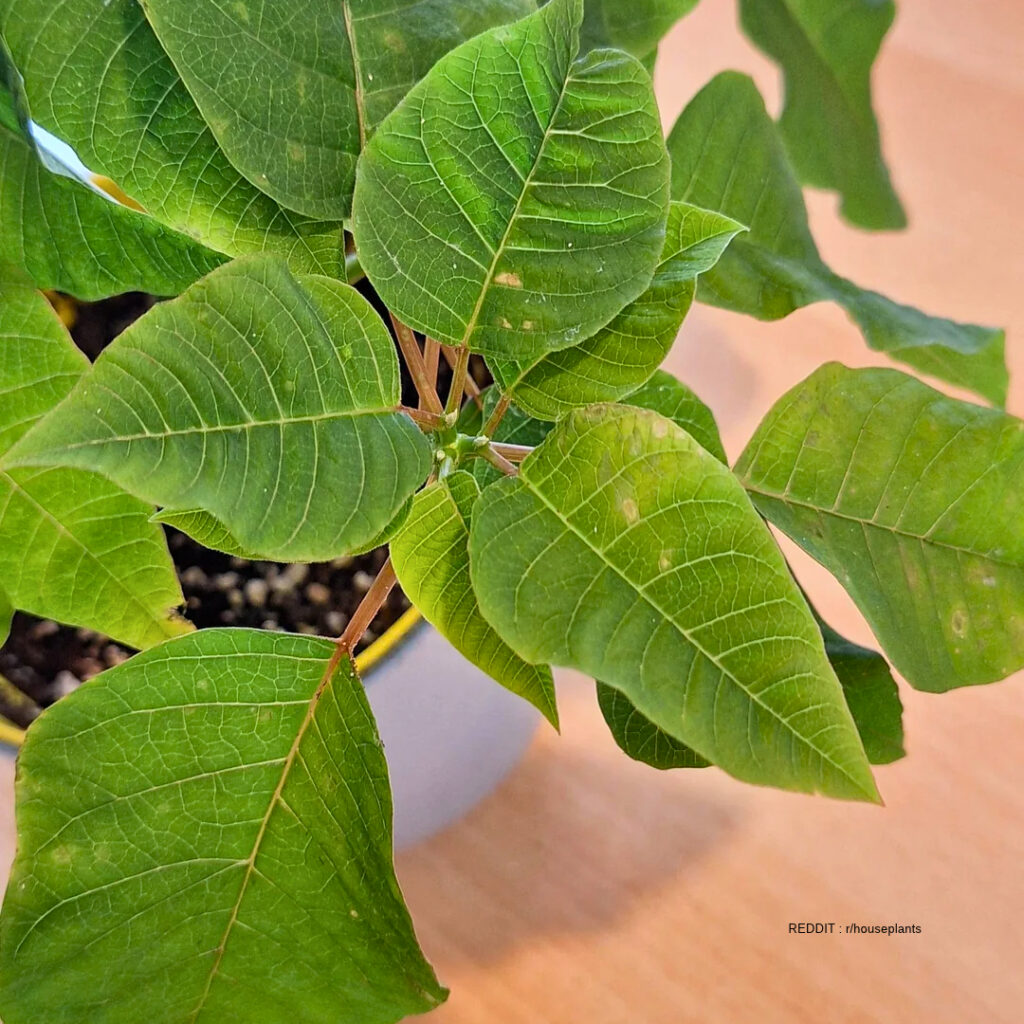
I always check the leaves, stems, and soil before changing how I water. Small pests and wet soil both cause yellow leaves, but they leave different clues.
Common Sap-Sucking Pests To Look For
I check under leaves and along stems for spider mites, whiteflies, aphids, and mealybugs. Spider mites leave pale dots, fine webbing, and leaves that look a bit dry.
Whiteflies flutter up in a tiny cloud if I move the plant. Aphids gather on new growth and leave sticky stuff behind.
Mealybugs look like tiny bits of white cotton tucked into stem joints. All these pests drink plant sap, so leaves might curl, turn yellow, or drop off.
Quick Tip: I swipe a leaf underside with a white tissue. If I see tiny moving dots or sticky smears, that’s a sign of pests.
I keep an eye out for fungus gnats near the soil too. Those small black flies are annoying, and their larvae usually mean the potting mix is staying wet for too long.
Treating Infestations Safely Indoors
When I spot pests, I move the poinsettia away from my other houseplants. Then I rinse the leaves with lukewarm water, focusing on the undersides and stem joints.
For aphids, whiteflies, spider mites, and mealybugs, I grab some insecticidal soap and use it as the label says. I spray in the evening or when the plant’s not in direct sun, since wet leaves can scorch in a bright window.
Quick Tip: I always test sprays on one leaf first and wait a day to check for damage.
I use neem oil sometimes, but not if the plant looks wilted or heat-stressed. If pests come back, I repeat the treatment every week or so. Yellow sticky traps help catch adult whiteflies and fungus gnats, but eggs and larvae need other methods.
Signs That Root Rot or Fungal Infection Needs Action
If yellow leaves show up with wilting, I check the soil and stems. Root rot usually means soft, dark roots and soil that smells sour or just off.
Healthy roots feel firm and look pale tan or white. Stem rot can show up as a brown or black mushy spot near the soil line.
Fungal infections sometimes create dark spots, gray fuzz, or spreading patches on leaves. These problems tend to pop up when the soil stays too wet and air doesn’t move much.
Quick Tip: If the stem feels soft or the soil smells bad, I pull the plant out of its pot. Waiting doesn’t help here.
I trim away rotten roots with clean scissors and repot using fresh, well-draining mix. If I see a clear fungal infection, I use a labeled fungicide and make sure the plant gets better air flow.
Prevent Future Yellow Leaves With a Simple Care Routine
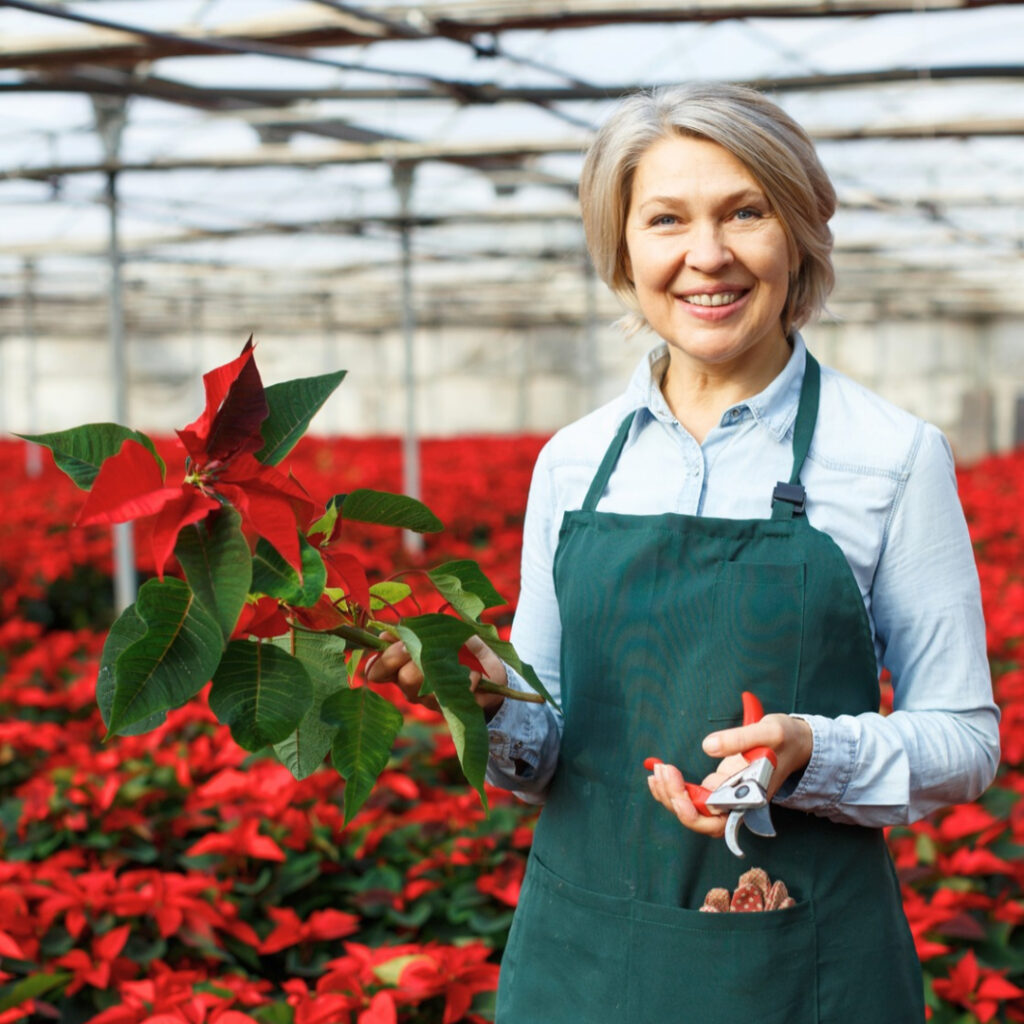
I keep yellow leaves at bay by checking moisture, light, and room conditions every week. A few easy habits help this holiday plant stay green and happy.
A Weekly Poinsettia Care Checklist
I poke my finger into the soil once or twice a week. If the top inch feels dry, I water slowly until water runs out the bottom.
Then I dump out the saucer so the roots don’t sit in water. Quick Tip: If the soil feels cool and damp, I hold off on watering. Soggy soil leads to yellow leaves faster than letting it get a bit dry.
I keep my poinsettia in bright, indirect light—near an east-facing window or a few feet from a sunny one. If it’s in a north window during winter, I move it closer to the glass.
I try to keep the room between 65°F and 75°F. Cold drafts from doors or vents can shock the plant. Dry indoor heat can make leaves drop, so I’ll use a pebble tray or humidifier if the air feels desert-dry.
Pruning and Seasonal Care After the Holidays
I snip off yellow, damaged, or dropped leaves as I spot them. I use clean scissors and cut the leaf stem close to the main stem.
This keeps things tidy and helps me notice new problems early. Quick Tip: I don’t prune healthy green stems during the holidays—the colorful bracts need time to fade naturally.
Once the holidays pass, I keep watering as usual and leave the plant in indirect light. When the bracts lose color in late winter, I cut stems back to about 4 to 6 inches tall.
I use a pot with drainage holes and a well-draining potting mix when I repot in spring. I only move it outside after frost danger is gone. If I live somewhere cold, I keep it inside until nights stay above 55°F.
Frequently Asked Questions
Yellow leaves usually mean something’s off—maybe watering, light, temperature, or pests. I check the soil first, then look for soft stems, dry edges, curling, and not enough light.
What causes poinsettia leaves to turn yellow and fall off?
Poinsettias drop yellow leaves when their roots stay too wet, get too dry, or sit in cold drafts. Sudden changes—like moving from a warm store to a chilly car—can also cause trouble.
I check for low light and pests, especially tiny whiteflies or spider mites under the leaves. Lower leaves often yellow first when the plant’s stressed.
Quick Tip: I keep my poinsettia away from heating vents, cold windows, and doors that open a lot.
Is my poinsettia getting too much or too little water?
I stick my finger into the top inch of soil. If it’s dry, I water slowly until water drains out the bottom.
If the soil feels wet or muddy for days, I wait before watering again. I never let the pot sit in a saucer of water—the roots need air, not a bath.
Quick Tip: I empty the saucer about 10 minutes after watering.
What does an overwatered poinsettia look like?
Overwatered poinsettias usually have yellow, soft, limp leaves. The soil stays dark and wet, and the stems feel weak near the base.
I sometimes notice a sour or musty smell from the pot. That’s a big hint the roots are rotting.
Quick Tip: I remove any decorative foil or poke holes in it for drainage.
Can low light make poinsettia leaves turn yellow?
Yes, definitely. Poinsettias need bright, indirect light for about six hours per day. In a dark spot or a north window with little daylight, leaves can fade, yellow, and drop.
I put mine near an east- or west-facing window, but not pressed against cold glass. Winter light is weaker, so a brighter spot helps.
Quick Tip: I rotate the pot a quarter turn each week so all sides get some light.
Why are my poinsettia leaves yellow and curling?
Yellow, curling leaves can mean it’s too dry, too hot, or pests have moved in. Dry air near a heater can make edges crisp and curl inward.
I check the undersides for fine webbing, sticky spots, or tiny bugs. Spider mites and whiteflies are often the culprits.
Quick Tip: I rinse dusty leaves with room-temperature water and check them every few days.
What should I do when my poinsettia leaves start turning yellow?
I pull off any fully yellow leaves as soon as I spot them. Then I poke a finger into the soil to check if it’s wet or dry.
If the soil feels wet, I wait and let it dry out a bit. When it’s dry, I give the plant a good soak and make sure any extra water drains away.
I always move my poinsettia somewhere with bright, indirect light. Keeping it in a room that stays between 65°F and 75°F seems to help.
For outdoor plants, I don’t mess around with frost. I bring mine inside before the temperature drops at night, no matter what zone I’m in.