
Having trouble getting your orchids to bloom? You’re not alone! Orchids can be pretty picky, and I’ve been there too. The main reasons orchids don’t flower are usually related to light, water, and temperature. If you’re missing even one of these, your orchids might just decide to chill instead of showing off those beautiful blooms.
✅ Are you giving your orchids enough light? This was my first mistake. They need bright, indirect light. Too much shade, and they’ll stay green but not much else will happen.🌞
Watering can be tricky. I used to water too much, thinking more water equals more flowers. But nah, orchids like to dry out a bit between drinks. 😊 Oh, and don’t forget about temperature – they love a cool-down at night, just like us after a long day.
Got tips or questions? Drop a comment! Let’s get those orchids blooming together! 🌸💬
Understanding Orchid Biology

Orchids are amazing plants but can be a bit mysterious when it comes to blooming. 🌸 They have their own unique needs and quirks.
Firstly, did you know that orchids belong to one of the largest plant families? That means they come in many shapes and sizes.
Roots: Orchids have special roots that need air and light. Make sure they aren’t buried in soil like other plants.
Leaves: Healthy orchid leaves should be firm and green. If they’re yellow or spotted, the plant might be stressed.
Light Requirements: Orchids need bright, indirect light. Too much direct sun can burn their leaves. Do you have a special spot for your orchid?
Temperature: Orchids like it warm during the day and cooler at night. I’m talking cozy room temperature, not freezing or scorching.
Watering: Overwatering is a big no-no! 😅 Let the roots dry out a little between waterings. Orchids hate sitting in soggy conditions.
Feel free to drop any questions or tips you have in the comments below!
Essential Care for Orchids

To help your orchids bloom, you need to focus on proper watering, the right lighting, and controlling the temperature and humidity. Each element plays a big role in keeping orchids healthy and happy.
Proper Watering Practices
Orchids are a bit picky about water. They don’t like their roots sitting in water, which can lead to root rot. I always water my orchids early in the day. This gives them time to dry out before night.
A good rule of thumb is to water once a week. Is your orchid’s potting medium dry? If so, it’s time to water. Too much water can be just as harmful as too little. Try using a pot with good drainage, and let the water run through the potting medium, soaking all the roots and then draining out completely.
Optimal Lighting Conditions
Orchids love light, but not direct sunlight. Direct sun can burn their leaves. I find placing my orchids near a bright window with filtered light works best.
If you’re worried about light levels, an east-facing window is usually perfect. Less light can prevent flowers from blooming, while too much light might turn the leaves yellow. Some orchids, like Phalaenopsis, thrive in indirect light. Adjusting the spot where they sit might be all you need to get those blooms.
Temperature and Humidity Control
Orchids thrive in a specific temperature range. They like warm days and cooler nights, with day temperatures around 75°F to 85°F and night temperatures between 60°F and 70°F. I usually keep an eye on room temperatures to keep my orchids comfortable.
Humidity is also important. Orchids love high humidity levels, around 50% to 70%. If you live in a dry area, a simple humidity tray – a shallow dish filled with water and pebbles – can work wonders. Make sure the pot is not sitting directly in the water.
Feel free to share your orchid care tips in the comments below! Let’s keep our orchids blooming and beautiful year-round! 🌺✨
Common Reasons for Non-Flowering
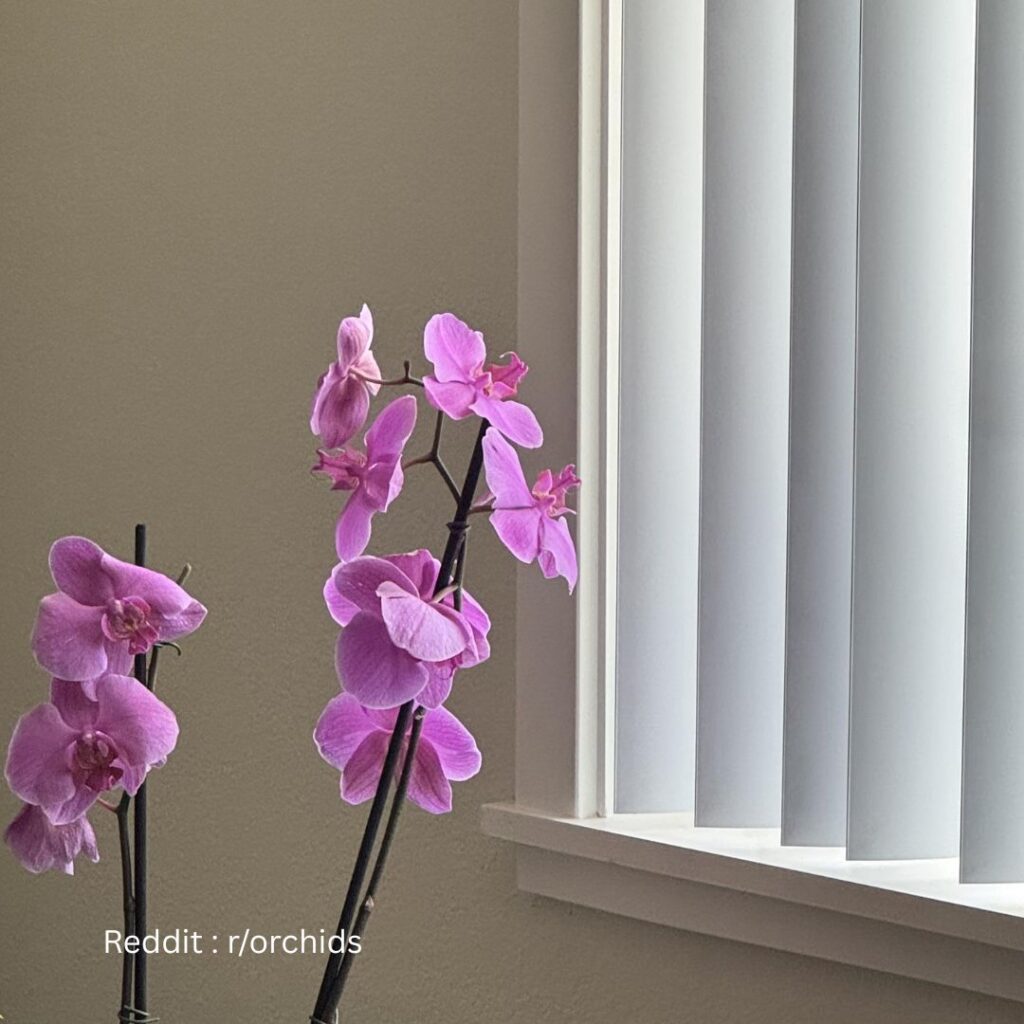
Orchids can be picky when it comes to blooming. Sometimes, it’s just a matter of giving them the right nutrients, light, and water.
Nutrient Deficiencies
Orchids need the right nutrients to flower. Nitrogen, phosphorus, and potassium are essential for their growth. Too much nitrogen can lead to lots of leaves but no flowers. To fix this, you can use a balanced fertilizer with a ratio like 20-20-20.
I had an orchid that took forever to bloom because I used the wrong fertilizer. Switching made a big difference! 🌸 Always remember to follow the instructions on the fertilizer package to avoid overfeeding.
Inadequate Light Exposure
Light is crucial for orchid flowering. Many orchids need bright, indirect light to bloom. If they don’t get enough light, they may not flower at all. East or south-facing windows are usually best, but avoid direct sunlight that can burn the leaves.
If your orchid isn’t flowering, consider moving it to a brighter spot. I once moved my orchid from the living room to the kitchen window, and it finally started to bloom. How much light does your orchid get? 🌞
Incorrect Watering
Watering can be tricky with orchids. Too much water can cause root rot; too little can dry them out. They usually need to be watered once a week, but this can vary based on the type of orchid and your home’s humidity levels.
Stick your finger in the potting mix to check the moisture. I always water my orchids when the top inch of soil feels dry. 😊 And remember, orchids like to dry out a bit between waterings. Have you been watering your orchid correctly? Make sure not to overdo it! 🚿
Orchid Maintenance and Health
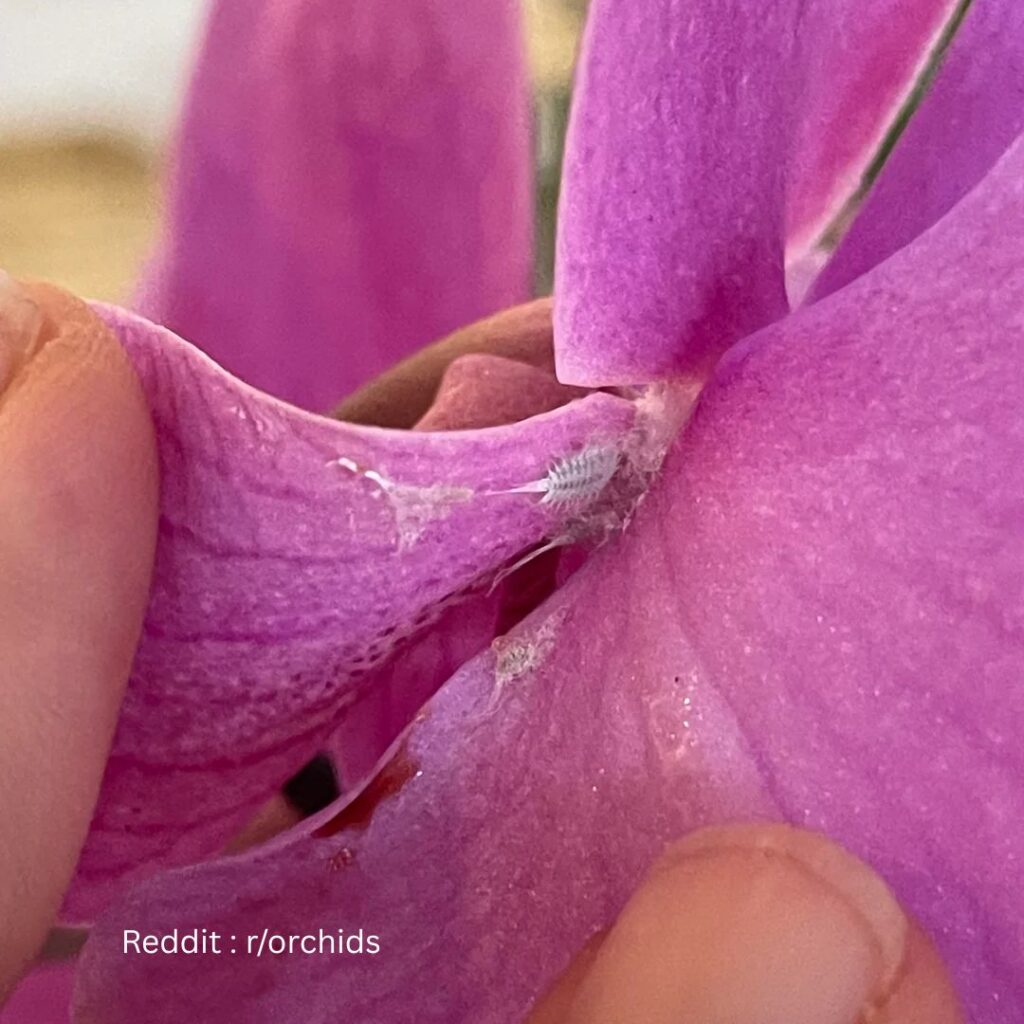
Keeping orchids healthy and happy involves managing pests, regular pruning, and repotting. Let’s dive into these important tasks to help your orchids stay vibrant and bloom beautifully.
Pest and Disease Management
Orchids are prone to pests like aphids, mealybugs, and spider mites. To manage these pests, I regularly inspect my orchids and look for signs like sticky residue or tiny webs. If I find any unwanted guests, I use a mixture of water and mild soap spray to clean the leaves. 😬
Diseases like root rot can be a problem too. I ensure good air circulation and avoid overwatering. If I see yellowing leaves or black spots, I trim affected areas and treat with a fungicide. Preventing pests and diseases keeps my orchids strong and healthy.
Regular Pruning Techniques
Pruning helps orchids grow well and prepares them for future blooms. I use sterile scissors to prune dead or yellow leaves and faded flowers carefully.
After flowers drop, I cut back the flower spike above a node. This encourages new blooming. Avoid cutting too close to the base, as this can damage the plant. Regular pruning keeps the orchid’s energy focused on healthy growth.
Repotting Procedures
Orchids need repotting every 1-2 years to refresh their growing medium. First, I water the orchid to make it easier to remove from its pot. Then, gently loosen the roots and remove any dead or rotting ones.
I choose a pot that’s slightly larger than the old one and use fresh orchid mix. Placing the orchid in the new pot, I spread the roots evenly and fill around them with the mix. Repotting gives the orchid space to grow and access to fresh nutrients.
Have you tried these tips? Share your experiences in the comments! 💬🌸
Encouraging Orchids to Bloom

Struggling to get your orchids to bloom? Let’s dive into some practical tips that can help. From fertilization strategies to bloom boosters and stress induction methods, there’s plenty you can do to see those beautiful flowers.
Fertilization Strategies
One key to blooming orchids is giving them the right fertilizer. Orchids need a balanced fertilizer like a 20-20-20 mix— that’s 20% nitrogen, 20% phosphorus, and 20% potassium. I usually feed my orchids every two weeks during the growing season.
It’s important not to over-fertilize. Too much can actually harm your plants. Also, make sure to use a diluted solution. Orchids prefer a weak mix of fertilizer. One tip: Flush the pot with plain water once a month to avoid salt build-up.
Bloom Boosters and Supplements
Ever heard of bloom boosters? These are special types of fertilizers rich in phosphorus. Phosphorus helps promote flower production. I sometimes use a bloom booster in place of my regular fertilizer to give my orchids an extra push.
You can also try adding supplements like seaweed extract or kelp. These natural additives can improve overall plant health, making it easier for your orchid to bloom. Just be cautious and read the labels to ensure correct usage.
Stress Induction Methods
Ever thought of giving your orchid a little tough love? Stressing the plant can sometimes trigger blooming. For example, reducing water can simulate a dry season, making the orchid think it’s time to reproduce.
Try moving your orchid to a cooler spot. A slight drop in temperature can do wonders. Nighttime temperatures around 55°F to 65°F can encourage blooming. Don’t go too extreme, though—you don’t want to shock the plant.
Isn’t it fascinating how these little tweaks can make such a big difference? 🌸 Have you tried any of these methods? Let me know how they worked for you! 😊
Advanced Care Tips
Proper care changes with the seasons, and knowing these shifts can help your orchids bloom. Also, different hybrid orchids may need specific attention to thrive.
Seasonal Care Variations
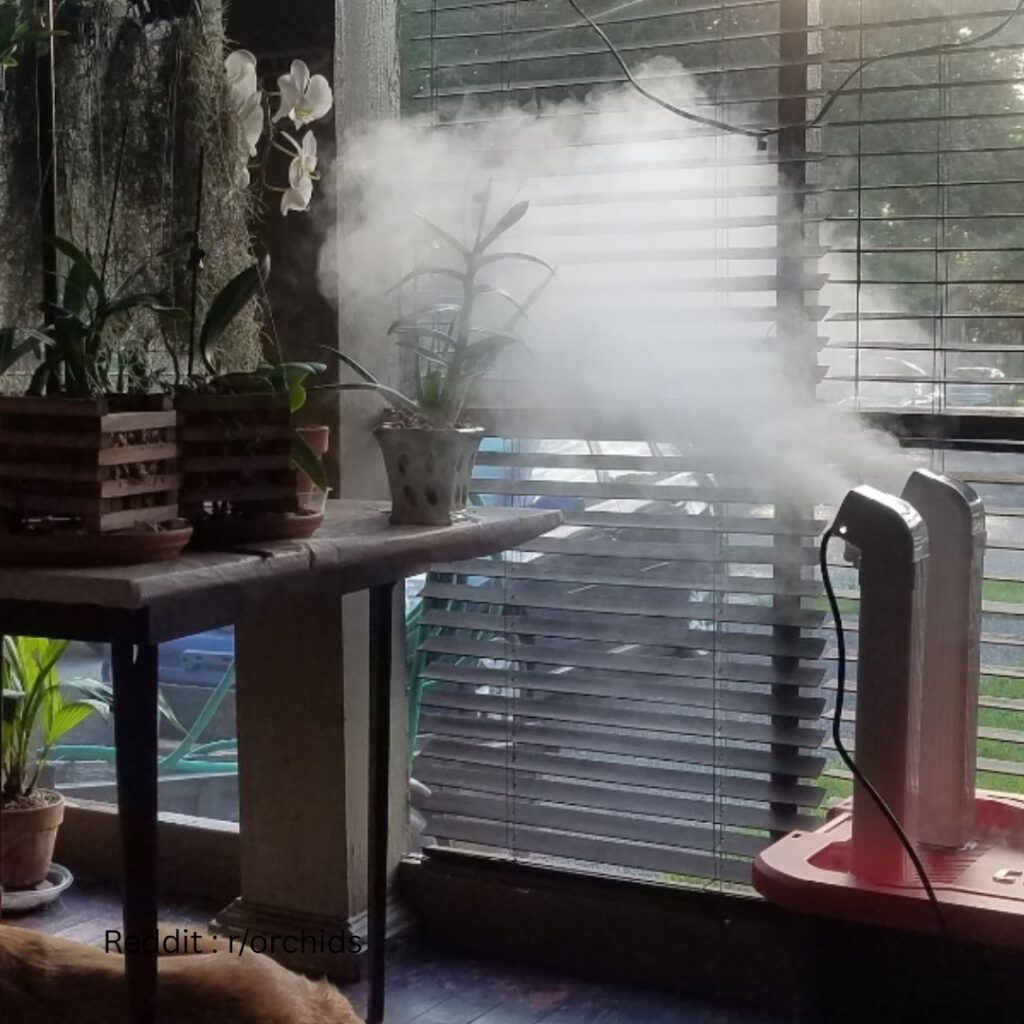
Orchid care isn’t the same year-round. In spring and summer, orchids love a bit more light and humidity. I like to mist mine gently and ensure they get indirect sunlight. 🌞 June through August, placing orchids near an east-facing window works wonders.
Autumn and winter are trickier. As temperatures drop, avoid cold drafts. I move my orchids away from windows and use a humidity tray to keep the air moist. Turning on a heating pad set on low can help too, but only if it’s really chilly.
If your orchid’s blooming has slowed, consider these seasonal tweaks. It might be just the boost they need!
Hybrid Orchid Considerations
Not all orchids are the same. Hybrid orchids, in particular, may have special needs. For instance, Phalaenopsis hybrids usually prefer less sunlight than Cattleya hybrids. Keeping a close eye on leaf color can clue you in; dark green leaves might mean too little light.
Watering can vary, too. Some hybrids need more frequent watering, while others prefer to dry out a bit. I always check the potting mix with my finger. If it’s still damp an inch down, it’s not time to water yet.
Handling different hybrids may seem tricky, but once you get to know your orchid’s quirks, it’s pretty straightforward.
Troubleshooting Common Issues
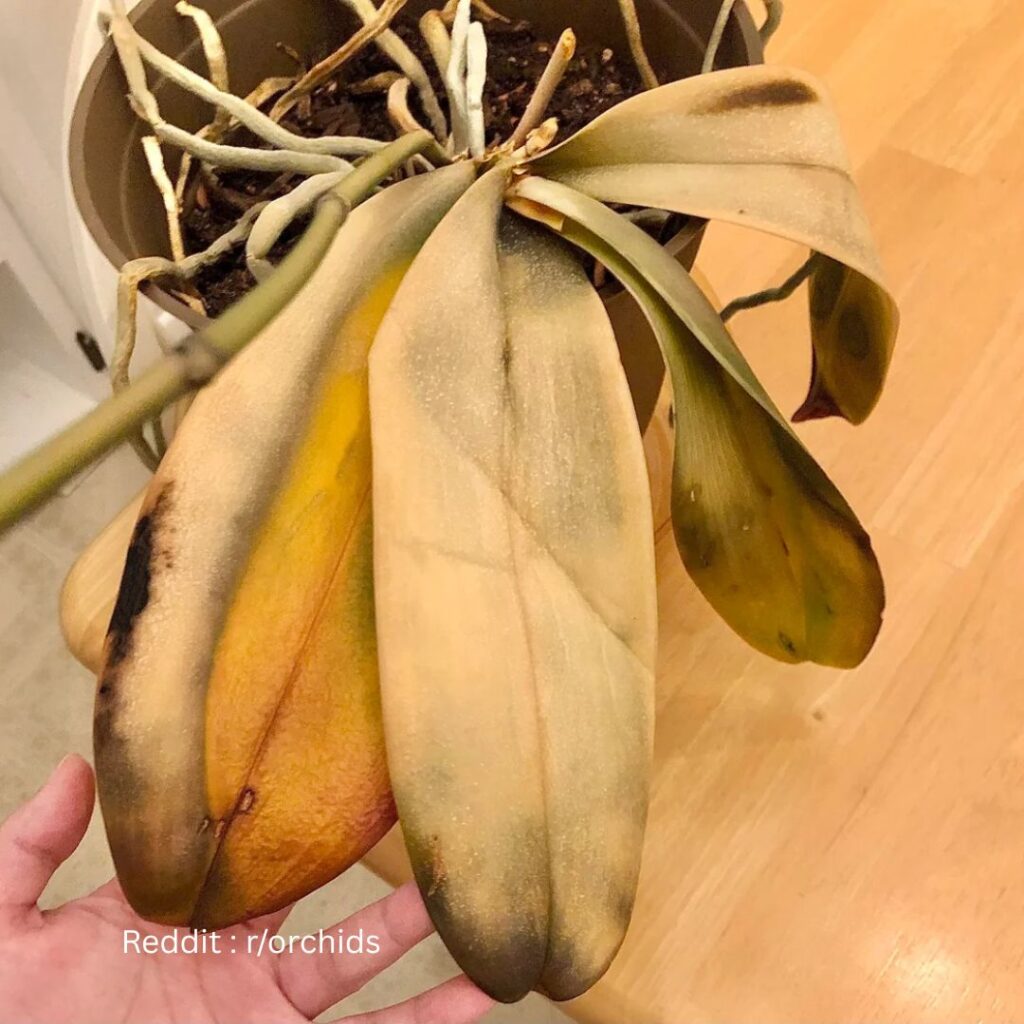
Sometimes, orchids can be a bit finicky. It’s frustrating when they don’t bloom. Let’s look at some common problems and solutions.
Light: Orchids need enough light. They like bright, indirect sunlight. Too much shade? Move them closer to a window. Too much sun? They might get sunburned.
Watering: Are you over-watering? Orchids hate that. Water them when the soil is dry to the touch. Not sure? Stick your finger in the soil to check.
Temperature: Orchids love a cozy spot. 🏡 Keep them in a place where the temperature stays between 60-80°F. Too cold or too hot can stress them out.
Humidity: Is your home too dry? Orchids enjoy 50-70% humidity. Try a humidity tray or a room humidifier. Simple, right? 😄
Fertilizer: Feed your orchids once a month. Use a balanced orchid fertilizer. Too much or too little can affect blooming. Remember: Less is more with fertilizing.
Do you talk to your plants?📢 It might sound weird, but it can actually help! Keep your orchids happy with some kind words and good vibes.
Have any tips or questions? Drop them in the comments! 🌸✨
Frequently Asked Questions
I get a lot of questions about why orchids might not be flowering. Here are some common concerns and what you can do to help your beautiful plants bloom again.
How can I encourage my orchids to bloom again?
To help your orchid bloom again, make sure it gets enough light—not direct sunlight but bright, indirect light. Also, feeding it with orchid fertilizer can make a big difference. 🪴
What might be preventing my orchid from producing flowers?
Orchids need the right temperature, humidity, and light levels to bloom. If it’s too dark or dry, your plant might sulk and skip the flowering phase. 🌸
Is there a special care routine for orchids to promote flowering?
Yes, there is! Besides regular watering and feeding, misting the leaves and roots can help. Also, keeping them in a room with good air circulation will make them happier.
What should I do with my orchid when it’s not in the blooming phase?
When your orchid isn’t blooming, don’t panic! 😊 Keep caring for it by watering sparingly and keeping the leaves clean. Trim any dead roots and leaves too.
Can environmental factors affect orchid blooming, and how can I adjust them?
Yes, they can! If your home is too dry, a humidity tray or a humidifier can help. 🌱 Adjusting room temperature by keeping it cooler at night might trigger blooming.
Why could an orchid produce leaves but fail to grow new flowers?
This could be due to lack of light or improper feeding. Ensure it gets enough but indirect sunlight and use a balanced fertilizer. Sometimes, an orchid just needs a little more TLC to flower.
Share your experiences in the comments! What’s the trick that worked best for your orchids? 🌺✨