
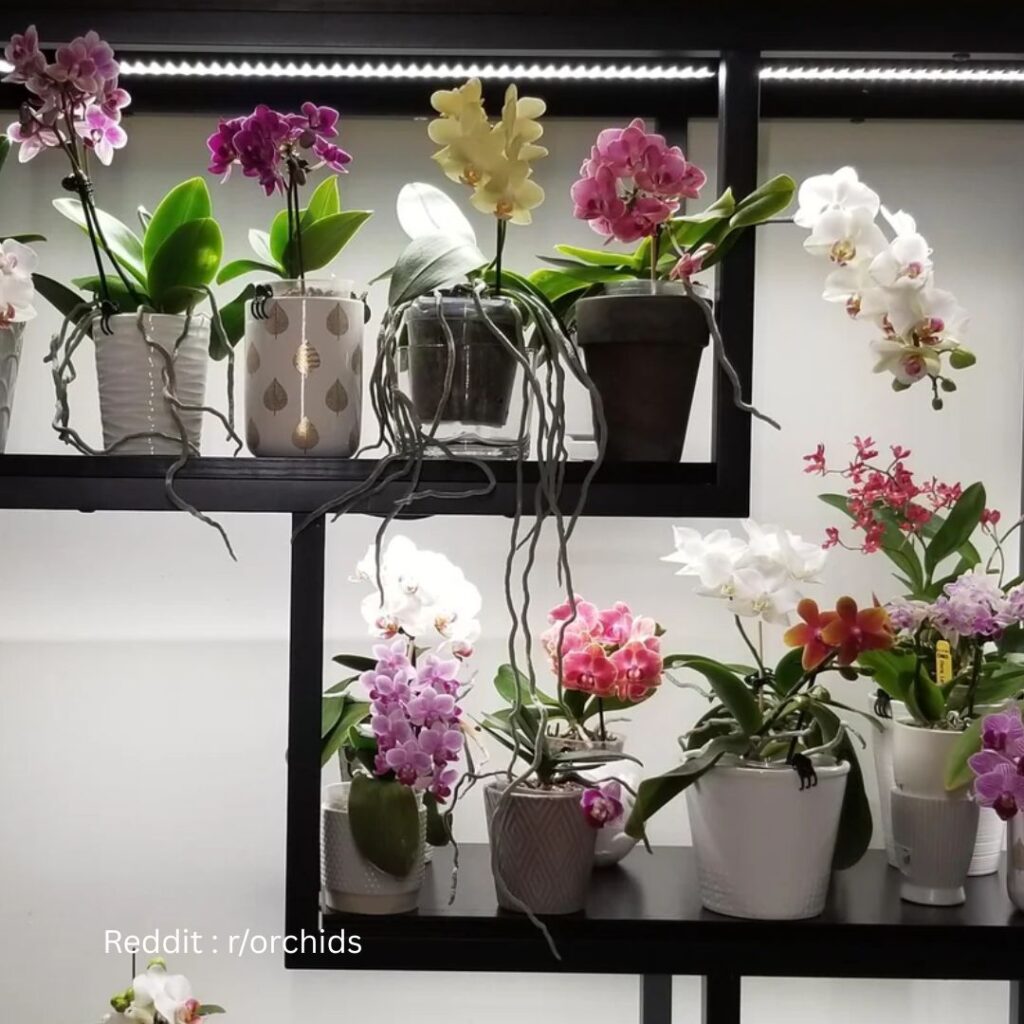
Do you have orchids at home that seem to be struggling? They start off looking beautiful but then leaves turn yellow, flowers drop, and you can’t figure out what went wrong. Watering them too much or too little is often the main culprit.
I remember when my orchid leaves started getting black spots. It turned out I had it in direct sunlight. Orchids need bright but indirect light to thrive. Have you checked where you’ve placed yours?
Temperature changes can be a big issue too. Orchids don’t like drastic shifts. Keep them in a spot where the temperature is steady, and set your thermostat to a comfortable range. 🌸 If you’ve had similar issues, share your thoughts in the comments! 💬
Understanding Orchids
Taking care of orchids might seem hard at first, but once you get to know them, it becomes much easier. Let’s look at their unique parts and different types.
Anatomy of Orchids
Orchids have some pretty cool parts. Leaves are thick and waxy. They store water and nutrients, which helps the plant survive dry times.
The roots of orchids are amazing! They often grow above the ground. They cling to trees and absorb moisture and nutrients from the air.
Stems are where the blooms grow. Some orchids have one long stem with many flowers, while others have multiple stems with fewer flowers. The blooms are the “wow” part of orchids. Their shapes, sizes, and colors can be very different.
Varieties and Their Specific Needs
There are many types of orchids. Phalaenopsis orchids, or “moth orchids,” are great for beginners. They have large blooms and do well in most homes.
Dendrobium orchids love bright light and can handle cooler temperatures. These are perfect if you have a sunny window.
Paphiopedilum orchids, known as “slipper orchids,” enjoy shade and cooler air. They can be a bit tricky but are rewarding when they bloom.
Each type has its own needs for light, water, and temperature. Knowing these can help keep them healthy 🌺. What type of orchid do you have? Share your experience in the comments! 🌸
Common Reasons for Orchid Distress

Orchids are beautiful, but they can be picky. Three main problems usually cause them to struggle: how you water them, the light they get, and the humidity they need.
Improper Watering Techniques
Getting the watering right for orchids can be tricky. Too much water? You’ll drown the roots, and they can rot. Not enough water? Your orchid will dry out and wilt.
I’ve learned that less is sometimes more. Orchids usually need watering once a week. Stick your finger in the potting mix; if it feels dry, it’s time to water. Avoid soggy roots by using a pot with good drainage holes.
And hey, use room temperature water—orchids hate cold showers as much as we do! 💦 Do you think you might be overwatering? Share in the comments!
Inadequate Lighting Conditions
Light is a big deal for orchids. Without enough light, they can’t bloom or grow well. But, too much direct sunlight can burn the leaves.
I find that placing my orchids near an east-facing window works best. They get bright but indirect light. If the leaves turn yellow, it’s a sign they need more light. Dark green leaves? They might be getting too much.
Maybe a sheer curtain can help diffuse the light. 😎 Anyone got creative lighting solutions? Comment below!
Unsuitable Humidity Levels
Orchids come from tropical areas, so they love humidity. Low humidity? They dry out. High humidity without airflow? They get moldy.
Use a humidity tray or mist the leaves lightly. I also keep my orchids in the bathroom, where it’s naturally more humid. It’s like giving them a little spa day! 🌸
Do you notice your orchid’s edges turning crispy? It might need more humidity. Got any tips for boosting humidity? Let’s chat in the comments!
Remember, understanding these common issues can help you keep your orchids happy and healthy. 🌿✨
Orchid Care Essentials
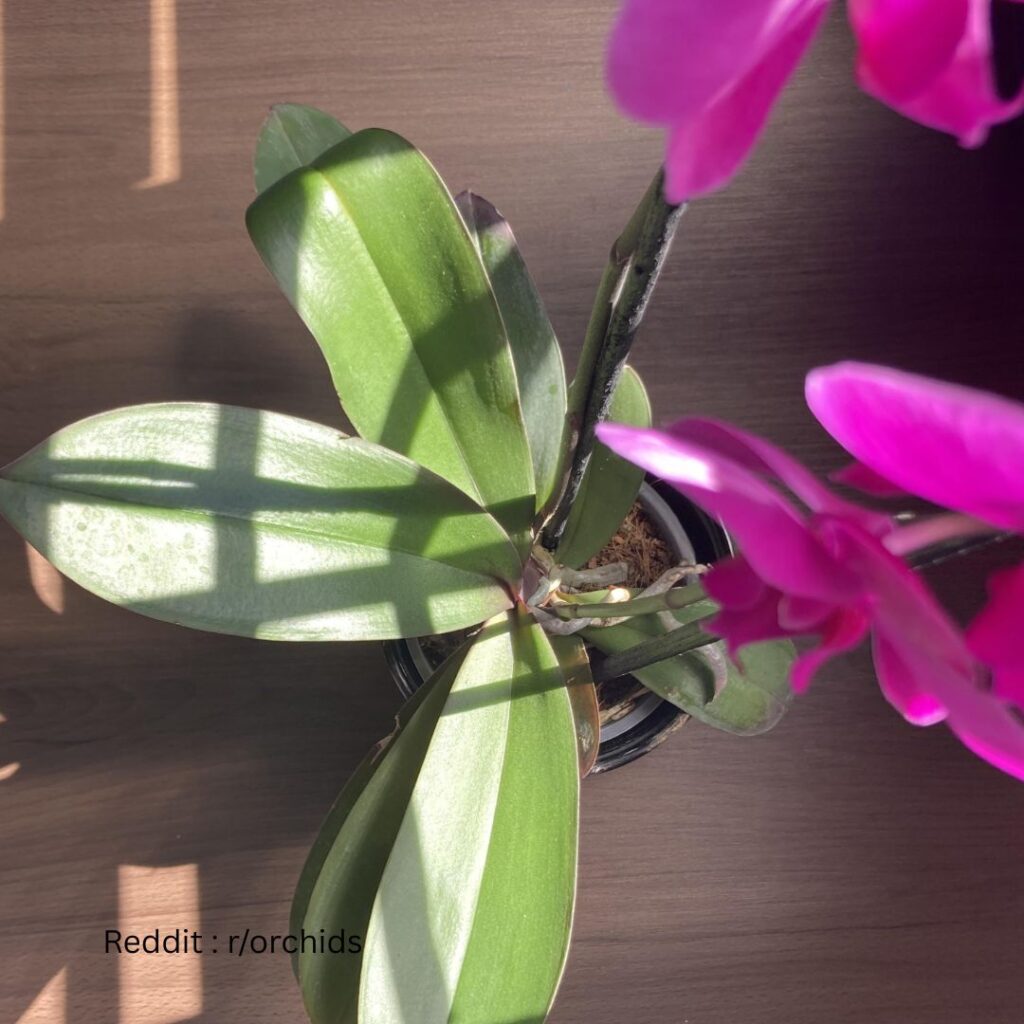
Taking care of orchids can be tricky, but it’s totally doable with some basic knowledge. Let’s look into how to water, light, and keep your orchids happy and healthy. 🌸
Optimal Watering Practices
Watering orchids isn’t like watering your average houseplant. These plants need a careful balance. Overwatering is a big no-no. I only water mine once a week.
Make sure the pot has lots of drainage holes so water doesn’t sit at the bottom. Orchids hate having soggy roots. I also let the water run through for a bit to make sure it’s well-soaked but not drowning.
I avoid using tap water because it can have chemicals. Rainwater or distilled water is a better option. It’s also good to water orchids in the morning so they dry out by night. 🌿
Lighting Needs for Orchids
Orchids love light, but not direct sunlight. Too much can burn their leaves. I put mine near a window with filtered light. North or east-facing windows usually work best.
If your orchid’s leaves are dark green, it probably isn’t getting enough light. Pale, yellowish-green leaves can mean too much light. I keep a sheer curtain to control the light when it’s too bright.
In winter, when daylight is shorter, you might need to use a grow light. Just make sure it’s not too close to avoid overheating the plant. 🌞
Maintaining Proper Humidity
Orchids thrive in high humidity. I keep a humidity level between 50% to 70% for mine. If your home is dry, especially in winter, a humidifier really helps. You can also place a shallow tray with water and pebbles under the orchid pot to boost humidity. Make sure the pot doesn’t sit directly in water.
Spraying water on the leaves can also help, but not too much. Avoid spraying the flowers to prevent spots. I usually do this in the morning so the leaves can dry off during the day. Keep an eye on the humidity level with a hydrometer. 🌧️
Got any orchid care tricks? Share them below! 💬✨
Diagnosing Orchid Problems
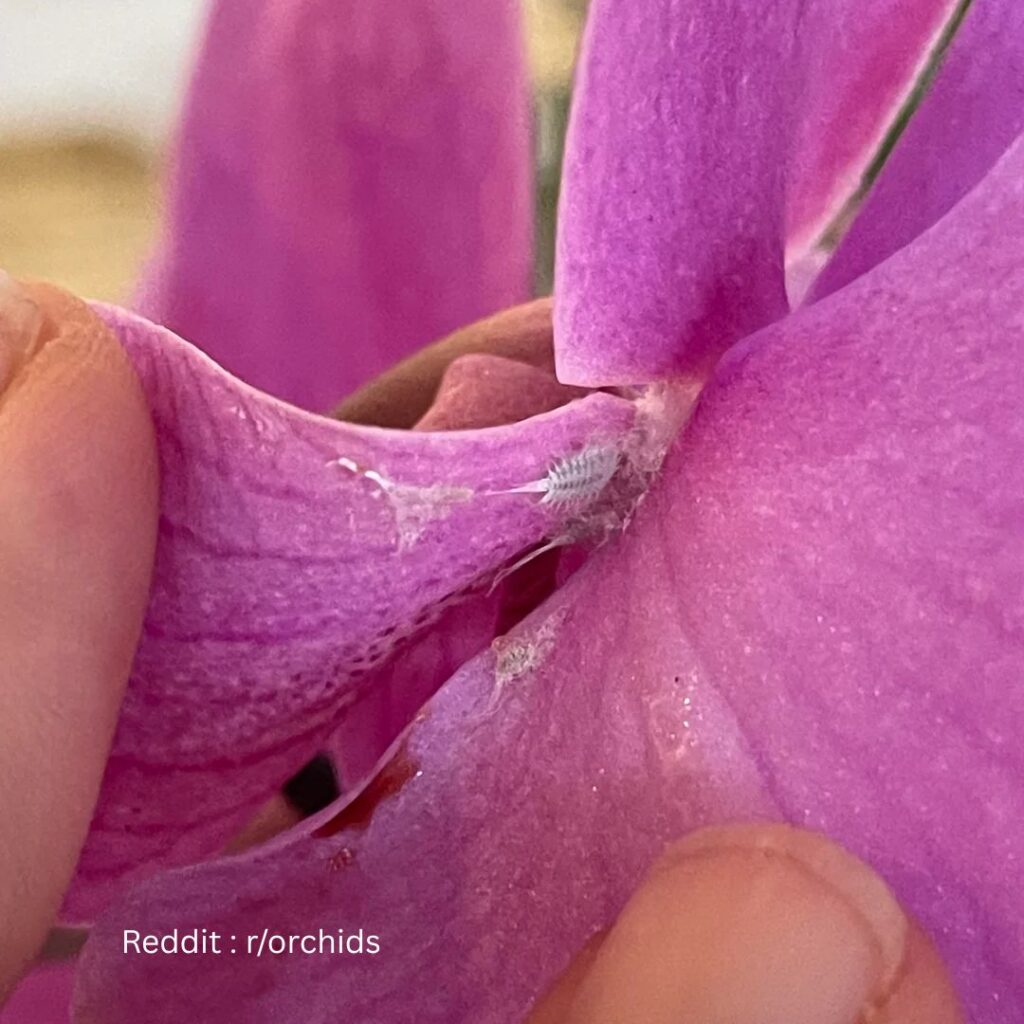
When your orchid doesn’t look its best, there are a few common culprits. Let’s go through how to spot pests, check root health, and understand what your orchid’s leaves and flowers are telling you.
Spotting Pests and Diseases
Orchids attract various pests like spider mites, aphids, and mealybugs. Have you noticed tiny webs or spots on your leaves? 😟 That’s usually a sign of spider mites. Aphids often leave a sticky residue, while mealybugs appear as white, cotton-like masses on the leaves.
To get rid of these pests, I recommend using insecticidal soap or neem oil. As a quick fix, a light mixture of water and mild liquid dish soap can work too. Just be sure to rinse it off after a few hours.
Diseases like root rot or fungal infections can be trickier. Yellowing leaves and black spots, especially those that spread, signal disease. If caught early, you can trim affected areas and use a fungicide.
Root Health and Rot Prevention
Healthy orchid roots are firm and white or green. Brown or mushy roots? They’re likely rotting. Overwatering is a common mistake. Orchids like moisture but don’t want to drown!
Always use a well-draining potting mix. A mix of bark, perlite, and sphagnum moss is a great choice. I always repot my orchids every 1-2 years to ensure good aeration. You can also place the pot on a humidity tray rather than directly watering, to keep roots from staying soggy.
Tip: Don’t forget to check your orchid’s roots regularly. Roots are like the engine of your plant, keeping it nourished and healthy.
Leaf and Flower Indicators
Leaves and flowers can give you clues about your orchid’s health. Yellow leaves are often a sign of overwatering or underwatering. Dropping flowers before their time? That might be due to sudden temperature changes or low humidity.
If leaves are wrinkled or folded, it’s likely your orchid needs more water. On the other hand, if leaves turn black and are mushy, it’s overwatered. Brown leaf tips can suggest too much fertilizer or poor water quality.
Orchids thrive in indirect light and prefer temperatures between 60-80°F. Achieving a balance is key. 😊 If you still can’t figure out what’s wrong, don’t hesitate to ask in the comments! I’m here to help.
Improving Orchid Health
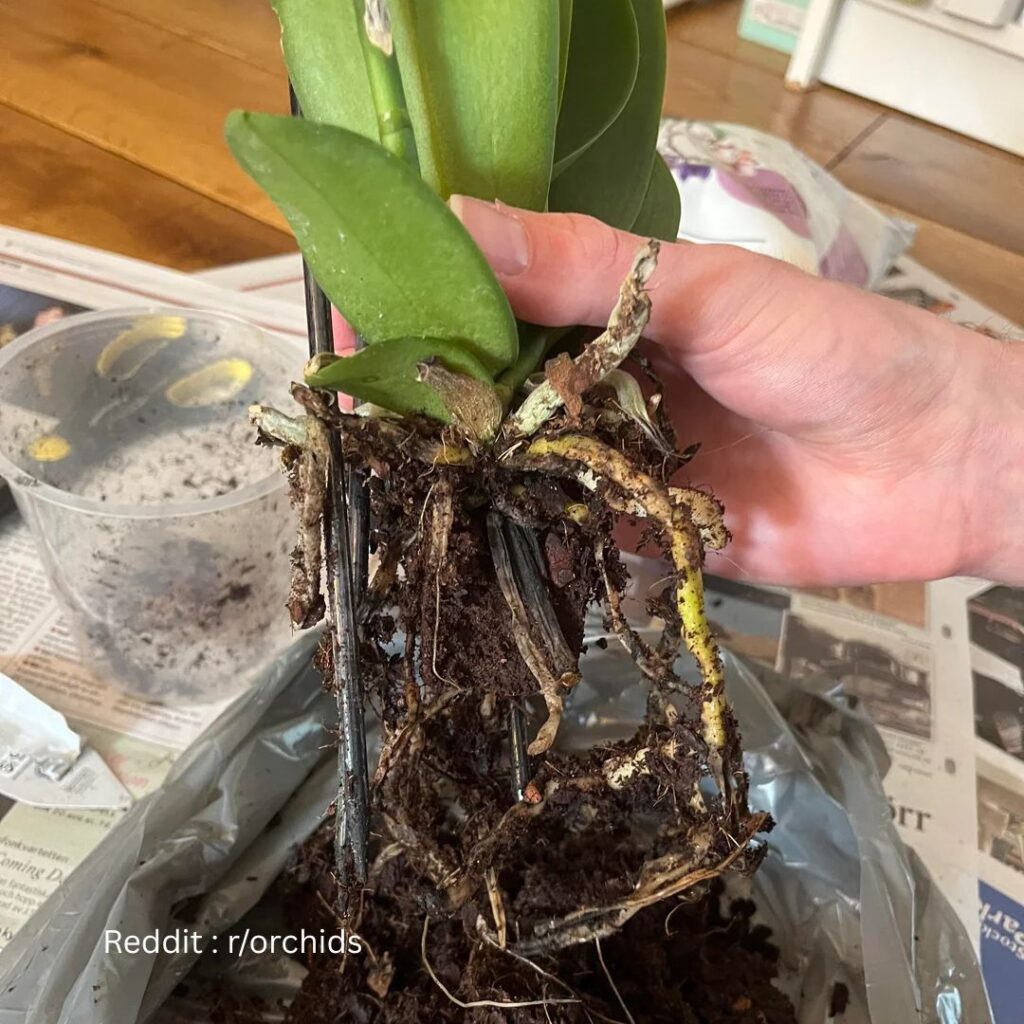
Making sure your orchids thrive involves proper repotting, correct fertilization, and regular pruning. 🌸 Let’s dive into each step to keep your orchids looking their best.
Repotting Techniques
Repotting can seem tricky, but it’s essential for orchid health. I repot my orchids every 1-2 years. I look for signs like crowded roots or when the potting mix breaks down. When repotting, it’s important to handle the roots gently.
Using a specialized orchid mix is key. These mixes often include bark, perlite, and charcoal. This helps with drainage and air circulation.
Did you know orchids hate “wet feet”? Make sure the new pot has good drainage holes. 🚿 Repotting allows the plant to breathe and grow better.
Fertilization and Nutrition
Feeding orchids the right nutrients is like giving them a boost of energy. I use a balanced orchid fertilizer. Look for one with equal parts nitrogen, phosphorus, and potassium.
I feed my orchids every two weeks during their growing season using a diluted fertilizer solution. Over-fertilizing can burn the roots. A handy trick: “weekly, weakly” is a good rule.
Orchids also enjoy a bit of humidity. A humidity tray or misting can help keep the environment just right. 🌿 If you’re using tap water, let it sit out for a day to evaporate any chlorine.
Pruning and Care Routines
Pruning is essential to keep orchids blooming beautifully. I always sterilize my tools before making any cuts. This prevents infections.
When a flower dies, I cut the spike back to where it remains green. This sometimes encourages a new bloom. If it’s all brown, cutting it to the base helps the plant save energy.
Regular care routines are my secret weapon. I check for pests and diseases weekly. 🤔 Spotted a bug? A little rubbing alcohol can remove most pests. Keeping a routine helps catch problems early and ensures a flourishing orchid.
That’s all for improving orchid health! Share your orchid care tips or ask questions below. I’d love to hear from you! 🌺✨
Creating an Ideal Environment
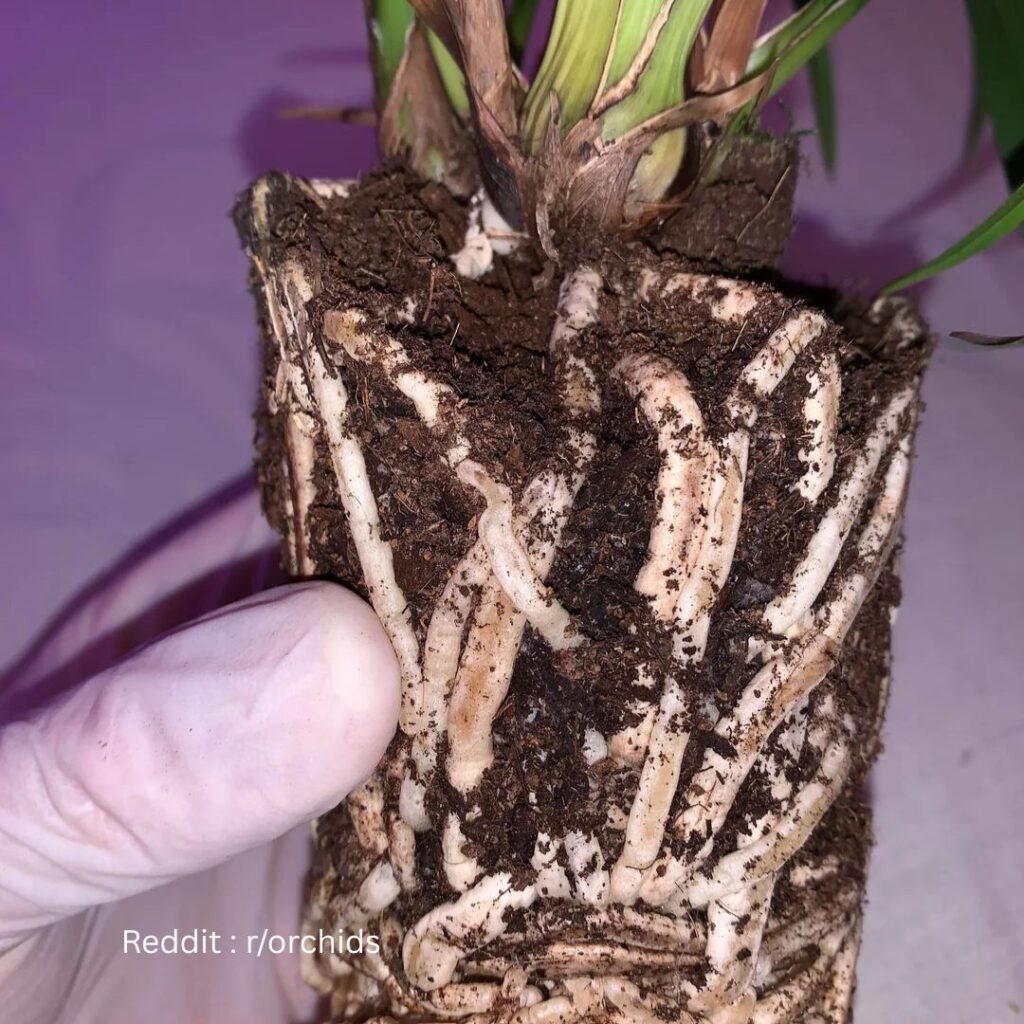
To keep your orchids healthy and thriving, it’s essential to provide the perfect environment. This includes choosing the right substrate, maintaining proper temperature, and ensuring good air circulation.
Choosing the Right Substrate
Picking the correct substrate is crucial for orchid health. Unlike regular plants, orchids need a special mix. I prefer using a bark-based mix, which helps mimic their natural habitat. A mix of bark, perlite, and sphagnum moss works great. 🌱 This allows the roots to breathe and drains excess water. Some people also use coconut husk chips or charcoal. Never use regular soil as it can suffocate the roots.
Watering is easier with the right substrate. It keeps roots moist but not wet. When you see the bark getting dry, it’s time to water again. Do you have a favorite substrate mix? Share it in the comments below! 🌼
Temperature Control for Orchids
Orchids thrive in specific temperature ranges. Daytime temperatures should be between 75°F and 85°F (24°C-29°C), while nighttime temperatures can drop to 60°F-70°F (16°C-21°C). It’s like having a mini tropical climate at home!
If your room gets too hot or cold, orchids may suffer. I use a digital thermometer to monitor temperatures. 📈 Some orchids are pickier than others, so knowing the type you have helps.
Have you noticed your orchid’s leaves turning yellow or dropping? That might be a temperature issue. Adjust room conditions to see improvements. Feel free to share your tips on keeping perfect temperatures for orchids! 🌞
Proper Air Circulation
Good air circulation is vital for orchids. Stagnant air can lead to diseases and mold. I like using oscillating fans to keep the air moving. 🍃 Make sure the fan isn’t blowing directly on the plants but rather around them.
If you’re growing orchids indoors, crack open a window occasionally. Fresh air can do wonders. Do your orchids live in a busy room where air flows naturally? That works too!
Humidity levels matter. Orchids love 50%-70% humidity. Use a humidifier if needed. Have any tricks for perfect air circulation? Drop a comment! 🌬️
Advanced Orchid Care Strategies
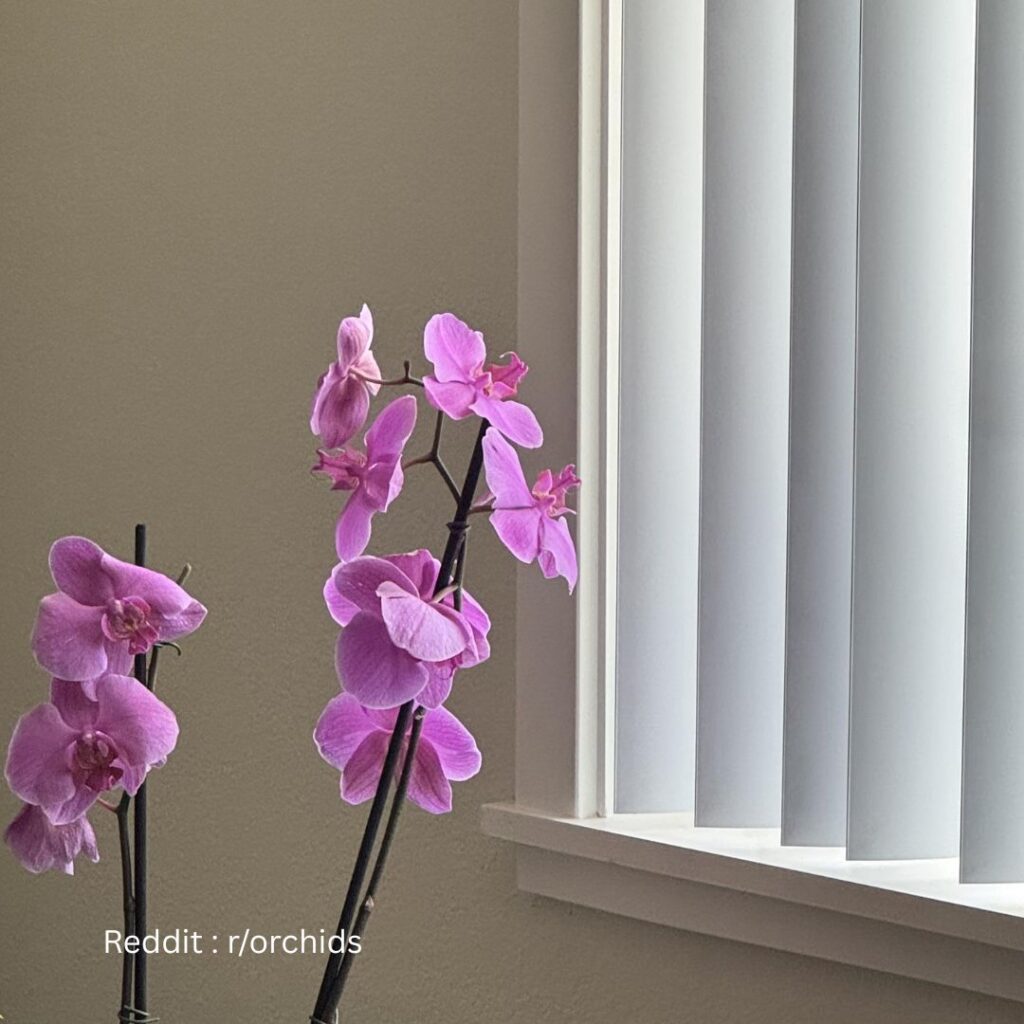
Are you struggling to keep your orchids looking their best? Let’s level up your care game with some advanced tips! 🌸
Light and Temperature
Orchids love bright, indirect light. Not enough light? They won’t bloom. Too much? They can burn! 😢 Find that sweet spot in your home with filtered sunlight.
Also, they prefer stable temperatures. Keep them cozy around 70-80°F during the day and a bit cooler at night.
Watering Techniques
Overwatering is a common killer. Use the soak-and-dry method. Let the orchid’s roots dry out between waterings. Feeling unsure? Stick your finger into the potting medium to check for moisture.
Humidity and Airflow
Orchids thrive in high humidity. Aim for 50-70% humidity. Place a tray with water and pebbles under your pot, or use a humidifier. 🌿
Good air circulation is also a must. It prevents mold and keeps your orchid happy. Use a small fan, but don’t blast the plant directly.
Feeding Your Orchid
Feed your orchid with a balanced fertilizer every two weeks during its growing season. Follow a “weakly, weekly” approach — dilute the fertilizer to half strength. Trust me, a little goes a long way!
Repotting Magic
Repot your orchid every 1-2 years. Fresh potting mix helps the roots breathe and grow strong. Do this during the orchid’s growth period, never when it’s in bloom.
Got any other tips to share or questions to ask? Drop them in the comments! I’d love to hear from you. 🌺✨
Frequently Asked Questions
Orchids can be tricky to care for. They need just the right amount of water and light. Let’s tackle some common concerns about keeping orchids healthy.
How can I tell if my orchid has been overwatered?
If my orchid’s roots look mushy and dark, it’s probably overwatered. Droopy leaves can also be a sign.
What should I do if my orchid’s leaves are turning yellow?
Yellow leaves might mean my orchid is getting too much direct sunlight. I should move it to a shadier spot.
How can I revive an orchid that appears to be dying?
First, I’ll check the roots. If they’re still firm, I’ll cut off any dead parts and repot with fresh orchid mix.
Why are the flowers on my orchid falling off?
Flowers can drop if my orchid is stressed. It could be from a change in temperature, humidity, or even just moving it around too much.
What does it mean when an orchid’s stem turns brown?
A brown stem could mean it’s time for my orchid to rest. Cutting back the stem after it turns brown helps it prepare for new growth.
How do I care for my orchids indoors to prevent them from dying?
I keep my orchids in a spot with bright, indirect light. Watering them once a week and misting their leaves helps them stay healthy. Avoiding drafts is also key!