
Caring for orchids can be quite a mystery, right? One day they look perfect, and the next, their leaves are curling! 🌿 Curling leaves can be a sign of various issues like improper watering, low humidity, or pests.
I remember when I first saw my orchid leaves curling; I panicked a bit. Was I overwatering? Underwatering? 😬 It turns out, the most common reason for curling leaves is inconsistent watering.
Have you checked the humidity level around your orchid? Orchids love humid environments, and dry air can stress them out. Let’s dive into these common issues and get your orchid leaves back to their healthy, beautiful selves! 💚 Share your orchid stories in the comments below—I’d love to hear what you’ve tried!
Understanding Orchid Physiology

Orchid leaves can give us clues about the plant’s health. By knowing their structure and signs of health, we can keep our orchids thriving. 🌸
Leaf Structure and Function
Orchid leaves are more than just pretty green parts. They’re like the plant’s lungs and stomach in one! They capture sunlight and convert it into energy through photosynthesis. The leaves also help in storing water, which makes them thick and fleshy.
The shape and size of the leaves can vary depending on the orchid species. Ever noticed how leaves can sometimes be waxy or feel rubbery? That’s because they are adapted to store water efficiently.
Besides, the leaves have tiny openings called stomata which help in gas exchange. 🌿 If the leaves look plump and firm, your orchid is likely doing well. Isn’t it fascinating how much happens in a single leaf?
Signs of Healthy Orchid Leaves
Ever wondered if your orchid is healthy just by looking at it? Healthy orchid leaves should be green, firm, and plump. They should not look thin, yellow, or too dark.
If the leaves are straight and flat, that’s a good sign. Curled or wrinkled leaves can indicate problems like underwatering or too much direct sunlight. You might even spot tiny roots growing out from the stems sometimes, and that’s perfectly normal!
A common tip I use is to gently touch the leaves. If they feel firm and have a slight waxy texture, your orchid is in good shape. So, give your orchid leaves a little TLC, and you’ll be rewarded with a healthy, happy plant! 🌿😊
Do your orchids have healthy leaves? Or are you seeing some issues? Share your experiences in the comments below! 👇🌸
Common Causes for Curling Leaves
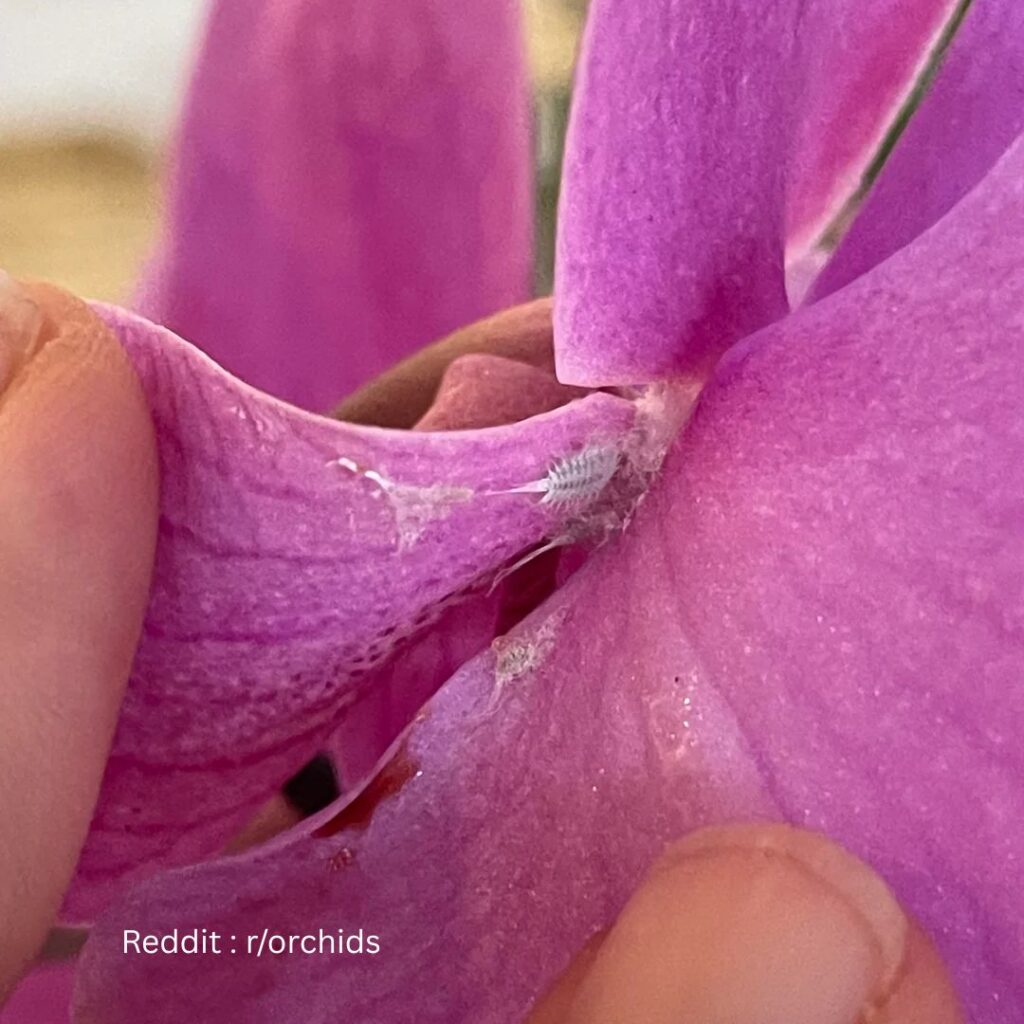
Orchid leaves can curl due to several reasons. Let’s explore the most common ones including watering issues, environmental conditions, and pest problems.
Inadequate Watering Practices
One major reason for curling leaves is improper watering. Too much or too little water can stress your orchid. Ever forget to water your plants? Same, buddy. 💧
If the roots are too dry, leaves will curl as they struggle to get enough water. On the other hand, overwatering can cause roots to rot, making it difficult for the plant to get the nutrients it needs.
To avoid these issues, stick to a regular watering schedule. Feel the soil; if it’s dry about an inch down, it’s time for a drink. Avoid watering the leaves directly; always aim for the roots!
Environmental Stress Factors
Orchids are particular about their environment. Extremes in temperature, light, and humidity can all cause leaves to curl. Ever felt grumpy in a crowded, hot room? Orchids feel the same way under poor conditions. 🌞🌧️
Too much direct sunlight can scorch the leaves, causing them to curl to protect themselves. On the flip side, low light environments can also cause stress. Ensure your orchid gets filtered light.
Humidity is another biggie. Orchids love humidity, and low humidity can make their leaves curl. Aim for a humidity level of around 50%-70% for optimal growth. You can mist them or use a humidifier to keep the air just right.
Pest and Disease Problems
Pests and diseases can be another culprit. If your orchid leaves are curling, check for pests like spider mites, aphids, or mealybugs. These tiny invaders suck the life out of the leaves, causing them to curl. 🐛
Diseases such as fungal or bacterial infections can also lead to curling leaves. Look for signs like spots, discoloration, or a foul smell. Treating these problems quickly is key. Use insecticidal soap for pests and fungicides for infections.
Ever dealt with any of these issues? Drop a comment and share your experience! 🌸
Watering Tips for Optimal Orchid Health

To keep your orchids vibrant, it’s crucial to balance their water needs and use proper watering methods. Both can impact the overall health of your orchids and prevent issues like curling leaves. Let’s get into specifics!
Determining Orchid Water Needs
Timing is everything 🌱. Orchids need water just as much as they need air, light, and nutrients. I always check the potting medium to see if it’s dry or moist. If it’s dry, it’s time to water. 💦
Orchids typically need water every 5-12 days. Frequency can vary based on the type of orchid, pot size, and environmental conditions. In summer, I water more often because the heat dries out the medium faster. Do you do that too?
Proper Watering Techniques
How you water matters! I use room-temperature water for my orchids. Plus, I avoid getting water on the leaves to prevent harmful bacteria and fungi from growing.
Here’s a neat trick: put the pot in a shallow dish of water for about 15 minutes to let it soak up what it needs. Did you know that using the “soak and dry method” can really help orchids thrive? 🌸
After watering, make sure any excess water drains out, so the roots don’t sit in water. Standing water can cause root rot, which is a big no-no.
What watering techniques work best for you? Share your tips in the comments!
Optimizing Orchid Growing Conditions
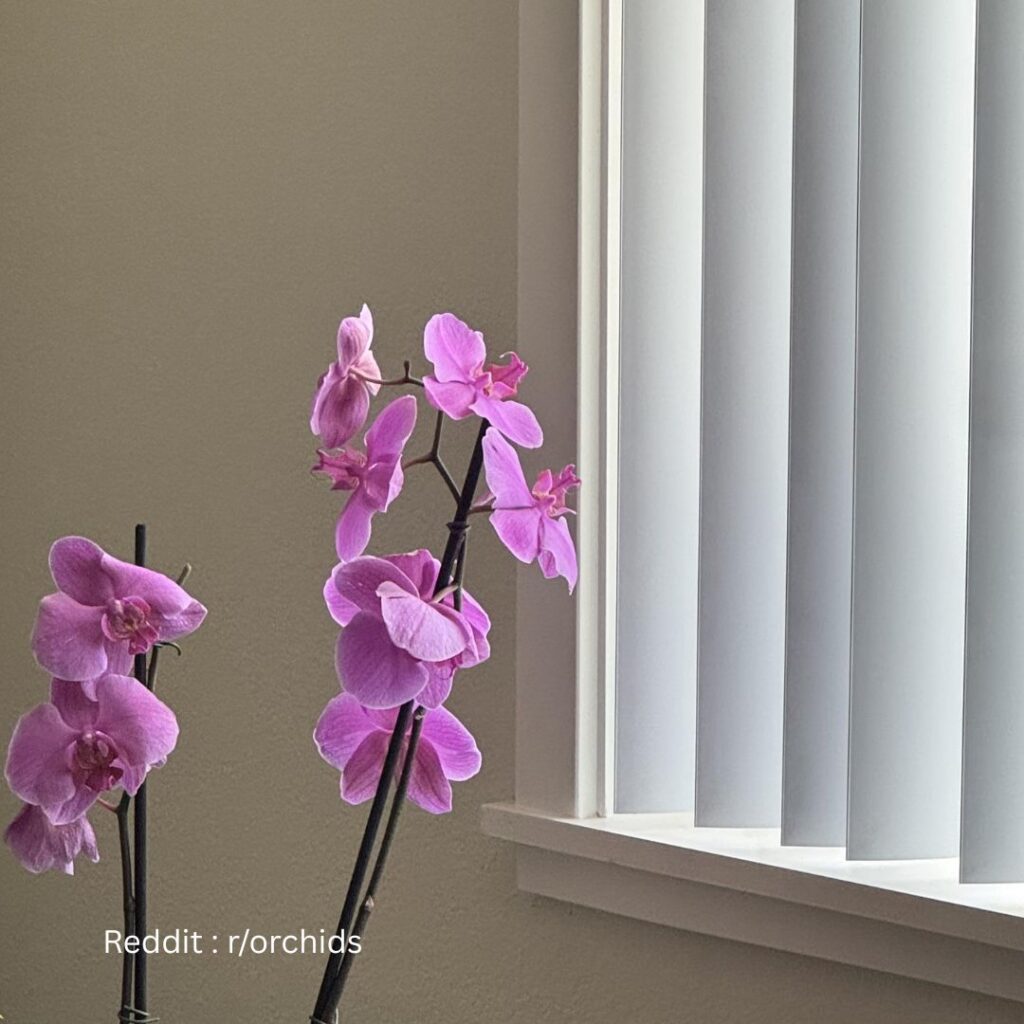
Getting your orchid to thrive can feel like a puzzle, but once you nail the right temperature, humidity, and lighting, you’ll see those beautiful blooms more often. Let’s dive into these key factors to help your orchid stay happy and healthy.
Ideal Temperature Ranges
Orchids are a bit like Goldilocks—they need things to be just right. For most orchids, the daytime temperature should be between 70-80°F (21-27°C). At night, aim for a slight drop to 60-70°F (16-21°C).
Too hot or too cold, and your orchid might throw a tantrum (aka curled leaves). If you feel comfy in the temperature, your orchid probably will too. Don’t forget to avoid drafts and sudden temperature changes!
Humidity Considerations
Orchids love humidity. Aim for about 50-70% humidity. Your home might be drier, especially in winter. A simple humidity tray or a room humidifier can work wonders.
Misting your orchid can help, but don’t overdo it—too much moisture can lead to rot. Also, good air circulation is key, so a small fan can help keep things breezy. 😅
Lighting Needs for Orchids
Orchids need bright, indirect light. Think of them as sunbathers with good sunscreen. If your orchid is in direct sunlight, the leaves might burn. Too little light, and you’ll have sad, floppy leaves.
East or west-facing windows work best. If natural light is a challenge, consider a grow light. Keep an eye on the leaves: dark green means not enough light, while yellowish-green can mean too much. 🌱
So, are your orchids getting the TLC they need? Share your orchid-growing tips or questions in the comments below!
Preventive Measures and Treatments
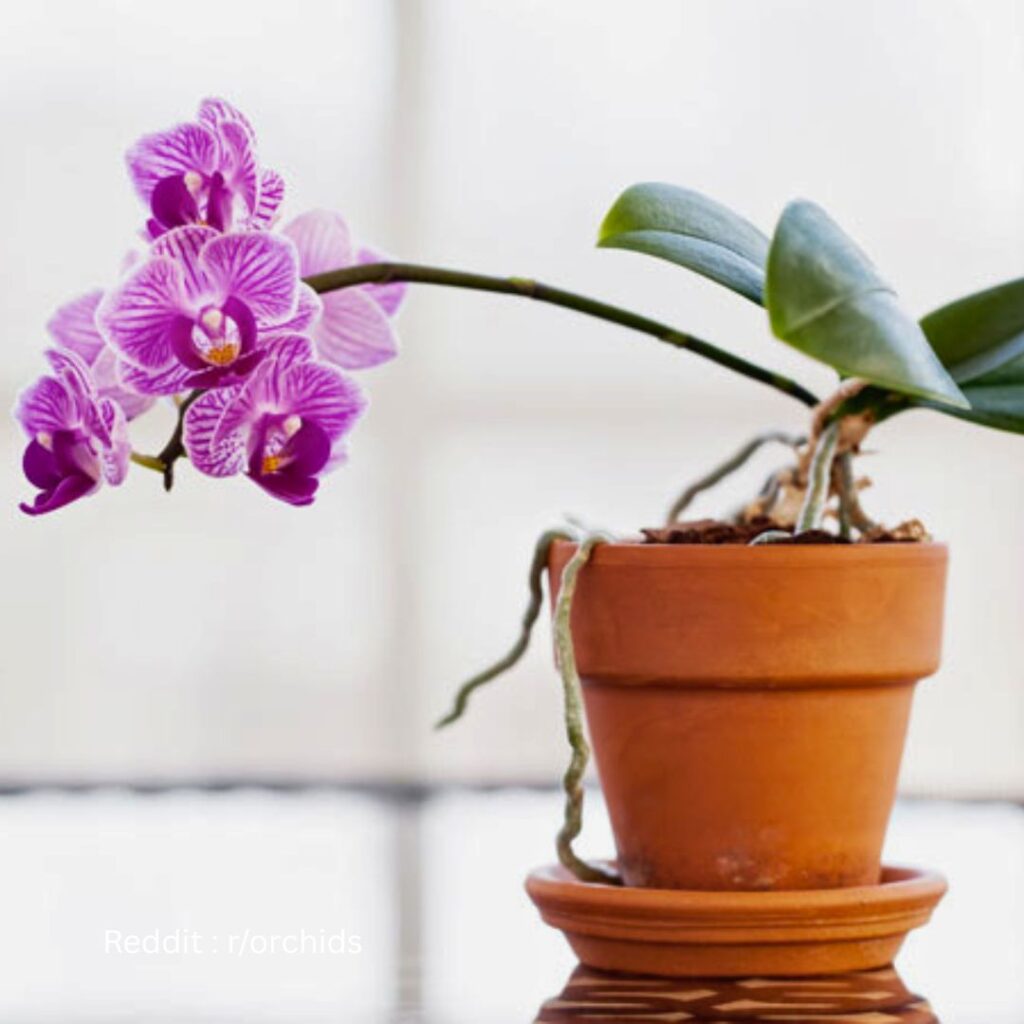
Keeping orchid leaves healthy involves regular care and attention. Here are some vital tips to prevent leaf curling and how to treat it if it happens.
Regular Monitoring Schedule
Setting up a routine to check on your orchids is crucial. I like to inspect my orchids once a week. Look for signs like wilting, yellowing, and, of course, curling leaves.
Regular checks help you catch problems early. Check the soil moisture and the leaves for pests. Don’t forget to give them a gentle wipe to remove dust.
A consistent pattern of care keeps your orchids happy and healthy. It’s like a spa day for them! 🌸 How often do you check on your orchids?
Caring for Infected Orchids
If you notice curling leaves, action is needed. Firstly, isolate the infected plant to prevent spreading any disease. Change the potting medium and clean the roots gently.
Trim away dead or infected parts using sterilized scissors. Apply treatments like neem oil for pests or a fungicide for infections. Make sure your orchid is in the right environment with adequate humidity and light.
Infections can be pesky, but with care, your orchid can bounce back. Have you ever nursed an orchid back to health? Share your tips!
Choosing the Right Orchid Pot and Medium
The pot and medium you choose play a big role in your orchid’s health. Orchids have unique root systems that need good airflow and drainage. I prefer using clear plastic pots so I can easily monitor root health.
Bark chips, sphagnum moss, or a mix of both are great mediums. Avoid regular potting soil; it holds too much moisture, which can lead to root rot.
Choosing the right pot and medium sets your orchid up for success. 🌿 What kind of pot do you use for your orchids? Let’s discuss in the comments!
Repotting Orchids

Repotting an orchid can seem tricky, but it’s actually pretty simple! 🌸
First, choose the right pot. Orchids like small, snug homes. Make sure the pot has drainage holes to let water escape.
Next, gently remove the orchid from its current pot. Be careful with the roots, they can be delicate!
Shake off old soil and trim any dead roots. If you’re not sure which roots are dead, look for ones that are brown and mushy.
Add fresh orchid mix to the new pot. Regular soil won’t do, you need a special mix that mimics their natural habitat.
Place the orchid in the new pot and fill in around it with more mix. Don’t pack it too tight, the roots need some air.
Water your orchid lightly after repotting. Orchids don’t like to be waterlogged, so just a little sip will do. 💧
Finally, find a good spot for your orchid. They love bright, indirect light. Too much sun can scorch the leaves, while too little light can make them sad.
Have you tried repotting your orchid before? Share your experiences in the comments! 💬
Fertilization and Nutrition
Have you checked what you’re feeding your orchid lately? 🌸 Nutrients play a huge role in keeping those leaves green and healthy.
First, let’s talk fertilizer. Orchids need a special kind. I usually go for a balanced formula like 20-20-20. Make sure to dilute it properly. Too much can make the leaves curl.
Here’s a quick table for the fertilization schedule:
| Season | Frequency |
|---|---|
| Spring | Weekly |
| Summer | Bi-weekly |
| Fall | Monthly |
| Winter | Stop feeding |
Are the leaves still curling despite regular feeding? Your orchid might be missing key nutrients like magnesium or calcium. You can add a little bit of Epsom salt for magnesium.
Remember, small adjustments can make a big difference 😊. Always keep an eye on any changes.
Do you have any other orchid mysteries? Share in the comments, and let’s figure it out together! 🌿
Frequently Asked Questions
Wondering why your orchid leaves are curling? Here are some common questions and answers to help you figure out what’s going on and how to keep your orchid happy and healthy. 🌸
How can I tell if I’m overwatering my orchid?
Overwatering your orchid can be a big mistake. Look for yellow, mushy roots and leaves that feel soft. 💦 Too much water can drown your plant, so make sure the pot has good drainage.
What could cause my orchid’s leaves to shrivel?
Shriveled leaves often mean your orchid is thirsty. Check the roots to see if they are dry and brittle. If they are, it might be time to give your plant a good drink.
Is there a way to help orchid leaves that have started to droop?
Drooping leaves need some TLC. Make sure your orchid is getting enough light but not too much direct sunlight. Also, check that it’s not sitting in water. Adjust watering habits as needed.
Why might my orchid’s leaves turn yellow?
Yellow leaves can be a sign of many things. It could be overwatering, underwatering, or even too much sunlight. 🧐 Look at your orchid’s environment and care routine to find the culprit.
Can an orchid recover from wrinkled leaves?
Yes, orchids can often bounce back. Give them consistent watering and proper humidity. It might take a bit, but with steady care, your orchid can thrive again.
What are the signs that I’m underwatering my orchid?
Underwatered orchids show dry, brittle roots and wrinkled, leathery leaves. If you notice these signs, increase your watering frequency slightly and monitor how the plant responds.
Is your orchid acting up? 👇 Share your experiences or questions in the comments! Let’s keep our orchids thriving together! 🌿✨