
Dahlias often stop blooming because they lack enough sun, have watering or drainage problems, receive too much nitrogen, or face heat, pests, or disease.
I know it’s frustrating when your dahlia plants grow tall and leafy but produce no dahlia blooms. I’ll help you spot the clues, from weak light and poor planting conditions to soggy soil and missed timing.
Quick Tip: Check how much direct sun your plants get before changing anything else. Leaf color, bud condition, and soil moisture can help you find the cause and choose a practical fix.
Start With Light, Timing, And Planting Conditions
I check sun exposure, soil warmth, and planting depth before blaming fertilizer or pests. Dahlias need direct sunlight, frost-free weather, and enough room underground to make strong stems and buds.
Provide Enough Direct Sun
I give dahlias at least 6 to 8 hours of direct sun each day. Full sun helps plants build the energy they need for leaves, stems, and flowers.
Morning sun works well because it dries dew from the leaves. In very hot areas, I may give plants light afternoon shade, especially where summer temperatures often stay above 90°F.
Quick Tip: I watch the planting spot from morning to late afternoon. If it gets only a few hours of sun, I move the dahlias.
Too little direct sunlight often causes tall, weak plants with plenty of green leaves but few flowers. Trees, fences, and tall vegetables can cast more shade than I expect, so I check again as the season changes.
Plant After the Last Frost Date
I plant dahlia tubers only after my local last frost date has passed and the soil feels warm. Cold, wet ground can make tubers rot before they start growing.
I wait until the soil temperature reaches about 60°F. In many areas, that means planting one to two weeks after the final expected frost, not on the exact date.
Quick Tip: I press my hand into the soil. If it feels cold and damp, like a refrigerator, I wait a little longer.
Gardeners in warm zones may plant earlier, while short-season or cool mountain areas may need to wait longer. If a late frost threatens after shoots appear, I cover the plants overnight with frost cloth or a light sheet.
Allow Time for Each Dahlia Variety to Mature
I check the days to maturity for each dahlia variety before I worry about missing blooms. Many dahlias need 90 to 120 days from planting to flowering, and some large-flowered types take even longer.
A tuber planted in late spring may not bloom until mid- or late summer. In cool regions with short growing seasons, late planting can leave little time for flowers before fall frost arrives.
Quick Tip: I mark my planting date on a calendar, then compare it with the variety’s expected bloom time.
I also remember that newly planted dahlia tubers spend time making roots first. The plant may look slow at the start, but steady growth in warm weather usually means it’s working below the soil. Early-blooming dahlia varieties can be a better choice where summers are short.
Set Tubers at the Right Depth and Spacing
I plant dahlia tubers about 4 to 6 inches deep, with the growing eye facing up. I place them in loose, well-drained soil so new roots can spread without sitting in water.
I space most plants 18 to 24 inches apart. Small dahlia varieties can sometimes grow 12 to 18 inches apart, while large varieties need more room for air and strong stems.
Quick Tip: I leave enough space to walk between plants without brushing the leaves. Crowded dahlias stay damp longer after rain.
If I plant tubers too shallow, stems can wobble and dry out quickly. If I plant them too deep in heavy, wet soil, shoots may struggle to reach the surface. I add a stake at planting time for tall varieties, so I don’t stab the tuber later.
Correct Watering and Drainage Problems
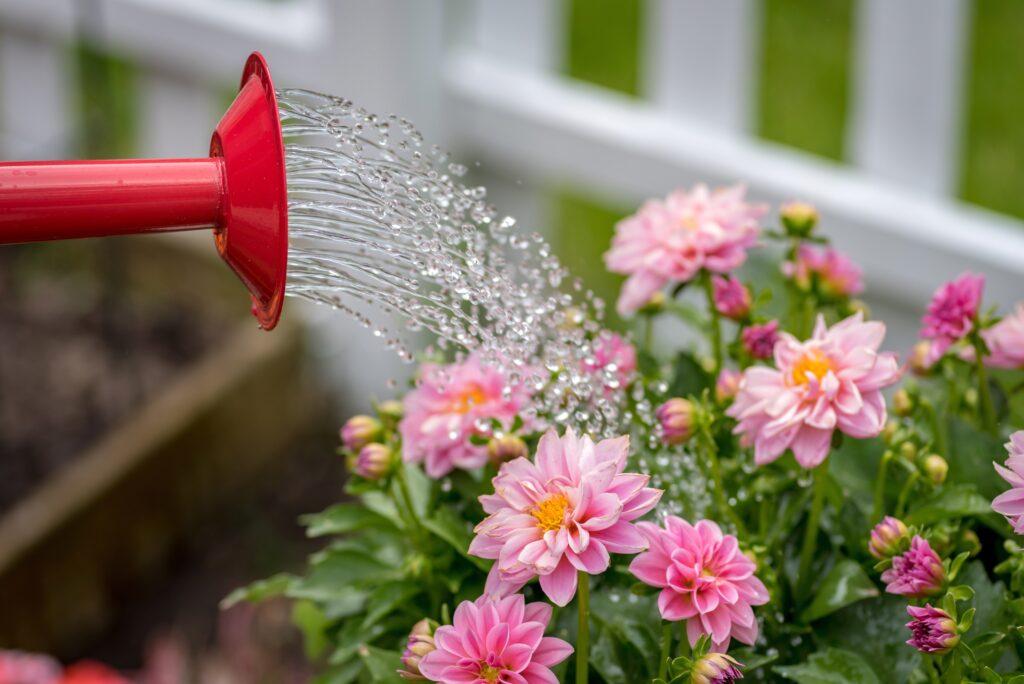
I keep dahlia soil evenly moist, but never soaked. Deep watering, healthy soil, and fast drainage help roots support strong stems and flower buds.
Maintain Consistent Moisture So Buds Do Not Dry Out
I check the soil every few days, especially during hot, dry weather. If the top inch feels dry, I water. Dahlia roots need consistent moisture while plants grow and form buds.
I avoid letting the bed swing between bone-dry and muddy. Dry soil can cause leaves to droop and buds to stop growing. Wet soil can damage roots just as quickly.
Quick Tip: I add 2–3 inches of organic mulch around each plant, leaving a small gap around the stem. Mulch keeps the soil cooler and slows water loss.
I water more often in sandy soil, windy spots, and hot summer weather. In cool or rainy areas, I cut back and let the soil dry slightly near the surface.
Use Deep Watering Instead of Frequent Surface Sprinkles
I water slowly at the base of each dahlia so moisture reaches several inches into the soil. Deep watering encourages roots to grow down, where the soil stays cooler and wetter.
A light daily sprinkle only wets the surface. It can leave deeper roots thirsty while keeping the stem area damp. That’s not a great deal for the plant.
Quick Tip: I run a soaker hose or let a gentle hose trickle near the plant for 20–30 minutes, then check the soil with my finger or a small trowel.
I water in the morning when possible. Leaves dry faster, and the plant has water before afternoon heat arrives. I avoid spraying foliage late in the day, especially during humid weather.
Prevent Root Rot When Soil Stays Wet After Rain
I hold off on watering if the soil feels cool, dark, and wet below the surface. Dahlias need moisture, but roots need air too. Soil that stays soggy can lead to root rot.
I watch for yellowing lower leaves, weak growth, and stems that look soft near the soil line. These signs can mean roots have sat in wet soil for too long.
Quick Tip: I move container dahlias under cover during long rainy periods, if possible. I also make sure pots have open drainage holes and never sit in a water-filled saucer.
I can’t control every storm, but I can stop adding extra water. In rainy zones or during wet summers, I check the soil before reaching for the hose.
Improve Clay Soil and Poor Drainage Before Planting
I improve clay soil before planting because it can hold water like a heavy sponge. I mix in compost, leaf mold, or well-rotted manure to support soil health and create more air spaces.
I don’t add sand alone to heavy clay. It can make the soil dense and hard. Organic matter works better over time, though it may take more than one season.
Quick Tip: I plant dahlias in raised beds when water puddles in the garden after rain. A bed 8–12 inches high gives tubers a drier, safer root zone.
I also avoid planting in low spots where rain collects. If water remains on the soil surface for more than a few hours, poor drainage needs fixing before dahlias can bloom well.
Balance Fertilizer for Flowers Rather Than Leaves
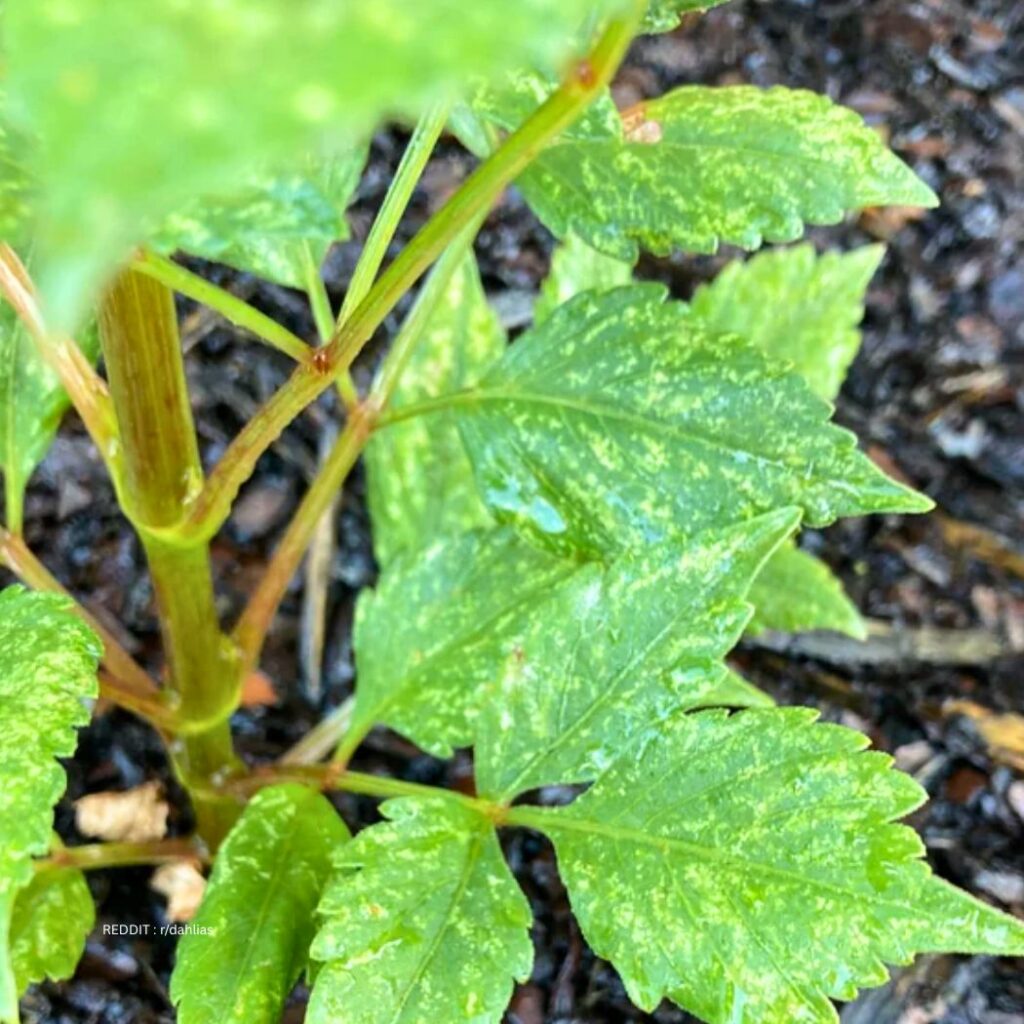
I feed dahlias for blooms, not giant green leaves. The right balance limits nitrogen while giving roots and buds the phosphorus and potassium they need.
Recognize the Signs of Too Much Nitrogen Before Buds Stall
Too much nitrogen makes my dahlias grow fast, tall, and leafy. The leaves often look deep green and soft, while the stems may become long and floppy. That sounds healthy, but it can mean fewer flower buds.
I look for a plant that keeps adding leaves but shows little sign of buds by midsummer. I also check whether I used lawn fertilizer, fresh manure, or a high-nitrogen plant food nearby. These products can push leafy growth hard.
Quick Tip: If my dahlia looks lush but has no buds, I stop using nitrogen fertilizer for the rest of the season.
Rain can wash fertilizer deeper into the soil, especially in wet climates. In hot, dry areas, I avoid adding fertilizer to thirsty plants because dry roots can burn.
Choose a Low-Nitrogen Fertilizer That Supports Bud Formation
I choose a low-nitrogen fertilizer once my dahlias have established roots and started active growth. The first number on a fertilizer label shows nitrogen. I look for a smaller first number than the other two, such as 5-10-10 or 4-8-12.
| Label number | Main job for dahlias |
|---|---|
| Nitrogen (N) | Leaf and stem growth |
| Phosphorus (P) | Root growth and flower development |
| Potassium (K) | Stem strength, plant health, and bloom support |
I apply fertilizer at the label rate around the root zone, then water it in. I don’t pile it against the stem. More fertilizer doesn’t mean more flowers; it can simply make a bigger leafy plant.
Quick Tip: I skip high-nitrogen feeds, including many lawn fertilizers, near my dahlia beds.
Use Phosphorus and Potassium Responsibly Instead of Overfeeding
Phosphorus and potassium can support dahlias, but I don’t add a high-phosphorus fertilizer without a reason. A soil test tells me whether my soil actually lacks these nutrients. Many garden soils already contain enough phosphorus.
Too much phosphorus can build up in soil and run off into water after heavy rain. I use only the amount my soil test or fertilizer label calls for. I also keep fertilizer off paths, drains, and bare soil where rain can carry it away.
Potassium helps dahlias make sturdier stems and cope with heat or dry spells. Still, it isn’t a cure for poor light, crowded plants, or weak soil.
Quick Tip: I use a low-nitrogen fertilizer in measured doses, not a heavy dose of bloom booster.
Build Better Soil With Compost and Organic Matter First
I mix finished compost and other organic matter into the planting area before I plant dahlias. Compost helps soil hold moisture while still draining well, which matters because dahlia tubers can rot in soggy ground.
I use compost that looks dark and crumbly and smells earthy. I avoid fresh manure because it may contain too much nitrogen and can encourage leafy growth. A 1- to 2-inch layer worked into the top few inches of soil is usually enough.
Compost doesn’t replace fertilizer when soil nutrients run low, but it helps nutrients stay available to roots. In cool northern zones, soil warms slowly, so I wait until the ground has warmed before planting and feeding.
Quick Tip: I add compost yearly, but I keep it modest so my dahlias get steady growth instead of a nitrogen-heavy feast.
Help Plants Direct Energy Into More Flowers
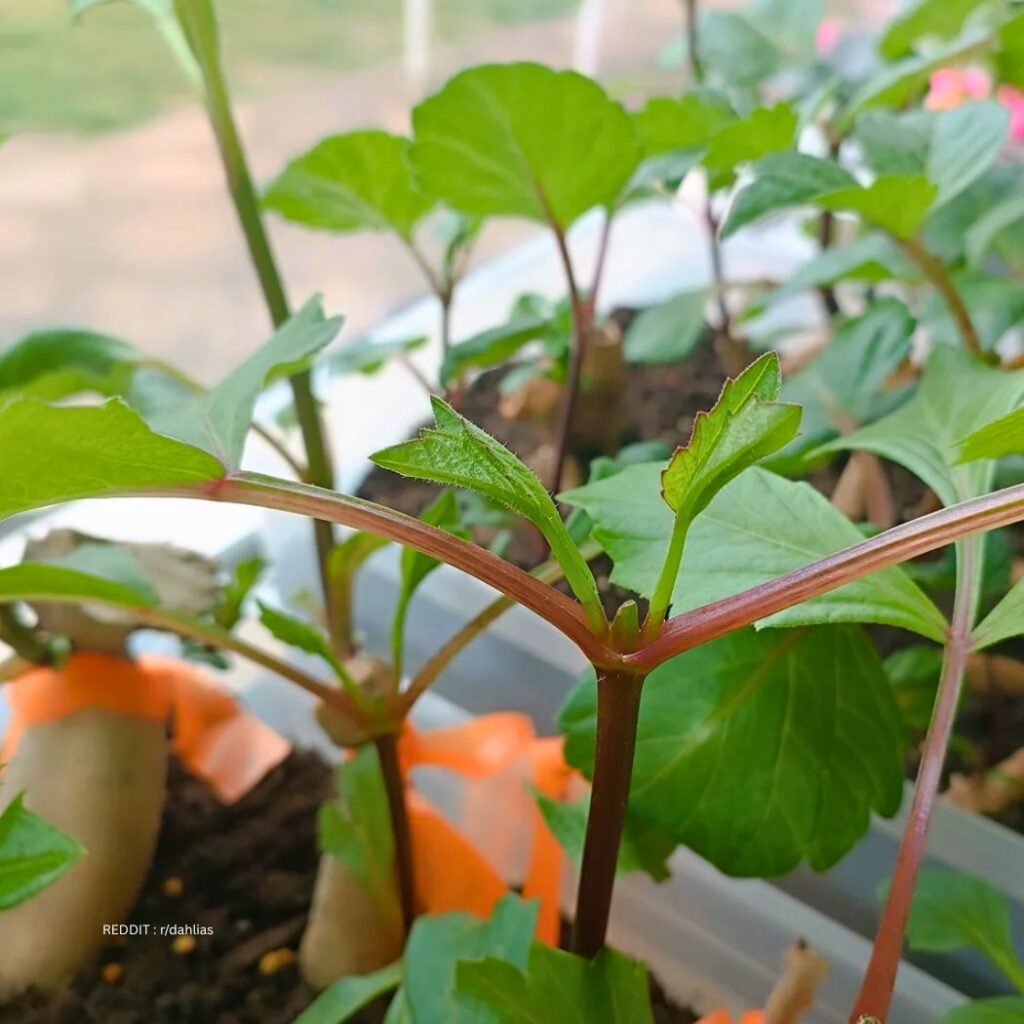
I help dahlias make more blooms by shaping young growth, removing faded flowers, and leaving healthy buds alone. Small cuts at the right time can make a big difference.
Pinch Young Plants for Stronger Branching
I pinch dahlias when they reach about 12 inches tall and have at least three or four pairs of leaves. With clean fingers or snips, I remove the top growing tip just above a pair of leaves.
This cut encourages two side shoots to grow. More branches usually mean more places for dahlia buds and flowers to form. The plant may look a little bare for a few days, but it soon fills out.
Quick Tip: I pinch only once, early in the season. Pinching late delays dahlia blooms, which matters in short growing seasons or cool zones.
I do not pinch every type. Small-flowered plants, including many pompon dahlias, often branch well without much help. I also skip pinching weak, newly planted, or heat-stressed plants until they recover.
Remove Spent Flowers Correctly to Keep Buds Moving
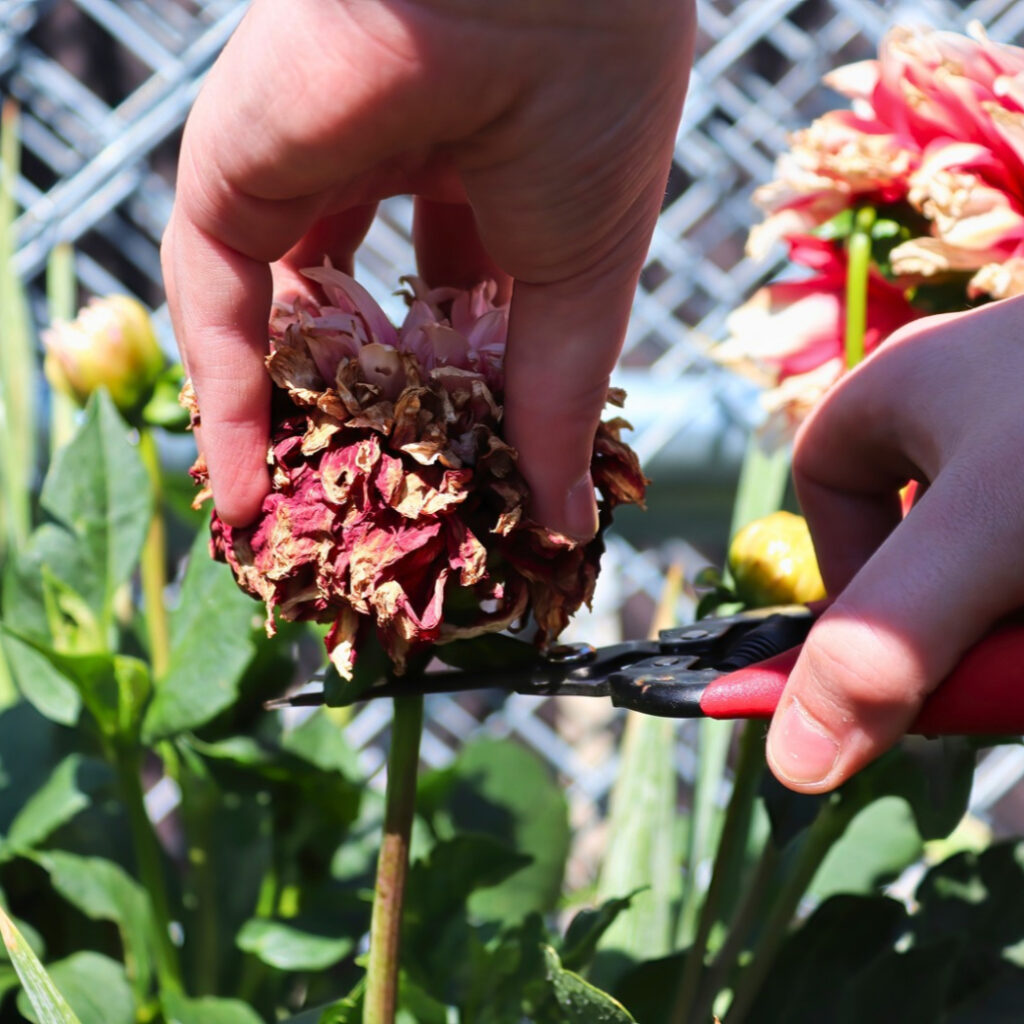
I deadhead spent flowers as soon as their petals fade, turn brown, or feel dry and papery. A fading bloom can sit beside a fresh bud, so I look closely before cutting.
I follow the flower stem down to the first strong set of leaves or a side shoot, then cut just above that point. Cutting only the flower head leaves a short stem that will not make another bloom.
Quick Tip: I remove the round, firm seed head too. It often hides behind faded petals and tells the plant to focus on seeds instead of new flowers.
I check plants every few days during peak bloom. After rain, I also remove soggy, rotting flowers before they attract pests or disease.
Know When Dahlia Buds Need Patience Rather Than Intervention
I leave firm, green dahlia buds alone, even when they seem slow. Buds can pause during cool nights, long rainy spells, or sudden heat, and they still need time to open.
I watch for signs of a healthy bud: it feels solid, stays green, and slowly gets larger. I do not cut it because it looks small or sits still for several days. Dahlias can be stubborn, but they aren’t always in trouble.
Quick Tip: I remove buds only if they turn brown, feel soft, or dry up before opening.
I also avoid pulling apart tight petals. That can tear the flower and invite rot, especially after wet weather. Healthy dahlia buds usually open when conditions settle and the plant has enough water.
Protect Buds From Heat, Pests, and Disease
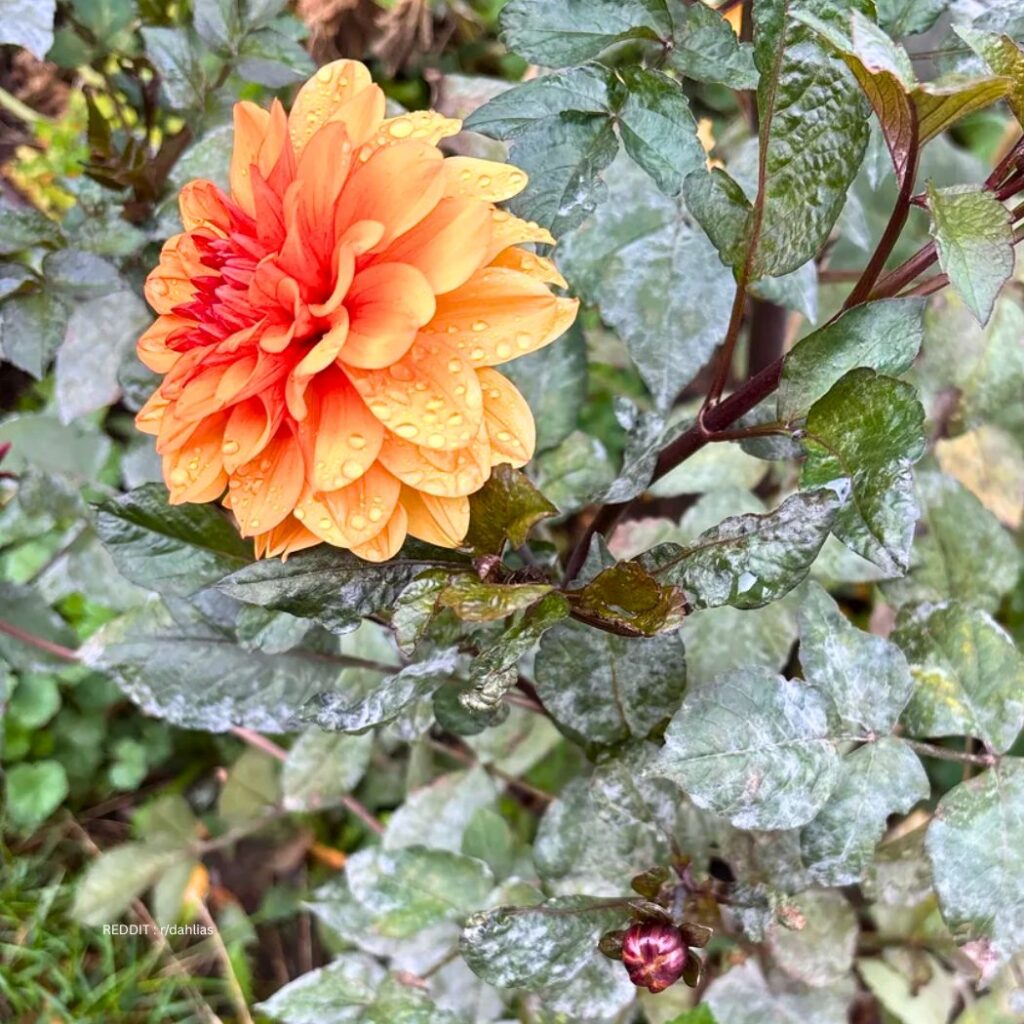
I protect dahlia buds by keeping soil moisture steady, checking plants often, and improving airflow. Heat, chewing pests, and fungal growth can stop buds before they open.
Reduce Heat Stress and Moisture Swings
I water dahlias deeply when the top inch of soil feels dry, especially during hot, dry spells. I aim the water at the soil early in the day so leaves dry before nightfall.
A 2- to 3-inch layer of mulch helps the soil stay cooler and slows water loss. I keep mulch a few inches away from stems, since wet mulch against the stem can cause rot.
Quick Tip: I check plants after a hot afternoon. Limp leaves that recover by morning usually signal heat stress; leaves that stay limp may mean the plant needs water.
In very hot areas, such as Zone 8 and warmer, I give dahlias light afternoon shade during heat waves. Shade cloth works well, but dense shade can reduce blooms.
Inspect for Thrips, Earwigs, Slugs, and Mites
I inspect buds and the undersides of leaves every few days. Thrips leave pale streaks, browned petal edges, and buds that look damaged before opening.
Earwigs chew ragged holes in petals and buds, while slugs leave shiny slime trails and smooth-edged holes. I hand-pick slugs at dusk and place rolled-up damp newspaper or shallow traps near the plants for earwigs.
Quick Tip: I gently tap a damaged bud over white paper. Tiny, fast-moving insects may point to thrips or mites.
Mites cause fine pale speckles and may leave thin webbing under leaves, especially in hot, dry weather. I spray the leaf undersides with a firm stream of water in the morning, then use insecticidal soap if damage continues.
Limit Powdery Mildew With Better Airflow
I watch for powdery mildew, which looks like dusty white or gray patches on leaves. It often appears when days are warm, nights are cool, and foliage stays crowded or damp.
I space plants well, remove weeds around the base, and cut off leaves that touch the soil. If stems become crowded, I remove a few weak inner shoots so air can move through the plant.
Quick Tip: I water the soil, not the leaves. Wet foliage late in the day gives mildew an easier start.
I remove badly infected leaves and put them in the trash, not the compost pile. I clean pruners between plants with rubbing alcohol or a disinfectant wipe to avoid spreading disease.
Use the Symptoms to Choose the Right Fix
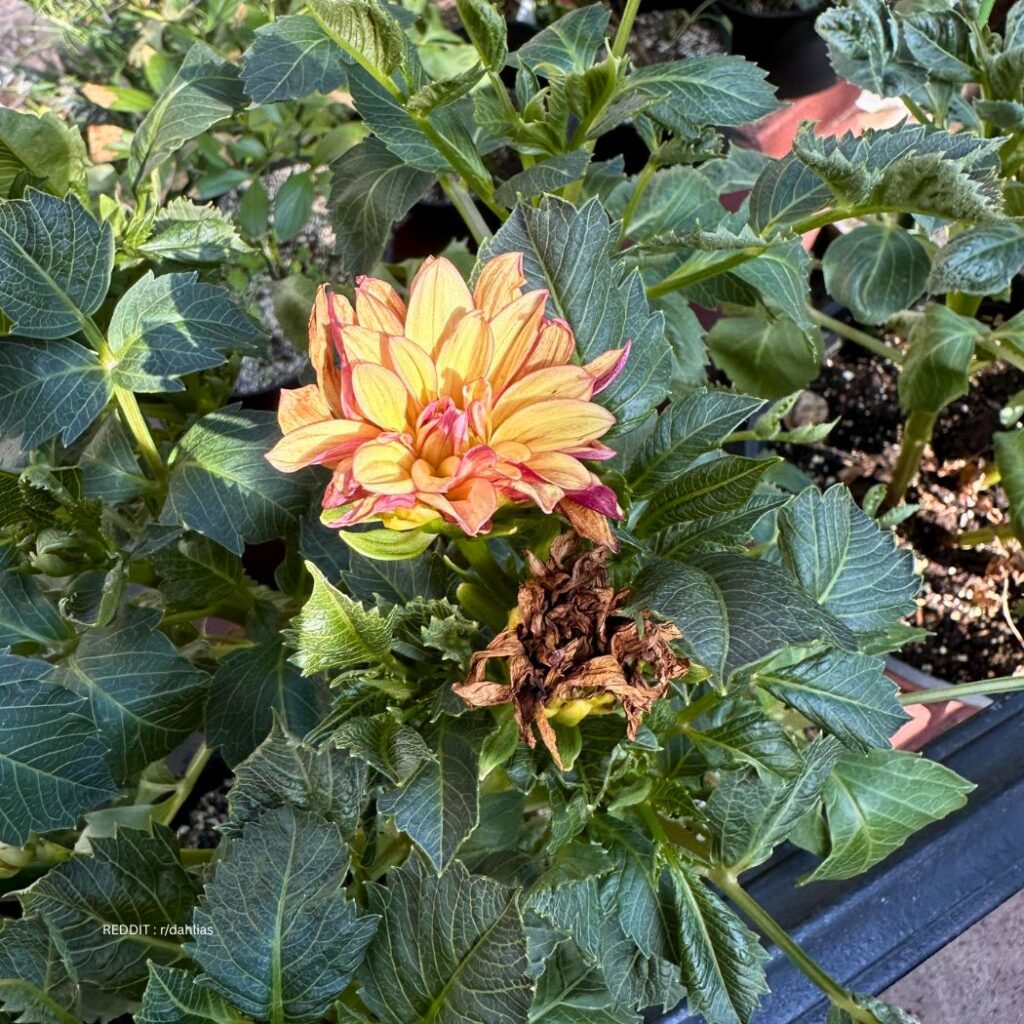
I look at the leaves, stems, and buds before changing anything. The pattern often points to too much fertilizer, poor light, uneven water, or weather stress.
Lush Leaves but No Buds
When my dahlia plants grow tall with deep green leaves but make no dahlia buds, I check fertilizer first. Too much nitrogen pushes leafy growth instead of flowers.
I stop using lawn fertilizer and high-nitrogen plant food. Then I switch to a low-nitrogen bloom fertilizer and follow the label rate. Overfeeding will not make a dahlia bloom faster. It usually does the opposite.
I also check sunlight. Dahlias need at least 6 to 8 hours of direct sun each day. A spot with bright shade may look fine, but it often produces leaves instead of blooms.
Quick Tip: I pinch the main stem only when young plants reach about 12 inches tall. After midsummer, I stop pinching so new stems can form flowers.
Buds That Brown, Drop, or Fail to Open
Brown or falling dahlia buds often signal water stress, heat, or insect damage. I check the soil about 2 inches down. If it feels dry, I water slowly at the base until the root area is moist.
I aim for deep watering once or twice a week rather than a light daily sprinkle. Hot, dry wind can dry out buds fast, especially in containers.
Tiny insects such as thrips may damage unopened buds. I look for pale streaks, brown petal edges, or tiny moving insects inside the bud. I remove badly damaged buds and treat pests with insecticidal soap if needed.
Quick Tip: I water in the morning and keep mulch 2 to 3 inches deep around the plants. Mulch keeps the soil cooler and slows moisture loss.
Weak Growth and Yellowing Leaves
Weak stems and yellow leaves can mean poor soil drainage, low nutrients, or roots that stay too wet. I check whether water pools around the dahlia after rain. Dahlias dislike soggy ground, and tubers can rot in it.
If the lower leaves turn yellow while new growth stays green, the plant may need balanced feeding. I use a fertilizer with less nitrogen than phosphorus and potassium, such as a 5-10-10 blend.
Yellow leaves with soft stems may point to overwatering or rot. I cut away damaged growth and let the soil dry slightly before watering again. Longfield Gardens also recommends planting tubers in loose, well-drained soil.
Quick Tip: I stake tall dahlia plants early. Strong support prevents bent stems and keeps buds off damp soil after heavy rain.
When to Wait Until Next Season
Sometimes dahlias not blooming has nothing to do with a mistake. Late-planted tubers, cool summers, and short growing seasons can delay flowers. In cooler zones, frost may arrive before a late variety has time to bloom.
I give late-season plants full sun, steady water, and no heavy feeding. I also remove spent flowers so the plant puts energy into new buds instead of seeds.
If frost comes before blooms open, I mark the plant and try again next year. I can plant earlier after the last frost, choose earlier-blooming varieties, or start tubers indoors several weeks before planting time.
Quick Tip: I do not dig up a healthy dahlia just because it blooms late. I wait until frost blackens the foliage, then lift and store the tubers where winters are cold.
Frequently Asked Questions
I look at light, feeding, water, pot size, and bud health when dahlias grow well but do not flower. Weather matters too, especially during cool, wet summers or short growing seasons.
Why are my dahlias growing lots of leaves but no flowers?
I often find that too much nitrogen causes this problem. Nitrogen makes lush, green leaves, but it can delay flowers. I stop using lawn feed or high-nitrogen fertilizer near my dahlias.
I also check sunlight. Dahlias need at least six hours of direct sun each day, and eight hours usually brings better blooms.
Quick Tip: I switch to a low-nitrogen fertilizer with more phosphorus and potassium once buds begin to form.
Why are my dahlias not flowering in pots?
I make sure the pot is large enough. A small pot dries out fast and crowds the roots, which can slow bud growth. I use a container at least 12 inches wide and deep for smaller varieties, and a larger one for tall types.
I also keep potted dahlias in full sun and water them deeply when the top inch of soil feels dry. Pots can get hot and dry quickly in windy weather.
Quick Tip: I check pots daily during hot spells because dry roots can cause buds to drop before opening.
How can I encourage my dahlias to bloom?
I plant dahlias where they get strong sun and loose, well-drained soil. I water at the base instead of spraying the leaves, then let excess water drain away.
I also deadhead faded flowers and remove damaged buds. This tells the plant to keep making new blooms rather than putting energy into seeds.
Quick Tip: I cut spent flowers back to the next leaf joint, not just below the flower head.
Why are my dahlia buds not opening?
I check for thrips, earwigs, and aphids around tight buds. These pests can damage petals before they open, leaving buds stuck, brown, or misshapen.
Cool, damp weather can also slow opening. In areas with mild summers or early fall chills, buds may take longer than expected.
Quick Tip: I gently inspect buds in the morning and remove pests by hand before they hide deeper in the petals.
When should dahlias start blooming?
I expect most dahlias to bloom about 8 to 12 weeks after planting, often from midsummer until the first frost. Plants started from tubers in spring may bloom later than plants started indoors.
Bloom time changes by climate. In warm zones, dahlias may start earlier, while gardeners in cooler zones may wait until August.
Quick Tip: I mark my planting date on a calendar so I can tell whether the plant is late or simply still growing.
Why are my dahlia buds turning brown or rotting?
I suspect too much moisture when buds turn soft, brown, or mushy. Rain, overhead watering, and poor airflow can encourage fungal problems, especially during humid weather.
I remove damaged buds and clear fallen leaves from the soil. I also space plants well, so air can move around them.
Quick Tip: I water the soil early in the day, so the leaves and buds dry before evening.