
You step outside to check your chrysanthemums, and those bright green leaves now look pale and tired. I know how frustrating that feels.
You want full, healthy mums—not yellow leaves that make the plant look weak.
Chrysanthemum leaves turn yellow most often because of watering problems, low nutrients, pests, disease, or normal seasonal aging. If you spot the change early, you can usually fix it fast and help your plant bounce back.
Common Patterns of Yellowing Leaves
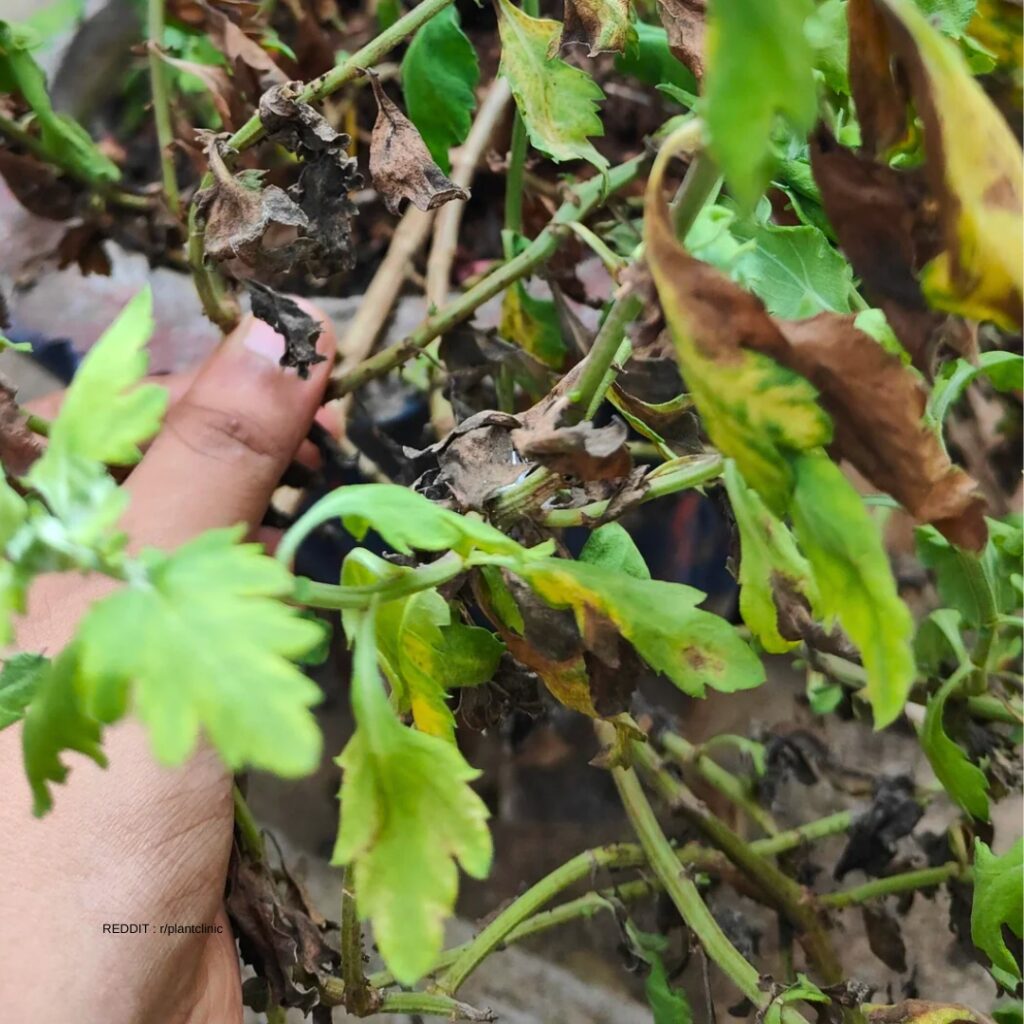
Yellowing leaves on chrysanthemums don’t always mean the same thing. I look at where the color change starts, how fast it spreads, and what else the plant shows before deciding what to do.
Yellowing at the Base vs. Across the Plant – What the Location Tells Me About the Problem
When yellow leaves start at the bottom, I first think about water and light. Lower leaves get less sun and dry out more slowly.
If the soil stays wet, roots struggle, and the oldest leaves turn yellow first. I check the soil with my finger—if the top inch feels soggy or smells sour, I ease up on watering.
Quick Tip: Let the top inch of soil dry before you water again, especially in cool or rainy weather.
If yellowing shows up all over the plant at once, I suspect poor drainage, root damage, or a nutrient shortage. Container mums often show this when roots fill the pot.
I gently slide the plant out to see if roots circle the edge tightly. If they do, I repot or divide.
Yellow Leaves Appearing After Flowering – Is It Stress or Just the Plant Slowing Down?
After a heavy bloom, I often see yellow leaves on chrysanthemums. The plant uses a lot of energy to flower, so some older leaves fade as it shifts focus.
This happens a lot with hardy garden mums in late fall. Cooler nights and shorter days play a role too.
If yellowing happens only after blooms fade and new growth still looks firm, I trim spent flowers and remove weak stems. That helps air flow and keeps the plant tidy.
Quick Tip: Snip off faded blooms right above a set of healthy leaves to reduce stress.
If leaves turn yellow quickly and feel soft or limp, I look closer. Post-bloom stress mixed with overwatering can lead to bigger problems, especially in humid zones.
Patchy Versus Uniform Yellow – Spotty Clues I Never Ignore
Patchy yellow leaves often point to pests or disease. I check the underside of leaves for tiny bugs, webbing, or sticky residue—spider mites and aphids love mums.
Spots with brown centers can signal leaf disease, especially in wet weather.
I remove badly affected leaves right away and avoid wetting the foliage when I water.
Quick Tip: Water at the base in the morning so leaves dry fast during the day.
Uniform yellow color across a leaf, without spots, usually means a nutrient issue. If new leaves turn pale yellow but veins stay green, I suspect a nutrient imbalance. A balanced fertilizer can help during active growth, but I avoid feeding late in the season.
Normal Aging Versus Warning Signs – Knowing When to Relax and When to Act
Not every yellow leaf means trouble. I expect a few lower leaves to yellow and drop as the plant grows—normal aging, nothing to stress about.
If the rest of the plant looks green and strong, I just pinch off the yellow leaves and move on.
Quick Tip: Remove single yellow leaves as they appear to keep the plant clean and reduce stress.
Warning signs look different. Many yellowing leaves at once, wilting even when soil is moist, or black, mushy stems mean something’s wrong. In hot zones, intense sun can bleach leaves, especially on newly planted mums.
I match the pattern with recent changes in weather, watering, or feeding. That usually leads me to the real cause faster than guessing.
Environmental Causes and Water Management
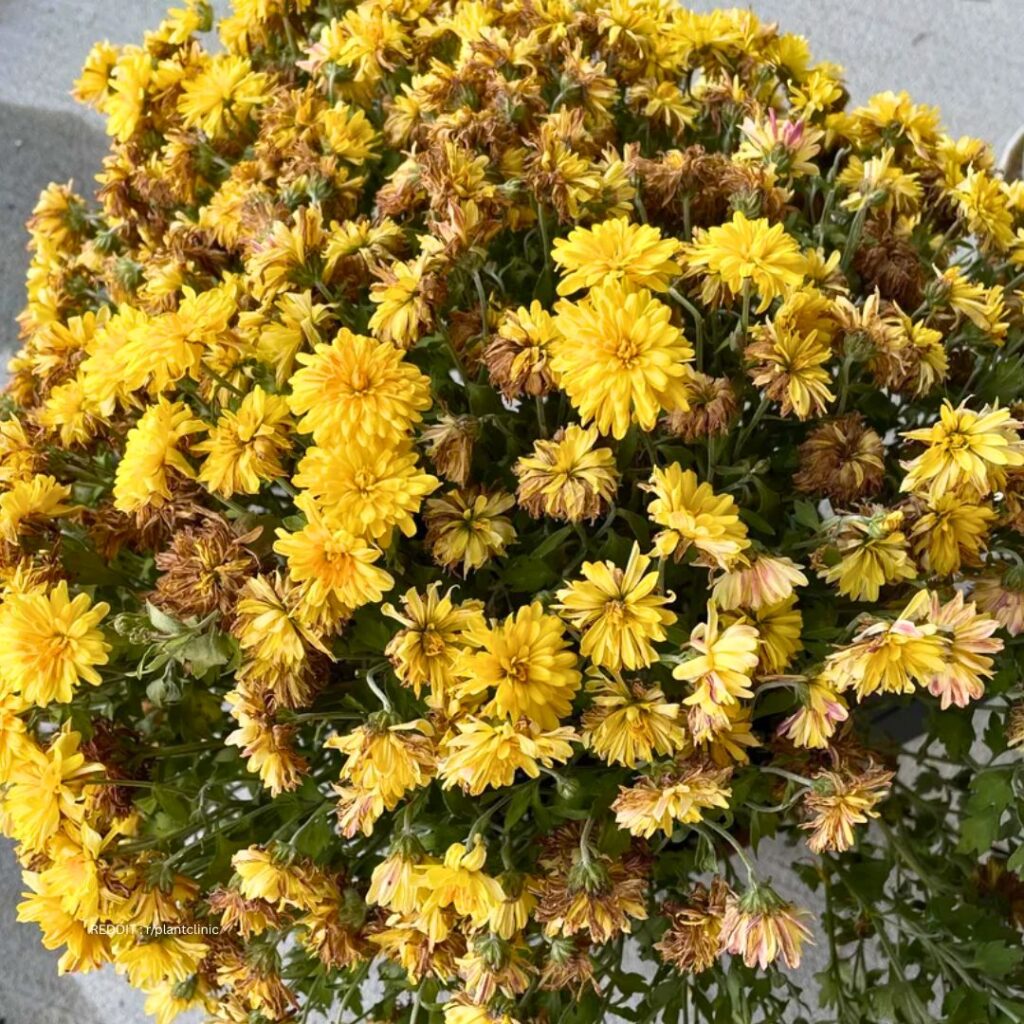
Water, soil, temperature, and light all affect leaf color. When I see yellowing leaves on hardy garden mums or a yellow chrysanthemum, I check these first—they’re often the real issue.
Overwatering and Root Health: When Too Much Love Turns Leaves Yellow
Overwatering is the most common problem I see. Chrysanthemums like moist soil, but soggy roots are a disaster.
If I water too often, roots sit in wet soil, lose air, and start to rot. The plant can’t move nutrients to the leaves, so yellowing starts at the bottom.
The soil may feel constantly damp and smell sour. Leaves might look soft or limp, even though the soil is wet.
Quick Tip: I stick my finger 1 inch into the soil. If it still feels moist, I wait before watering again.
In cool or rainy weather, especially in lower zones with heavy fall rain, I water less. Outdoors, hardy garden mums rarely need much extra water once established.
For indoor mums, I make sure pots have drainage holes and I empty saucers after watering. Wet feet cause trouble fast.
Impact of Poor Drainage: How Compacted Soil Traps Water and Stresses Roots
Even if I water the right amount, poor drainage can still cause yellow leaves. Heavy clay or compacted potting mix holds water too long—roots suffocate in that tight, wet space.
I check how fast water drains after a deep soak. If it pools on top or drains slowly, the soil needs help.
In garden beds, I mix in compost to loosen heavy soil. In pots, I use fresh, well-draining potting mix, not garden soil.
Quick Tip: After watering, the top layer should dry within a few days, not stay wet all week.
When drainage improves, roots get more air. Healthy roots mean strong stems and deep green leaves. Without that, even a healthy yellow chrysanthemum variety fades fast from stress.
Effects of Underwatering: Dry Soil and Dull, Fading Foliage
Underwatering can also turn leaves yellow. Dry soil blocks nutrient flow, and the plant can’t support all its leaves.
Older leaves turn yellow first, then dry and crisp at the edges. I look for soil pulling away from the sides of the pot and a hard, dusty surface.
Leaves might droop during the day and perk up at night. Quick Tip: If the top inch of soil feels dry and crumbly, I water deeply until it drains out the bottom.
In hot summer weather, especially in containers, hardy garden mums dry out fast. Wind speeds up moisture loss too. I check them daily during heat waves. Steady moisture keeps foliage green and flowers strong.
Temperature and Light Considerations: Heat, Cold, and Sun Exposure That Trigger Yellowing
Chrysanthemums want full sun—about 6 hours a day. Too little light leads to pale growth and fewer blooms.
In a north-facing window, I see thin stems and yellowing leaves from weak light. Too much heat can also stress the plant.
In hot climates or zones with intense afternoon sun, leaves may yellow and scorch. The edges can turn brown and dry.
Quick Tip: I give morning sun and light afternoon shade in very hot weather.
Cold snaps matter too. Hardy garden mums handle cool fall nights, but early frost can shock tender growth. After a sudden chill, some leaves may yellow and drop. I watch the forecast and cover plants if frost arrives early.
Nutrient Deficiencies and Fertilizer Tips
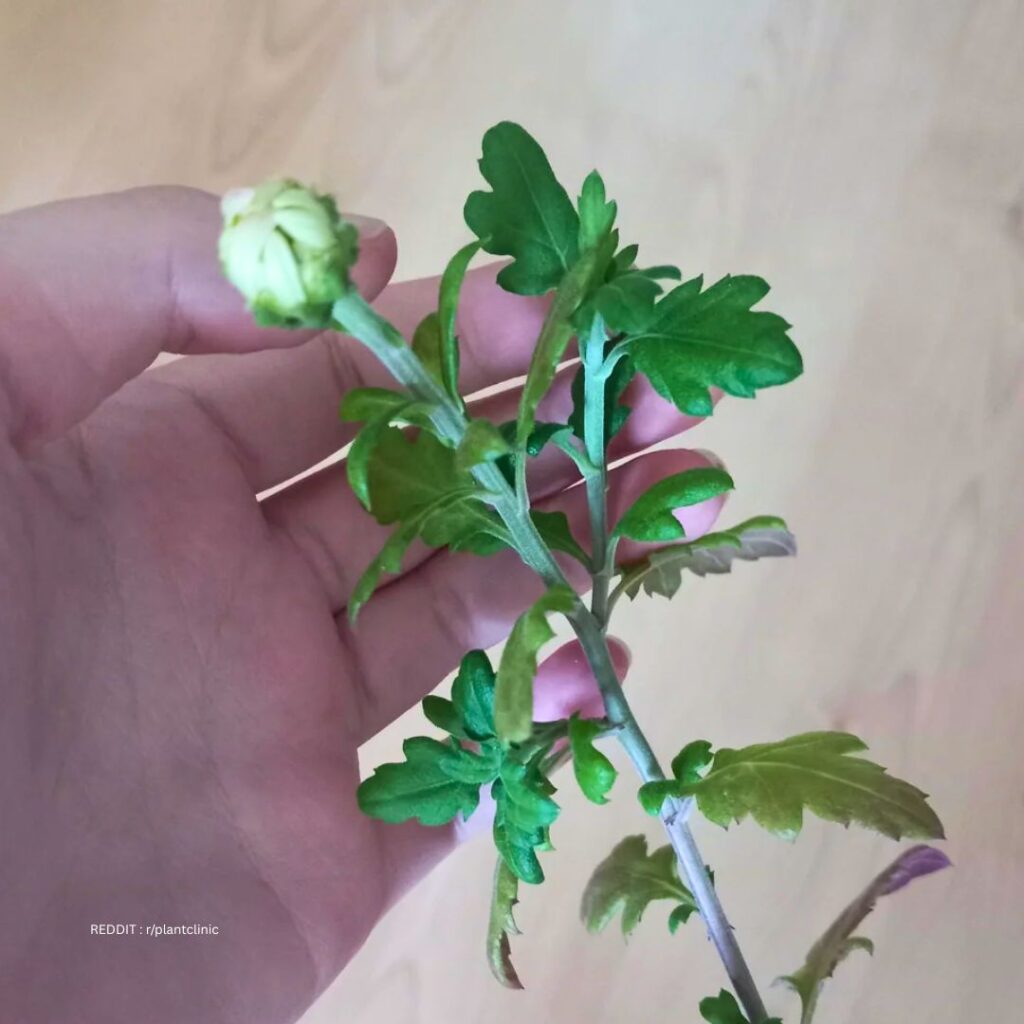
Yellow chrysanthemum leaves often mean missing nutrients, not just watering issues. I check leaf color, pattern, and growth to spot chlorosis early and pick the right fertilizer for chrysanthemum.
Identifying Nitrogen Deficiency Before Yellowing Spreads
Nitrogen helps plants make chlorophyll, which keeps leaves green. When nitrogen runs low, older leaves turn pale green, then yellow, starting at the bottom and moving up.
Growth slows, stems stay thin, and flowers might look smaller than usual.
I fix this with a balanced fertilizer, like 10-10-10 or 20-20-20. Liquid feed works fast, while slow-release granules last longer.
- Apply to moist soil, not dry.
- Water well after feeding.
- Repeat every 2–4 weeks during active growth.
Quick Tip: If lower leaves turn yellow but veins aren’t darker than the leaf, think nitrogen first.
In cool spring weather, plants use nutrients slowly. I feed lightly then and increase as temperatures warm.
Magnesium and Iron Deficiency Signs Most Gardeners Miss
Magnesium and iron problems both cause chlorosis, but the pattern’s different. With iron deficiency, new leaves turn yellow while veins stay green. Magnesium deficiency shows yellow areas between veins on older leaves.
Iron issues often happen in alkaline soil. The plant can’t absorb iron even if it’s there.
I treat iron deficiency with a chelated iron product. For magnesium, I use Epsom salt (1 tablespoon per gallon of water) as a soil drench once a month.
- Check soil pH if yellowing continues.
- Avoid overwatering, which limits nutrient uptake.
Quick Tip: Yellow leaves with bright green veins on new growth usually mean iron, not nitrogen.
In rainy climates, nutrients can wash out of pots fast. Container mums need closer checks than garden beds.
Best Fertilizer for Chrysanthemum for Steady Green Growth
I pick fertilizer based on the plant’s stage. For leafy growth, I use a balanced formula like 10-10-10. When buds form, I switch to a bloom booster such as 5-10-10 to support flowers without forcing weak leafy growth.
Slow-release pellets work great in garden beds, while liquid fertilizer helps potted plants that lose nutrients with each watering.
Look for products labeled for flowering plants. They list nitrogen (N), phosphorus (P), and potassium (K) right on the bag.
Quick Tip: Too much nitrogen makes big green leaves but fewer blooms, so don’t overfeed.
Yellow chrysanthemum leaves can also show up if salts build up in pots. I flush containers with clean water every few weeks to wash out extra fertilizer.
Timing and Application Tips to Prevent Yellow Leaves
I feed chrysanthemums every 2–4 weeks during active growth, usually spring through mid-summer. I stop heavy feeding once buds open.
Always apply fertilizer to damp soil—dry roots burn easily.
- Water first if the top inch feels dry.
- Measure fertilizer carefully.
- Never guess the amount.
Quick Tip: Morning feeding works best because plants absorb nutrients before heat stress sets in.
In very hot zones, I cut back on feeding during heat waves. Stressed plants don’t use nutrients well, and extra fertilizer can make yellowing worse.
Pests and Diseases Impacting Leaf Color
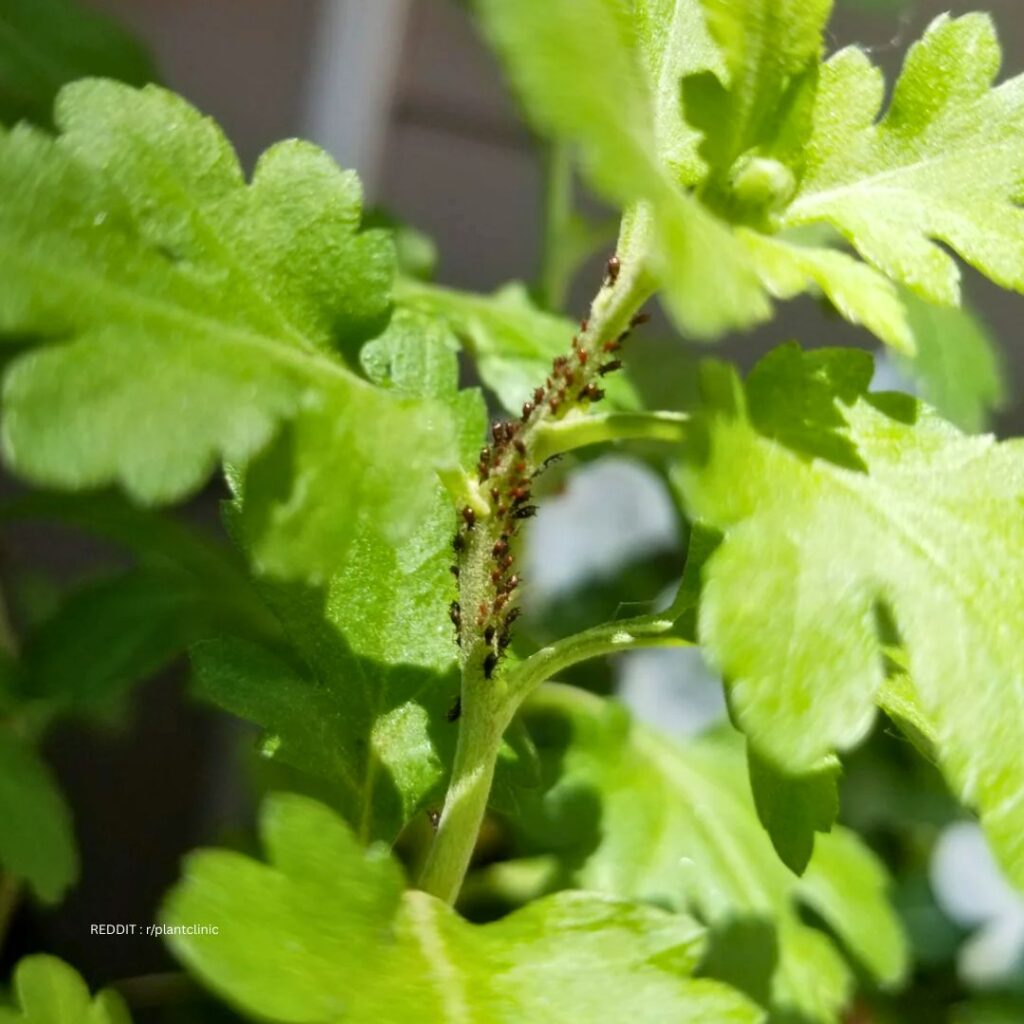
Insects and diseases often cause yellow leaves on chrysanthemums. They damage roots, stems, or leaf tissue, which leads to chlorosis and weak growth.
Aphids, Spider Mites, and Other Insects That Drain Sap and Trigger Yellowing
I always peek under the leaves first. Aphids tend to crowd stems and buds, while spider mites leave behind wispy webs and tiny pale dots.
These insects suck the sap right out of the plant. That robs the leaves of nutrients they need to stay green.
Yellowing usually starts with speckles, then spreads until the leaves dry out. I’ve noticed spider mites get worse in hot, dry spells.
On the flip side, aphids seem to multiply overnight when it’s humid or after a good rain.
Quick Tip: I blast the undersides of leaves with a strong spray of water every few days. If pests hang on, I reach for insecticidal soap and make sure to cover both sides of each leaf.
I’ll snip off badly damaged leaves. It gives the rest of the plant a better shot at bouncing back and slows the pests down.
Fungal and Bacterial Leaf Diseases That Cause Spots, Patches, and Chlorosis
When I spot yellow patches with brown or black dots, I immediately think leaf disease. Fungal issues like leaf spot start small, but damp weather makes them spread fast.
Wet leaves are usually the culprit. Overhead watering and plants that are packed too close together just trap in moisture—fungi thrive in that.
Chrysanthemum leaves hit by fungus often show round spots with dark edges. Sometimes the whole leaf turns yellow and falls off.
Bacterial spots can look almost water-soaked and will feel a bit mushy if you touch them.
Quick Tip: I water at the soil line early in the day so leaves dry quickly. Giving plants space for air to move through helps a lot, too.
If I see a leaf covered in spots, I cut it off and toss it in the trash—not the compost.
Cool, wet weather makes these problems spread like wildfire. In dry areas, they’re less common, but poor airflow can still trigger trouble.
Recognizing and Preventing Root Rot Before It Spreads Upward
Root rot hides below the surface. Usually, I notice yellow leaves first, but the real problem is down in the soil.
When roots sit in soggy conditions, they can’t breathe. They start to rot, and the plant can’t absorb nutrients anymore.
Leaves turn a pale, washed-out yellow. Sometimes, even when the soil is wet, the plant still wilts.
If I tip the plant out of its pot, rotten roots look brown and smell pretty bad—kind of sour or swampy.
Quick Tip: I always poke the top inch of soil with my finger. If it’s still damp, I wait to water again.
Drainage is everything. I use pots with big holes and soil that drains well. In rainy climates, I steer clear of planting mums in dips where water collects.
Aster Yellows and Systemic Issues That Change the Whole Plant
Aster yellows is a whole different headache. Leafhoppers—tiny, fast insects—carry this disease from plant to plant.
I look for uneven yellowing all over the plant. New growth might look twisted, and flowers can stay green or end up oddly shaped.
This isn’t just a branch or two—it’s the whole plant reacting.
Quick Tip: If I suspect aster yellows, I pull up the plant right away to protect the rest.
No cure for this one, unfortunately. Warm climates where leafhoppers stick around longer are riskier. I keep weeds down and watch for bugs to lower my chances.
Natural Factors and Seasonal Leaf Aging
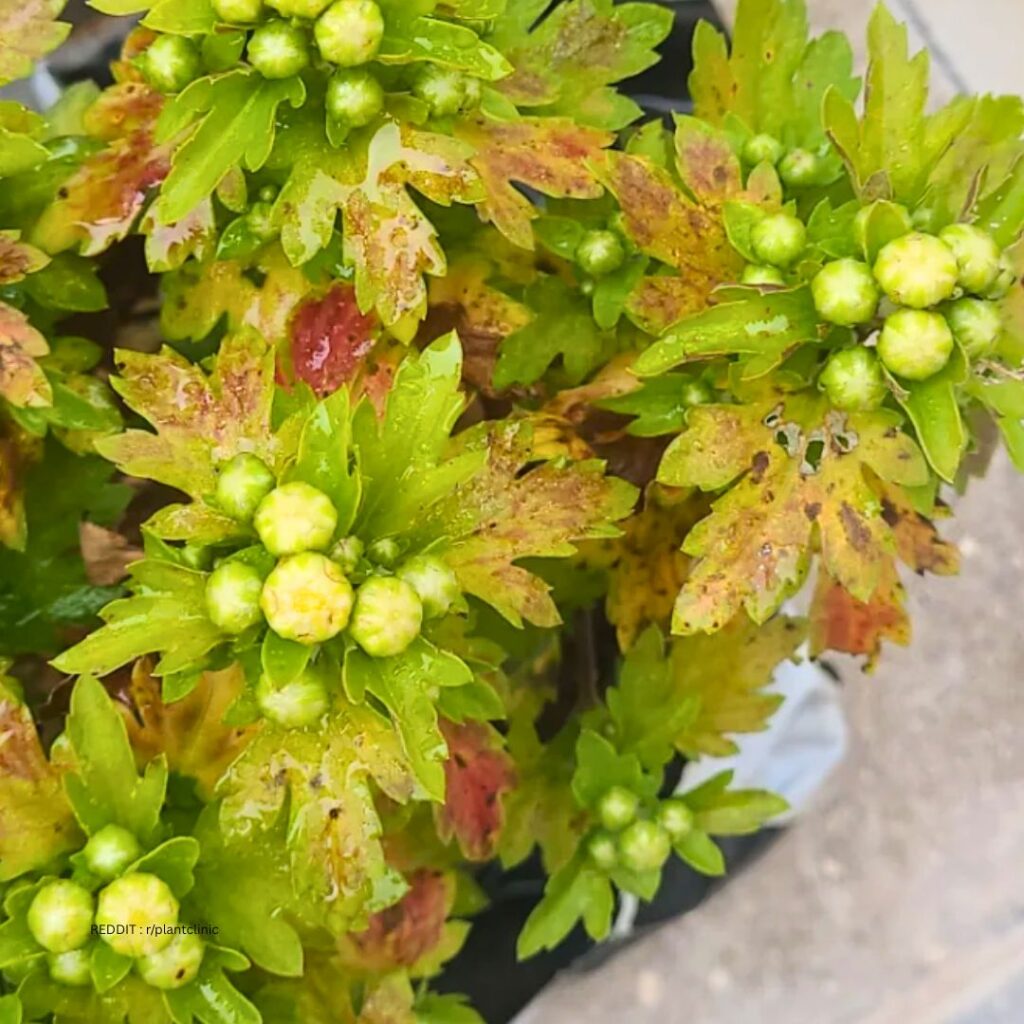
Sometimes yellow leaves just mean the plant’s doing its thing. I see normal aging and seasonal changes turn leaves yellow even on a perfectly healthy mum.
Lower Leaf Senescence Explained
I usually check the bottom leaves first. If only the lowest ones are yellow but the top’s still green, it’s probably just natural aging.
The plant shifts energy to new growth. Older leaves lose chlorophyll, fade, then dry out and fall. It’s called senescence, but honestly, I think of it as the plant recycling itself.
If just a few bottom leaves get dry and papery, I let them be until they come off easily. No need to fuss.
Quick Tip: When yellow leaves only show at the base and stems look sturdy, I don’t worry. I just remove the old leaves and stick to my usual care routine.
In very hot places, this happens quicker. Cooler spots, it takes longer. Either way, it’s normal if the change is slow and only at the bottom.
How Seasonal Changes Affect Mums
Mums respond quickly to shifts in light and temperature. Shorter days in late summer or fall? I expect a few yellowing leaves.
Cool nights slow the plant down. It pulls energy from leaves into buds and flowers, and some older leaves fade out.
Outdoor mums can yellow overnight after a sudden cold snap. Even a light frost can zap the outer leaves first.
Indoor mums sitting by a north window may yellow from lack of light. That yellow usually looks dull, not bright.
Quick Tip: When seasons change, I tweak watering and make sure the plant gets as much light as I can manage. It helps keep stress down.
Seasonal yellowing usually shows up on scattered leaves, not the whole plant.
Normal Post-Bloom Yellowing
After a big bloom, yellowing leaves aren’t unusual. The plant spends a ton of energy on flowers.
Once the show is over, growth slows and a few leaves yellow as the plant takes a breather. I see this with both garden mums and potted ones.
If blooms are fading and the lower leaves yellow at the same time, I check the soil. If it’s just barely moist—not soggy—the plant’s probably just resting.
I always snip off spent flowers. It helps the plant focus on roots and new shoots instead of wasting energy on seeds.
Quick Tip: After blooming, I trim away the old flowers and keep the light steady. I don’t water more just because leaves turn yellow.
In warm climates, mums might push out new shoots soon after flowering. In cooler places, they might just stay quiet until next year.
Steps to Restore Healthy Green Foliage
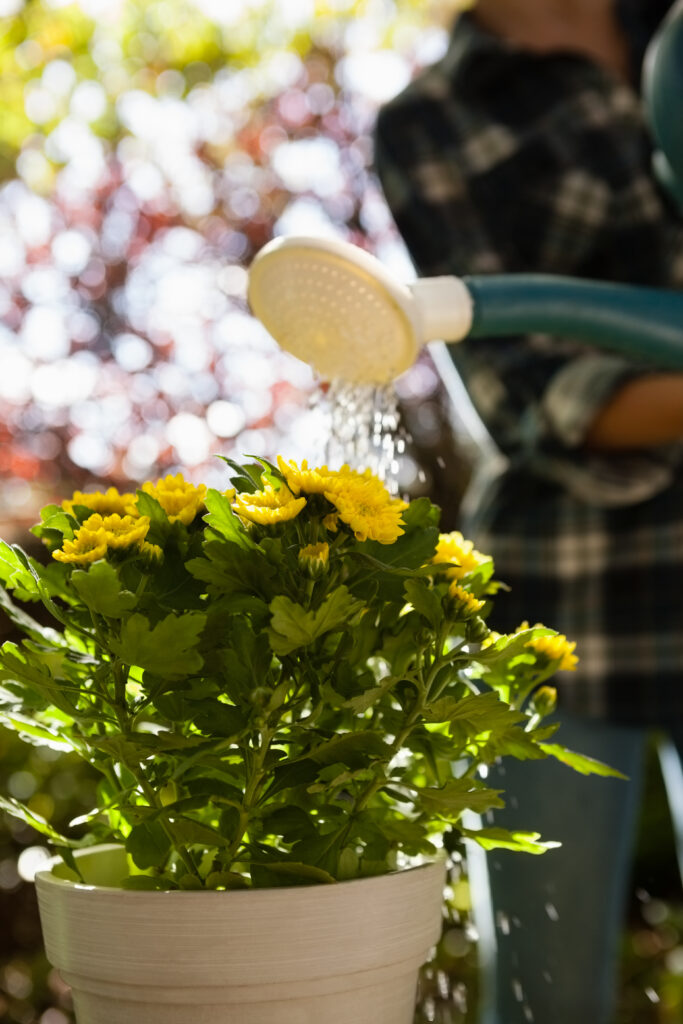
I always start with the basics: soil, nutrients, water, and checking for pests. Fixing these usually gets my mums back to green and growing strong.
Improving Soil Conditions for Stronger Roots and Greener Leaves
The roots run the show, so I focus on soil first. Mums like loose, well-draining soil that still holds some moisture. If water hangs around, roots rot and leaves yellow fast.
I water and watch for puddles. If water doesn’t drain in a few minutes, I mix in compost or coarse sand to help. For pots, I double-check drainage holes aren’t blocked.
Hard, clay-like soil? I loosen the top 6–8 inches and mix in organic compost for nutrients and better texture.
Quick Tip: If the soil smells sour or stays soggy, I repot or fix it right away.
Hot areas dry soil out quickly, so I add a thin mulch layer. In cooler zones, heavy mulch can trap too much water, so I skip it.
Good soil feels moist but crumbly—never sticky or bone dry.
Boosting Plant Nutrition with the Right Fertilizer for Chrysanthemum Growth
Yellow leaves often mean not enough nitrogen. I feed my mums with a balanced fertilizer, like 10-10-10 or 20-20-20, when they’re actively growing.
I use a liquid fertilizer every 2–3 weeks in spring and early summer. Always water first, then feed—dry roots and fertilizer don’t mix well.
If lower leaves yellow but new growth is also pale, I suspect a nutrient gap. Sometimes I’ll use a fertilizer with a little more nitrogen for a quick boost.
Quick Tip: If I see pale leaves with green veins, that’s usually an iron issue. I use chelated iron if that pops up.
I stop heavy feeding after buds appear. Too much fertilizer late in the season leads to floppy stems and fewer blooms.
If leaves get dark and soft with lots of weak stems, I’ve probably overdone the feeding.
Managing Watering Routines to Prevent Stress and Root Problems
Watering mistakes are super common with yellow leaves. I always check the top inch of soil with my finger before watering. If it’s dry, I water deeply.
I soak until water drains out the bottom, then let the top layer dry before watering again.
Hot, windy days dry things out fast, so I check daily. Cooler or rainy times, I ease up.
Quick Tip: Mornings are best for watering. Wet leaves at night just invite disease.
Light, frequent watering doesn’t cut it. Deep watering encourages strong roots.
If leaves look limp and yellow, I check the roots. Mushy roots mean too much water; dry, brittle roots mean I waited too long.
Sticking to a steady routine keeps mums healthy and green.
Pest and Disease Control Techniques That Stop Yellowing at the Source
I check leaves every few days, especially underneath. Aphids, spider mites, and whiteflies suck sap and leave yellow spots behind.
If I spot bugs, I blast them off with water first. If they’re stubborn, I use insecticidal soap once a week until they’re gone.
Quick Tip: Fine webs and tiny dots usually mean spider mites, especially if it’s hot and dry.
For fungal spots, I remove affected leaves right away. I avoid overhead watering and give plants space for air to move.
If things get out of hand, I’ll use a labeled fungicide and follow directions closely.
Clean tools, good spacing, and dry leaves are my go-to for keeping mums strong and green.
Frequently Asked Questions
Yellow leaves on mums usually mean water stress, lack of nutrients, pests, disease, or sudden changes in light or temperature. I always check the soil, the pattern of yellowing, and anything that’s changed recently to figure it out quickly.
What are the most common reasons chrysanthemum leaves start turning yellow?
Most of the time, it’s overwatering, underwatering, or poor drainage. Mums don’t like wet feet, but dry soil isn’t great for them either.
Low light can also make leaves fade, especially for indoor plants near a north window. As flowers fade, older lower leaves might turn yellow and drop off—totally normal.
Quick Tip: I poke my finger an inch into the soil—if it’s wet and heavy, I hold off watering; if it’s dry, I give it a slow, deep drink.
How can I tell if yellowing leaves are caused by overwatering or underwatering?
Overwatered leaves turn pale yellow and feel soft. The soil smells kind of musty and stays wet for days.
Underwatered leaves look dry, might curl, and feel crispy at the edges. The pot feels light, and the soil pulls away from the sides.
Hot, windy weather dries pots out quickly, especially in warmer zones.
Quick Tip: I lift the pot after watering to get a feel for its weight, then compare before the next watering.
Which nutrient deficiencies typically cause yellow leaves on chrysanthemums?
Nitrogen deficiency usually turns older leaves light yellow first. The plant may look thin and slow down.
Iron deficiency shows as yellow leaves with green veins, usually on the new leaves. This pops up more often in alkaline soil.
I use a balanced liquid fertilizer during the growing season, every 2–4 weeks.
Quick Tip: If new leaves are yellow but veins are green, I check the soil pH and sometimes add an iron supplement.
What pests should I check for if my chrysanthemum leaves are yellowing?
I always flip the leaves over and check for aphids and spider mites. Aphids usually huddle along the stems, while spider mites leave behind fine webbing and tiny pale dots.
Thrips are sneaky—they make streaked or patchy yellow marks. I usually need bright sunlight just to spot them.
Warm, dry indoor air? That’s when spider mites really take off.
Quick Tip: I blast the leaves with a firm spray of water first. If any pests hang on, I grab the insecticidal soap.
Which diseases commonly lead to yellowing leaves, and how can I recognize them?
Fungal diseases like leaf spot show up as yellow patches with brown or black centers. The edges of the spots usually look pretty sharp.
Root rot is a whole different headache—leaves go yellow and floppy, and the roots turn dark and mushy. I usually see this after watering gets out of hand.
Cool, damp stretches of weather make fungal issues worse, especially if the plants are packed in too tight.
Quick Tip: I snip off any spotted leaves right away and thin out crowded spots to help the air move through better.
Why do chrysanthemum leaves turn yellow after being moved, repotted, or brought indoors?
Whenever I move a plant, it tends to freak out a bit. Light, temperature, and humidity all shift at once, and that can really throw chrysanthemums for a loop.
Repotting messes with their roots, so they don’t take up water as well for a while. Sometimes a few leaves turn yellow or drop off while the plant tries to get used to its new digs.
Even if I put them right by a sunny window, indoor light just doesn’t compare to what they get outside.
Quick Tip: I like to move chrysanthemums in slow stages if possible, and I try to keep their soil evenly moist while they’re getting comfortable in a new spot.