
Plant dahlia tubers after your last spring frost, when the soil reaches about 60°F—often March to April in Zones 8–10, April to May in Zones 6–7, and May to June in Zones 3–5.
I use frost dates and soil warmth, not the calendar alone, to decide when to plant dahlias. Cold, wet ground can rot dahlia tubers, so patience pays off.
Quick Tip: If your soil feels cold and sticky, wait a little longer. I’ll help you adjust planting time for your USDA zone, prepare the bed, and get your dahlias growing toward summer blooms.
The Right Planting Conditions: Frost, Soil Warmth, And Forecast
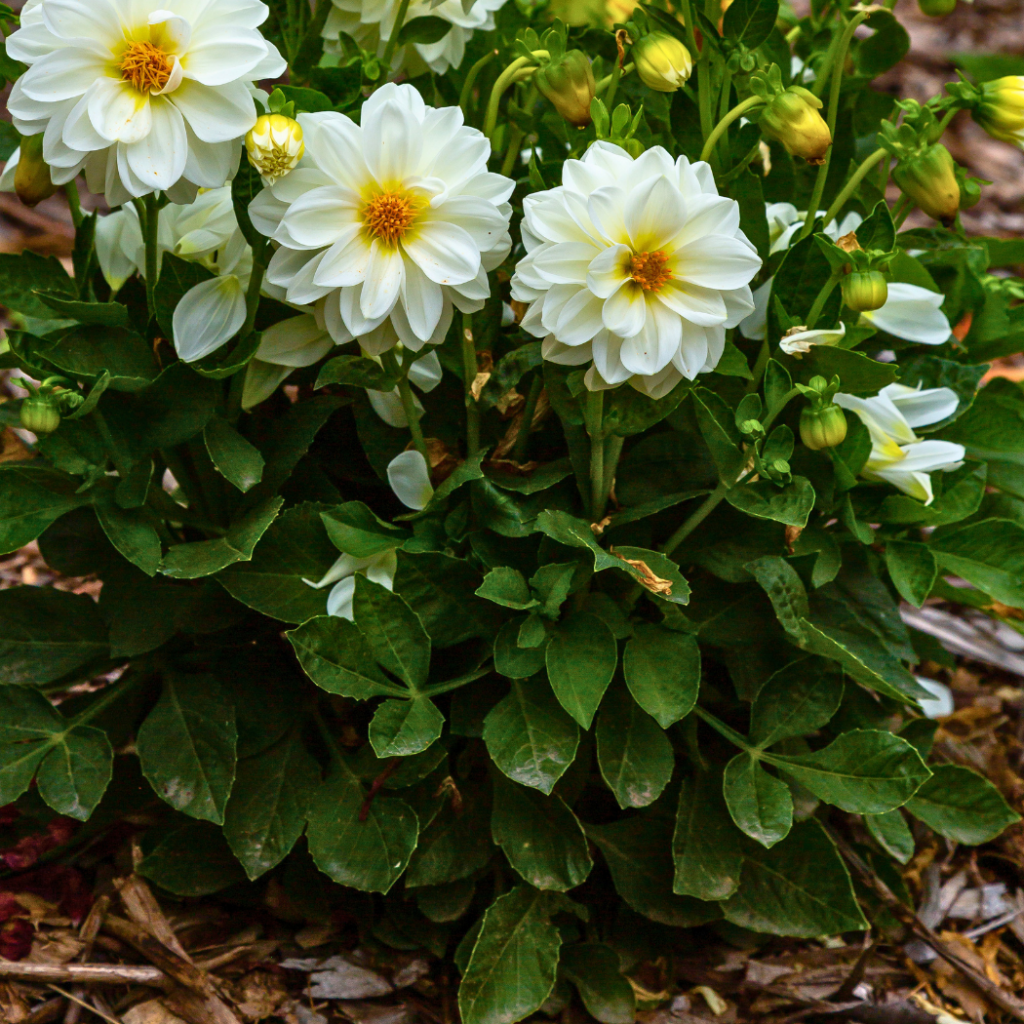
I wait for the last frost date, warm soil, and a steady forecast before planting dahlia tubers. Planting too early in cold, wet ground can lead to slow growth or tuber rot.
Use Your Last Frost Date as a Starting Point
I use my area’s last frost date as the first guide for planting. Dahlias cannot handle frost, so I wait until the risk of the last spring frost has passed before putting tubers in the ground.
Frost dates are estimates, not promises. In a colder USDA hardiness zone, or in a low spot where cold air settles, I may wait another week or two.
A sheltered urban garden can warm sooner, but I still check the weather. It’s better to wait than gamble with tender new growth.
Quick Tip: I plant dahlia tubers about 1–2 weeks after my last frost date if the soil has warmed enough.
If a surprise frost is likely after planting, I cover the bed with frost cloth or a thick layer of mulch. I don’t use plastic directly on new shoots, since it can trap cold moisture against the plants.
Confirm 55–60°F Soil Temperature With a Soil Thermometer
I check soil temperature before planting because air temperature can feel warm while the ground stays chilly. Dahlias grow best when the soil reaches at least 55–60°F at planting depth.
I use a soil thermometer in the morning, when the soil is coolest. I push it about 4–6 inches deep, where the tuber will sit, and leave it there for a few minutes.
I check several spots if my bed has both sun and shade. That small difference can affect planting time.
Quick Tip: I wait for soil to reach 55°F or higher for several days, not just one warm afternoon.
Cold soil slows rooting and keeps tubers sitting still. If the ground feels cool, heavy, and damp in my hand, I give it more time.
A raised bed or sunny south-facing area often warms earlier than a shaded bed.
Avoid Cold, Wet Soil and Watch the 10-Day Forecast
I avoid planting into cold soil or wet soil, even when the calendar says it is time. Dahlia tubers don’t need much water before they grow roots, and soggy ground can cause tuber rot.
I squeeze a handful of soil before planting. If it forms a sticky ball, leaves mud on my gloves, or water gathers in the hole, I wait.
Soil should feel loose and slightly moist, not slick or swampy. That texture usually means the bed is ready to work.
Quick Tip: I check the 10-day forecast for cold nights, heavy rain, and late frost before I plant.
I hold off if several days of rain are coming or nighttime temperatures may drop near freezing. If my soil drains poorly, I improve drainage or plant in a raised bed rather than gambling on a wet spring week.
Planting Windows by USDA Hardiness Zone
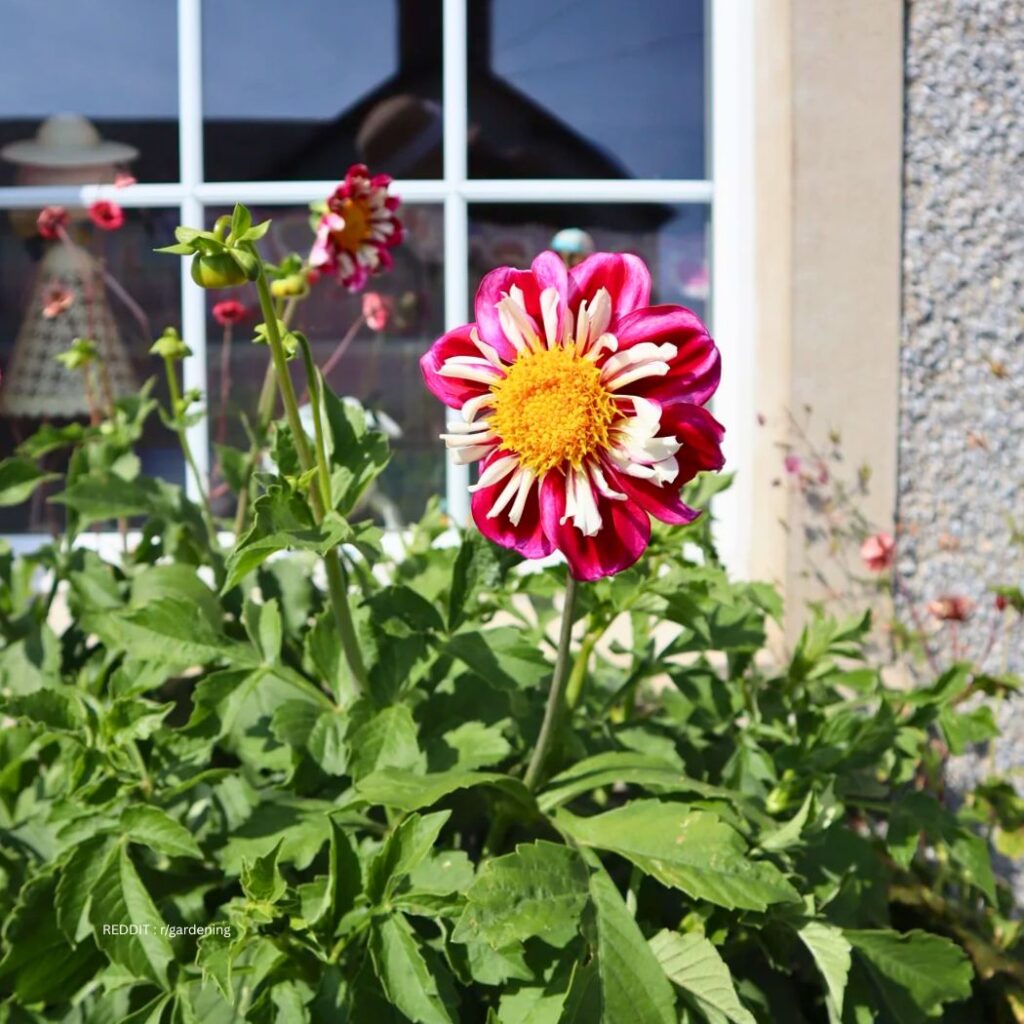
I plant dahlia tubers after the danger of frost has passed and the soil has begun to warm. This timing protects new shoots from cold damage and gives plants enough time to bloom before fall frost.
Zones 3–4: Late May to Early June
In Zones 3–4, I wait until late May or early June to plant dahlias. These areas have a short growing season, and a late spring frost can kill tender new growth overnight.
I check that the soil temperature is close to 60°F and that the ground is no longer cold and wet. If the soil feels chilly or stays muddy after rain, I wait a few more days.
Dahlia tubers can rot in cold, soggy ground. Not a great start.
Quick Tip: I plant tubers 4 to 6 inches deep after my area’s last expected frost date, then cover the bed with a light mulch only after shoots appear.
Because autumn frost may arrive early, I choose early- or midseason dahlia varieties when I can. I also watch the forecast in late summer so I can cover blooming plants during a light fall frost.
Zones 5–7: Late April Through May
In Zones 5–7, I usually plant dahlia tubers from late April through May. The exact date depends on local frost patterns, since a warm April week doesn’t always mean spring has settled in.
I wait until the last frost date has passed and the soil has warmed. A sunny bed often dries and warms sooner than a shaded spot, so I check the planting area rather than relying only on the calendar.
Quick Tip: If I see a cold night below 40°F in the forecast after planting, I cover the bed with frost cloth or a loose layer of mulch.
I aim to plant by mid- to late May when possible. That gives dahlias enough time to grow strong stems and flower well before autumn frost arrives.
Zones 8–11: February Through April
In Zones 8–11, I can plant dahlia tubers from February through April. Mild winters allow for earlier planting, but I still avoid placing tubers in cold, waterlogged soil after heavy winter rain.
I plant in February or March in the warmest parts of these zones. In cooler inland areas or places with occasional frost, I wait until March or April and keep frost protection nearby.
Quick Tip: I choose a spot with well-drained soil, because winter moisture can cause tubers to rot before they sprout.
Hot summers can shorten the flowering period in the warmest zones. I often plant early so dahlias can grow and bloom before intense summer heat, then protect plants from an unexpected late frost if needed.
Get an Earlier Start in Cold Climates
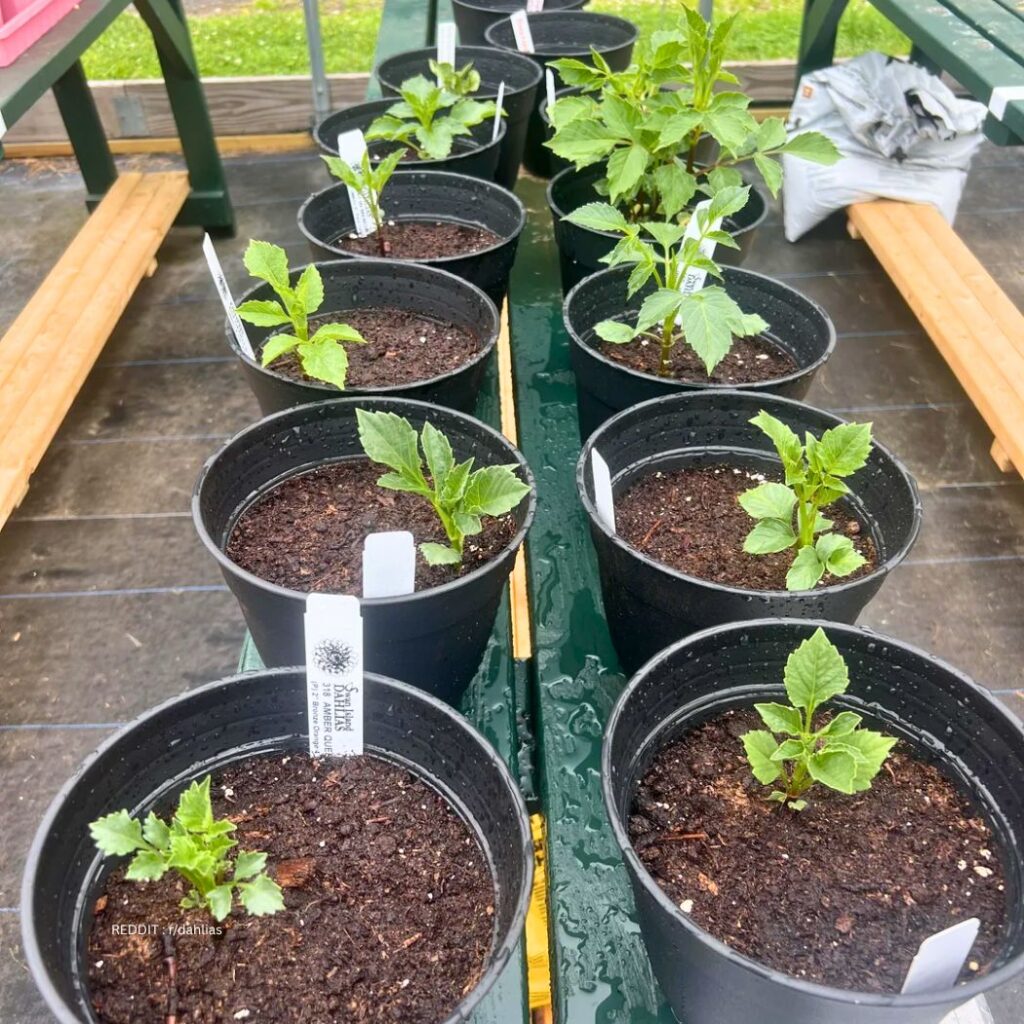
I start dahlia tubers indoors when spring arrives late and summer feels short. I still wait for safe outdoor conditions, since one hard frost can damage new growth.
Start Tubers Indoors for a Short Growing Season
I start growing dahlias from tubers indoors about 4 to 6 weeks before my average last frost date. This gives plants a head start without keeping them in pots too long.
I use pots with drainage holes and fill them with lightly damp potting mix. I set each dahlia tuber on its side, with the eye facing up, and cover it with 2 to 3 inches of soil.
I keep the pots in a bright, warm spot, ideally around 60°F to 70°F. I water sparingly until shoots appear because soggy soil can rot tubers fast.
Quick Tip: I wait to water again until the top inch of soil feels dry. A tuber doesn’t need a swamp.
Harden Off Young Plants Before Transplanting
I harden off indoor-grown dahlias for 7 to 10 days before planting them outside. Indoor leaves are soft and tender, so sudden wind, sun, and cold can scorch or wilt them.
I place pots outside in a sheltered, shady spot for a few hours on the first day. Each day, I add more outdoor time and slowly move them into brighter light.
I bring plants back inside if nights drop below 45°F or strong winds are expected. In colder USDA zones, spring weather can change its mind overnight.
Quick Tip: I choose a calm day for the first outdoor visit. A gusty porch isn’t a gentle introduction.
Protect Emerging Shoots From Late Frost
I plant dahlia tubers outdoors only after the danger of frost has passed and the soil has begun to warm. In cold climates, that may be weeks after the calendar says spring.
If shoots have already emerged, I cover them before a frost with frost cloth, an overturned pot, or a loose layer of dry mulch. I remove the covers in the morning once temperatures rise.
I avoid pressing plastic directly onto leaves because it can trap cold against the plant. If a late frost kills the top growth, the tuber may still send up new shoots, so I give it time.
Quick Tip: I watch the overnight forecast through early summer. A clear, still night can bring frost even after a warm day.
Prepare a Site That Helps Tubers Thrive
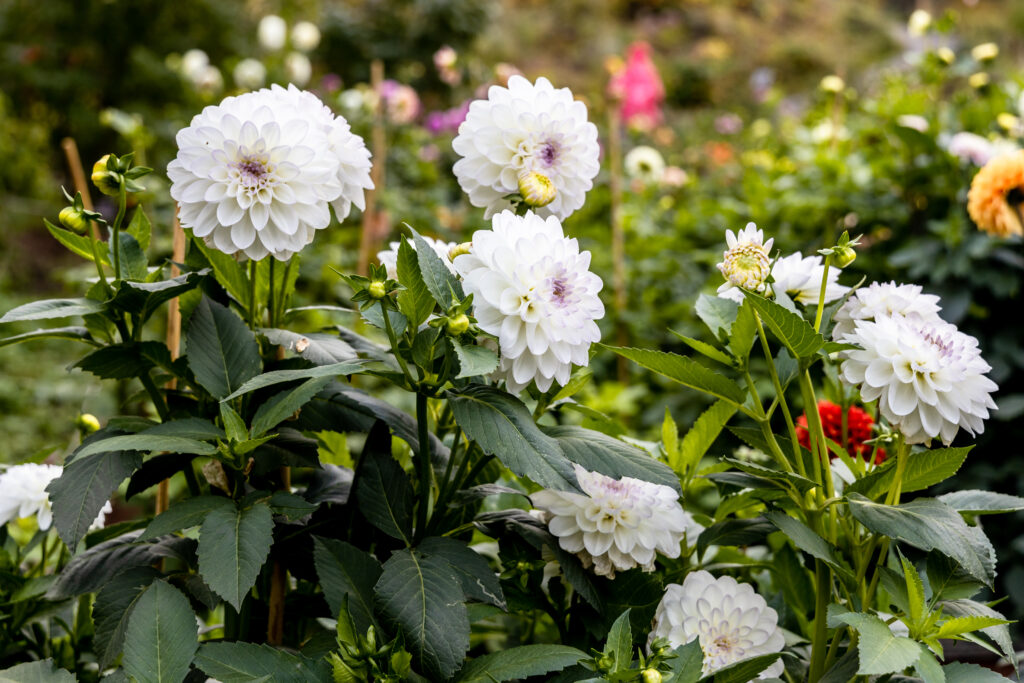
I give dahlias full sun, loose soil, and steady moisture without soggy roots. A dry, warm planting spot helps tubers wake up and grow strong stems.
Choose Full Sun and Well-Draining Soil
I plant dahlias where they get at least six to eight hours of direct sun each day. Morning sun works well, but a spot with afternoon sun usually produces sturdier plants and more blooms.
I avoid low spots where rain collects. After a hard rain, I check the area: if puddles remain after a few hours, the soil may stay too wet for tubers.
Quick Tip: I squeeze a handful of damp soil. It should hold together briefly, then crumble when I tap it.
Well-draining soil lets extra water move away while holding enough moisture for roots. In very hot, dry areas, I mulch lightly after shoots appear to help the soil stay evenly damp.
I keep mulch away from the stem so it doesn’t trap wetness against the plant.
Improve Heavy Clay Soil With Compost and Organic Matter
I improve heavy clay soil before planting because clay holds water too long and turns dense when it dries. Dahlia tubers can rot in cold, wet clay, especially during a cool spring in lower USDA hardiness zones.
I spread 2 to 4 inches of finished compost over the bed and mix it into the top 8 to 12 inches of soil. Compost and other organic matter, such as leaf mold or aged manure, help clay soil form lighter crumbs instead of hard lumps.
Quick Tip: I don’t work clay soil when it is wet and sticky. It can dry into hard clods that are tough for roots to grow through.
I skip fresh manure and heavy doses of high-nitrogen fertilizer. Too much nitrogen can lead to lots of leafy growth and fewer flowers.
If water still sits in the bed after I add compost, I choose a raised bed or containers instead.
Use Raised Beds or Containers Where Drainage Is Poor
I use raised beds when the ground stays wet, has heavy clay soil, or lies near a downspout. A bed that sits 8 to 12 inches above ground level gives dahlia roots a drier, warmer place to grow.
I fill raised beds with a loose blend of garden soil, compost, and a material that improves drainage, such as coarse sand or pine bark fines. I don’t use plain potting mix in a large raised bed because it can dry out too fast.
Quick Tip: I make sure containers have several open drainage holes. One tiny hole isn’t enough after a long rain.
For dahlias in containers, I use a pot at least 12 inches wide and deep for smaller types and larger pots for tall varieties. I check soil moisture often; if the top inch feels dry after plants emerge, I water slowly until excess water drains out.
Plant Tubers Correctly After Timing Is Right
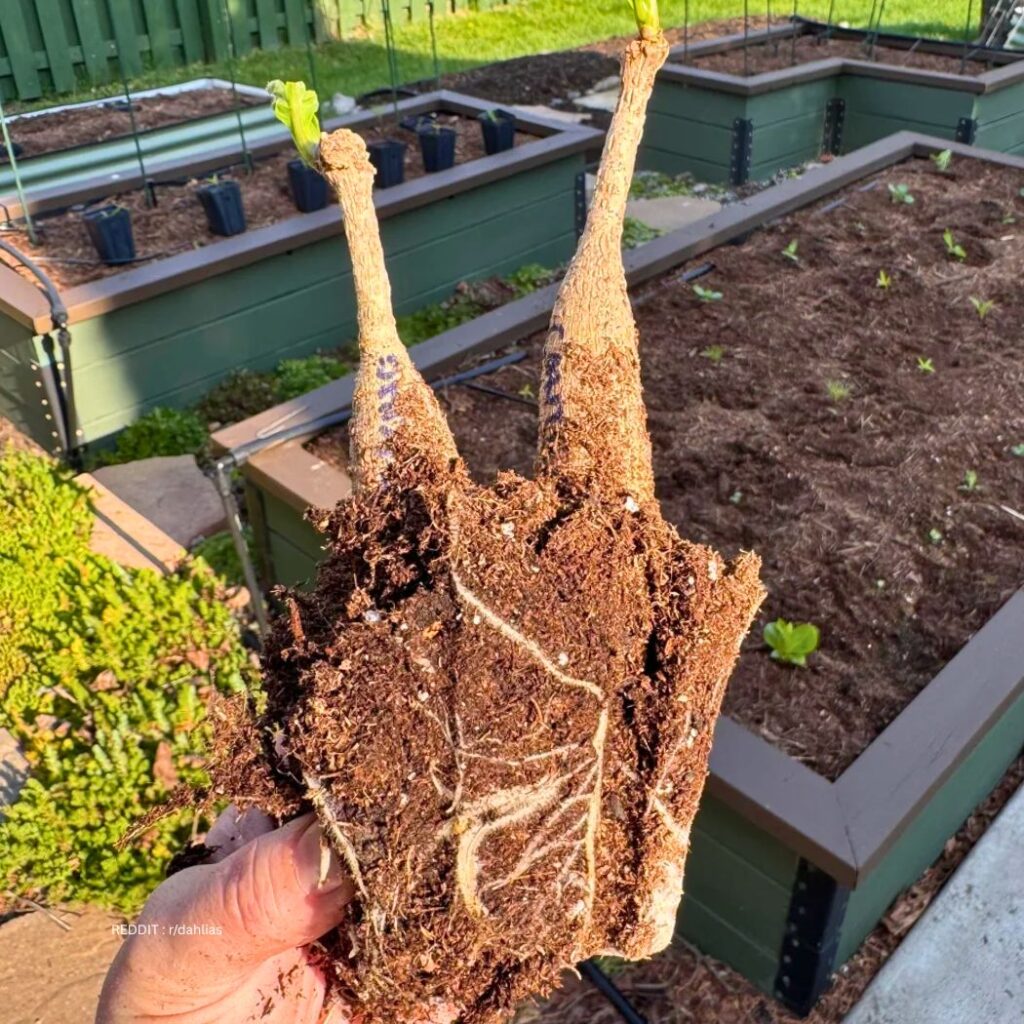
I plant dahlias at the right depth, give each tuber enough room, and add supports before stems get tall. Careful watering helps new roots grow without leaving tubers sitting in wet, cold soil.
Set the Proper Planting Depth and Spacing
I dig a hole 4 to 6 inches deep and lay the tuber on its side, with the eye, or small growth point, facing up. I cover it with loose soil but don’t press down hard.
Quick Tip: I keep the eye no more than 2 inches below the final soil level, especially in heavy clay soil.
I space dinnerplate dahlias 3 to 4 feet apart because their large plants need good airflow. I leave 2 to 3 feet between most border dahlias and about 18 to 24 inches between compact pompon dahlias.
Crowded plants trap damp air around their leaves later in the season. They also make it harder to reach plants for tying, deadheading, and pest checks.
If my soil stays wet after rain, I plant a little shallower or improve drainage first. Soggy ground can cause tuber rot.
Stake Tall Varieties Before Growth Begins
I place a stake in the hole before covering the tuber. That way, I won’t stab the tuber or tear roots after the plant starts growing. A sturdy bamboo stake, metal rod, or tomato stake works well.
Quick Tip: I use a stake at least 5 feet tall for tall dinnerplate dahlias, since many grow well above 4 feet.
I set the stake about 3 to 4 inches from the tuber, on the side away from the eye if I can see it. Then I tie the main stem loosely as it grows, using soft garden twine or cloth strips.
Border and pompon dahlias may stay short enough to grow without staking, but wind can still bend them. In open or windy gardens, I stake any variety taller than about 2 feet. A plant that flops after a summer storm rarely looks better on its own.
Water Carefully Until Sprouts Appear
I usually do not water deeply right after planting unless the soil is very dry. Dahlias have no active roots at first, so wet soil around a dormant tuber can lead to rot.
Quick Tip: I wait for green shoots to appear, then water when the top inch of soil feels dry.
Once sprouts reach a few inches tall, I water slowly and deeply near the base. I avoid frequent light watering because it keeps the surface damp while the roots stay shallow.
Hot, dry weather may call for earlier watering, especially in warmer USDA zones. After cool rain or in heavy soil, I hold off and check the moisture with my finger first. The soil should feel cool and slightly damp, not muddy or sticky.
Plan for Blooms and Seasonal Care
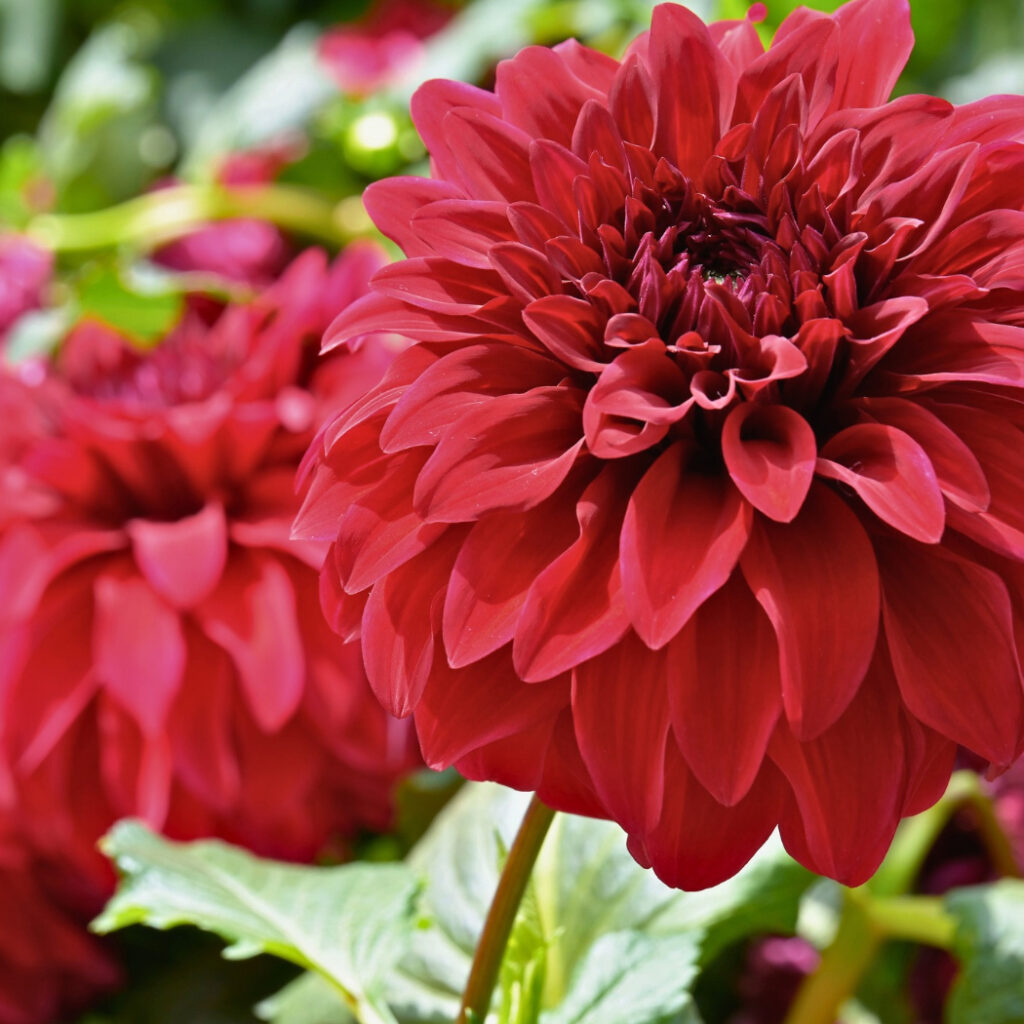
I match dahlia size to its growing space, feed lightly, and watch plants closely in damp weather. These habits help me get more flowers and keep tubers safe until autumn frost.
Choose Dahlia Types for Beds, Pots, and Cut Flowers
I plant border dahlias in front beds because they usually stay shorter and need less staking. I choose pompon dahlias for neat, round blooms that hold well in a vase.
For large beds, I grow dinnerplate dahlias where I can add strong stakes early. Their heavy flowers can droop or snap in wind, so I tie stems as they grow.
They need room. Crowded plants have poor airflow and often produce fewer blooms.
I use compact varieties in pots at least 12 inches wide, with drainage holes. I water pots when the top inch of soil feels dry.
Quick Tip: I cut flower stems early in the morning, when blooms feel cool and firm. I place them in water right away for longer-lasting cut flowers.
Feed for Flowers Without Excess Leaf Growth
I feed growing dahlias after they reach about 12 inches tall, then every three to four weeks through midsummer. I use a low-nitrogen fertilizer, such as a 5-10-5 blend, according to the label rate.
Too much nitrogen creates tall, leafy plants with fewer flowers. Dahlias can look green and healthy while quietly refusing to bloom. I avoid using the same high-nitrogen feed I might give tomatoes or peppers.
I stop fertilizing in late summer, usually about a month before my usual first fall frost. The plants can then focus on maturing their tubers instead of pushing soft new growth.
Quick Tip: I keep fertilizer off leaves and stems, then water the soil after feeding. Dry granules sitting against a stem can cause damage.
Manage Slugs, Powdery Mildew, and the First Fall Frost
I check new shoots for slugs, especially after rain or cool nights. They leave ragged holes and shiny slime trails. I hand-pick slugs at dusk, clear damp hiding spots such as boards and weeds, and use iron phosphate bait if damage continues.
I watch for powdery mildew, which looks like pale gray or white dust on leaves. I remove affected leaves, water at soil level, and give plants more space if the air feels trapped. I avoid soaking foliage late in the day.
Quick Tip: I don’t rush to dig after a light autumn frost. In colder USDA zones, I wait until frost blackens the top growth, then cut stems to 4–6 inches and lift tubers before the ground freezes hard.
In warmer zones, frost may arrive late or not at all. I still cut back plants after flowering slows and protect tubers from cold, wet soil. Longfield Gardens also recommends lifting dahlias in zones where winter soil freezes.
Frequently Asked Questions
I plant dahlia tubers only after frost danger has passed and the soil feels warm, usually near 60°F. Planting dates shift from March in warm Zone 8 areas to late May or June in cold Zone 5 gardens.
What is the best month to plant dahlia tubers?
I usually plant dahlia tubers in April or May. In colder areas, I wait until late May or early June; in warm areas, I may plant as early as March.
Soil temperature matters more than the calendar. Cold, wet soil can rot tubers before they sprout.
Quick Tip: I wait until daytime soil feels loose and mild, not chilly and soggy.
When is it safe to plant dahlia tubers after the last frost?
I plant tubers one to two weeks after the average last frost date. I also check that no frost appears in the next 10-day forecast.
A late cold snap can damage new shoots. If frost threatens after planting, I cover emerging stems with frost cloth or a bucket overnight.
Quick Tip: I plant when nighttime temperatures stay above 50°F most nights.
When should I plant dahlia tubers in USDA Zone 5?
In USDA Zone 5, I plant dahlia tubers from late May through early June. Some northern Zone 5 gardens may need to wait until mid-June.
The ground often stays cold after the last frost date. I avoid planting if spring rain has left the bed muddy.
Quick Tip: I wait until the soil drains well and doesn’t stick in heavy clumps to my tools.
When should I plant dahlia tubers in USDA Zone 6?
In USDA Zone 6, I usually plant from mid-May through late May. A cool spring may push planting into early June.
I watch the forecast closely in early May. Frost can still show up, especially in low spots and open yards.
Quick Tip: I choose a sunny bed and wait until the soil reaches about 60°F.
When should I plant dahlia tubers in USDA Zone 7?
In USDA Zone 7, I plant dahlia tubers from late April through May. In a warm Zone 7b garden, I may plant in mid-April if frost risk has passed.
Spring weather can change fast. I keep a cover nearby for tender shoots during an unexpected cold night.
Quick Tip: I avoid planting right before several days of cold rain.
When should I plant dahlia tubers in USDA Zone 8?
In USDA Zone 8, I plant dahlia tubers from March through April. Gardens in Zone 8b may allow planting in late February, but I still check for frost.
Warm weather arrives earlier, but damp soil can still cause problems. When spring rain is frequent, I use raised beds or choose well-drained soil.
Quick Tip: I plant early enough for a long bloom season, but never in cold, waterlogged ground.