
Poinsettias usually turn red after about eight to ten weeks of long, dark nights in fall. I’ll show you how to help your plant develop that classic holiday color instead of just staying green.
Quick Tip: Give your poinsettia 14 hours of complete darkness each night, starting in late September or early October. I’ll also talk about simple care, uneven color, and how these classic Christmas plants stack up against other holiday favorites.
The Typical Red-Bract Timeline
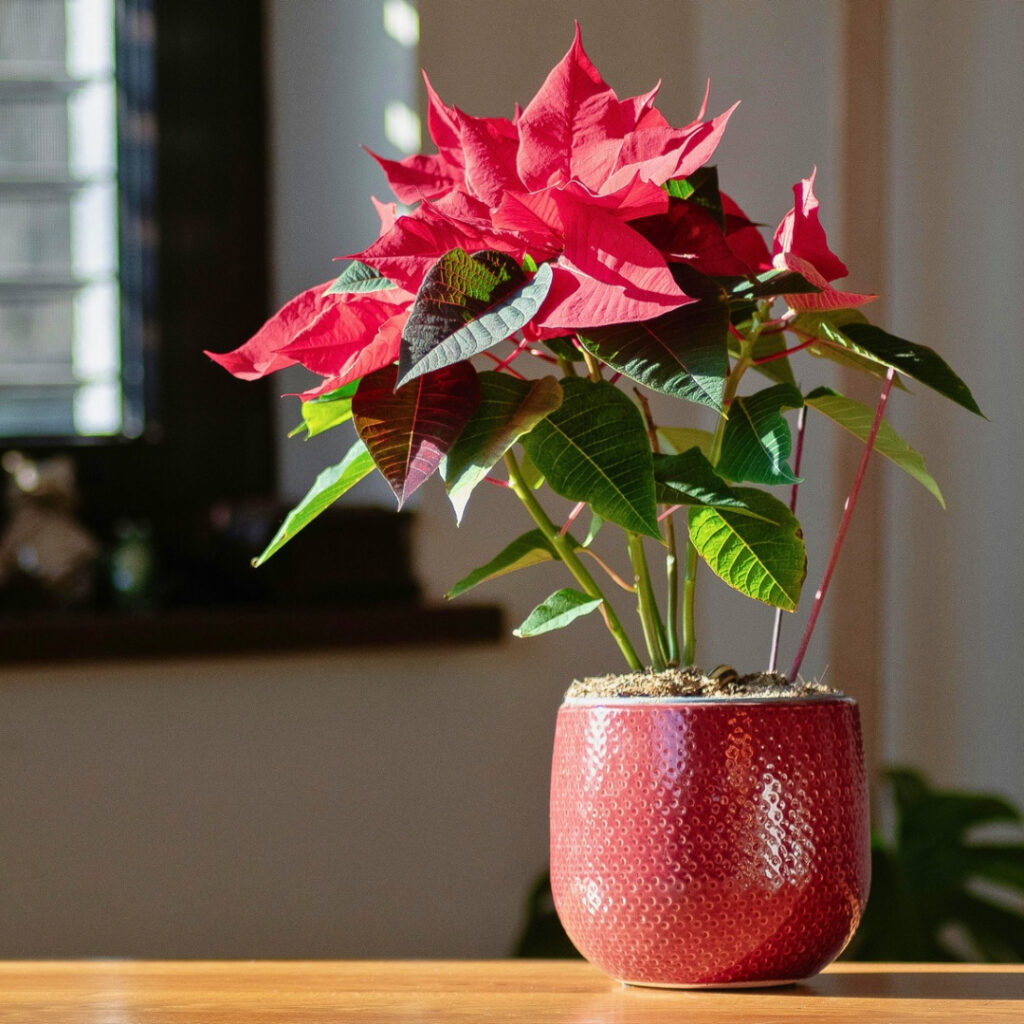
Most poinsettias turn red after several weeks of long, dark nights. The red parts aren’t actually flowers—they’re bracts, and some varieties naturally show other colors.
Why Color Usually Appears From November Through December
I usually see poinsettias start showing color in November, and they look their best from late November through December. This follows their natural reaction to shorter fall days and longer nights.
Poinsettias need about 12 to 14 hours of complete darkness each night for roughly 8 to 10 weeks. Even a porch light or a streetlight can mess with this. The plant is honestly pretty picky about darkness.
As nights get longer, the plant starts making anthocyanin, the pigment that turns bracts red. Cool autumn weather helps outdoor plants color up, but frost can be a problem.
Quick Tip: I keep a color-setting poinsettia away from indoor lights after sunset. If you’re in a warm zone, outdoor poinsettias might color up later if nights are warm or there’s a lot of light pollution.
Bracts Versus the Plant’s Tiny True Flowers
The big red “petals” on poinsettias are actually bracts, which are just modified leaves. They turn red to attract pollinators to the tiny real flowers in the center.
I look for those little yellow-green cup-shaped bits in the middle—those are cyathia, the true flowers. Fresh plants have tight, bright yellow centers.
The red bracts usually show up before the tiny flowers open. If you see rich red bracts and unopened center flowers, the plant will probably last longer indoors than one with faded or pollen-dusted centers.
Quick Tip: I pick poinsettias with firm bracts and tight yellow centers. If it has drooping leaves, soft stems, or missing center flowers, I pass.
Why Some Varieties Do Not Turn Red
Not all poinsettias turn red—many were bred for different bract colors. You’ll find white, cream, pink, salmon, burgundy, marbled, or speckled ones too.
A white variety won’t suddenly turn red with more darkness. It might get a slight blush as it matures, but genetics decide the main color. Same goes for pink or mottled types.
Red varieties can show weak color if they don’t get enough darkness. Warm nights, late pruning, poor light during the day, or a north-facing window can also lead to pale bracts.
Quick Tip: I always check the plant tag. If it says white or pink, that’s the color I’ll get—no matter what I do.
How Short Days Trigger Color
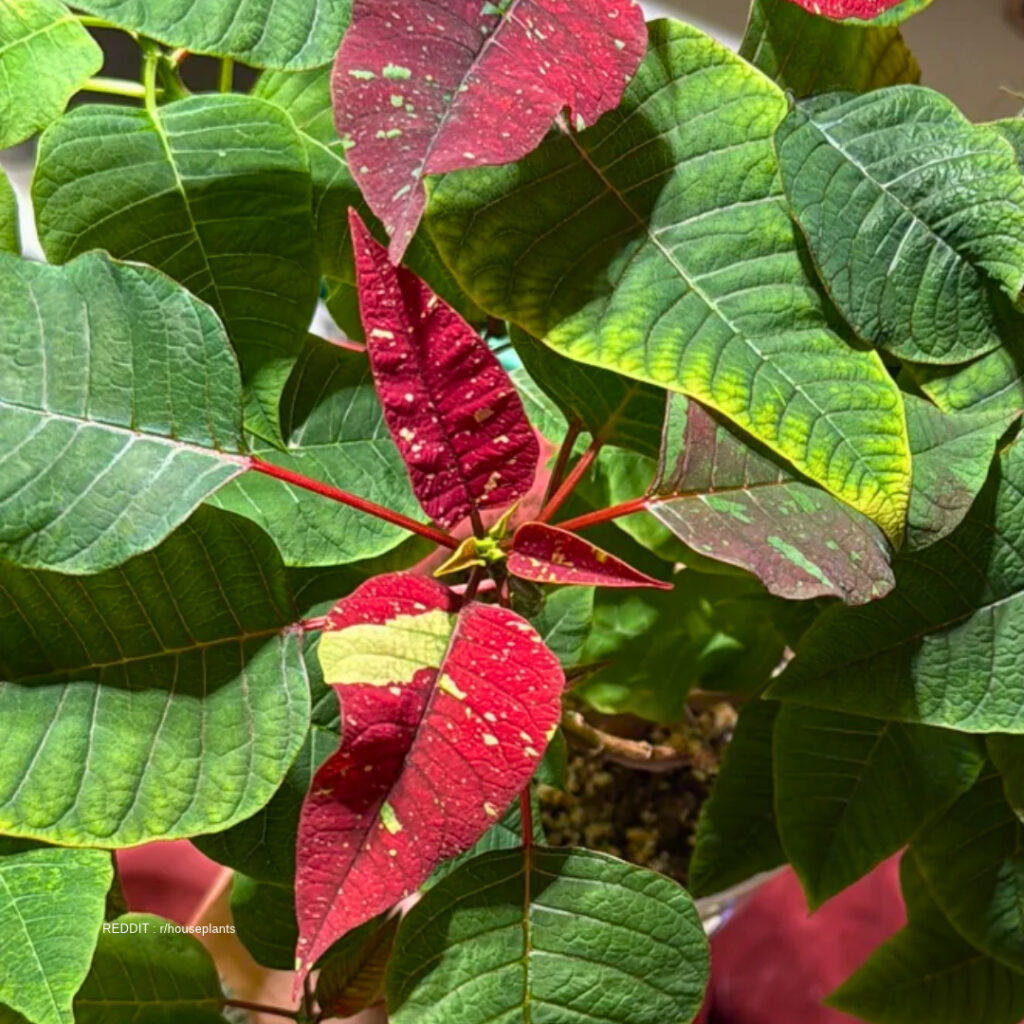
Poinsettias form red, pink, or white bracts when nights get longer and darker. I focus on three things: a steady dark period, no stray light, and bright daytime sun.
Understanding Photoperiod and the Dark Period
Poinsettias measure the length of darkness—this is called the photoperiod. They need about 13 to 14 hours of dark each night for about 8 to 10 weeks to start changing color.
I start this routine in late September or early October if I want color by December. For example, I’ll put the plant in darkness from 5 p.m. to 8 a.m. every day.
The long dark period tells the plant to form flower buds. Then the bracts start making anthocyanin, which gives them that red or pink color.
Quick Tip: I set a daily phone alarm for the same evening and morning times. Poinsettias notice missed nights even if I don’t.
Why Complete Darkness Matters
Complete darkness means no light at all during the dark period. A lamp, TV, or even hallway light can throw off the plant’s schedule.
I use a closet, unused room, or a big box with some airflow. I never wrap the plant in plastic or leave it in a hot, closed space.
One bright interruption isn’t the end of the world, but repeated light can delay color or leave bracts partly green. If I need to enter the room, I wait until morning.
Quick Tip: I check the dark spot at night before using it. If I can see the plant, it’s too bright.
Daytime Sunlight Requirements
During the day, poinsettias still want strong light. I put mine near a sunny window for at least six hours of bright light daily.
A south- or west-facing window usually works in winter. In a north-facing window, I move the plant closer to the glass or use a grow light during the day.
Keep the plant away from cold glass and drafts. Outdoor plants in warm, frost-free zones can get morning sun, but frost will damage them fast.
Quick Tip: I make sure the plant gets darkness at night and bright sun by day. Long nights trigger color, but weak daytime light can leave the plant unhealthy.
A Practical Eight-Week Darkness Schedule
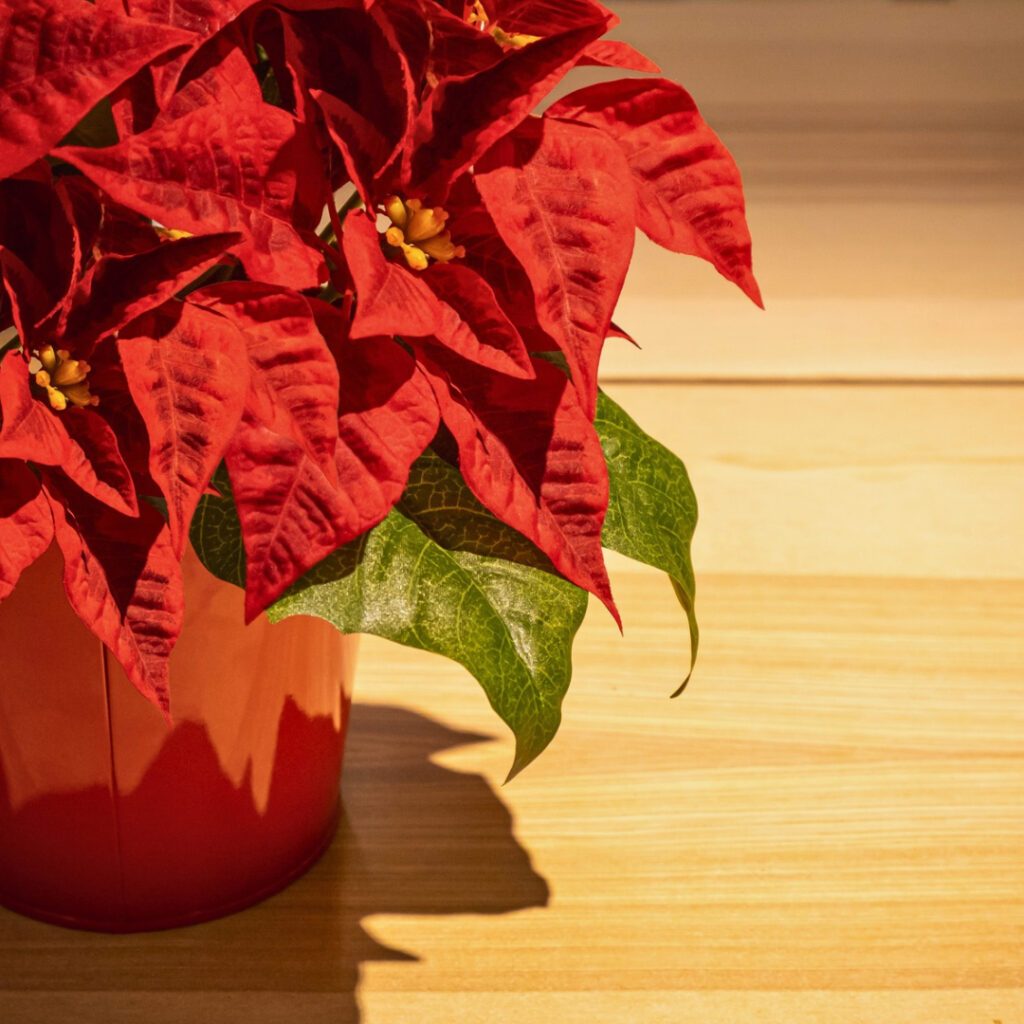
I stick to a daily routine for eight weeks to get red bracts. The plant needs complete darkness at night and bright daylight during the day.
When to Start the Light-Control Routine
I begin in late September or early October if I want color for late November or December. I just count back eight to ten weeks from when I want the plant to look its best.
I keep the plant in daylight during the day. A sunny window is good, but I avoid cold glass and drafts.
Quick Tip: I set a phone alarm for the same times each day. Poinsettias are more sensitive to missed timing than I am.
If I live where nights stay mild, I keep the plant outdoors in daylight. I bring it inside before dark, since porch lights and streetlights can mess up the dark period.
How Many Hours of Darkness Are Needed Each Night
I give my poinsettia 14 hours of complete darkness and 10 hours of light every day. For example, I put it in darkness from 5 p.m. to 7 a.m.
Even a little light exposure can slow or stop the color change. Lamps, TV light, hallway lights, or a bright crack under a door all count. The plant needs darkness like a closed closet at night.
Quick Tip: I pick a schedule I can actually stick to—even on weekends. A perfect plan I skip on Saturday won’t help much.
During the light period, I give the plant bright sunlight or strong indirect light. I water when the top inch of soil feels dry, then let extra water drain away.
Closet and Lightproof Cover Methods That Block Stray Light
I use a closet if it’s dark, has some air space, and doesn’t get too hot or cold. I move the plant in at the same time each evening and bring it out in the morning.
A big box or dark cover works too. I never let the cover touch the leaves, since trapped heat and damp air can hurt them. Black fabric or sturdy cardboard blocks light better than a thin sheet.
Quick Tip: I check for light leaks by standing inside the closet or peeking under the cover in a dark room. If I see light, so does the plant.
I never leave the plant covered all day. It needs daily light, steady room temperatures, and air movement to stay healthy while the bracts change color.
Care During Bract Color Development
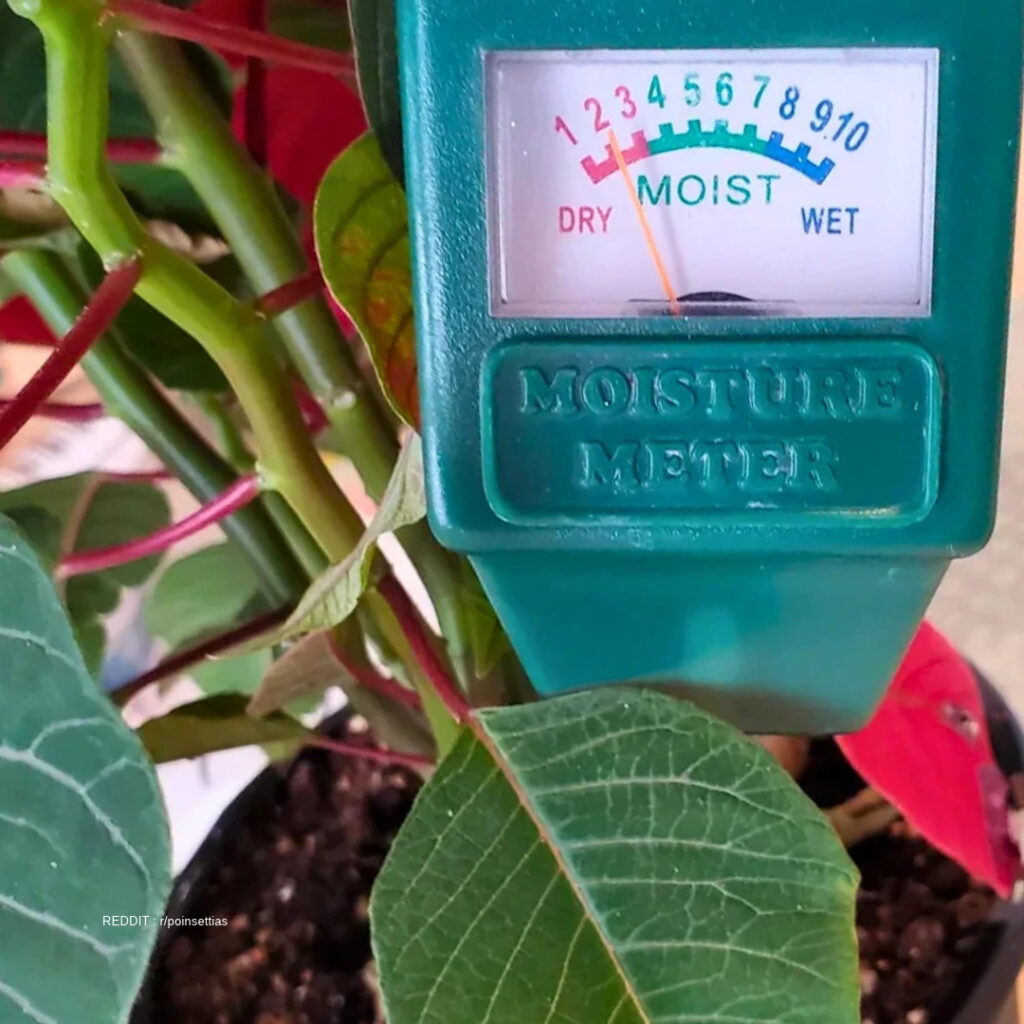
I keep my poinsettia cool, evenly moist, and avoid heavy feeding while the bracts color up. Small care mistakes can cause leaf drop, dull color, or soggy roots.
Best Temperatures for Strong Color
I keep daytime temps around 65–70°F and nights near 60–65°F. Cool nights help bracts hold their color without stressing the plant.
I move the plant away from cold window glass, drafty doors, and heating vents. A cold snap below 50°F can make leaves drop. Hot, dry air can fade bracts or curl their edges.
Quick Tip: I put my poinsettia in bright, indirect light and move it a few inches away from a cold window at night.
Indoor humidity around 40–60% is good. In dry homes, I use a pebble tray with water under the pot, keeping the pot above the water. I skip misting the bracts since wet spots can cause marks or mold.
Watering Without Causing Root Rot
I check soil moisture every few days by pressing a finger about 1 inch into the soil. I water when that top inch feels dry, but I don’t wait until the whole pot is bone-dry.
I pour water slowly until a little runs out the drainage holes. Then I empty the saucer or foil cover after about 10 minutes. Roots sitting in water get root rot fast.
Quick Tip: I lift the pot before watering—a light pot usually means it’s time to water.
I use room-temp water and avoid soaking the leaves and bracts. If the soil stays wet, smells sour, or lower leaves turn yellow, I cut back on watering and check that the pot drains well. In cool, cloudy weather, the plant drinks less than in a warm, sunny room.
When to Pause Fertilizer
I stop fertilizing while the poinsettia has colorful bracts and sits indoors for display. The plant grows slowly now, so it doesn’t need much extra food.
Too much fertilizer can cause fertilizer burn. I watch for brown leaf edges, white crust on the soil, or wilted leaves even when the soil is moist.
Quick Tip: I wait until spring growth starts before feeding again.
When I see new green shoots after the bracts fade, I use a balanced fertilizer at half strength about once a month. I never fertilize dry soil—it’s rough on roots. If I keep the plant outside in a warm, frost-free zone, I still pause feeding during cool weather and only restart when I see active growth.
Year-Round Care for a Red Poinsettia Next Christmas

I keep my poinsettia growing through spring and summer with careful pruning, steady light, and regular pinching. These steps build strong stems and leafy growth before the plant starts its fall color change.
Post-Holiday Pruning and Repotting
Once the red bracts fade and drop, I move the plant to a bright spot and cut back on watering. I only water when the top inch of potting mix feels dry. Soggy soil is a recipe for root problems and leaf drop, so I stay careful.
By late winter or early spring, I grab my pruners and cut each stem down to about 4 to 6 inches tall. I always cut just above a leaf node, hoping for new shoots to pop up. The plant looks bare for a bit, but I wait for fresh green growth to show up.
Quick Tip: I stick with sharp, clean pruners for tidy cuts that heal fast.
If I see roots circling the pot or poking through the drainage holes, I know it’s time to repot. I pick a pot just 1 to 2 inches wider and use fresh, loose potting mix with good drainage. Too big a pot just keeps things soggy, and poinsettias really hate that.
Spring and Summer Light and Watering
When new leaves start growing, I give my poinsettia plenty of bright light and a few hours of soft morning sun. An east-facing window works best. I avoid hot afternoon sun, especially behind glass, since it can scorch the leaves.
I water deeply until water runs out the drainage holes, then dump the saucer. I don’t water again until the top inch of soil dries out. The soil should feel just barely damp, never muddy.
Quick Tip: I like to lift the pot before watering—if it feels light, it probably needs a drink.
During active growth, I feed every two to four weeks with a balanced fertilizer at half strength. If the plant looks droopy or stressed, I skip feeding. In mild climates, I move it outside to bright shade after nights stay above 55°F.
Pinching Stems for a Fuller Plant
When shoots hit about 6 inches, I pinch off the top inch just above a leaf set. This encourages side branches instead of a single tall stem.
I repeat this every four to six weeks up to mid-August. Each pinch adds more growing points—hopefully leading to a bushier plant and extra red bracts. A slightly bushy plant looks so much better than a spindly one.
Quick Tip: I stop pinching by late August, giving new shoots time to mature before fall.
After pinching, I keep watering steady and make sure the plant gets good light. If leaves yellow or fall, I check for dry or soggy soil, cold drafts, or sudden light changes. It’s usually one of those.
Reasons Bracts Stay Green or Color Unevenly
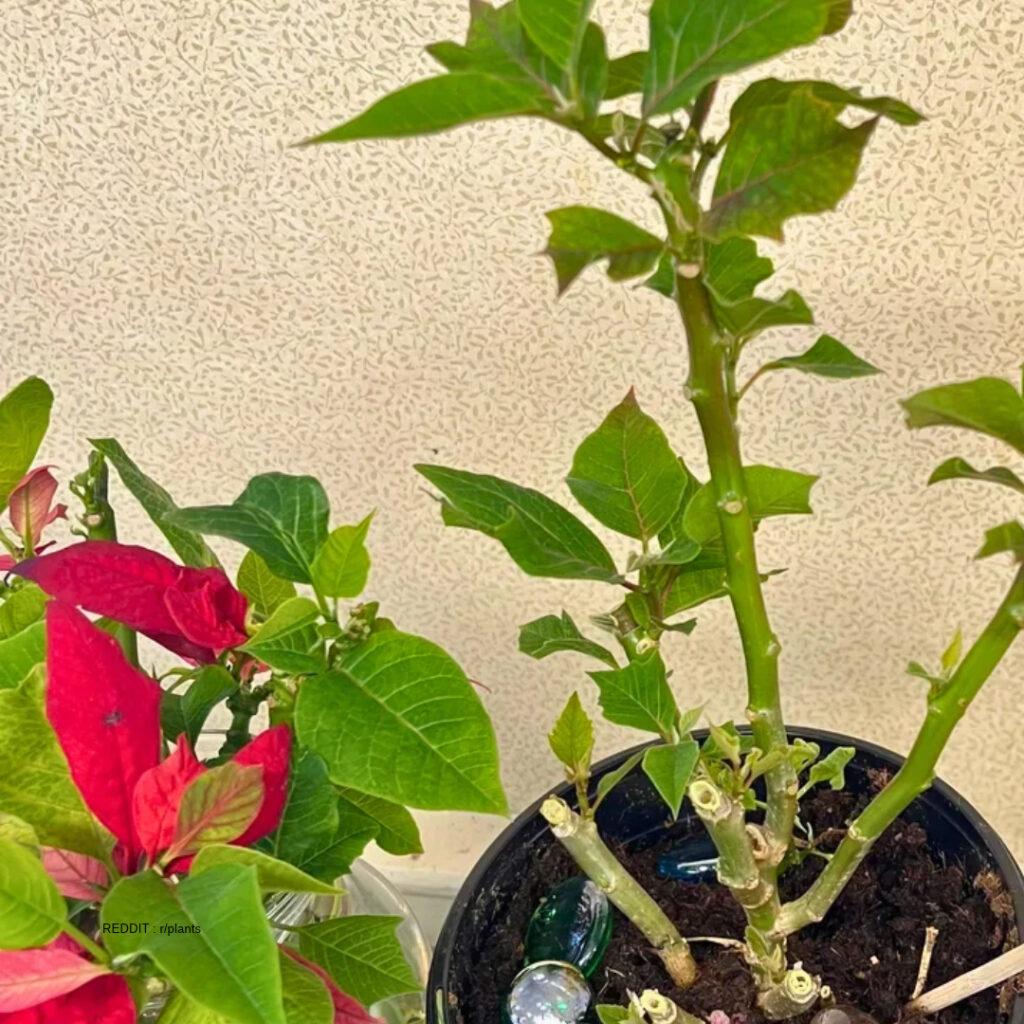
When bracts stay green or get patchy, I usually blame interrupted darkness, root stress, or earlier care mistakes. I always check my light, watering, and feeding first.
Nighttime Light Interruptions
Poinsettias need complete darkness for about 14 hours every night for several weeks to get those red, pink, or white bracts. Even a lamp, TV, or porch light can mess this up.
I stash the plant in a dark closet or cover it with a box each evening. After 14 hours, I move it back to bright, indirect sunlight for the day.
Quick Tip: I set an alarm on my phone to remind me to cover and uncover the plant. Missing one night isn’t the end of the world, but repeated interruptions can keep bracts green or patchy.
If a north window isn’t bright enough, I find a sunnier spot. I just keep it away from cold glass and harsh afternoon sun.
Temperature and Watering Stress Can Cause Patchy Bracts
Cold drafts, heat vents, or soggy soil can slow down color changes. I keep my poinsettia near 65–70°F during the day and away from anything below 60°F at night.
I check soil with my finger—if the top inch is dry, I water until it drains out the bottom, then empty the saucer.
Quick Tip: I never let the pot sit in water. Wet soil can cause root rot, which leads to yellow leaves, leaf drop, and dull bracts.
If the soil gets too dry, leaves go limp. A light pot means it’s time to water. Indoor heating dries things out fast, but cool, cloudy days can leave soil wet for longer.
Fertilizer and Pruning Mistakes Affect Color Development
Too much fertilizer can burn leaves or weaken roots, so I don’t feed heavily while bracts are forming. Extra fertilizer won’t speed up the color change anyway.
If I feed during active growth, I stick to a balanced houseplant fertilizer at half strength and follow the label. I stop feeding when bracts start to color up.
Quick Tip: I only prune after bracts fade, usually in late winter or early spring. Cutting in fall removes the growth that would make colored bracts.
Moving the plant around too much can also trigger leaf drop and uneven color. I try to keep its spot consistent.
How Poinsettias Compare With Other Holiday Plants
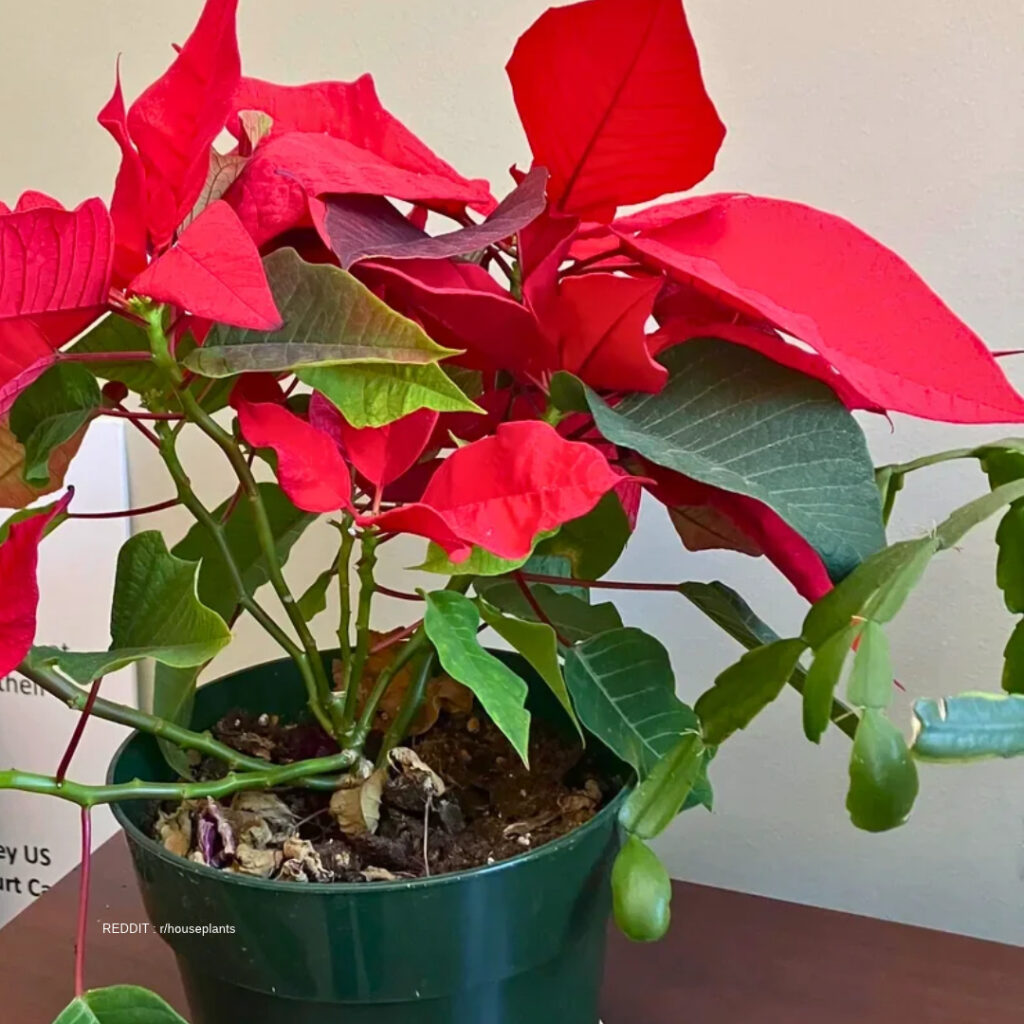
Poinsettias and Christmas cactus both bring color in winter, but their routines are totally different. I treat them differently since their care needs don’t really match up.
Poinsettia and Christmas Cactus Blooming Cycles
Poinsettias turn red when they get long, unbroken nights for about 8 to 10 weeks. Their bracts react to photoperiod—that daily cycle of light and dark.
I keep them away from any nighttime lights. Even a quick flash can stall the color change. They also need warm days and nights above 60°F.
Christmas cactus sets buds with shorter days too, but it wants cool temps. Usually, it needs about 6 weeks of 12 to 14 hours of darkness, and nights around 55°F to 65°F.
Quick Tip: I move Christmas cactus to a cool room in fall, but keep poinsettia warm and fully dark at night. They want different setups, no doubt.
Basic Christmas Cactus Care Differences
Christmas cactus likes bright, indirect light—an east window is just right. Its flat leaf segments burn in strong afternoon sun, while poinsettias handle a bit more light indoors.
With Christmas cactus, I let the soil dry slightly between waterings. When the top inch is dry, I water and let any extra drain away. Soggy soil means root rot, but shriveled segments mean it got too dry.
Poinsettias also need good drainage, but I check them more often in a warm room. Their thin leaves lose water faster, especially near heaters. I water when the soil surface dries out.
Quick Tip: I never let either plant sit in a foil pot cover full of water. I always remove it to drain, then put it back for looks.
Frequently Asked Questions
I use long, dark nights to help poinsettias color up. The red parts are actually bracts, not flowers, and they usually change from fall into winter.
How do I get my poinsettia to turn red again?
I start in late September or early October. Every night, I give my poinsettia 14–16 hours of complete darkness for about 8–10 weeks.
During the day, I move it to bright indirect light. I water when the top inch of soil dries out, but never let the pot sit in water.
Quick Tip: I cover the plant with a box each evening and uncover it at the same time every morning. Routine helps.
Why are my poinsettia leaves staying green?
If my poinsettia stays green, it’s usually getting light during its dark period. A lamp, TV, porch light, or even a bright hallway can interrupt things.
Warm nights slow color changes too. I keep the plant away from heat vents and try for nights near 60–65°F.
Quick Tip: I check the room after dark—if I can see the plant clearly, it’s probably too bright.
What time of year do poinsettia bracts start changing color?
Poinsettia bracts usually start changing color in October. Most turn a strong red in November and December.
Outdoor plants in warm, frost-free zones (USDA 9–11) follow natural shortening days. In colder places, I grow them indoors and control the darkness myself.
Quick Tip: I start the darkness schedule before October ends if I want red bracts for the holidays.
How much darkness does a poinsettia need to develop red leaves?
I give a poinsettia at least 14 hours of uninterrupted darkness every night for 8–10 weeks. That’s the sweet spot for colored bracts.
The plant still needs daylight though. I make sure it gets 6–8 hours of bright, indirect light during the day to stay healthy.
Quick Tip: I keep the dark period steady, even on weekends. Poinsettias remember missed nights, or so it seems.
Will a poinsettia turn red again next winter?
Yes, my poinsettia can turn red again next winter if I keep it healthy and stick to the darkness routine in fall. It might not look as full as a new nursery plant, but that’s okay.
After the bracts fade, I prune in spring and give it bright light. I move it outdoors only after frost is gone, then bring it back inside before chilly fall nights.
Quick Tip: I don’t start the darkness routine until the plant’s got healthy green growth. No shortcuts there.
How long does it take for poinsettia leaves to become red?
I usually spot the first hints of color after about 3–4 weeks of long nights.
It takes 8–10 weeks for the bracts to turn fully red, though.
The bracts start out green, then shift to pale yellow, pink, or red as time goes on.
If nights stay too warm, or if any light sneaks in after dark, the color change slows down. It’s honestly a little frustrating when that happens.
Quick Tip: I like to jot down the start date on my calendar, just so I don’t get impatient waiting for that first blush of color.