
I love asters. They light up my garden just as most other flowers start to fade away.
If you’re after steady color late in the year, asters step up at just the right time. Most asters bloom from late summer through fall, usually August to October, though a few types surprise me and flower in spring.
Bloom time really depends on which aster you plant and what your local weather is up to. In cooler places, flowers might open a bit sooner, while in warmer areas, color can hang on deep into fall.
I always check the plant tag and keep an eye on local weather—timing matters if you want the best show.
There’s a wide range of asters, from low border-huggers to tall, back-of-the-bed types. I’ll break down bloom periods, top varieties, and some real-life tips for keeping your asters at their best when days get shorter.
Flowering Season and Timing
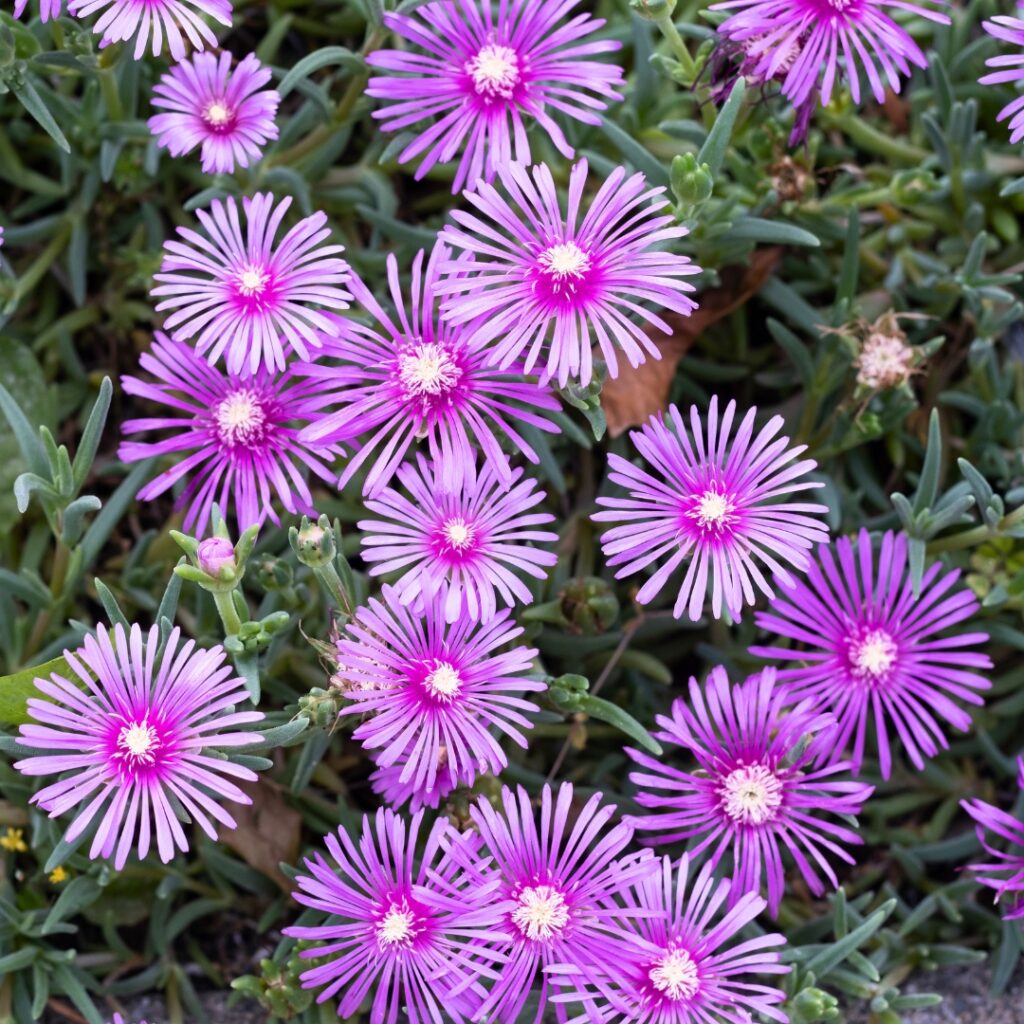
Asters tend to bloom from late summer into fall, but honestly, the exact timing shifts with your region and which variety you’re growing. I watch the calendar, notice the weather, and keep an eye on swelling buds—that’s how I know color’s coming.
Peak Bloom Months by Region and What I See in My Garden
Across most of the U.S., asters bloom August through October. In the hot southern zones (8–9), I sometimes see buds open in late July and flowers stick around until November if frost doesn’t show up early.
In colder northern zones (3–5), bloom usually kicks off in September. A single hard frost can wipe out the show, so I plan for about four to six weeks of color.
Here’s a quick table for reference:
| Region | Typical Bloom Window |
|---|---|
| South (Zones 8–9) | Late July–October |
| Mid-Atlantic (6–7) | August–October |
| North (3–5) | September–October |
Quick Tip: If nighttime temps dip below 40°F, expect blooms to slow or fade. I’ll toss a sheet over the plants if frost threatens—sometimes you can squeeze out a few more days of color.
New England aster (Symphyotrichum novae-angliae) and New York aster tend to peak in early to mid-fall. White asters sometimes get started a bit earlier, depending on the species.
Factors That Influence Bloom Time More Than You Think
Sunlight’s a huge factor. I plant my asters in full sun—at least 6 hours of direct light—or they just don’t perform.
Soil and water play a role too. If the soil dries out, blooms might show up late or look small. When the top inch feels dry, I water deep and slow.
Quick Tip: Pinch back stems in early summer (around June). It delays bloom by a week or two, but you’ll get bushier plants and way more flowers.
Warm springs can nudge blooms earlier. Cool, wet summers drag things out. Since asters die back in winter and pop up fresh every year, weather always keeps me guessing.
Variation Among Aster Species and Why It Changes the Schedule
Not all asters stick to the same calendar. The classic garden asters now fall under Symphyotrichum, and each one has its own rhythm.
New England aster (Symphyotrichum novae-angliae) usually shows off from late August into October, with those bold purple or pink flowers and yellow centers.
New York aster often starts a bit earlier. White species like heath aster can start in late summer and keep going into fall.
Quick Tip: Always check the plant tag when you buy. It usually lists expected bloom months for your zone, which makes it easier to stagger early and late types for a longer show.
Mixing species lets me keep asters blooming for two months or more in the same garden bed. That’s a trick I never regret.
Popular Aster Types and Their Bloom Periods
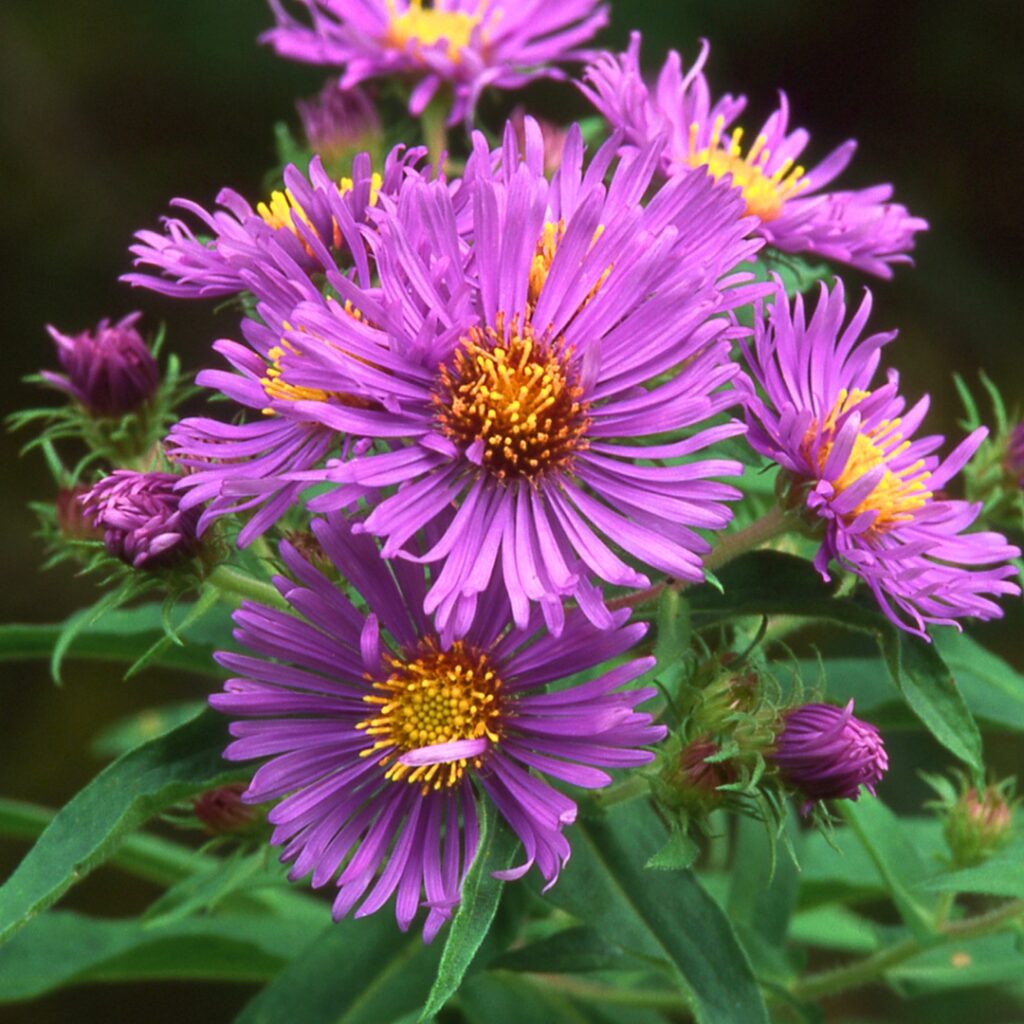
I grow a few types of aster in my yard, and each one has its own schedule. New England, white, and New York asters all flower from late summer into fall, but their peak weeks and bloom styles aren’t the same.
New England Aster Bloom Times: Bold Fall Color That Lasts for Weeks
New England aster (Symphyotrichum novae-angliae) stands tall—literally. It blooms from late August through October in most zones; in warmer spots, I sometimes catch flowers in mid-August, but in cooler areas, they hold off until September.
The plants get 3–6 feet tall, forming thick clumps. Flowers are usually deep purple, pink, or violet, with bright yellow middles. Bees and butterflies can’t stay away when the sun’s out.
I pinch stems back in early summer so the plants stay shorter and fuller. That delays bloom by about a week, but the payoff is more flowers.
Quick Tip: If you want color into October, go for full sun and don’t go heavy on fertilizer. Too much food just makes floppy stems and fewer blooms.
Powdery mildew sometimes shows up in humid weather. I space plants out and keep air moving to fight it off.
White and Frost Asters: Late Bloomers That Light Up the Garden
White asters, including frost aster (Symphyotrichum pilosum), bloom later than most purple types. I usually see them from September into October—sometimes right up to the first real frost.
The flowers have small white petals and yellow centers that turn reddish as they age. Plants reach 2–4 feet and branch out, making a cloud of little blooms.
They thrive in poor soil. I’ve watched them do fine in dry, sandy spots where most flowers sulk.
Quick Tip: Don’t cut these back too much in summer if you want a big fall show. Let them do their thing.
In cold zones, frost ends the party fast. In mild climates, they can last much longer.
New York Aster Highlights: Compact Plants With Long Bloom Windows
New York aster (Symphyotrichum novi-belgii) usually blooms from late August through early October. Some of the newer varieties start even earlier, which is handy.
They’re shorter—often just 1–3 feet tall. Flowers show up in purple, blue, pink, or white, and the plants look tidy enough for borders or pots.
New York asters like evenly moist soil. If the top inch dries out, I give them a good soak.
Quick Tip: Divide clumps every couple of years in spring. It keeps them healthy and blooming strong.
Mildew can be a problem in humid spots. I put mine where the morning sun dries leaves quickly.
Growing Conditions for Maximum Flowering
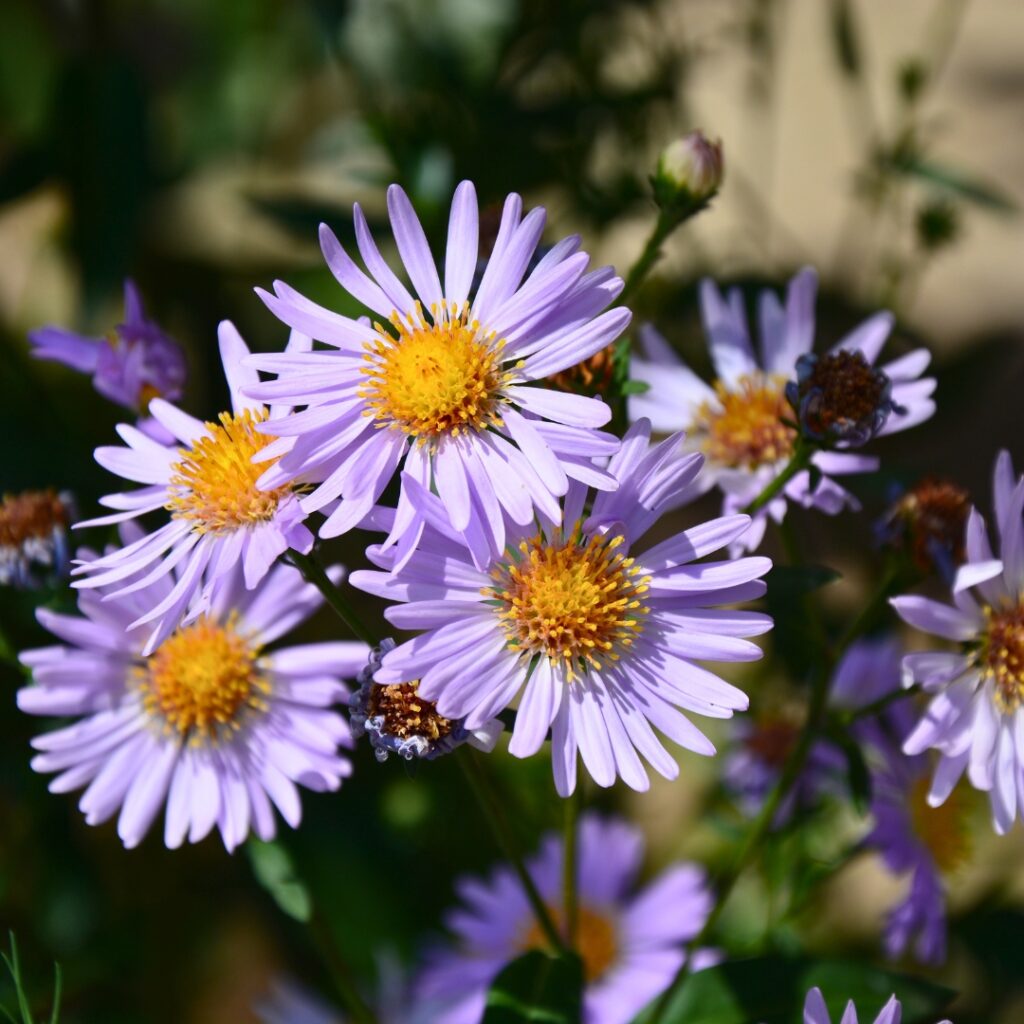
I get the best blooms from asters when I focus on three things: plenty of sun, well-drained soil, and steady care. Asters respond fast to good conditions, and they’ll fizzle out just as quickly if I slack off.
Sunlight and Temperature Needs for Strong, Full Blooms
I always give asters at least 6 hours of direct sun a day. Full sun keeps stems strong and loads up the plant with buds. In part shade, I see fewer flowers and floppy growth.
Most asters are herbaceous perennials in the Asteraceae family. They handle cool nights and often bloom as days get shorter. Ideal temps are somewhere between 60–75°F while they’re growing.
In hot zones (8–9), a little afternoon shade helps prevent wilting. In colder areas (3–5), I stick with hardy types and plant them where the sun is strongest.
Quick Tip: If you notice stems stretching or leaning, move the plant to a sunnier spot next season.
Soil Preferences and Drainage That Keep Roots Healthy
I never plant asters in soggy soil. Wet ground leads to root rot, especially in clay-heavy spots. They do best in loamy soil with a good bit of compost mixed in.
Before planting, I dig down 8–10 inches and mix in organic matter. The soil should feel loose and crumbly, never sticky.
A slightly acidic to neutral pH (about 6.0–7.0) works best. If water pools after rain, I switch to raised beds for asters.
Quick Tip: After watering, check the soil. If it stays wet for more than a day, fix the drainage before roots start to rot.
Watering and Seasonal Care for Longer Bloom Time
I water deep, but not too often. When the top inch of soil dries out, I give the plant a good soak at the base. Shallow watering just encourages weak roots.
During hot, dry spells, I water once or twice a week. If it’s rainy, I back off. Too much water invites mildew—a white film that can coat the leaves fast.
I pinch back stems in early summer to make plants bushier and set more buds. I also deadhead faded flowers to keep new blooms coming.
Quick Tip: If the leaves wilt in the morning, check the soil. Dry soil means water; if it’s damp, heat stress is more likely the culprit.
Asters in the Pollinator Garden
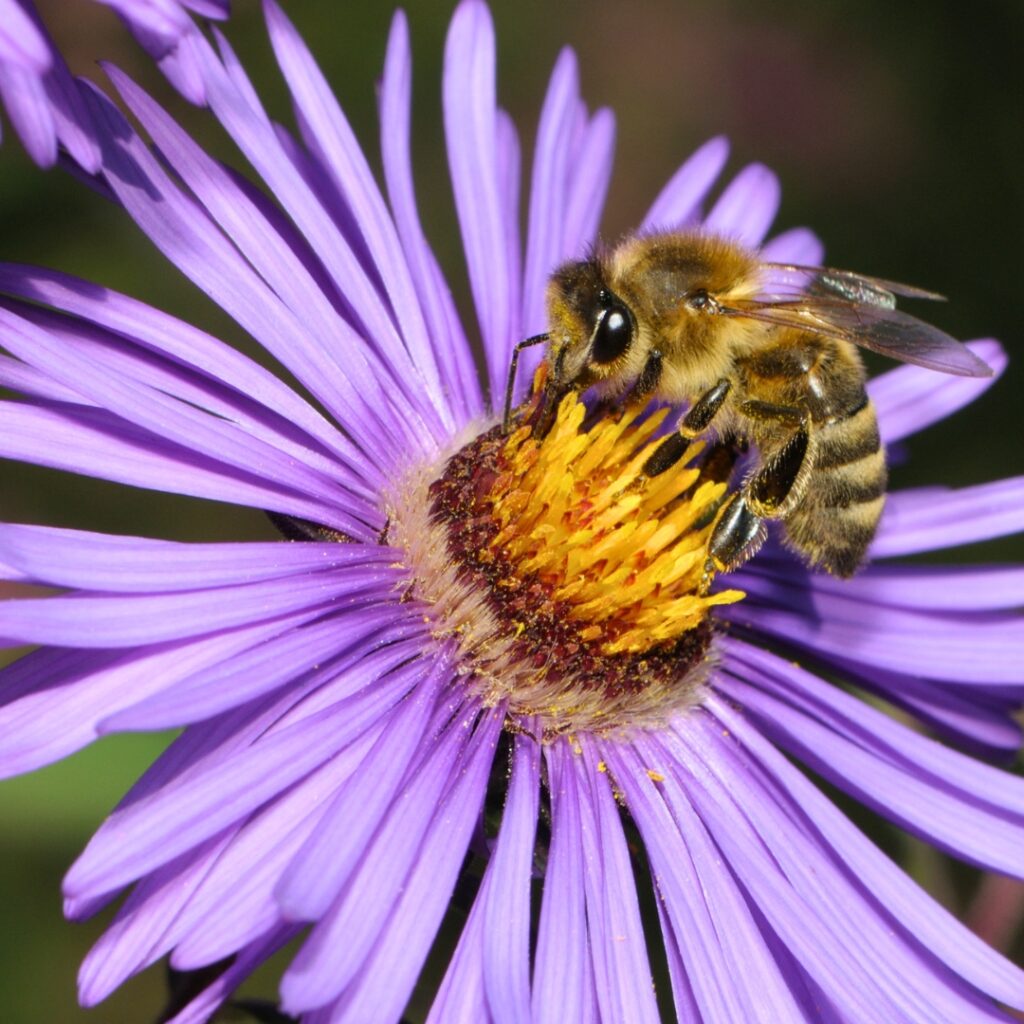
I count on asters in my pollinator beds because they bloom when most other flowers are done. Their late-season nectar keeps bees and butterflies active and pairs well with tough companion plants.
Supporting Bees and Butterflies When Other Flowers Fade
I rely on aster flowers for late-season pollinator food. When goldenrod and summer blooms wind down, asters offer fresh nectar and pollen.
Bees crowd the bright centers on sunny afternoons. Monarchs and painted ladies often land on the petals for a quick snack. The open flower shape makes it easy for them.
I plant asters in full sun for the best bloom. In really hot zones, a little afternoon shade keeps flowers from wilting too soon. I always group plants in clumps so pollinators can find them easily.
Quick Tip: Skip pesticides in pollinator beds. Even “safe” sprays can hurt bees if you use them on open blooms.
Sometimes I leave a few stems standing after bloom. Native bees might use the hollow stems for winter shelter.
Companion Plant Suggestions That Keep the Garden Buzzing
I mix asters with sturdy companion plants that bloom at the same time. My favorites include:
- Parthenium integrifolium (wild quinine)
- Goldenrod
- Joe-Pye weed
- Sedum ‘Autumn Joy’
- Native grasses like little bluestem
These all like similar sun and soil. Most prefer well-drained soil and plenty of light.
Parthenium integrifolium has flat white blooms that look great with purple asters. The combo attracts more pollinators and keeps things lively.
Quick Tip: Space plants so air can move between them. Crowded beds stay damp and mildew loves that—especially on asters in humid spots.
I skip pairing asters with heavy feeders or plants that want rich, wet soil. Asters are happiest in average ground and don’t need much fertilizer.
Caring for Aster Plants After Bloom
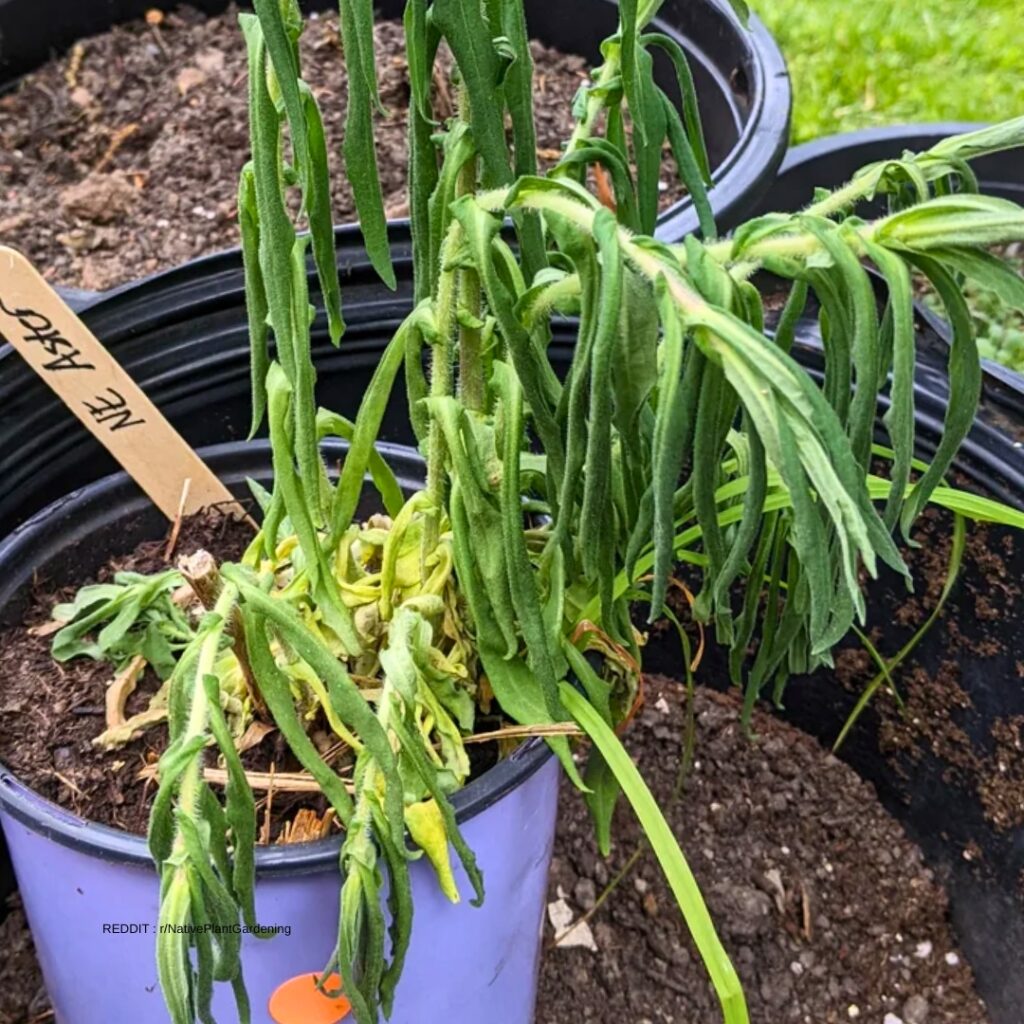
Once asters finish blooming, I focus on cleanup and keeping the plants strong for next year. A little strategic pruning and dividing at the right time keeps these tough perennials full and healthy.
Pruning and Deadheading to Keep Asters Neat and Strong
I cut off spent flowers as soon as they fade, which keeps things looking tidy and stops the plant from wasting energy on seeds. A lot of garden asters, usually labeled as Symphyotrichum, will sometimes throw out a few more blooms if I deadhead early enough.
Once the whole plant finishes blooming, I trim stems back to about 1–2 inches above the soil. I usually wait until the leaves turn yellow after a light frost.
In colder zones, I’ll sometimes leave the stems standing through winter and chop them down in early spring. The dry stalks give the crown a bit of protection from freeze damage.
If I spot any blackened or mushy stems, I pull them out right away. That seems to keep disease from spreading, especially when fall gets damp and chilly.
Quick Tip: I always use clean, sharp pruners and wipe the blades with alcohol between plants. It’s a simple way to avoid spreading disease.
Dividing and Propagation to Refresh Overgrown Clumps
Most asters in the Asteraceae family love to spread. After a couple of years, the center of the clump gets thin or woody, and that’s my cue to divide.
In early spring—or right after bloom if the climate’s mild—I dig up the whole clump. I grab a spade and slice it into smaller pieces, each with healthy roots and a few shoots.
The dead center goes on the compost pile, and I replant the strong outer bits. I leave about 18–24 inches between new divisions, so air can move through and cut down on mildew.
Quick Tip: I water new divisions deeply right after planting. Then I keep the soil just a tad moist for a few weeks so roots settle in quickly.
Frequently Noted Cultivars and Flower Colors
Lots of gardeners pick asters for their size and color, but I pay attention to bloom time, height, and how bold the color looks in autumn light before planting anything.
Notable Garden Varieties That Stand Out in Late-Season Beds
I really like New England aster (Symphyotrichum novae-angliae) for its tall stems and big, showy flowers. It often grows 3 to 6 feet tall, so I tuck it in at the back of a border.
The flowers have thick petals and those classic yellow centers. New York aster is a bit shorter and more compact, which fits better in smaller yards or mixed beds.
The stems on New York aster don’t flop as much, so I don’t need to stake them, which is honestly a relief.
Some of my favorite cultivars:
- ‘Purple Dome’ – deep purple, stays low and neat
- ‘September Ruby’ – rosy red-purple blooms
- ‘Alma Pötschke’ – bright pink flowers
I always check plant tags for height before buying. Some asters spread quickly in warmer zones, especially Zone 7 and up.
Quick Tip: If a tall aster flops after a summer storm, I pinch the stems back by about a third in early June. That keeps it bushy and standing tall.
Classic Flower Color Varieties That Shape the Look of Your Garden
Aster flowers show up in purple, pink, blue, and white. I mix colors so the garden doesn’t look flat in fall.
White aster varieties brighten up shady corners and pair nicely with ornamental grasses. Their pale petals make the yellow centers pop, and they blend well with mums too.
Purple types, especially New England aster, pull in bees and butterflies like crazy. Blue shades feel cooler and softer, while pink brings a bit of warmth without stealing the show.
In hot climates, the darker colors sometimes fade in strong sun. I usually plant them where they get morning sun and some afternoon shade.
Quick Tip: When picking colors, I hold the pot next to nearby plants. If it clashes now, it’ll look even worse in full bloom.
Frequently Asked Questions
Asters bloom from late summer into fall, but timing shifts with climate, care, and variety. I keep an eye on buds, weather, and plant health to guess when flowers will open and how long they’ll last.
What months do asters usually start flowering in different climates, and why timing shifts by zone?
In warm places like Zones 7–9, I usually see asters blooming by August. In cooler areas like Zones 3–5, they often start up in September and can keep going into October if frost holds off.
Heat can push blooms earlier, but a cool, wet spring might delay them by a week or two.
Quick Tip: Check your local frost dates. If frost comes early, the bloom window gets shorter.
How can I tell when my asters are about to bloom, and what early signs should I watch for?
I look for tight, round buds at the tips of stems—they’re like little green buttons before color shows. As bloom time gets close, hints of purple, pink, blue, or white start peeking out.
The buds feel firm, not squishy. If the plant suddenly looks fuller and stops getting taller, flowers are probably just days away.
Quick Tip: Once you spot color in the buds, check daily. Blooms can open fast when it’s warm.
Do asters bloom in late summer, fall, or both depending on the variety?
Most asters bloom from late summer into fall. Some early types start in August, while others hit their stride in September or October.
In milder climates, I sometimes get blooms until the first hard frost. In colder zones, frost usually ends the show pretty quickly.
Mixing different varieties can stretch color across two or three months.
Quick Tip: Plant early and late bloomers together for steady color as the season changes.
How long do aster flowers typically last once they open, and what affects their lifespan?
Each flower sticks around for about one to two weeks. Cooler weather helps them last longer.
Hot, dry spells make flowers fade faster. I water regularly to keep petals from wilting too soon.
Deadheading helps the plant focus on fresh blooms instead of seeds.
Quick Tip: If the top inch of soil feels dry, water deeply. Even moisture keeps flowers looking good longer.
What can I do to encourage more blooms on my asters for a fuller fall display?
I always plant asters in full sun—at least six hours of direct light brings more buds. In early summer, I pinch back the stems by a few inches to make the plant branch out and set more flower buds.
During the season, I remove faded blooms to keep the plant tidy and focused on new flowers.
Quick Tip: I stop pinching by mid-summer. If I pinch too late, fall blooms get delayed.
Are asters perennials that come back and bloom every year in most gardens?
Most asters you’ll find in gardens are perennials. They’ll pop back up every year in Zones 3–8, as long as you give them a good spot.
I usually cut mine back after the frost hits, leaving a couple inches of stem. If you live somewhere cold, toss on a light layer of mulch—it really helps the roots make it through winter.
Watch out though, some asters at the garden center are annuals. I always double-check the plant tag before bringing one home.
Quick Tip: If your clumps start looking crowded, divide them every 2–3 years in spring. It keeps them healthier and the blooms just get better.