
Prune most rose bushes in late winter or early spring, when buds start to swell. Remove dead or weak stems, then trim healthy stems just above an outward-facing bud.
I check the weather before pruning roses. If hard freezes are still likely, I wait. For roses that bloom only once, I make the main cut after the flowers fade.
Quick Tip: Wear gloves and use sharp shears. Rose thorns are quick to remind you.
The Best Time to Make the Main Cut
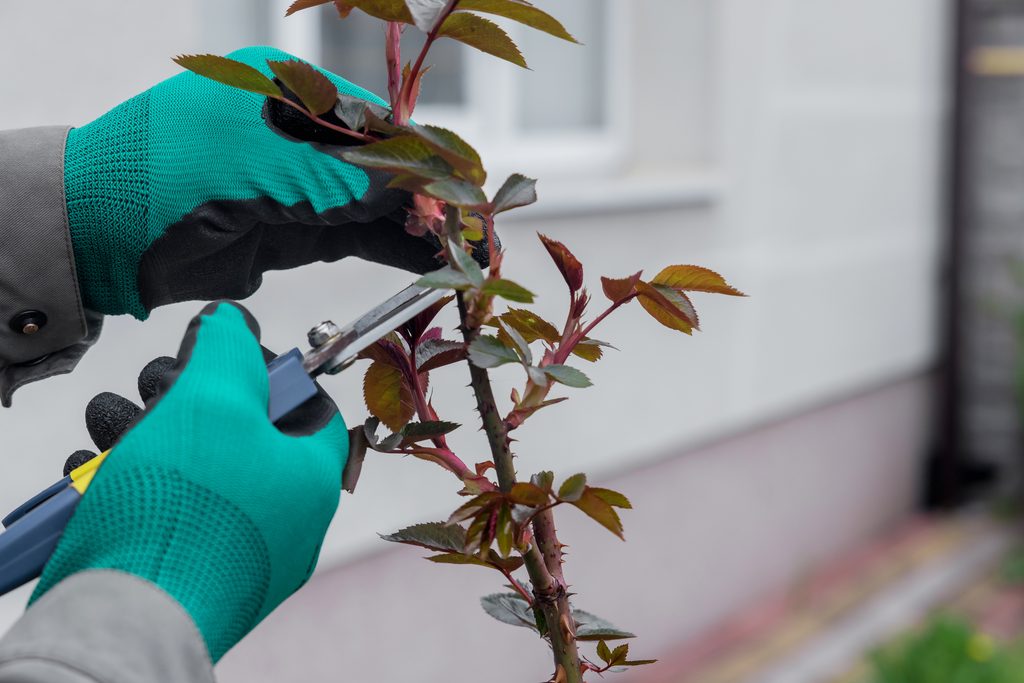
I use swelling buds and the local last frost date to time the main cut. I also check how each rose blooms, since that changes when I prune it.
Use Bud Growth and Your Last Frost Date as Guides
For roses that need a spring cut, I look for plump buds starting to show green. That tells me the plant is waking up. I aim to prune as the last frost date approaches, once the risk of a hard freeze has eased.
A last frost date is only an estimate, so I check the forecast too. If a hard freeze is coming, I wait. Fresh growth is tender and can suffer in a cold snap.
In warmer areas, buds may swell in late winter. In colder areas, the same signs may arrive weeks later.
Quick Tip: I check stems for plump buds before making the main cut. A calendar date alone can miss an early or late spring.
Check Whether Your Rose Blooms Once or Repeatedly
I prune repeat-blooming roses in late winter or early spring, using the bud and frost clues above. These roses flower on new growth, so the spring cut leaves room for fresh stems and blooms.
Once-blooming roses need a different schedule. I give them their main cut soon after their flowers fade, often in early summer. Many bloom on stems that grew the year before, so a hard spring cut can remove buds that would have opened that season.
If I don’t know which kind I have, I watch it for a season. Flowers that return after the first flush point to a repeat bloomer. If the plant flowers once and stops, I save its main cut until after that display.
Quick Tip: I remove dead or damaged wood when I find it, even if the main cut must wait.
A Simple Step-by-Step Pruning Method
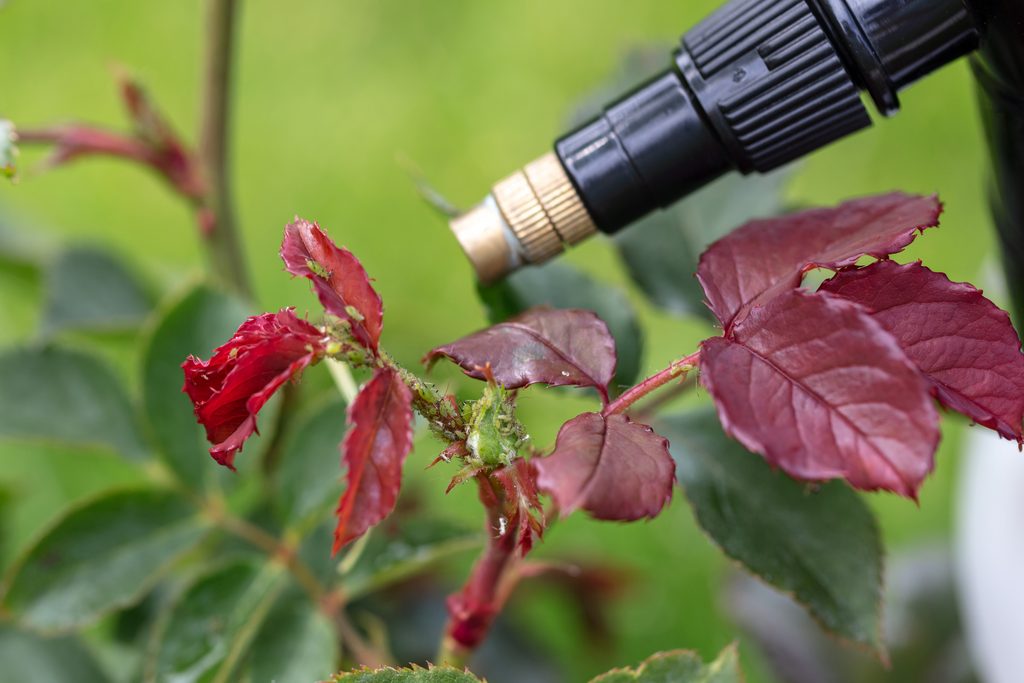
I start with sharp tools and thick gloves, then clear out damaged and crowded canes. Clean cuts above outward-facing buds guide new growth, while removing suckers helps grafted roses grow from the right roots.
Gather Sharp Tools and Protect Your Hands
I use sharp bypass pruners for most rose canes. Their blades make clean cuts through living stems. For thick canes, I reach for a pruning saw.
Put on gauntlet gloves before you start. Their long cuffs protect your wrists and forearms from thorns. Long sleeves and eye protection also help when you work inside a crowded bush.
Wipe the blades clean before pruning. If you cut a diseased cane, clean the blades with 70% rubbing alcohol before making the next cut.
Quick Tip: Test your pruners on a small cane. If they crush or tear the stem, sharpen the blades before you continue.
Remove Dead, Diseased, Weak, and Crossing Canes
I remove dead canes first. Look for brown, dry wood, then cut back until the center of the stem looks healthy. Remove canes with signs of disease and clear away the cut pieces.
Next, remove thin, weak canes and any that rub against another stem. Rubbing can damage the bark and leave an opening for disease. Cut each unwanted cane near its base without nicking the canes you want to keep.
Step back and look through the bush. Clear space between the remaining canes so air can move through the plant. Leave strong, healthy growth in place.
Quick Tip: When two canes cross, keep the stronger one that points away from the center of the bush.
Make Clean Cuts Above Outward-Facing Buds
I look for an outward-facing bud eye, a small bump on a cane that points away from the center of the bush. New growth will head in that direction, giving the canes more room.
Place the blade about 1/4 inch above the bud. Make one clean, slanted cut, with the high side above the bud. Keep the cut close enough to avoid a long stub, but leave room so the bud stays intact.
Check each cut before moving on. If the stem tears, make a fresh cut with sharp pruners. In areas with late freezes, wait until the worst cold has passed before making major cuts.
Quick Tip: Turn the cane gently to find a bud that faces the open side of the plant.
Remove Suckers From Grafted Plants
I check the base of grafted roses for shoots growing below the graft union. This swollen join sits near the base of the plant. Shoots from below it grow from the rootstock and can take space and water from the rose above.
Brush back the soil if you can’t see where a shoot begins. Follow it to its point of origin, then cut it off close to the root. Don’t leave a stub that can sprout again.
Check the base after new growth starts in spring. Roses grown on their own roots have no graft union, so shoots from their base belong to the plant.
Quick Tip: Find the graft union before you cut. A healthy new cane above that join is worth keeping.
Adjust the Cut to Your Rose Type
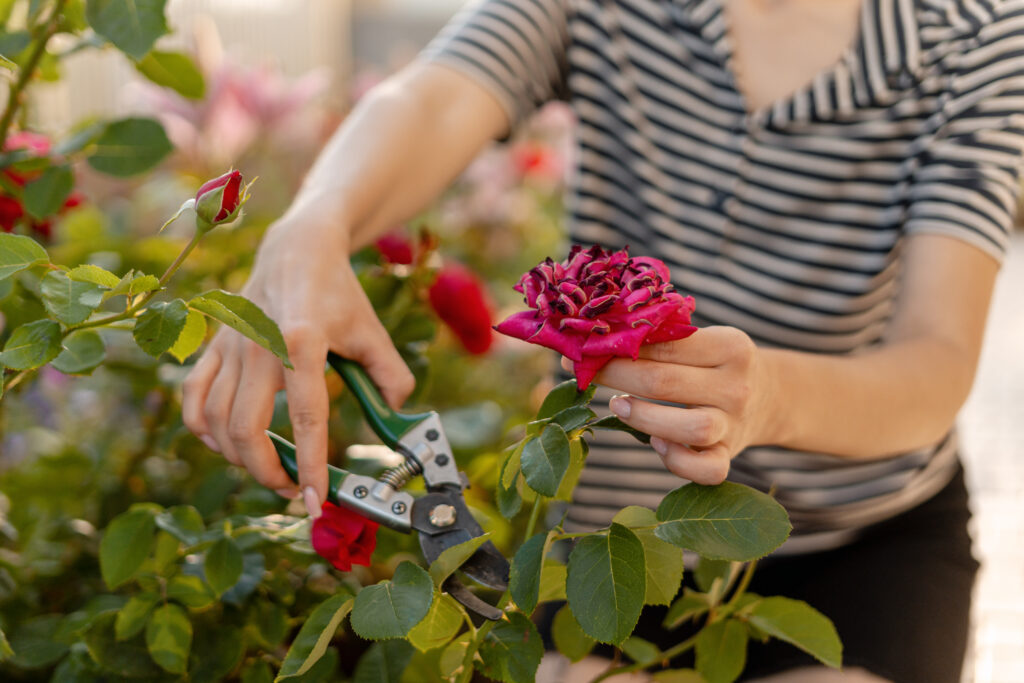
I cut hybrid teas harder to encourage strong new stems, while I give shrub roses a lighter trim. Climbers need their long main stems, and once-blooming roses need pruning after their flowers fade.
Hybrid Teas and Floribundas
I prune hybrid tea roses in early spring, when buds begin to swell and the risk of a hard freeze has passed. First, I remove dead, damaged, and crossing stems. Then I cut the healthy stems back by about one-third to one-half, just above buds that face away from the center.
Floribunda roses bloom in clusters, so I use a moderate pruning cut. I shorten their stems by about one-third and leave enough healthy branches to hold plenty of flowers. In cold areas, I wait until winter damage is clear before making the final cuts.
Quick Tip: I wipe my pruners between plants, especially when I see dark or spotted stems.
Shrub and Landscape Roses
I give shrub roses room to keep their natural shape. In spring, I cut out dead wood and thin crowded stems near the center. For a tidy plant, I shorten the remaining stems by about one-third.
Landscape roses usually need light pruning. I clip away winter damage and trim stray stems that reach into a path. If a plant has grown too large, I cut some of its oldest stems near the base to make space for fresh growth.
Quick Tip: I step back between cuts. A shrub looks different from a few feet away than it does with my face in the branches.
Climbing Roses and Once-Blooming Varieties
I keep the long main stems on climbing roses because they form the plant’s frame. In late winter or early spring, I remove dead stems and shorten the smaller side shoots to a few buds. I tie healthy main stems across a fence or support as they grow.
Once-blooming varieties flower on stems that grew the year before. I prune them soon after the flowers fade, giving new stems time to grow for next year. I remove dead wood and cut a few old stems near the base if the plant feels crowded.
Quick Tip: I check for new buds before cutting a long stem. One big cut can remove a season’s flowers.
Newly Planted or Overgrown Roses
I prune a newly planted rose lightly. I remove broken or dead stems, then leave the healthy growth to help the plant settle in. If a stem rubs against another, I cut one away before the bark gets scraped.
For an overgrown rose, I start with dead stems and growth that crosses through the center. Then I remove a few of the oldest stems near the base. I spread bigger changes over two or three years, especially if I don’t know when the rose blooms. That gives me time to watch how it grows.
Quick Tip: I put on thick gloves before reaching into a crowded rose. Thorns hide where I least want them.
Small Jobs Through Summer and Fall
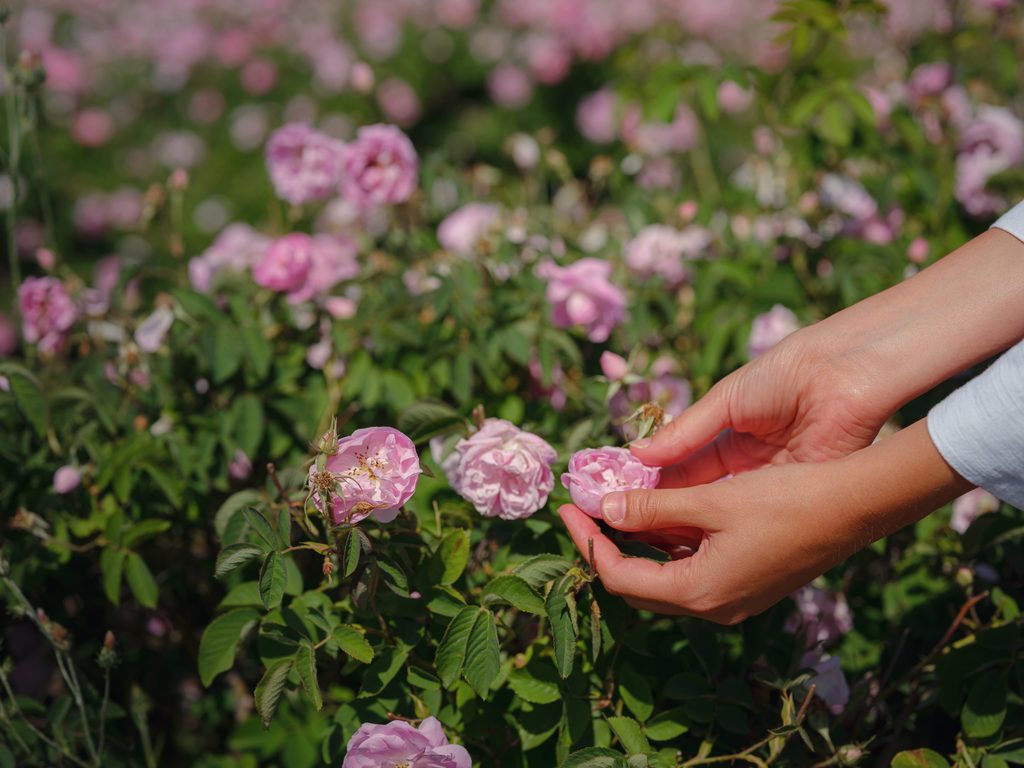
I clip spent flowers from repeat-blooming roses through summer, then leave some blooms if I want rose hips. In fall, I remove broken or sick growth and save major pruning for the right season.
Deadhead Repeat Bloomers—or Leave Flowers for Hips
When a flower fades and its petals drop, I cut the stem back to a strong leaf. I make the cut just above a leaf that points away from the center of the plant. This keeps the rose tidy and gives the next bloom room to grow.
If you want rose hips, leave some flowers on the plant after they fade. The round hips form where those flowers grew. I leave the last flush of blooms alone in fall, especially where frost comes early.
Quick Tip: I use clean, sharp pruners and check for fading flowers once a week during peak bloom.
Tidy Damaged Growth Without Encouraging Tender Fall Shoots
I check rose canes after storms and cut off broken ends. If a cane has dark, dead, or diseased wood, I cut back to healthy wood and put the removed pieces in the trash. Clean cuts heal better than ragged breaks.
In fall, I keep this job small. Heavy pruning can push out soft new shoots that cold weather can damage. I also wait until spring to shape roses in places with freezing winters.
Quick Tip: I wipe my pruners after cutting diseased wood so I don’t carry it to another cane.
Care for Roses After Pruning
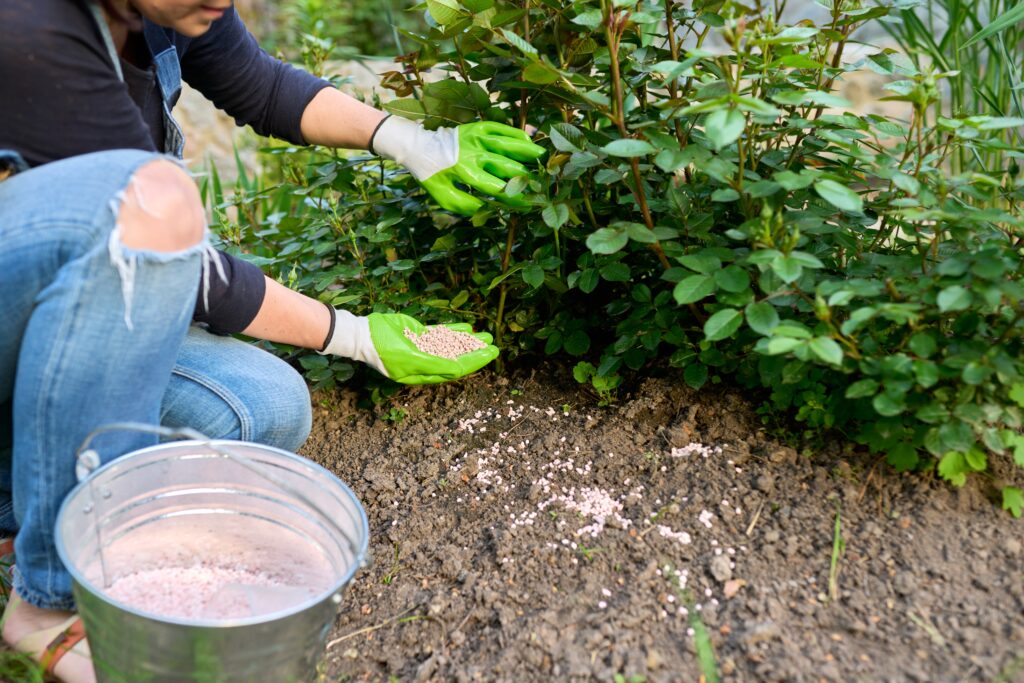
Pick up cut stems and fallen leaves, then clean your tools before putting them away. As new shoots appear, water and feed your roses at the right time, and check them for trouble.
Clear Debris and Clean Tools to Limit Disease
I gather every cut stem and leaf from under the rose, including pieces caught near the base. Fallen leaves can carry black spot and other rose diseases. A clear patch of soil also makes fresh weeds and new growth easier to spot.
Put leaves with dark spots or yellow patches in the trash. I keep diseased rose debris out of my compost pile. Watch for thorns when you reach under the plant, since small cut stems can still give you a sharp poke.
Wipe soil and sap off your pruners. If you cut diseased wood, clean the blades with 70% rubbing alcohol before using them on another plant. Dry the blades well, then add a drop of oil to the hinge if it feels stiff.
Quick Tip: Keep a bucket beside you while you prune. It saves a second hunt for prickly scraps in the soil.
Feed and Monitor New Growth
Wait until you see new growth before feeding your rose after its main spring prune. I use a rose fertilizer and follow the amount on the label. If the soil feels dry, water it first, then water again after feeding to help move nutrients toward the roots.
Check the soil once or twice a week as shoots grow. If the top inch feels dry, water deeply at the base of the plant. Keep the leaves dry when you can, especially in damp weather, since wet leaves give black spot a better chance to spread.
Look closely at new leaves for dark spots, yellowing, or clusters of aphids. I also remove shoots that grow from below the graft, the swollen join near the base of many roses.
Quick Tip: In areas with freezing winters, stop feeding about six to eight weeks before the first expected fall frost. This gives new shoots time to firm up before cold weather.
Frequently Asked Questions
I prune most roses in late winter or early spring, after the worst freezes pass. Clean cuts and light summer care help keep bushes healthy and encourage repeat bloomers to flower again.
What month is best for pruning rose bushes?
I prune in February or March in warm areas. In colder areas, I wait until March or April, when the worst freezes have passed and buds start to swell.
Quick Tip: If hard freezes are still in the forecast, I leave the main pruning for later.
How do you prune roses if you’re a beginner?
Start with clean, sharp pruners. Cut out dead, damaged, and crossing stems first, then step back to check the bush.
Make each cut about ¼ inch above an outward-facing bud. A slight angle helps water run off.
Quick Tip: Scratch a small patch of bark if a stem looks dead. If it’s green underneath, the stem is alive.
How far back should you cut a rose bush?
For many bush roses, shorten healthy stems by about one-third to one-half in early spring. Cut dead stems back to healthy wood, or remove them at the base.
Climbing roses need a lighter touch. Keep their main stems and trim the shorter side shoots.
Quick Tip: Check the rose type before making big cuts. A hard trim can remove flower buds from roses that bloom only once.
Is it too late to prune roses once new growth appears?
No. You can still prune when buds have just opened and new shoots are short. Work carefully so you don’t snap the soft growth.
If long shoots or flower buds have formed, stick to removing dead or damaged wood. Save major shaping for the next pruning season.
Quick Tip: Red or pale green shoots break easily, so handle the stems gently.
Can you prune roses in summer or winter?
In summer, remove spent flowers and damaged stems. Avoid heavy pruning during hot weather because the bush needs its leaves.
In late winter, prune after the worst freezes have passed. In places with mild winters, that time comes earlier.
Quick Tip: Leave major cuts alone when a hard freeze is near.
How should you prune roses to encourage more flowers?
I remove faded flowers from repeat-blooming roses, cutting just above a healthy leaf with five leaflets. That gives the bush a good place to send out new growth.
In spring, I also remove crowded or weak stems so light and air can reach the center. Roses that bloom only once will flower again the next year.
Quick Tip: I stop removing spent flowers near fall if I want rose hips to form.