
Basil is one of my favorite herbs to grow, but recently, I noticed that something is munching on my beautiful green leaves. Could it be insects, disease, or maybe even critters like snails and slugs? This is a common problem for many home gardeners and can be really frustrating.
I’ve done some digging (pun intended 🤭), and it turns out there’s quite a lineup of possible culprits. Problematic pests like aphids, spider mites, and even caterpillars might be having a feast on my basil. Aphids can be especially sneaky, hiding on the undersides of leaves, and sucking the sap.
Have you noticed any small holes or yellowing leaves on your basil plants? 🪴 Let’s figure this out together! Drop your observations and any tried-and-true solutions in the comments. Maybe we can save our basil one nibble at a time! 🌿
Common Pests Affecting Basil Plants
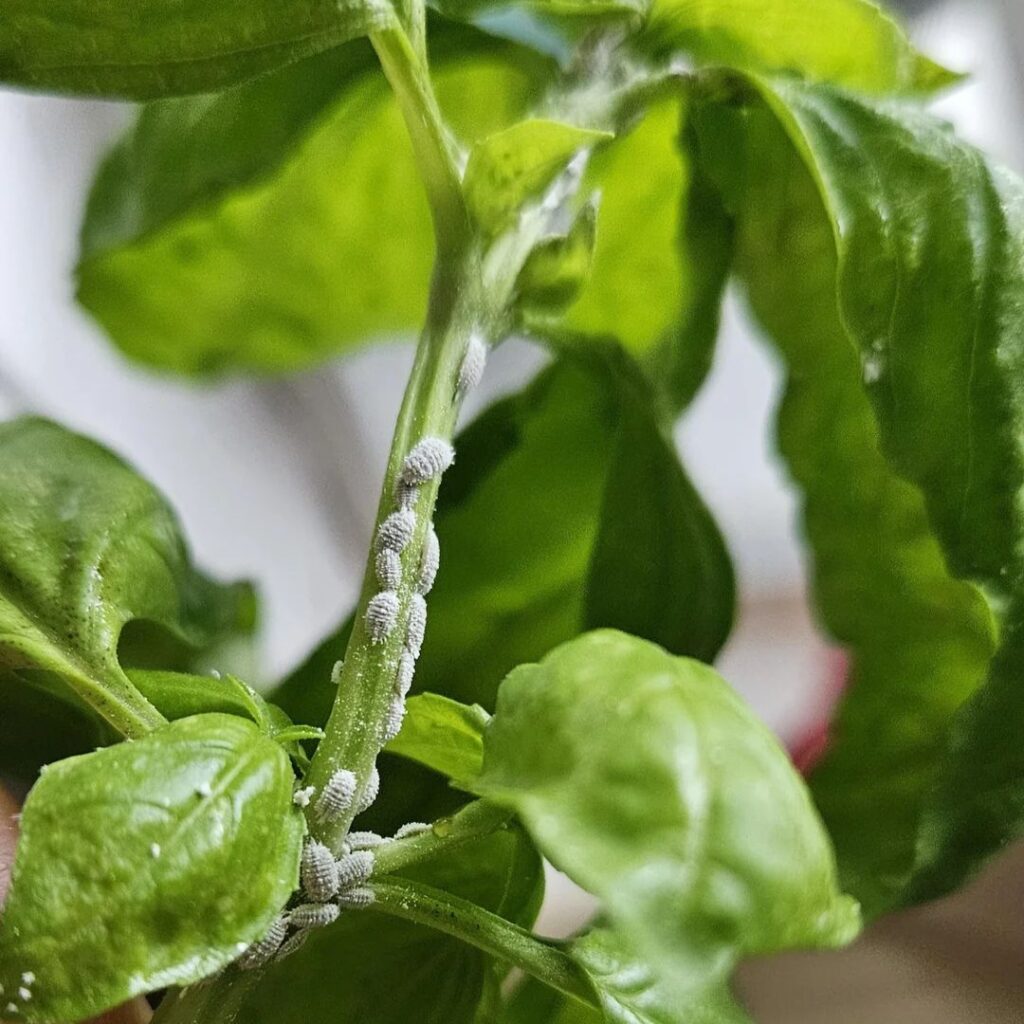
Is your basil plant looking a little worse for wear? It might have some common pests causing trouble. Let’s talk about what might be munching on your basil leaves and how to stop them!
Aphids
Aphids are tiny green or black bugs that love sap. I find them hanging out on the underside of basil leaves. These pests can make the leaves curl and turn yellow. A strong spray of water can often knock them off. You can also use insecticidal soap. Ever tried making a natural spray with water, dish soap, and a bit of vegetable oil? It works wonders!
Spider Mites
Spider mites are almost invisible without a magnifying glass! They’re so tiny but cause big problems, like yellowing leaves and a fine webbing. I notice them more in hot and dry conditions. To get rid of them, keep the humidity up. Wash the leaves with water regularly. Neem oil is also a great solution.
Japanese Beetles
Japanese beetles are very easy to spot. These shiny, metallic green and bronze beetles munch on the leaves, leaving behind lacy, skeleton-like patterns. I usually check my plants in the morning. If you catch them early, you can handpick them and drop them into soapy water. Looking for a natural deterrent? Try planting garlic or chives nearby.
Slugs and Snails
Slugs and snails leave slimy trails and holes in the leaves. They’re more active at night or after it rains. I found that beer traps or crushed eggshells scattered around the plant work well to deter them. You can also use copper tape around the pot. Slugs and snails don’t like crawling over copper.
Whiteflies
Whiteflies are small, white-winged insects that flutter around your basil plant when disturbed. They suck sap from the leaves, causing them to wilt and turn yellow. A yellow sticky trap can help catch them. Spraying the leaves with a mixture of water and dish soap or using insecticidal soap can also keep them in check. Have you tried that yet?
Diseases That Cause Basil Damage
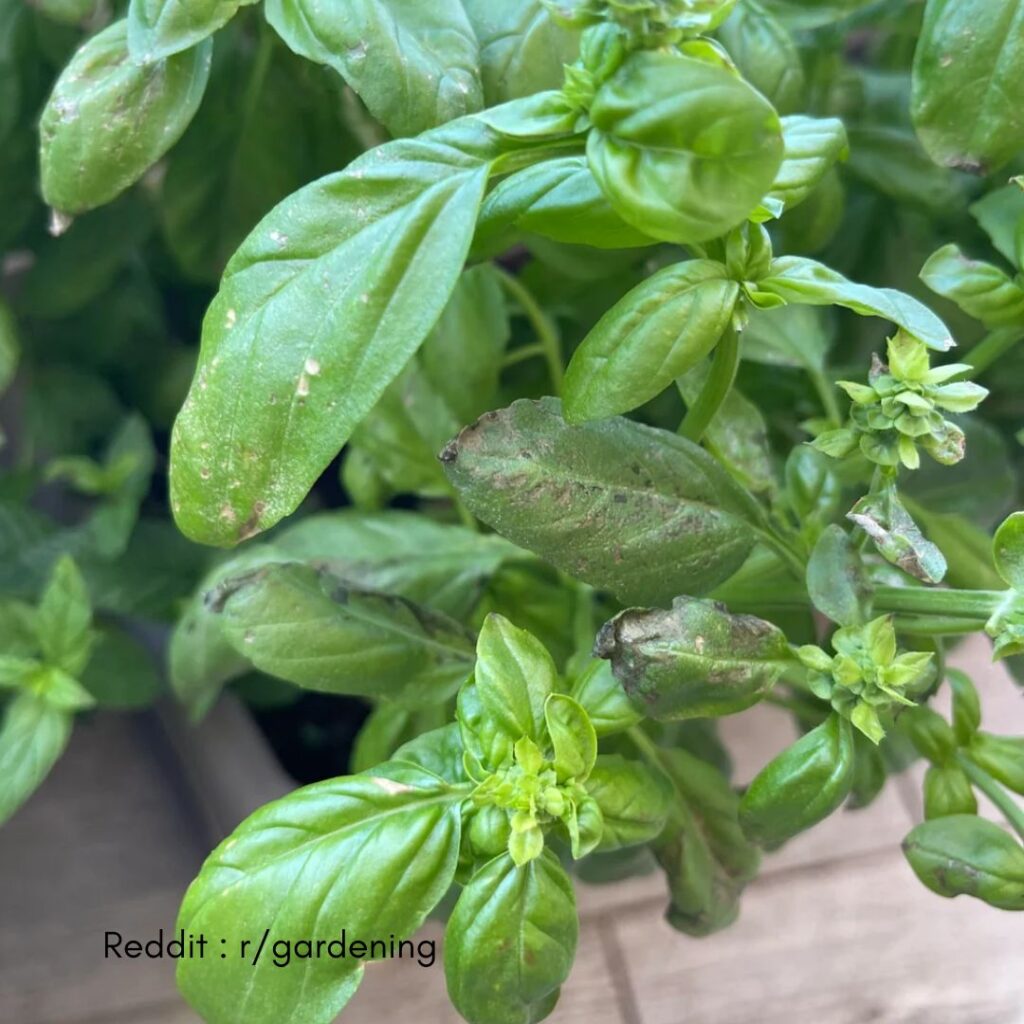
Basil plants can suffer from a few key diseases that cause significant harm. Identifying symptoms quickly and taking action can save your plants.
Basil Downy Mildew
Basil Downy Mildew is a fungus-like organism that loves humid conditions.
Symptoms: Look for yellowing leaves with a fuzzy grayish-purple underside. If you see this, it’s likely downy mildew.
Spread: It spreads through the air and water. Wet leaves can make it worse.
Prevention and Treatment: Keep the plant dry and ensure proper air circulation. Remove infected leaves immediately. Neem oil can help, but prevention is key.
☔ Tip: Water the soil, not the leaves, to keep moisture levels down.
Fusarium Wilt
Fusarium Wilt is caused by a soil-borne fungus that affects basil roots.
Symptoms: Wilting leaves that turn yellow and fall off. If you pull the plant, you’ll see brown streaks on the stem.
Spread: Contaminated soil and tools can spread the fungus. It can stay in the soil for years!
Prevention and Treatment: Use disease-free seeds and soil. Rotate crops each year to decrease the risk. Remove and destroy affected plants to prevent spread.
🌱 Reminder: Always clean garden tools to avoid cross-contamination.
Gray Mold
Gray Mold (Botrytis cinerea) appears during cool, wet weather.
Symptoms: Look for grayish-brown spots that develop into a fuzzy mold on leaves, stems, and buds.
Spread: Like downy mildew, it loves moisture. It can spread fast across your basil plants.
Prevention and Treatment: Improve air circulation and avoid overhead watering. Remove and discard infected parts. A fungicide might be needed in severe cases.
🕵️ Fun Fact: Regularly check your basil for signs of disease, like playing detective!
Got any questions or tips to share? Drop them in the comments below! 🌿✨
Environmental Stressors on Basil
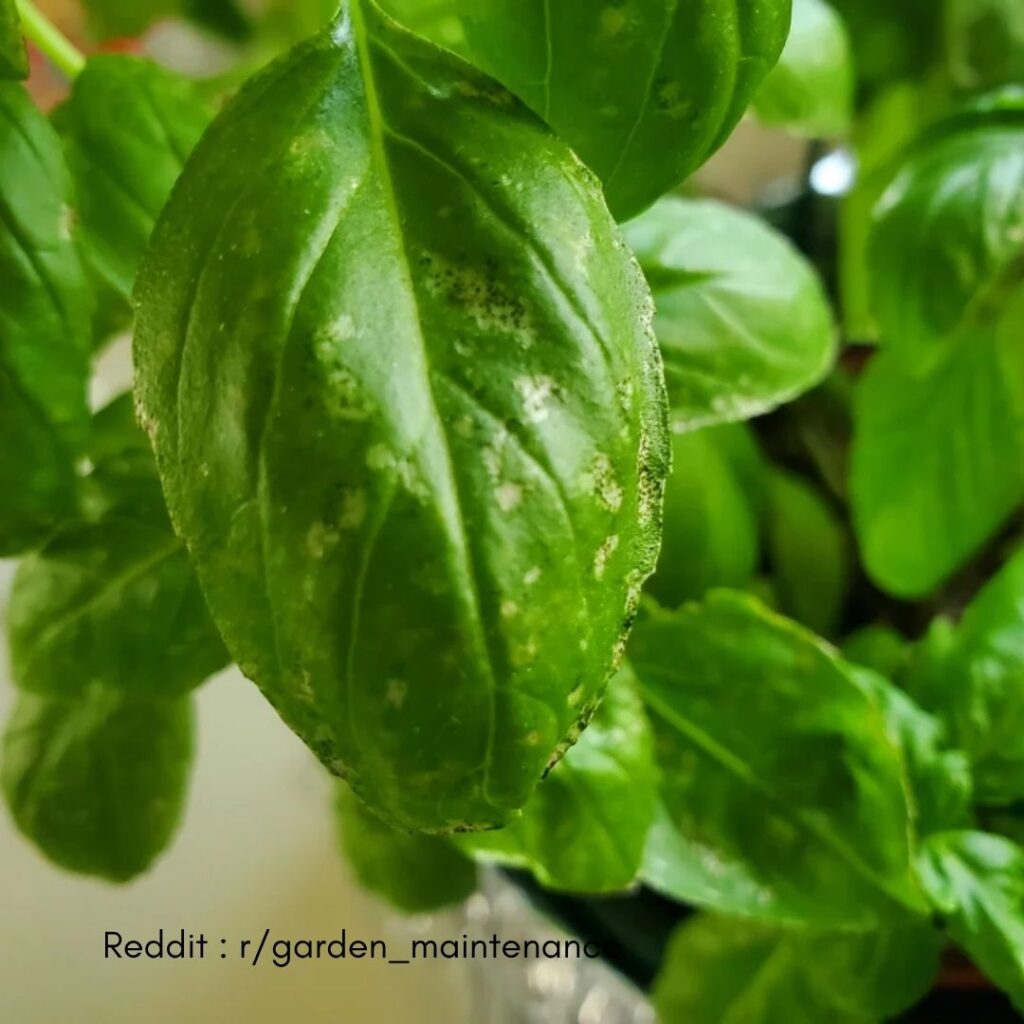
Basil plants can face many challenges. Some of these challenges include too much sun, issues with watering, and lack of vital nutrients.
Sun Scorch
Have you noticed your basil leaves looking burnt or crispy? 🌞 This could be because the plant is getting too much direct sunlight. Although basil loves the sun, too much exposure can cause sun scorch.
Try placing your basil in an area where it gets morning sunlight and some afternoon shade. This balance can help it grow healthier and prevent those crispy leaves. Remember, even plants can get sunburned!
Improper Watering
Watering basil can be tricky. Too much or too little can cause issues. Does your basil plant have yellow leaves or seem to be wilting? Overwatering can lead to root rot, while underwatering can make the plant dry and weak.
I recommend watering your basil when the top inch of soil is dry. That way, it’s not too wet and not too dry. Kind of like Goldilocks, we want it just right! 💧
Nutrient Deficiencies
Is your basil looking a bit pale or just not growing well? 🪴 It might be missing some important nutrients. Basil needs a balanced diet of nitrogen, phosphorus, and potassium to thrive. Lack of these can lead to slow growth, pale leaves, and other problems.
Consider using a balanced fertilizer to boost your basil’s health. You can also mix compost into the soil for additional nutrients. Giving your basil the right nutrients ensures it grows lush and green.
Got any basil-growing tips or tricks? Share your thoughts in the comments! Let’s help each other grow amazing basil plants! 🌿💚
Physical Evidence of Basil Consumption
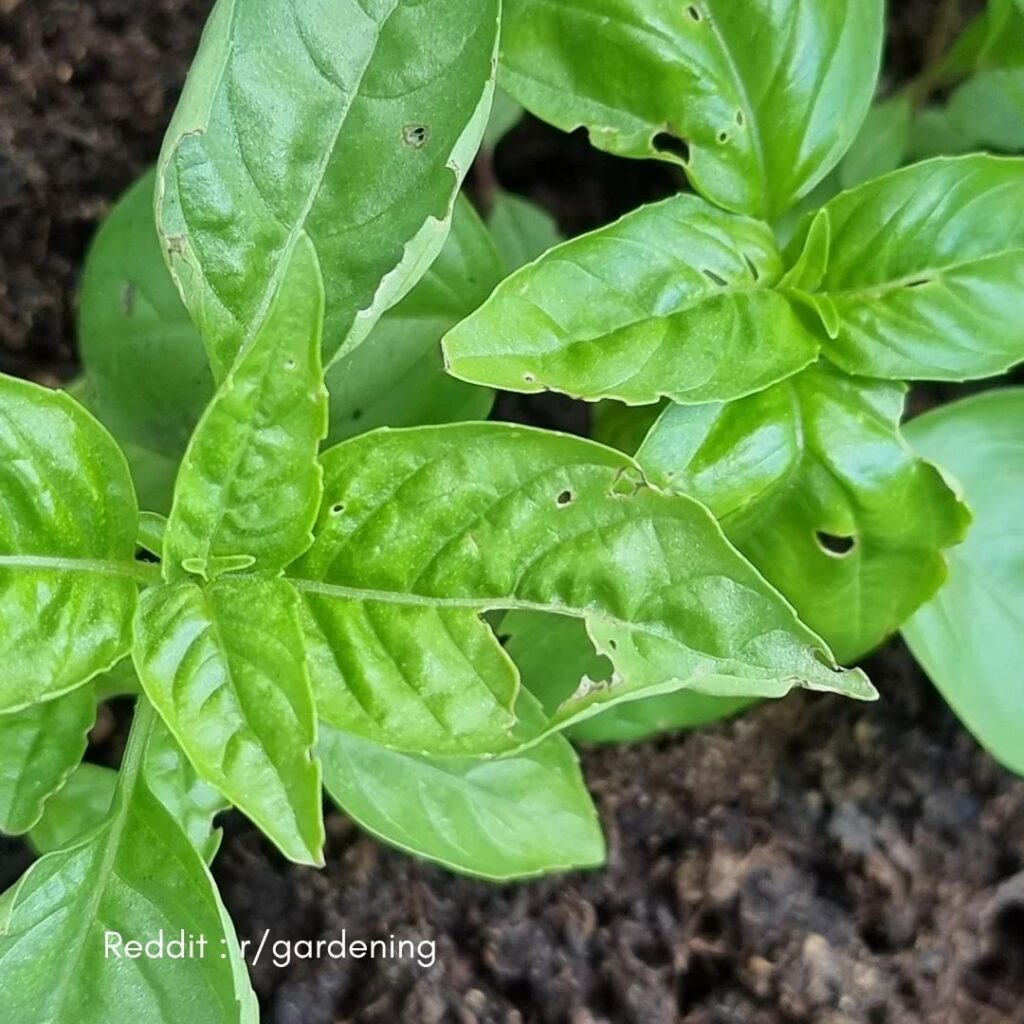
Noticed some strange things happening to your basil plants? It’s frustrating, right? Let’s dive into some tell-tale signs that something is munching away at your herbs. 🌿🐛
Hole Patterns in Leaves
When I see holes in the leaves, my first thought is usually insects. Chewed edges or small, irregular holes are common signs. It could be due to caterpillars or slugs. Smaller holes might be from flea beetles. Larger, more irregular holes might be from snails or caterpillars. Have you checked your garden at night? Slugs are sneaky and often come out after dark. Also, take a close look for tiny, almost invisible insects. They might be the culprits. 🕵️♀️
Discoloration and Spots
Discoloration and spots can signal pests or diseases. If your basil leaves have yellow or brown spots, it might be due to leaf miners or fungal infections. Sometimes, aphids cause tiny yellow spots all over the leaves. Have you spotted any tiny black droppings? Those could be frass, another indication of insects. I often find that monitoring the leaves closely can help pinpoint the exact cause.
Leaf Curling and Wilting
Curling leaves can be a distress signal from your basil plant. If the leaves curl inward, it might be due to aphids or whiteflies. These pests suck the sap and leave behind honeydew, making the leaves curl. Wilting usually indicates issues with the root system. Maybe there’s root rot due to overwatering, or perhaps underground pests like nematodes. How’s the soil moisture? Keep it balanced to avoid stressing the plant.
Got any insights or your own basil plant experiences? Share them in the comments below! 🌿✨
Preventative Measures and Treatments
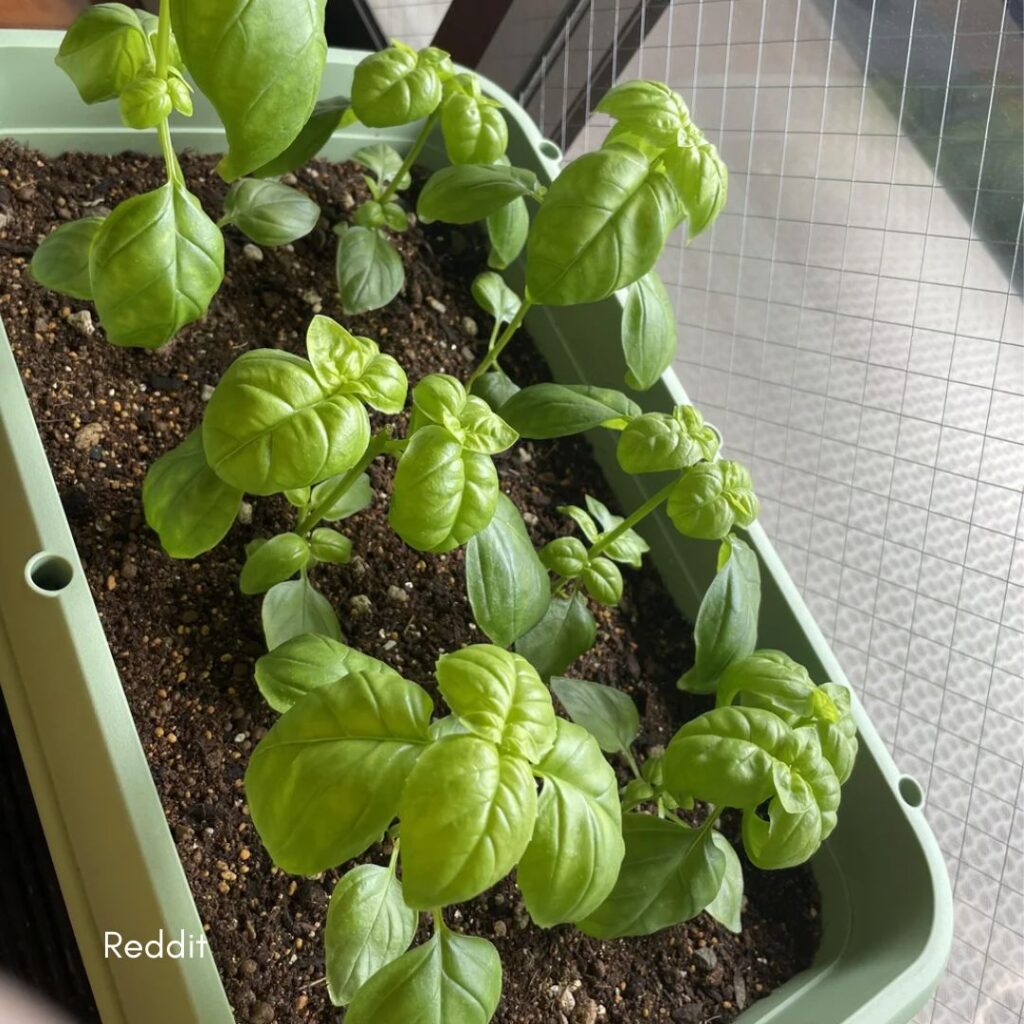
Let’s look at how to keep basil plants healthy and happy 🌱. I’ll cover natural insect enemies, safe sprays, and good care tips!
Natural Predators and Companion Planting
One super cool way to protect basil is using natural predators. Ladybugs 🐞 love to munch on aphids, which can be trouble for basil. You can buy ladybugs and release them in the garden.
You can also try companion planting. Basil pairs well with marigolds and tomatoes. These plants can keep pests away. It’s like having bodyguards for your basil! Plus, they help each other grow better.
Organic Pesticides
If natural predators aren’t enough, organic pesticides can be useful. Neem oil and insecticidal soap are two great options. Neem oil can stop pests from eating your plant and reproducing. Just mix it with water and spray it on!
Insecticidal soap works well on aphids and other soft-bodied insects. It’s simple: spray the soap solution on the affected leaves. Make sure to cover both sides of the leaves for the best results.
Proper Watering and Fertilizing Techniques
Healthy plants are strong plants! Proper watering and fertilizing can make basil less attractive to pests. Basil likes well-drained soil and consistent watering. I usually water my basil in the morning so the leaves dry out during the day.
For fertilizing, use a balanced organic fertilizer. Too much nitrogen can lead to weak plants, so find a balanced mix. I like to fertilize every 4-6 weeks.
What do you think? Have you tried any of these tips? Share your experiences in the comments below! 🌿🤗
Monitoring and Regular Maintenance
I check my basil plant regularly to spot any problems early. 🧐 A quick look every few days helps catch issues before they get out of hand.
Inspect Leaves: I make sure to look at both the top and bottom of the leaves. If I see holes, spots, or discoloration, I know something is up.
Quick Tips:
- Watering: I keep the soil moist but not soggy.
- Pruning: I trim the leaves often to encourage growth 🌿.
- Cleaning: I remove any dead leaves or debris around the plant.
Common Pests to Watch For:
| Pest | Signs | Action |
|---|---|---|
| Aphids | Sticky leaves | Spray with soapy water 🧼 |
| Spider Mites | Fine webbing | Use a miticide |
| Snails/Slugs | Chewed edges | Handpick or use slug traps 🐌 |
Pro Tip:
I like to plant basil near other plants like tomatoes and peppers. Basil can actually help repel certain bugs, making it a great garden buddy! 🌱👩🌾
How do you take care of your basil plants? Drop your tips and tricks below! 💬👇
When to Consult a Professional
Sometimes, our garden problems need extra help. If your basil looks like it’s struggling, a professional might be the way to go.
Here are some signs:
- Severe leaf damage: Holes everywhere, or leaves turning yellow.
- Growth stunted: Basil just isn’t growing.
- Fungus or mold: White, gray, or black spots on leaves.
I remember once, my basil leaves were practically gone overnight! 😱 I called a pro, and it turned out to be a nasty insect issue.
Why it helps:
- Expert advice: They know what pests to look for.
- Safe treatments: They can suggest non-toxic solutions.
- Peace of mind: You’ll feel sure you’re doing the right thing.
Anyone else had a surprise attack on their basil? 🍃 Share below! 👇 I’d love to hear your experiences! 😊
Frequently Asked Questions
Got some questions about what’s munching on your basil? Here are some common concerns and solutions. Let’s dive in! 🌿
How do I stop bugs from eating my basil plant?
You can spray neem oil or use insecticidal soap. Also, removing damaged leaves helps prevent further infestation. Have you tried keeping your plants in a more secure spot?
Can you eat basil leaves that have holes in them?
Yes, you can! Just wash them thoroughly. Inspect for bugs and remove any visible ones. If you’re unsure, pick the leaves with fewer holes.
How to keep bugs off basil naturally?
Planting garlic or marigolds nearby can act as natural repellents. You could also mix water and dish soap for a homemade spray. 🌼🍂 Have you tried creating a bug barrier?
What could be eating my basil indoors?
Spider mites and aphids are common indoor pests. Keep an eye out, and use sticky traps or a soft cloth to wipe them off. 🌿 Have you checked underneath the leaves?
How can I prevent slugs from feasting on my basil?
Place copper tape around your pots or sprinkle crushed eggshells. Slugs dislike rough surfaces. 🐌 Have you noticed any trails of slime?
What to do if basil leaves show signs of pest damage at night?
Inspect your plants with a flashlight during the night. Handpick pests you see or use a safe insecticidal spray. 🌙😴 Maybe it’s a night raid by some nocturnal bugs?