
Chrysanthemums might look sturdy, but pests and diseases can sneak in and wreck those blooms before you know it. I’ve watched healthy mums suddenly develop spots or get covered in sticky residue almost overnight.
If you’re growing mums, it helps to know what’s lurking and how to deal with it before things get out of hand. Aphids, spider mites, beetles, and fungi are the main culprits in most gardens.
When I see curled leaves, yellow patches, or tiny bugs under the foliage, I know it’s time to take action. Early checks make a big difference.
Quick Tip: Check the undersides of leaves every few days, especially during warm, dry spells when pests seem to explode.
Key Insect Pests of Chrysanthemums
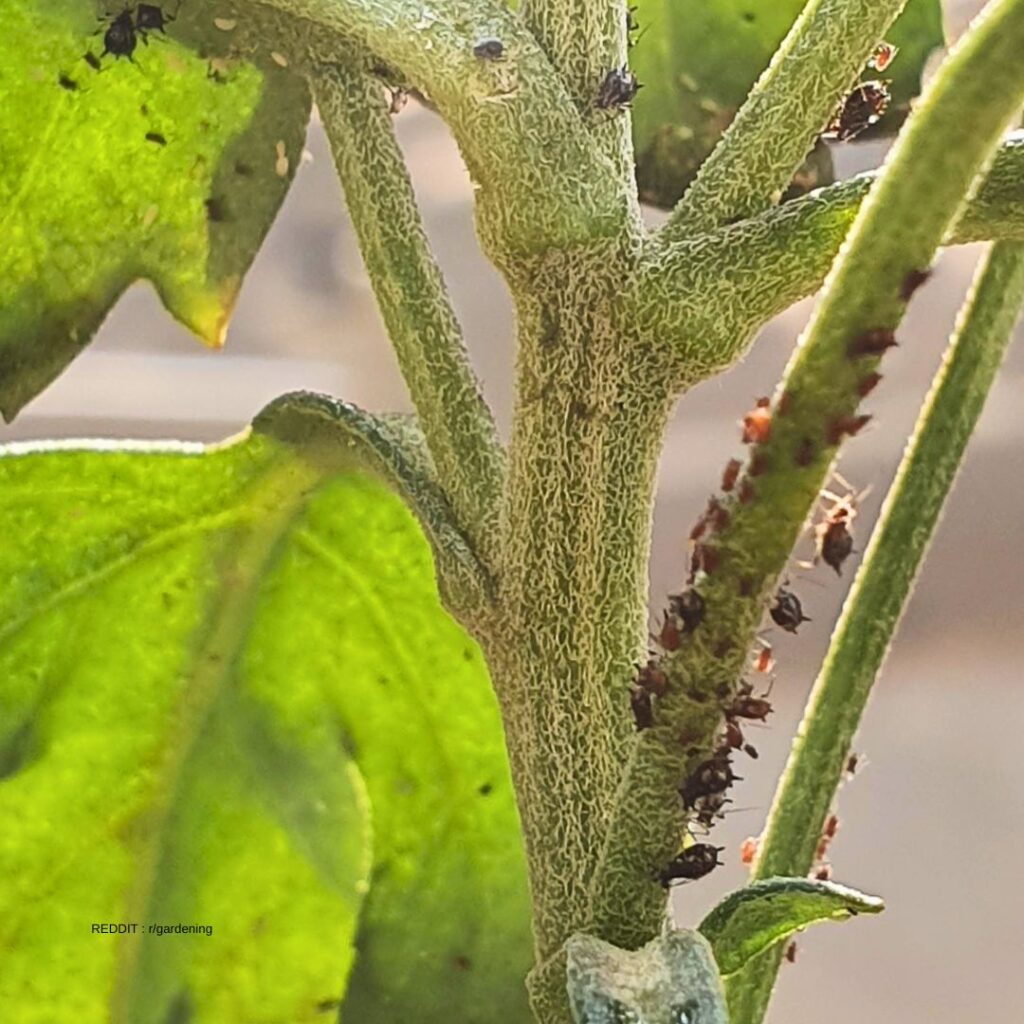
Chrysanthemums attract a handful of persistent insects that can chew, suck, or tunnel through leaves and blooms. I look for sticky residue, speckled leaves, holes, or sudden wilting as early signs that something’s up.
Aphids and Chrysanthemum Aphids – Sticky Clusters That Drain Sap Fast
Aphids and chrysanthemum aphids cluster on soft stems and under new leaves. They’re tiny—green, black, or brown, and shaped like little pears.
They suck sap, leaving leaves curled and growth stunted. Sticky honeydew often coats the leaves, and if you see ants marching around, they’re probably after that sweet film.
Heavy infestations twist blooms and slow down flowering. Warm, still weather helps aphids multiply quickly, especially late spring through early summer.
I blast them off with a strong spray from the hose every few days. If that doesn’t cut it, I reach for insecticidal soap and make sure to coat the undersides of leaves. Weekly treatments usually do the trick if I catch them early.
Quick Tip: Sticky or shiny leaves? Check stem tips right away—don’t wait for the buds to open.
Mites and Spider Mites – Fine Webbing and Pale, Speckled Leaves
Mites, especially spider mites, are almost invisible. I usually notice the damage first: tiny pale dots on leaves that eventually turn bronze or dry out.
Hot, dry weather is their playground. Sometimes I spot fine webbing stretched between stems, which is a dead giveaway.
They suck sap just like aphids, but really thrive when it’s dry. Plants already stressed by heat seem to get hit hardest.
I boost humidity by misting early or hosing down the foliage. Rinsing the undersides of leaves helps a lot. When things get bad, I use insecticidal soap or neem oil, making sure every surface gets covered.
Quick Tip: When it’s hot and dry, check the lower leaves twice a week for speckles or webbing.
Thrips and Leaf Miners – Scarred Petals and Tunnels Inside Leaves
Thrips are skinny, tiny insects that scrape and suck plant tissue. They leave streaks on petals and make flowers look faded or weirdly shaped. Tapping a bloom over white paper sometimes reveals tiny moving specks.
They feed inside buds, so the damage often shows up only when blooms open with brown edges or patchy color.
Leaf miners work differently. Their larvae tunnel inside leaves, leaving pale, winding scribbles.
I pull and toss damaged leaves to stop leaf miners. For thrips, sticky blue or yellow traps help me keep tabs. If things get out of hand, I spray insecticidal soap every 5–7 days while the plants are growing fast.
Quick Tip: Petals looking scratched or streaked before opening? Peek inside the buds for thrips.
Whiteflies, Fungus Gnats, and Lace Bugs – Flying and Hiding Under Leaves
Whiteflies take flight in a little white cloud when I brush the plant. They hide on leaf undersides, sucking sap and leaving yellowing and sticky gunk behind.
I hang yellow sticky cards nearby to track them. Repeated sprays of insecticidal soap help keep them in check.
Fungus gnats are those tiny black flies hovering near the soil. Their larvae live in damp potting mix and chew on roots. Letting the top inch of soil dry out between waterings helps, especially for potted mums.
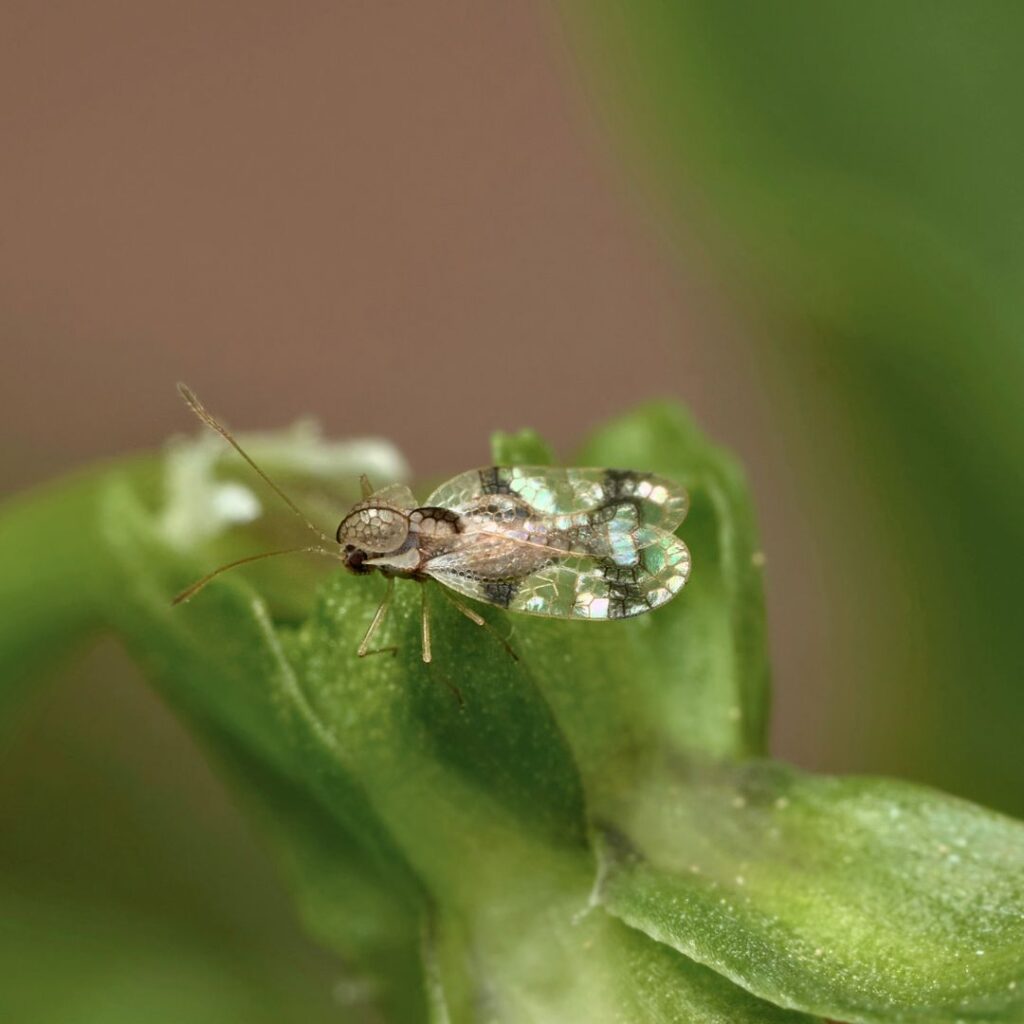
Lace bugs make pale, stippled spots on leaves and leave dark droppings underneath. If I see blotchy discoloration, I flip the leaf and check underneath.
Other pests—earwigs, cutworms, leaf rollers, and the tarnished plant bug—sometimes chew leaves or buds at night. I’ll check with a flashlight if I spot new holes.
Quick Tip: Flies hovering when you water? Cut back on moisture and boost airflow around pots.
Common Diseases Affecting Chrysanthemums
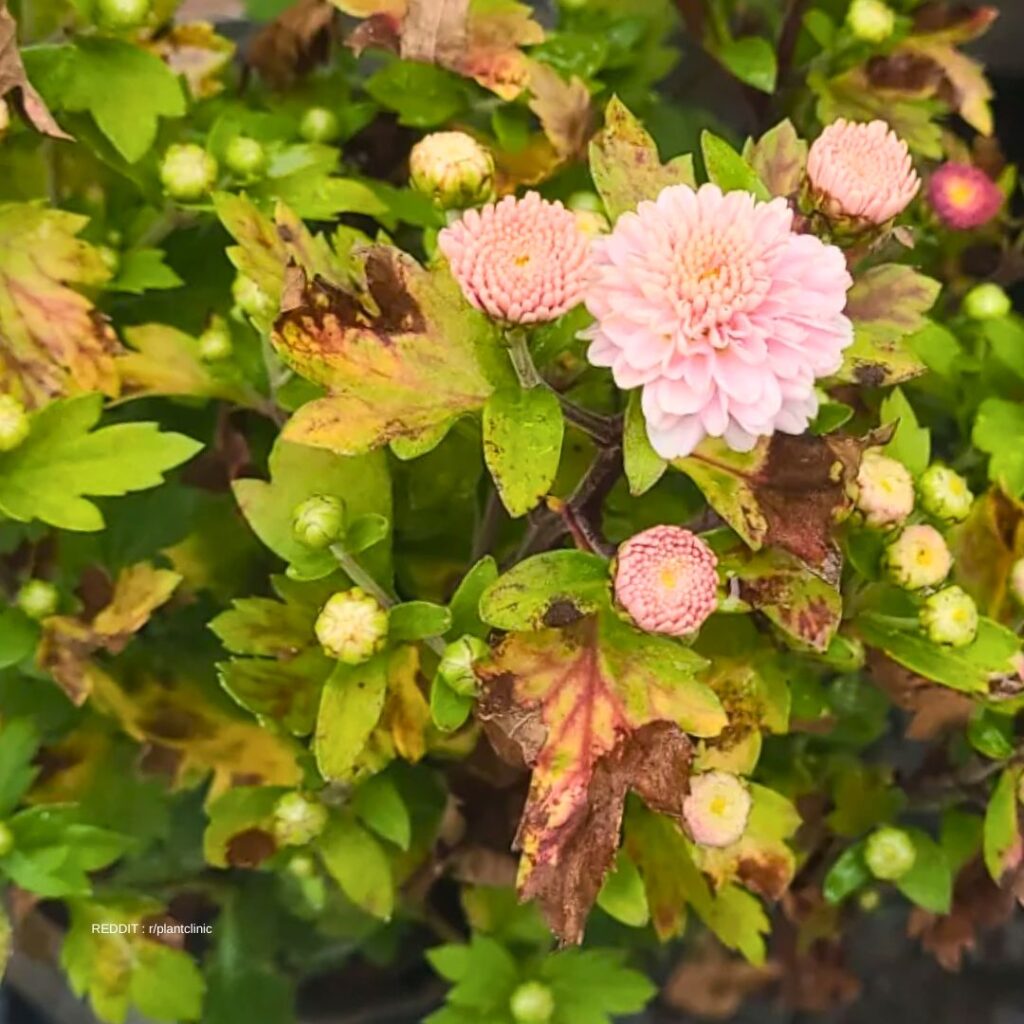
Mums run into several fungal diseases that mess with leaves, stems, and roots. I’m always on the lookout for spots, mold, or sudden wilting—catching problems early makes a huge difference.
Leaf Spot Disease and Rust – Brown Spots, Yellow Halos, and Orange Pustules
I usually notice leaf spot disease as small brown or black dots on lower leaves, sometimes with yellow edges. As they grow, the leaves turn yellow and drop off.
Rust is different. I flip the leaf and find orange or reddish powdery bumps. If I rub them, they leave dust on my fingers.
Both spread fast in cool, wet weather. Overhead watering and crowded plants make it worse.
I remove infected leaves and toss them in the trash, not the compost. Spacing plants for airflow helps a lot. During rainy weeks, I water at the base in the morning so leaves dry quickly.
Quick Tip: See spots after a stretch of damp days? Prune and open up airflow that same day.
Powdery Mildew – White Coating That Spreads in Dry Days and Cool Nights
Powdery mildew looks like white flour dust on leaves and buds, usually popping up in late summer when days are warm and nights cool down.
It doesn’t need rain to spread—dry soil is fine for it. Leaves might twist or curl, and flowers sometimes open poorly. I act fast when I see even a faint white patch.
I trim out affected parts and try to get more sunlight on the plants. In shady or north-facing areas, mildew is a regular headache. I avoid crowding and keep water off the foliage.
Quick Tip: When nights cool off but days stay warm, check top leaves for a powdery film every few days.
Botrytis Blight and Gray Mold – Soft Rot and Fuzzy Growth in Damp Weather
Botrytis blight (gray mold) targets buds and flowers. I tend to see brown spots on petals first, then fuzzy gray growth, especially after a run of rainy days.
In humid weather, buds might rot before opening. Leaving dead flowers on the plant just makes it worse.
I remove faded blooms as soon as they start to brown. Clearing fallen leaves from the soil also helps.
Good airflow is key in wet climates. In mild coastal areas, this disease hangs around longer because of the steady moisture.
Quick Tip: After rain, shake off water and snip soggy blooms before gray mold spreads.
Fusarium Wilt and Verticillium Wilt – Sudden Yellowing and One-Sided Plant Collapse
Fusarium wilt and Verticillium wilt attack through the roots, blocking water flow inside the plant. I usually spot yellow leaves on one side first, or a single stem wilting while the rest looks fine.
If I cut the stem, I might see brown streaks inside. These wilts hang around in soil for years. Fusarium shows up more in warm soil, while verticillium prefers cooler seasons.
There’s no saving a plant once it’s infected. I pull the whole thing, roots and all, and toss it. I don’t replant mums in that spot for a while.
Quick Tip: If just one side wilts and the soil’s still damp, yank the plant fast to keep the rest safe.
I also watch for foliar nematodes, which make brown patches between leaf veins. They move in water on leaves, so I keep foliage dry and remove damaged leaves quickly.
Integrated Pest Management Techniques

I rely on a mix of safe sprays, physical traps, and natural powders to keep pests in check on my chrysanthemums. These work best when I check the plants often and jump in early, before bugs get out of hand.
Insecticidal Soap – Fast Contact Control for Soft-Bodied Pests
Insecticidal soap is my go-to for aphids, spider mites, or whiteflies. It works on contact, breaking down the bugs’ outer layer so they dry out and die within hours.
I spray leaves until they’re wet, focusing on the undersides. That’s where the pests hide. If I still see bugs, I spray again every 5–7 days.
Hot sun can burn wet leaves, so I spray early or late in the day. Some chrysanthemum varieties are sensitive—testing on one leaf first is worth the wait.
Quick Tip: Always spot-test insecticidal soaps and wait 24 hours before treating the whole plant.
In dry, hot areas, spider mites are relentless. Soap helps, but I usually need a few rounds. Even coverage matters more than heavy spraying.
Horticultural Oil and Neem Oil – Smothering Pests and Disrupting Their Life Cycle
Horticultural oil smothers scale, mites, and aphid eggs by coating them and blocking air. It also helps with eggs that soap might miss.
Neem oil goes further, disrupting feeding and growth in many pests. I use it when infestations keep coming back.
I mix the oil exactly as the label says—too strong can burn leaves, too weak doesn’t work. I spray when temperatures are between 45°F and 85°F. Extreme temps make it risky or less effective.
Quick Tip: Don’t spray oil on drought-stressed plants. Water them the day before so leaves are plump and healthy.
I avoid spraying open blooms since oil can stain petals and mess up their look.
Sticky Traps – Simple Tools to Track and Reduce Flying Insects
I hang yellow sticky traps near my mums to catch fungus gnats, whiteflies, and thrips. The bright yellow color pulls in lots of flying pests.
These traps help me spot problems early. If I see more insects stuck each week, it’s time to break out sprays or tweak my soil care.
I keep traps just above plant height, not buried in the leaves. Good airflow keeps them working longer.
Quick Tip: Change sticky traps every 2–4 weeks, or sooner if they’re covered in bugs or dust.
Sticky traps won’t fix a big infestation on their own, but they’re great for catching problems before they get out of hand and lowering adult insect numbers a bit.
Diatomaceous Earth and Natural Remedies – Dry Powders and Low-Toxic Options for Ongoing Control
I dust diatomaceous earth on the soil surface to control crawling insects like ants or larvae. The fine powder scratches their outer layer and dries them out.
This stuff only works when it stays dry. Rain or overhead watering ruins its effect, so I reapply after watering if I have to.
I always use food-grade diatomaceous earth. Honestly, I hate breathing in any kind of dust, so I throw on a cheap mask when I apply it.
Quick Tip: Don’t go heavy-handed—a thin, even layer does the job. Piling it on just wastes product.
For smaller pest issues, I’ll rinse leaves with a strong blast of water. Knocks off aphids and mites pretty fast.
I check plants weekly because catching things early makes life so much easier.
Beneficial Insects and Biological Controls
I lean on living helpers to keep chrysanthemum pests in check. Ladybugs, lacewings, and predatory mites handle aphids, thrips, spider mites, and even young lace bugs before they get out of hand.
Predators Like Ladybugs and Lacewings That Hunt Aphids, Thrips, and Even Young Lace Bugs
When aphids cluster on stems or I spot sticky leaves, I add beneficial insects. Ladybugs and their larvae devour soft-bodied pests in no time—one larva can clear dozens of aphids in a single day.
Lacewing larvae look tiny and a bit alligator-ish. They’ll go after aphids, thrips, whiteflies, and lace bugs hiding under leaves.
I release them at dusk so they don’t just fly off in the heat. Warm, still evenings work best for this.
If it’s really hot, I water lightly before releasing them so the plants aren’t dry and dusty.
Quick Tip: Don’t use any sprays for at least two weeks after you let these helpers loose. Even gentle insecticides kill the good guys you just paid for.
Predatory Mites for Spider Mites and Thrips in Warm, Dry Weather
When I see fine webbing or speckled leaves, I bring in predatory mites. They’ll chow down on spider mites and thrips eggs, but only if temps stay between 65–85°F.
I sprinkle them on leaves or hang little sachets on the stems. They move quick but need a bit of humidity to thrive.
In dry climates, I mist the air around the plants in the morning—never at night. They won’t fix a heavy infestation overnight, so I knock pest numbers down first with a strong water spray.
Quick Tip: Keep predatory mites in the fridge for just a short time, and get them out in the garden as soon as possible.
Encouraging Garden Biodiversity So Natural Enemies Stay and Keep Working
I plant small flowers like dill, alyssum, and cosmos near my mums. These give nectar and pollen to adult lacewings and ladybugs, so they stick around longer.
I skip routine pesticide use. Even “safe” garden products can wipe out beneficial insects and mess up the balance.
I mix up plant types instead of planting one big clump of chrysanthemums. Mixing things up confuses pests and slows down outbreaks.
Quick Tip: Leave a patch of herbs or flowers nearby. A steady food source keeps your pest hunters close.
Cultural Practices for Healthy Mums
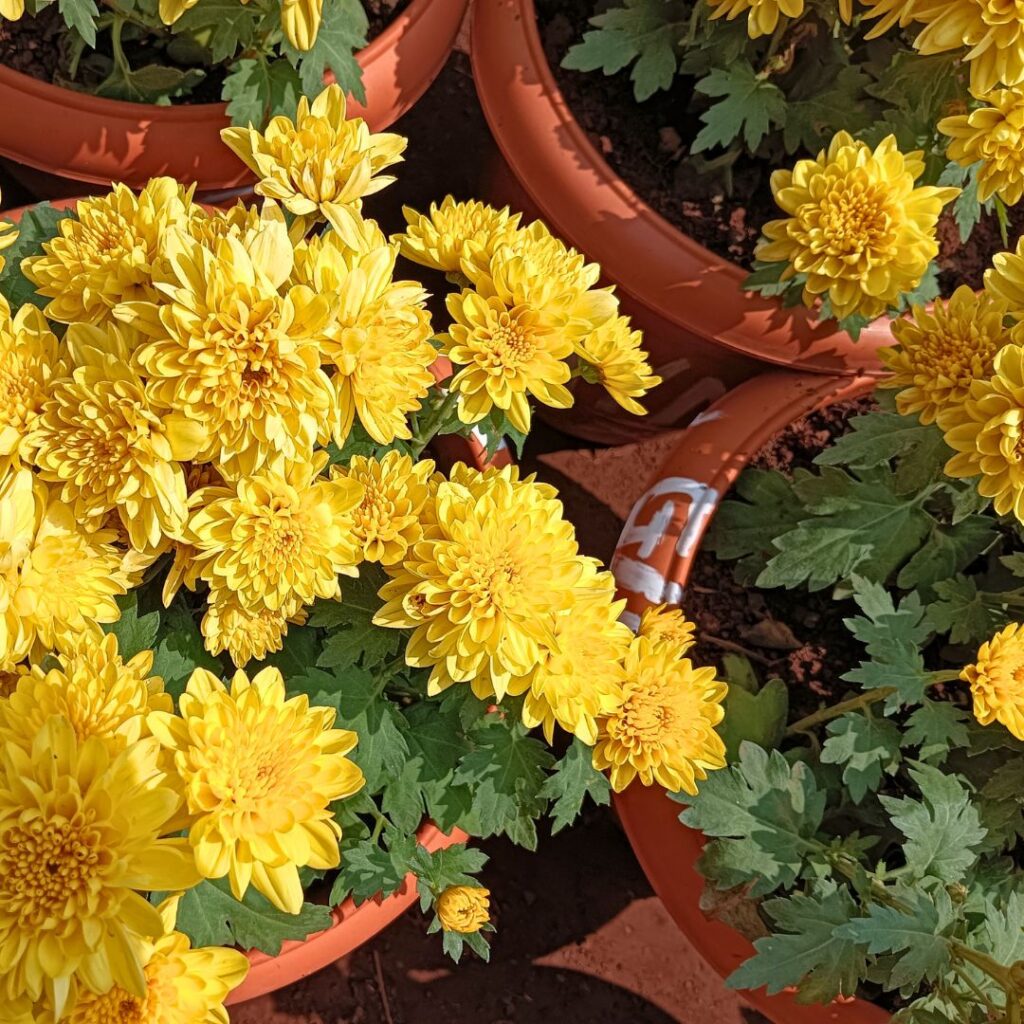
Keeping mums strong comes down to soil, water, and spacing. The little things I do every day make a real difference in stopping pests before they even show up.
Well-Drained Soil and Watering Methods That Keep Roots Strong and Dry Enough
I always put mums in well-drained soil. If water pools around the roots, they go downhill fast and invite pests. The soil should feel loose and crumbly, never sticky or packed tight.
I poke my finger into the top inch of soil before watering. If it’s dry, I water deeply at the base until moisture drains out, then let the soil dry a bit before the next round.
Constantly soggy soil is just asking for fungus gnats and root rot. In heavy clay, I mix in compost to loosen things up. For pots, drainage holes are a must—no holes, no healthy mums.
Quick Tip: If the soil stays wet more than a day after watering, fix drainage right away.
In hot weather, I water more often but never let the soil stay soaked. Cooler or rainy days? I hold back.
Avoid Overhead Watering to Reduce Leaf Damage and Pest Trouble
I skip overhead watering whenever possible. Wet leaves stick around too long, inviting fungal spots and giving pests a cozy home.
Watering at the base with a can, drip line, or soaker hose works best. The idea is simple: keep roots wet, leaves dry.
If I have to water overhead, I do it early in the morning so the sun dries the leaves fast. I won’t water in the evening—cool, damp nights are a recipe for trouble.
Quick Tip: If leaves are still wet past midday, it’s time to rethink your watering routine.
I also watch for soil splashing up. Water hitting bare dirt can fling disease onto lower leaves. A bit of mulch takes care of that.
Sanitation and Plant Spacing That Limit Hiding Spots for Pests
I keep the area around my mums tidy. Dead leaves and old blooms draw insects, so I remove faded flowers and yellow leaves right away.
Spacing is just as important. Each plant needs room for air to move between stems—crowded mums stay damp longer and get into trouble fast.
When I plant, I actually follow the spacing on the tag (for once). In damp regions, I give them even more room. More airflow means fewer pests.
Quick Tip: If you can’t see light through the plant, thin it out a bit.
At season’s end, I clear out fallen debris from the soil. Clean beds and good spacing make it a lot tougher for pests to settle in.
Seasonal Tips and Prevention Strategies
I stay ahead of chrysanthemum pests by checking my plants often, picking sturdy varieties, and keeping the garden clean. These habits catch small problems before they blow up and save me headaches later.
Early Detection and Regular Monitoring to Catch Pests Before They Spread
I check my chrysanthemums at least weekly during the growing season. In warm, humid stretches, I look twice a week since pests move fast then.
I flip leaves and look underneath for aphids, spider mites, and whiteflies. Sticky residue, pale spots, fine webbing, or tiny moving dots are all red flags.
If leaves curl or edges look chewed, I jump on it right away. I carry a small hand lens into the garden—spotting mites early makes a world of difference.
I also pay attention to how the soil feels. If the top inch stays wet for days, fungus gnats may show up. In cooler zones, I back off on watering in late summer to avoid soggy roots.
When I catch pests early, I just spray them off or remove damaged leaves. Small steps now save me a lot of trouble later.
Choosing Resistant Varieties That Naturally Fight Off Common Chrysanthemum Pests
I pick chrysanthemum varieties with strong stems and healthy foliage. Some garden mums shrug off leaf spot and minor pests better than others.
When shopping, I check plants closely—no yellow leaves, sticky stems, or visible bugs. Clean starts make a big difference.
Quick Tip: Local growers are my go-to. Plants grown nearby usually handle local pests better.
In hot, dry areas, I look for varieties that don’t stress in the heat—stressed plants always attract spider mites and thrips. In damp regions, I space plants wider for better airflow and fewer fungal issues.
Healthy mums fight their own battles. I give them full sun and good soil so they stay tough all season.
Proper Garden Hygiene to Remove Hiding Spots and Break Pest Life Cycles
I clean up fallen leaves and faded blooms around my mums. Dead plant matter just gives pests a place to hide and multiply.
At season’s end, I cut plants back and clear debris from the bed. I never leave infested stems on the soil.
Quick Tip: I wipe pruners with rubbing alcohol after trimming sick plants. It’s quick and keeps diseases from spreading.
I also keep weeds down around my mums. Weeds can host aphids and other bugs that move right onto my flowers.
In rainy weather, I make sure mulch doesn’t pile against stems—it can trap moisture and cause rot.
Frequently Asked Questions
What are the most common insects that attack chrysanthemums, and how can I identify them?
I mostly find aphids, spider mites, thrips, whiteflies, and leaf miners on mums.
Aphids are small, soft, and pear-shaped—they cluster on new growth and leave sticky goo behind. Spider mites are tiny and hard to spot, but I notice fine webbing and pale speckles first.
Thrips are skinny and move fast. They leave silvery streaks or twisted petals. Whiteflies flutter up in a little white cloud when I shake the plant. Leaf miners carve squiggly tunnels inside the leaves.
Quick Tip: Flip leaves over every few days and check the undersides. That’s where most pests hide out.
How can I get rid of aphids on my chrysanthemums without harming beneficial insects?
I start with a strong spray from the hose—knocks aphids off without chemicals.
If they return, I use insecticidal soap and only spray affected stems and leaf undersides. I avoid spraying open blooms where bees hang out.
I spray early or late in the day when pollinators are less active. In hot weather, I test one leaf first to avoid burning the plant.
Quick Tip: I repeat treatment every 5–7 days until I stop seeing sticky stuff or live aphids.
What are those tiny black bugs on my chrysanthemum leaves, and what’s the best way to control them?
Tiny black bugs are usually thrips or aphids. I look for streaked petals or curled new growth to tell which is which.
Thrips leave dry, silvery patches and dark specks of waste. Aphids cluster together and look rounder.
I cut off badly infested stems first, then use insecticidal soap or neem oil, making sure to coat leaf undersides.
Thrips spread faster in hot, dry weather, so I check plants more often during heat waves.
Quick Tip: Tap a flower over white paper. If thin, dark slivers fall and move, you’ve got thrips.
Which natural or homemade remedies work best for treating chrysanthemum pest problems?
I stick to simple methods. A strong water spray, insecticidal soap, and neem oil handle most issues.
For light infestations, I mix a little mild dish soap with water and spray leaves, top and bottom. I rinse the plant after a few hours so residue doesn’t build up.
I remove badly damaged leaves—clean plants attract fewer pests.
In rainy climates, I spray again after heavy rain. In very sunny spots, I avoid spraying during the hottest part of the day.
Quick Tip: Always test sprays on one small spot and wait 24 hours before treating the whole plant.
How can I tell the difference between pest damage and a chrysanthemum disease from photos?
Pest damage tends to look messy and uneven. I notice holes, speckles, webbing, sticky spots, or sometimes the culprits themselves crawling around.
Disease usually leaves a different trail—spreading blotches, fuzzy mold, or yellowing that seems to follow a pattern. Fungal trouble shows up a lot after long, damp stretches.
If I spot moving bugs or sticky residue, pests usually get the blame. But when I see round spots with crisp edges and no insects hanging around, I lean toward disease as the cause.
Quick Tip: I always flip the leaves and check the stems. If I catch insects or see droppings, pest control jumps to the top of my list.
What’s a simple pest control routine to keep chrysanthemums healthy throughout the season?
I check my chrysanthemums once a week, usually in the morning when things are quiet. I flip leaves over, looking for any sneaky pests or odd spots.
If I spot damaged growth, I pinch it off right away. Fallen petals or leaves? I clear them off the soil before they pile up.
I always water at the base. Getting the leaves wet just seems to encourage trouble—pests and diseases love damp foliage.
When the days heat up in late spring and summer, I pay extra attention. Pests seem to show up overnight sometimes.
Once fall cools things down, I notice fewer bugs, but I still do a quick check. Complacency never pays off in the garden.
Keeping the plants healthy helps a lot. I stick to a regular feeding and watering schedule so they stay strong.
Quick Tip: If I spot anything suspicious, I act immediately. Catching issues early usually means less work (and fewer headaches) later.