
Asters light up the garden with star-shaped flowers just as summer starts to wind down. I really appreciate how they bring a jolt of color when most blooms have called it quits.
You can grow more than 40 types of asters, from classic New England asters to compact border varieties, each with star-shaped flowers that bloom from late summer into fall. Some shoot up tall and wild, others stay low and manageable—perfect for edges or pots.
Let’s dig into some of my favorite species and cultivars, plus how I pick asters that actually work in my garden. Timing matters, too—different types bloom at different moments, so you can keep the color rolling right up to frost.
Popular Species and Botanical Groups
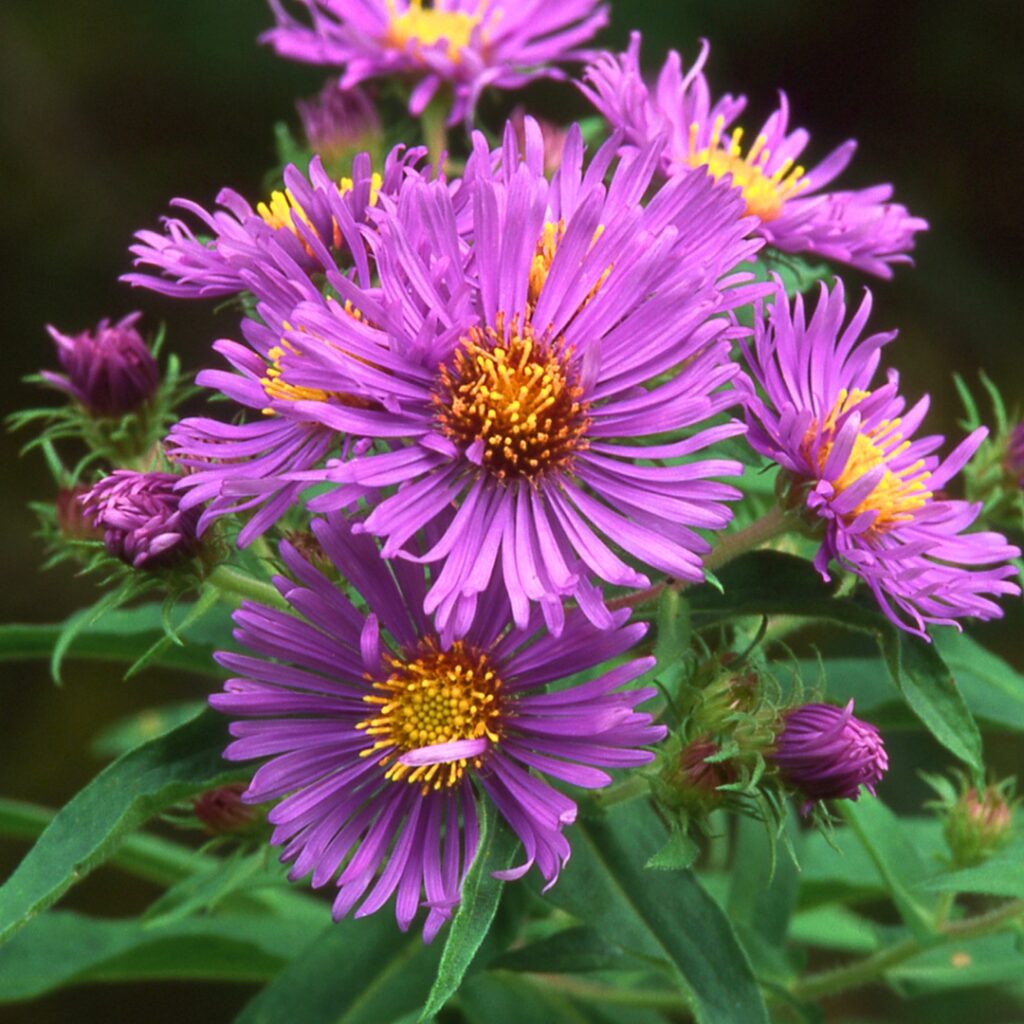
Some asters shoot up tall with wild fall color. Others are all about neat mounds or those florist-style petals.
I mix North American natives, European classics, and the occasional modern hybrid to stretch the season as long as I can.
New England Asters and New York Asters: Tall Native Stars for Bold Fall Color
When I want a punch of fall color, I always go for New England aster (Symphyotrichum novae-angliae). This one grows 3–6 feet tall, blooming in purple, pink, or rose with yellow centers.
The stems feel rough and solid, and the leaves wrap around the stem. It handles cold like a champ in Zones 3–8. Full sun and average, well-drained soil work best.
Hot, dry spells? I water more or the leaves wilt. Quick Tip: Pinch stems back in early summer to keep them bushier and a bit shorter.
New York aster (Symphyotrichum novi-belgii) gives a neater, clumpier look. Leaves are smoother and flowers are smaller but there are loads of them. Good air flow matters—humidity can bring on powdery mildew fast.
Both types pull in bees and butterflies late in the year.
Italian Asters: European Charm with a Neat, Mounded Habit
Italian aster (Aster amellus) stays compact—usually just 1–2 feet tall. I tuck it at the front of borders where taller asters would just flop over.
Violet-blue flowers with yellow centers pop up in late summer. This one really needs full sun and sharp drainage, especially in winter. Soggy soil doesn’t do it any favors.
Quick Tip: If your soil stays wet, mix in some grit or plant on a slope for better drainage.
It’s happy in Zones 5–8 and handles heat better than most fall asters. Still, in humid areas, space plants out for air flow.
Some named varieties bloom heavier and keep a tighter shape—worth checking out if you want a tidier look.
China Asters: Florist Favorites with Big, Showy Blooms
China aster (Callistephus chinensis) isn’t technically a true aster, but gardeners lump it in for those big, flashy flowers.
This one’s an annual, so I start new plants every spring. Flowers come in every color—white, red, purple, pink, and wild bi-colors. Some look like pom-poms, others like daisies or even small mums.
Plants grow 1–3 feet tall, depending on the variety. They’ll bloom from midsummer to frost if I keep deadheading.
Quick Tip: Water at the base, not over the leaves, to dodge leaf spot and wilt issues.
China asters love rich, well-drained soil and full sun. In hot zones (8–9), a little afternoon shade helps the blooms hold up.
Noteworthy Wild and Hybrid Species: Unique Forms Worth a Closer Look
I like to mix in some less common aster species for variety. Aster x frikartii is a hybrid that blooms earlier than most and just keeps going.
‘Mönch’ is a favorite—soft lavender-blue flowers, about 2–3 feet tall, and the stems rarely flop over.
Smooth blue aster (Symphyotrichum laeve) brings airy sprays of small blue flowers—great for meadow-style gardens.
Quick Tip: Wild types need space. Crowding them just invites mildew.
Mixing natives, European types, and hybrids gives me color all season and keeps things interesting without relying on any single plant.
Standout Aster Cultivars to Grow
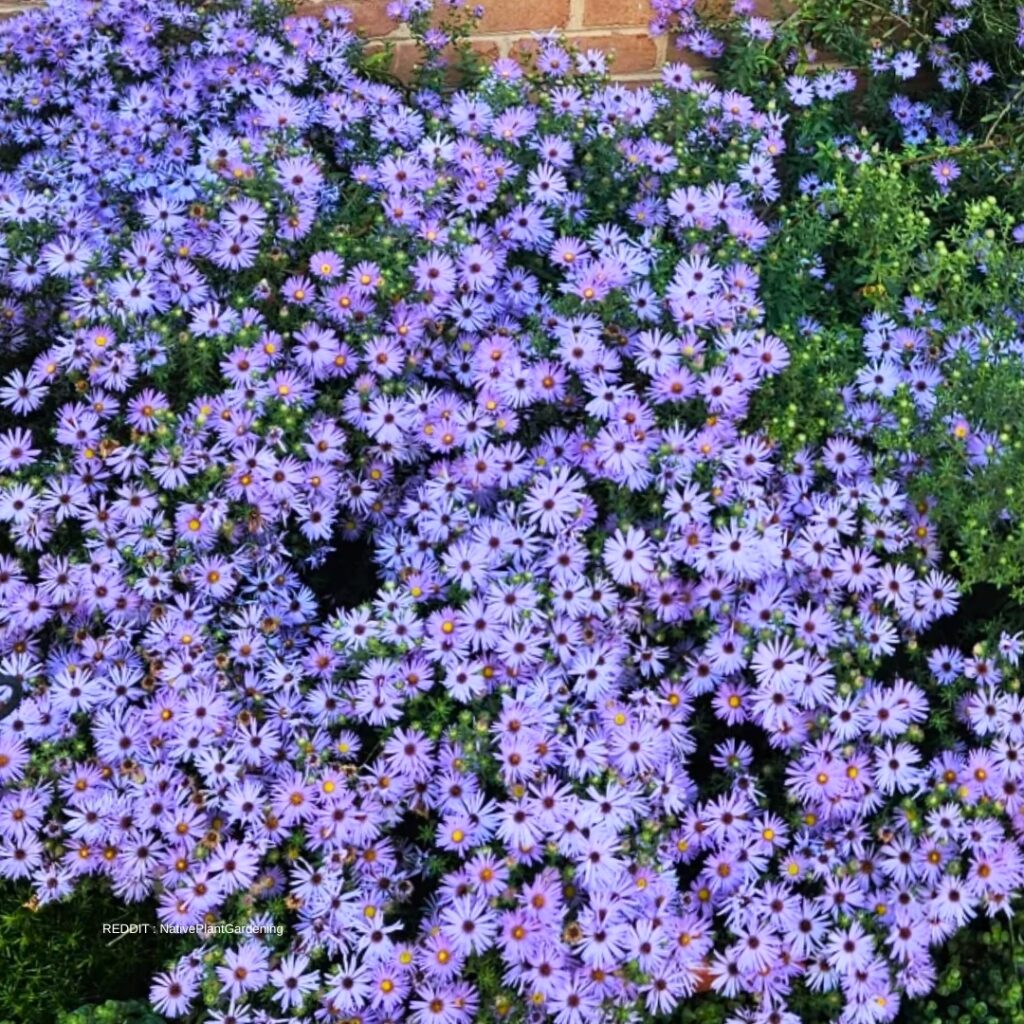
Some asters are all about strong stems and bold color. Others stay short and neat—perfect for small beds or containers.
I pick and choose based on height, bloom time, color, and how well they handle mildew.
Classic Garden Varieties That Anchor Late-Summer and Fall Beds
For that classic fall look, I plant New England asters and New York asters. They stretch 3 to 5 feet tall and fill the back of a border with purple, pink, or red blooms. Bees seem to swarm them in September and October.
‘Purple Dome’ is one I use a lot. It tops out at 18 to 24 inches but still delivers that deep purple punch. ‘September Ruby’ and ‘Royal Ruby’ are loaded with red-purple color and sturdy stems.
‘Ada Ballard’ is a New York aster with double lavender-blue blooms. ‘Professor Anton Kippenberg’ is another compact choice, blooming in soft lilac-blue and often flowering a little earlier.
- Best for: mixed borders, cottage gardens
- Height: 18 inches to 5 feet, depending on type
- Bloom time: late summer to mid-fall
Quick Tip: Pinch tall varieties back in early summer to keep them bushy and upright.
Dwarf and Compact Forms for Small Gardens, Edges, and Containers
Not everyone wants giant plants. I use dwarf asters along paths, at the front of borders, or in big pots.
‘Purple Dome’ works here, too—tight mound, no staking needed. ‘Professor Anton Kippenberg’ also keeps a neat shape in small spaces.
Many compact New York asters stay under 2 feet and slowly form dense clumps.
Even these little guys bloom like crazy in fall. Butterflies seem to love them just as much as the tall ones.
- Best for: edging, containers, small yards
- Height: 12 to 24 inches
- Care: full sun and well-drained soil
Quick Tip: If the center of a clump gets thin after a few years, divide it in spring to keep things full and healthy.
Unique Color Selections That Break the Purple Mold
Most folks think purple when they picture asters, but I like to shake things up with other shades.
‘September Ruby’ and ‘Royal Ruby’ lean red—great with golden fall plants. Some New England asters even bloom bright pink.
Annual China aster blends bring in white, rose, blue, and bi-colors. I start them from seed each spring for fresh summer flowers.
‘Bonita Top Blue’ is another favorite—clear blue petals, yellow center, and a tidy habit that fits well in more formal designs.
- Colors: purple, red, pink, blue, white
- Use: cutting gardens, borders, pollinator beds
Quick Tip: Check the tag—some asters are annuals (like China asters), while most New England and New York types come back every year.
Award-Winning and Disease-Resistant Types That Make Life Easier
Powdery mildew can be a pain with asters, especially if it’s humid. I look for varieties that resist it better.
‘Purple Dome’ usually shrugs off mildew and keeps a clean, tidy shape. Some newer New England asters have stronger stems and longer bloom times, too.
Spacing matters—air flow helps. I avoid overhead watering late in the day and make sure plants aren’t jammed together.
- Common issue: powdery mildew
- Prevention: sun, spacing, resistant cultivars
Quick Tip: In hot, sticky climates, give asters full sun and good airflow. Cooler spots? They’ll take a little afternoon shade if needed.
Choosing Asters for Your Garden Style
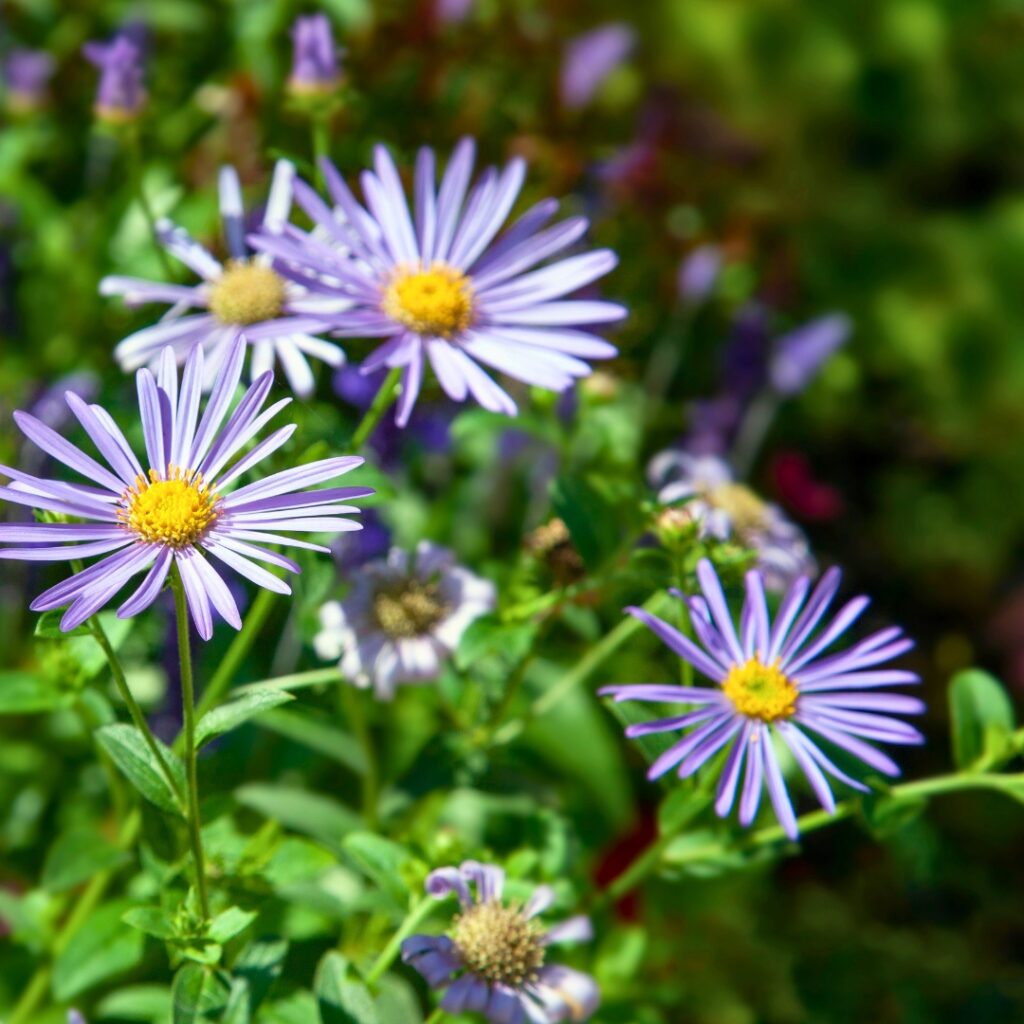
I pick asters based on what I need—neat borders, strong stems for bouquets, or nonstop action for bees and butterflies.
Front and Back Borders – Placing Height and Color With Purpose
Height comes first when I’m planning borders. Low growers like ‘Wood’s Blue’ or other compact New England asters are perfect for the front. They stay tidy and won’t smother shorter plants.
Tall types, like New York asters and New England asters, go in the back. They’ll hit 3 to 5 feet and look great rising behind shrubs or grasses.
Color’s just as important. Soft pink and lavender mix well with ornamental grasses. Deep purple and magenta really pop against green backgrounds.
Quick Tip: Always check the mature height on the tag—a tiny plant can shoot up by late summer.
Windy spots? I add support early. In hot, humid areas, mildew-resistant varieties save a lot of trouble.
Cutting Garden Essentials – Varieties That Give You Armloads of Cut Flowers
For cut flowers, I want asters with long, straight stems. New England and New York types are best for this job.
I space them out and pinch once they’re about 6 inches tall. That encourages branching and more stems for cutting.
I pick flowers in the morning when stems are cool and firm. Stripping the lower leaves keeps the vase water clean.
Quick Tip: Cut stems when just a few flowers open. They last longer indoors that way.
Hot climates mean faster fading, but in cooler places, asters can bloom well into fall.
Wildlife and Pollinator Gardens – Feeding Bees and Butterflies Late in the Season
Asters are a late-season feast for bees and butterflies. Native species like aromatic aster and smooth aster attract pollinators in droves. I often spot bees covering the yellow centers.
Single, open flowers are best for wildlife—double blooms look nice but don’t offer much nectar.
I plant asters in groups, not singles. Big clumps are easier for pollinators to find.
Quick Tip: Skip pesticides when asters are blooming. Even a light spray can hurt bees.
Native asters handle frost in cold zones. In warmer spots, good air flow keeps mildew down and pollinators happy.
How to Grow Asters Successfully
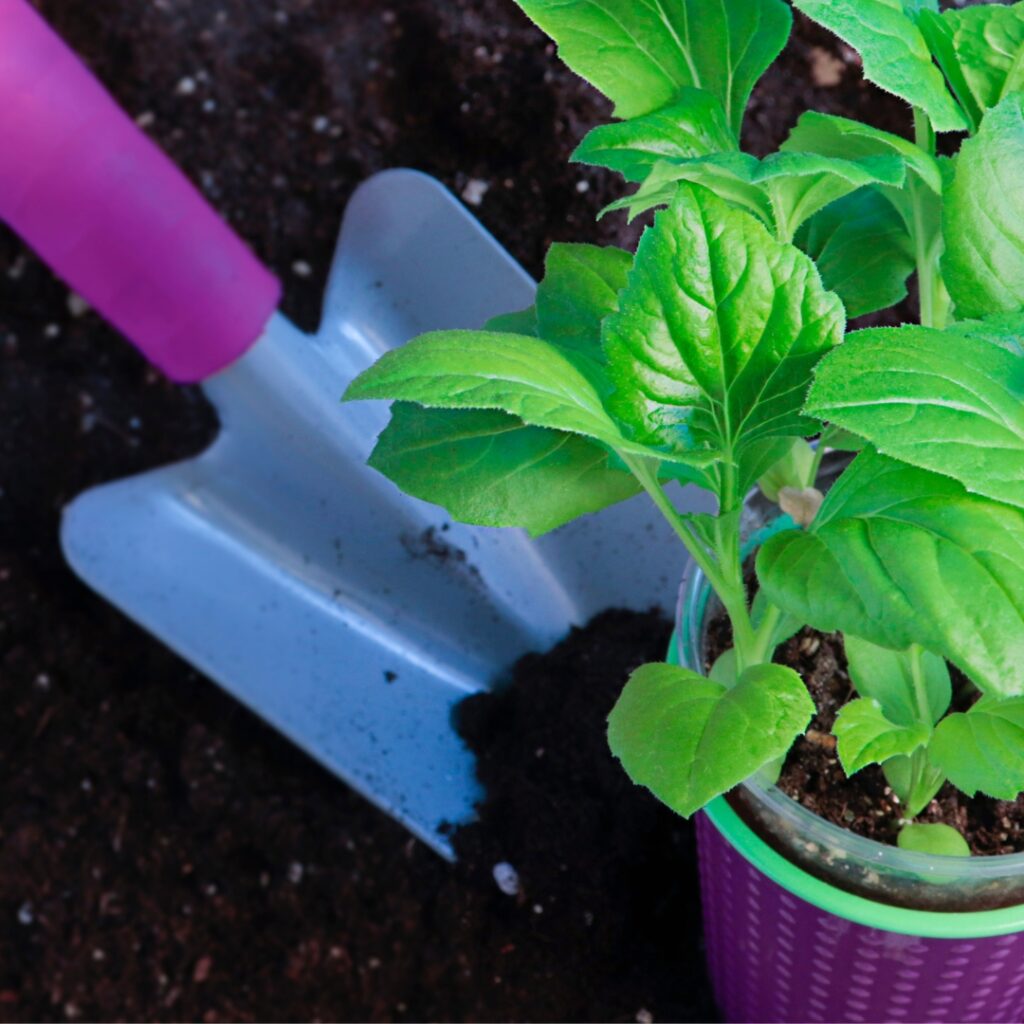
I grow asters for their long bloom time and punchy fall color. Give them sun, decent soil, and steady care—they’ll pay you back with strong stems and a flood of flowers.
Planting and Site Selection for Strong Roots and Full Blooms
I always put asters in full sun—that’s at least six hours of direct light a day. Down south in zones 8–9, I give them some light afternoon shade so they don’t wilt when the heat gets wild.
Asters seem happiest in hardiness zones 3–8, depending on which type you pick. I never skip checking the plant tag before buying, since spacing can vary from one to three feet apart once they’re grown.
For soil, I look for something that drains well but doesn’t dry out in five minutes. If it feels sticky after rain, I grab a shovel and mix in some compost until it loosens up.
I start aster seeds indoors about 6–8 weeks before the last frost and wait to transplant until the soil’s warmed up. Sowing outside after frost works too, but expect blooms to show up a bit later.
Quick Tip: If you see puddles hanging around for more than an hour after rain, fix the drainage before planting anything.
Care, Watering, and Maintenance for Healthy, Bushy Plants
Young asters get thirsty, so I water them often during their first season. Once they settle in, I only water when the top inch of soil dries out—no need to overdo it.
Most asters want about an inch of water weekly. Hot, dry spells mean I check more often. If leaves droop in the morning, they’re probably stressed.
I throw down a thin layer of mulch to keep roots cool and cut down on weeds. Heavy fertilizer? I skip it. Too much makes stems flop and flowers disappear.
In early summer, I pinch back tall varieties by a few inches. That quick pinch makes them bushier and keeps them from flopping later on.
Quick Tip: Always water at the base, not over the leaves—less mildew, less mess.
Dividing, Deadheading, and Propagation to Keep Plants Vigorous
Every two or three years in early spring, I divide perennial asters. If the center’s looking thin or woody, that’s my sign. I dig up the clump and break it into smaller pieces with healthy roots attached.
Deadheading helps keep things tidy and sometimes stretches out the bloom time. When flowering winds down in late fall, I cut stems back to a few inches above the soil.
I collect seeds from dry flower heads if I want more plants next year. They go in a cool, dry spot until spring rolls around.
Quick Tip: Divide on a cool, cloudy day—roots handle it better.
Aster Bloom Times and Seasonal Highlights
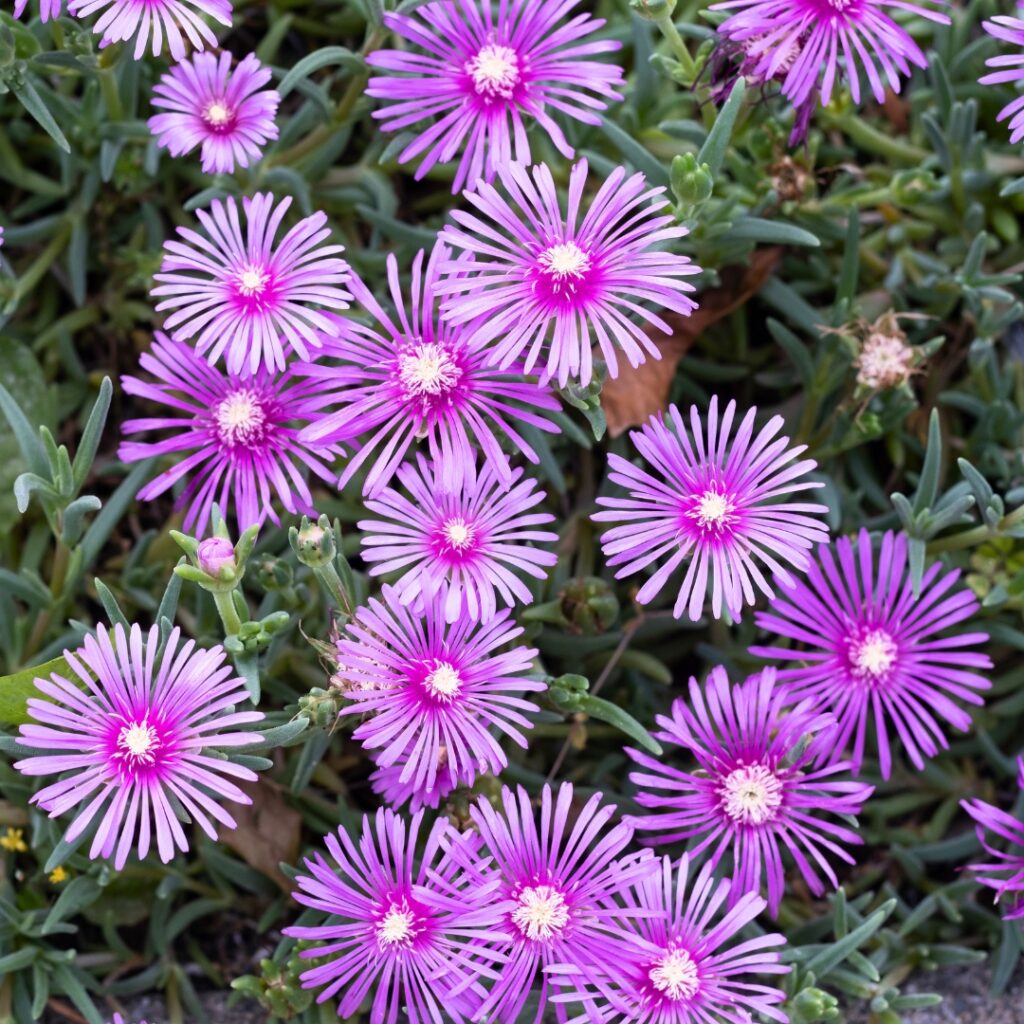
Most asters kick into gear when summer flowers start to fade. Their star-shaped blooms carry the garden from late summer right into fall, sometimes hanging on until the first real frost.
Late-Summer to Fall Display That Carries the Garden Into Frost
Some early asters like Frikart’s aster and certain dwarf hybrids open their first buds in late July. By August and September, New England asters and New York asters put on their big show with purple, pink, blue, or white flowers.
In zones 3–8, native asters usually bloom late August through October. Warmer climates sometimes get flowers into November. If frost comes early, blooms may slow, but tight buds can still push through for a few more weeks.
Tall types like New England asters bloom later than the short ones. I plant both so the color keeps coming in waves, not just one quick burst.
Quick Tip: Mix early, mid, and late-blooming asters to stretch out the color for three solid months.
Color Patterns and Extended Interest From Bud to Seed Head
Asters aren’t just purple—I’ve grown white ‘Wood’s White,’ pink ‘Alma Potschke,’ and blue ‘October Skies.’ The yellow centers start bright and often bronze up as they age, which gives the flowers some extra depth.
Most asters bloom in clusters, so when one flower fades, another opens nearby. The whole plant stays fresh instead of looking tired.
After petals drop, seed heads turn into fluffy tufts that catch the fall light. Birds love them, especially when the weather gets cold.
Quick Tip: Lightly deadhead early blooms for more flowers, but leave the last round for seed heads and wildlife.
Design Tips and Pairings
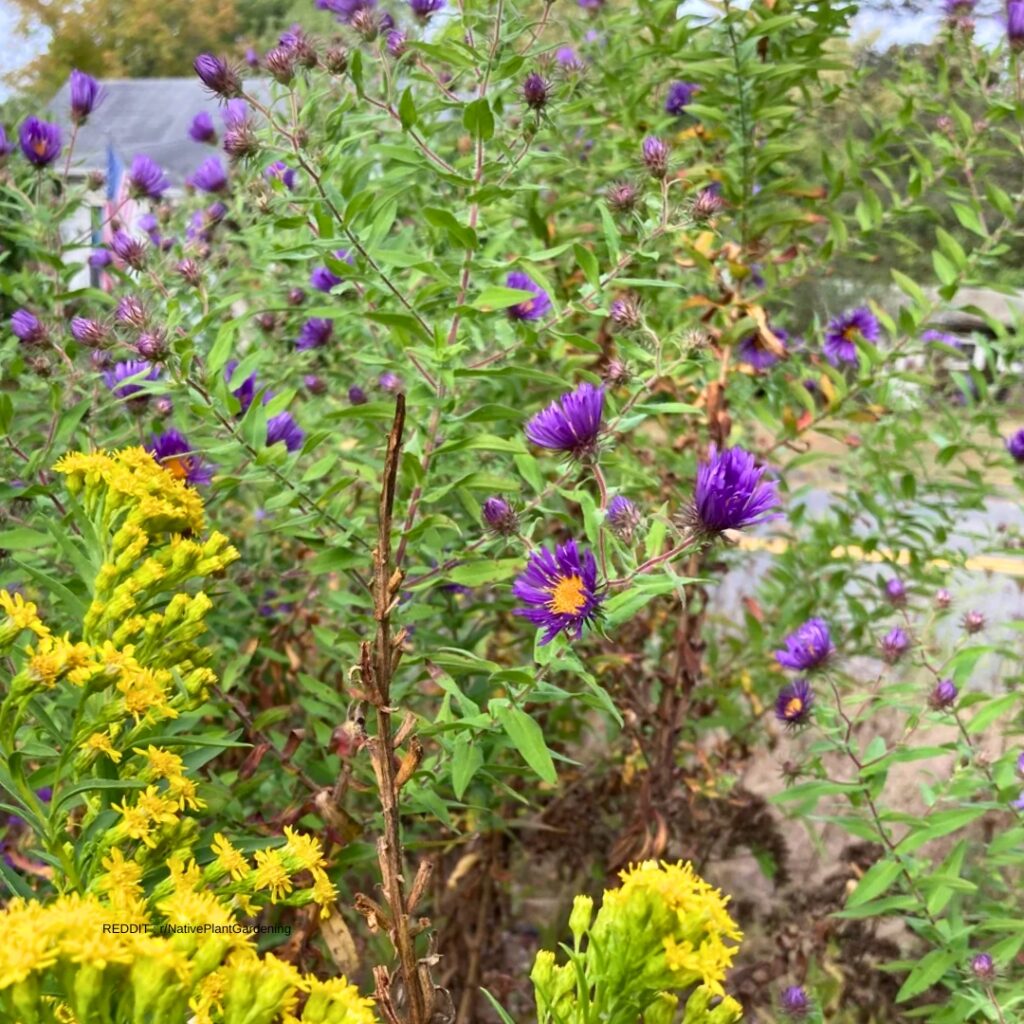
Asters give steady color to borders and fill vases with cut flowers that last. Picking the right companions and placing them well helps keep plants upright and blooming longer.
Companions for Asters That Boost Color, Texture, and Bloom Time
I pair asters with other plants that bloom at the same time and like sun and well-drained soil. Sturdy, sun-loving partners work best.
Some of my favorite combos:
- Ornamental grasses like switchgrass or little bluestem—they add height and movement
- Sedum (stonecrop) brings thick leaves and late blooms
- Rudbeckia and coneflower for a punch of color contrast
- Goldenrod next to purple or blue asters for that classic fall mix
These plants fill the gaps and help prop up tall stems. Grasses also hide lower leaves that sometimes look rough by season’s end.
I skip pairing asters with floppy, shade-lovers—they just don’t match up in care or looks.
Quick Tip: In windy spots or open borders, tuck asters near compact shrubs or grasses to help keep them upright.
In hot zones, I give asters a bit of afternoon shade. Up north, full sun brings the best blooms.
Using Asters in Mixed Plantings for Garden Borders and Cut Flowers
I plant asters in groups of three or five for a fuller look—single plants get lost in a mixed bed.
Tall types like New England asters go in the back of borders. Shorter, bushier ones edge paths or frame the front of beds.
For strong color, I repeat the same aster variety every few feet. Too many different kinds in one spot can look messy. Mixing purple with white or pink keeps things lively without chaos.
Asters also shine in cut flower gardens. I cut stems when a few blooms are open and the rest are still buds—makes for longer vase life.
Quick Tip: Cut flowers early in the morning and get them in water right away. Strip off lower leaves so nothing sits and rots in the vase.
If stems flop, I pinch young plants in early summer. They stay shorter and bushier, which helps in both borders and bouquets.
Frequently Asked Questions
Asters come in all sorts of sizes, colors, and bloom times. People ask me about height, lifespan, pollinators, and which ones are easiest to grow.
Which aster varieties are best for beginners to grow in the garden and why they rarely cause trouble?
I always recommend New England asters (Symphyotrichum novae-angliae) and New York asters (Symphyotrichum novi-belgii). They’re tough, handle regular garden soil, and bounce back year after year in zones 4–8.
For smaller spaces, ‘Purple Dome’ and ‘Wood’s Blue’ are great picks. They stay compact and rarely need staking.
Full sun and well-drained soil are key. Water deeply if the top inch dries out.
Quick Tip: Give young plants space for air flow—helps cut down on powdery mildew, especially when late summer gets humid.
When do asters usually bloom, and how long can I expect the flowers to last in my yard?
Most asters start blooming late summer and keep going into fall. Many open up in August and keep their color through September or October—right up until a hard frost.
Each plant usually flowers for four to six weeks. Cool nights help the color last longer.
Deadhead spent blooms if you want more buds. In hot zones (8–9), blooming sometimes slows during heat waves.
Quick Tip: Plant early, mid, and late-season varieties together to spread out the bloom time for two to three months.
How tall do different aster varieties grow, and which ones stay short enough for borders or containers?
Aster height is all over the map—from 8 inches up to 6 feet. New England asters can hit four to six feet and often need staking.
Mid-size types land around two to three feet, perfect for mixed beds.
Dwarf varieties like ‘Purple Dome’ and ‘Wood’s Pink’ stay close to 12–18 inches—ideal for borders or big pots.
Quick Tip: Pinch tall asters back by a third in early summer to keep them shorter and bushier.
Are asters perennial plants, and how many years can I expect them to live and bloom well?
Most garden asters are perennials in zones 3–8. They come back each spring from the same roots.
A healthy clump can last three to five years, sometimes longer. The center can thin out over time.
I divide them every couple of years in spring to keep them strong and blooming well.
Quick Tip: If flowers get smaller or the center looks empty, it’s time to dig and divide.
What aster colors can I choose from, and what do these colors traditionally represent in flower meaning?
Asters bloom in purple, blue, pink, red, and white. The yellow centers really pop.
Purple means wisdom, or so they say. Blue feels calming and trustworthy.
Pink suggests love and kindness, while white usually stands for purity or new starts.
I like mixing cool blues and purples with warm fall grasses for a balanced look.
Quick Tip: Always check plant tags in person if you can—flower color sometimes shifts a bit with different soil or light.
Which aster varieties are native to North America and especially helpful for bees and butterflies?
I always reach for New England aster (Symphyotrichum novae-angliae) and New York aster (Symphyotrichum novi-belgii) when I want to support pollinators. Both of these thrive across much of North America and really light up the garden late in the season.
Smooth aster (Symphyotrichum laeve) grabs attention with its blue-lavender blooms, and aromatic aster (Symphyotrichum oblongifolium) has a knack for drawing in bees and butterflies as autumn sets in. The late color and nectar are a lifesaver for pollinators when other flowers are fading.
After the flowers finish, I let the seed heads stand through winter. Chickadees and goldfinches will often snack on them when food gets scarce.
Quick Tip: Go for single-flowered types, not those frilly double blooms. Bees can’t get to the pollen in doubles, and that’s kind of the whole point, right?