
I keep poinsettias healthy in winter by giving them bright, indirect light, warm indoor temperatures, and water only when the top inch of soil feels dry. Your holiday plant can stay colorful well past the season with a little steady care.
Quick Tip: Keep your poinsettia away from cold windows, drafts, and heating vents. I’ll help you spot yellow leaves, wilting, pests, and root trouble before they spoil your plant.
I’ll also cover how to choose a healthy poinsettia, keep it after the holidays, and handle it safely around pets.
Set Up the Right Winter Location
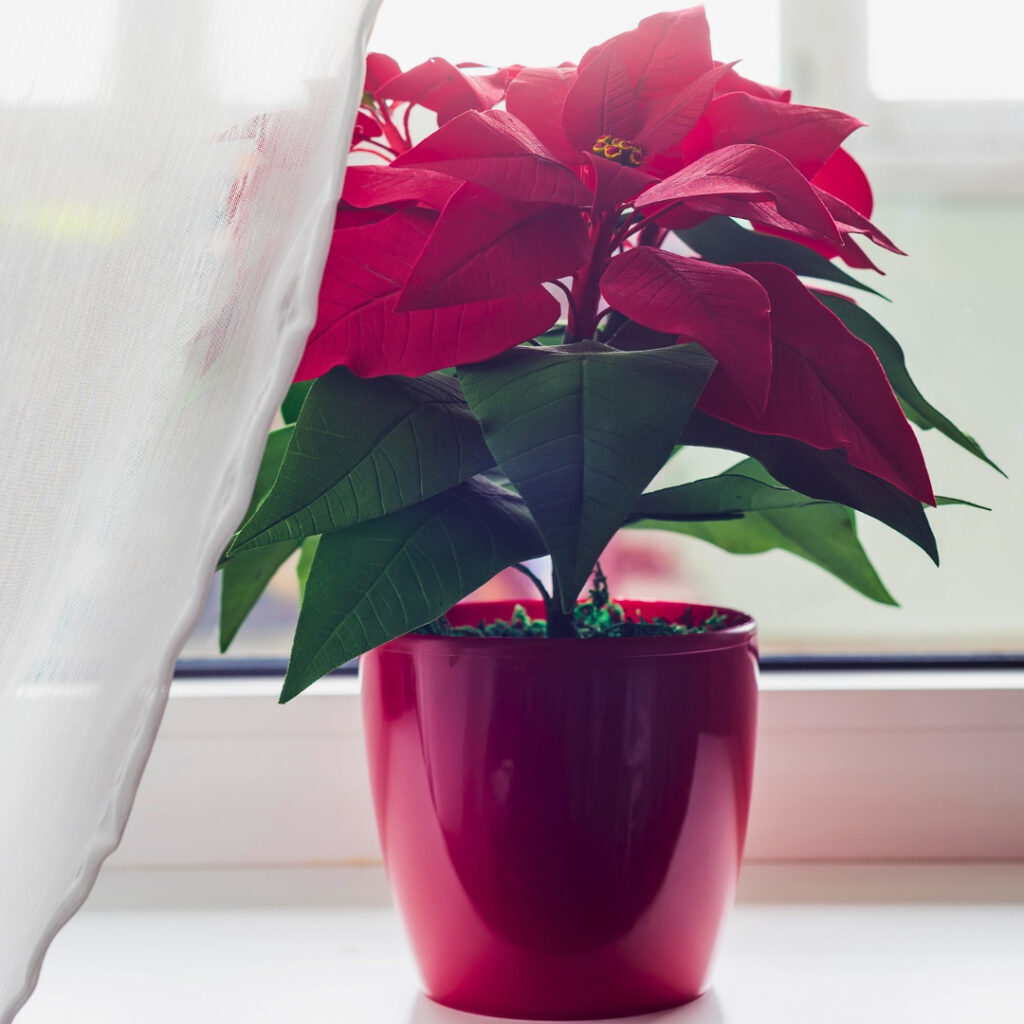
I give my poinsettia bright, filtered light, stable warmth, and enough moisture in the air. These tropical plants really hate cold glass, dry vents, and sudden temperature swings.
Provide Bright, Indirect Light
I set my poinsettia near an east- or west-facing window where it gets bright indirect light for at least six hours a day. A sheer curtain helps soften harsh afternoon sun, which can fade or burn the leaves.
If I use a north-facing window, I keep an eye out for weak growth or leaf drop. I’ll nudge the pot closer to the window if the plant seems stretched or the color fades.
Quick Tip: I turn the pot a quarter turn each week so all sides soak up the light.
When winter days feel especially dark, I use a grow light. I keep it 12 to 18 inches above the plant and run it for 12 to 14 hours a day. I don’t leave it on all night—plants need their rest, too.
Keep Temperatures Steady and Draft-Free
I keep my poinsettia in a room between 65°F and 75°F during the day. At night, I try to keep it above 60°F. Cold air can make leaves drop fast, even if the room feels fine to me.
I keep the plant away from doors, open windows, fireplace drafts, and heating vents. Warm air from a vent dries leaves, but cold window glass can chill them just as quickly.
Quick Tip: I keep the pot at least 12 inches from window glass, especially if it’s freezing outside.
Even in mild winter areas, I protect the plant from cool nights and wind. Poinsettias just aren’t built for frost or temps below 50°F. I pick a steady spot and leave it there.
Support Moderate Indoor Humidity
I keep indoor humidity around 40% to 60% for my poinsettia. Heated homes get dry, and that can make leaf edges crisp and brown.
I put the pot on a shallow tray filled with pebbles and water, keeping the water below the top of the pebbles so the pot never sits in water. Sometimes I’ll run a small humidifier nearby when the air’s dry.
Quick Tip: I group my poinsettia with other houseplants to make a slightly more humid pocket of air.
I never put it next to a radiator or vent. Instead of misting the leaves all the time—which can cause problems in a cool room—I just check for dryness.
Water Without Causing Root Problems
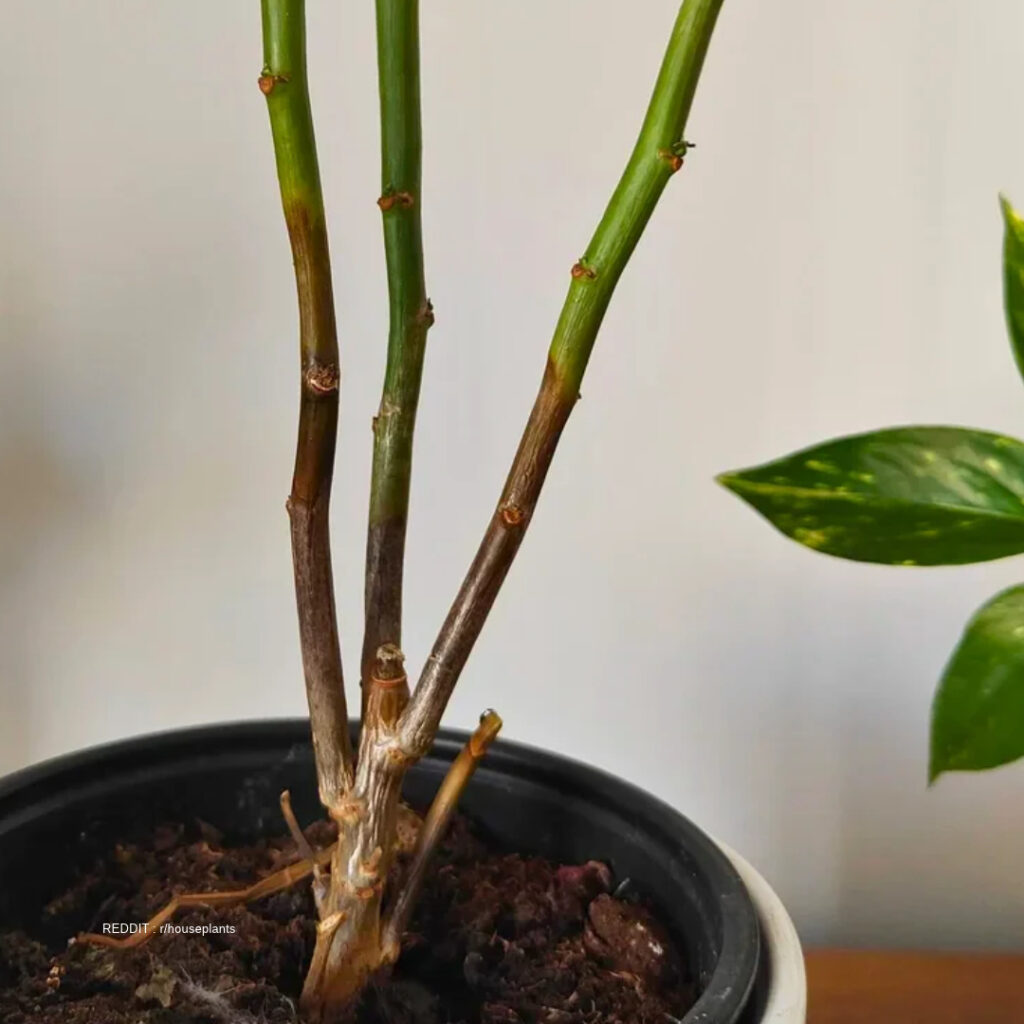
I keep poinsettia soil lightly moist, not soggy. Good drainage, careful timing, and paying attention when leaves change color help me avoid root rot.
How Often to Water a Poinsettia
I check the soil every few days. When the top 1 inch feels dry to my finger, I water slowly until a bit runs out the drainage holes.
Poinsettias like even moisture but hate sitting wet. If it’s near a heater or sunny window, I water more often. In a cool, north-facing spot, the soil stays damp longer.
Quick Tip: I lift the pot before watering—a light pot usually means it’s time for a drink.
I use room-temperature water and pour it evenly around the pot. I skip splashing the leaves or dumping water into the center.
Drain Decorative Foil and Empty Saucers
I take off or loosen decorative foil before watering. That foil often covers drainage holes, trapping water at the bottom and making roots soggy.
After watering, I let the pot drain for about 10 to 15 minutes. Then I empty any water left in the saucer or outer cover. Roots need air, not puddles.
Quick Tip: I poke holes in foil near the bottom if I want to keep it on the pot.
Well-draining soil and open drainage holes give me a little leeway for mistakes. If the soil stays wet for days, I water less and might repot in spring.
Recognize Overwatering and Root Rot Before It Spreads
I watch for yellow lower leaves, limp stems, or soil that stays wet too long. If the plant droops and the soil’s still damp, that’s usually a sign of overwatering.
Root rot often smells sour or musty. Roots turn brown or black and get mushy instead of staying pale and firm. Leaves may drop quickly, too.
Quick Tip: When the soil stays wet, I stop watering and move the plant away from cold drafts.
I let the soil dry a bit before watering again. If roots look soft and dark, I trim off the damaged ones and repot in fresh, well-draining soil.
Choose and Settle a Healthy Holiday Plant
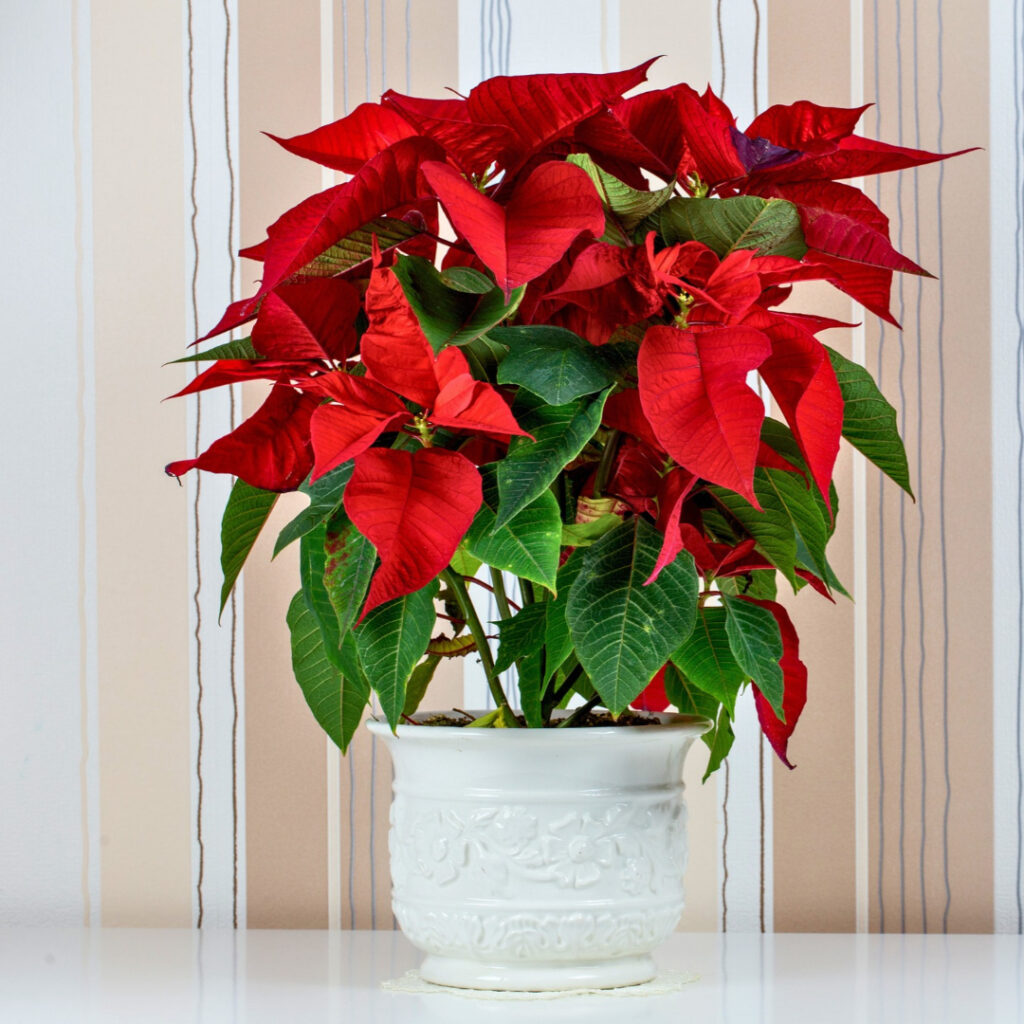
I pick a poinsettia with fresh color, firm stems, and no signs of cold stress. Careful buying and a protected trip home help prevent early leaf drop.
Check Bracts, Leaves, and Cyathia Before Buying
I look for bracts—the colorful parts most folks call flowers—that feel firm and look bright. Red, white, pink, or marbled bracts shouldn’t have brown edges or soft spots.
I check the leaves, too. Healthy ones are dark green, full, and attached along the lower stems. Yellowing or bare stems usually mean the plant’s stressed or has been sitting in the store too long.
The tiny real flowers are called cyathia, sitting at the center of each bract cluster. I pick a plant with small green or yellow cyathia that are still tight. If they’re faded or covered in pollen, I pass.
Quick Tip: I gently lift a pot. If it feels soaked, smells sour, or sits in standing water, I leave it behind.
Protect the Plant From Cold During Transport
I ask the store to sleeve or wrap my poinsettia before I head outside. Even a short blast of cold wind can mess up the leaves and bracts, especially if it’s below 50°F.
I take the plant straight to a warmed car. I won’t leave it in the trunk or run errands first. Cold injury might not show up right away, but leaf drop often starts a few days later.
At home, I unwrap it as soon as I get inside. I keep it away from the front door, drafty windows, and heating vents. Even in warmer zones, I still keep it out of cold drafts at night.
Quick Tip: I hold the wrapped plant close to my body on the walk to the car for extra warmth.
Avoid Repotting During the Winter Display
I leave a new poinsettia in its nursery pot for the holidays. Repotting now can upset the roots and trigger leaf drop when the plant’s already adjusting to new conditions.
I pull off decorative foil or poke holes so water can drain. I never let the pot sit in a saucer full of water—wet roots are just asking for trouble.
If the plant seems crowded, I wait until spring to move it into a pot a little bigger. For now, I just focus on steady care: bright indirect light, room temps, and watering when the top inch of soil dries out.
Quick Tip: I stick with the original pot unless roots push through the holes or the soil dries out crazy fast.
Solve Yellowing, Wilting, and Leaf Drop
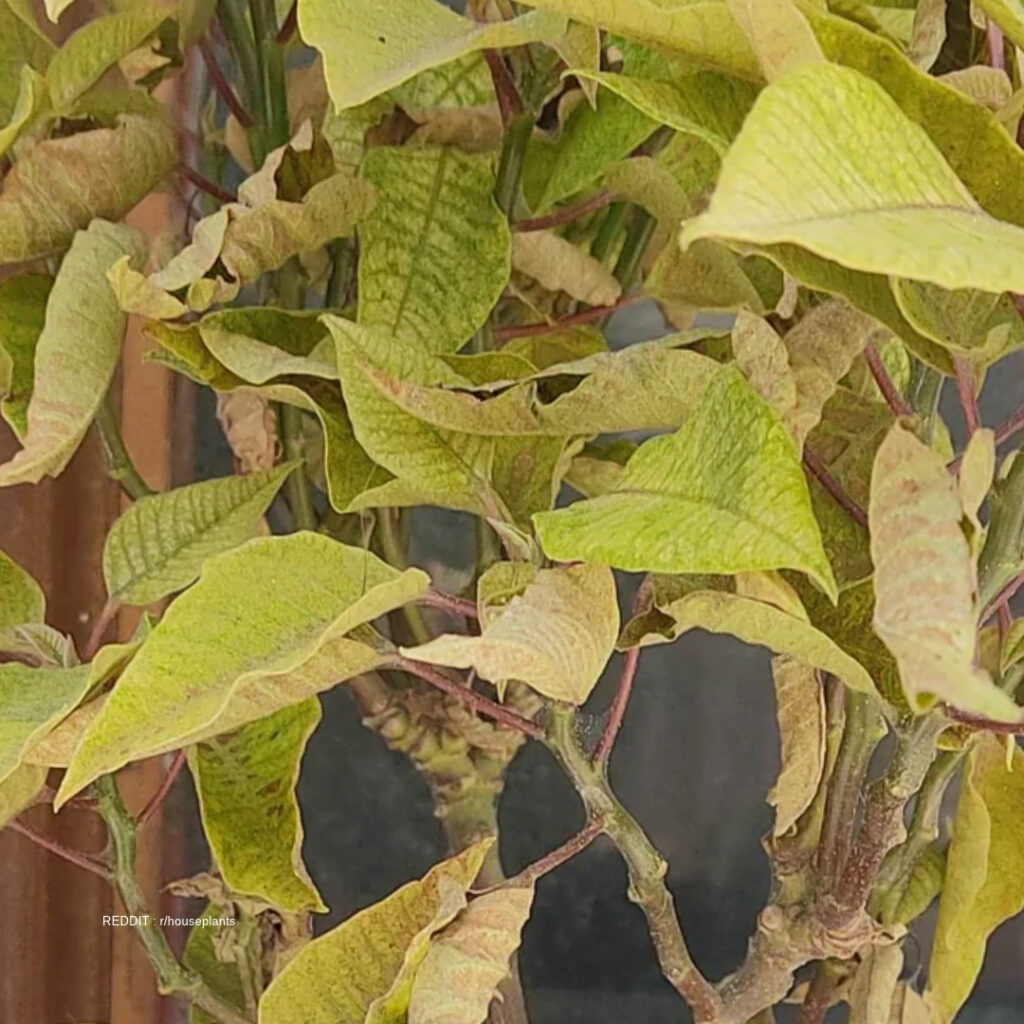
I check the plant’s temperature, soil, and light before changing anything. Poinsettia leaves show stress quickly, but the cause usually isn’t hard to spot.
Identify Cold Stress and Sudden Leaf Drop
I look for sudden leaf drop after cold exposure. A poinsettia can lose leaves if it sits by a drafty door, cold window, or air vent. Temps below 50°F can do damage, especially after a warm car ride.
I move the plant to a spot between 65°F and 75°F. I keep it away from window glass at night, since that air can get chilly even in a warm room.
Quick Tip: I protect poinsettias during transport with a paper bag or box when it’s cold outside.
If stems feel soft, dark, or limp after a freeze, the damage may be too much to fix. I remove fallen leaves, keep the plant warm, and hold off on extra watering while it recovers.
Fix Brown Leaf Edges and Dry Foliage
I check brown leaf edges for dry soil, low humidity, or hot air. Leaves get crisp and papery when the pot dries out too much, and heat from a radiator or vent makes it worse.
I water slowly when the top inch of soil feels dry, let the extra drain, and empty the saucer. Soggy roots cause a whole different mess.
Quick Tip: I keep the plant away from heat sources that blow dry air onto the leaves.
Sometimes I raise humidity by putting the pot near other plants or on a pebble tray. I keep the pot above the water line. In dry homes, this helps leaves stay softer and greener.
Know When Watering or Light Is the Problem
I check soil moisture before blaming the light. Overwatering often causes yellowing, wilting, and leaf drop all at once. The soil may stay wet for days, and the pot feels heavy.
I let the soil dry a bit between waterings, but I don’t let it go bone dry. If there’s foil on the pot, I remove it or poke drainage holes. Hidden water at the bottom can rot roots fast.
Quick Tip: I test the soil with my finger instead of sticking to a schedule.
I put the plant in bright indirect light, like near an east window or a few feet from a sunny south or west window. In a north window, I move it closer to the glass during the day but keep it out of drafts.
Prevent and Treat Winter Pests
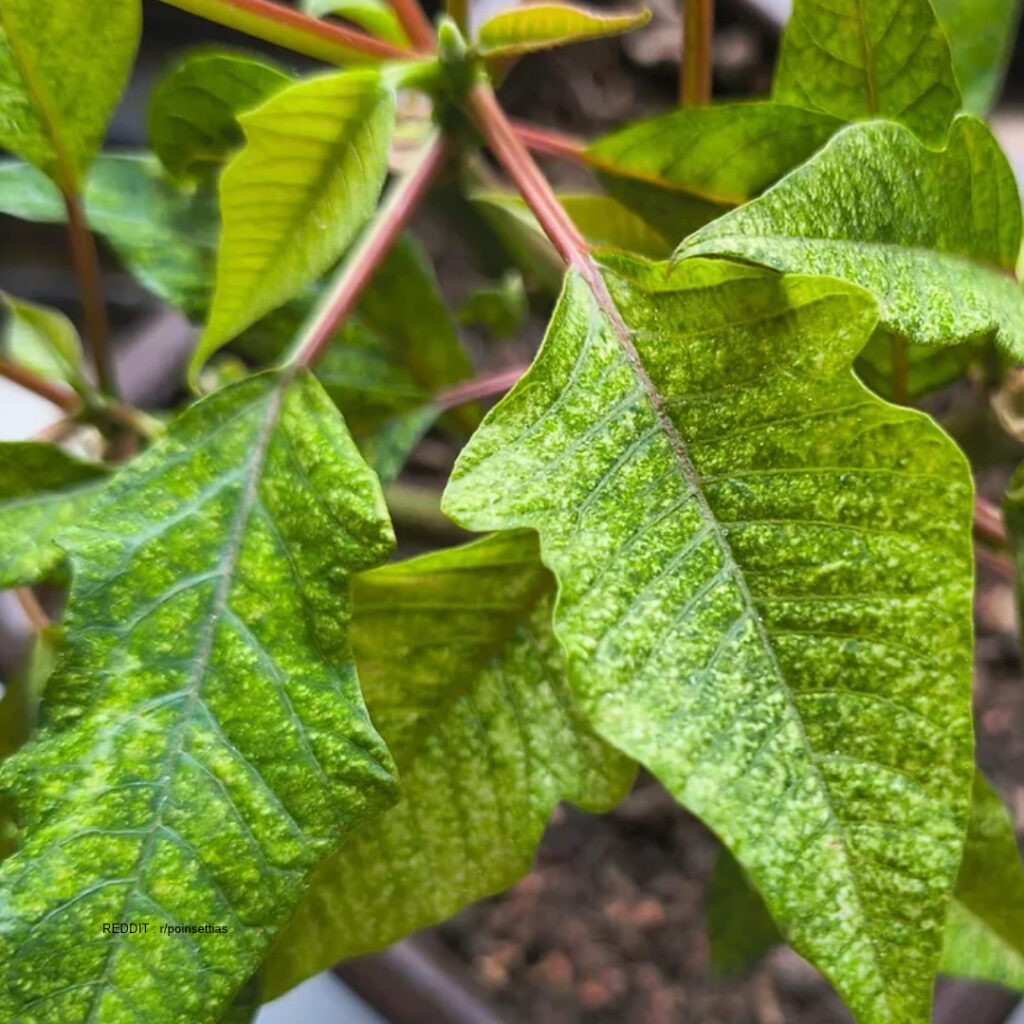
I check my poinsettia weekly in winter, especially when dry air or wet soil make pest problems more likely. Catching small insects early keeps them from spreading to other plants.
Spot Aphids, Whiteflies, and Spider Mites
I check new leaves, stems, and especially the undersides for aphids, whiteflies, and spider mites. Aphids crowd around tender growth—tiny, soft, and honestly kind of gross. Sometimes they leave sticky sap on leaves or even the table.
Whiteflies look like little white moths. If I give the plant a gentle shake, they might flutter up in a tiny cloud.
Spider mites are trickier. I look for pale speckles, dull leaves, or fine webbing near leaf joints.
Quick Tip: If I’m not sure, I hold a white sheet of paper under a leaf and tap it. Seeing little dark specks moving? Probably spider mites.
If I spot any pests, I move that poinsettia away from my other houseplants right away. Spider mites get worse fast in dry, heated rooms, so I check plants near radiators and sunny windows more often.
Control Pests With Insecticidal Soap or Neem Oil
First, I rinse off any visible pests with a gentle stream of lukewarm water. I use my hand or a cover to keep the soil from getting soaked.
If pests are still hanging on, I grab a ready-to-use insecticidal soap or neem oil made for houseplants. I spray leaf tops, undersides, stems, and those tight little leaf joints until the surface is evenly wet—but not dripping everywhere.
Quick Tip: I always test a spray on one small leaf and wait a day to make sure there’s no spotting or damage.
I avoid spraying if the plant is in direct sun, near a heater, or looking wilted. I repeat the treatment every 7 to 10 days (the label always says how often), since eggs can hatch after the first round. If I see sticky honeydew, I wipe it off with a damp cloth.
Manage Fungus Gnats Around Wet Soil
When I notice tiny black flies hovering around or running across the soil, I suspect fungus gnats. The adults are annoying, but it’s their larvae in wet potting mix that worry me—they’ll munch on fine roots.
I let the top 1 inch of soil dry before watering again. When I do water, I go slow and dump out the saucer after 15 minutes.
Poinsettias need moisture, but soggy soil is just begging for fungus gnats.
Quick Tip: I use a yellow sticky trap near the pot to catch adult gnats and see if their numbers drop over time.
If gnats stick around, I swap out the top inch of old soil for fresh, dry potting mix. For a big infestation, I use a product with Bacillus thuringiensis israelensis (BTI) and follow the label. I don’t let pots sit outside in cold weather—even in mild climates—since chilly, wet soil dries out way too slowly.
Keep Your Poinsettia After the Holidays

I try to keep my poinsettia going by matching its natural rest, spring growth, and fall color cycle. Euphorbia pulcherrima needs steady care, then a long stretch of nights, to get those colorful bracts again.
Understand the Seasonal Growth Cycle
I treat a poinsettia like a real plant, not just a throwaway holiday decoration. It’s from Mexico, part of the Euphorbiaceae family, so it prefers warmth and bright, indirect light.
After the holidays, the red, pink, or white bracts fade. I keep it near a sunny window and only water when the top inch of soil feels dry.
I always pour out any water left in the saucer. Soggy roots spell trouble fast.
Quick Tip: I keep it above 60°F and away from cold glass, drafts, and heat vents. Those cold spots by the window can really sneak up on you.
If I’m in warm USDA Zones 9–11, I can grow poinsettias outside in a sheltered spot after frost is gone. In colder places, I just keep mine indoors. No matter the variety—Prestige Red, Ice Punch, whatever—the seasonal pattern is pretty much the same.
Prune, Feed, and Repot in Spring
In spring, once the old bracts drop and new green growth shows up, I prune my poinsettia. I cut stems back to about 4–6 inches tall, leaving a few healthy buds on each stem.
Yeah, it looks bare for a while—that’s normal.
Quick Tip: I wear gloves when pruning because the milky sap can irritate sensitive skin. Not fun.
I only move it to a bigger pot if roots are crowding the old one. I use a well-draining potting mix with perlite so water can move through easily. Drainage holes matter more than a pretty cover pot, honestly.
Once new leaves appear, I feed every two to four weeks with a balanced houseplant fertilizer at the label rate. I pinch off the soft tips of new shoots through midsummer—makes the plant bushier instead of leggy. Sometimes I use cuttings with rooting hormone to start new plants, but rooting takes patience.
Use Short Days to Encourage Next Winter’s Color
In late September or early October, I start the color routine. Poinsettias are short-day plants, so they need long, unbroken nights to get those colored bracts.
For about 8–10 weeks, I give the plant 14–16 hours of complete darkness every night. I put it in a dark closet or cover it with a box, then bring it back to bright light each morning.
Even a lamp turning on nearby can mess up the process.
Quick Tip: I set a daily phone alarm so I don’t forget the dark period. Otherwise, I totally would.
I keep daytime temps around 65–70°F and stay away from cold drafts. I water as usual, but never let the soil get soggy. When small colored bracts start to show, I stop the darkness routine and just enjoy.
Handle Poinsettias Safely Around Pets
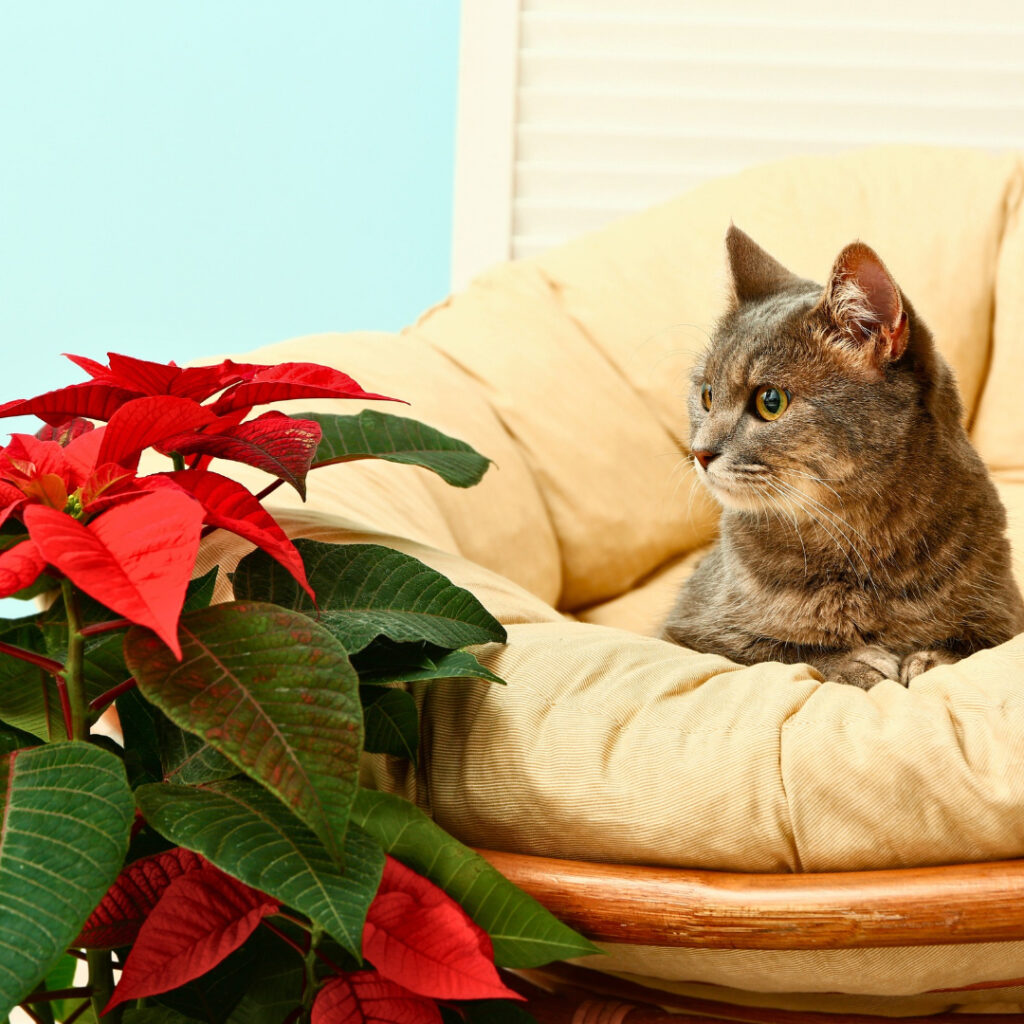
I always keep poinsettias out of reach of cats and dogs. The ASPCA lists them as toxic, but usually, pets just get mild symptoms—drooling, vomiting, or a little stomach upset if they chew the leaves or stems.
Quick Tip: I put the plant up high or in a closed room if my pets are feeling curious.
The white sap can irritate a pet’s mouth or skin. I watch for lip licking, pawing at the mouth, red skin, or (ugh) a sour-smelling puddle on the floor—pets just don’t care about holiday decorations.
If my pet eats some, I remove any plant bits from its mouth and offer water. If symptoms stick around, seem bad, or my pet ate a lot, I call my vet or an animal poison line.
Quick Tip: I keep the plant tag and snap a photo before calling for advice. Makes things easier.
To play it safe, I also pick up fallen leaves right away and keep fertilizer, leaf shine sprays, and decorative foil away from pets. The plant is just one part of the risk, honestly.
Frequently Asked Questions
I keep poinsettias warm, water them carefully, and make sure they stay out of cold drafts. If I want color again, I stick to a strict darkness schedule in fall.
How do you keep a poinsettia alive all year round?
I put my poinsettia near bright, indirect light and keep it between 65°F and 75°F. Cold windows, heat vents, and sudden temperature changes? Nope, I avoid those.
I water when the top inch of soil feels dry. After the bracts fade, I prune it back and keep up regular care through spring and summer.
Quick Tip: I remove the foil cover or poke drainage holes in it, so water doesn’t pool around the roots.
What is the coldest temperature a poinsettia can tolerate?
I keep poinsettias above 50°F, period. Cold air makes leaves drop fast, especially if the plant is near a drafty door or window.
A short dip near 45°F might not kill it, but it’ll damage leaves and bracts. Frost? That’s a death sentence.
Quick Tip: I cover the plant with a bag or box when taking it from the store to my car on cold days. Looks odd, but it works.
Can I keep a poinsettia outside in the winter?
I only leave poinsettias outside in winter if I’m in a frost-free area—USDA Zones 10 through 12. Even then, I protect them from cold rain, wind, and temps below 50°F.
In cooler zones, I bring the plant indoors before nights get chilly. A covered porch isn’t warm enough during a real freeze.
Quick Tip: I always check the overnight forecast (not just the daytime temp) before leaving a poinsettia outside.
How often should I water a poinsettia during winter?
I check the soil every few days and water when the top inch feels dry. Most indoor poinsettias need water about once a week, but warm, dry rooms dry the soil faster.
I water until a bit runs from the drainage holes, then dump the saucer. Wet soil feels heavy and leads to soft, yellow leaves in no time.
Quick Tip: I use my finger to test the soil instead of sticking to a schedule. Plants don’t care about calendars.
Do poinsettias need darkness to rebloom?
I give my poinsettia complete darkness for about 14 hours each night for 8 to 10 weeks, starting in late September or early October. Even a little hallway light can mess things up.
During the day, I put it back in bright light. This routine helps the plant grow colored bracts for the holidays.
Quick Tip: I stick the plant in a closet each evening and pull it out every morning at the same time. Routine is everything here.
When do poinsettias naturally bloom?
Poinsettias start forming flowers and those colorful bracts in late fall or winter. It’s the shorter days and longer nights that set everything in motion.
The real flowers are actually those tiny yellow centers. Most people notice the red, white, pink, or even speckled parts first, but those are just bracts—basically, fancy modified leaves.