
I store dahlia tubers by lifting them after frost, drying them, and keeping them in a cool, dark, frost-free place until spring.
Dahlias are tender perennials, so cold winters can damage tubers left in frozen soil. I’ll help you decide whether overwintering dahlias indoors makes sense for your climate and show you when to lift the clumps without rushing the job.
Quick Tip: Keep stored dahlia tubers dry but not shriveled; check them about once a month for mold or soft spots.
I’ll also cover simple packing materials, the right storage temperature, and how to spot trouble before it spreads. With a little care, you can replant healthy tubers when warm weather returns.
Decide Whether Dahlias Need Indoor Winter Protection
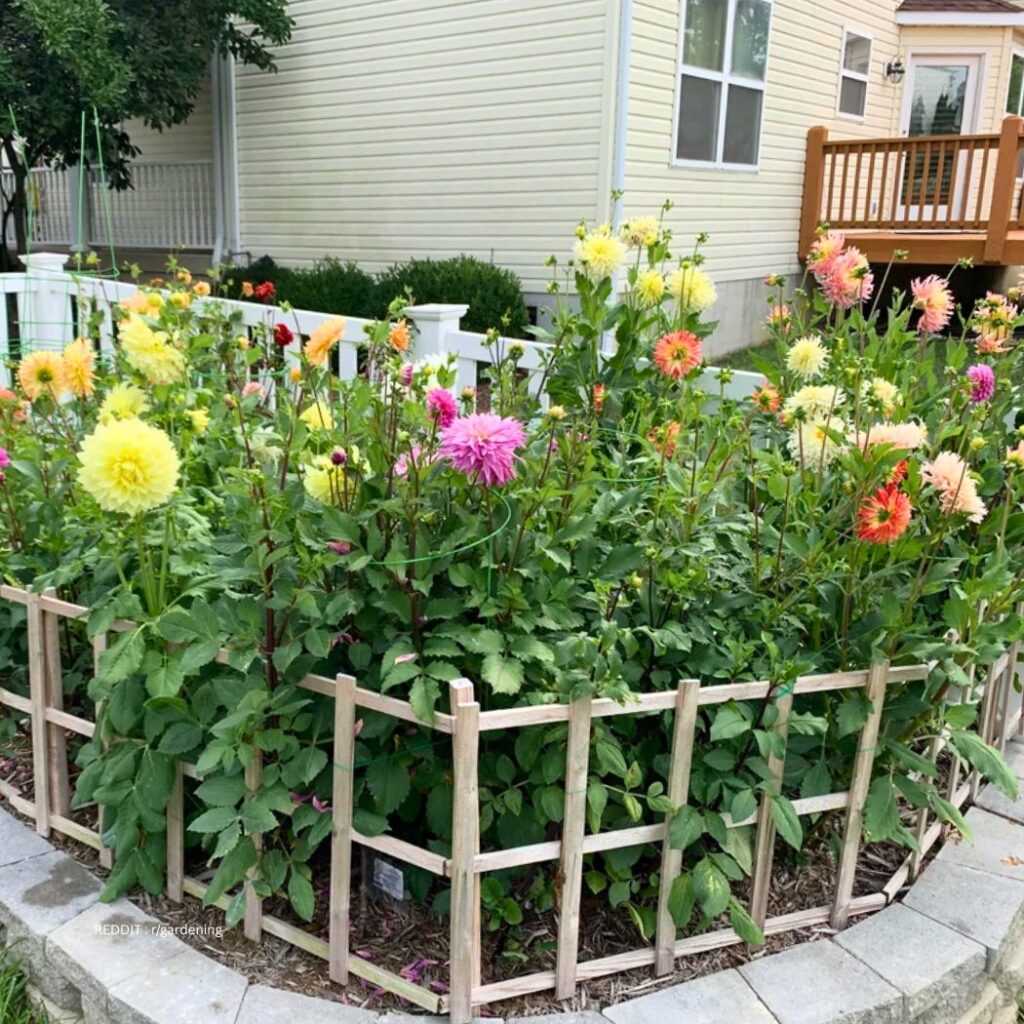
I check my USDA hardiness zone, soil drainage, and winter low temperatures before deciding where to keep my dahlias. A hard frost kills the top growth, but the ground may still protect the tubers in mild areas.
Use USDA Hardiness Zones and Local Ground Conditions
I use USDA hardiness zones as a starting point, not a strict rule. Dahlias usually survive in the ground in zones 8 through 10 when the soil does not freeze deeply or stay wet through winter.
In zone 7, I watch local weather and soil closely. Some warm, protected gardens may keep dahlias in the ground, but a long ground freeze can rot or kill the tubers.
Cold air settles in low spots, so a sheltered bed near a wall may be warmer than an open yard.
Quick Tip: I check whether my soil stays soggy after rain. Wet, cold soil is often a bigger problem than cold alone.
If winter brings repeated freezing temperatures, I lift the tubers after the first hard frost. I also lift them if my garden has heavy clay soil, standing water, or poor drainage.
When Dahlias Can Stay in the Ground
I leave dahlias in the ground only when winter soil stays above freezing most of the time. After the first hard frost turns the stems black and soft, I cut them back to about 4 to 6 inches.
I wait until the soil surface feels cool, then cover the planting area with 6 to 12 inches of dry mulch. Straw, shredded leaves, pine needles, or bark chips work well.
I keep the mulch loose so it blocks cold without trapping puddles around the crown.
Quick Tip: I mark each dahlia spot with a stake before adding mulch. Bare beds all look the same by spring.
I pull mulch back gradually in spring after the danger of a hard freeze has passed. If late frosts are common, I keep a light cover nearby for chilly nights.
How to Protect Dahlias in Pots
I do not leave dahlia tubers in pots outdoors where the pot can freeze solid. Containers lose heat much faster than garden soil, even in zone 7 or warmer areas during an unusual cold snap.
After frost damages the foliage, I cut back the stems and move my potted dahlias to a frost-free place. An unheated garage, basement, or enclosed shed works if temperatures stay around 40 to 50°F.
Quick Tip: I keep potted tubers dry, not bone-dry. If the soil pulls far from the pot edge or looks dusty, I add only a small amount of water.
I can also lift the dahlia tubers from pots, clean off loose soil, and store them in a box with dry packing material. I avoid warm rooms, where tubers may shrivel or start growing too early.
Time the Fall Lift for Healthy Dormancy
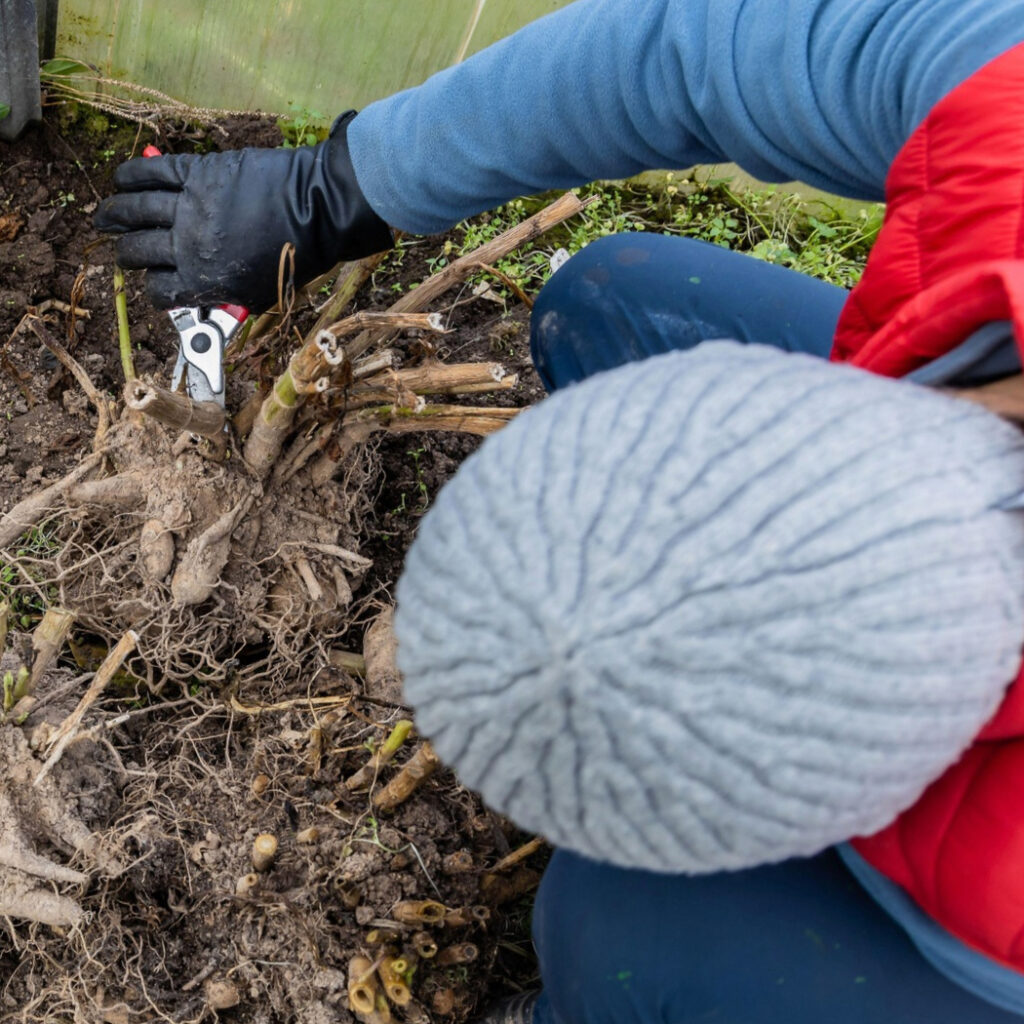
I wait for frost to signal that the plants have finished their season. Then I trim cleanly and keep every dahlia variety labeled before lifting the tubers.
Recognize the First Frost and Killing Frost
I watch the forecast in fall, especially when nights start reaching 32°F (0°C). A first frost may blacken the top leaves but leave lower stems green.
It tells me the season is ending, but I don’t rush outside with a shovel just yet.
I wait for a killing frost, sometimes called a first hard frost. It turns the whole plant dark, limp, and watery-looking. The stems sag, and the leaves lose their firm feel.
That damage sends the plant’s last energy down into the tubers.
Quick Tip: I lift tubers about 7 to 14 days after a killing frost if the soil stays workable.
I do not wait if the ground will freeze solid or if long, cold rain is coming. In colder zones, I may dig sooner because frozen soil can damage tubers.
In mild areas, I watch for repeated frosts rather than one light overnight dip.
Cut Back Stems Without Encouraging Rot
After a killing frost, I use clean, sharp bypass pruners to cut each stem back to about 4 to 6 inches above the soil. For thick old stems, I use loppers.
I avoid tearing stems or leaving crushed ends, since damaged tissue holds moisture.
I do not cut stems weeks before frost. Early cutting can let rainwater run down the hollow stems and sit near the crown. That can cause rot before I even dig the plant.
Dahlias do not need extra water in their necks. Nobody does.
Quick Tip: I cut on a dry day and leave the short stems uncovered, not wrapped or sealed.
If rain is expected right after I cut, I lift the tubers sooner rather than later. I also remove frost-killed leaves and loose debris from the soil surface.
This makes it easier to see each clump and reduces wet plant matter around the crown.
Keep Variety Labels With Each Plant
I label every plant before I cut or dig it. Once frost turns stems black, many dahlia varieties look exactly alike. A bright bloom in August can become a mystery clump by October.
I use a weatherproof tag tied low on the stem, plus a second label for the storage container. I write the variety name with a permanent marker, such as Cafe au Lait or Bishop of Llandaff.
I avoid labels that only say “pink” or “tall.”
Quick Tip: I take a photo of each labeled plant before lifting, with the tag visible in the picture.
When I divide a clump later, I move the label with the tubers from that same plant. I keep each variety separate in a paper bag, box, or tray.
That small step prevents mix-ups when I plant next spring.
Lift and Prepare Tuber Clumps
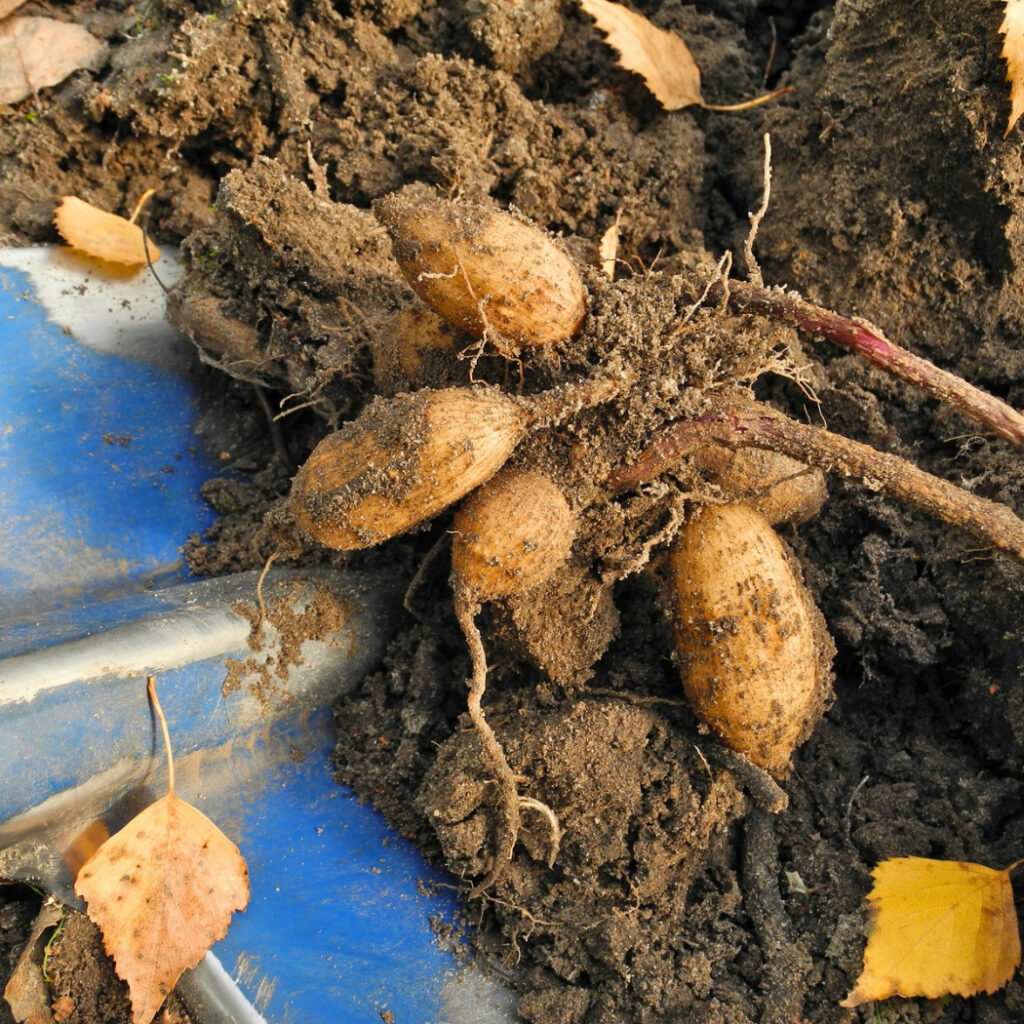
I lift dahlia clumps after frost blackens the foliage, then clean, check, and dry them before storage. Careful handling prevents broken tuberous roots and rot.
Dig Widely to Protect Fragile Tuberous Roots
I cut the stems back to about 4–6 inches after a light frost. In warm zones without frost, I lift the clumps after the plants finish blooming and the foliage starts to fade.
I use a garden fork, not a shovel, and push it into the soil 10–12 inches from the stem. Then I loosen the soil from several sides before lifting.
Dahlia bulbs are not really bulbs; the swollen tuberous roots snap easily if I pull too hard.
I lift the whole dahlia clump by supporting it from underneath, not by tugging the stem. I shake off loose soil with a few gentle taps.
Mud can hide damage, but hard knocking can break a tuber.
Quick Tip: I dig when the soil feels damp but not sticky. Wet soil clings like glue, while bone-dry soil makes roots brittle.
Clean, Inspect, and Divide Healthy Clumps
I rinse off the remaining soil with a gentle hose spray, or I use my hands and a bucket of water. I let the clumps drain before inspecting them in good light.
I cut away soft, hollow, shriveled, or damaged tubers with clean pruners. I discard any clump with a rotten crown rather than adding it to the compost, since disease can spread.
Each saved division needs a firm tuber, part of the crown, and at least one visible eye. The eye looks like a small bump near the stem area.
I divide large dahlia clumps now or wait until spring, but I label each variety before they all start looking alike.
I disinfect my tools between clumps with rubbing alcohol or a bleach solution made from 1 part bleach and 9 parts water. I rinse and dry tools after using bleach.
Quick Tip: I keep only tubers that feel solid and smooth. A little dirt is fine; a squishy spot is not.
Cure Tubers Before Packing
I place cleaned tubers in a dry spot with steady air circulation for several days. A garage, shed, or covered porch works if temperatures stay above freezing and rain cannot reach them.
I set clumps upside down at first so moisture can drain from the cut stem. Then I turn them right-side up once the outside feels dry.
The skin should feel dry to the touch, not hard, deeply wrinkled, or damp.
I do not dry dahlia tubers in direct sun or near a heater. Fast heat can shrivel them, while poor airflow leaves them wet and more likely to rot.
I place them on cardboard, a screen, or layers of newspaper so air reaches all sides. When the cut surfaces look dry and no moisture collects around the crown, I pack them for winter storage.
Quick Tip: I check them daily while curing. If a tuber smells sour or feels soft, I remove it before it affects the rest.
Pack Tubers in the Right Container and Medium
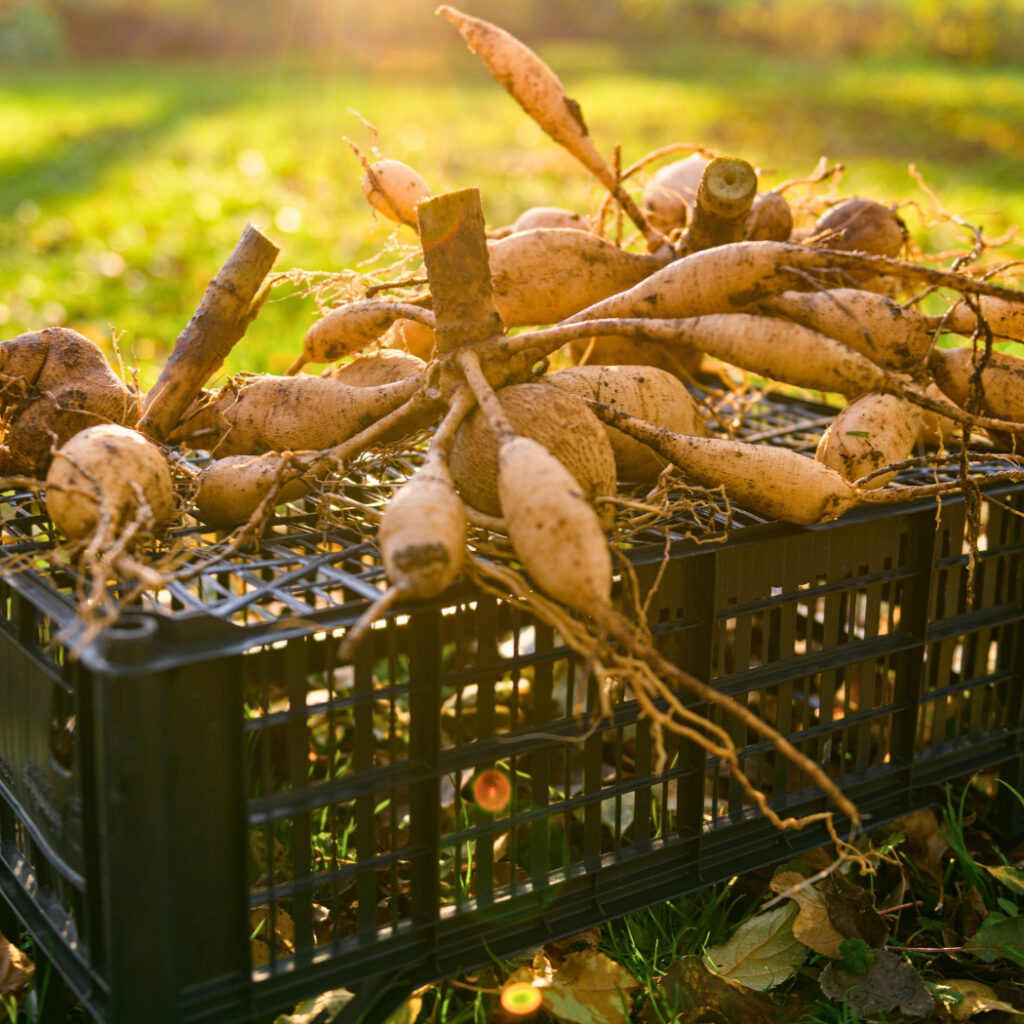
I use breathable containers and a loose packing material to keep tubers dry but not shriveled. Good spacing and clear labels make winter checks much easier.
Choose Breathable Storage Containers
I store dahlia tubers in cardboard boxes, paper bags, or milk crates because air can move through them. Cardboard boxes work well when I punch a few small holes in the sides for extra air circulation.
I avoid sealing tubers in plastic bins or plastic storage bins. Trapped moisture can cause a sour smell, mold, and soft rot.
If I must use a plastic bin, I leave the lid off or set it on loosely.
Paper bags suit small groups of tubers, but I do not pack them tightly. Milk crates are handy for larger collections because their open sides allow steady airflow.
Quick Tip: I use a container that feels dry and airy, not damp or sealed like a lunch box.
Select a Packing Medium That Balances Moisture
I surround tubers with a dry, loose medium that keeps them from touching. Slightly damp peat moss can work, but I use it carefully because it may hold too much water.
Vermiculite, perlite, sawdust, and untreated wood shavings are lighter choices. I prefer coarse vermiculite or clean wood shavings because they leave small air spaces around each tuber.
I avoid fresh wood chips, wet sand, and anything with a strong chemical smell. Sand often stays too damp and heavy.
I also skip plastic wrap, since it blocks air circulation and can trap moisture against the tuber skin.
Quick Tip: I squeeze the packing material first. If water comes out or it feels cool and wet, I dry it before using it.
Label and Arrange Tubers for Airflow
I label every clump before storage with the dahlia name, color, and date. A waterproof marker on a plant tag works better than a paper label that may smear or tear.
I place tubers in one layer when possible, with the crown facing up and space between each clump. If I need a second layer, I add several inches of packing medium between them.
I never let tubers press tightly together.
I check stored tubers about once a month. In cold, damp winter areas, I watch closely for mold. In dry homes or warmer zones, I look for wrinkled tubers and add a small amount of barely damp medium if needed.
Quick Tip: I keep each variety together, but I leave enough space that I can lift one tuber without disturbing the rest.
Create the Ideal Winter Storage Environment
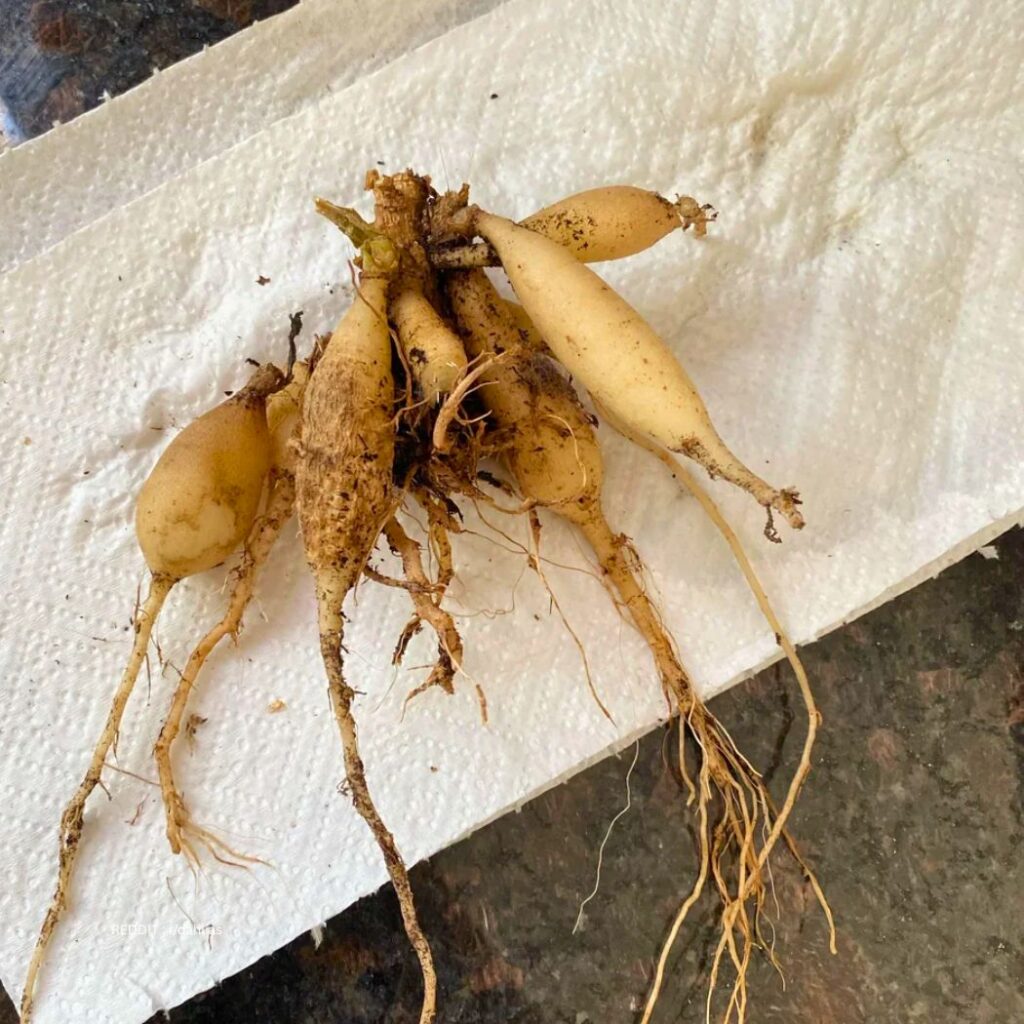
I keep dahlia tubers cool, dark, and slightly humid, but never wet. A steady spot helps prevent shriveling, rot, and freeze damage during the long winter months.
Find a Cool, Dark Space That Will Not Freeze—The Temperature Range Matters
I aim for a storage temperature of 40°F to 50°F (4°C to 10°C). A root cellar often works well because it stays cool and dark without freezing.
An unheated basement can also work if it stays above 32°F (0°C). I place a basic thermometer near the tubers for the first few weeks because basement temperatures can drop when severe cold arrives.
A cool closet on an interior wall may work in mild winter areas. In colder zones, I avoid garages, sheds, and porches unless I know they will stay above freezing.
Frozen tubers turn soft and watery after thawing, and they will not grow.
Quick Tip: I choose the coolest place in my home that stays reliably above freezing, not the coldest place I can find.
I keep the tubers away from windows, furnace rooms, water heaters, and sunny walls. Heat can dry them out faster than expected.
Avoid Excess Moisture, Heat, and Sealed Storage—Tubers Need Some Air
I store tubers in a breathable container with dry packing material, such as peat moss, vermiculite, or wood shavings. The material should feel barely damp at most, never wet or clumpy.
I avoid tightly sealed plastic bins and plastic bags because they trap moisture. That can cause mold and rot.
If I use a plastic bin, I leave the lid loose or add several air holes.
Quick Tip: If I smell mildew or see moisture drops inside the container, I add airflow and replace any wet packing material.
I also keep tubs away from bare concrete floors, which can feel cold and damp. Setting containers on a shelf, pallet, or piece of wood helps protect them.
I check stored dahlia tubers about once a month. I remove any soft, moldy, or badly shriveled tubers so problems do not spread.
Monitor Tubers and Replant in Spring
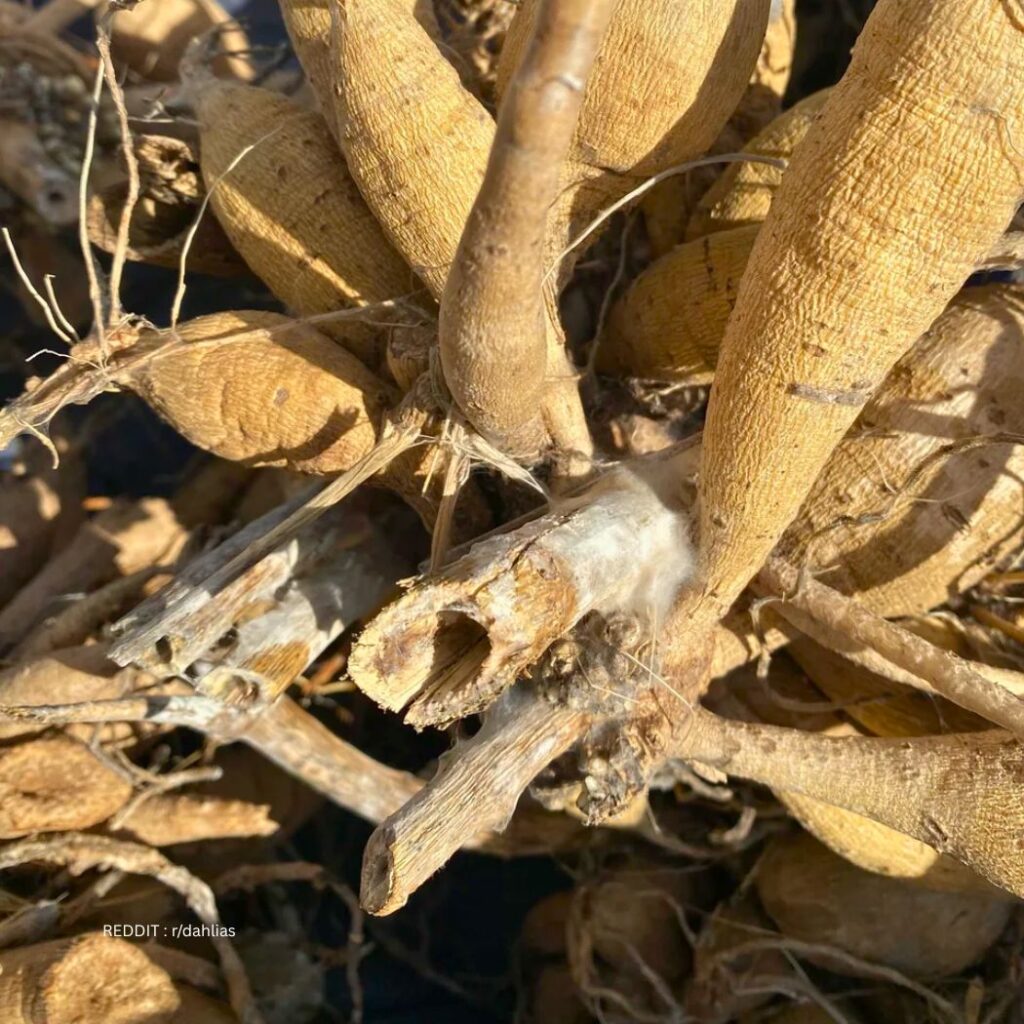
I check stored dahlia tubers each month so small problems don’t spread. When spring arrives, I bring them out slowly and plant only after cold weather has passed.
Check Monthly for Rot, Mold, and Shriveling
I open each box or bag about once a month. I look for soft, dark spots, white or gray mold, and a sour smell.
These signs mean a tuber has too much moisture or not enough air circulation.
I remove rotten dahlia tubers right away. If rot affects only a small area, I cut it away with a clean knife and let the cut surface dry before returning the tuber to storage.
Wrinkled tubers need a closer look. Light wrinkles are usually fine, but a tuber that feels hollow, dry, or rubbery may not survive.
Quick Tip: I keep tubers from touching each other, so mold cannot easily move through the whole batch.
Correct Tubers That Are Too Dry or Too Wet
When tubers look shriveled, I lightly mist the storage material, not the tubers themselves. Vermiculite or peat moss should feel barely damp, like a squeezed-out sponge.
It should never feel wet or drip water.
If the material feels damp, sticky, or smells musty, I move the tubers into fresh, dry vermiculite or peat moss. I also loosen packed material and check that the container has small air gaps.
I avoid sealing tubers in airtight plastic. A paper bag, cardboard box, or vented plastic crate gives them room to breathe without drying them too fast.
Quick Tip: I use only a small amount of water. Too much moisture causes rot faster than slight dryness causes harm.
Wake and Plant Stored Tubers After Frost Risk Passes
I start checking local frost dates in spring. I plant dahlia tubers only after the risk of frost has passed and the soil has begun to warm.
In colder zones, that may be late spring. In mild areas, planting may happen earlier.
About one to two weeks before planting, I move tubers to a warmer indoor spot. I inspect them again and discard any that feel soft or show deep rot.
Firm tubers with visible eyes have the best chance of growing.
I plant each tuber with the eye facing up, usually 4 to 6 inches deep. Longfield Gardens recommends waiting for warm soil because cold, wet ground can rot newly planted tubers.
Quick Tip: I do not water deeply until green shoots appear. Damp spring soil often provides enough moisture at first.
Frequently Asked Questions
I dig, clean, pack, and check dahlia tubers based on frost, moisture, and storage conditions. Cool temperatures, slight humidity, and regular checks help keep tubers firm until spring.
When should I dig up dahlia tubers for winter storage?
I dig dahlia tubers after the first light frost turns the leaves and stems black. I wait about 7 to 14 days after that frost so the tubers can finish storing energy, but I don’t wait through a deep freeze.
Quick Tip: I cut stems back to 4 to 6 inches before digging, then lift the clump with a garden fork instead of pulling the stem.
In mild winter areas, such as USDA Zones 8 to 10, I may leave tubers in the ground if the soil drains well and rarely freezes. Wet winter soil can still rot them, so I watch the forecast and my garden’s drainage.
Do I need to wash and dry dahlia tubers before storing them?
I brush off loose soil first. If soil sticks tightly to the tubers, I rinse them with a gentle stream of water and let them dry fully before packing.
Quick Tip: I dry tubers in a cool, airy spot for 1 to 3 days, out of direct sun. They should feel dry on the outside, not warm, wet, or shriveled.
I do not store muddy, wet tubers. Damp soil traps moisture and can cause soft, smelly rot.
What is the best temperature and humidity for storing dahlia tubers indoors?
I store dahlia tubers at 40°F to 50°F. A basement, unheated garage, or cool closet can work if temperatures stay above freezing.
Quick Tip: I aim for air that feels cool and slightly damp, not clammy. About 70% humidity helps prevent tubers from drying out.
I keep boxes away from furnaces, hot water heaters, and freezing exterior walls. A spot that swings from cold to warm can wake tubers too early.
Can dahlia tubers be left in pots or in the ground over winter?
I leave dahlias in the ground only where winter soil stays fairly dry and hard freezes are rare. I add a thick layer of mulch after frost, but I don’t rely on mulch in cold zones with frozen ground.
Quick Tip: I move potted dahlias into a frost-free space if I want to keep them in their pots. Outdoor pots freeze faster than garden soil.
I can store a whole pot in a cool place, but I check it often. The soil must stay barely damp because soaked potting mix can rot the tubers.
What materials work best for packing dahlia tubers in storage boxes?
I use peat moss, vermiculite, coarse sand, or untreated wood shavings to cushion tubers. I place each tuber in a box with space around it, then cover it lightly with the packing material.
Quick Tip: I use a cardboard box, paper bag, or ventilated plastic crate. I avoid sealed plastic bags because trapped moisture causes trouble fast.
I label each tuber or clump before storage. A simple plant name and flower color can save me from springtime guesswork.
How can I tell if stored dahlia tubers are rotting or drying out?
I check the tubers every 3 to 4 weeks. A healthy one feels firm and solid, much like a small potato.
Quick Tip: I remove any tuber that feels mushy, looks dark, or smells sour. That helps keep the rot away from the healthy tubers.
If a tuber feels wrinkled and light, it’s drying out. I lightly mist the packing material or place a barely damp paper towel nearby, but I never wet the tubers directly.