
Oh no, is your basil plant looking sad and wilted? 🌿 Don’t worry, I’ve been there too! It’s easier than you think to bring it back to life.
All you need is a little TLC and some basic care tips. 🌞 Make sure your basil gets enough sunlight—at least six hours a day. If the leaves are yellowing, it might be thirsty, so check the soil.
Don’t forget to prune it often. Snip the stems just above a pair of leaves, and you’ll see your basil thriving again in no time. Have you revived a plant before? Share your stories and tips in the comments! 🌱✨
Understanding Basil Plant Health
Keeping your basil plant healthy requires attention to signs of distress and understanding what affects its vitality.
Signs of a Struggling Basil Plant
I always keep an eye out for yellow or brown leaves on my basil plant. Yellow leaves often mean over-watering or poor drainage. If the leaves are wilting, it could be under-watering or too much sun. Brown spots? That might be pests or disease.
Another thing I look for is leggy growth. If the basil stems are long and weak, the plant might not be getting enough sunlight. Droopy leaves? That’s usually a lack of water or root problems.
Is your basil not smelling as sweet? 😟 A drop in fragrance can signal trouble, too. Healthy basil should have a strong, fresh scent.
Factors Affecting Basil Vitality
Several factors can affect how well my basil grows. Sunlight is crucial. Basil loves at least 6 hours of sunlight daily. Less than that makes the plant weak and leggy. Soil quality matters – I always use well-draining soil because basil roots hate being waterlogged.
Watering is a big deal. I water my basil when the top inch of soil feels dry. Too much or too little and the plant suffers. Temperature is another key factor. Basil thrives in temperatures between 70°F and 90°F.
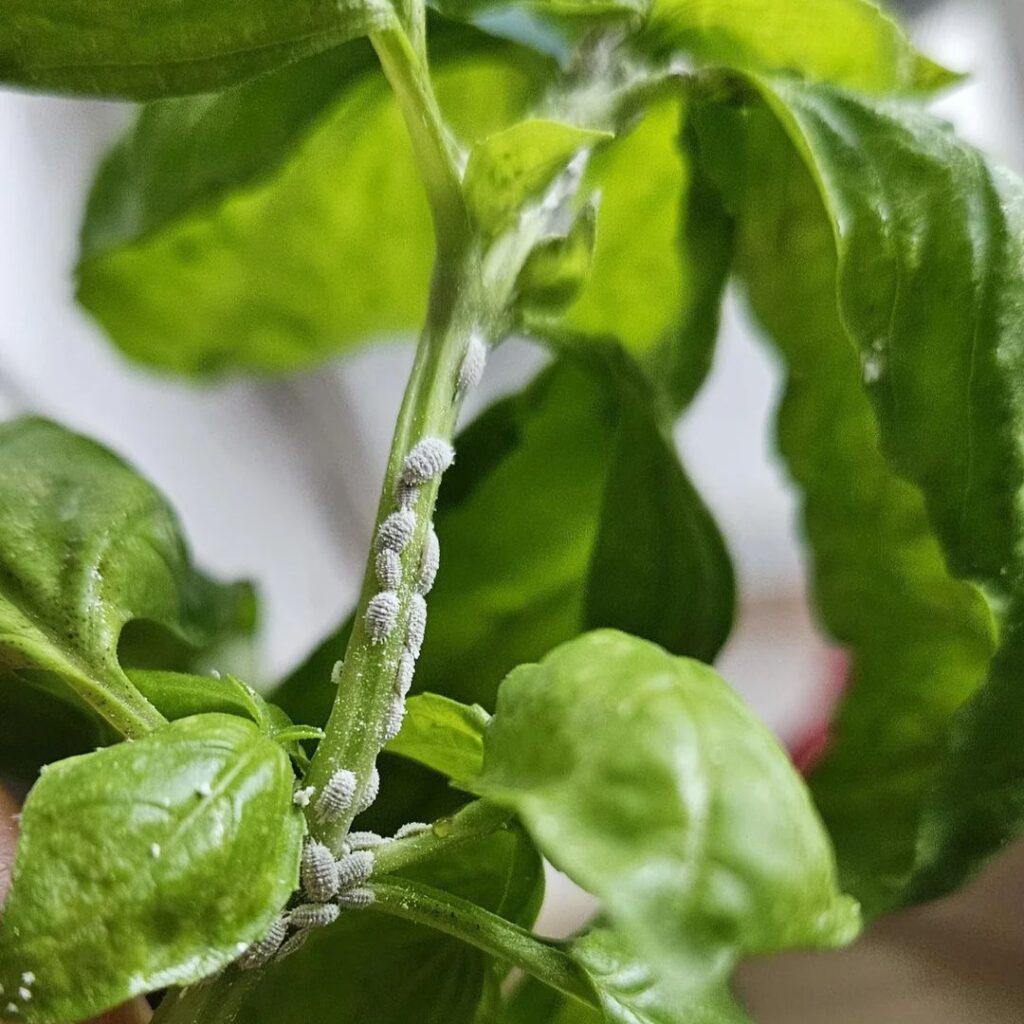
Don’t forget about pests! Aphids and spider mites love basil, so I inspect my plant regularly. Got any tips or tricks? Share them in the comments! 🌱
Immediate Care for a Wilted Basil
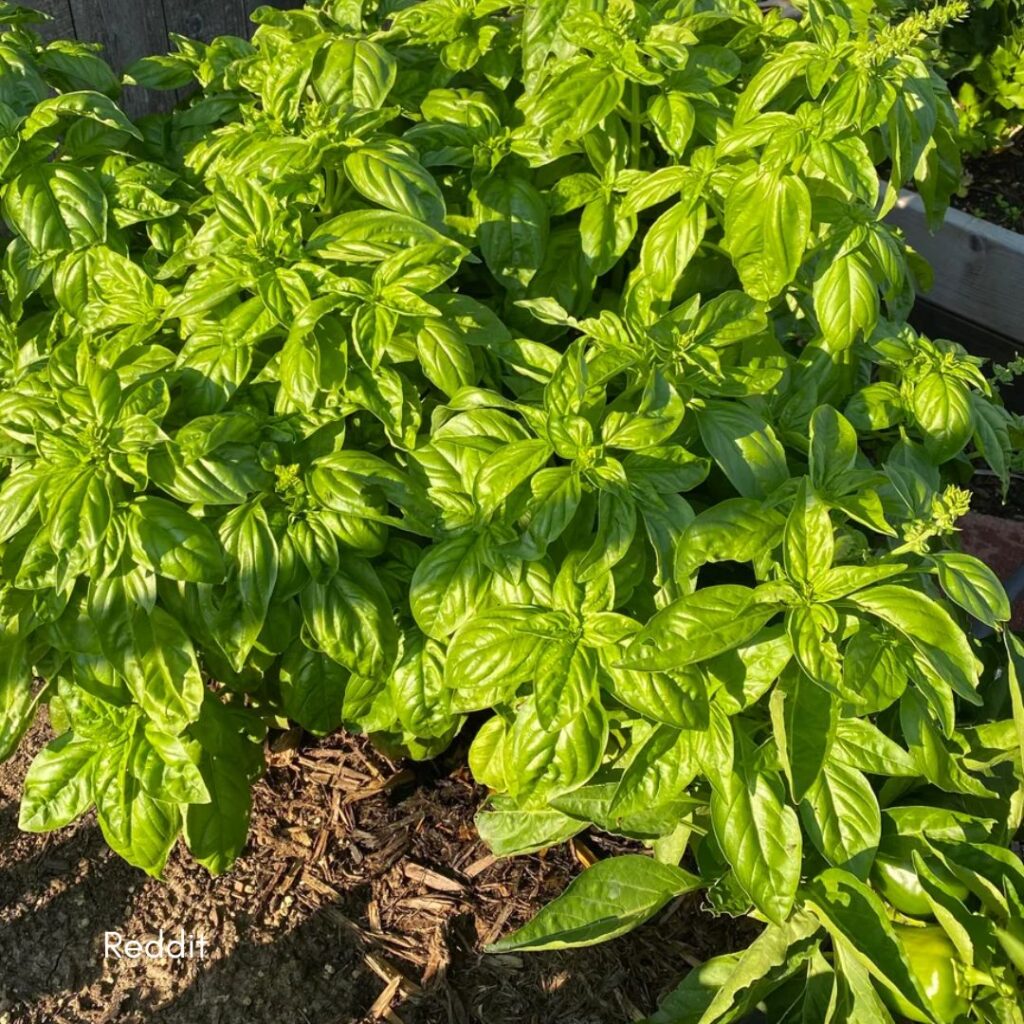
When your basil plant starts to wilt, it’s a sign it needs some quick attention. By focusing on proper watering techniques, adjusting sunlight exposure, and balancing soil nutrition, you can help bring your plant back to life. Let’s get into it! 🌱
Proper Watering Techniques
The first thing I check is the soil moisture. Basil likes moist, but not soggy soil. Stick your finger about an inch into the soil to see if it feels dry. If yes, it’s time to water.
Use a gentle stream of water to avoid washing away the soil. Make sure to water it at the base, not on the leaves. Too much water can cause root rot, so if the soil feels damp, hold off on watering for a day or two. Keep an eye on the drainage to ensure extra water can escape. 🚿
Adjusting Sunlight Exposure
Basil loves the sun but too much direct sunlight can stress a wilted plant. If your basil is outdoors, move it to a spot with indirect sunlight for a few days. This gives it a chance to recover without battling the harsh sun.
If indoors, make sure it’s getting enough natural light. Place it near a sunny window, but rotate the pot occasionally so all sides get light. 🌞 You might even need to supplement with a grow light during darker months.
Balancing Soil Nutrition
Nutrients are key for a healthy basil plant. If your soil is lacking, it can weaken the plant. Use a balanced, all-purpose fertilizer to give it a boost. 🥗
Be careful not to over-fertilize, though. A small amount once a month is usually enough for basil. If you prefer organic options, compost or worm castings work well too. Remember, healthy soil leads to a healthy plant. 🌿
Got any more tips or questions? Drop them in the comments below. Let’s bring those basil plants back to life together! 😊✨
Long-Term Basil Plant Maintenance
Keeping basil plants thriving long-term requires careful care, like regular pruning and keeping pests away. Let’s dive into some tips to keep your basil healthy and happy. 🌿
Pruning and Harvesting Practices
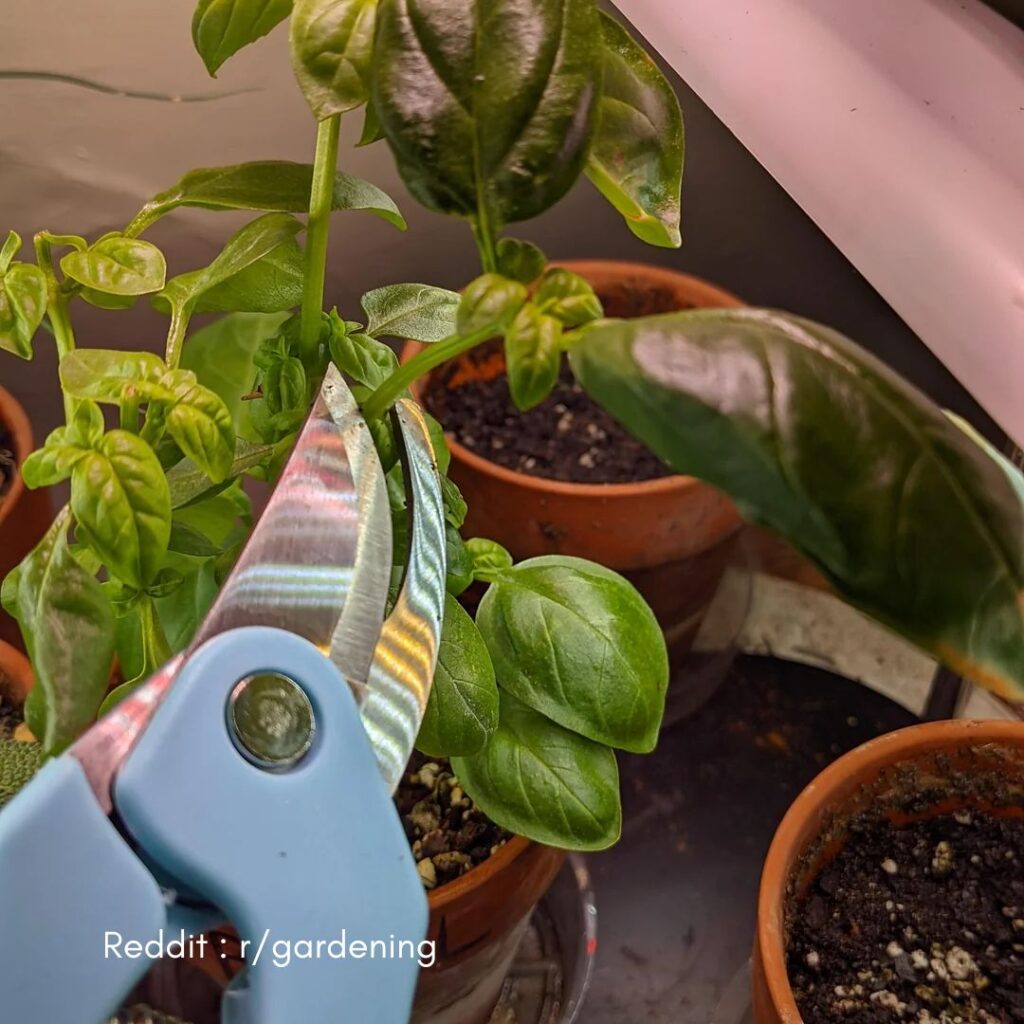
Pruning basil is essential to keep it bushy and full. Snip off the top sets of leaves every few weeks to encourage growth. This might seem counterintuitive, but trust me, it works! Always cut right above a leaf node to ensure new leaves grow quickly.
When harvesting, pick the leaves from the top and work your way down. Never take more than a third of the plant at once. 🌱 This helps the plant recover and keeps it lush.
Remember to remove any flowers that start to grow. They take energy away from leaf production. If you see flowers, pinch them off immediately.
Preventing Pest Infestations
Basil is quite sensitive to pests like aphids, spider mites, and whiteflies. Keep an eye on the underside of leaves, which is where pests like to hide. 👀 If you see any, here’s a quick fix: spray them off with a mixture of water and a bit of dish soap.
I also recommend planting basil near other aromatic herbs like mint or rosemary. This helps repel unwanted bugs. 🍃
Another tip is to rotate your basil plant in and out of different spots. This prevents pests from getting too comfortable.
Does anyone have extra tips or fun basil recipes? Share them in the comments below! 😊
Troubleshooting Common Issues
Taking care of a basil plant can be tricky, especially when it faces problems like fungal diseases, root rot, or improper watering. Let’s dive into how to tackle these issues head-on and bring your basil back to life. 🌿
Dealing With Fungal Diseases
Fungal diseases are common with basil plants and can cause brown spots on leaves. It’s essential to remove affected leaves immediately to stop the spread.
Water your basil at the base and avoid getting the leaves wet. Too much moisture on the leaves can create a perfect environment for fungi to thrive.
If things get really bad, you can use a natural fungicide like neem oil. Just mix it with water and spray it on the plant. Have you tried neem oil before? It works wonders!
Addressing Root Rot
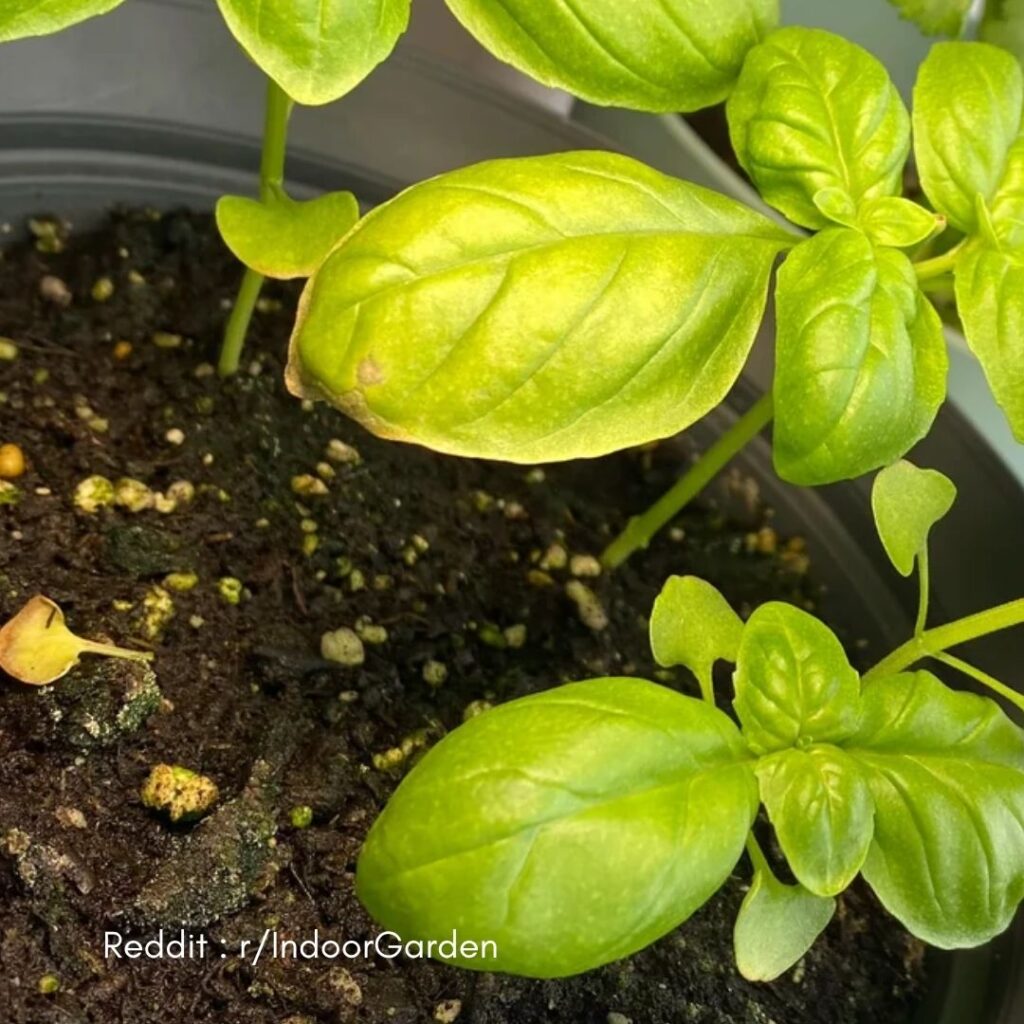
Root rot happens when the roots sit in too much water. The leaves may turn yellow and the plant can start to wilt.
To fix this, check the drainage of your pot. Make sure excess water can escape easily. If not, you need to repot your basil in a container with better drainage.
Gently remove the plant from the pot and trim away any mushy, blackened roots. Replant it in fresh soil. Have you checked your pot’s drainage holes lately?
Reviving Over or Underwatered Basil
Is your basil looking a bit droopy? It might be over or underwatered.
For overwatered plants, let the soil dry out before watering again. If the soil feels soggy, cut back on the watering.
Underwatered basil will have dry, crispy leaves. Give it a nice soak until the water drains out of the bottom of the pot. This ensures the roots get enough moisture. 🌱
Do you have a watering schedule? Consistent watering helps keep your basil healthy!
I’d love to hear your thoughts or any tips you have for taking care of basil. Share in the comments below! 🌿💧
Advanced Tips for Basil Enthusiasts
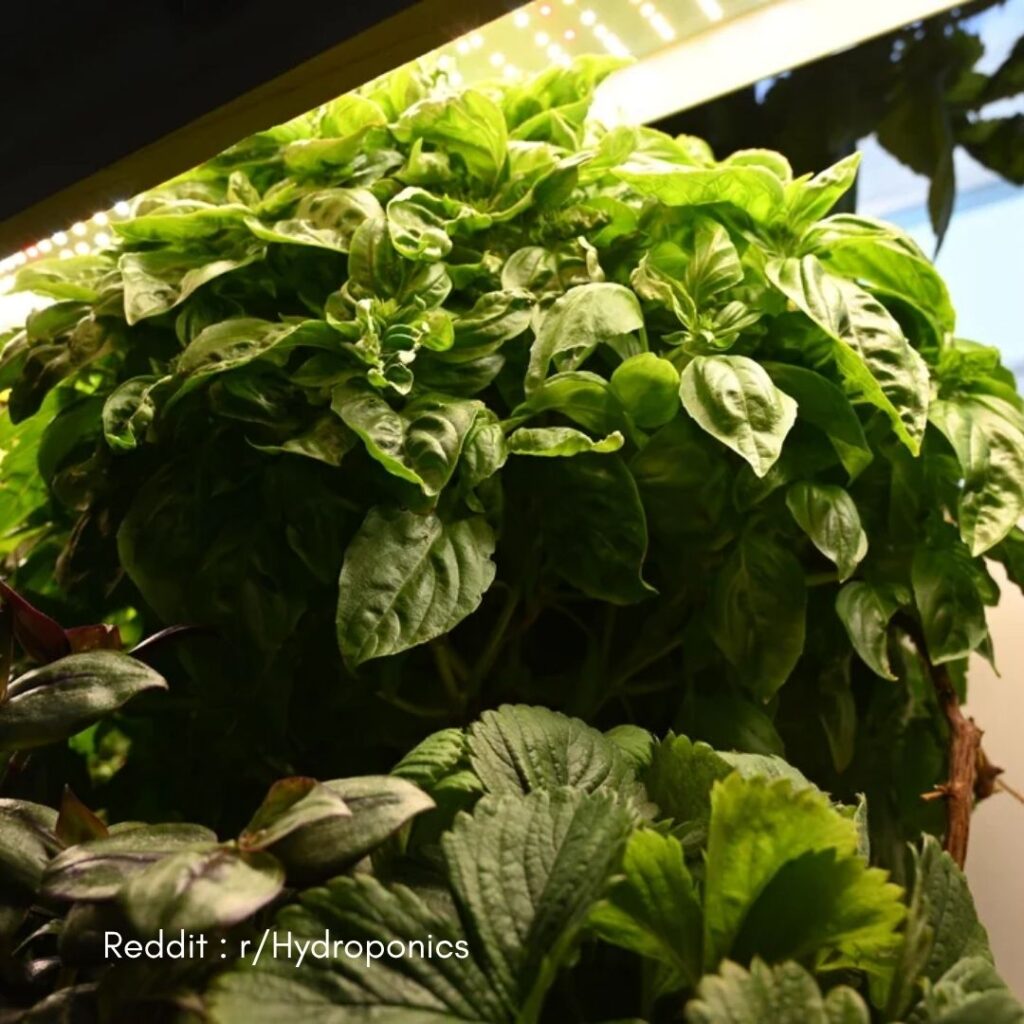
Want to get the most out of your basil? Let’s explore some advanced methods for boosting growth and creating the perfect environment for your plant.
Using Growth Enhancers
For those looking to take their basil to the next level, growth enhancers can be a game changer. I like to use a mix of organic fertilizers and compost tea. Compost tea is like a supercharged drink for your plant. It really boosts the nutrients in the soil.
Making compost tea is simple. Fill a bucket with water and add some compost. Let it sit for a few days, stirring occasionally. Then, strain and use the liquid to water your basil. It’s an amazing natural booster!
Another great enhancer is fish emulsion. It’s high in nitrogen, promoting lush, green leaves. Just mix it with water according to the package instructions and apply it every few weeks. Trust me, your basil will love it! 🌱
Creating an Ideal Microclimate
Basil loves a warm, cozy environment. It’s like creating a mini tropical vacation for your plant. Place your basil in a sunny spot where it can get at least 6-8 hours of direct sunlight each day.
If you live in a cooler area, consider using a grow light. I found that using a full-spectrum grow light can make a big difference, especially during shorter days. Who wouldn’t want their basil to thrive year-round?
Humidity is another key factor. Basil enjoys a bit of moisture in the air. I like to mist my plant or place a humidifier nearby. Don’t forget to space your plants properly to allow good airflow. This helps prevent mold and keeps the leaves fresh and vibrant.
Do you have any favorite tips for your basil? Share them in the comments! 🌿
Frequently Asked Questions
Here are some common questions about reviving a basil plant, with practical steps and tips to get it back to good health. Let’s jump in! 🌿✨
How can I restore my wilting basil plant from a store purchase?
First, check if the roots are overgrown. If they are, repot your basil in a larger pot with fresh soil. Water the plant lightly and place it in indirect sunlight to reduce stress.
Have you ever wondered if your plant just needs more space to spread its roots? 🪴
Why are my indoor basil leaves turning yellow and dying?
Yellow leaves often mean overwatering or poor drainage. Make sure your pot has good drainage holes and only water when the soil is dry to the touch. Sometimes, it could also be a sign of needing more light. Move your plant closer to a sunny window.
Is it possible to resurrect a basil plant during the winter months?
Yes, basil can be tricky in winter, but it’s possible! Keep it in a warm spot with plenty of light. Consider using grow lights if natural light is limited. Water it less frequently, as the plant doesn’t need as much water when it’s not actively growing.
What steps should I take to help my basil recover after repotting?
After repotting, water your basil lightly and place it in a shaded area for a couple of days. This helps reduce transplant shock. After that, gradually introduce it back to full sunlight.
Can basil plants regrow after they’ve been cut back?
Absolutely! Basil loves to be pruned. Use sharp scissors to cut just above a leaf node, and the plant will send out more branches. This makes it bushier and healthier. Have you noticed new shoots after pruning your basil? 🌿✂️
What should I do to help my overwatered basil plant recover?
If the soil is waterlogged, carefully remove the plant and let the roots air dry for a few hours. Replant in fresh, well-draining soil. Reduce watering frequency and ensure the pot has drainage holes. Overwatering is a common problem, but it can be fixed! Has overwatering been an issue with your basil? 💦🪴
Remember, every plant is unique. Share your experiences and tips in the comments! Let’s grow together! 🌱✨