
Do you love the taste of fresh basil in your meals? 🌿 Regrowing a basil plant is easier than you might think, and you don’t need a green thumb to do it! You’ll only need a few simple steps to keep that wonderful herb flourishing in your kitchen or garden.
Whenever I cook pasta or make a salad, fresh basil is my go-to magic ingredient. Knowing how to regrow it has saved me countless trips to the store. Plus, it’s so satisfying to watch it grow and thrive.
Imagine plucking fresh leaves straight from a plant, adding that perfect touch of flavor to your dishes. How cool is that? 🌱 Give it a try and let me know how it goes! Have you ever tried regrowing any plants before? Share your experience in the comments! ⬇️
Understanding Basil Plant Basics
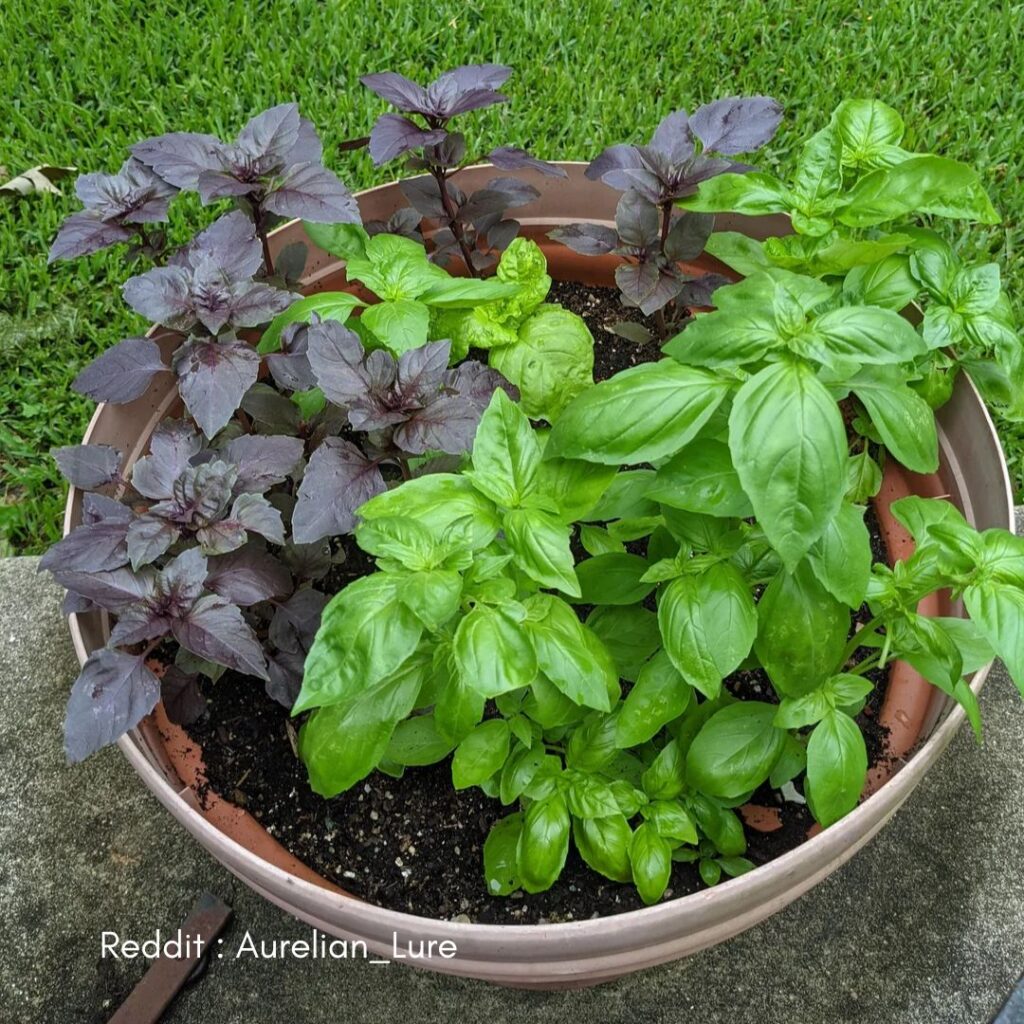
Let’s dive into some basic facts about basil, including its botanical profile and the perks of growing it at home. This plant isn’t just tasty; it’s also super beneficial for many reasons!
Botanical Profile of Basil
Basil, also known as Ocimum basilicum, is a member of the mint family. It’s a herb known for its aromatic leaves and bright green color. Basil loves the sun and needs 6-8 hours of sunlight each day.
Did you know there are about 60 different varieties of basil? Some popular kinds include Sweet Basil, Thai Basil, and Lemon Basil.
These varieties have slightly different flavors and uses. For example, Sweet Basil is great for Italian dishes 🍝, while Thai Basil adds a kick to Asian recipes 🍲.
Benefits of Growing Basil at Home
Growing basil at home is super rewarding! First off, it’s easy to grow and doesn’t need much space. Even if you only have a small balcony or windowsill, you can grow basil in a pot.
Fresh basil enhances the flavor of your dishes, making them healthier and tastier. Imagine plucking fresh leaves for your homemade pesto or salad! 🌱
Besides culinary benefits, basil can also repel pests. It’s a natural way to keep mosquitoes and flies away. Who doesn’t love a pest-free garden? 🦟💨
Got some ideas or tips on growing basil? Share your thoughts in the comments! 😊
Preparing for Regrowth
Getting ready to regrow a basil plant involves choosing a healthy parent plant and gathering the necessary tools. Let’s get started! 🌱
Selecting Healthy Parent Plants
Choosing the right parent plant is crucial. I always look for strong and vibrant plants. The leaves should be a deep green color, not yellow or spotty.
Avoid plants with wilting stems or damaged leaves because they might not regrow well. Pick a plant that looks healthy and energetic.
Trust me, starting with a happy plant will make a huge difference. Have you ever picked the perfect plant and watched it grow into a majestic basil bush? Share your stories below! 😊
Gathering the Necessary Supplies
Scissors or pruning shears: These will help you cut the plant cleanly. Make sure they’re sharp to avoid crushing the stems.
A glass of water: After cutting, place the basil stems in water to encourage root growth.
A small pot with soil: Once the roots appear, you will transfer the stems to a pot. Good soil is key to robust growth.
That’s pretty much it! Do you have these supplies at hand? If not, it’s time for a quick shopping trip. 🛒 Let me know if you have any special tips or tricks for regrowing basil in the comments! ✨
Starting the Regrowth Process
To regrow basil, you first need to take cuttings from a healthy basil plant and then root those cuttings in water.
Snipping the Cuttings
Step 1: Choose a healthy basil plant. Look for strong stems with bright green leaves. Try to avoid any stems with spots or yellowing leaves.
Step 2: Use clean, sharp scissors or pruning shears. This helps prevent disease or damage to the plant.
Step 3: Snip a stem just below a leaf node. The cutting should be about 4 inches long. Make sure to remove the leaves from the bottom half of the cutting.
Pro Tip: Snip in the morning, when the plant is well-hydrated. 🌱
Rooting Basil Cuttings in Water
Step 1: Place the cuttings in a glass of clean water. Make sure the lower half of the stem is submerged while keeping the remaining leaves above water.
Step 2: Put the glass in a spot with indirect sunlight. Direct sunlight can be too harsh.
Step 3: Change the water every few days to keep it fresh.
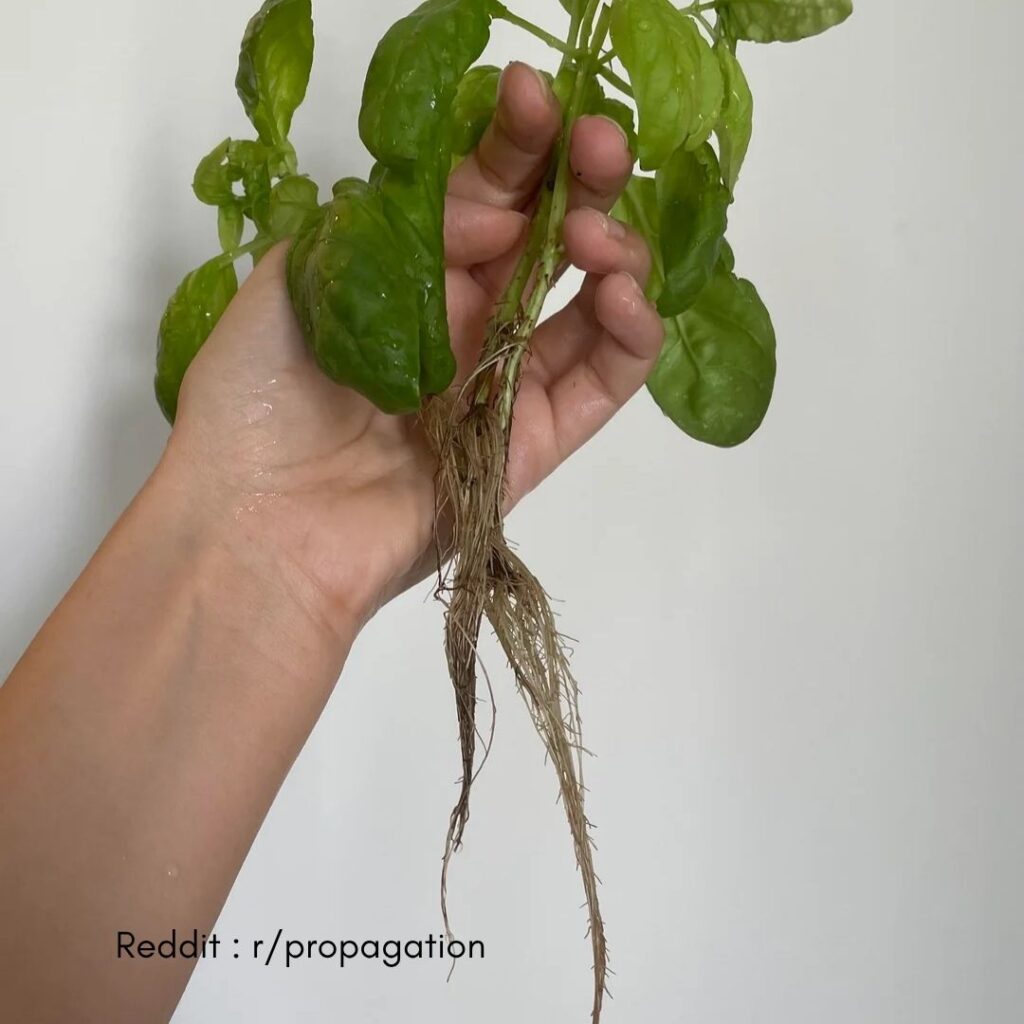
Step 4: After a week or two, you should see roots forming. When the roots are about 2 inches long, it’s time to plant the new basil in soil.
Have you ever tried to regrow basil this way? Share your experiences or tips in the comments! 😊🌿
Planting Rooted Cuttings
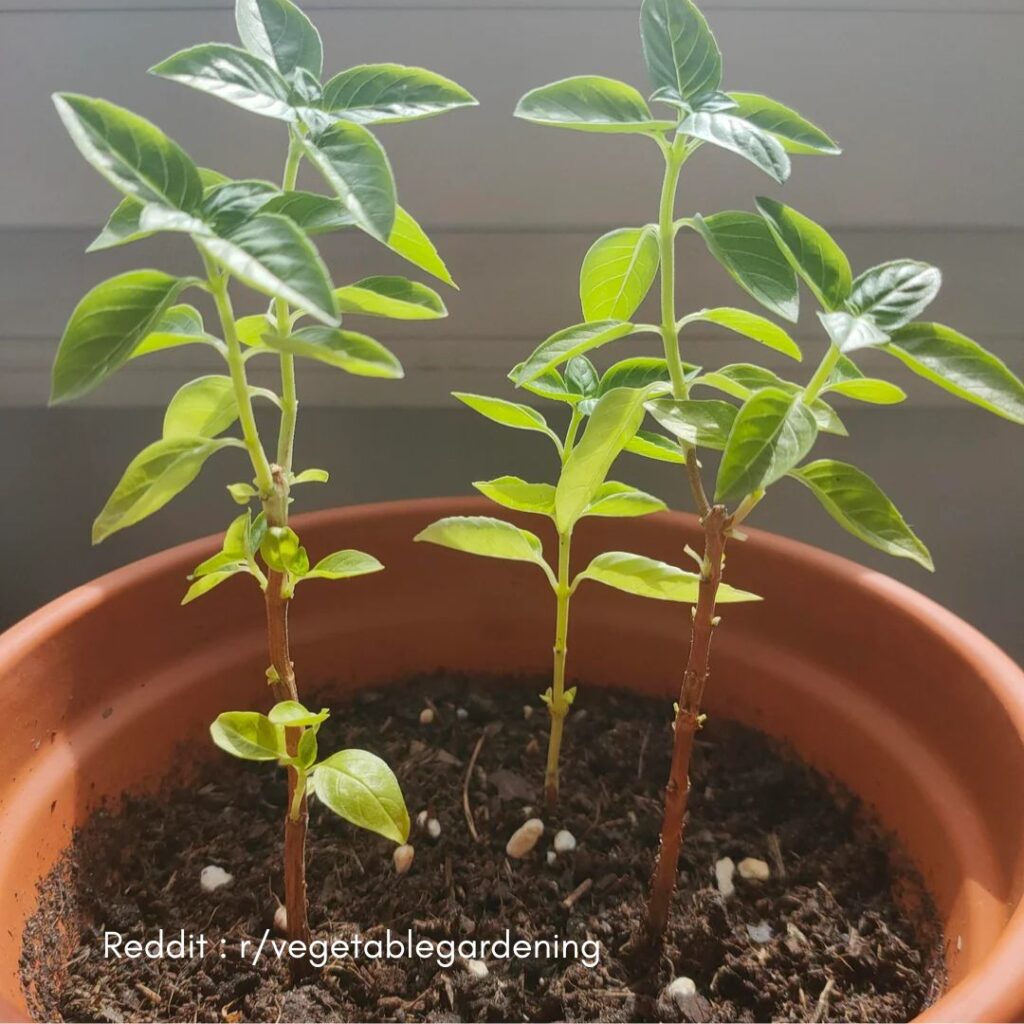
Rooted cuttings need the right soil and some loving care to thrive. I’ll guide you through finding the best soil mix and how to pot and care for your basil.
Choosing the Right Soil Mix
Using the right soil mix is crucial. I recommend a well-draining potting mix to avoid soggy roots and encourage healthy growth. You can find good potting mixes at garden stores. Avoid heavy, clayey soils because they hold too much water, which can harm your cuttings.
Mixing in some perlite or vermiculite can improve drainage. These materials aren’t complicated; they just help the soil breathe better. 🪴
Ever made a soil mix before? Share your favorite recipes!
Potting and Initial Care
Start by filling a pot with your chosen soil mix. Gently plant the rooted cuttings, making sure the roots are covered but not too deep. Aim for a pot with drainage holes to let excess water escape. Water the plant well but don’t drown it.
Place the pot in a sunny spot. Basil loves the sun! Make sure it gets around 6-8 hours of sunlight daily. 🌞 Keep the soil moist but not soaked during the early stages.
Ever grown a plant from a cutting before? Drop a comment and let me know how it went!
Optimal Growing Conditions
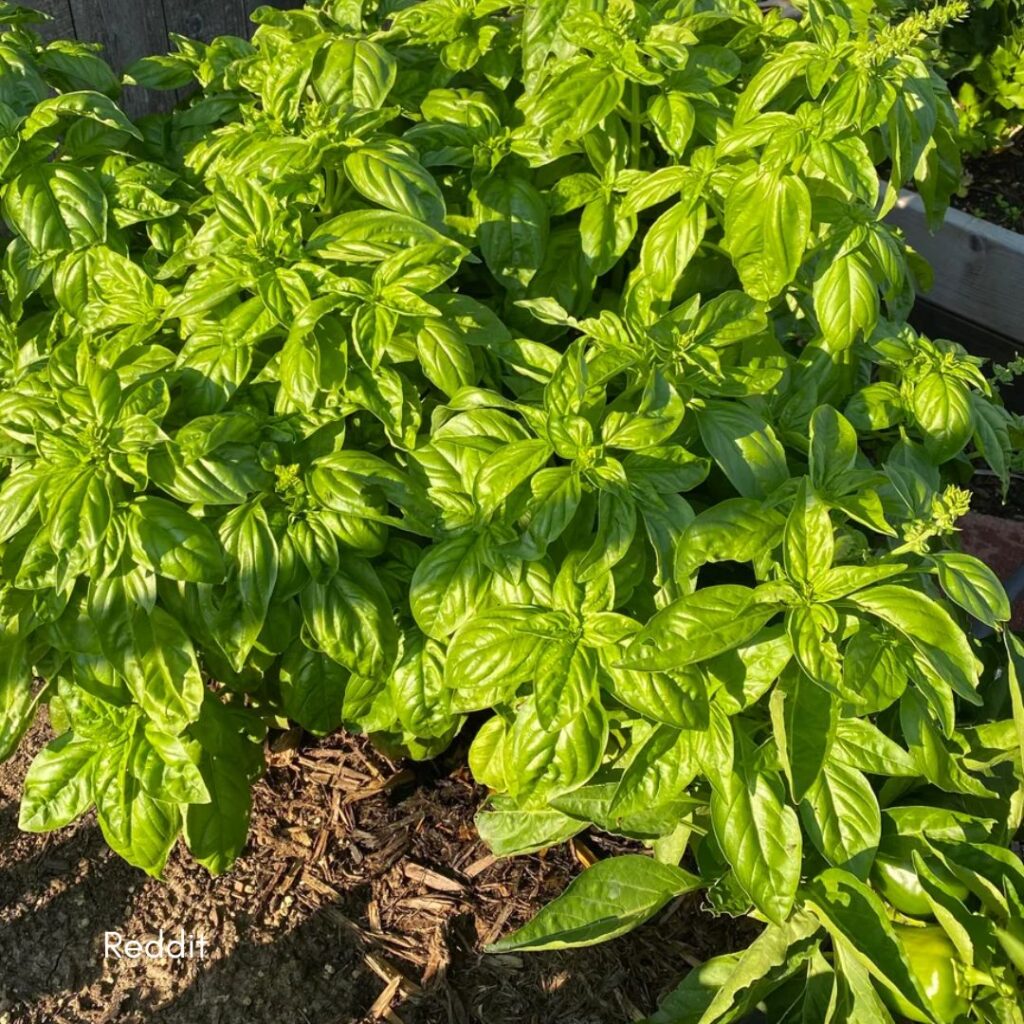
To regrow basil, it’s important to provide the right environment. Basil thrives with proper sunlight, temperature, watering, and humidity.
Sunlight and Temperature Requirements
Basil loves sunlight. This plant needs at least 6 hours of direct sunlight every day. If you are growing basil indoors, place it near a south-facing window for the best light exposure.
The ideal temperature for basil is between 70°F and 90°F. If the temperature drops below 50°F, the plant may struggle. During colder months, I use a grow light to make sure my basil gets enough light. 🌞
Be careful with drafts and sudden temperature changes. Consistency is key! Ever noticed how basil looks sad when it’s too cold? Keep it warm!
Watering and Humidity Levels
Maintaining the right moisture is crucial. Basil needs regular watering, but it’s essential to avoid waterlogging. Water the plant when the top inch of the soil feels dry. I usually water my basil every two to three days.
Humidity is another important factor. Basil prefers a humid environment, so if you live in a dry area, consider using a humidity tray or a spray bottle to mist the leaves. 💦
Light, frequent watering and good drainage help prevent root rot. Remember, happy roots mean a happy plant!
Ongoing Care and Maintenance
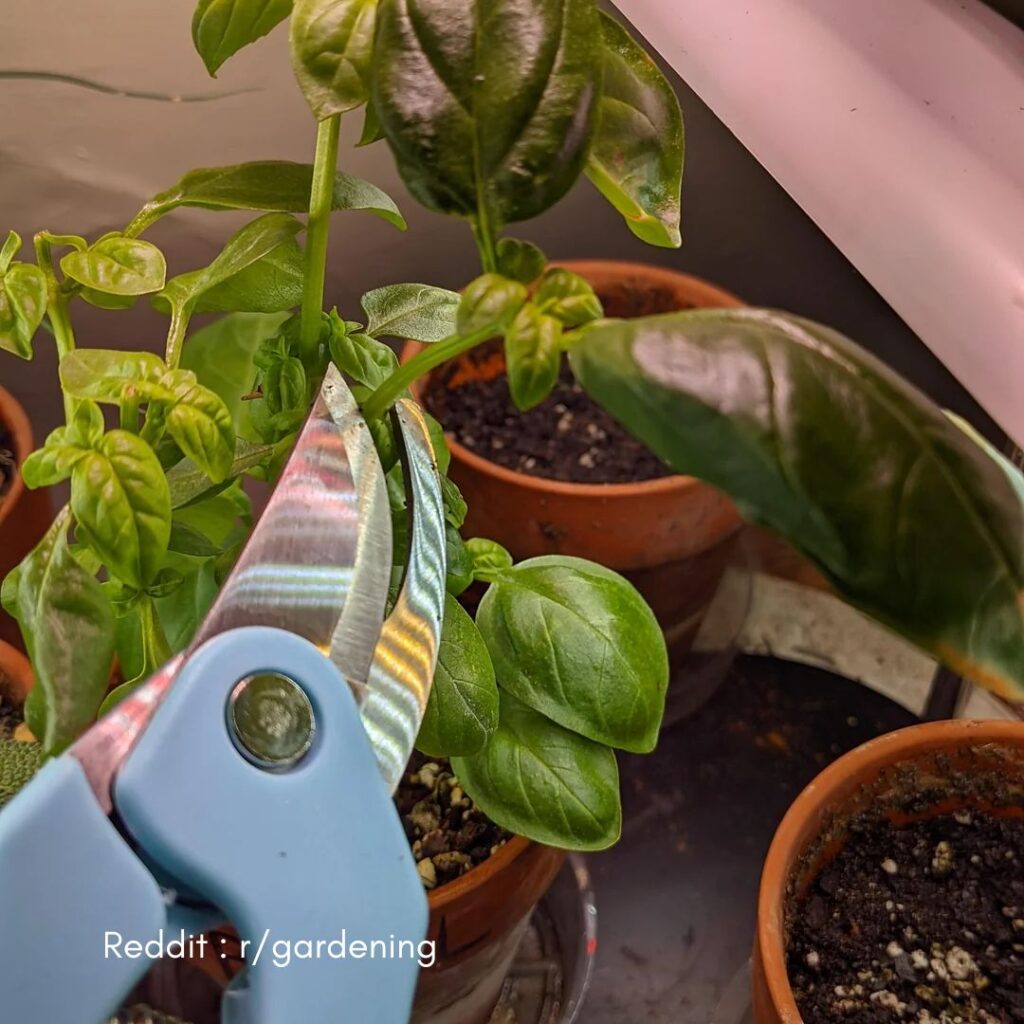
Keeping your basil plant healthy requires regular feeding and pruning.
Feeding Your Basil Plant
I like to feed my basil plant with a balanced liquid fertilizer every 4 to 6 weeks. This helps it grow strong and produce lots of tasty leaves. 🌿 Make sure to follow the instructions on the fertilizer package to avoid overfeeding, which can harm the plant.
You can also use organic options like compost or fish emulsion. Just mix a small amount into the soil around your plant. Don’t forget to water your basil deeply after feeding it, so the nutrients reach the roots.
Pruning and Harvesting Techniques
Pruning is super important for basil. It encourages the plant to grow bushier, meaning more leaves for you! I snip off the top leaves regularly, just above the leaf nodes. This makes the plant grow more branches.
When harvesting, I always pinch off the leaves in the morning for the best flavor. Try to use clean scissors to avoid damaging the plant. Don’t cut more than a third of the plant at once so it keeps growing strong.
Do you have any favorite tips for caring for your basil? Drop them in the comments! 😊
Troubleshooting Common Issues
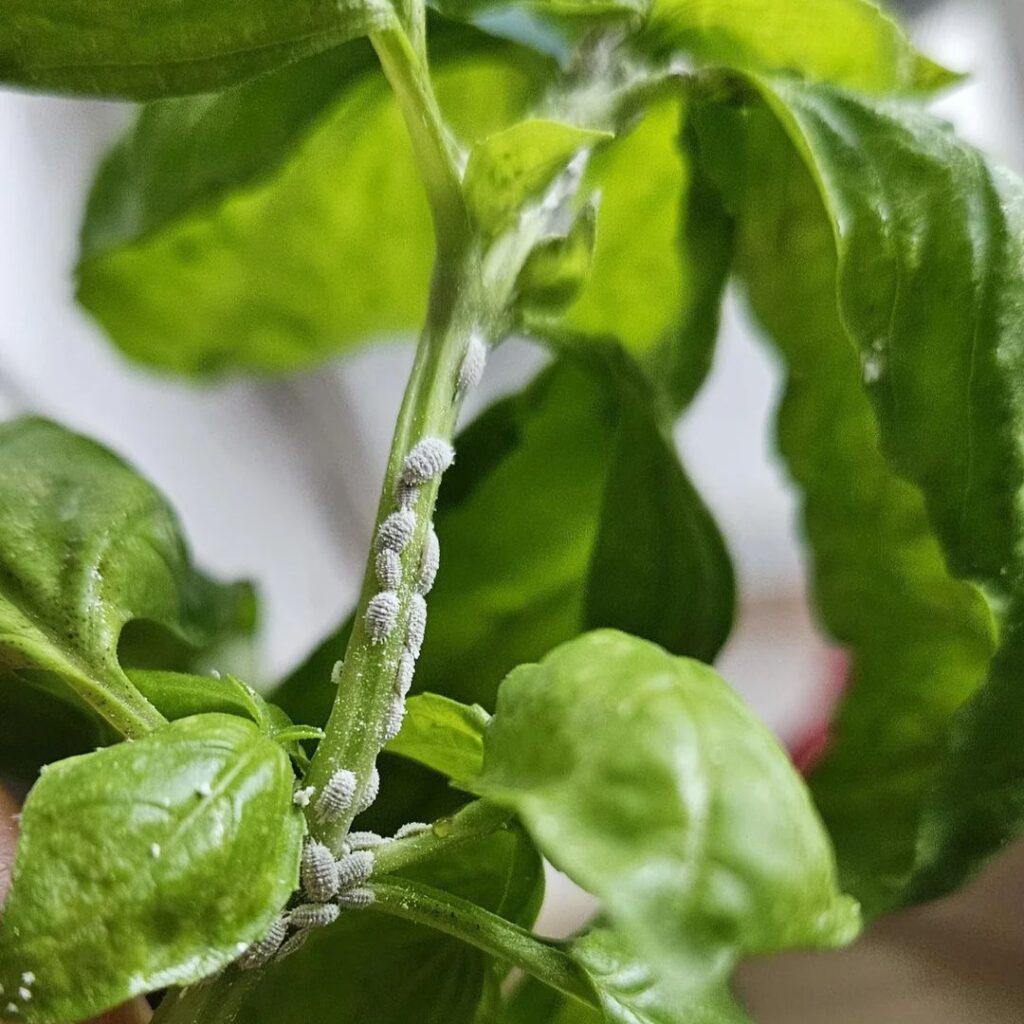
Sometimes basil plants face challenges that need a bit of extra care. It’s important to know how to address these problems to keep your basil happy and healthy 🌿.
Dealing with Pests and Diseases
Basil plants can attract pests like aphids, spider mites, and whiteflies. These pests love munching on the leaves. A neat trick is to spray them with a mixture of water and a few drops of dish soap.
Another common issue is fungal diseases like downy mildew. You’ll notice yellow, wilting leaves. Remove infected leaves right away and avoid getting the leaves wet when watering. Tip: Water at the base of the plant, not from above.
Neem oil is also fantastic for both pests and disease control. It’s natural and won’t hurt the plant. Do you have any success stories with neem oil? Share them in the comments below! 😊
Addressing Nutrient Deficiencies
Basil plants need nutrients to thrive. If the leaves turn yellow, it might mean the plant needs more nitrogen. Use a balanced fertilizer or compost to replenish the soil. I like to use organic options to keep things natural.
Sometimes the leaves can also turn purple. That’s a sign of phosphorus deficiency. A bit of bone meal mixed into the soil can help. Remember: Always follow the instructions on the fertilizer package to avoid overfeeding.
Do you check your basil plant’s soil regularly? Ensuring good soil health helps the plant absorb nutrients better. It can make a huge difference in how lush and green your basil grows!
Let me know if these tips help you keep your basil plant healthy! 🌱🪴
Ways to Use and Preserve Basil
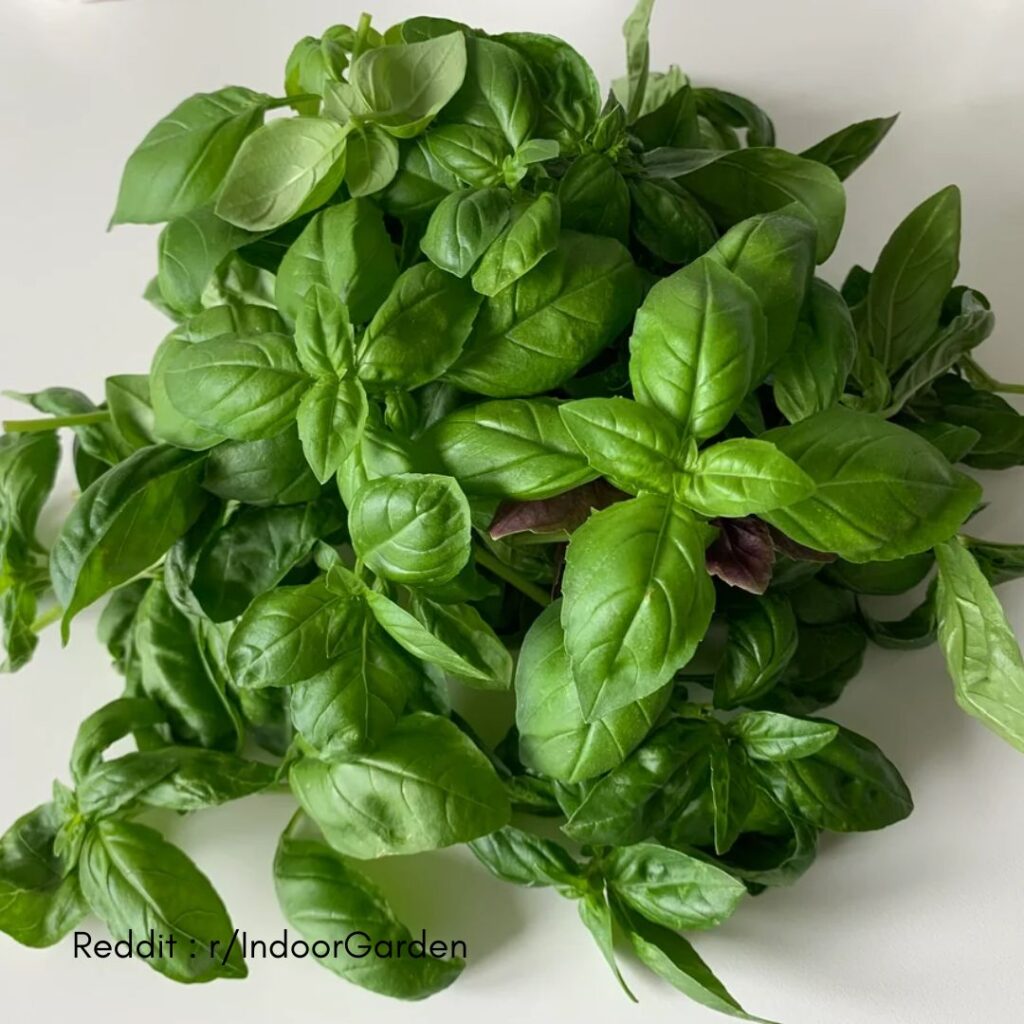
Basil is not only delicious but also easy to preserve. Let’s explore some ways to make the most out of your basil plant!
Culinary Uses for Basil
I love adding basil to my recipes! 🌿 It’s super versatile and can transform a dish from simple to stunning.
- Pesto: Blend basil with garlic, pine nuts, Parmesan, and olive oil for a fresh, tasty sauce.
- Salads: Chop basil and toss it with tomatoes and mozzarella for a classic Caprese salad.
- Pasta: Mix basil with pasta dishes like spaghetti or lasagna for a burst of flavor.
- Pizza: Sprinkle basil leaves on top of your homemade pizza; it’s a game-changer!
- Garnish: Use basil to decorate and flavor soups and stews.
Preservation Methods
Preserving basil keeps its flavor available year-round. Here are my favorite methods:
- Freezing: Chop basil, place it in ice cube trays, and cover with olive oil. Freeze and use when needed.
- Drying: Hang bunches of basil upside down in a cool, dry place until they’re crispy. Store in an airtight container.
- Basil Butter: Mix softened butter with chopped basil, freeze in small portions. Perfect for cooking!
- Herb Blends: Combine basil with other herbs and seasonings for custom mixes you can keep in your pantry.
How do you use basil in your kitchen? Share your ideas in the comments!
Encouraging Community and Sharing
Growing basil can be a fun journey, especially when shared with friends or neighbors 🌱. I love swapping tips and stories about my basil plants. Do you enjoy gardening as well? Let’s make it a community!
Set up a basil swap in your local area. It’s simple! Grow a few extra plants and offer them to others. In return, you might get some unique varieties or new friendships. Connecting with people over shared interests is always rewarding.
Start a basil club online. Use social media to form a group where you and others can share growing tips, recipes, and successes. Posting pictures of your thriving basil plants can inspire and motivate others. Plus, it’s fun to see what others are doing too! 📸
Invite friends over for basil-themed activities. Organize a cooking day where everyone brings their favorite basil recipes. Making pesto together can be a blast! Or you could try a potting party where everyone plants their basil seeds and decorates their pots 🎉.
Don’t forget to ask your community for advice. Sometimes, local gardeners have the best tips for the climate and conditions in our area. Have you ever reached out for help? It’s amazing how willing people are to share what they know.
What’s been your experience with community gardening? Any cool tips or stories? Please share in the comments below! 💬 Let’s keep this conversation going and help each other grow the best basil around!
Frequently Asked Questions
Here’s some practical advice on regrowing basil, whether you’re using water, soil, or indoor methods.
How can I root basil cuttings in water effectively?
Rooting basil in water is simple! 😄 Just cut a healthy stem below a leaf node, remove the lower leaves, and place it in a glass of water. Change the water every few days. In about a week, you’ll see roots starting to grow. Easy-peasy!
What steps should I follow to regrow basil indoors?
Regrowing basil indoors is fun and easy! 🌿 Keep your potted basil in a sunny windowsill. Make sure the soil stays moist but not soggy. If your basil gets leggy, pinch back the tops to encourage bushier growth.
Can you give me tips on regrowing basil from cuttings?
Sure thing! When taking cuttings, always use sharp, clean scissors. Cut 4-inch sections and strip off the lower leaves. Stick them in water or moist soil. I love using a mini-greenhouse or clear plastic bag to keep the humidity high.
Is it possible to propagate basil directly in soil?
Yes, you can! 🌱 Stick your basil cuttings directly into moist potting soil. Make sure to keep the soil damp and consider covering the pot with plastic wrap to create a mini-humid environment. In a couple of weeks, you should see new growth.
Will basil regrow after being cut back and how to do it?
Absolutely! To ensure your basil regrows after cutting, trim it just above a leaf node. This way, it will encourage new branches to sprout and keep your plant bushy and healthy. Remember to harvest regularly to promote continuous growth.
How do you propagate basil bought from a grocery store?
Got basil from the store? No problem! 🌿 Clip off a few healthy stems and treat them just like regular cuttings. Either root them in water or stick them in soil. Sometimes, grocery store basil can be a bit weaker, so be gentle and patient.