
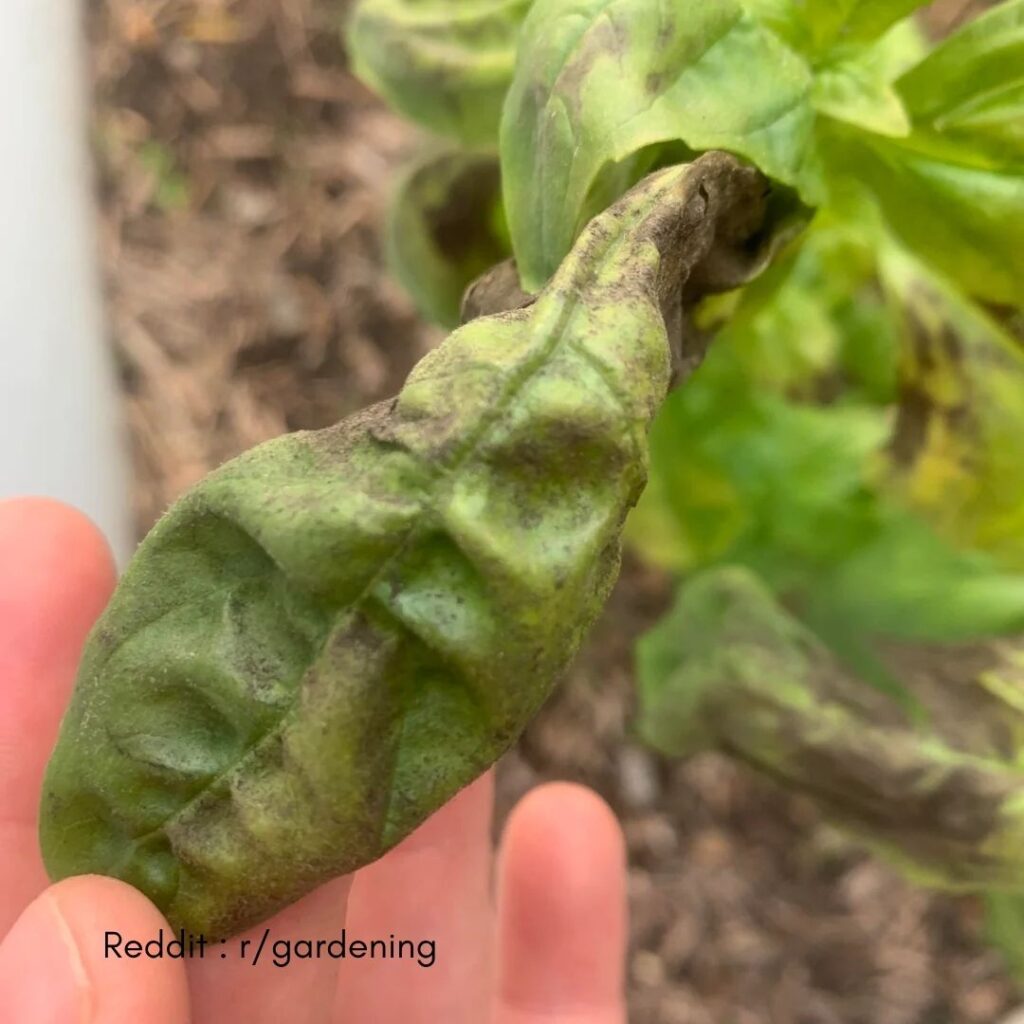
Ever noticed your basil plant’s stem turning brown? 🧐 It can be pretty worrying, I know. A brown stem usually means your basil plant is either sick or stressed. This isn’t just about looks; it often points to root rot, pests, or poor watering habits.
I’ve had my fair share of basil plant dilemmas, and let me tell you, it’s not fun seeing those green stems turn dark. What’s your go-to fix for tired plants? 🌿 Comment below! A common cause is overwatering, which leads to root rot.
Sometimes it’s pests causing the trouble. Aphids, mites, or other little critters can invade and cause damage. Spotting these tiny invaders early can make a big difference. Have you ever found an unexpected guest on your plants? 🐞
Understanding Basil Plant Health
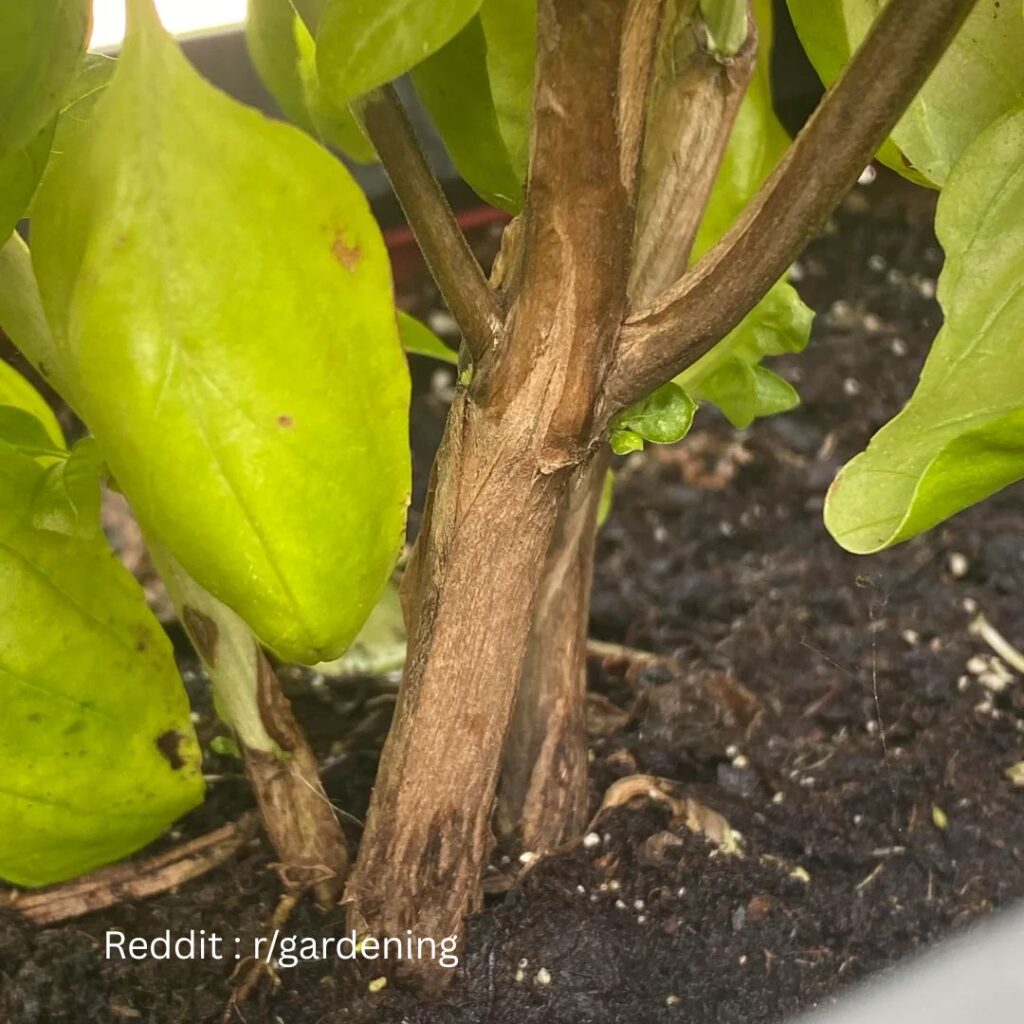
Keeping a basil plant healthy involves looking at its stem health and recognizing common indicators of issues.
Significance of Stem Health in Basil Plants
Stems are the backbone of the basil plant. They transport water and nutrients from the roots to the leaves. A healthy stem is firm and green. If the stem is brown, it might be a sign of trouble.
I’ve found that proper watering and sunlight are crucial. Too much water can cause the stem to rot, while too little sun can weaken it.
I once saw a plant wilt because it was overwatered. Trust me, it was sad to see 😢. Make sure your plant gets enough natural light and the soil stays well-drained.
Common Indicators of Stem Problems
If the stem turns brown or black, it usually means rot or disease. This can happen due to poor drainage, overwatering, or fungal infections.
A telltale sign of stem issues is the plant drooping. Does your basil look sad and limp? Check the stem!
Mold or mildew on the stem is also a red flag. If you see this, trim the affected part and improve your watering habits.
Do you have any tips for keeping basil stems healthy? Share your thoughts! 🌱
Causes of Brown Stem in Basil Plants

Basil plants with brown stems can face serious issues. Here, I’ll share why this happens and what you can do to help your plant thrive.
Watering Issues and Root Rot
Too much water can drown basil roots and lead to root rot. When roots sit in wet soil for too long, they can’t get enough oxygen. This lack of oxygen makes the stems turn brown.
I always check the soil before watering my basil. Stick your finger in about an inch deep. If it’s still moist, wait a day or two. Overwatering is a common mistake, so it’s better to err on the side of underwatering. Have you ever thought you were helping by giving extra water, only to see your plant suffer? 🌿💧
Fungal Infections
Fungal infections like Fusarium wilt can cause basil stems to turn brown. This fungus lives in the soil and attacks the plant from the roots up. You might see brown streaks on the stems and a weakening of the plant overall. The leaves could also start to wilt and drop off.
I make sure to use clean pots and fresh soil to avoid this problem. If your basil is infected, try removing the affected plant parts and use a fungicide. Have you noticed any odd streaks on your basil stems lately?
Pest Infestations
Pests such as aphids, spider mites, and nematodes can also cause browning stems. These tiny invaders suck the sap out of the plant, leading to weak and discolored stems. Sometimes, you might even see these pests if you look closely.
I like to inspect my plants regularly. If you spot any pests, you can use a soap solution to wash them off or introduce beneficial insects like ladybugs to help out. Have you seen any uninvited guests on your basil?
Environmental Stress Factors
Extreme heat, cold, or sudden changes in weather can stress your basil. This stress shows up as brown stems and wilted leaves. Temperature swings or too much direct sun can be tough on basil.
I always keep my basil in a spot with indirect sunlight and try to shield it from harsh weather. Using a shade cloth on very sunny days or moving the plant indoors during cold spells helps a lot. Do you have a favorite spot for your basil that keeps it just right? ☀️🌱
Feel free to share your basil-growing tips or struggles in the comments! Let’s help each other keep our basil happy and healthy.
Prevention and Care for Healthy Stems
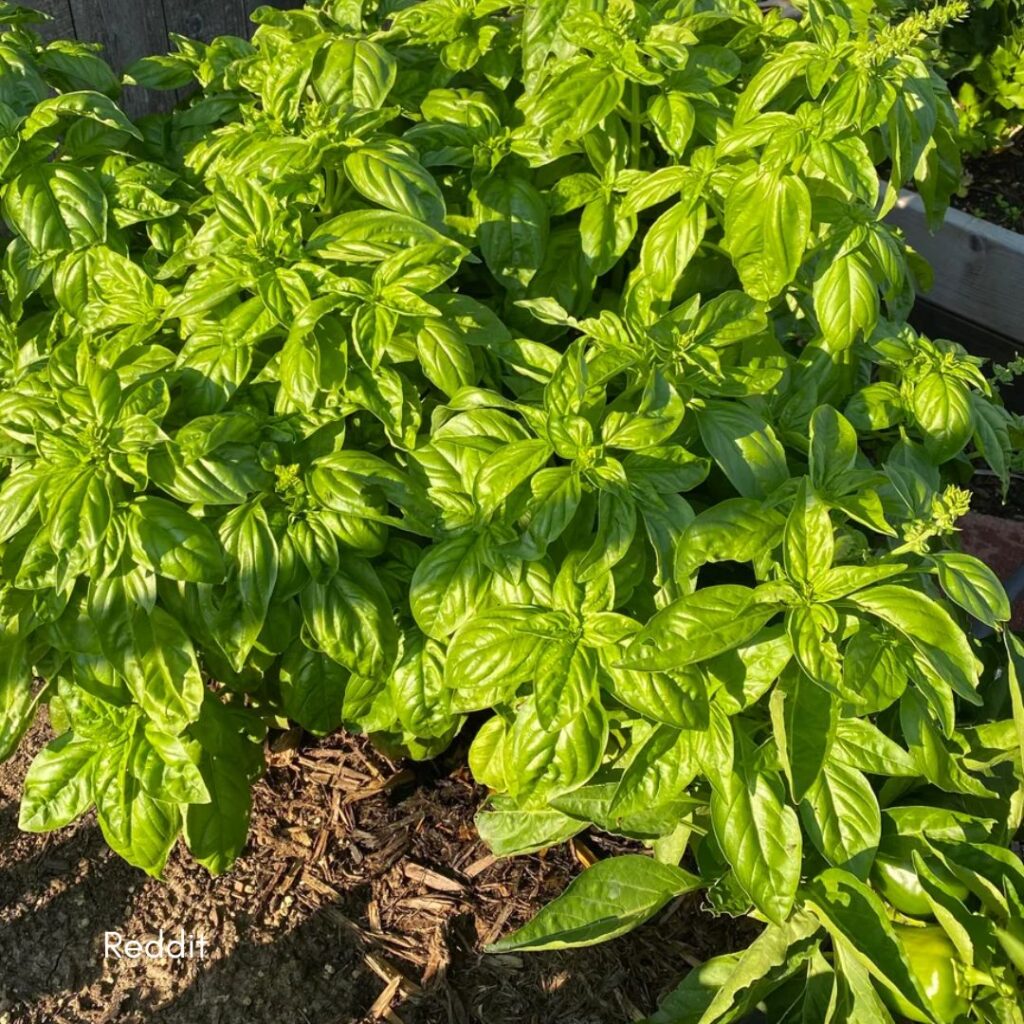
Keeping basil stems healthy involves proper watering, adequate sunlight and air circulation, as well as maintaining good soil quality and nutrition.
Proper Watering Techniques
I’ve found that basil hates being overwatered. It’s a bit like us after too many drinks—droopy and unwell. I water my basil once the soil feels dry an inch deep. Stick your finger in to check! Basil prefers consistent moisture but hates soggy feet. Also, watering in the morning helps prevent fungal issues. Have you ever given your basil a bath in the sunlight? 🌞 It works wonders!
Adequate Sunlight and Air Circulation
Basil loves sunbathing! 🪴 I make sure my plants get 6-8 hours of sunlight daily. Too little light makes them spindly and sick. Sometimes, I pout like my basil when it’s cloudy. 🌥️ Good air circulation helps too. I space my pots or plants about 12 inches apart for breathing room. Ever felt crowded in an elevator? Basil hates that too!
Soil Quality and Nutrition
The right soil mix is basil’s happy place. I use a loamy, well-draining soil mix with a bit of compost. You know how we love good food? 🍔 Basil feeds on nutrients, too! I occasionally add a balanced fertilizer. Look out for signs like yellow leaves, which might mean your basil is hungry. Keep it fed and happy! 🌿
Got any basil-growing tips? Share them in the comments! Let’s get our basil thriving together. 🌱✨
Treatment Options for Brown Stems
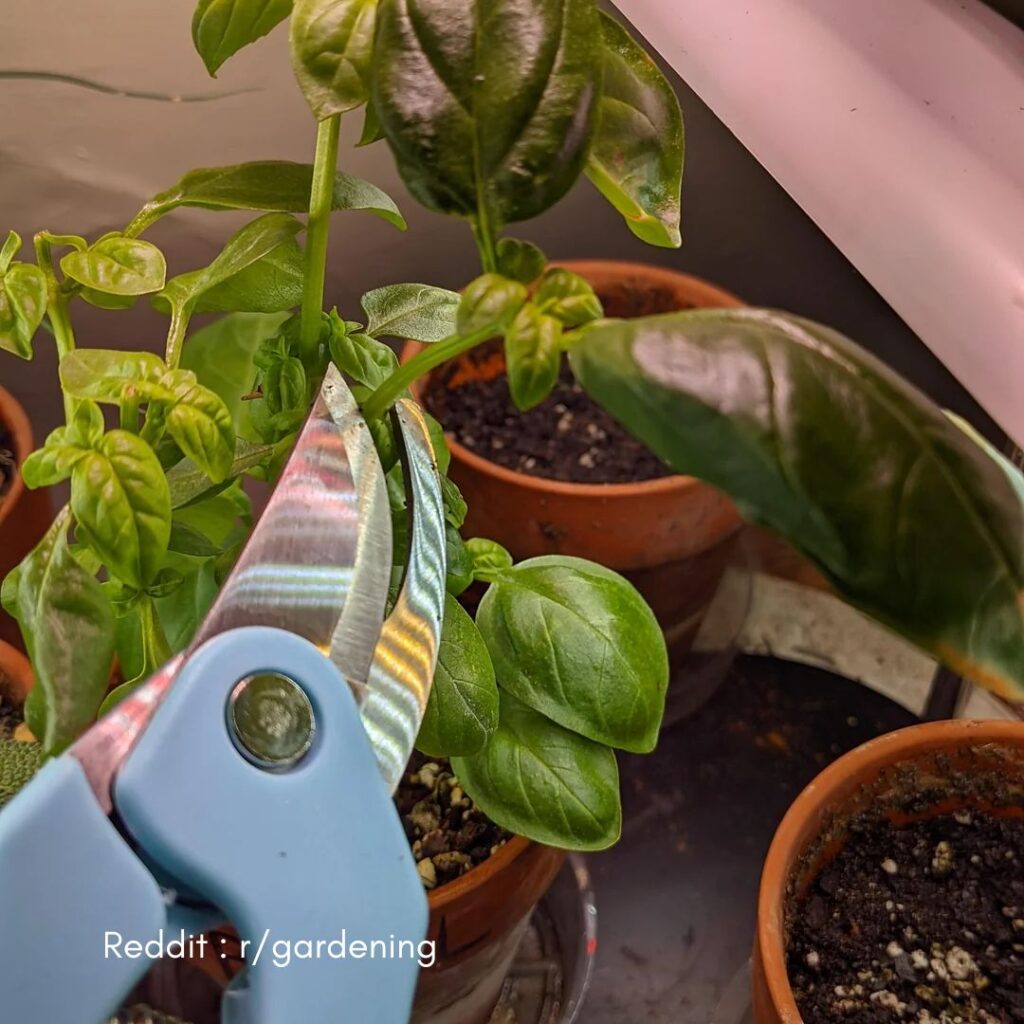
Dealing with brown stems in your basil plants can be a challenge, but there are several effective ways to manage and treat this issue. I’ll cover pruning, using fungicides, and some natural home remedies.
Pruning and Removal of Affected Areas
The first step is to prune the affected areas. This helps stop the spread of disease and promotes new growth.
- Use clean, sharp scissors or pruning shears.
- Cut stems just above a healthy node (where leaves grow).
- Dispose of infected plant material properly.
Don’t forget to sanitize your tools after to avoid spreading the disease. Regular pruning encourages healthy basil growth and keeps your plant looking good! 🌿
Organic and Chemical Fungicides
Sometimes, pruning isn’t enough and you need to bring in reinforcements. That’s where fungicides come in.
- Organic fungicides like neem oil and copper fungicide are great for those who prefer natural options.
- Chemical fungicides are stronger but should be used sparingly and according to label instructions.
Spray fungicides directly onto the plant, focusing on both the stems and leaves. Fungicides can help stop fungal infections that lead to brown stems.
Home Remedies and Natural Treatments
If you prefer more natural solutions, there are several home remedies you can try. Here are some of my favorites:
- Baking soda spray: Mix 1 teaspoon of baking soda with 1 liter of water. Spray this solution on your plant to help combat fungus.
- Garlic spray: Crush a few garlic cloves and mix with water. Let it sit overnight and strain before spraying your plants.
These methods are not only effective but also gentle on your plants. They’re easy to make with ingredients you probably already have at home!
Have you tried any of these treatments? Share your experiences in the comments! 🌱✨
Monitoring and Ongoing Maintenance
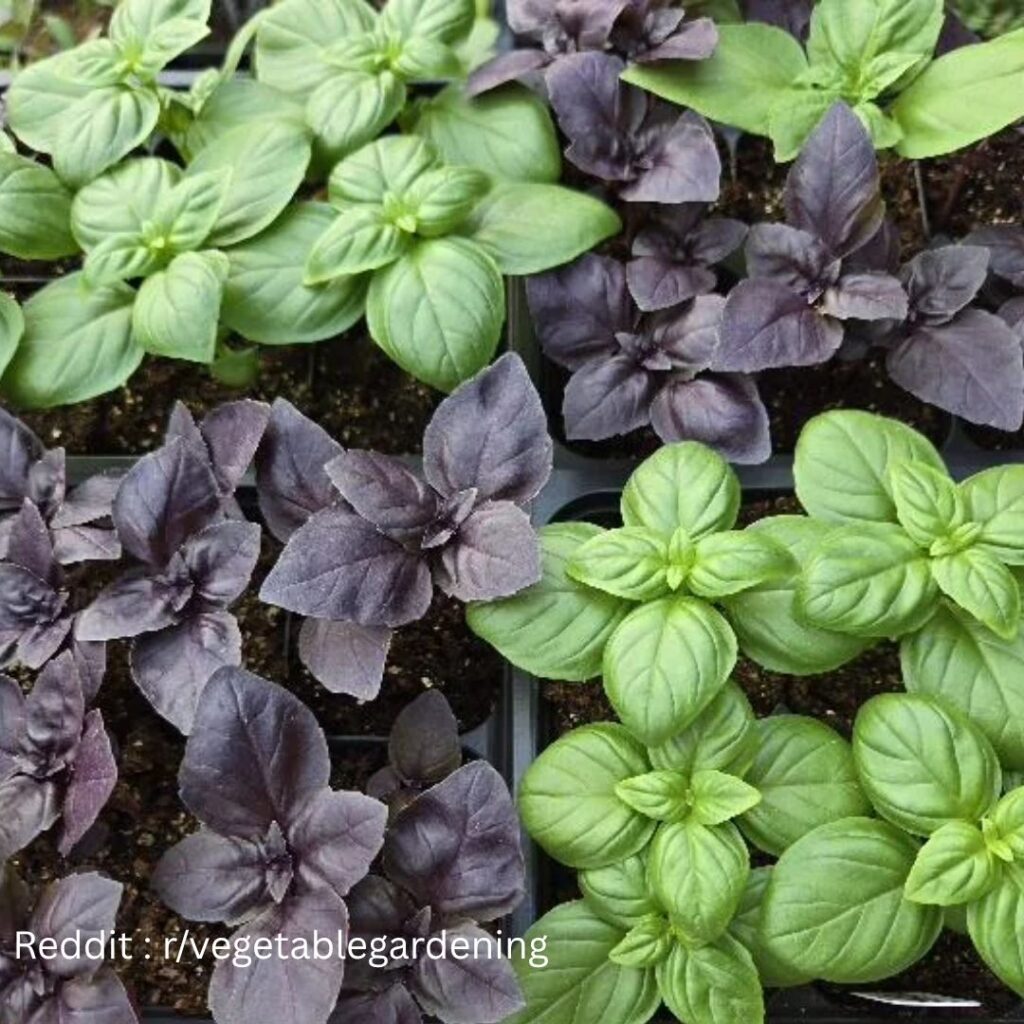
Keeping an eye on your basil plant and adjusting care routines will help maintain its health, especially if you notice a brown stem. Regular check-ups and timely adjustments are essential to ensure your plant thrives.
Regular Check-Ups
Checking your basil plant regularly is crucial. I make it a habit to inspect my plants every few days.
Look for signs of trouble like brown stems, yellow leaves, or drooping. Catching problems early can save a lot of headaches later. Do you see any pests or weird spots? It’s time to take action!
Inspect the soil, too. Is it too wet or too dry? Both can cause issues. Think of it as a health check-up for your plant – consistent monitoring leads to a happy, healthy basil! 🌿
Adjustment of Care Routine
Sometimes, plants need a little extra love and care. If I notice my basil looking sad, I tweak my care routine.
Is it getting enough sunlight? Basil loves sun! But too much direct sun can also cause stress. Look at watering habits; soggy soil can lead to brown stems.
Adjusting the amount of water and providing occasional natural or organic fertilizer can make a big difference. 🌞💧 Sometimes, a little change goes a long way in keeping your basil happy.
Have you noticed any difference in your basil after tweaking your care routine? Share your tips in the comments!
When to Consult a Professional
Sometimes, our leafy friends need a little extra help. If your basil plant’s stem turns brown, don’t worry. 🌿 Let’s figure out when we might need to call in the pros.
Consistent Problems: If you’ve tried everything and the problem keeps coming back, it might be time for expert advice. We all have that one plant that just won’t thrive, right? 😅
Dead Plant Parts: When large parts of the basil plant die off despite good care, it’s often a sign that something more serious is at play. Better to consult a professional than watch it wilt away.
Weird Growth: Do you notice strange spots or fungus growing? That’s usually a big red flag. Experts can help identify the exact cause and suggest the right treatment.
Pests: Dealing with pests like aphids or spider mites can be frustrating. If they won’t go away despite your efforts, having an expert look into it can save your basil.
Questions to Ask a Professional:
- “What’s causing these brown stems?”
- “How can I restore my basil plant?”
- “What treatments do you recommend for pests?”
Got your own tips or experiences with basil plants? 🌱 Comment below and let’s help each other out! A little community love can make all the difference. 💚
Frequently Asked Questions
Basil plants can develop brown stems for various reasons. Let’s explore the most common causes and solutions.
What causes the stems of a basil plant to turn brown?
Basil stems often turn brown due to overwatering or poor drainage. Too much water can lead to rot. Also, fungal infections might be the culprit. Have you noticed any fuzzy growth on the stems?
How should I care for a basil plant with a brown stem?
If your basil plant’s stem is already brown, you should trim the affected parts and ensure it gets proper sunlight. Water only when the soil feels dry. Using a pot with good drainage helps too. Don’t forget to check for pests and diseases!
Why are the edges of basil leaves turning brown?
When the edges of basil leaves turn brown, it could mean your plant isn’t getting enough water or nutrients. Check the soil moisture and consider fertilizing. Make sure it’s not too hot; basil loves warm but not scorching climates. 🥵
How can I treat a basil plant that has a woody stem?
A woody stem on a basil plant can mean it’s aging. Prune it regularly to encourage fresh growth. A little bit of light trimming goes a long way. Don’t be shy with those scissors! ✂️
What should I do if the stems of my basil plant are turning black?
Black stems might mean a serious fungal infection. Remove the infected stems quickly and improve air circulation around the plant. If it’s really bad, you might need to consider a fungicide. Always read the instructions carefully though!
Why is my basil plant’s stem turning brown after I repotted it?
Repotting stress is a real thing! If the stems turn brown after repotting, your plant might be in shock. Give it a little time and avoid overwatering. Sometimes, it just needs to adjust to its new home. 🌱
Got any tips or questions about basil? Share them in the comments below!