
Ever checked on your basil plant and found the leaves turning black? 😱 It can be quite a shocker, especially when you’re expecting vibrant green leaves. The good news is, I’ve got some answers for you!
The most common cause of black basil leaves is usually due to improper watering or poor air circulation. 🌿 Too much moisture and not enough air can make your basil sad. Imagine how you’d feel cooped up in a room without fresh air!
Other reasons might be insects or disease. Basil plants are delicate and can easily be affected by pests like aphids or fungal infections. Do you think your basil might be under attack? Let’s figure it out together! Feel free to share your thoughts or ask questions in the comments below. 🌼
Understanding Basil Plant Health
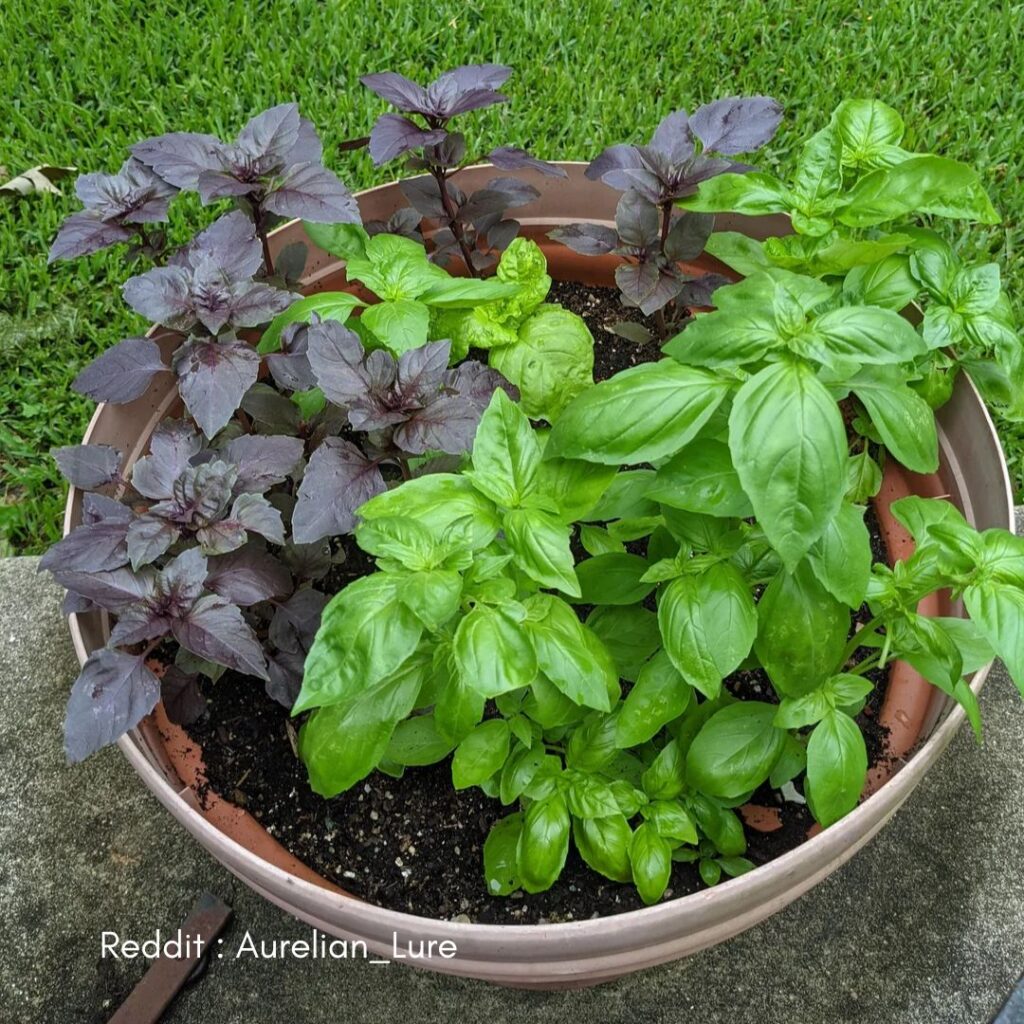
Taking care of basil plants isn’t too hard if you know what to look for. I’ll share what healthy basil looks like and why they might be stressed.
Characteristics of Healthy Basil Plants
Healthy basil plants have vibrant green leaves. They feel slightly soft and smell amazing.
When basil thrives, it stands upright and the leaves spread out. The stems are firm, and there’s no sign of spots or discoloration.
I always check for growth. New leaves pop up often when the plant is healthy. If you see this, your basil is doing great! 🌱
Common Causes for Basil Plant Stress
Is your basil looking sad? Stress can come from several things. Too much or too little water is often a problem. Basil likes its soil to stay moist, not soggy or dry.
Temperature changes can also stress basil. They love warm weather but not too hot or too cold.
Pests like aphids or fungal infections can also harm the plant. Look for tiny bugs or a white powdery substance on the leaves.
Lastly, sometimes the pot size matters. Basil plants need room to grow. If roots feel cramped, the plant might not thrive.
Do you have any tips for keeping basil happy? Share in the comments! 🌿😊
Causes of Black Leaves on Basil Plants
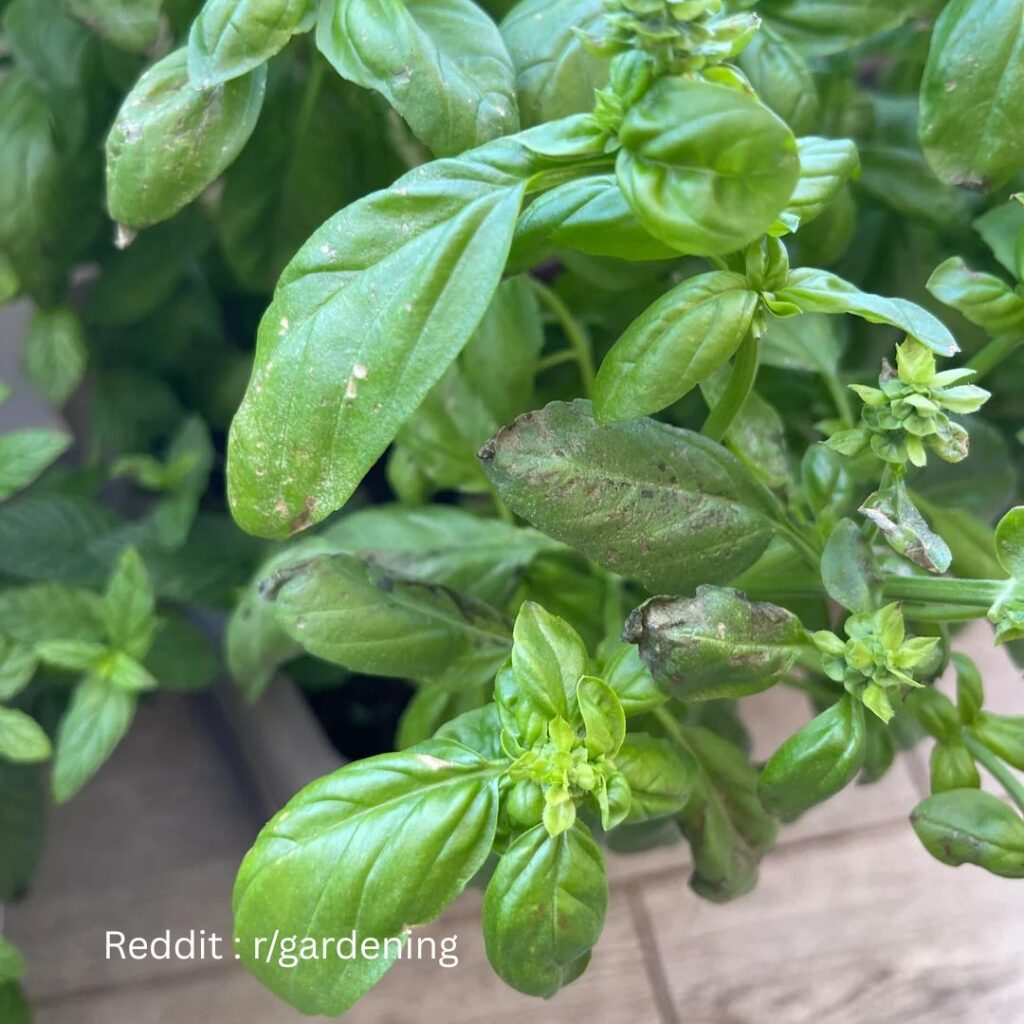
If your basil plant’s leaves are turning black, it could be due to several reasons. Let’s explore some key causes such as fungal diseases, bacterial infections, pest infestations, and environmental stressors.
Fungal Diseases
Fungal diseases are quite common in basil plants. Fusarium wilt and downy mildew are two main culprits.
Plants afflicted with these diseases show dark spots and blackened leaves, often due to high humidity. To prevent this, I try to water the plants early in the day so the leaves dry before nightfall. Also, it helps to plant basil in well-drained soil to avoid the soggy conditions that fungi love. Have you ever noticed water pooling around your basil plants? 🪴
Bacterial Infections
Bacterial infections can also cause black leaves on basil. Basil shoot blight is a prime example. This infection leads to black, water-soaked spots on leaves.
It spreads through infected soil and water. Make sure to use clean tools and water at the base, not the leaves. I often rotate my plants to different spots in the garden to reduce the risk. Feel like your plants aren’t thriving as usual? 🤔
Pest Infestations
Pests like aphids and spider mites can damage basil leaves, causing them to turn black. These little intruders suck the sap, leaving black mold or sooty mold behind.
Regularly checking the undersides of leaves can help you spot these pests early. I often use a mild soapy water spray to keep them at bay. Ever battled these tiny pests? It’s not fun, right?
Environmental Stressors
Environmental stressors like extreme temperatures and poor watering practices can also affect basil leaves. Too much direct sun or cold drafts may cause the leaves to blacken.
I always try to keep my basil in a spot with partial sunlight and ensure consistent watering. Overwatering or underwatering can be equally harmful. Got any good watering tips? 🌞💧
Basil plants need a bit of care to thrive, but catching these issues early can make all the difference. What’s your go-to trick for keeping basil healthy? Share in the comments! 🌱👇
Preventative Measures
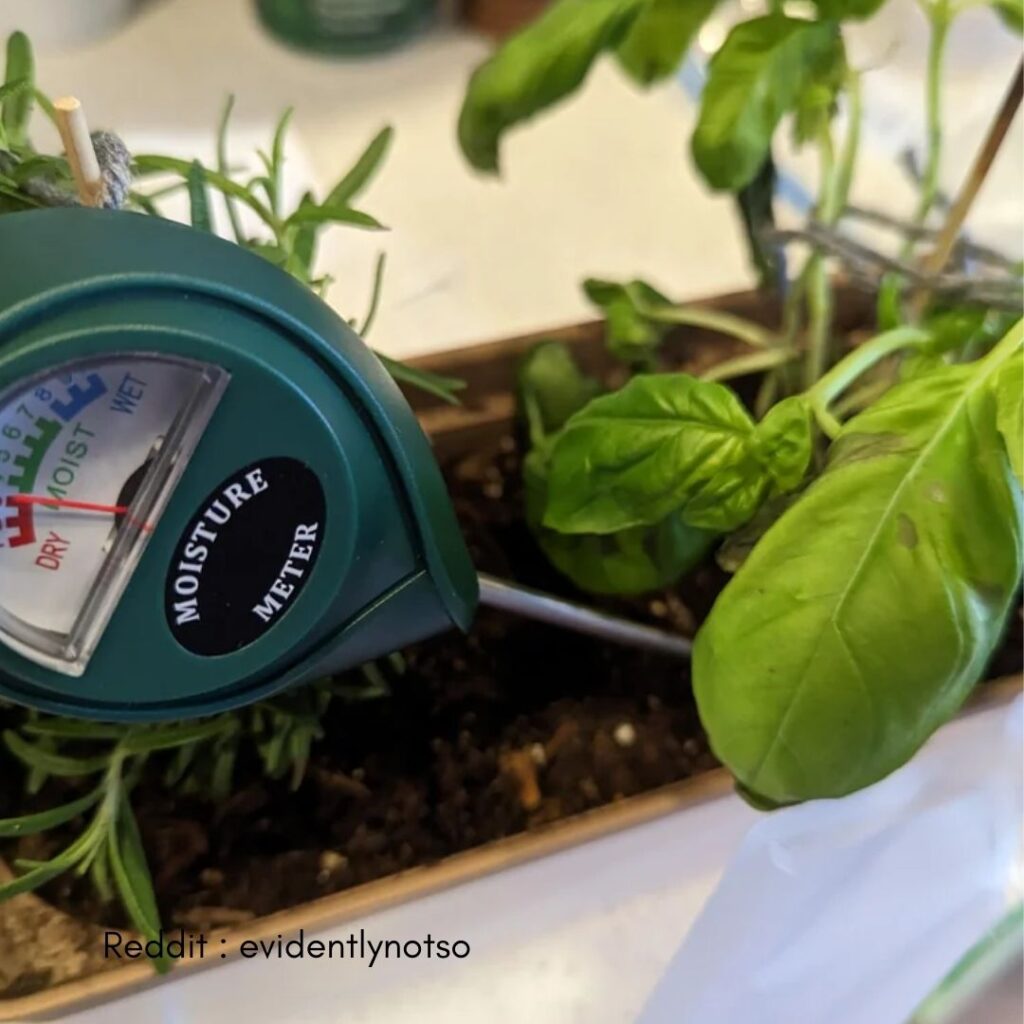
Taking care of basil plants to prevent their leaves from turning black involves good watering habits, proper sunlight and airflow, balanced soil and nutrients, and regular checks to catch issues early. Small actions can make a big difference in keeping your basil healthy. 🌿
Proper Watering Techniques
Too much or too little water can harm basil plants. I like to water my basil in the morning, so the soil dries out during the day. This prevents mold and root rot. I always stick my finger an inch into the soil. If it feels dry, it’s time to water. Remember to water the soil, not the leaves, to keep them dry and healthy.
Adequate Sunlight and Airflow
Basil loves sunlight! I place my plants where they get 6-8 hours of sunlight daily. If it’s too hot, a bit of shade in the afternoon helps. Airflow is also crucial. I keep my plants spaced out to allow air to circulate, which reduces moisture buildup and keeps the leaves from turning black. A small fan can work wonders indoors.
Soil and Nutrient Management
Good soil is everything. I use a well-draining potting mix and add compost or organic fertilizer every few weeks. This gives my basil the nutrients it needs to thrive. Avoid heavy clay soil, as it retains too much water and can cause root problems. If I notice yellowing leaves, it might mean a nutrient deficiency, so I adjust my fertilizer.
Regular Monitoring and Maintenance
I check my basil regularly for signs of trouble. Wilting, spots, or pests can quickly turn leaves black if ignored. Pruning helps too. I trim back any dead or yellowing leaves and ensure no water is collecting around the plant. It’s a simple habit that keeps my basil in top shape. Don’t forget to rotate your plants for even growth and health.
Do these steps help your basil? Have you tried any unique methods? Let me know in the comments! 🌱💬
Treatment Strategies
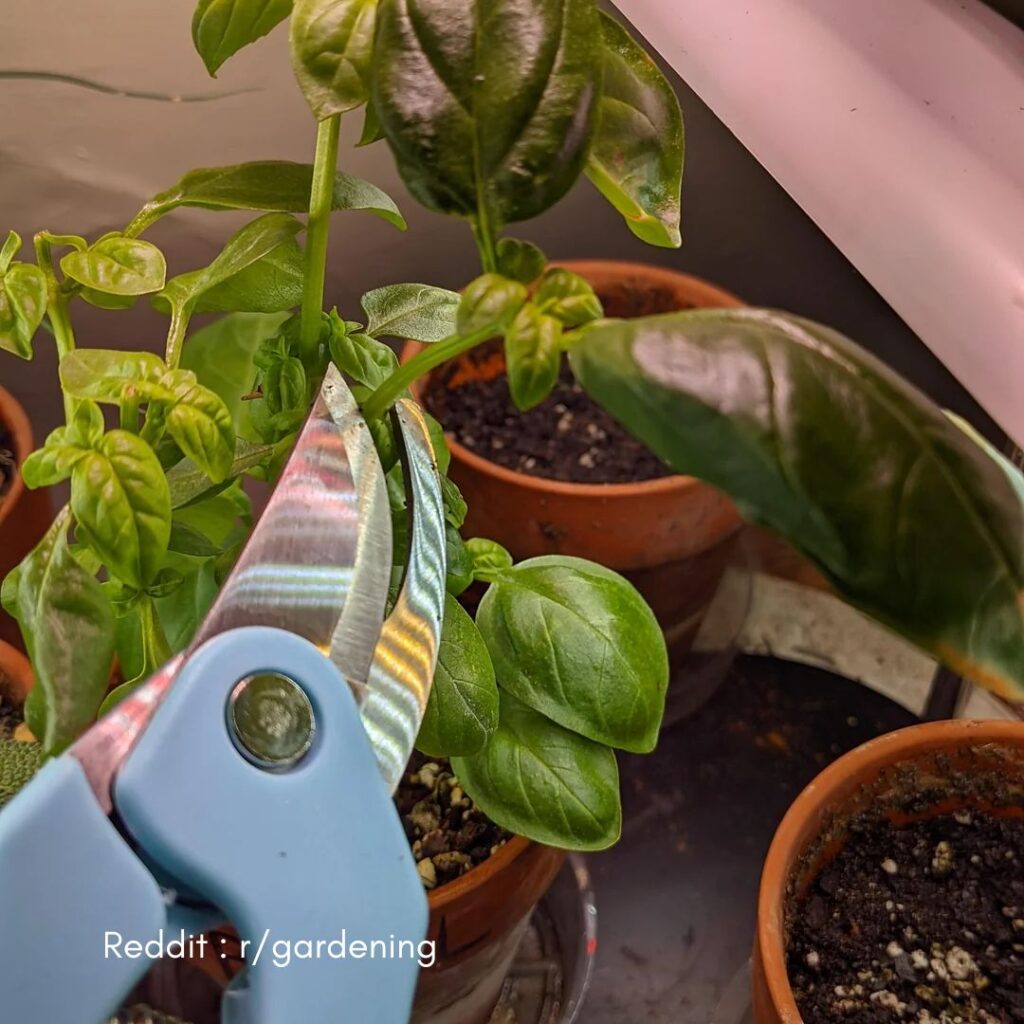
When basil leaves turn black, it can be a bit of a bummer. Luckily, there are ways to help your plant bounce back. Let’s get into some easy and effective treatment options. 🌿
Natural Remedies
First up, natural remedies can be super effective. Start by checking if your basil has enough humidity. If it’s too dry, the leaves may turn black. Try misting your plant or placing it near a humidifier.
Next, a mix of water and a few drops of neem oil can work wonders. Just spray it on the leaves to tackle any pests or fungal issues. Also, make sure your basil has good airflow. Crowded plants can get sick more easily.
Do you like mixing up home remedies? 🌱 Maybe you’ve tried using milk and water spray? It’s great for fungal infections. Mix one part milk with two parts water, and spritz it on the leaves. Your basil might thank you!
Chemical Treatments
Sometimes natural remedies aren’t enough, and that’s when chemical treatments come in handy. You can find fungicides specifically designed for edible plants at garden centers. Look for ones with active ingredients like chlorothalonil or copper-based compounds.
When using chemicals, always follow the instructions on the label. Overdoing it can harm your basil and make it unsafe for consumption. It’s essential to apply treatments only as often as recommended.
Ever tried those insecticidal soaps? 🧼 They’re pretty mild but effective against pests. Spray them directly onto the pests, and they should clear up within a few days. Remember to wash your leaves before eating them.
Pruning and Plant Hygiene
Next, keeping your plants tidy is essential. Pruning and plant hygiene can make a big difference. Remove affected leaves as soon as you notice them. This helps prevent the spread of disease. Always use clean, sharp scissors to avoid creating wounds that pests can enter.
Spacing out your plants can improve airflow, reducing the risk of disease. Don’t forget to clean up any fallen leaves or debris around the plant. Decaying matter can harbor pests and diseases.
A common mistake is overwatering. Basil likes moist soil but hates being waterlogged. Check the soil with your finger; if it’s dry an inch down, it’s time to water. Take good care of your basil, and it will reward you with lush, green leaves!
Got any tips or questions? Drop them in the comments! 🌱✨
Aftercare for Affected Basil Plants
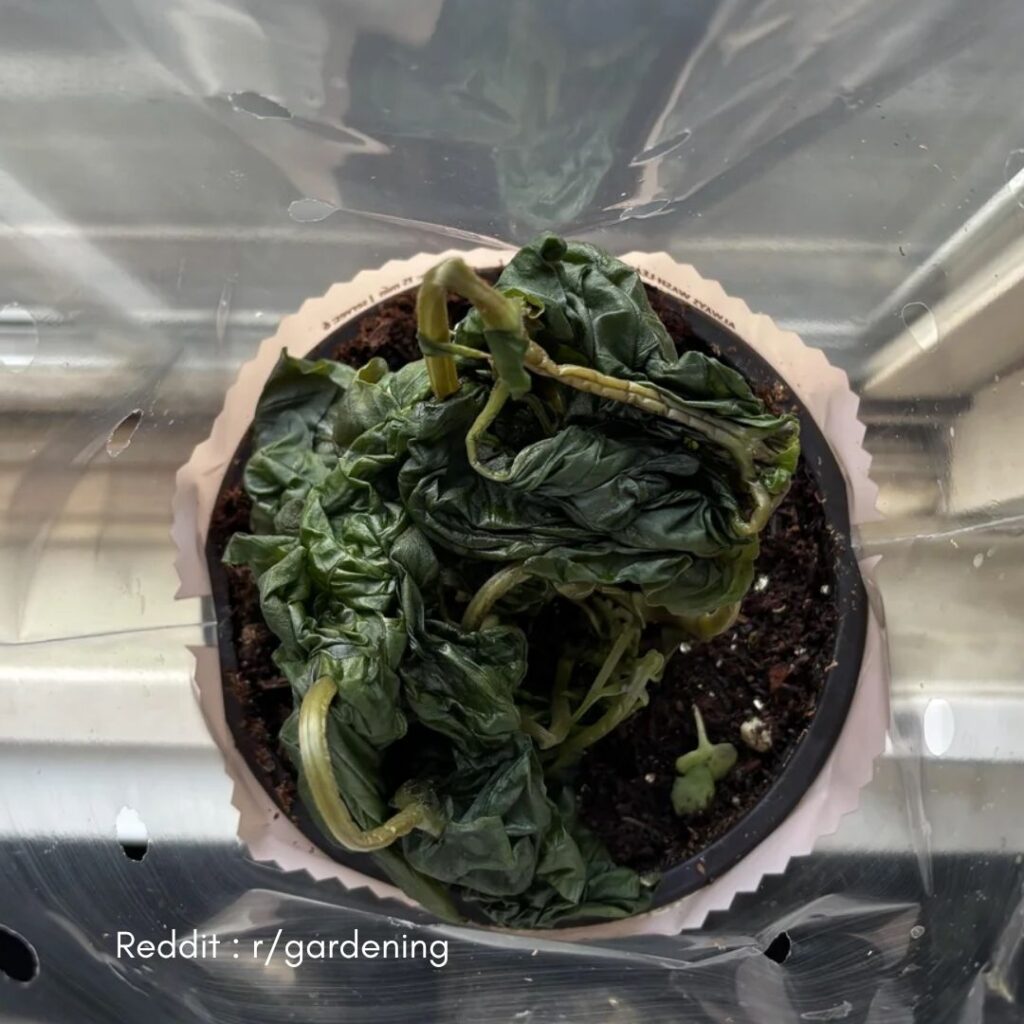
If your basil plant’s leaves have turned black, there are ways to revive it and keep it healthy in the future. I’ll show you how to get your basil thriving again.
Reviving Damaged Basil Plants
First, trim off the blackened leaves. This helps the plant focus on new growth. Use clean scissors to avoid spreading any diseases.
Next, check the soil. Keep it moist but not waterlogged. Basil likes well-drained soil. You might need to repot it in fresh soil with better drainage.
Also, give it some sun! Basil loves sunlight 🌞. Make sure it gets at least 6 hours of sun each day. If it’s indoors, a sunny windowsill works well.
How has your basil plant been doing lately? Share your basil experiences in the comments! 🍃
Preventing Future Occurrences
Make sure to water your basil plant properly. Water it at the base, not on the leaves, to avoid mold and fungal issues.
Remember to avoid overcrowding in your garden. Basil plants need space to breathe. Crowded basil plants can lead to humidity build-up and black leaves.
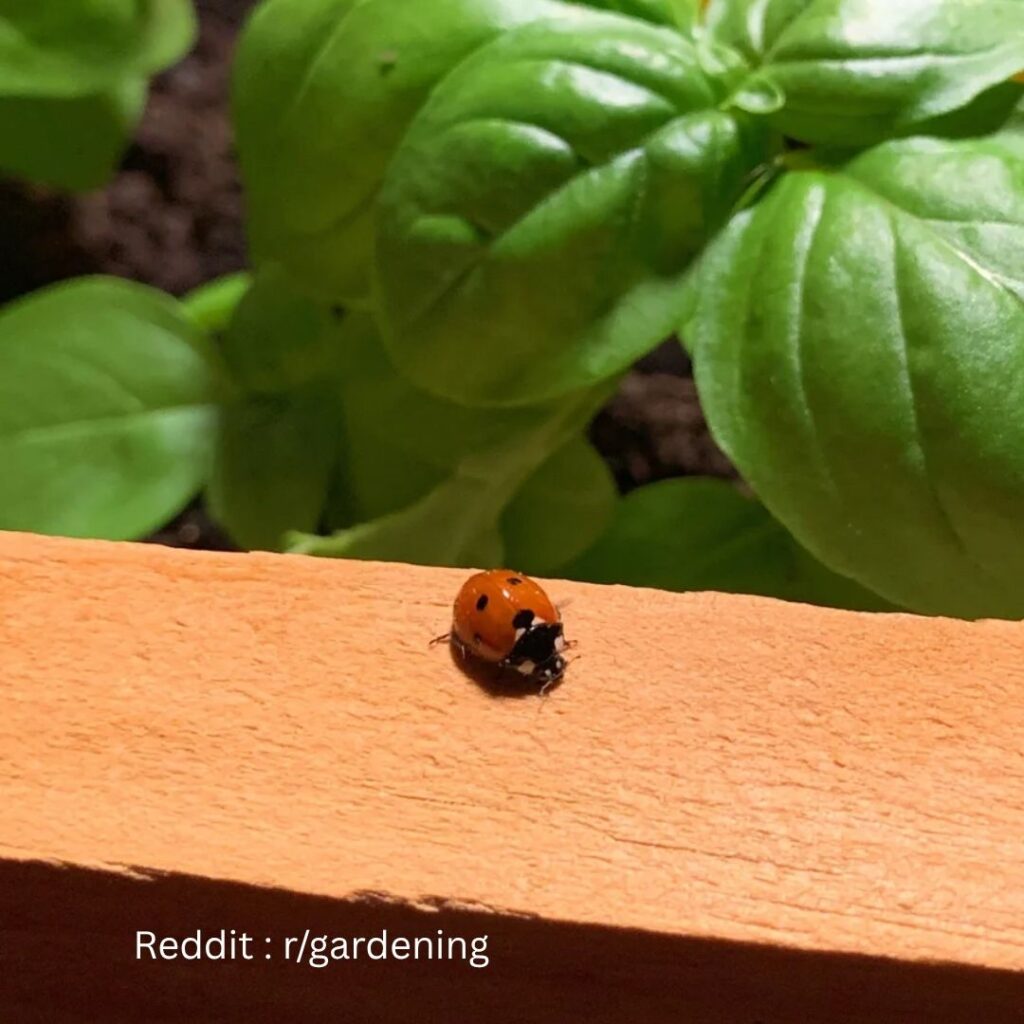
Keep an eye out for pests like aphids. They can hurt your basil and cause blackened leaves. Use natural sprays or introduce ladybugs to your garden to keep these pests away 🐞.
What techniques do you use to keep your basil healthy? Let’s chat in the comments below!
By following these steps, your basil plant can bounce back and stay healthy.
Recognizing When to Replace Your Basil Plant
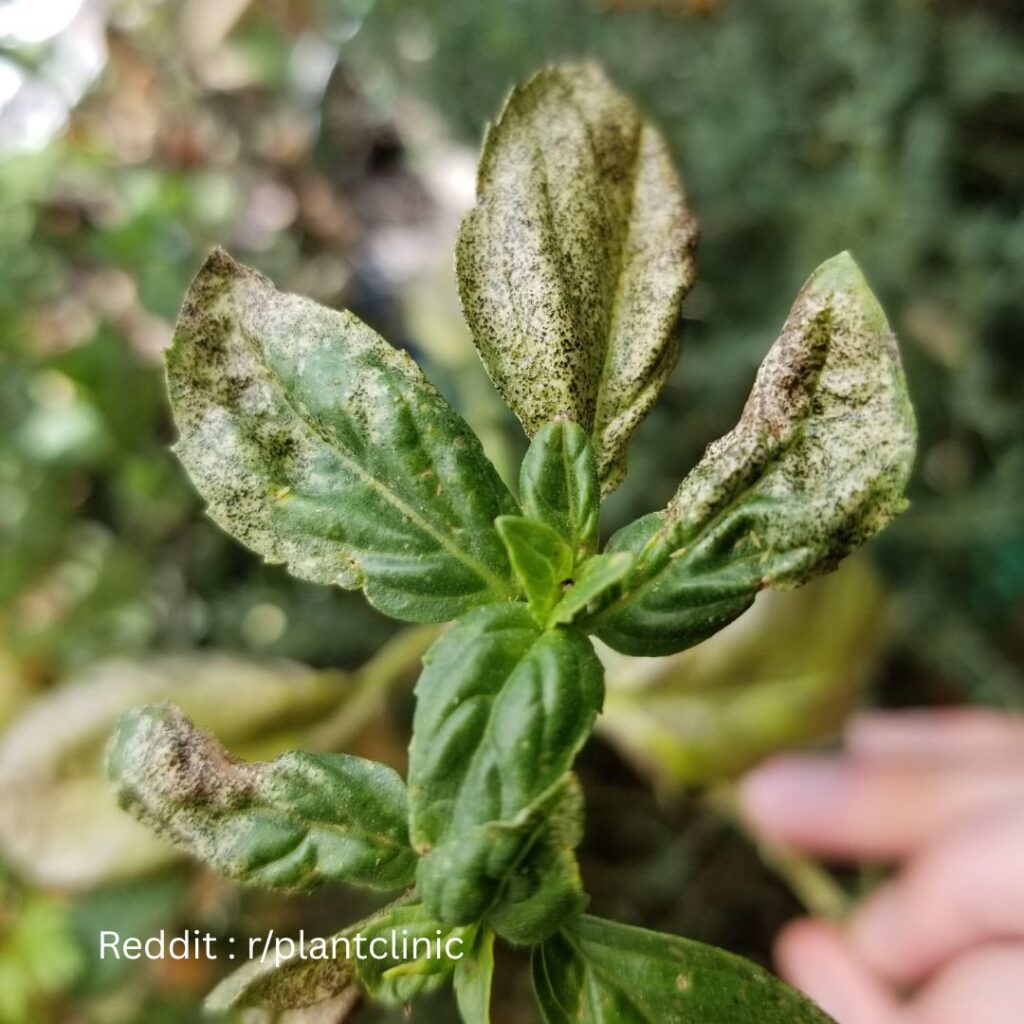
Noticing black leaves on your basil plant? It might be time to consider replacing it.
If you see more black leaves than green ones, that’s a sign the plant is struggling. Black leaves can mean the plant is stressed, diseased, or damaged. 😟
Feel the leaves. Are they wilting or droopy? Healthy leaves should be firm and perky. If they aren’t, your basil might not bounce back.
Check the stems. Are they still strong or turning brown and mushy? Weak stems often mean the plant’s health is beyond saving.
Smell the soil. Yep, give it a sniff! If it smells bad, like rotting, it’s a hint the plant is overwatered or infected. 🦠
Sometimes plants just get old. If you’ve had your basil for a long time and it’s looking shabby, maybe it’s time for a change. 🌿
Here’s a handy list:
- More black than green leaves
- Wilting leaves
- Discolored stem
- Bad-smelling soil
Ever had to replace a plant? Share your experience in the comments! 🌱✨
Frequently Asked Questions
Basil leaves can turn black for a variety of reasons. In the sections below, I’ll explain possible causes and how you can handle each situation effectively. 🌿
Why are my basil leaves developing black spots?
Black spots on basil leaves are often due to fungal infections. Humidity and poor air circulation can contribute to this.
What causes the edges of basil leaves to turn black?
The edges of basil leaves turning black can be caused by frost damage or overwatering. Keep basil in a warm, well-drained spot.
How can I prevent my basil leaves from turning black?
To prevent black leaves, water basil correctly and ensure good air circulation. Also, avoid watering at night, so leaves don’t stay wet.
Is there a way to treat black mold on basil leaves?
Yes, you can treat black mold by removing affected leaves and using a fungicide. Neem oil can also help.
What does it mean when basil leaves start turning brown?
Basil leaves turning brown usually means they’re under stress or have a nutrient deficiency. Check your watering habits and consider using a mild fertilizer.
Can you still use basil leaves if they have turned black?
If the basil leaves are partially black, trim the black parts and use the rest. 🌱 Totally black leaves should be discarded, though.