
Want to know a secret to having an endless supply of fresh basil? It’s easier than you might think! 🌿 You can regrow basil from cuttings right in your kitchen. Whether you’re an experienced gardener or just getting started, this simple trick is perfect for you.
I used to think you needed a green thumb to keep plants alive, but basil is super forgiving. All you need are some cuttings, a glass of water, and a bit of patience. In no time, you’ll have new basil plants sprouting up and adding flavor to your meals.
Imagine having fresh basil at your fingertips for homemade pesto, caprese salads, or just garnishing your dishes. Does that sound amazing or what? Give it a try and share your results with me in the comments! 🍃
Understanding Basil
Basil is a popular herb known for its fragrant leaves and versatility in cooking. It’s common in dishes like pasta, pizza, and salads. 🌿
There are different types of basil, including sweet basil, Thai basil, and lemon basil. Each has its own unique flavor and aroma.
Basil prefers warm, sunny spots. If you’re growing it indoors, place it on a windowsill that gets plenty of sunlight.
Did you know basil can also repel insects? It’s a natural pest deterrent, making it beneficial for your garden!
Basil plants need well-drained soil and regular watering. Overwatering can lead to root rot, so be careful.
Have you ever tried pinching off the flower buds? This helps the plant focus on growing more leaves. Plus, it can prevent the basil from getting too woody.
Feel free to share your tips for growing basil in the comments! 🌱
Choosing the Right Basil Plant
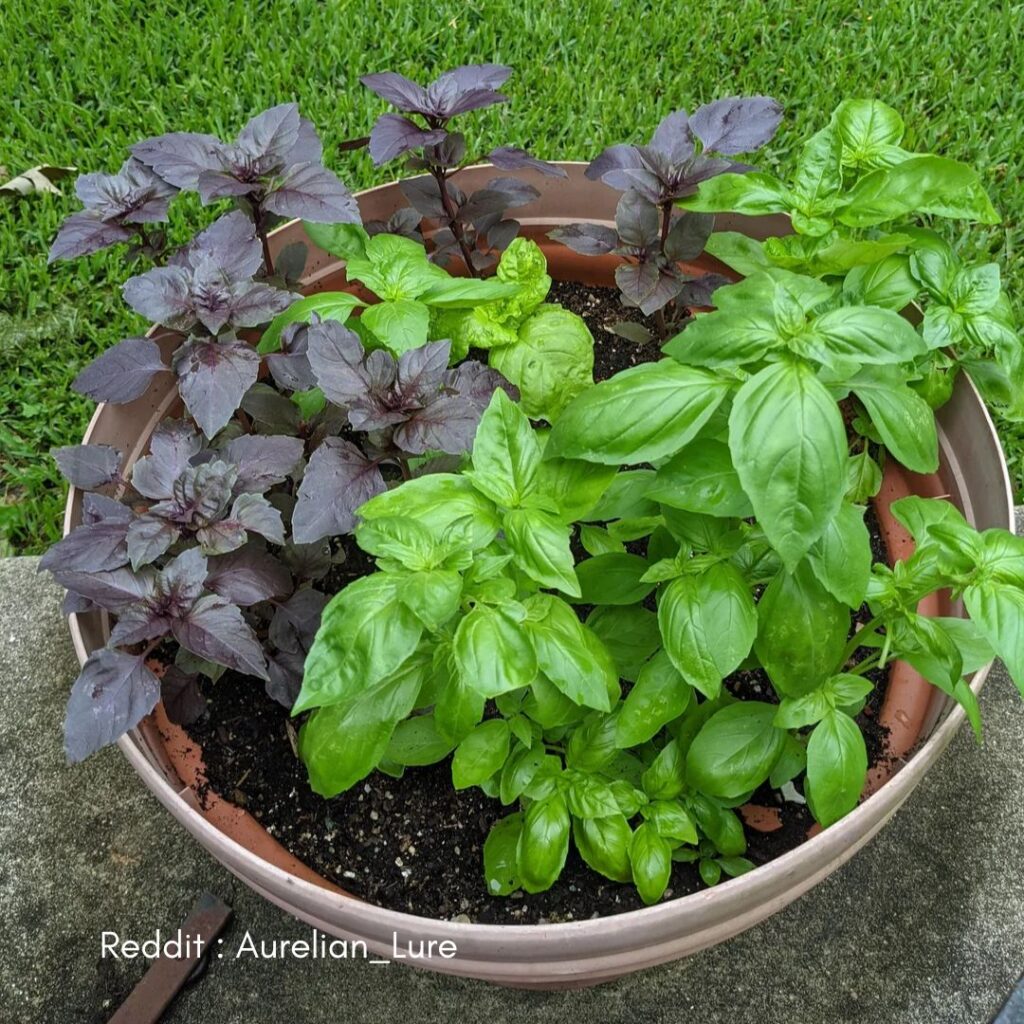
When picking a basil plant to regrow, variety is key! Do you want sweet basil for your pasta, or Thai basil for a bold flavor in stir-fries? 🌱 Take a moment to think about what you’ll cook.
Healthy leaves are a must. Look for bright green leaves with no yellow spots or wilting. These are signs of a strong plant.
Don’t forget to check the stems. Firm and sturdy stems mean the plant is doing great. Shake the plant slightly; a wobbly stem isn’t what you want.
If you can, smell the basil. A strong, pleasing aroma means the plant is fresh and ready to thrive.
Got a favorite basil type? Share your thoughts and questions below! 👇
Essential Tools for Regrowth
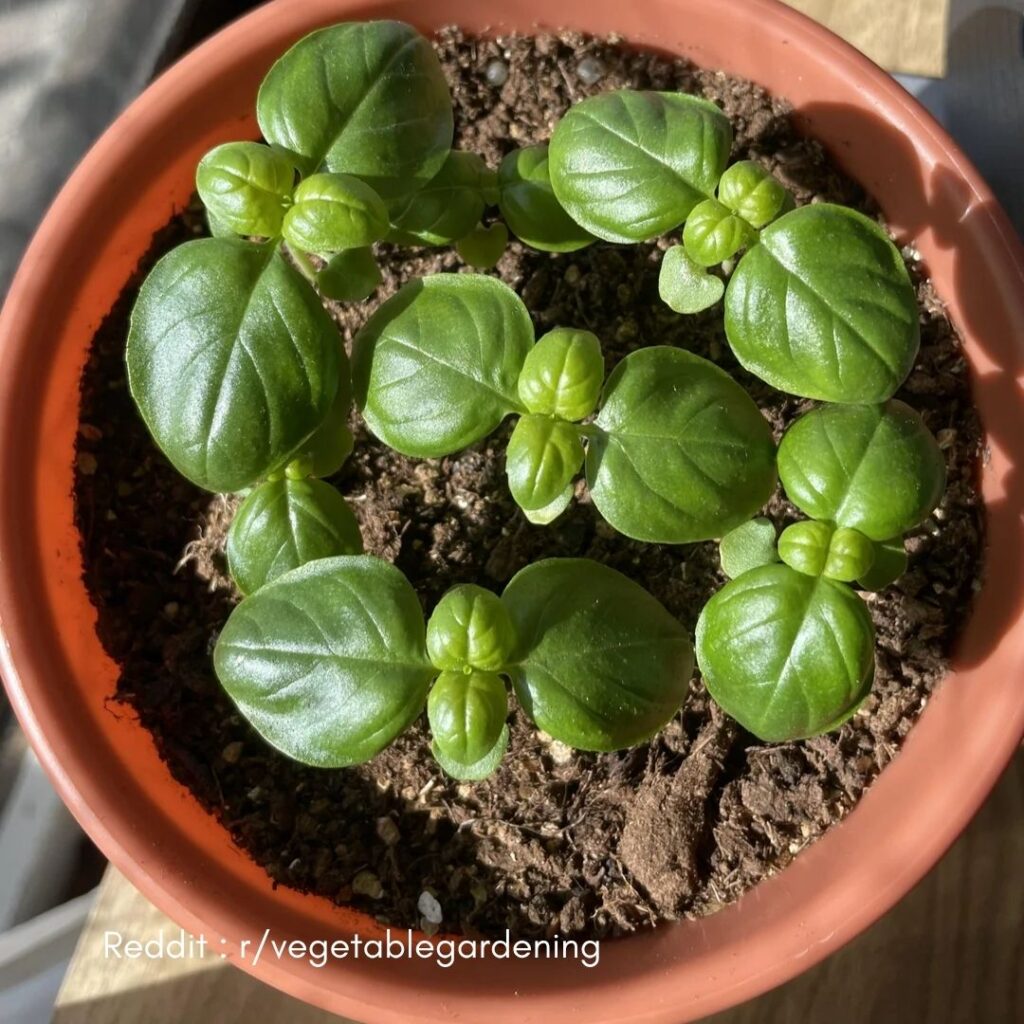
To regrow your basil plant, you’ll need a few basic tools. Let’s get started!
1. Pruning Scissors ✂️
Keep your basil healthy by trimming it. Sharp scissors help you get a clean cut, which is better for the plant.
2. Small Pots 🪴
You’ll need fresh pots for new cuttings. Small ones are perfect to start. They don’t take up too much space either!
3. Fresh Soil 🌱
Good soil is super important. Choose soil that’s rich in nutrients. It helps the new plants grow strong and healthy.
4. Spray Bottle 💧
A spray bottle keeps the soil moist without drowning the basil. Moisture is key for new roots to form.
5. Rooting Hormone
This powder helps your cuttings grow roots faster. Dip the cut ends in it before planting.
6. Sunlight or Grow Light ☀️
Basil loves sunlight. If you don’t have a sunny spot, a grow light works too. Make sure your basil gets at least 6-8 hours of light each day.
Do you already have some of these tools? Let me know in the comments! 🌿
Happy gardening! 🌼
Preparing the Basil Cuttings
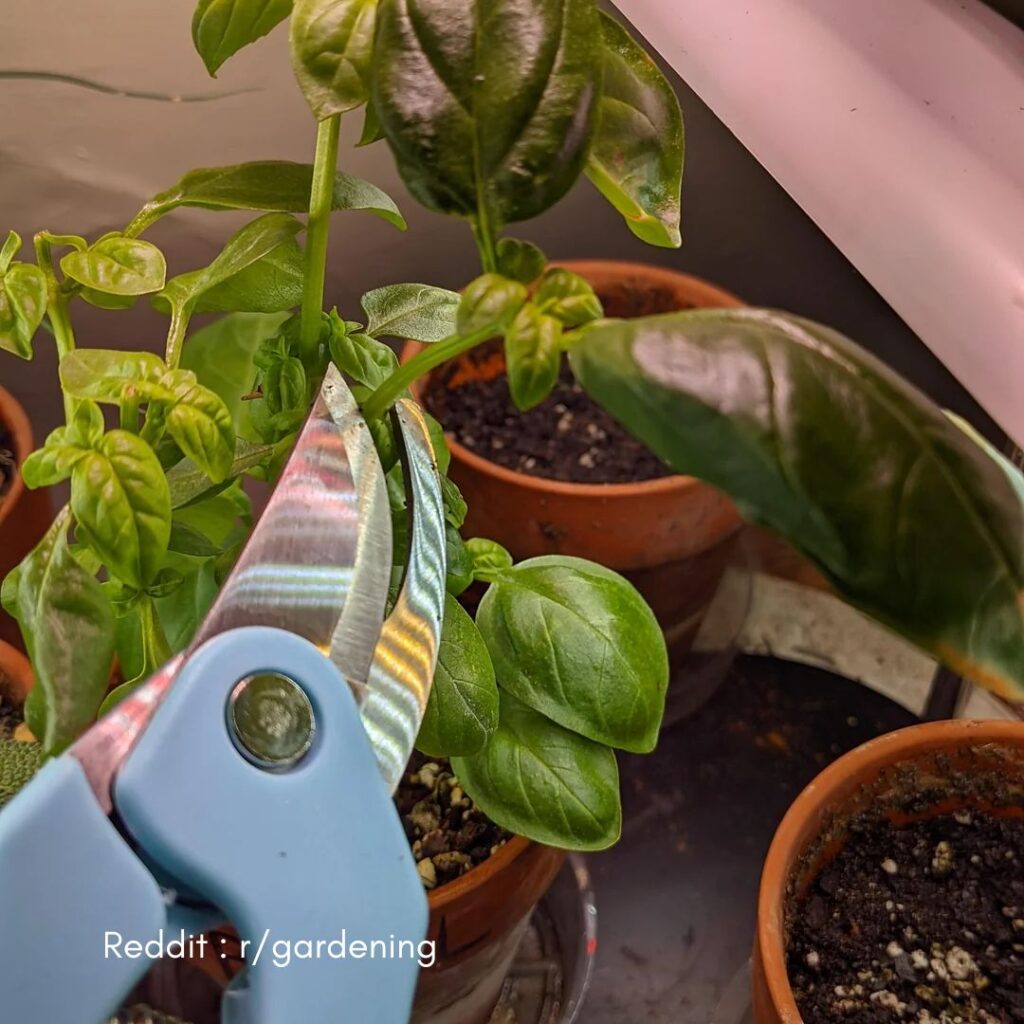
First, I pick a healthy basil plant. Look for bright green leaves and sturdy stems. I try to avoid any plants with wilting leaves or brown spots. 🌿
Next, I grab a pair of sharp scissors or pruning shears. I make a clean cut just below a set of leaves. Each cutting should be about 4 inches long. 🚀
To promote root growth, I remove the lower leaves from the cutting. Only the top few leaves should remain. This helps focus the plant’s energy on growing roots instead of maintaining too many leaves.
I then place the cuttings in a glass of water. Make sure the stems are submerged but keep the leaves above water. Change the water every few days to keep it fresh.
After about a week, I notice roots starting to form. 🌱 Once the roots are 2 inches long, the cuttings are ready for planting!
Quick Tip: Want to speed things up? You can dip the cut end of the stem in rooting hormone powder before putting it in water. This can encourage faster root growth!
Have you ever tried regrowing basil at home? Share your wildest basil-growing adventures in the comments! 🌿😁
Rooting Your Basil Cuttings
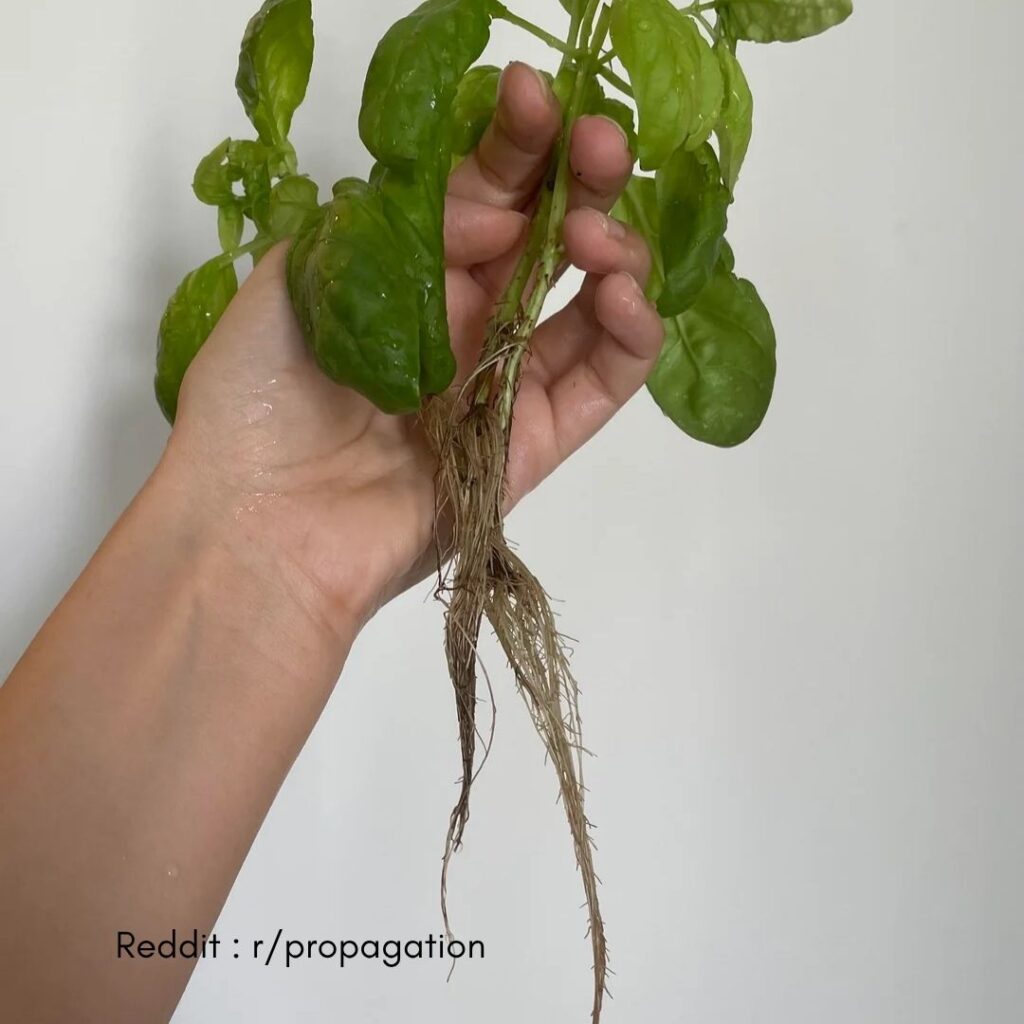
Have you ever tried rooting basil cuttings? It’s fun and super easy! 🌱 Here’s how you can do it right at home.
First, cut a 4-inch section from a healthy basil plant. Make sure to include a few leaves at the top. It’s like giving your basil a little haircut! ✂️
Once you have your cutting, remove the leaves near the bottom. We don’t want any leaves in the water. This keeps the water clean and helps the plant focus on growing roots.
Next, place your cutting in a glass of water. I like to use a clear glass so I can watch the roots grow. Put the glass on a sunny windowsill. ☀️
Check the water every couple of days. Make sure the water level is high enough to cover the stem. Replace the water if it looks cloudy.
In about a week or two, you’ll start to see roots forming. Isn’t that cool? 🌿 When the roots are about 2 inches long, your basil is ready to plant in soil.
Are you going to try this? Let me know in the comments! 🌱💬
Transplanting Basil Cuttings
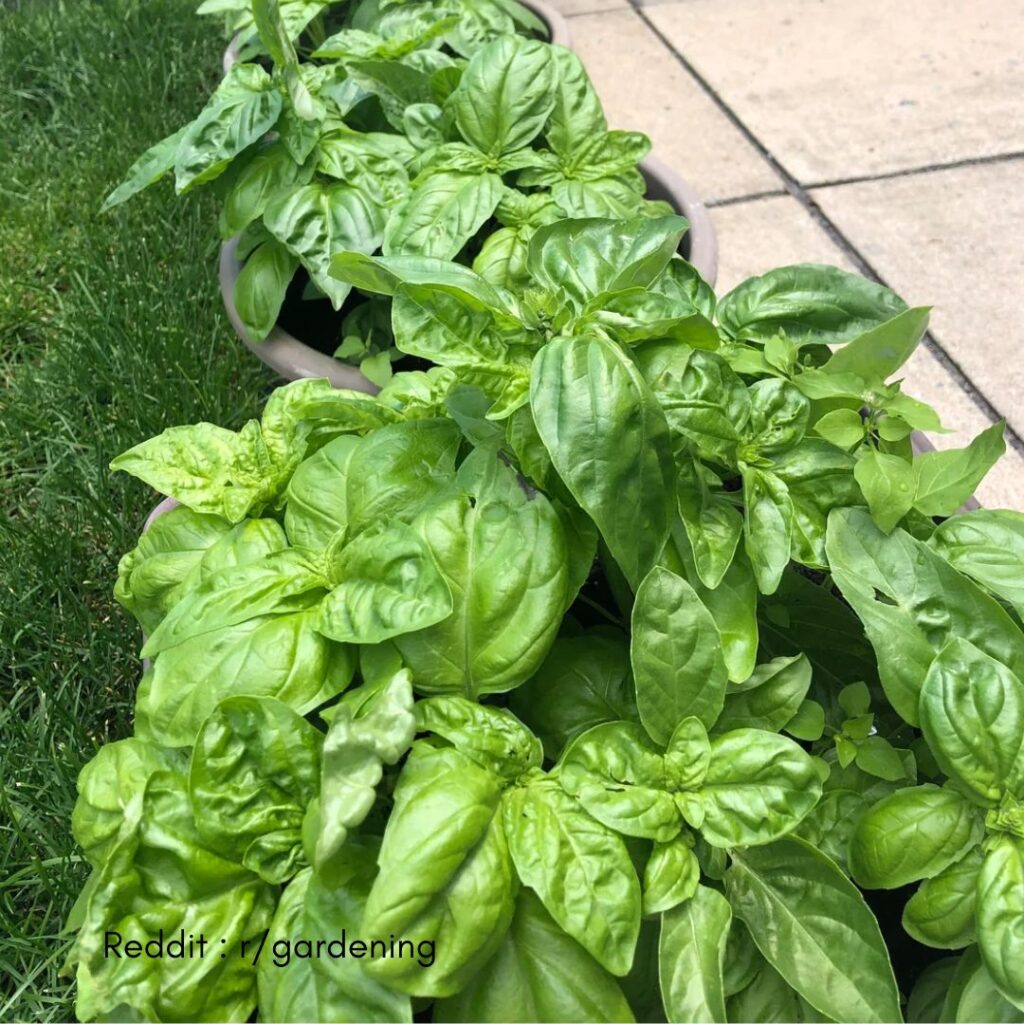
Ever tried transplanting basil cuttings? 🌿 It’s easier than you think and super fun!
Start by cutting a healthy basil stem that’s about 4-5 inches long. Make sure it has at least 2-3 sets of leaves.
Remove the lower leaves so that the cut end is bare. This part will go into the soil or water to form roots.
If you’re using water, place the stem in a clear glass of water. Change the water every few days to keep it fresh!
After about one to two weeks, you should see roots forming. Once they’re about 2 inches long, it’s time to move the cutting to soil.
Dig a small hole in the potting mix and gently place the rooted basil cutting in it. Pat the soil around the cutting to keep it upright.
Water the new plant well, but don’t drown it. The soil should stay moist, not soggy. 🌱
Keep the plant in a sunny spot and watch it grow! You’ll have a full basil plant in no time.
Have you ever tried this before? Drop your tips or questions in the comments below! 👇
Happy planting! 🌿😃
Caring for Your Basil Plant
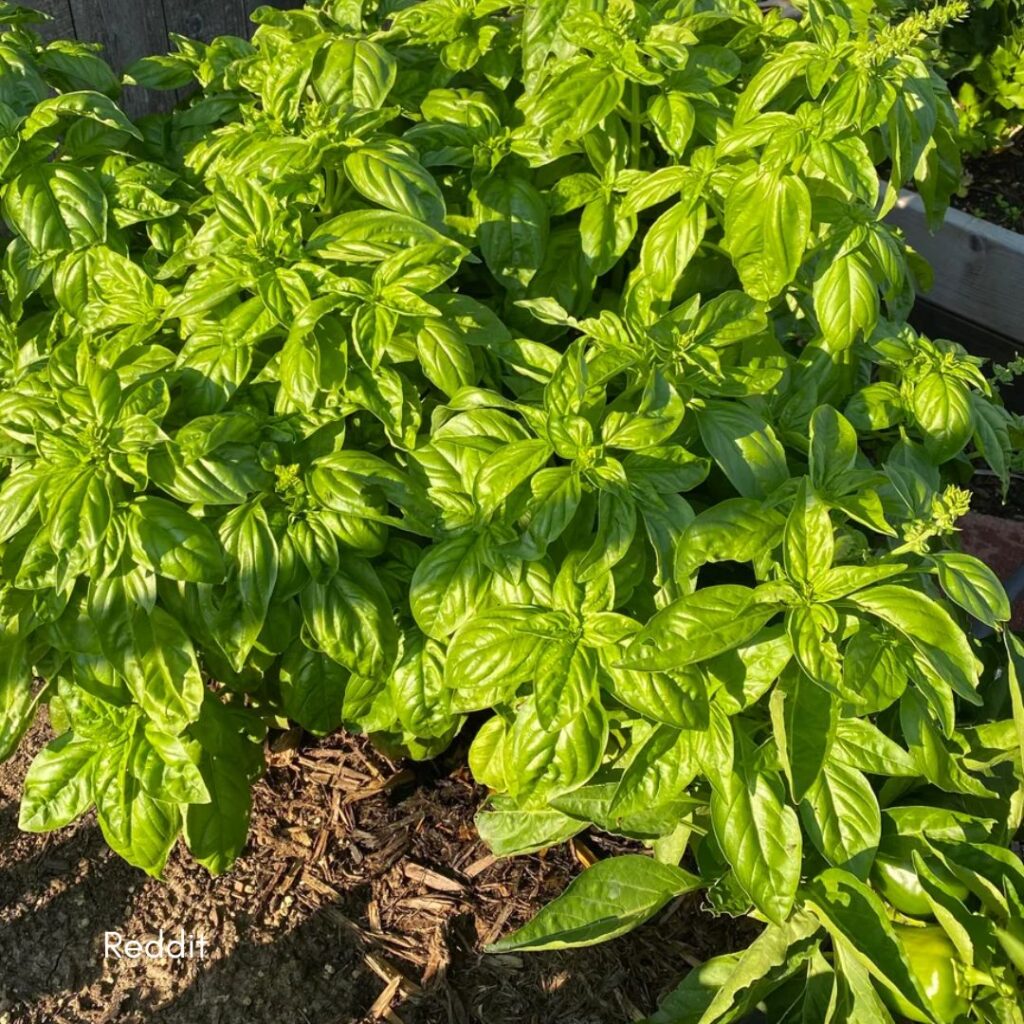
Caring for a basil plant is fun and easy! 🌿 The key is to give it the right amount of light, water, and nutrients.
Light
Basil loves sunny spots. Place your basil where it can get 6-8 hours of sunlight each day. If indoors, a south-facing window is perfect.
Water
Keep the soil moist but not soggy. Basil doesn’t like to dry out completely, but too much water could cause root rot. Water it when the top inch of the soil feels dry. Tip: Use a drip tray to avoid overwatering.
Nutrients
Feed your basil with a balanced fertilizer every 2-4 weeks. You can also use compost for a natural boost. This helps the plant stay healthy and grow more leaves.
Pruning
Pruning helps basil grow bushy and strong. Pinch off the top leaves as soon as the plant has 6 leaves. Always cut right above a leaf pair to encourage more growth. Don’t forget to use the leaves in your cooking! 🍕
Pests
Watch out for pests like aphids and spider mites. If you see them, gently wash the leaves with soapy water. Neem oil can also help keep pests away.
Temperature
Basil prefers warm temperatures. Keep it in a spot where it stays above 50°F (10°C). If it gets too cold, your basil might struggle to grow.
Do you have any funny basil stories? Or tips you’d like to share? Let me know in the comments! 🌱✨
Troubleshooting Common Issues
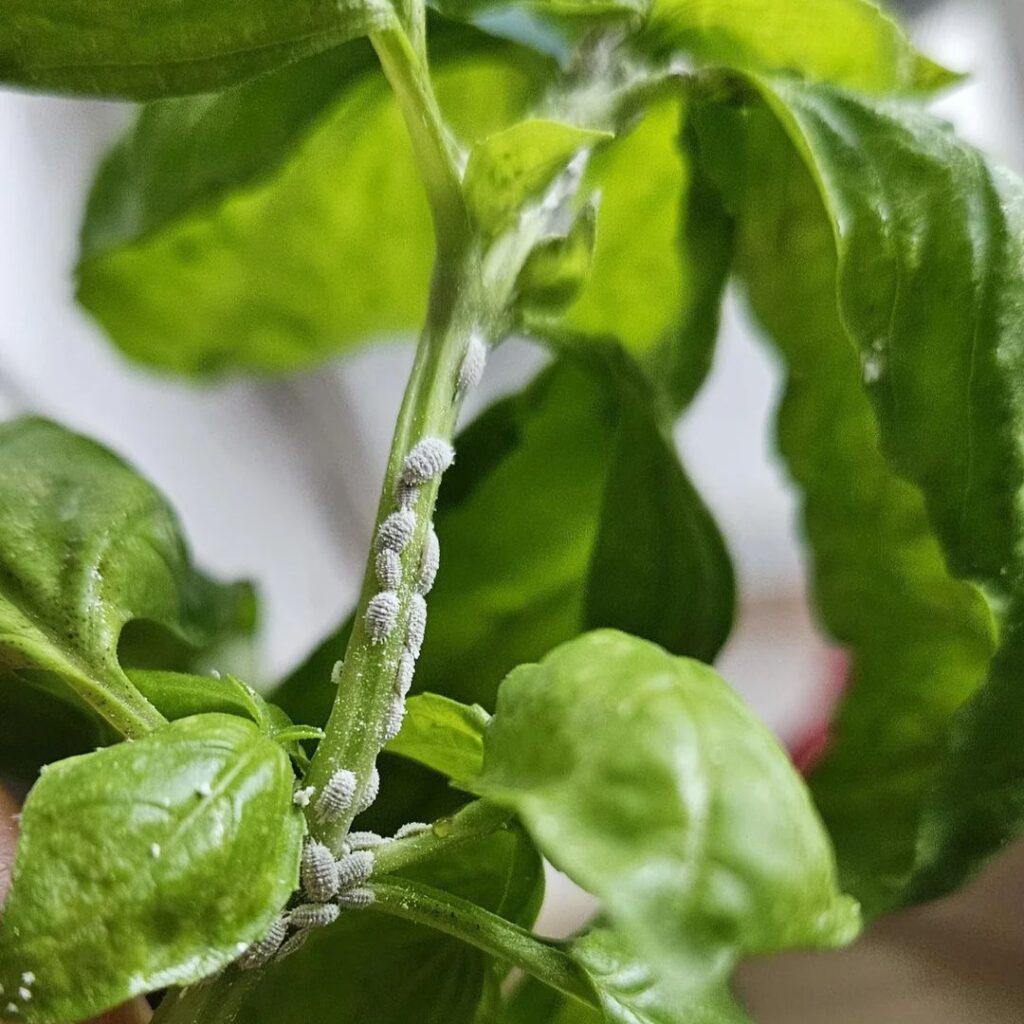
Sometimes, growing basil can be tricky. From dealing with tiny pests to figuring out watering problems, let’s tackle some common hiccups you might face.
Dealing with Pests
Basil is a favorite snack for many bugs 🐛. If you see holes in the leaves, it might be caterpillars or aphids. I often use a strong spray of water to dislodge them. For more stubborn pests, a mild soap spray can work wonders. Just mix a few drops of dish soap in water and spray the plants.
Sometimes, you’ll find small whiteflies fluttering around. Yellow sticky traps can catch these little invaders. Keeping your plants healthy and clean helps prevent these problems. Have you seen any of these pests in your garden?
Addressing Nutrient Deficiencies
Yellow leaves on your basil plant might mean it’s lacking nutrients. If leaves are yellowing from the bottom up, it might be a nitrogen deficiency. Adding a balanced, organic fertilizer can perk your plant right up 🌿.
I like to check the soil pH too. Basil prefers a slightly acidic to neutral pH (6-7). You can get a soil testing kit from a garden store. Trust me, it makes a big difference! Have you ever checked your soil pH?
Managing Watering Problems
Over-watering or under-watering can both cause problems. If the leaves are wilting and the soil feels dry, your basil might need more water. On the flip side, too much water can lead to root rot. Make sure your pot has good drainage.
A simple trick is to stick your finger in the soil about an inch deep. If it’s dry, go ahead and water. If it’s still moist, hold off. Do you have any tips for watering your plants?
Combating Diseases
Sometimes, basil can get fungal diseases like powdery mildew. This looks like a white powder on the leaves. To prevent this, avoid watering from above and ensure your plants have good airflow. If it gets bad, remove the infected leaves and use a bicarbonate spray.
Bacterial leaf spot is another common issue. It shows as dark spots on the leaves. Copper-based fungicides can help manage it. 🦠 Have you had to deal with any of these diseases before?
Feel free to share your basil growing experiences and tips in the comments below! Let’s help each other grow vibrant, healthy basil plants. 🌱✨
Harvesting Your Basil
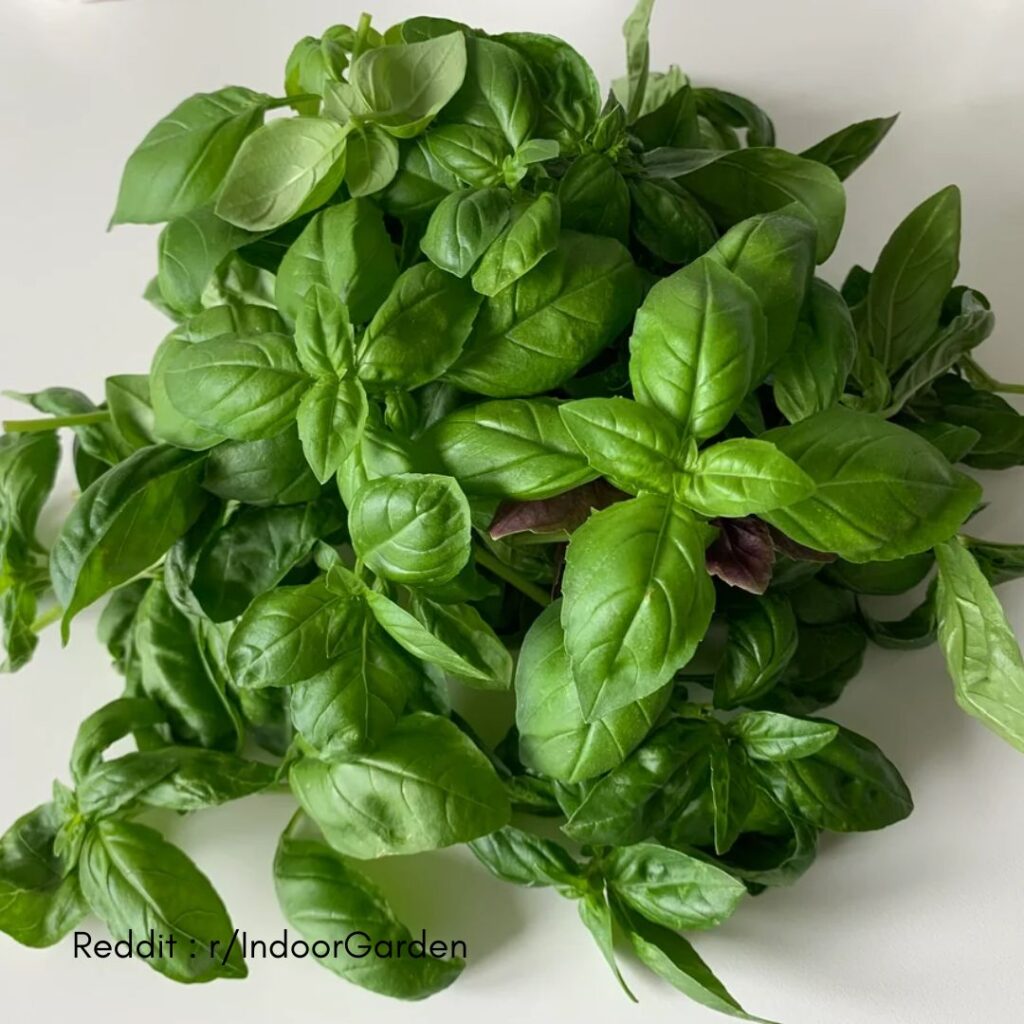
To keep your basil plant healthy and tasty, proper harvesting is key! 🌿
First, pinch off the top leaves regularly. This encourages the plant to grow more and stops it from flowering too soon.
I usually grab a pair of kitchen scissors and snip 4-6 inches of the stem just above a leaf node. This way, two new stems will grow back in its place.
Don’t forget to harvest regularly! Basil leaves taste best when they’re young and tender. Plus, regular harvesting keeps the plant bushy and productive.
Try to avoid taking more than a third of the plant at once. This gives it a chance to recover and ensures you have more basil later.
Got any tips or tricks for harvesting basil? Drop them in the comments! 😊🌱
Happy harvesting!
Basil Regrowth Do’s and Don’ts
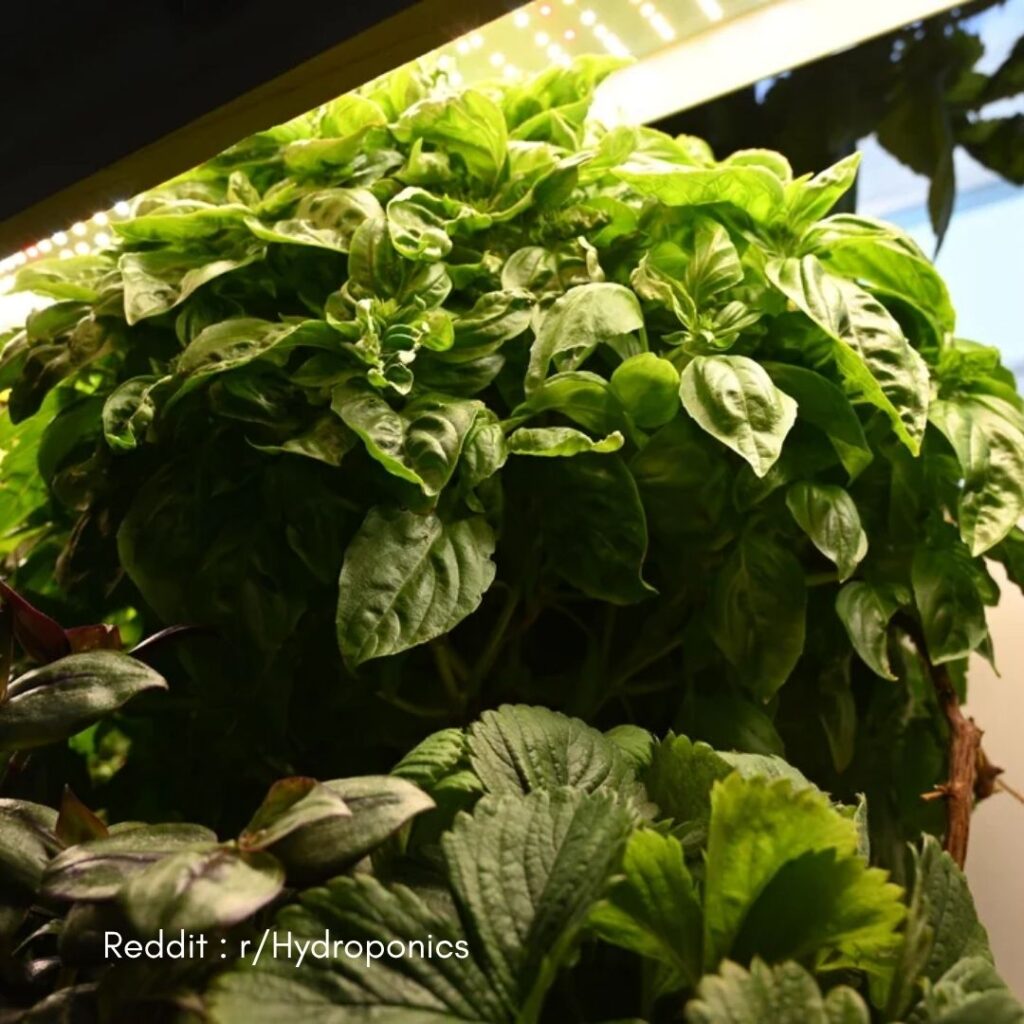
Do’s
- Water Regularly: Keep the soil moist but not soggy. Watering every other day usually works well.
- Trim Often: Pinch off the leaves regularly to encourage new growth. Aim for cutting right above a leaf node.
- Use Good Soil: Choose a nutrient-rich soil to help your basil grow strong and healthy.
- Give Some Sunshine: Basil loves sunlight! Make sure it gets 6-8 hours of direct sun each day.
- Space Wisely: Keep each plant at least 12 inches apart to allow air circulation and prevent mold.
Don’ts
- Overwater: Too much water can cause root rot. Always check the soil moisture before watering.
- Forget To Fertilize: A little fertilizer every month helps. Don’t skip this step.
- Expose to Cold: Basil doesn’t like cold weather. Keep it indoors if the temperature falls below 50°F.
- Crowd Your Plants: Overcrowding blocks sunlight and airflow. Give your basil space to breathe.
- Ignore Pests: Keep an eye out for bugs. Neem oil usually works well to keep pests away.
💬 Do you have any other basil tips? Share them in the comments below! 🌿😊
Frequently Asked Questions
Growing basil is fun and easy. 🌿 Here are some tips and tricks to help your basil thrive, whether you’re rooting cuttings in water, soil, or even starting from grocery store stems.
What are the steps to root basil cuttings in water?
First, cut a healthy basil stem just below the leaf node. Put the stem in a glass of water. Place the glass where it can get plenty of indirect sunlight. Change the water every few days. Once roots appear, you can plant it in soil. Easy peasy!
Can I propagate basil directly in soil, and if yes, how?
Yes, you can! Cut a basil stem with a few sets of leaves. Remove the lower leaves and dip the cut end in rooting hormone. Plant it in moist soil. Keep the soil damp but not soggy. Give it plenty of light and warmth. Your new basil should begin growing in a few weeks.
Is it possible to regrow basil from the stems I bought at the grocery store?
Absolutely! Cut the bottom of the stems at an angle. Put them in a glass of water and place it in indirect sunlight. Change the water every few days. When roots are 2-3 inches long, plant them in soil. Patience is key!
What should I do to encourage my basil to grow back after cutting?
Basil loves to be snipped. ✂️ Always cut right above a leaf node to promote bushy growth. Water regularly and ensure it gets at least 6 hours of sunlight daily. Fertilize every 4-6 weeks for the best results. Don’t forget to pinch off the flowers if you see them.
How do I propagate basil from flowers successfully?
Carefully pick mature basil flowers that have turned brown. Let them dry completely. Crush the dried flowers to collect the tiny seeds. Plant the seeds about 1/4 inch deep in soil. Keep the soil moist and warm until they sprout. Growing basil from seeds can be very rewarding.
What’s the best way to grow basil indoors from cuttings?
Growing basil indoors is super fun! 🌱 Start by rooting the cuttings in water as mentioned earlier. Once roots appear, transplant into pots with good drainage. Place the pots in a sunny window or under a grow light. Water regularly, but don’t overdo it. Your indoor basil will thrive with a bit of love and attention.
Got more basil questions? 🌿 Drop them in the comments! We’d love to hear from you. 💬✨