
Pruning a basil plant might seem tricky, but it’s easier than you think! 🌿 The key is knowing where and when to cut. Trim just above a pair of leaves, allowing the plant to grow back fuller and bushier. This way, you get more fresh basil for your recipes!
Ever notice how your basil looks tall and thin? By pruning correctly, you prevent it from becoming leggy and weak. Plus, you’ll encourage more leaf growth. So snip away those tall stems and enjoy a more productive plant. ✂️
Who doesn’t love the aroma of fresh basil in pasta or salads? Keeping your basil in shape also means less wasted space in your garden or kitchen window. Pruning not only boosts growth but also keeps your plant healthy. So, are you ready to give your basil some love? Share your pruning tips or questions in the comments! 🌱💬
Understanding Basil Pruning
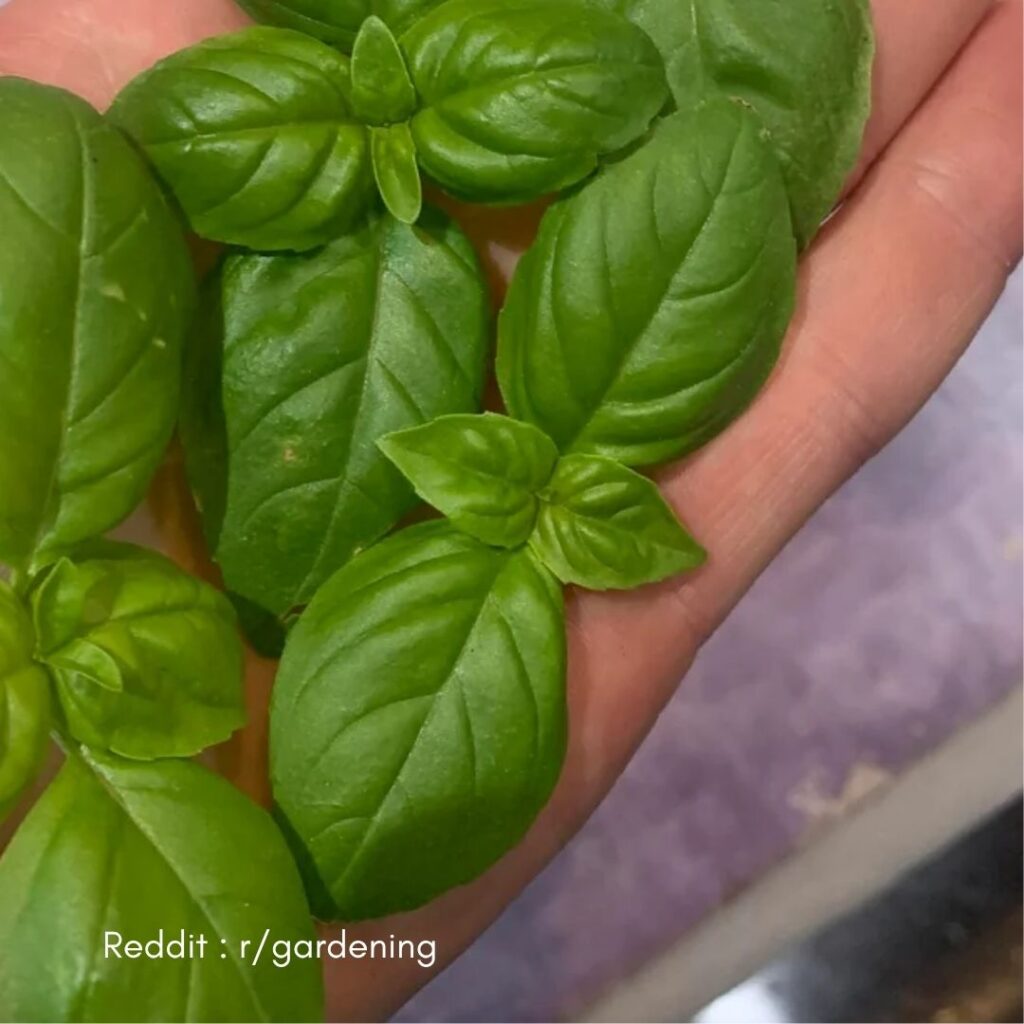
Pruning your basil plant can help it grow better and produce more leaves. It’s essential to know the benefits and the best time to prune.
Benefits of Pruning
Pruning basil boosts its growth. When you trim the plant, it encourages new shoots to pop up. This results in a fuller and bushier plant. 🌱 More leaves mean more delicious basil for your recipes! By pruning, you also help the plant stay healthy. Removing old or damaged leaves allows the plant to focus its energy on new growth. Plus, regular pruning can prevent the basil from flowering too soon, which can make the leaves taste bitter.
Someone mentioned that pruning plants is like giving them a haircut to stay fresh and healthy. Think of it that way! Have you ever noticed how a neat haircut makes you feel great? The same goes for your basil.
Best Time to Prune
Timing is crucial for pruning basil. Start pruning when the plant is about 6-8 inches tall. This initial trim encourages the first set of new leaves to grow. After that, you can prune every few weeks.
Try to prune in the morning when the plant is well-hydrated. Avoid pruning in the evening to let the plant recover during daylight. Whenever you see flowers starting to bud, snip them off. This helps maintain the sweet flavor of the basil leaves. 🌿
Getting Started
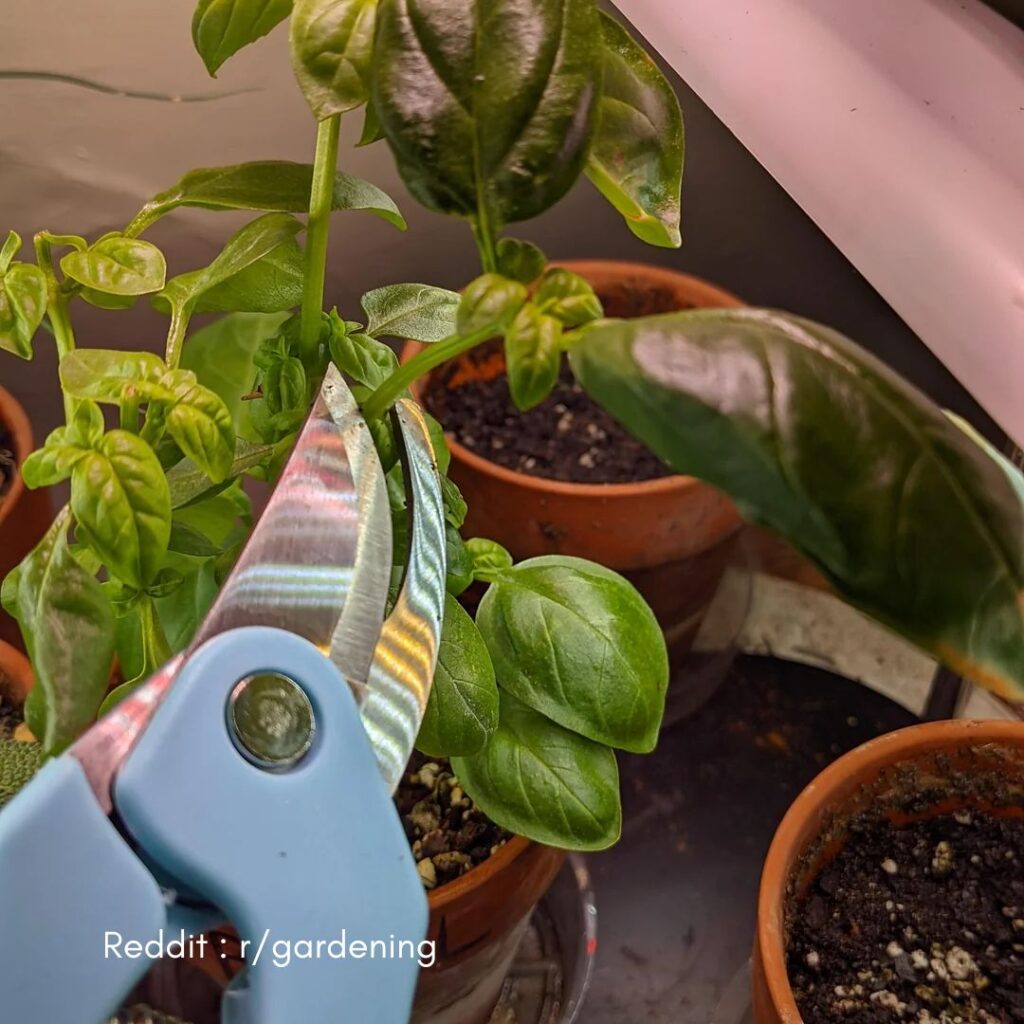
Pruning basil is simple and keeps your plant healthy and productive. We’ll cover the tools you need, how to identify basil parts, and how to sanitize your tools.
Tools You’ll Need
First, gather tools for pruning. You’ll need sharp scissors or pruning shears. Dull tools can damage the plant. You might also want gloves to protect your hands from sap and dirt. Look for garden gloves that are easy to clean.
A small container or basket can help you collect fresh basil leaves as you prune. If you need to carry a lot of leaves, a large bowl works well, too. 🌿
Identifying the Parts of a Basil Plant
It’s key to recognize different parts of the basil plant. Leaves are bright green and smooth. Stems hold up the leaves and are usually a bit thicker. At the top, you might see small clusters of flowers.
Focus on cutting just above sets of leaves. This encourages new growth and prevents the plant from becoming too tall and leggy. Do you see those tiny pairs of leaves? They’ll become new branches if you prune correctly!
Sanitizing Your Tools
Always sanitize your tools to prevent plant diseases. Dirty tools can spread problems from one plant to another. I use rubbing alcohol or a solution of one part bleach to nine parts water.
Dip the cutting edges in the solution for a few minutes and wipe them dry with a clean cloth. 📋 Remember to sanitize your tools before moving to another plant.
Feel free to ask questions or share your own tips in the comments! What tools do you prefer for pruning? 🌱✂️
Techniques for Pruning
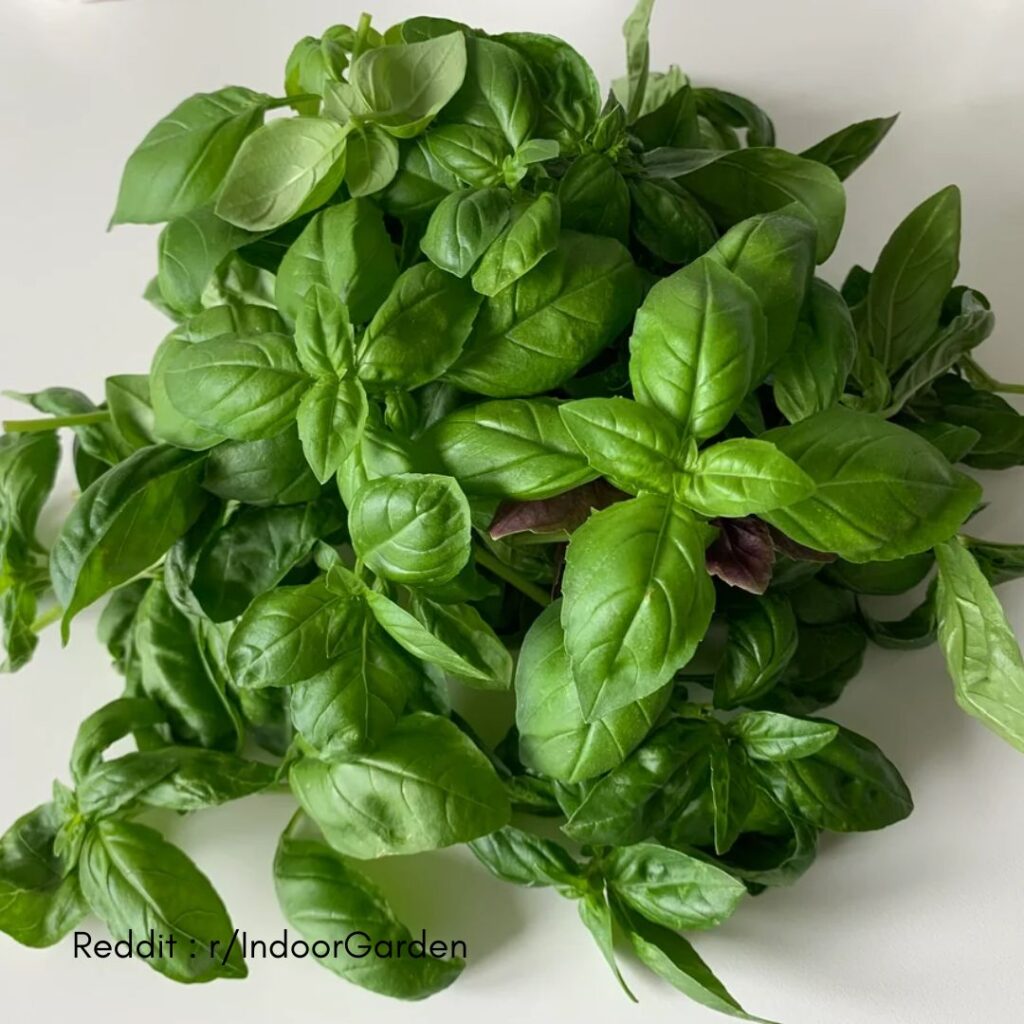
To keep your basil plant healthy and bushy, you need to prune it correctly. Let’s explore two effective ways: pinching off the tops and cutting larger stems. These methods will help you get the best out of your basil plant.
Pinching Off the Tops
One of the easiest techniques is pinching off the tops. Use your thumb and forefinger to pinch the stem just above a pair of leaves.
By doing this, you encourage the plant to grow more branches and leaves. Pinch off about 1/4 inch above a leaf node. This method is best for young basil plants.
Be gentle to avoid damaging the plant. It’s like giving your basil a friendly nudge to grow more!
Cutting Larger Stems
For older or overgrown basil plants, cutting larger stems is a great option. Use clean scissors or pruning shears to cut the stem just above a leaf node.
Cut back no more than one-third of the plant at a time. This helps in keeping the plant balanced and not stressed. Regular pruning ensures the plant stays healthy and productive.
Remember, always cut at a slight angle. This helps the plant heal faster. So, grab those scissors and give your basil a trim! 🌿✂️
Have you tried any of these techniques? Share your tips in the comments! 📝
Caring for Pruned Basil
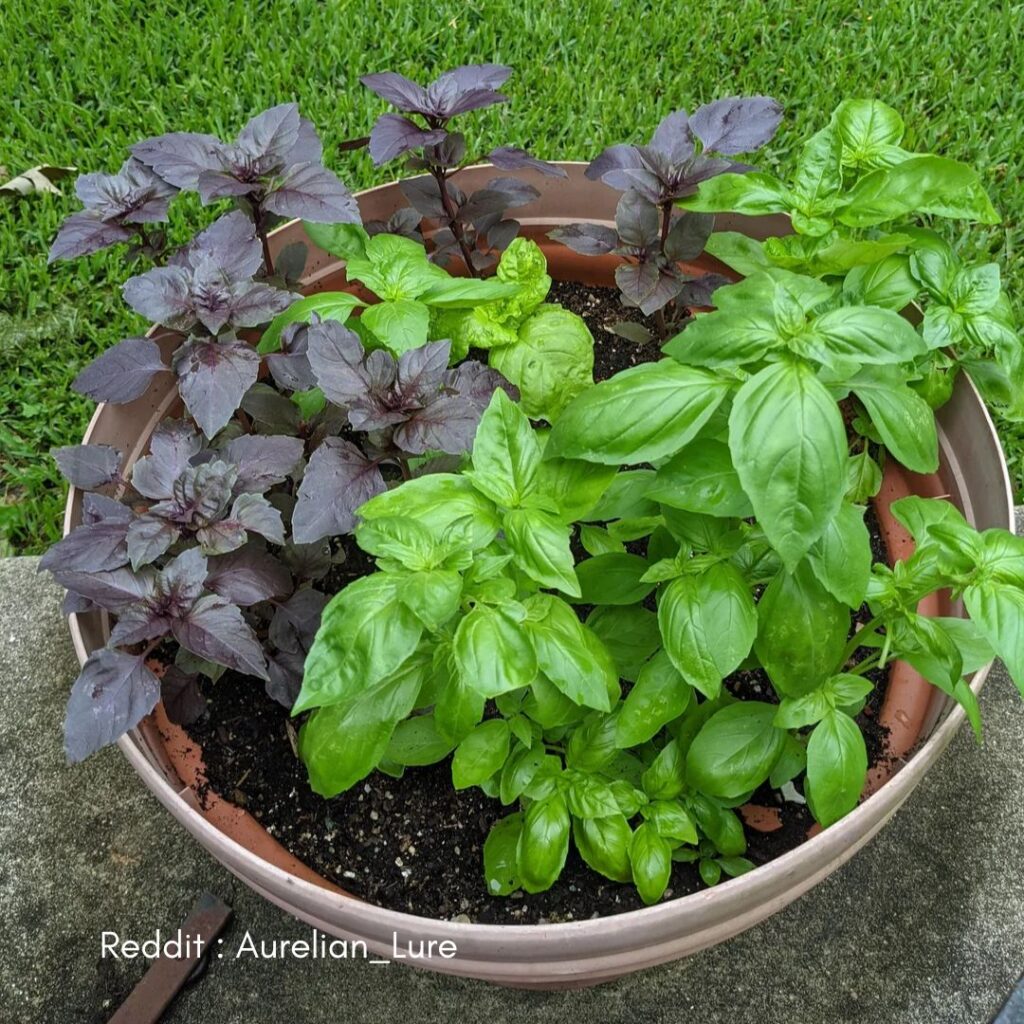
Once you’ve pruned your basil plant, it’s important to give it the right care to keep it thriving. Let’s talk about watering, fertilizing, and where to place your plant for the best results.
Watering After Pruning
After pruning, your basil plant will need consistent watering to recover and grow new leaves. I usually water mine when the top inch of soil feels dry to the touch. Be careful not to overwater! Too much water can cause root rot.
Tip: Always water in the morning to allow the plant to absorb moisture throughout the day. Avoid wetting the leaves as it can cause fungal issues.
Do you have any watering habits that work well for your basil? Let me know! 🌿
Fertilizing Considerations
Pruned basil plants benefit from regular feeding. I like to use a balanced, water-soluble fertilizer every 4-6 weeks. If you prefer organic options, compost tea or fish emulsion works great too. Just make sure not to overdo it.
Over-fertilizing can make the leaves taste bitter. Keep an eye on the plant’s response and adjust as needed.
What’s your go-to fertilizer for basil? Share your tips in the comments! 🌱
Sunlight and Placement
After pruning, your basil needs plenty of sunlight. Place it in a spot where it gets at least 6 hours of direct sunlight each day. I usually keep mine on the kitchen windowsill where it can soak up the sun.
If you’re growing basil indoors with less sunlight, consider using a grow light. Proper light ensures that your basil stays lush and green.
Where do you keep your basil plant? I’d love to see your sunny spots! ☀️
Feel free to share your thoughts and experiences!
Common Pruning Mistakes
Pruning a basil plant is essential, but mistakes can harm the plant. Watch out for these common errors to keep your basil healthy and bushy 🌿.
Over-Pruning
Over-pruning is a big mistake I see many make. Cutting too much can stress the plant. Think of it like getting a haircut—you wouldn’t want to go bald! ✂️ Always leave at least 2-3 sets of leaves on each stem. This helps the plant bounce back quickly.
When you prune too much, basil can’t produce enough energy. The plant might become weak and more prone to disease. Keep a balance and trim only what’s necessary.
Wrong Season Pruning
Timing is key. Pruning basil in the wrong season can be harmful. The best time is during the growing season, usually spring and summer. Trimming in the cold months can stunt growth.
Basil plants need warmth and sunlight to recover and thrive. Pruning during winter can shock the plant. Stick to trimming when the weather is warm to keep your basil happy and healthy. ☀️
Neglecting Plant Health
Ignoring the plant’s health before pruning is a bad move. Always check for signs of disease or pests. If the plant is already stressed, pruning can make things worse.
Make sure your tools are clean. Dirty scissors can spread infections. I always sanitize my tools before and after pruning. This helps in avoiding any unwanted issues. 🛠️
Also, remember to fertilize and water your plant regularly. A well-nourished basil plant will handle pruning better and grow lush and green. 🌿
Do you have any tips or experiences with pruning basil? Share in the comments below!
Harvesting Basil
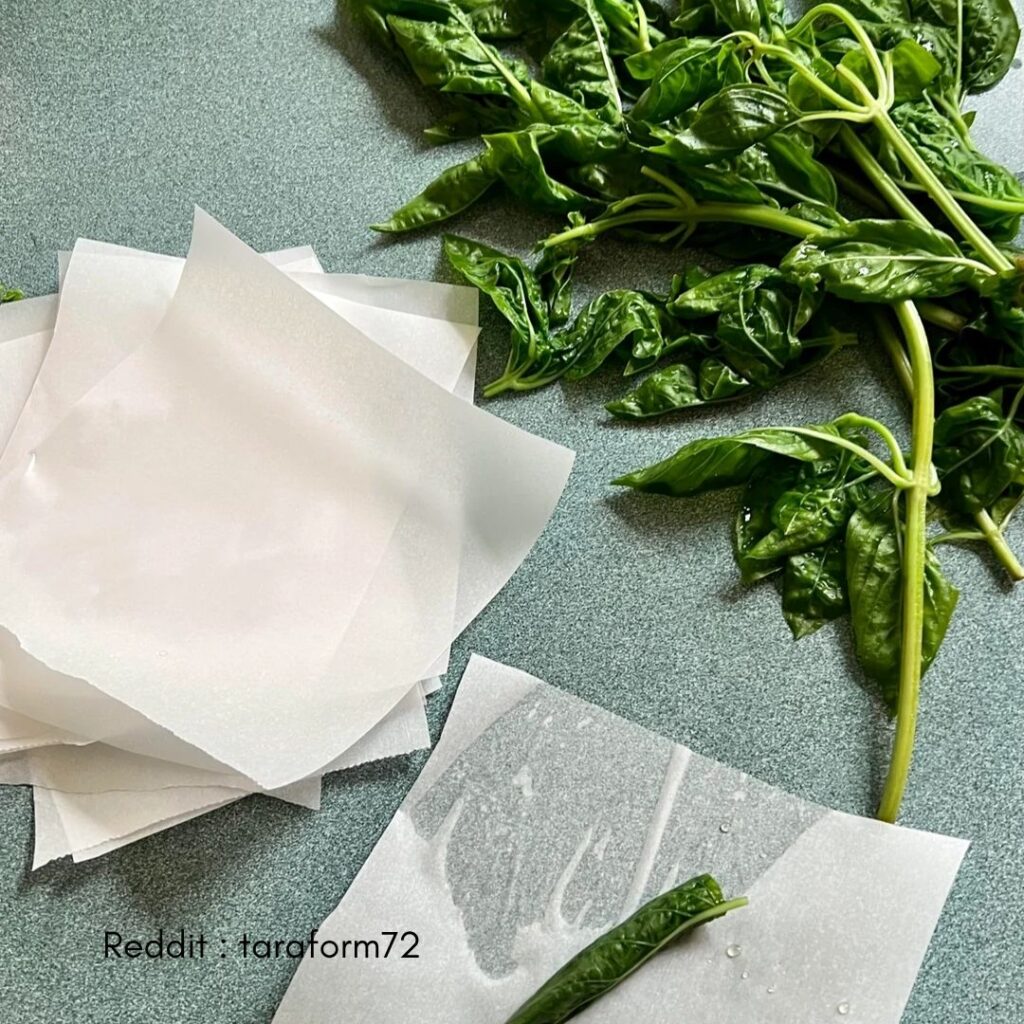
Harvesting basil at the right time keeps the plant healthy and ensures fresh, flavorful leaves. Let’s look at when to harvest and how it’s different from pruning.
When to Harvest
I always find it’s best to harvest basil in the morning. The leaves are fullest and have the most oils then. This gives you the freshest flavor! 🌿
Start harvesting once the plant is about six to eight inches tall. This usually happens around six weeks after planting. Look for bright green leaves and avoid any that are yellowing.
Only harvest about a third of the plant at a time. This keeps the plant healthy and encourages more growth. When you see flower buds, it’s time to harvest, as flowering can make the leaves taste bitter.
How Harvesting Differs from Pruning
While harvesting, I focus on taking the top leaves. This helps the plant produce new branches and leaves.
Pruning, on the other hand, is more about maintaining the plant’s shape and health. When pruning, I cut off entire sections to promote bushiness.
Harvesting is about enjoying the plant’s produce. Pruning is about making sure the plant stays robust and healthy. Both are important but serve different purposes. 😄
Do you have any special tips for harvesting basil? Let me know in the comments! 🌱
Post-Pruning Care and Maintenance
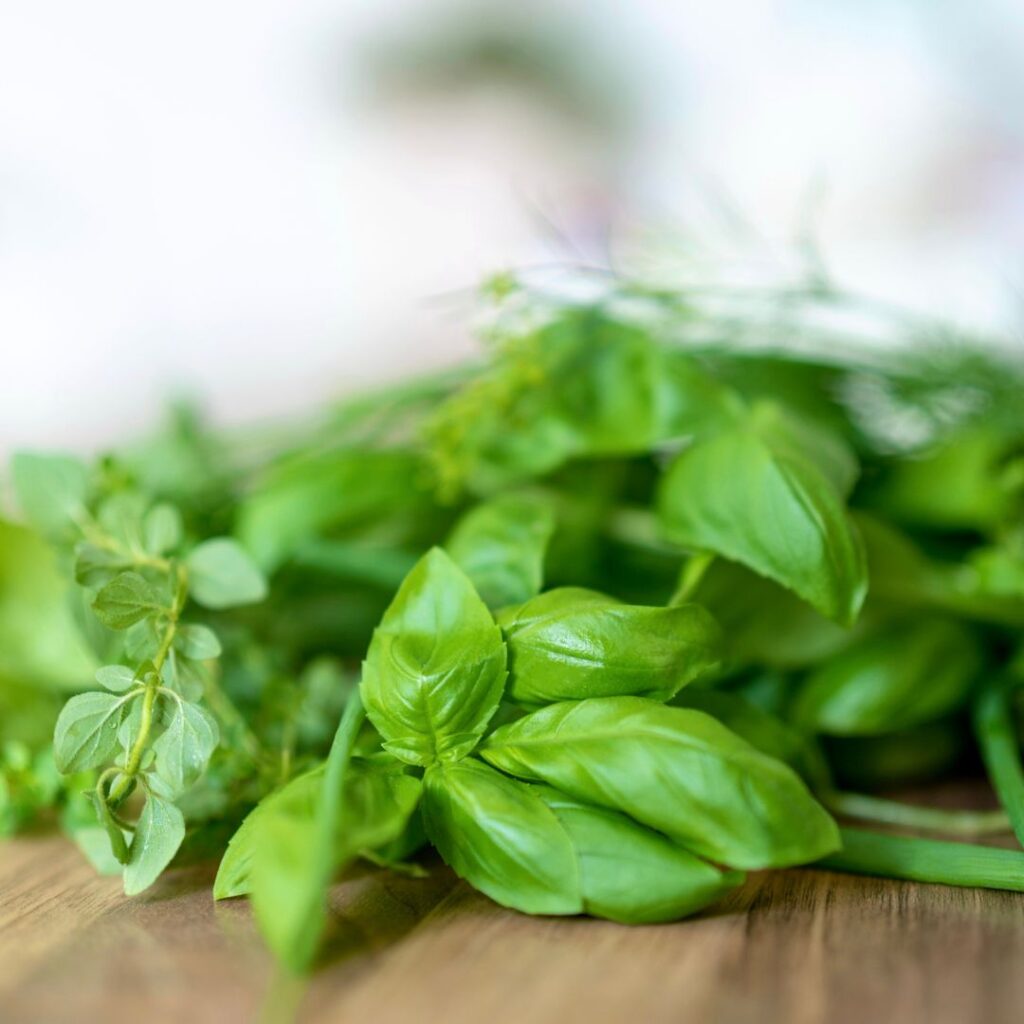
After pruning your basil plant, it’s important to give it a little extra care to encourage healthy growth and ensure you get the best harvest. This includes keeping an eye on growth, managing pests, and knowing when to prune again.
Monitoring Growth
Keeping an eye on your basil plant helps you spot new growth and potential problems early. I check mine every few days, especially after pruning. 🌿
New leaves will sprout from where you made the cuts. This is a good sign that your plant is happy and healthy. If you see any leaves looking yellow or wilted, it might need more water or a bit of plant food.
Make sure the plant has enough light. Basil loves sunlight, so try to give it at least six hours a day. 💡 If it’s growing too tall and leaning, it may need a bit more light or better support.
Dealing with Pests
Pests can be a real headache for basil plants. Aphids, spider mites, and whiteflies are common invaders. I keep an eye out for these little critters on the leaves and stems.
If I spot any pests, I gently wash the leaves with a mix of water and a few drops of dish soap. 💧 This helps get rid of them without using harsh chemicals.
For a natural barrier, I sometimes add marigolds or garlic around my basil. These plants can help repel insects and keep my basil safe. If the problem persists, there are organic sprays available that can help without harming the plant.
Pruning for Future Harvests
Knowing when to prune again is important for a continuous supply of basil. I usually wait until the plant has grown at least a few new sets of leaves.
When I’m ready, I pinch off the tips of the branches. This encourages the plant to grow bushier. 🌿
I also make sure to remove any flowers that start to form. If basil starts flowering, it can make the leaves taste bitter. I snip off these buds to keep the plant focused on growing tasty leaves for my kitchen.
Basil needs regular pruning to stay healthy and productive. By following these steps, I keep my basil happy and full of fresh leaves all season long. 😊
Got any tips or questions about basil care? Drop them in the comments below! 👇
Frequently Asked Questions
Pruning basil keeps it healthy and promotes growth. Below are some common questions and answers to help you get the best results. 🌿
How can you trim a basil plant so it continues to flourish?
To make sure your basil plant keeps growing, always cut just above a set of leaves. This encourages the plant to branch out and produce more leaves. 🤗
What’s the best time to start pruning basil seedlings?
Start pruning when the basil seedlings are about 6 inches tall. This ensures they can handle the trimming and grow back stronger. 🌱
What steps should be followed to keep basil bushy and healthy?
To keep basil bushy and full, regularly pinch off the top leaves. Do this every 2-3 weeks. Your plant will get fuller and produce more leaves. 🌿
How should you prune basil plants grown in pots for best results?
When growing basil in pots, make sure to prune often and evenly. This keeps the plant from getting too tall and spindly. Always cut above a leaf pair. 🌟
What are the techniques for pruning basil in an AeroGarden setup?
In an AeroGarden, trim the basil when it’s about 6 inches tall. Use clean scissors to cut above a leaf pair. Regular trimming prevents overcrowding and keeps all plants healthy. 💧
Can you explain how to trim basil flowers without harming the plant?
Cutting basil flowers is crucial to keep the leaves flavorful. Pinch or cut off the flower spikes as soon as they appear. This redirects the plant’s energy back into growing tasty leaves. 🌸