
Asters bring a burst of color to the garden in fall, but if you leave them alone, they’ll often get tall, floppy, or a bit too crowded. I’ve found that a few well-timed snips keep both annual and perennial asters looking sharp and full. No special skills required—just clean tools and a plan you’ll actually stick to.
You prune asters by cutting back stems in late spring or early summer to control height, pinching tips to encourage bushy growth, and trimming spent blooms to keep plants tidy and healthy. Time it right, and you’ll get more flowers and sturdier stems that don’t just flop over in a heap.
Quick Tip: I pinch back new growth when stems reach about 6 inches tall to help my perennial asters grow thicker and bloom better. In colder zones, I stop pruning by midsummer so the plants have time to set buds before fall.
Why Pruning Asters Matters
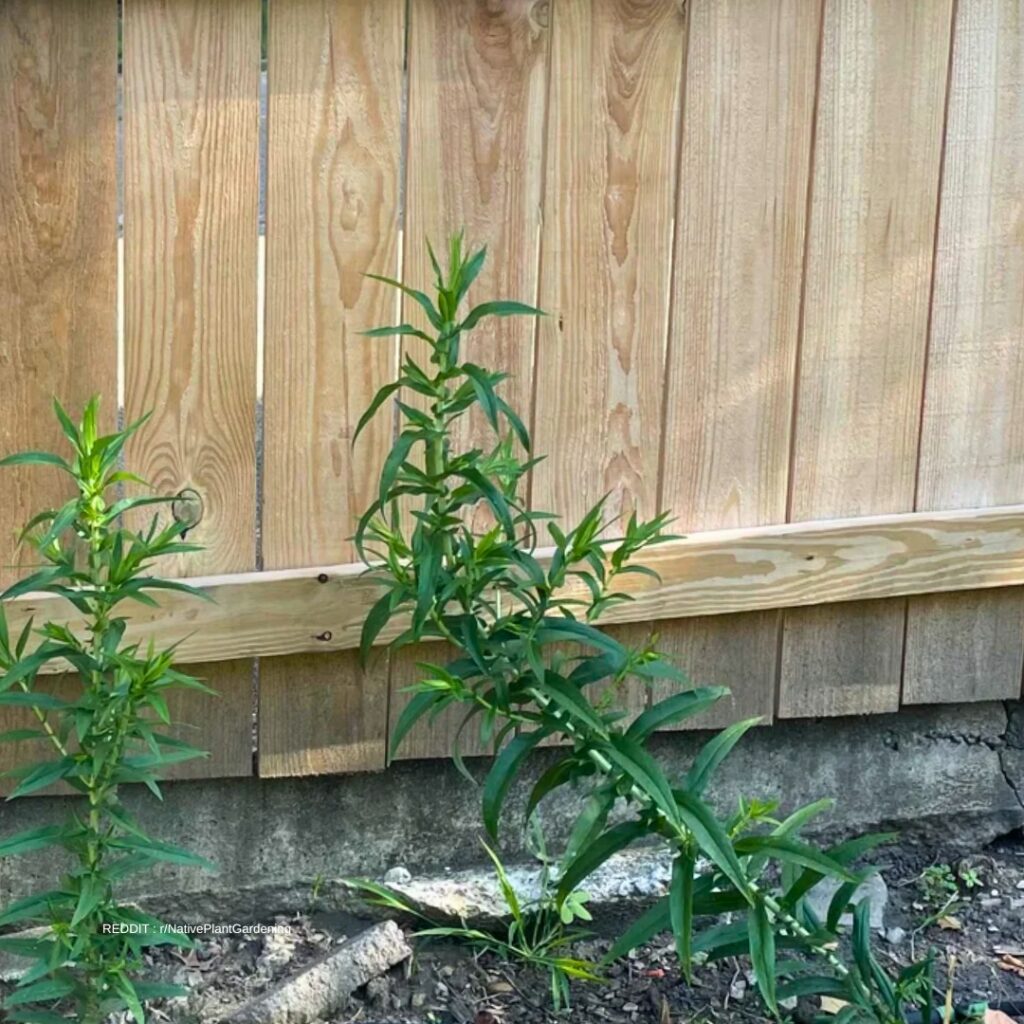
When I work on asters, I’m after three things: more blooms, healthier plants, and a shape that doesn’t look wild by August. Cutting them back at the right time keeps perennial asters full and upright, not just tall and floppy.
Boosting Bloom Production for Fuller, Longer-Lasting Flowers
I want more flowers—not just taller plants. When I pinch or cut back asters in late spring or early summer, the plant stops shooting up and starts branching. More branches, more flowers. That’s the goal.
If you skip this, asters tend to get leggy. Sure, they bloom, but the show’s thin. A light trim—maybe 4 to 6 inches off the top—makes a fuller plant with flowers all over, not just at the top.
I stop pruning by midsummer in most places, or else I risk lopping off buds that are just starting to form.
Quick Tip: I pinch back stems at about 8–12 inches tall, using clean fingers or shears, and just take the soft top growth.
Improving Plant Health and Airflow to Prevent Common Problems
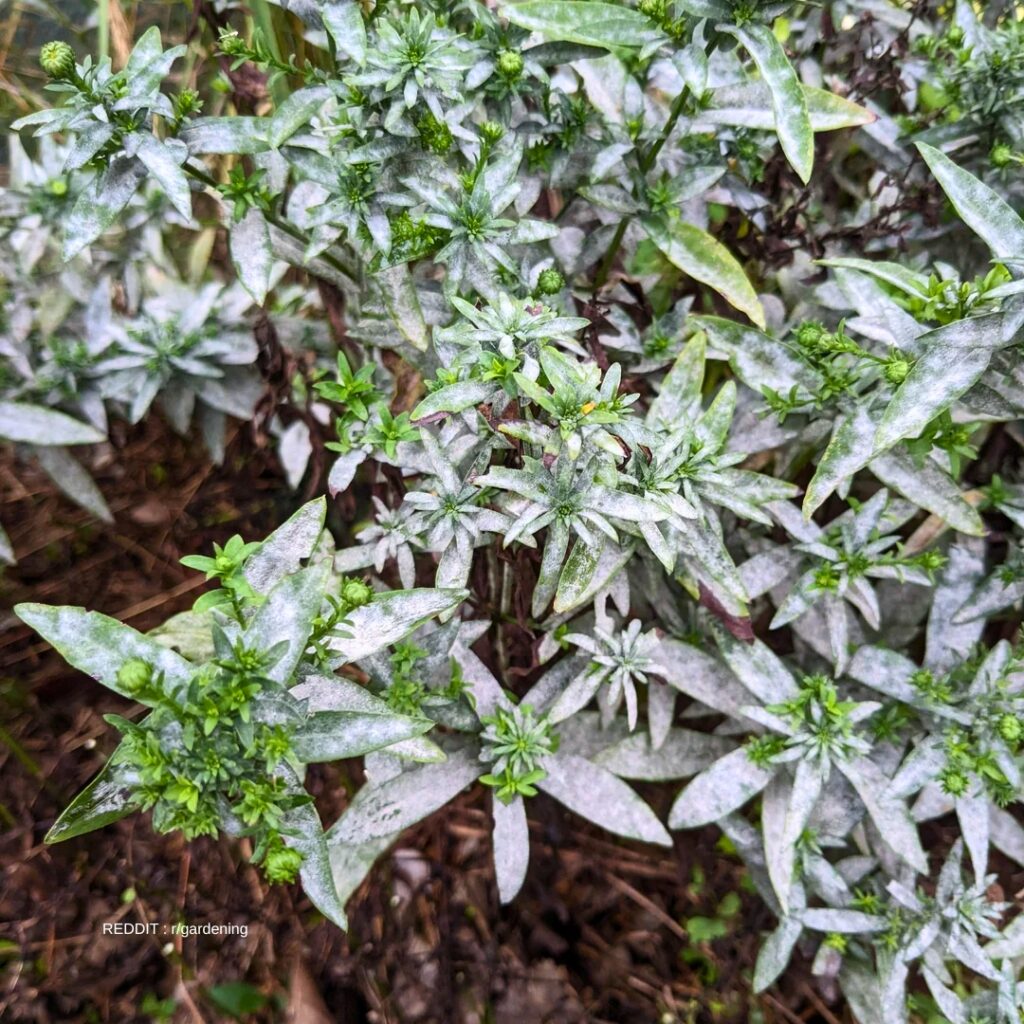
Dense asters trap moisture, and I’ve seen powdery mildew show up fast when air can’t move between stems. Pruning opens up the center so light and air reach deeper in.
I always start by taking out weak, crowded, or damaged stems. It’s a simple way to cut down on disease and helps the plant focus on what matters—strong growth. Plus, water actually hits the soil instead of just beading up on leaves.
In humid spots, I pay extra attention. After a rain, if the leaves stay wet for hours, I thin things out a bit more.
Quick Tip: I cut stems right at the base when thinning. Clean cuts near the soil help airflow right away.
Maintaining Shape and Size So Plants Stay Compact and Upright
Perennial asters can shoot up to 3 or 4 feet, depending on the type. If I don’t prune, they usually flop by late summer. I cut them back early to keep them compact and upright.
Early-season cuts encourage sturdy stems. Shorter plants usually stand on their own and don’t need stakes. I like a rounded look, so I trim evenly across the top instead of hacking just one side.
After flowering, I snip off spent blooms. It keeps things tidy and sometimes sparks a second, smaller flush if fall stays mild.
Quick Tip: If my asters start leaning, I trim lightly and add a quick support before they hit the ground.
Best Timing for Pruning Asters
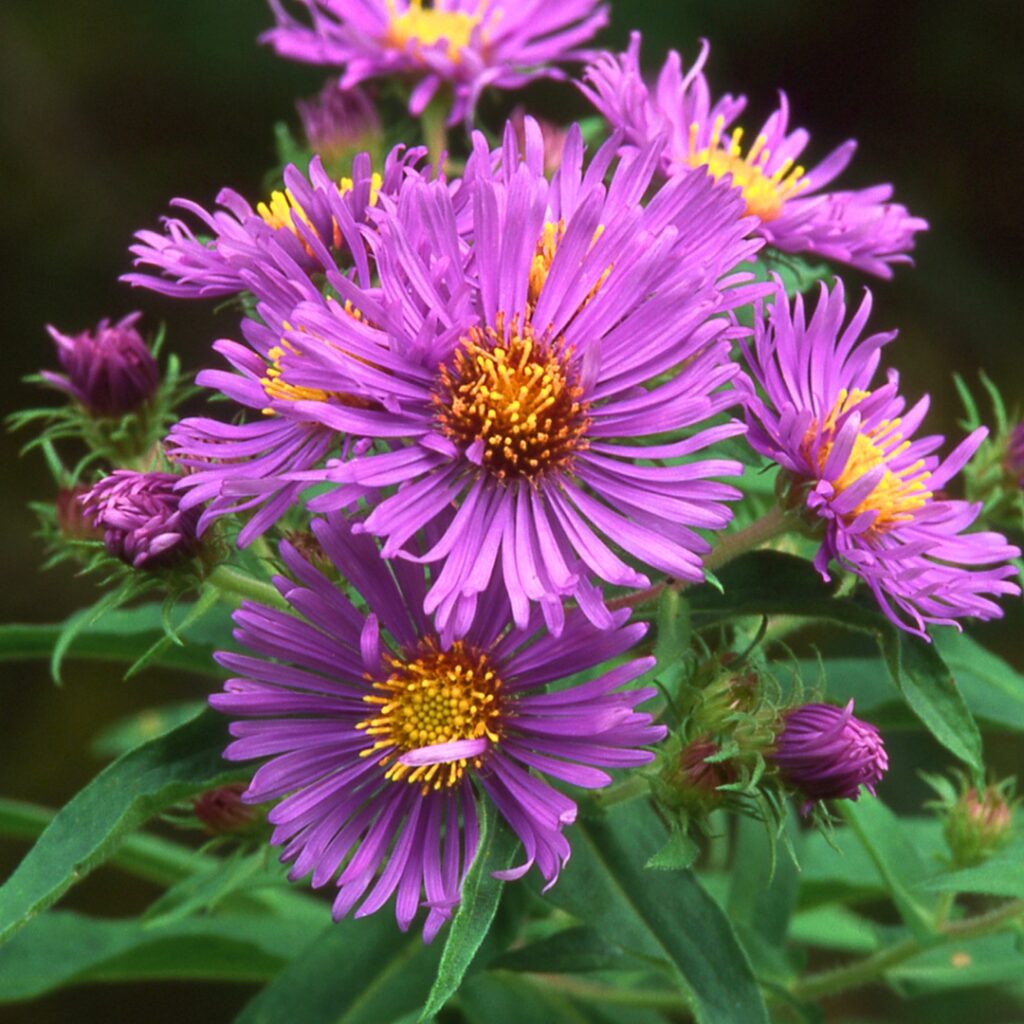
Timing makes all the difference. Spring and early summer cuts shape the plant, while fall cuts tidy things up after the flowers fade.
Spring Pruning Versus Fall Pruning: What I Do and Why It Matters
Spring and fall pruning serve different purposes. In early spring, when new growth hits 4 to 6 inches, I trim back weak or damaged stems, cutting just above a leaf set. This encourages branching and thicker growth.
For tall varieties like New England asters, I sometimes cut back by a third in mid to late spring. It keeps stems strong and less likely to flop.
Quick Tip: I always prune in spring after the last hard frost. Cold snaps can mess up fresh cuts.
In fall, I wait until blooms fade and the foliage browns. Then I cut asters down to about 1–2 inches above the soil. In warmer zones (8–9), I’ll sometimes leave the stems for winter interest, then cut them in early spring instead.
Pinching in Early Summer: How I Keep Plants Compact and Full
I pinch asters from late May through June, taking the top 1–2 inches of soft growth with my fingers or scissors. This tiny step really changes the plant’s shape—side shoots pop out, and you get more stems (and more flowers).
I stop pinching by early July. If I go too late, blooming gets pushed back and sometimes frost beats the flowers. Timing’s a bit of a balancing act.
Quick Tip: I pinch when stems feel soft and green. If it snaps clean, it’s the right time.
New England asters especially benefit from pinching—they grow fast and tall, so this step keeps them from needing a bunch of stakes.
Cut Back Asters After Bloom: Cleaning Up at the Right Time
Once the flowers fade in fall, I cut back asters to tidy up and lower disease risk. I wait until petals are dry and seed heads have formed. Leaves are usually yellow or brown by then.
I use sharp pruners and cut stems low, about 1–2 inches above ground. All the dead stuff goes straight out of the bed—no sense inviting pests or fungus.
Quick Tip: I always prune on a dry day. Wet leaves just spread disease when you cut.
If I want to feed the birds, I’ll leave a few stems up until late winter. In colder places, those stems can help trap snow and protect roots a bit.
Avoiding Common Timing Mistakes: What I Watch For Each Season
Bad timing means fewer blooms. Prune too late in summer, and you’ll probably cut off flower buds. That’s a letdown come fall.
I also skip heavy pruning in late fall if I’m in a cold zone (3–5). Fresh cuts before a freeze can stress the plant. Sometimes I just wait until early spring for the big cleanup.
Quick Tip: I never cut more than a third of the plant at once during the growing season.
I watch my asters, not just the calendar. If they’re leggy in June, I pinch. If blooms finish in October, I cut back then. The plant tells you what it needs—if you’re paying attention.
Essential Tools and Safety Tips
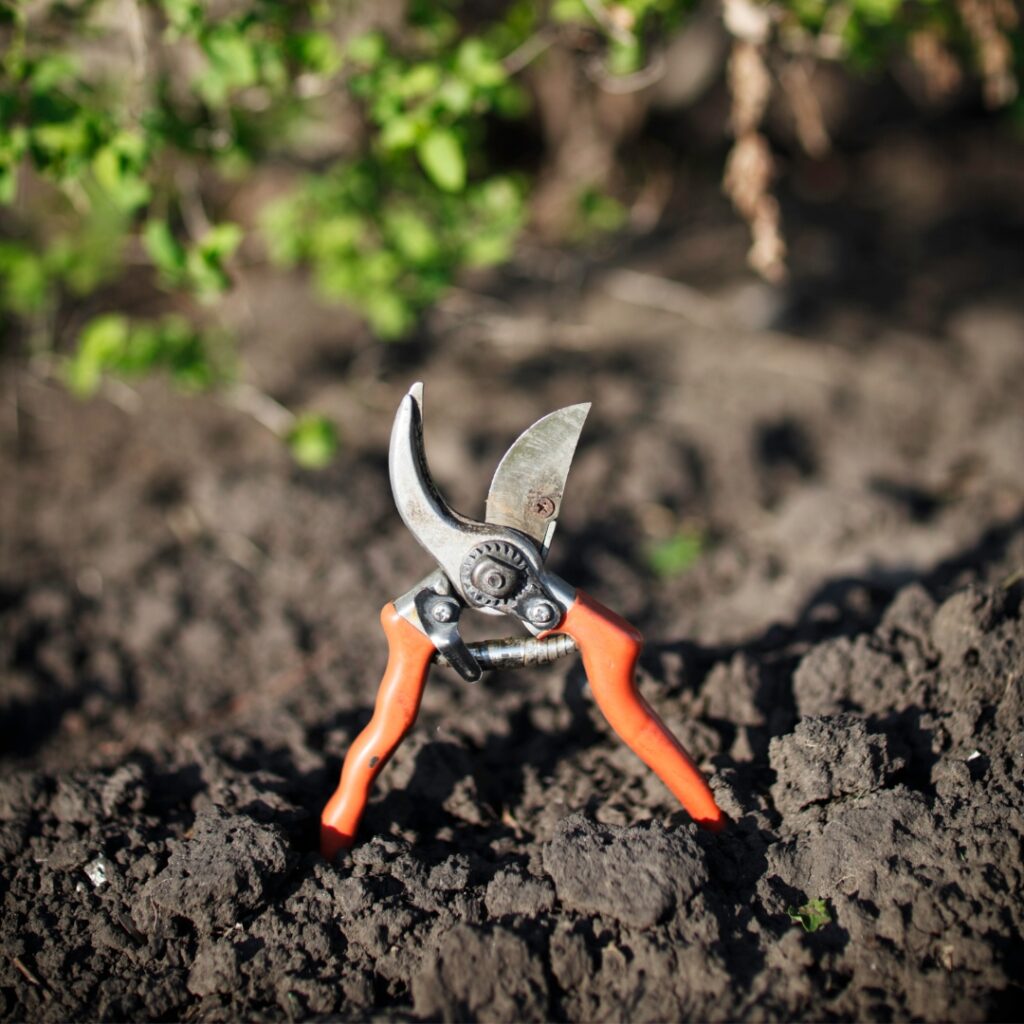
Sharp tools and a few simple safety habits make pruning asters quick and easy. I stick to good pruning shears, sturdy loppers, clean blades, and tough gardening gloves—nothing fancy, just what works.
Choosing the Right Pruning Shears for Clean, Precise Cuts
I reach for bypass shears because they cut like scissors and leave a clean edge. Clean cuts heal faster and keep the plant happy.
Shears need to fit comfortably in my hand. If the handles are awkward, my hand gets sore fast. A smooth spring helps when I’m trimming a lot of stems.
Sharp blades are everything. Dull shears just crush stems, and that’s asking for disease, especially if it’s damp out.
Quick Tip: If the blade can’t slice through paper, I sharpen it before I start.
In cooler zones, I always prune on dry days—wet stems are slippery and harder to cut cleanly. Dry stems give me better control.
Using Loppers for Thicker Stems Without Damaging the Plant
Older asters sometimes get woody at the base. If stems are thicker than a pencil, I grab loppers for more leverage and a cleaner cut.
I put the blades close to the joint for the best strength. Long handles let me cut without pulling the plant sideways. Twisting or yanking can loosen the roots, which I definitely don’t want.
One steady motion works best. Slow, even pressure makes a smooth cut—no splintering.
Quick Tip: If I’m straining, either the blades are dull or the stem’s too thick for that tool.
Hot days make thick stems feel dry and brittle. I take my time so they don’t snap below the cut. Clean structure now means stronger growth next season.
Keeping Your Tools Sanitary to Prevent Disease Spread
I treat my tools like they’ll touch every plant in the yard—because honestly, they do. Dirty blades spread fungus and other issues from one aster to the next.
Before I start, I wipe my sanitary pruners with rubbing alcohol. If I cut a stem that looks spotted or soft, I clean the blades before moving on.
Simple is best. I keep a small bottle of alcohol and a cloth in my pocket. Wiping blades takes seconds and saves headaches later.
Quick Tip: If there’s sticky sap or dark gunk on the blade, I clean it right away.
During rainy weeks or in humid climates, I stay extra careful. Clean tools mean healthier plants and less trouble down the road.
Protecting Yourself with Gardening Gloves for Comfort and Safety
I always wear gardening gloves when pruning asters. Those stems might look soft, but they can scratch, especially when dry.
Gloves help me grip tools better. When I’m using shears or loppers, I feel more in control and less likely to slip. Better grip, better cuts.
Gloves should fit snug but let my fingers move. Thick gloves are great for protection, but if they’re too bulky, small cuts get tricky.
Quick Tip: If my hands get sweaty, I switch to breathable gloves to keep my grip steady.
On sunny days, gloves keep my skin from burning. When it’s chilly, they keep my fingers warm and nimble. It’s a small thing that makes pruning more comfortable and safe.
Step-By-Step Guide to Pruning Techniques
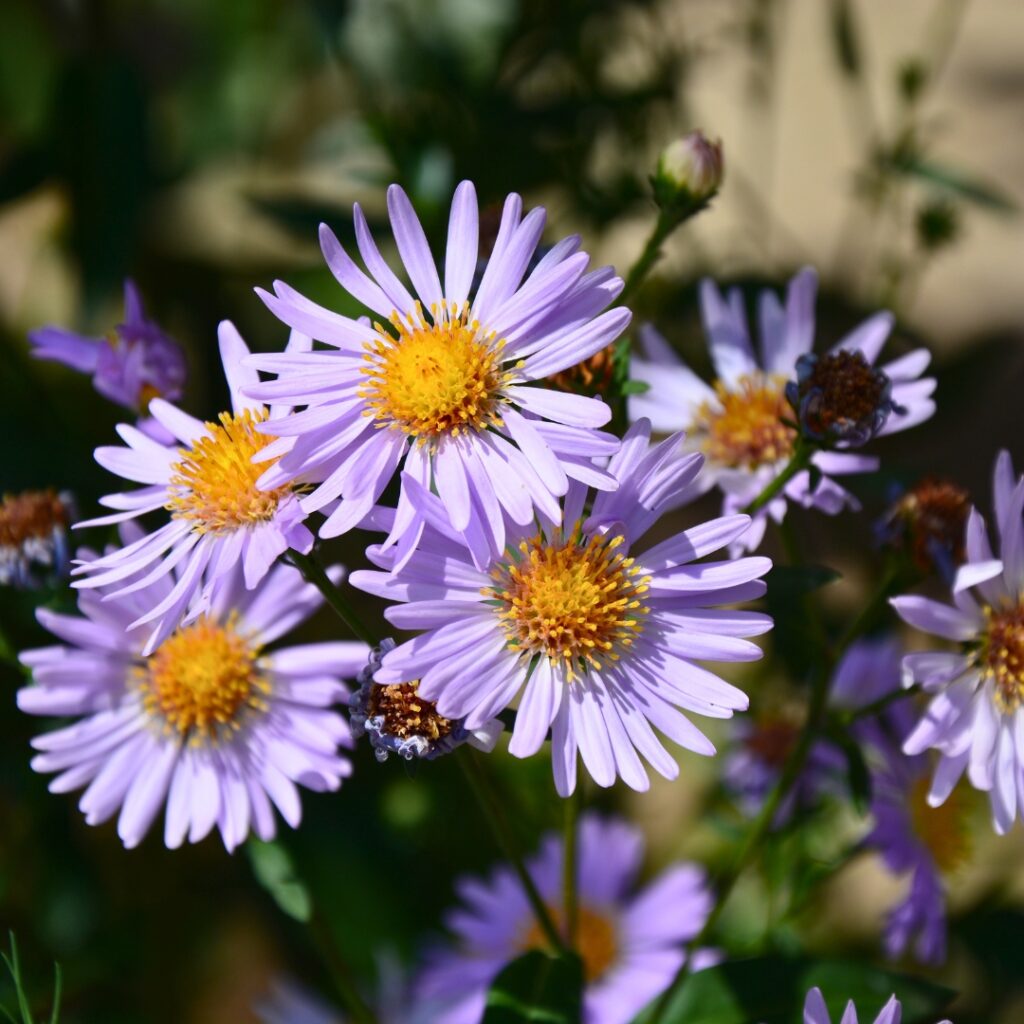
Clean cuts and good timing keep asters compact and full of blooms. The right tools, regular pinching, and smart deadheading make the job easy and safe.
How to Prune Asters Safely Without Damaging Healthy Growth
I start with clean, sharp hand pruners. Dull blades just mash stems and leave ragged edges that invite disease.
Before I start, I wipe the blades with rubbing alcohol. If I’m moving between plants, I do it each time—better safe than sorry.
I look for strong leaf nodes and cut about ¼ inch above a set of healthy leaves. I angle the cut so water runs off, not into the stem.
When cutting back asters in early summer, I’ll take off up to a third of the plant’s height. Never more than that—big cuts can set them back.
Quick Tip: If the stem feels firm and green, it’s healthy. If it’s brown or mushy, I cut it right at the base.
Gloves come in handy here, too. Some stems are rough, and dry leaves can scratch. Safe hands make the job less annoying.
Pinching for Fuller Plants and More Blooms Later
Pinching keeps asters bushy instead of letting them shoot up tall and floppy. I just use my fingers or a pair of snips to remove the top inch or two of fresh growth.
I usually start this in late spring, when stems hit about six inches tall. Pinching just above a leaf set encourages two new stems to grow from that spot.
I’ll repeat the process every few weeks until early summer. In cooler areas, I stop pinching by mid-June. Warmer zones let me go until early July, but I always make sure to give the plants time to set buds.
Quick Tip: Stop pinching once you spot flower buds. If you pinch too late, blooms arrive late too.
This whole thing takes just a few minutes per plant. I check each stem, aiming to keep the shape even, but honestly, it’s not an exact science.
Deadheading Spent Blooms to Keep Asters Flowering
Deadheading keeps asters tidy and pushes them to pump out more flowers. I look for faded blooms—usually the centers look dry or brown.
I follow the spent flower down to the first healthy set of leaves and snip right above it. That way, the plant puts its energy back into growing instead of making seeds.
If an entire stem’s finished blooming, I cut it down to the base. This opens up space and lets light and air reach new shoots.
Quick Tip: During peak bloom, I check plants every few days. Small, regular cuts make life easier later.
Tips for Pruning on Dry Mornings to Prevent Disease
I always try to prune on dry mornings. The leaves feel crisp, not damp, and cuts heal faster.
After rain or heavy dew, I hold off. Wet stems spread fungus around. If the soil’s still soggy on top, I just wait another day.
Morning light makes it easier to spot weak stems and crowded spots. Plus, it’s cooler, so plants bounce back quicker after a trim.
Quick Tip: If rain’s on the way in a few hours, I skip pruning and wait for a better window.
In hot climates, I finish early before the sun gets harsh. In colder zones, I don’t cut back heavily until the frost risk has passed in spring. Timing and dry weather make a surprising difference.
Special Considerations for Different Varieties
Not all asters grow the same way, so I tweak my approach depending on the type. Timing, how much I cut, and what I do with thick stems all shift based on the variety in my garden.
New England Asters Care: Timing the Pinch for Taller, Late-Blooming Plants
New England asters shoot up tall and bloom late. Left alone, they’ll flop by fall—especially after a windy day.
When stems reach about 6–8 inches in late spring, I pinch off the top inch or two. Fingers or clean shears both work. This helps the plant branch out and stay compact.
I might do it again before July, but I always stop by mid-summer. Cutting too late means fewer flowers on time.
Quick Tip: If the stems still feel soft and green, that’s my cue to pinch. If they’re stiff, I leave them be.
Short summers or windy spots? I only pinch once, just to be safe. That way, I don’t risk missing the bloom window before frost.
Managing Perennial Asters: Keeping Plants Compact Year After Year
Perennial asters like to spread, and without pruning, they get messy and sparse in the middle.
I cut them back by about a third in late spring. This keeps them tidy and lets more light reach the base. The plant responds with more side shoots and buds.
Once the first batch of flowers fades, I snip off spent blooms above a healthy leaf set. It keeps things neat and sometimes triggers a few bonus blooms.
Quick Tip: If the center’s looking thin or woody, I plan on dividing the plant in early spring or fall.
In colder zones, I leave some stems standing for winter. They help shield the crown from freeze-thaw swings.
Addressing Overgrown or Woody Stems: Fixing Leggy Growth Without Stressing the Plant
Older asters can get woody down near the base. Thick, dry, bare stems aren’t unusual after a few years.
When I see that, I cut the plant back hard in early spring—down to 2–4 inches above the ground. Fresh shoots usually pop up as the soil warms.
If things get crowded, I dig up and divide the plant. I keep the healthy outer clumps and toss the old woody center.
Quick Tip: Sharp, clean pruners are a must. Dull tools can tear thick stems and make things worse.
I avoid heavy pruning in late fall. New growth won’t have time to harden off before the cold sets in, especially up north.
Aftercare and Garden Maintenance
Once I’ve cut back asters, I shift to steady care—watering, feeding, mulching, and pest patrol all help keep things strong for next season’s show.
Watering and Fertilizing Post-Pruning for Strong Regrowth
Right after pruning, I give asters a deep drink to settle the soil. Then I check the top inch of soil—if it’s dry, I water; if it’s damp, I wait.
Asters don’t like soggy feet. Too much water can rot roots, especially in clay or after a rainy spell. When it’s hot and dry, I water about once a week. Cooler weather means less water.
Quick Tip: Stick your finger in the soil up to your first knuckle. If it’s dry, it’s time to water.
If the growing season still has some weeks left, I fertilize lightly with a balanced, slow-release feed. High-nitrogen stuff makes them floppy, so I avoid that.
Late-season pruning? I skip fertilizer—new growth won’t toughen up before frost in cold zones.
Mulching and Winter Protection to Shield Roots from Stress
After cutting back, I spread a 2–3 inch layer of mulch around the base, but not right up against the stems. Air needs to move, and I don’t want rot.
Mulch keeps soil moist in summer and insulates roots in winter. Shredded leaves, bark chips, or straw all work.
Quick Tip: Top up mulch in late fall if you’re in USDA zones 3–6—winters can get rough.
Even in mild climates, I still mulch to guard against surprise cold snaps. In really cold areas, I wait until the ground’s starting to freeze before adding winter mulch. That way, rodents don’t move in too early.
Preventing Disease and Pests After Cutting Back Asters
Cleanliness matters. After cutting back, I rake up all trimmed stems and fallen leaves. If anything looks diseased, I don’t compost it.
Asters get powdery mildew in muggy weather, so I thin crowded plants in spring and give them space. Good airflow is key.
Quick Tip: Always water at the base, not over the leaves. Wet foliage is just asking for trouble.
I keep an eye out for aphids and spider mites. If I spot sticky residue or fine webs, I blast them off with a strong spray of water and repeat every few days until they’re gone.
Healthy roots and tidy beds really do make a difference. A few simple steps after pruning keep asters bouncing back for another round of blooms.
Frequently Asked Questions
Asters bloom best when I prune at the right time and cut to the right height. I tweak care depending on the season, plant size, and whether they’re in the ground or pots.
When is the best time of year to cut back asters for healthy growth and more blooms?
I cut asters back in early spring, just as new growth starts poking up. Old stems protect the crown in winter and even give bees some shelter.
In warmer zones (7–9), I sometimes cut lightly in late fall after frost browns the stems. Cold zones? I always wait until spring so the old stems can shield the roots.
Quick Tip: If the stems snap easily and new shoots are peeking out, it’s time to prune.
How far should I cut asters back without harming next year’s growth or flower buds?
In spring, I cut last year’s stems down to an inch or two above the soil. Clean cuts matter—don’t slice into the crown.
During the growing season, I trim tall stems by about a third. That keeps plants sturdy and full without losing next year’s blooms.
Quick Tip: Always leave a bit of green on summer trims to help the plant bounce back.
Should I cut back asters in spring, or wait until fall for better results?
For cold climates, I always wait until spring. Old stems catch snow and protect roots.
In milder spots, I might cut back in late fall once the flowers are done and the plant’s dormant. I make sure frost has finished things off before I start.
If winter’s more rain than snow, I check that the soil drains well. Soggy roots cause more problems than cold air ever will.
Quick Tip: Not sure? Wait for spring. Asters handle late pruning better than early cuts.
Do asters need to be deadheaded, and how do I do it properly for longer blooms?
Yes, I deadhead to keep the flowers coming. I pinch or snip off each faded bloom just above a healthy leaf set.
During peak bloom, I check every few days—it’s quick, and I usually spot new buds forming right below the cut.
If I want seeds for next year, I stop deadheading in late fall and let a few flowers dry out and fluff up.
Quick Tip: Use small scissors or your fingers and just remove the spent flower, not the whole stem.
Can I trim asters in summer to keep them bushier and prevent flopping?
Absolutely. Early to mid-summer is prime time—I cut stems back by about a third before buds appear.
This helps the plant thicken up and stand tall. It does push blooms back a bit, but that actually stretches out fall color.
I stop trimming by late July in most zones. Cutting too late means fewer flowers.
Quick Tip: If stems feel tall and soft in early summer, give them a light chop before they start leaning.
What should I do with asters in pots after they finish flowering to keep them strong?
Once my asters finish blooming, I trim them back to just a few inches tall. I always snip off the dead blooms and pull away any yellowing leaves that show up.
I try to keep the soil a bit moist, but never soggy—asters hate wet feet in pots. If I poke my finger in and the top inch feels dry, I’ll give them a light drink.
Drainage is honestly everything for potted asters, especially when winter creeps in. Soggy roots in a cold pot? That’s a recipe for trouble.
When it gets cold, I shift the pots somewhere more protected, like up against the house or even in an unheated garage. Pots just don’t insulate roots like the ground does, and they freeze up much faster.
Quick Tip: After you water, pick up the pot. If it still feels heavy days later, you probably need to check for drainage issues. Stuck water is bad news for asters