
You can propagate dahlias from cuttings by rooting healthy young shoots from a mother tuber in moist growing mix. I use this method to make more plants while keeping the same flower color and shape.
You’ll learn when to wake up your tubers, how to choose strong shoots, and how to avoid rot. A clean cut, warm spot, and lightly damp soil make a big difference.
Quick Tip: I keep cuttings away from cold drafts and harsh sun while roots form. If spring stays cool in your area, wait to plant outside until frost danger has passed.
Why Cuttings Are Worth Trying
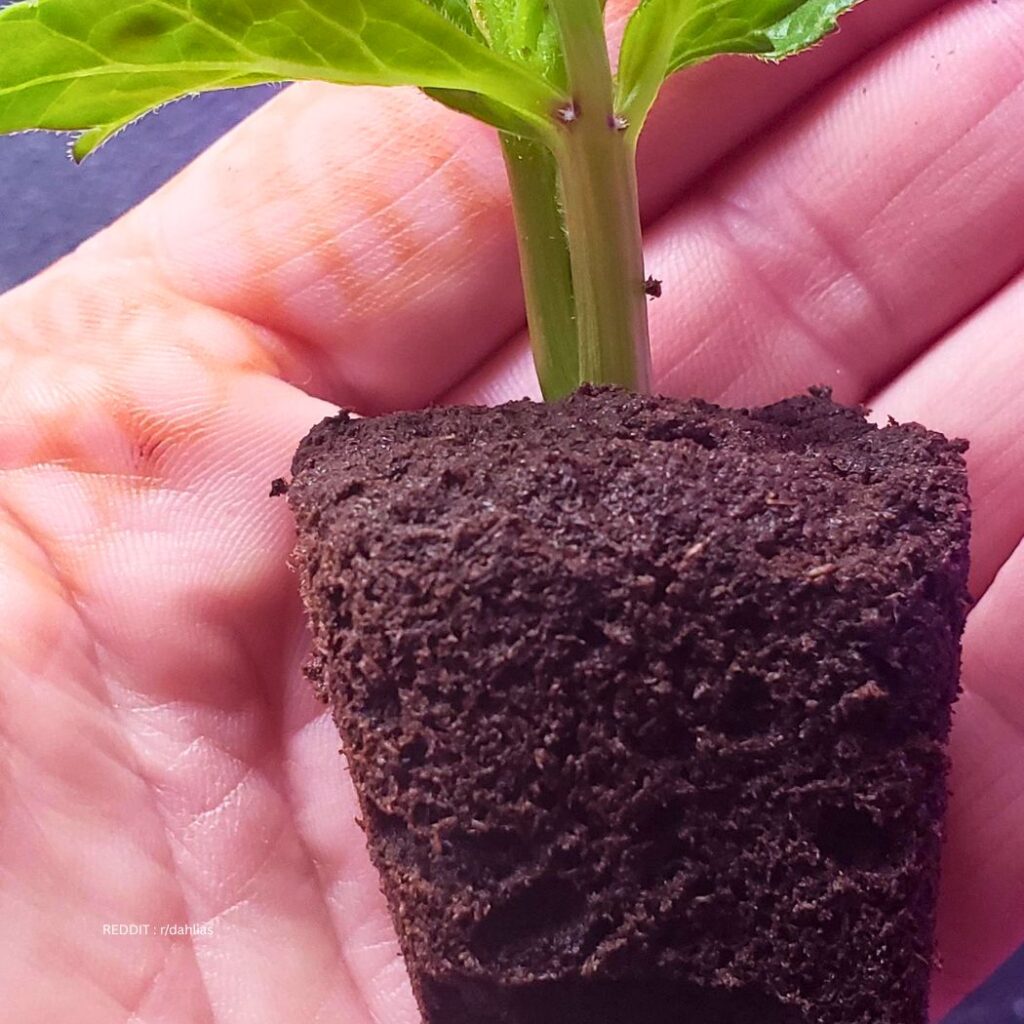
I use cuttings to make more plants from a dahlia I already know and like. They also let me grow several plants without cutting up every dahlia tuber.
Cloning Favorite Dahlia Varieties I Want More Of
Growing dahlias from cuttings makes a clone of the parent plant. The new plant should have the same flower color, shape, height, and bloom style as the original dahlia.
This matters with named varieties, especially prized dinnerplate dahlias. If I love one plant’s huge peach blooms or dark foliage, I can take several shoots and keep that exact variety going.
Quick Tip: I take cuttings only from healthy, firm shoots on a disease-free tuber. Weak, pale, or damaged shoots aren’t worth the potting mix.
A single dahlia tuber can produce several usable shoots in spring. I leave enough shoots behind so the parent tuber can still grow into a strong plant. Once rooted, each cutting becomes its own dahlia plant and can form tubers by fall in a long enough growing season.
Cuttings Versus Tuber Division: More Plants From Less Space
Dividing dahlia tubers gives me one new plant for each division with a visible eye. It works well, but a clump may split into only a few pieces. Cuttings can produce more plants from one tuber without slicing the tuber apart.
| Method | What I Need | Best Use |
|---|---|---|
| Cuttings | Healthy new shoots, pots, and rooting mix | Multiplying one favorite variety |
| Tuber division | A tuber piece with at least one eye | Expanding a clump with fewer steps |
Longfield Gardens notes that both methods can help gardeners increase their dahlia stock. I choose division when I want a quick, simple start, and cuttings when I want several plants of one variety.
Quick Tip: I don’t rush cuttings outdoors. Frost can kill tender dahlias, so I wait until the soil warms and the last frost has passed. In short-season or cool zones, I start early indoors to give plants more time to make tubers.
Plan the Timing and Gather Supplies
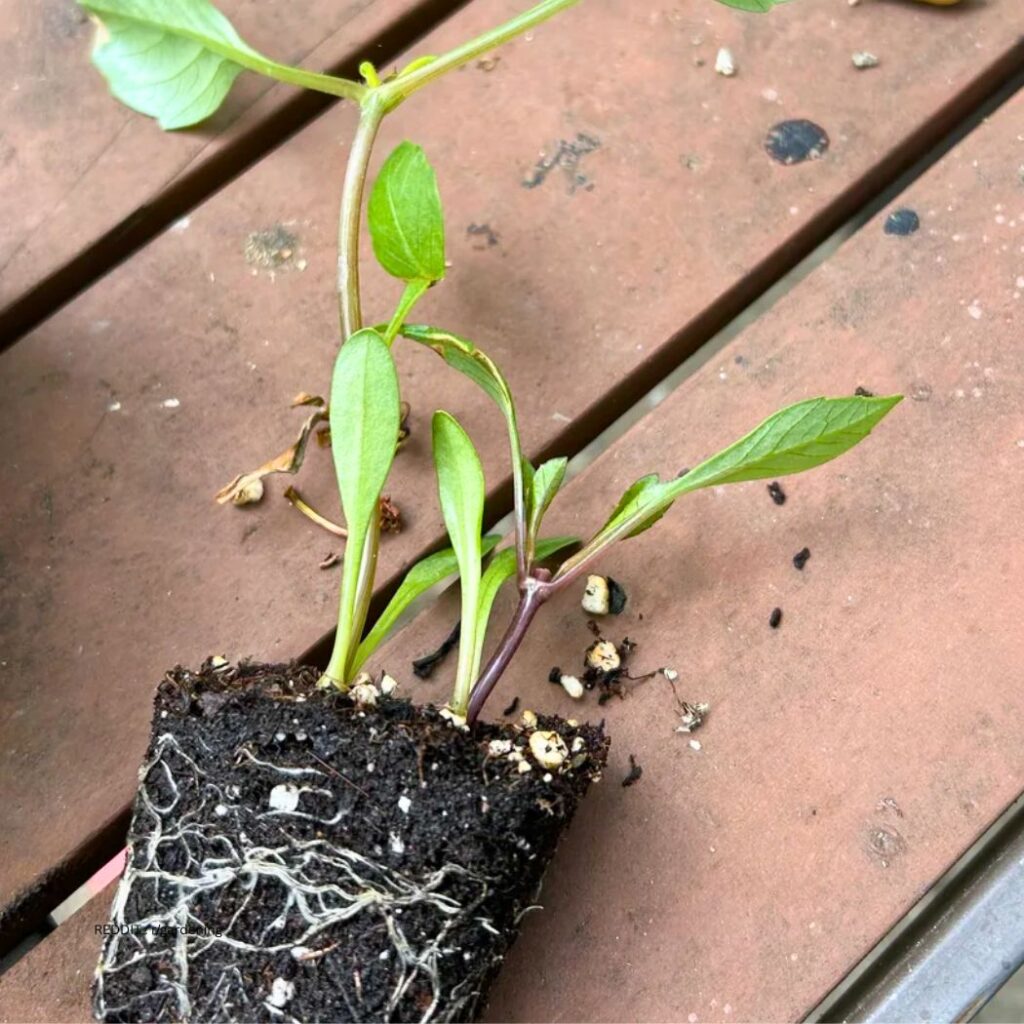
I plan backward from my last frost date, then set up a clean, warm space for rooting. Fresh cuttings need steady light, moisture, and warmth, but this doesn’t require a complicated lab setup.
Work Back From Your Last Frost Date
I start dahlia tubers indoors 8 to 10 weeks before my last frost date. This gives the tubers time to sprout shoots for cuttings.
I take cuttings when shoots reach about 3 to 4 inches tall and have at least two sets of leaves. Most cuttings form roots in 2 to 3 weeks, then need another 1 to 2 weeks to grow before planting outside.
I don’t move young dahlias outdoors until frost risk has passed and nights stay mild. In colder zones, a late cold snap can still damage them. I harden plants off over 7 to 10 days before planting.
Quick Tip: I check my local last frost date, then count back 8 to 10 weeks. A calendar keeps me from starting too late.
Essential Tools and Materials
I use a clean propagation tray or several small propagation trays with drainage holes. A light rooting medium works best, such as damp seed-starting mix, perlite mixed with peat, or loose potting mix made for seedlings.
I keep rooting hormone nearby. A powder or gel containing IBA can help cuttings root, but I apply only a small amount to the cut end. Too much just makes a sticky mess.
I clean my knife, scissors, and tray with isopropyl alcohol before cutting. Clean tools reduce the chance of spreading rot through soft stems.
I place a clear plastic dome or humidity dome over the tray to hold moisture around the leaves. I also use grow lights, such as LED shop lights, set a few inches above the tray. A seedling heat mat can help in a cool room, especially when the rooting medium feels chilly.
Wake Up Healthy Mother Tubers
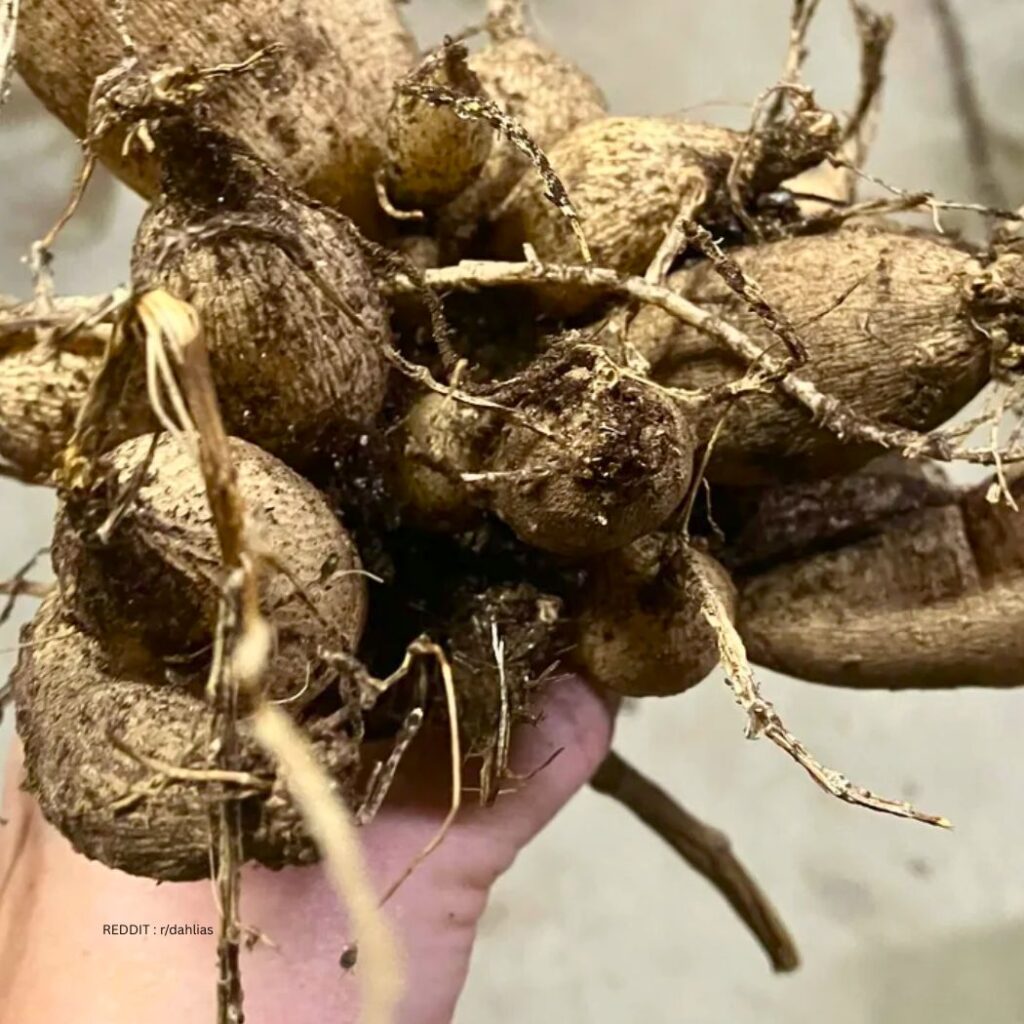
I start with firm, healthy mother tubers and give them steady warmth before taking cuttings. Visible eyes and slightly moist growing medium help shoots appear without inviting rot.
Choose Firm Tubers With Visible Eyes
I choose dahlia tubers that feel firm and heavy, not soft, shriveled, or hollow. Each mother tuber needs a piece of the crown with at least one visible eye, which looks like a small bump or pointed bud near the stem area.
I discard tubers with dark, wet spots, fuzzy mold, or a sour smell. A plump tuber can feed new shoots; a rotten one only causes trouble.
I set the tubers in shallow trays with the crown facing up. Then I cover the roots with barely damp peat moss, coir, or coconut coir. I leave the crown and eyes above the growing medium so I can watch them wake up.
Quick Tip: I squeeze a handful of peat or coir before using it. It should feel damp like a wrung-out sponge, not drip water.
Create Warm Conditions for Strong Shoots
I keep mother tubers in a bright spot with a soil temperature of 65–75°F. A heat mat under the tray provides gentle bottom heat and helps eyes break dormancy sooner.
I use a greenhouse, warm indoor shelf, or bright window. In a north-facing window, I may need a grow light because weak light makes shoots long and thin. I aim for 12–14 hours of light each day; this photoperiod supports short, sturdy growth.
I check the growing medium every few days. If the top inch feels dry, I add a small amount of water around the tubers, not over the crown.
Quick Tip: I remove any soft shoot or moldy patch right away. In cool spring weather, especially in colder zones, I keep trays indoors until shoots grow well.
Take and Prepare the Shoots
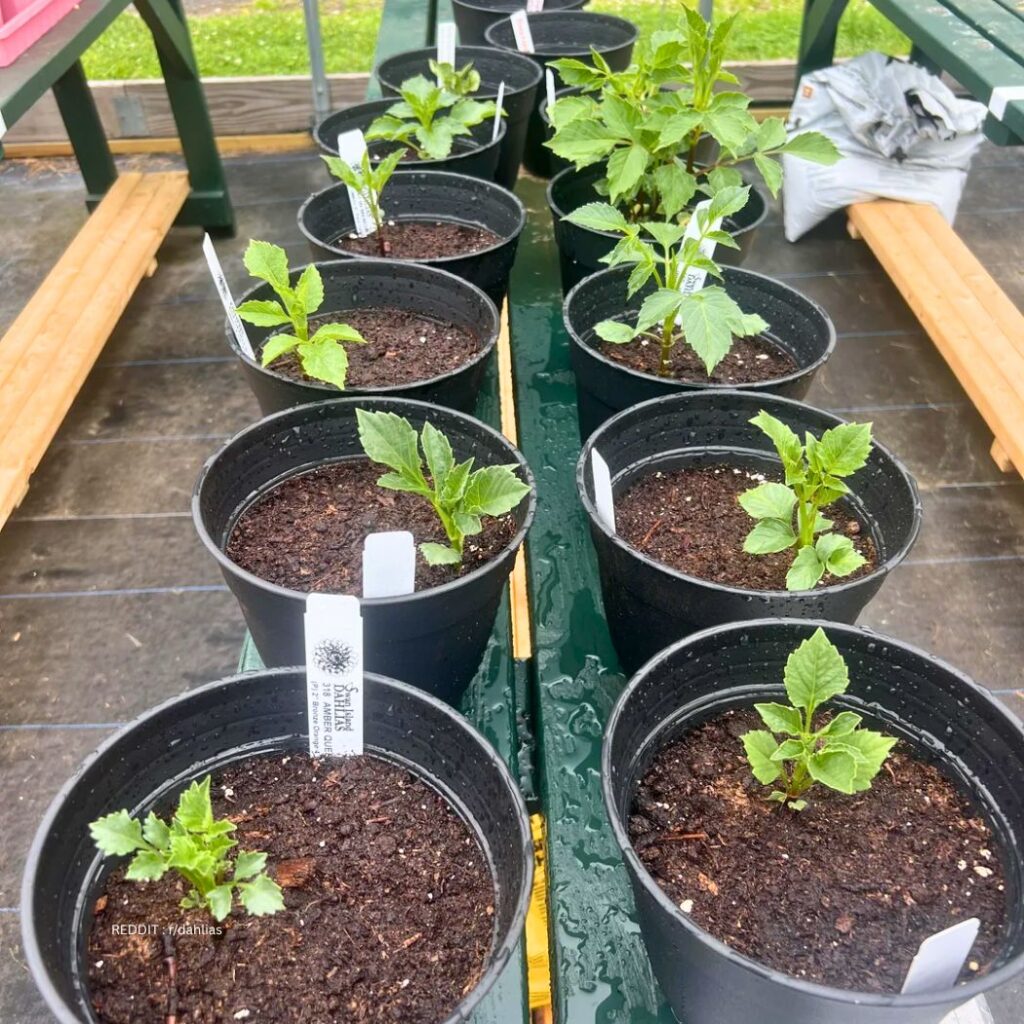
I take young, firm shoots and cut them cleanly at the base. Careful trimming and a light coat of rooting hormone give dahlia cuttings the best start.
Choose Shoots at the Right Stage
I take dahlia cuttings when new shoots are 3 to 4 inches tall and have at least two pairs of leaves. The best shoots feel firm but bend without snapping. These are softwood cuttings, and they root more easily than thick, woody stems.
I avoid shoots with flower buds, yellow leaves, or soft, dark spots. A healthy shoot should look bright green and fresh, not stretched or pale from low light.
Quick Tip: I take cuttings in the morning, when the stems hold the most moisture.
In cool zones, I may need to wait until tubers make several strong shoots indoors. In warm weather, I work quickly and keep cut shoots out of direct sun so they don’t wilt.
Make Clean Basal Cuttings
I use a sharp knife, scalpel, or clean pruning snips. I wipe the blade with rubbing alcohol first because dirty tools can spread disease. No one wants to start a cutting with a problem already attached.
I cut each shoot as close to the tuber or main stem as possible. This creates a basal cutting, which includes a small piece of the shoot base where roots often start faster.
I make one clean cut rather than crushing or tearing the stem. If the cutting has a small heel of older tissue at its base, I leave it in place. It can help the cutting form roots.
Quick Tip: I keep each cutting about 2 to 4 inches long so it fits easily in a small pot or cell.
Trim Leaves and Apply Rooting Hormone
I remove the lower leaves so no leaf sits below the potting mix. I leave one or two small leaf pairs at the top to feed the cutting while roots grow. Large leaves lose water quickly, so I trim them in half if they’re wide.
I check for leaf nodes, the small points where leaves join the stem. Roots often form near these nodes, so I make sure at least one node sits below the surface.
I dip the cut base into rooting hormone powder, gel, or liquid. Products with IBA can support root initiation, but I use only a thin coating. More hormone isn’t better.
Quick Tip: I pour a small amount of rooting hormone into a separate cup instead of dipping every cutting into the main container.
Root the Cuttings Successfully
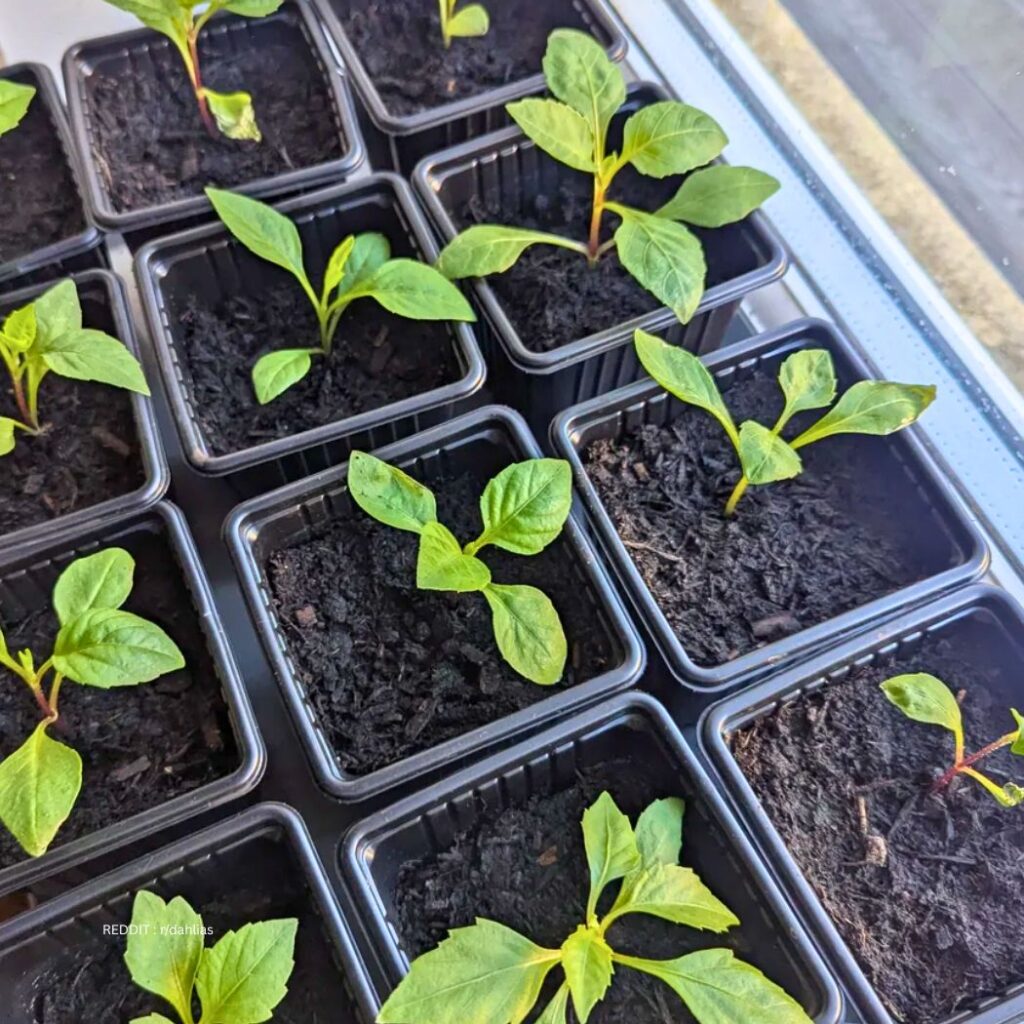
I use a loose rooting medium, steady moisture, and bright indirect light to support healthy root growth. A warm, humid rooting environment helps, but soggy soil and stale air can quickly cause rot.
Select a Free-Draining Rooting Mix
I root dahlia cuttings in a clean, free-draining mix that holds some moisture without staying wet. My simple choice is half perlite and half coconut coir or peat. Perlite keeps air around the stem, while coir or peat holds enough water for early root development.
I can also use equal parts perlite, vermiculite, and coarse sand. Avoid heavy garden soil. It packs down, drains slowly, and makes the cut stem more likely to rot.
I fill small pots or cell trays with the moist mix, then make a hole with a pencil before placing each cutting. This keeps the rooting hormone from rubbing off the stem.
Quick Tip: I squeeze the mix in my hand before planting. It should feel damp like a wrung-out sponge, not drip water.
Balance Humidity, Light, and Moisture Without Making the Mix Soggy
I place cuttings under a clear humidity dome or inside a plastic propagation box. High humidity slows water loss while the cutting has no roots. I lift the dome once or twice a day for a few minutes so fresh air can enter.
I keep the mix lightly moist. If the top inch feels dry, I add a small amount of water around the pot’s edge. I avoid soaking the stem base. Light misting can help dry leaves, but frequent misting may encourage mold.
I use grow lights for 12 to 14 hours each day, keeping them about 6 to 12 inches above the cuttings, depending on the light. A bright north-facing window may be too dim, especially in cloudy weather.
Quick Tip: I watch for heavy droplets inside the humidity dome. If water runs down the sides, I vent it longer.
A heat mat set around 70–75°F (21–24°C) can speed root development. I don’t use strong bottom heat in a hot room or during warm summer weather, since too much heat dries cuttings quickly.
Know When New Roots Have Formed Before Transplanting
I check for root growth after about two to four weeks. Timing varies with the dahlia variety, room temperature, light level, and weather, so cool conditions may slow things down.
New leaves at the tip often show that roots are forming. I also give the cutting a very gentle tug. If it resists instead of lifting easily, roots have likely started growing.
I do not pull the cutting out to inspect it unless I need to. That can break young roots. If roots show through the drainage holes or the cutting starts using water faster, I know it is ready for a larger pot.
Quick Tip: I remove the humidity dome gradually over three to five days once roots form. This helps the cutting adjust to normal room humidity without wilting.
Pot Up, Harden Off, and Plant Outside
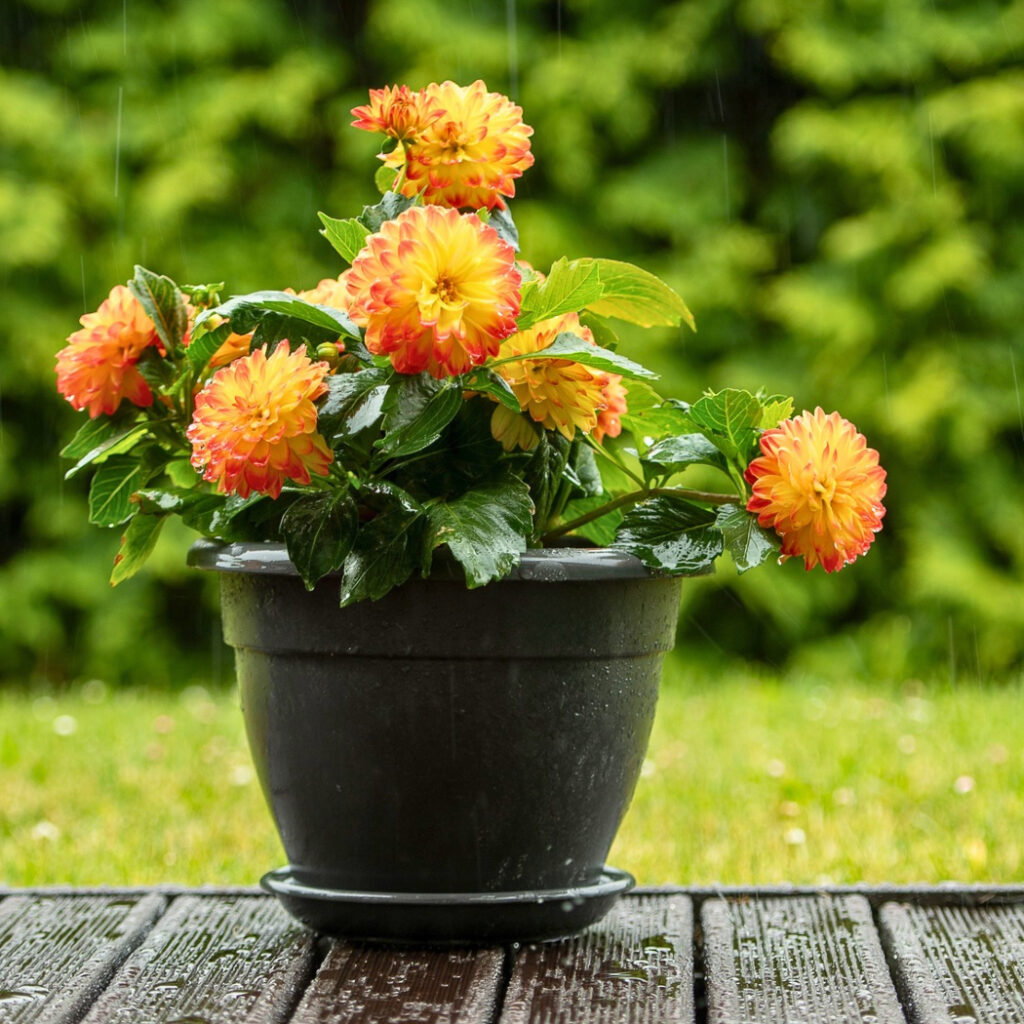
I give rooted dahlia cuttings more space, then slowly prepare them for outdoor weather. Warm soil, full sun, and careful watering help young plants settle in without too much stress.
Move Rooted Starts Into Individual Pots
I pot up each cutting when white roots fill the starter cell or poke through the drainage holes. I use a 4-inch pot with drainage and fresh potting mix or light potting soil. Heavy garden soil stays too wet in containers.
I plant the rooted start at the same depth it grew before. Then I press the mix lightly around the stem and water until moisture runs from the bottom.
Quick Tip: I keep the potting mix lightly damp, not soggy. If the top inch feels dry, I water again.
I place potted dahlias in bright light, such as a sunny window or under grow lights. If light comes from one side, I rotate the pots every few days so the stems do not lean hard toward the glass.
Acclimate Plants Before Garden Planting
I start hardening off dahlias about 7 to 10 days before planting outside. On the first day, I set them outdoors in a sheltered, shady spot for two or three hours, then bring them back inside.
Each day, I add more outdoor time and a little more morning sun. Wind can dry leaves quickly, so I avoid exposed spots at first. Young plants may look fine indoors, then wilt outside like tiny drama queens.
Quick Tip: I skip outdoor time during cold rain, strong wind, or frost. Dahlias do not like chilly weather.
I wait until after my local last frost date and until nighttime temperatures stay above about 50°F (10°C). In cold zones or short-season areas, I may wait an extra week if the forecast looks unsettled.
Provide Sun and Early-Season Care
I plant dahlias in full sun, with at least six hours of direct light each day. I wait until the soil temperature reaches at least 60°F (16°C), since cold soil slows root growth and can cause rot.
I space plants according to their mature size, usually 12 to 24 inches apart for many varieties. I water deeply after planting, then check the soil often during the first two weeks.
Quick Tip: I add a stake at planting time for taller dahlias. Pushing one in later can damage roots.
I keep the soil evenly moist while plants establish, but I do not water on a fixed schedule. Heat, rain, and sandy soil all change how quickly the ground dries. If a late cold snap arrives, I cover young dahlias overnight with frost cloth or bring potted plants indoors.
Prevent Common Propagation Problems
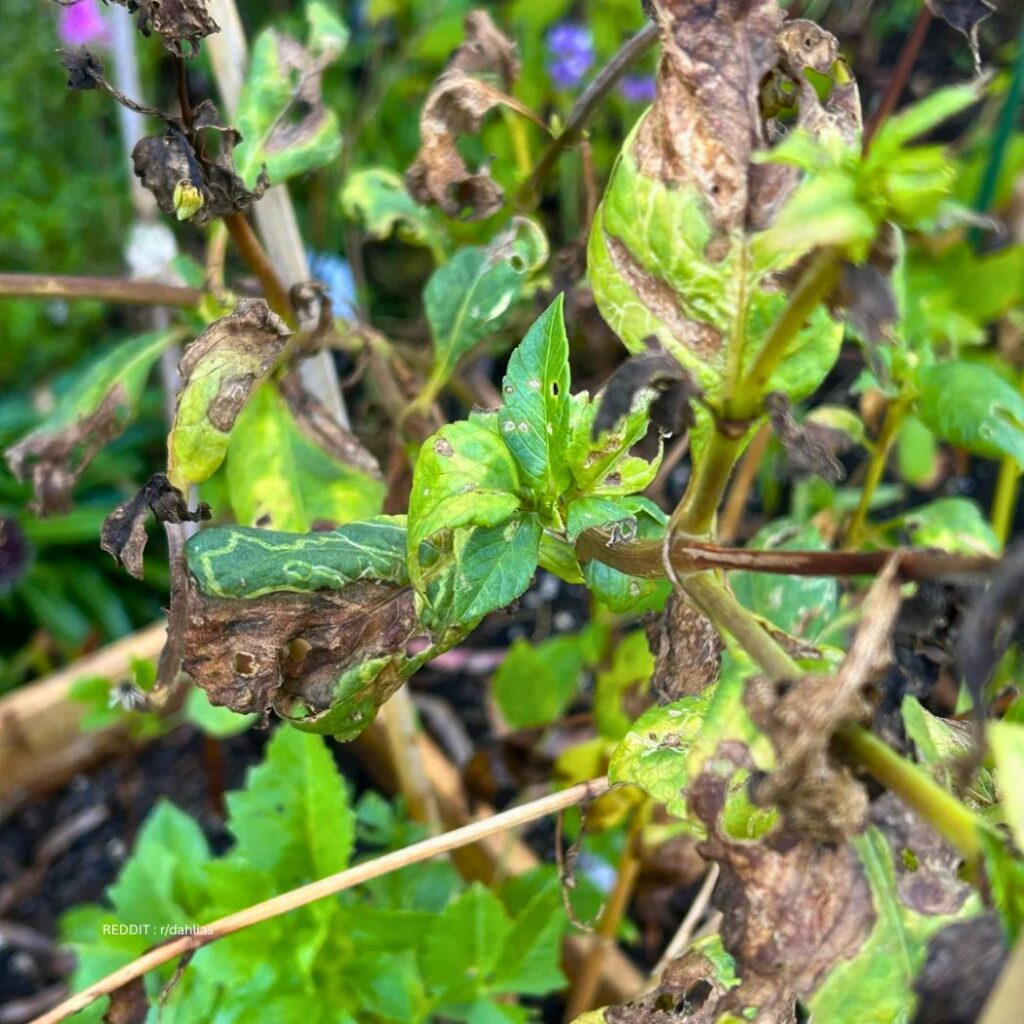
I keep cuttings clean, lightly moist, and under steady light. Too much water, trapped humidity, or weak light can slow root development quickly.
Avoid Rot and Damping Off
I use a clean pot with drainage holes and fresh, sterile rooting mix. Old soil can carry fungal growth that causes damping off or root rot.
I water the mix before planting, then let extra water drain away. The mix should feel like a wrung-out sponge, not mud. If the surface stays wet for days, I remove the humidity dome for a while and improve airflow.
Quick Tip: I check the stem base daily. A dark, soft, or pinched-looking stem means I remove that cutting before rot spreads.
Humidity domes help new cuttings hold moisture, but they can trap too much damp air. I lift the dome once or twice a day, especially if I see heavy condensation or smell sour soil.
I avoid misting the soil and stems often. Light misting can help dry leaves, but constant wet foliage invites fungal growth. In cool, wet weather or humid zones, I use a dome less often and focus on gentle airflow.
Correct Wilting, Leggy Growth, and Slow Rooting
I place dahlia cuttings under grow lights for 14 to 16 hours each day. I keep the lights close enough for bright growth, usually a few inches above the leaves, but not so close that they warm or bleach them.
Leggy growth means the cutting needs stronger light. I move it closer to the grow lights instead of adding fertilizer. Fertilizer cannot fix a stretched stem, and it may stress a cutting with few roots.
Quick Tip: I look for firm stems and upright leaves. A cutting that leans toward a window needs more even light.
Wilting often means the cutting loses water faster than it can take it up. I check that the mix is slightly moist and that the cutting sits in bright, indirect light or under gentle grow lights. Hot sun can make leaves droop quickly.
Bottom heat can speed root development when the room stays cool. I keep the rooting area near 70–75°F, but I avoid high heat. Warm soil plus soggy mix is a fast route to rot.
Frequently Asked Questions
I take healthy shoots, use a clean rooting mix, and keep the cuttings warm with bright indirect light. Fresh growth, steady moisture, and good airflow help roots form without rot.
When is the best time to take dahlia cuttings?
I take dahlia cuttings in spring, when tubers send up new shoots that are about 3 to 4 inches tall. The shoots should look firm, green, and free from damage.
I usually start after potting up tubers indoors or in a greenhouse. In cold zones, I wait until the risk of hard frost has passed before moving rooted cuttings outside.
Quick Tip: I take cuttings in the morning, when the stems feel crisp and full of water.
Can dahlia cuttings root in water?
I can root dahlia cuttings in water, but I get better results in a light, moist rooting mix. Water-grown roots can be fragile and may struggle after I plant them in soil.
If I try water rooting, I change the water every few days and plant the cutting once short roots appear. I keep the leaves above the water line to prevent slimy rot.
Quick Tip: I use a small clear glass so I can spot cloudy water or rotting stems early.
How do I take a cutting from a dahlia plant?
I choose a healthy side shoot with at least two sets of leaves. Using a clean, sharp knife, I cut the shoot close to the main stem, including a small piece of the base if possible.
I remove the lower leaves, then place the stem into moist seed-starting mix. I keep one or two top leaves so the cutting can still make energy.
Quick Tip: I never pull shoots off by hand. A clean cut causes less damage.
How long does it take for dahlia cuttings to root?
I usually see roots in about 2 to 4 weeks. Warm temperatures around 65 to 75°F and bright indirect light can speed things along.
I check by giving the stem a very gentle tug. If it resists, roots have likely started growing below the soil.
Quick Tip: I keep the mix lightly moist, not soaking wet. Soggy soil is a rot invitation.
Can I grow dahlias from cut flowers?
I cannot grow a new dahlia plant from a cut flower stem alone. Most bouquet stems do not have the growth point, called a node, needed to make roots and new shoots.
I grow dahlias from tubers, seeds, or cuttings taken from fresh shoots at the base of a living plant. A pretty vase bloom is lovely, but it is not a starter plant.
Quick Tip: I save cut flowers for the vase and take propagation material only from healthy new shoots.
What are the most common mistakes when propagating dahlias from cuttings?
I avoid taking cuttings from weak, yellow, or flowering shoots. Dull tools can crush stems, so I keep them sharp to help prevent rot before the cuttings root.
Too much water causes plenty of failures. I use a pot with drainage holes and keep the growing mix damp, like a wrung-out sponge.
I also keep cuttings away from strong direct sun and cold drafts. A north-facing window may need a small grow light, since dim conditions can make the cuttings stretch and weaken.
Quick Tip: I label each cutting with the dahlia name and date. Similar shoots can become impossible to tell apart later.