
Plant dahlia tubers in warm, well-drained soil, place them on their sides about 4 to 6 inches deep, and give each plant enough space to grow.
I’ll show you how to grow dahlias with the right timing, a sunny location, healthy tubers, and simple early care. Those large, colorful blooms start with a few details underground.
Quick Tip: Wait until frost danger has passed and the soil feels warm. Cold, soggy ground can rot dahlia tubers. I’ll also cover container growing, spacing, and common problems before they spoil the show.
Plant at the Right Time for Fast, Healthy Sprouting
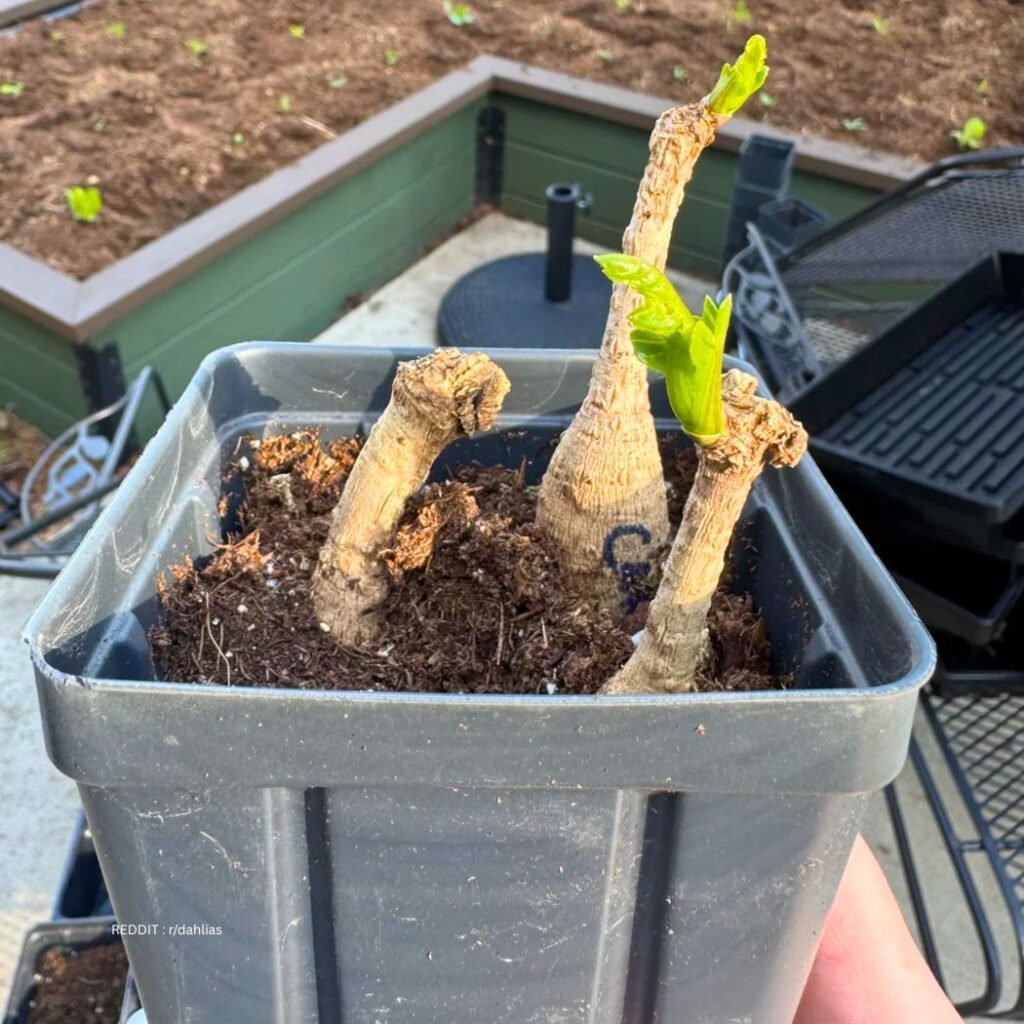
I plant dahlia tubers after frost danger passes and the ground feels warm, not chilly and soggy. Timing matters because dahlias are tender perennials that can rot in cold, wet soil.
Use Your Last Frost Date and USDA Hardiness Zone to Set a Safe Planting Window
I use my area’s last frost date as a starting point for deciding when to plant dahlia tubers. In most USDA hardiness zones, I wait until that date has passed, then check the forecast for another week or two.
Dahlia shoots can suffer in a late frost. A surprise cold night can blacken new growth, so I don’t rush just because one warm day shows up.
Quick Tip: I plant about 1 to 2 weeks after my last frost date when nights stay above 45°F.
Gardeners in warm USDA hardiness zones, such as Zones 8 through 10, can often plant earlier in spring. In colder hardiness zones, including Zones 3 through 6, I may need to wait until late spring.
Local weather beats the calendar every time.
Wait for Warm, Dry Soil So Tubers Do Not Rot Before Sprouting
I wait until the soil temperature reaches at least 60°F, with 65°F being even better. Dahlia tubers wake up faster in warm soil, while cold, wet soil can make them soft, brown, and rotten.
I test the bed with a soil thermometer about 4 to 6 inches deep. If I don’t have one, I check whether the soil feels crumbly and no longer cold against my hand.
Quick Tip: If the top inch of soil is still muddy after rain, I wait a few more days before planting.
Heavy rain and cool spring weather can delay planting, even after the last frost date. I’d rather plant a little late in warm, dry soil than put tubers into a cold, muddy hole.
Choose and Prepare a Bloom-Boosting Site
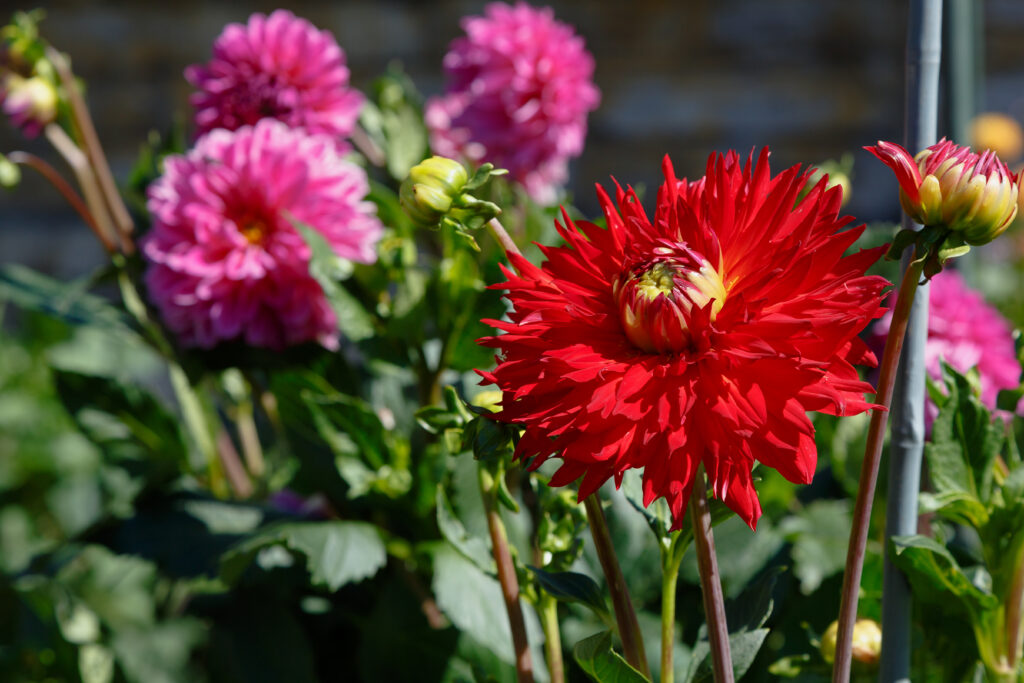
I give dahlias sun, rich soil, and a spot where water can drain away fast. A protected bed helps tall stems stay upright when summer weather turns rough.
Give Dahlias Full Sun and Wind Protection
I plant dahlias where they get at least 6 to 8 hours of full sun each day. Morning sun works especially well because it dries dew from the leaves and warms the soil early.
I avoid spots shaded by trees, fences, or large shrubs. Less sun often means fewer flowers and weak, stretched stems.
Quick Tip: I watch the site for a full day before planting. If it sits in shade after lunch, I choose a brighter spot.
I also give dahlias wind protection. I use a fence, hedge, or nearby wall that blocks strong gusts without casting heavy shade.
In hot areas or warm zones, a little light afternoon shade can help during extreme heat, but dahlias still need plenty of direct sun.
Build Rich, Well-Draining Soil
I choose well-draining soil that feels loose and crumbly when I squeeze it. Dahlia tubers can rot in cold, soggy ground, so I don’t plant them where puddles linger after rain.
Before planting, I loosen the soil about 10 to 12 inches deep. Then I mix in 2 to 4 inches of organic matter, such as finished compost or aged manure.
This helps the soil hold enough moisture without staying wet and gives roots room to spread.
Quick Tip: I test drainage with a hose. If water still sits in the planting area a few hours later, I improve the bed or move the tubers.
I aim for a soil pH of about 6.0 to 7.0. I use a simple soil test if plants have struggled in that area before. Fresh manure is a no-go; it can burn young roots and bring too much nitrogen.
Use Raised Beds for Heavy or Wet Ground
I use raised beds when my garden has heavy clay soil, poor drainage, or frequent spring rain. A bed raised 8 to 12 inches lets excess water move down and away from the tubers.
I fill the bed with a mix of garden soil and compost, not compost alone. The finished soil should feel soft and earthy, not sticky like wet putty.
Quick Tip: I make raised beds wide enough to reach from both sides, usually no more than 4 feet across. That keeps me from stepping on and packing down the soil.
Raised beds also warm faster in spring, which helps in cooler areas. I still wait until frost danger has passed and the soil feels warmer than cold and clammy before planting.
Select Healthy Tubers and Match Varieties to Your Space
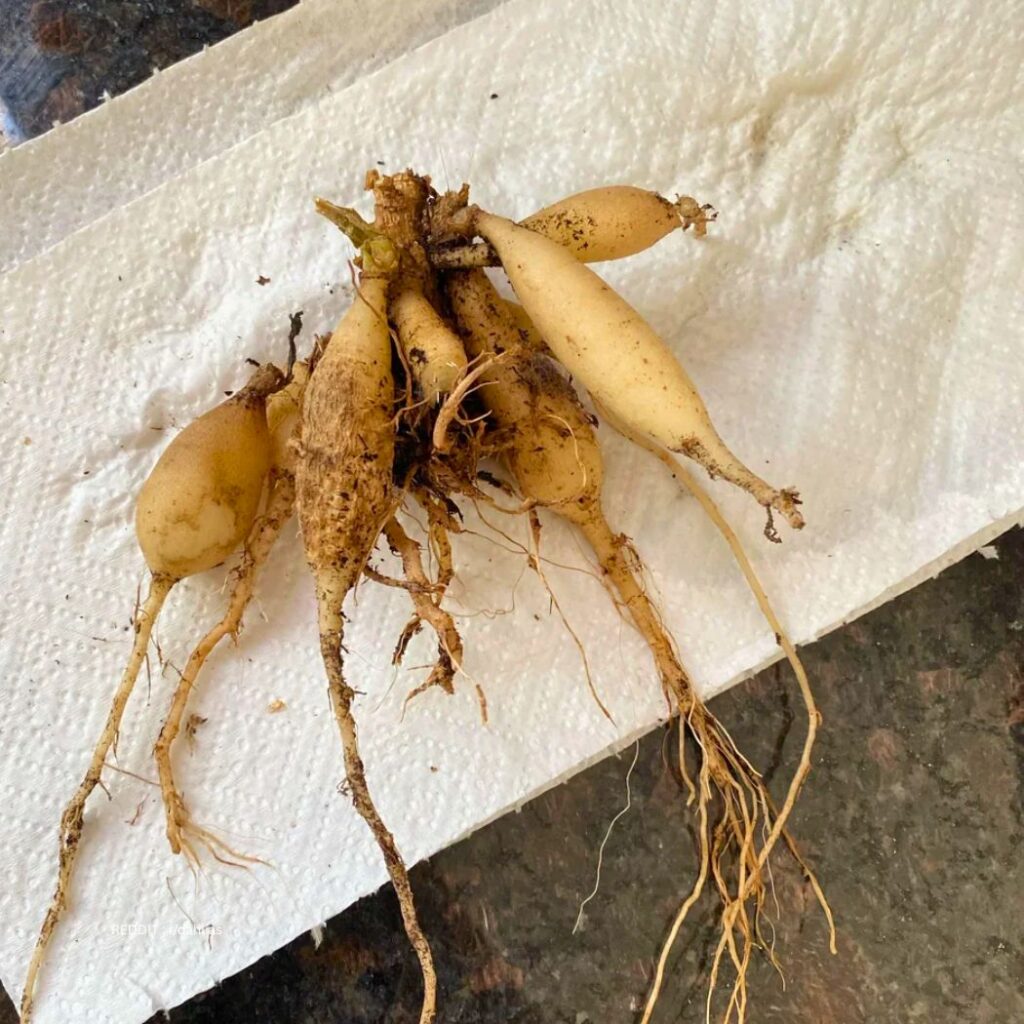
I start with firm, living dahlia tubers and choose plants that fit the space I can give them. A good match means fewer crowded stems and more usable blooms.
Check for a Firm Tuber and Viable Eye
I look for dahlia tubers that feel firm and heavy, like a small potato. The skin may look wrinkled after storage, but I avoid tubers that are mushy, hollow, moldy, deeply shriveled, or have soft dark spots.
Each tuber needs a visible eye, which looks like a tiny bump or nub near the crown where the tuber joins the stem. New shoots grow from this point, not from the tuber body.
A plump tuber without an eye won’t produce a plant. Tiny eyes can be easy to miss, so I check in bright light.
Quick Tip: I choose clumps with at least one firm tuber attached to a solid crown with a visible eye.
I remove any soft or rotten tubers before planting. In cold, wet spring weather, especially in cooler zones, I wait until the soil has warmed; cold, soggy ground can rot even healthy tubers.
Choose Types for Borders, Pots, or Cutting
I match dahlia varieties to the job I want them to do. Border dahlias usually grow about 1 to 3 feet tall, so I place them near paths, beds, and the front of mixed borders.
For pots, I choose compact border types and use a large container with drainage holes. Tall plants can work in pots, but they need a heavy container and staking before their stems flop in wind.
Quick Tip: I save my tallest dahlias for the back of beds or a cutting garden, where stakes stay less noticeable.
For a cut flower garden, I plant ball dahlias and decorative dahlias. Ball types have round, tidy blooms and often make long-lasting cuts.
Decorative dahlias offer fuller flowers in many colors and sizes.
Dinnerplate dahlias—also called dinner plate dahlias—make very large flowers on tall plants. I give them extra room, strong stakes, and a sheltered spot.
Longfield Gardens lists mature heights and bloom sizes for many dahlia varieties. That helps me avoid planting a 4-foot plant in a 2-foot space.
Set Tubers at the Correct Depth, Direction, and Spacing
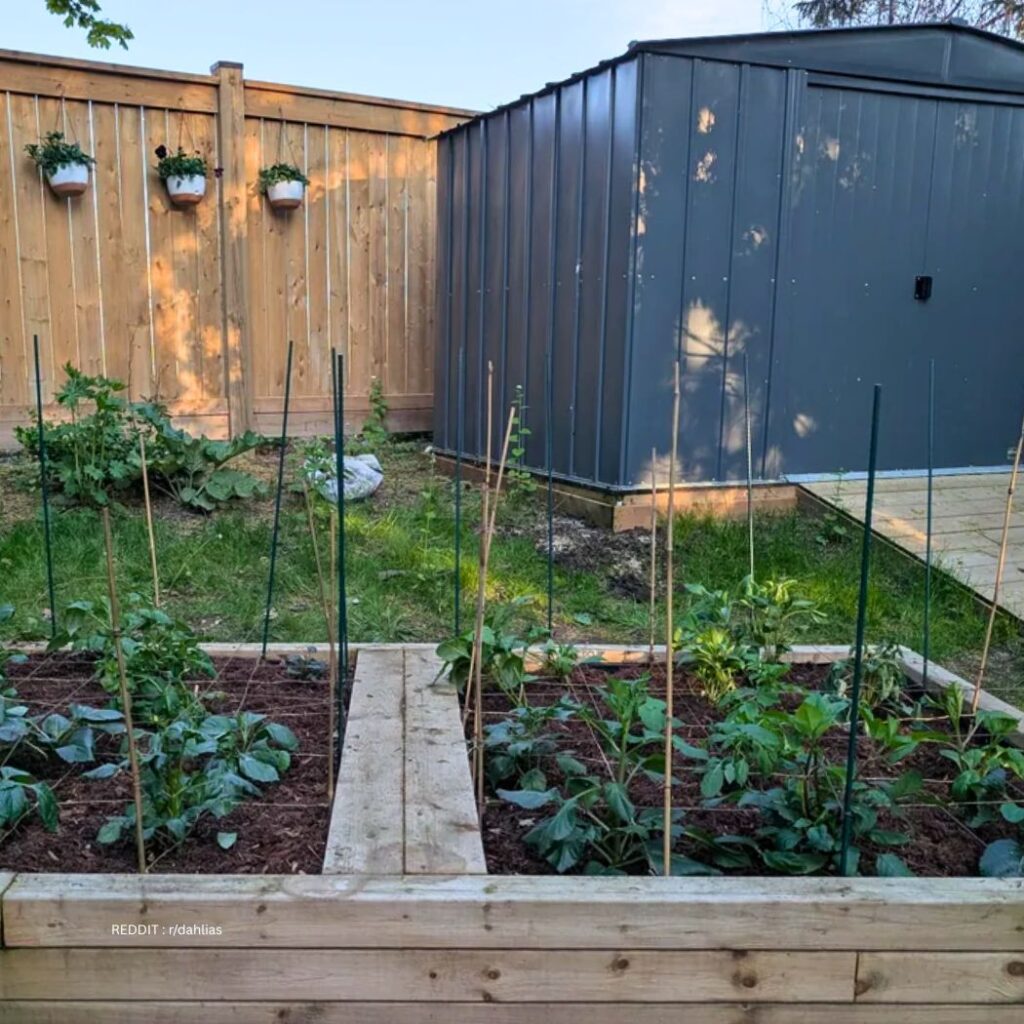
I place each tuber with its eye facing up, give plants enough room for moving air, and add support at planting time. These small steps help prevent weak stems, crowded leaves, and damaged roots later.
Position the Eye and Cover the Tuber
When planting dahlia tubers, I find the eye, which looks like a small bump or pointed nub near the stem end. This is where the new shoot grows, so I set the tuber sideways with the eye facing up.
I plant most tubers 4 to 6 inches deep in loose, well-drained soil. Then I cover them lightly and leave the soil surface level.
Don’t soak the planting hole unless the soil is very dry. A cold, wet tuber can rot before it sprouts.
Quick Tip: If I can’t spot the eye, I lay the tuber on its side rather than forcing it upright. The shoot can still find its way toward the light.
In cool spring weather, I use the shallower end of the range so the soil warms faster. In hot, dry areas, a slightly deeper planting helps keep the tuber from drying out.
Space Plants for Strong Growth and Airflow
I give each dahlia enough open space to grow without pressing against its neighbors. Good air circulation helps leaves dry after rain and lowers the chance of mildew.
| Dahlia size | Space between plants |
|---|---|
| Small or border types | 12–18 inches |
| Medium plants | 18–24 inches |
| Large or dinnerplate types | 30–36 inches |
I measure from the center of one planting hole to the center of the next. Large dahlias may look sparse at first, but they fill in fast once summer heat arrives.
Quick Tip: I avoid planting dahlias close to fences, thick shrubs, or crowded vegetable rows. Still air and damp leaves make trouble more likely.
If I garden in a humid or rainy area, I use the wider spacing in each range. The extra room lets breezes move through the stems instead of getting trapped in a thick green wall.
Install Supports Before Roots Develop
I place stakes or a tomato cage in the hole area before the tuber sends out roots. Pushing supports into the ground later can cut roots and loosen the plant.
For tall varieties, I use a sturdy stake about 4 to 5 feet tall. I set it 2 to 3 inches away from the tuber, then mark the spot so I don’t forget where it sits.
Quick Tip: I choose heavy stakes for large-flowered dahlias. Thin bamboo can bend when rain makes the blooms heavy.
As stems grow, I tie them loosely with soft garden twine. I leave a little space around each stem so it can thicken without being squeezed.
Care for Young Plants to Produce More Flowers
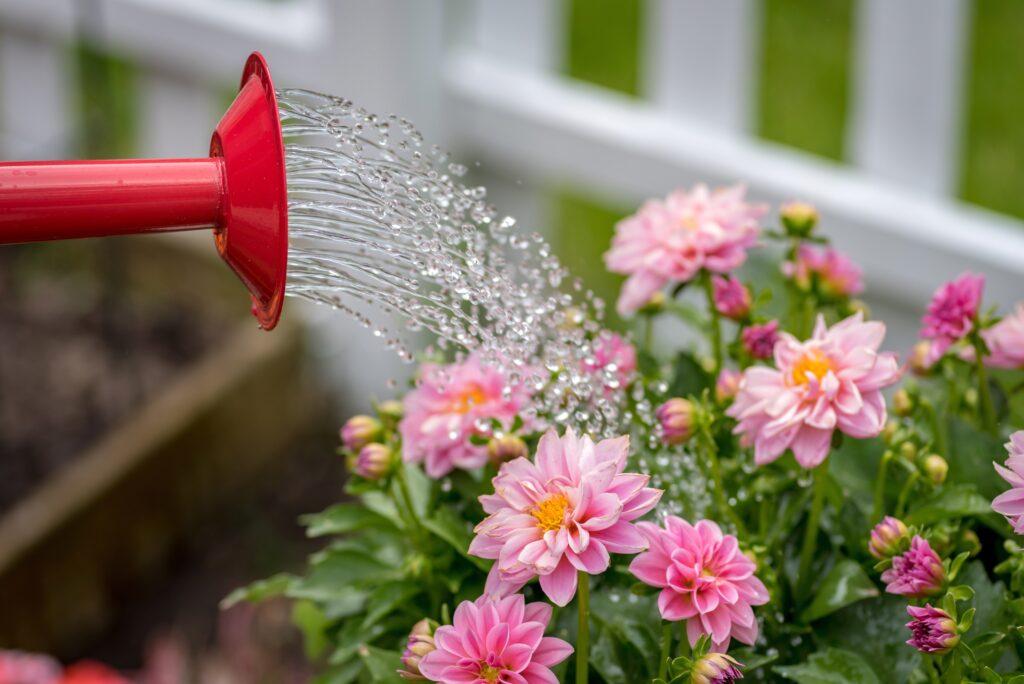
I water once growth starts, feed lightly, and keep stems supported as they lengthen. These small jobs help dahlias put energy into sturdy plants and repeated blooms.
Water Dahlias Only When Growth Begins
I don’t water newly planted tubers unless the soil is very dry. Until green shoots appear, wet soil can cause tubers to rot, especially in cool or rainy areas.
Once shoots are several inches tall, I water deeply at the base when the top inch of soil feels dry. I aim for about 1 inch of water each week, including rain.
During hot, dry weather, I check more often because large leaves lose water fast.
Quick Tip: I soak the soil slowly in the morning instead of giving it a daily sprinkle. Deep watering helps roots grow down, where the soil stays cooler.
I keep water off leaves when I can. Damp foliage in humid weather can lead to mildew, and dahlias don’t need that extra trouble.
Feed for Blooms Without Excess Leaf Growth
I start feeding after the plants have several sets of leaves and show active growth. I use a low-nitrogen fertilizer, such as one with a lower first number on the label, every three to four weeks through midsummer.
Too much nitrogen can make a dahlia growing area look lush and green, but it may reduce flowers. I follow the package rate, spread the fertilizer a few inches from the stem, and water it in.
Quick Tip: I choose an organic fertilizer when I want a slower, steadier feed. Compost also improves soil, but I don’t pile it against the stems.
I avoid adding extra bone meal unless a soil test shows low phosphorus. It remains in the soil for a long time, so more isn’t always better. In poor soil, a light feeding works better than one heavy dose.
Pinch, Tie, and Deadhead Throughout Summer
When a young plant reaches about 12 to 16 inches tall and has three or four pairs of leaves, I pinch out the center growing tip above a leaf pair. This encourages side stems and usually means more flower stems later.
I support plants early, before they flop. I place tomato cages around compact dahlias at planting time, or add stakes for taller types. As stems grow, I tie them loosely with soft garden twine so they won’t rub or snap in the wind.
Quick Tip: I check ties after storms. A stem can grow thick enough to pinch against a tight tie in just a few weeks.
I deadhead faded flowers every few days. I cut the stem back to the next side shoot or leaf joint, not just below the old bloom. I remove spent flowers before they form seeds, so the plant keeps making new buds instead.
Grow Dahlias Successfully in Containers and Prevent Problems
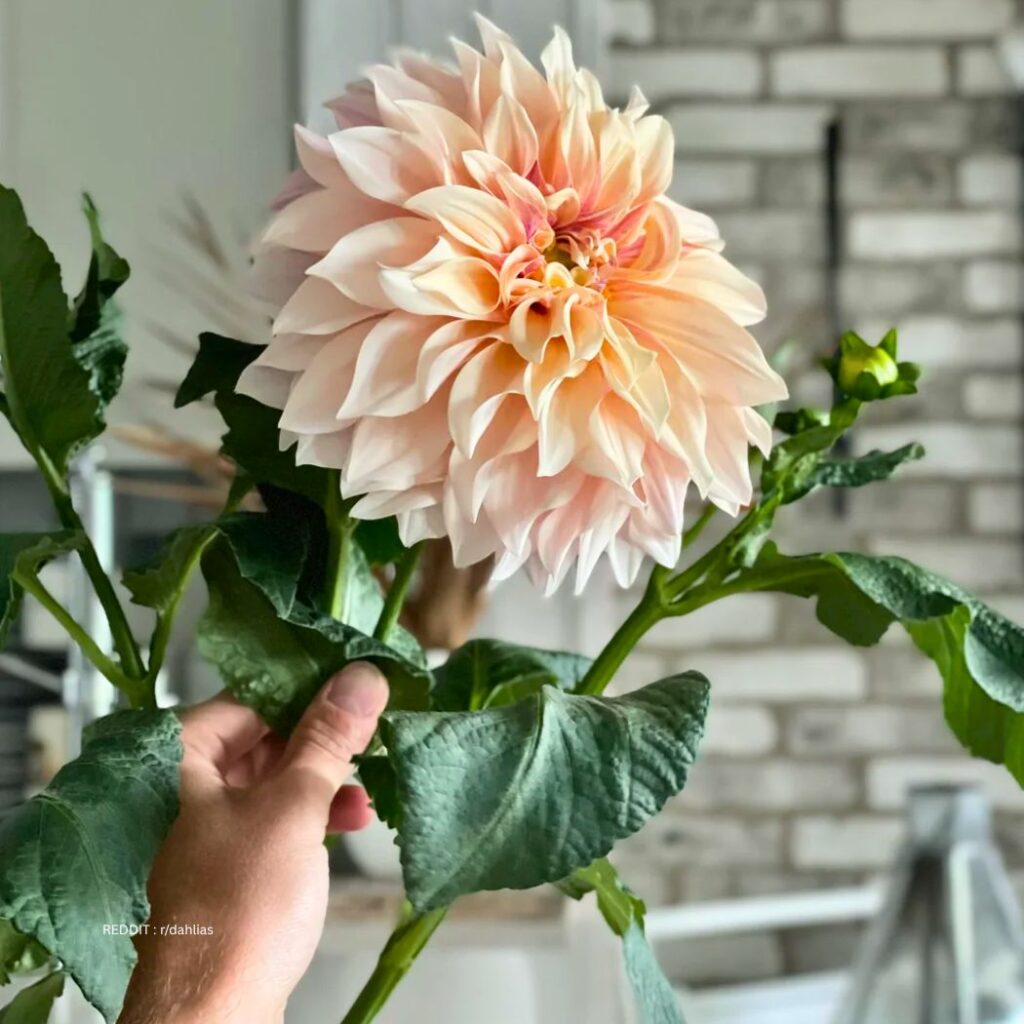
I use a large pot, loose soil, and careful watering to keep dahlias healthy in containers. I also check the leaves and flowers often, since pests and damp weather can cause trouble quickly.
Plant Dahlias in Pots With the Right Mix and Pot Size
I choose a pot at least 12 to 16 inches wide and deep for one dahlia tuber. Large varieties need a 5-gallon pot or bigger, while smaller patio dahlias can grow in slightly smaller containers.
I fill the pot with fresh potting soil that drains well. I mix in compost and a little perlite if the soil feels heavy or stays soggy after watering. Dahlias dislike cold, wet soil, so drainage holes are essential.
I plant the tuber 4 to 6 inches deep, with the eye facing up. I add a stake at planting time so I won’t damage the tuber later.
Quick Tip: I water only when the top inch of soil feels dry. Pots dry out quickly in hot, windy weather, but soggy roots can rot.
Avoid Rot, Pests, and Foliage Diseases Before They Spread
I keep dahlias in pots where air can move around the plants. Crowded leaves and damp conditions invite powdery mildew, which looks like pale gray or white dust on the foliage.
I remove yellow leaves, spent blooms, and soft stems right away. If rain lasts for several days, I move lightweight pots under cover when possible, especially in cool climates where the soil dries slowly.
Slugs and snails chew ragged holes in young leaves, often overnight. I hand-pick them in the evening or use an organic slug bait labeled for edible and ornamental gardens.
Quick Tip: I check under leaves twice a week for earwigs and spider mites. Fine webbing, tiny pale dots, or curling leaves can signal spider mites, so I spray them off with a steady stream of water early in the day.
Frequently Asked Questions
I plant dahlia tubers after frost danger passes and the soil feels warm, not cold and soggy. Spacing, sun, soil drainage, and steady care all affect bloom size.
What month should I plant dahlia tubers?
I plant tubers in spring, usually from April through June, after the last expected frost. In warm Zones 8–10, I may plant earlier, but in colder areas, I wait until the soil reaches about 60°F.
Quick Tip: I wait until nights stay above freezing. Cold, wet soil can rot tubers before they sprout.
Can I plant dahlia tubers directly in the ground?
Yes, I plant dahlia tubers directly in a garden bed if the soil drains well. I avoid low spots where rainwater puddles after a storm.
I loosen the soil first and mix in compost if it feels hard or poor. I don’t add lots of high-nitrogen fertilizer, since it can lead to leafy plants with fewer flowers.
Quick Tip: I plant the tuber with the old stem or “eye” facing up. The eye is where the new shoot grows.
How deep and how far apart should dahlia tubers be planted?
I plant most dahlia tubers 4 to 6 inches deep. I leave 12 to 18 inches between smaller varieties and 24 to 36 inches between tall or large-flowered types.
Crowded plants trap moisture and reduce airflow. Give them room; dahlias don’t enjoy elbow-to-elbow gardening.
Quick Tip: I place a stake at planting time for tall dahlias. Pushing one in later can damage the tuber.
Where is the best place to plant dahlia tubers?
I choose a spot with at least six to eight hours of direct sun each day. Morning sun works well, but I avoid areas shaded by trees, fences, or buildings.
In very hot climates, I give dahlias light afternoon shade if the flowers scorch or fade quickly. I also choose a place protected from strong wind, which can snap tall stems.
Quick Tip: I check the spot after rain. If water sits there for hours, I pick a higher bed or grow dahlias in pots.
How can I encourage dahlias to produce bigger blooms?
I grow larger-flowered varieties, water deeply when the top inch of soil feels dry, and feed lightly with a low-nitrogen fertilizer. I also pinch the main stem when the plant reaches about 12 inches tall to encourage branching.
For the biggest blooms, I remove small side buds near the main flower bud. This sends more of the plant’s energy into one larger flower instead of several smaller ones.
Quick Tip: I cut spent blooms often. Regular cutting keeps the plant making more flowers instead of setting seed.
Can I grow dahlia tubers successfully in pots?
Yes, I grow dahlias in pots with drainage holes and a loose potting mix. For compact types, I use a container at least 12 inches wide. Taller plants do better in pots that are 16 to 20 inches wide.
Pots dry out faster than garden soil, especially in hot or windy weather. I check them often and water when the top inch feels dry.
Quick Tip: I choose compact or patio dahlias for containers. Tall varieties can grow well in pots, but they need larger containers and sturdy stakes.