
You can make a poinsettia turn red again by giving it long, complete nights for about eight weeks in fall. This holiday plant, also called Euphorbia pulcherrima, really depends on a strict light schedule to color its top leaves.
I’ll show you how to keep your poinsettia healthy through winter, spring, and summer so it has the strength to rebloom. Missing a single night of darkness can slow things down, so consistency matters.
Quick Tip: Keep the plant in total darkness for 14–16 hours each night. Even a lamp or porch light can mess things up.
Use Short Days To Trigger Color
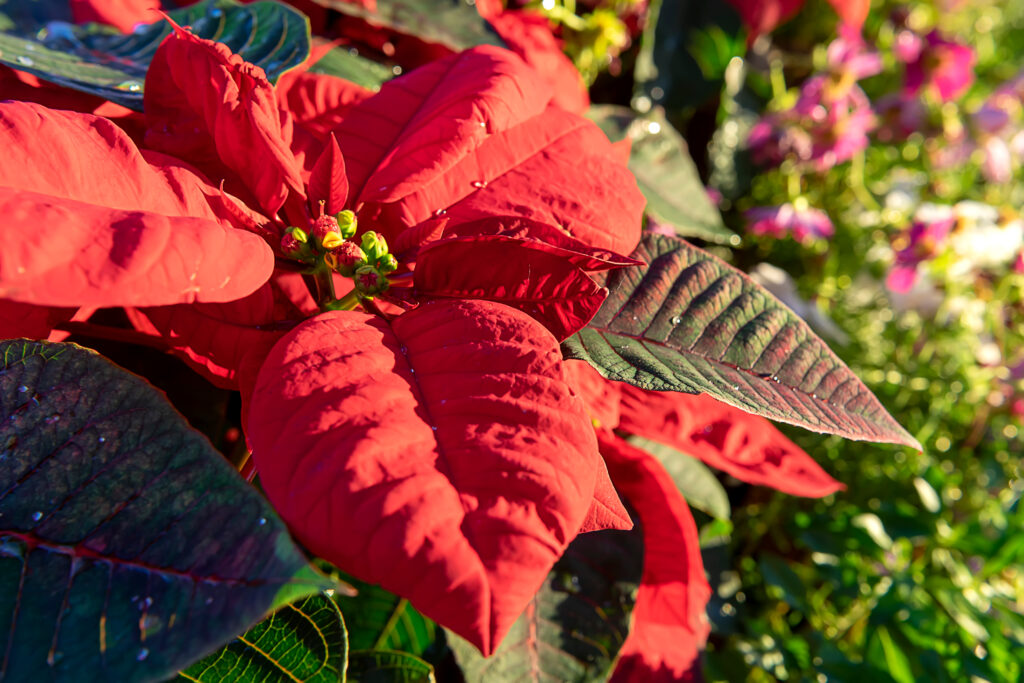
I use long, unbroken nights to tell a poinsettia that its flowering season has arrived. The colored parts you see are bracts, not petals, and their color really does depend on a strict daily light schedule.
Understand Bracts and the Tiny True Flowers
Poinsettia (Euphorbia pulcherrima) plants come from Mexico and Central America. Their red, pink, white, or cream “flowers” are actually bracts, which are just modified leaves.
The true flowers sit in the center of the bracts. They look like tiny yellow-green cups and sometimes produce small amounts of pollen or nectar.
Bracts change color to draw pollinators toward those small true flowers. Once the bracts color up, the plant becomes one of those holiday staples you see everywhere in winter.
Quick Tip: I check the center first. Bright bracts with tight yellow-green flower buds usually mean the plant is fresh and healthy.
Why Long Nights Cause Bracts To Change Color
Poinsettias need long nights—not short days—to start making colored bracts. I give my plant at least 14 hours of complete darkness every night for about 8 to 10 weeks.
Even a quick flash of light can interrupt the process. A lamp, porch light, TV glow, or opening a closet door can delay color change.
During the day, I keep the plant in bright, indirect light for about 10 hours. I try to keep temperatures near 65–70°F, since cold drafts and hot air can stress the plant.
Quick Tip: I use a dark closet or a big box at the same time each evening. In the morning, I pull it out so it can get daylight.
Set a Target Date for Holiday Color
I count backward from the date I want full color. For red bracts by Christmas, I start the dark-night schedule in late September or early October.
If I begin in mid-October, my poinsettia might color up later in December or even January. The timing depends on the plant, the room, and how steady I keep the schedule.
I keep the routine going until the bracts show strong color and the tiny center flowers start to develop. Then I stop covering the plant, but I still protect it from frost and cold windows.
Quick Tip: I mark the start date on my calendar and set a daily alarm. Missing one night isn’t always fatal, but repeated light breaks can leave the bracts patchy or green.
Follow the Eight-Week Darkness Schedule
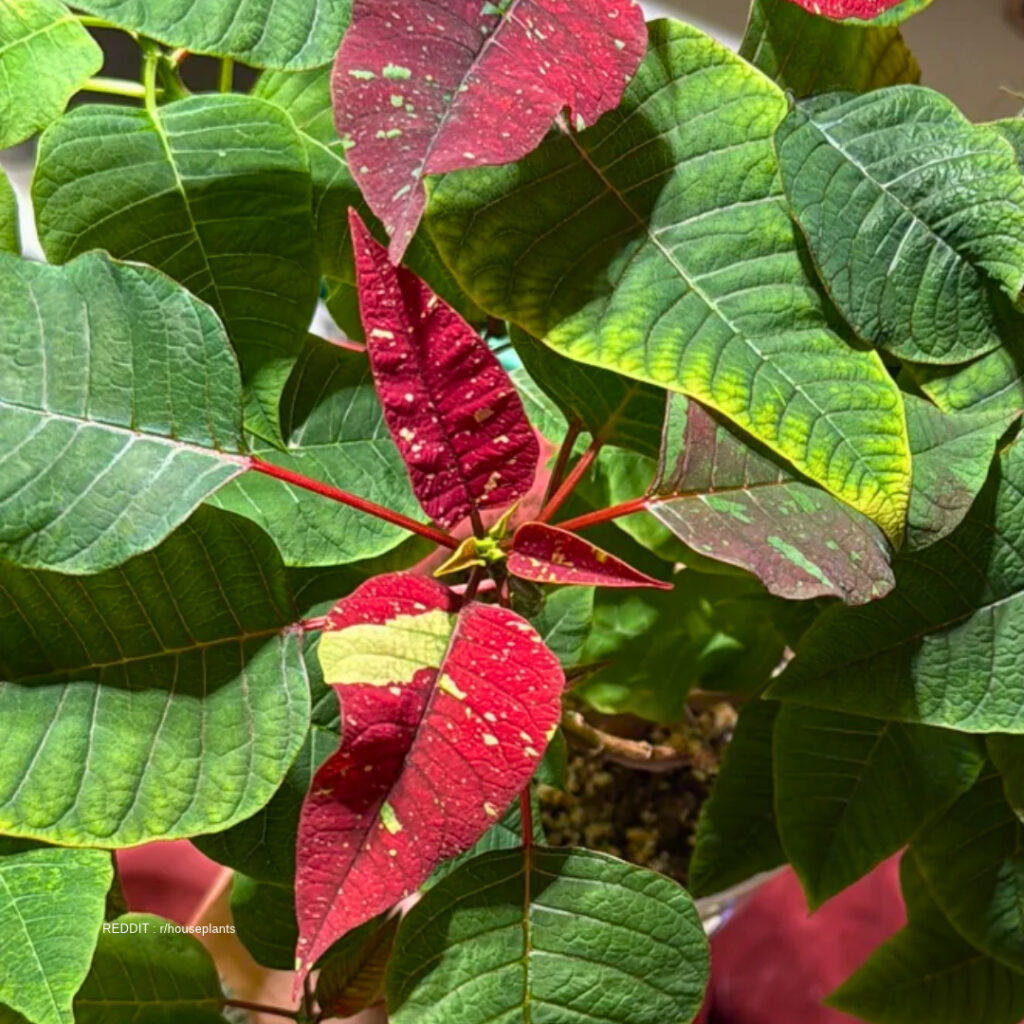
I start this routine about eight weeks before I want red bracts, usually late September or early October. My poinsettia needs long, dark nights and bright days on the same schedule every day.
Provide 14 Hours of Complete Darkness Every Night
I give my poinsettia 14 hours of complete darkness each night. For example, I put it in darkness from 5 p.m. to 7 a.m. and repeat that timing daily for eight weeks.
I move the plant into a closet, unused room, or a big box with airflow before sunset. The space needs to stay truly dark, not just dim.
Quick Tip: I set a phone alarm for both move times. Missing a night can slow or stop the color change.
I keep normal room temps around 60–70°F during this period. I avoid cold drafts, heaters, and the garage. In mild outdoor zones, I sometimes use a covered outdoor spot, but streetlights or early frost make this risky.
Give Bright Daytime Light Exposure to Build Healthy Red Bracts
After the dark period ends each morning, I return the poinsettia to bright light. I set it near a sunny east-, south-, or west-facing window, where it gets six to eight hours of bright daytime light.
I turn the pot every few days so all sides get some sun. The leaves should look green and firm, not pale or stretched toward the window.
Quick Tip: I keep the plant close to the glass but make sure it doesn’t touch cold winter panes.
I water only when the top inch of soil feels dry. I let extra water drain away, since soggy roots can cause leaf drop.
Prevent Light Leaks From Interrupting the Cycle
I treat every night as if the poinsettia is in a sealed dark room. Even a quick flash of light exposure from a lamp, TV, hallway light, or opening a door can interrupt the darkness schedule.
I check the space after dark by standing inside for a minute. If I can see objects clearly, it’s too bright. I cover small gaps with a thick towel or move the plant to a better spot.
Quick Tip: I never use a clear plastic bag or a tightly sealed cover. Trapped heat and stale air can harm the plant.
I keep the schedule steady on weekends, holidays, and even when I’m busy. Poinsettias don’t care that I forgot—they only respond to their daily light and darkness pattern.
Care for the Plant During Fall Color Development
I keep the poinsettia warm, evenly moist, and on a strict light schedule while its bracts change color. Even small swings in care can slow color development or cause leaf drop.
Maintain Steady Temperatures and Moisture
I keep my poinsettia near 65–70°F during the day and 60–65°F at night. Cold windows, heating vents, and drafty doors can stress it fast.
I avoid temperatures below 55°F. If I grow it outdoors in a warm zone, I bring it inside before cool fall nights hit.
During the day, I place the plant in bright, indirect light. A spot near an east- or south-facing window works well, as long as the leaves don’t press against cold glass.
Quick Tip: I check the leaves each day. Limp, curling leaves usually mean the plant is too dry, too cold, or sitting in hot air.
Water Without Causing Root Rot
I water when the top 1 inch of soil feels dry. I add water slowly until it runs through the drainage holes, then empty the saucer after about 15 minutes.
A poinsettia needs moist soil, not soggy soil. Soggy roots can’t get enough air, and root rot can follow. Yellow lower leaves, a sour soil smell, or soft, dark roots are red flags.
I never let the pot sit in water, including water trapped inside a decorative foil wrapper. I either remove the wrapper or punch drainage holes in it.
Quick Tip: I lift the pot before watering. If it feels very light, it probably needs water. If it’s heavy, I wait another day.
Know When To Stop the Darkness Routine
I keep up the darkness routine until the bracts show the color I want. This usually takes 8 to 10 weeks of long, uninterrupted nights.
Once the bracts turn red and the color looks even, I stop covering the plant. I return it to bright, indirect daytime light and keep it away from direct hot sun.
I still protect it from lamps, TV light, and porch lights while it develops color. Even a short burst of light during its dark period can delay red bracts. The plant is picky about bedtime—it means it.
Quick Tip: I stop the routine before holiday display time. Colored bracts need steady care to stay bright.
Rebuild a Healthy Plant After the Holidays

I help my poinsettia recover by cutting back old stems, refreshing its soil, and feeding it only when new leaves appear. This gives the plant the strength it needs before the red-color schedule starts up again later in the year.
Prune Faded Growth in Late Winter or Spring
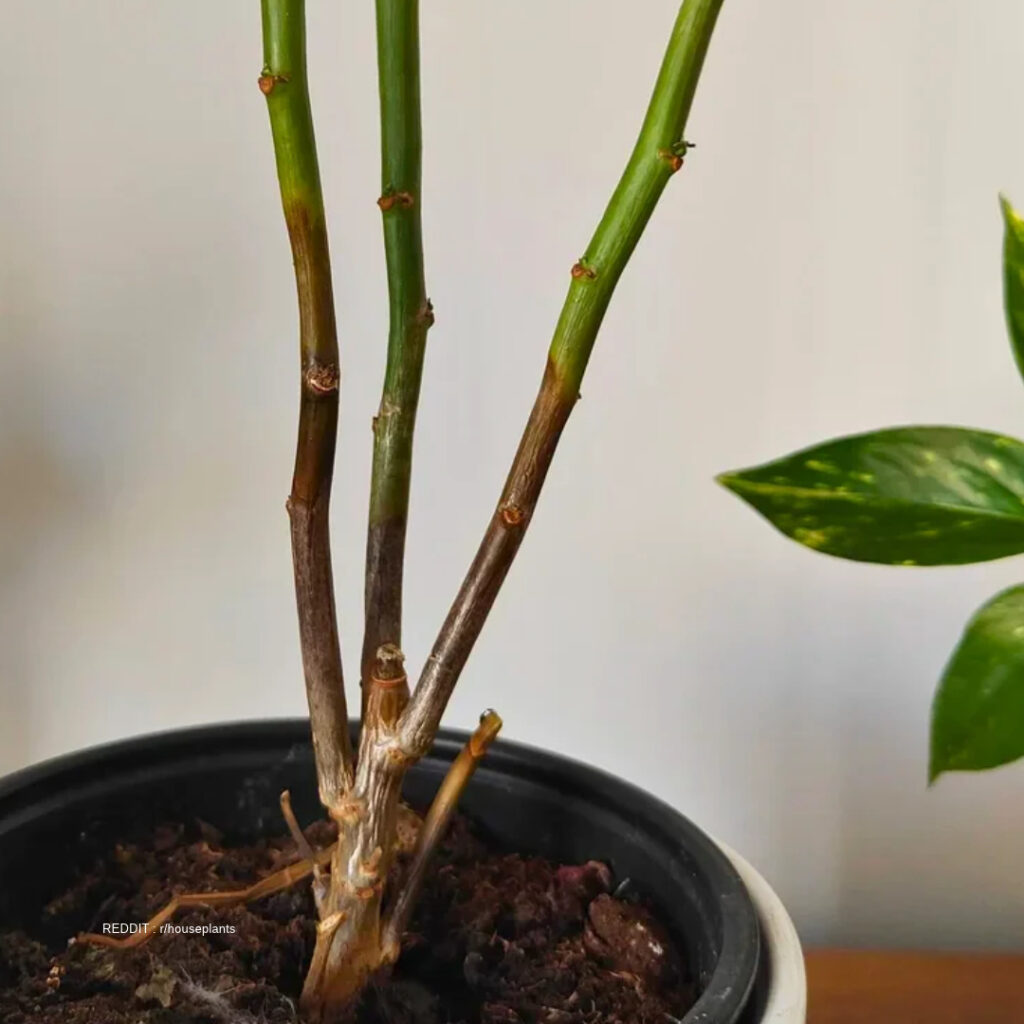
I wait until the colorful bracts fade and the plant starts to look tired, usually in late winter or early spring. Then I use clean, sharp scissors to cut each main stem back to about 4 to 6 inches above the soil.
I make each cut just above a leaf node, where a new shoot can grow. I remove yellow leaves, dry stems, and any soft or black parts since soft stems can signal rot.
Quick Tip: I wipe my scissors with rubbing alcohol before and after pruning to avoid spreading disease.
After pruning, my poinsettia may look like a small bundle of sticks. That’s normal. I keep it in bright, indirect light and away from cold window glass. In frost-free USDA Zones 9 to 11, I move it outdoors after nights stay above 55°F.
Repot With Fresh Well-Draining Potting Mix
I repot my poinsettia in spring if roots fill the pot, circle the bottom, or push through drainage holes. I pick a pot only 1 to 2 inches wider than the old one. Bigger pots just hold extra water and risk root rot.
I use fresh, well-draining potting mix made for houseplants. A mix with perlite helps water move through the soil instead of sitting around the roots.
Quick Tip: I gently loosen tangled roots, but I don’t rip them apart or cut healthy roots.
I check the roots as I repot. Healthy roots feel firm and look pale tan or white. I trim dark, mushy, or bad-smelling roots with clean scissors, then place the plant at the same soil level it had before.
Resume Watering and Fertilizing as Growth Returns
I water after repotting, then let the top inch of potting mix dry before watering again. I pour water slowly until it runs from the drainage holes, then empty the saucer. Poinsettias absolutely hate wet feet.
When new green shoots and leaves appear, I start feeding the plant. I use a balanced liquid fertilizer or houseplant fertilizer at half the label strength every two to four weeks. I skip fertilizer if the plant’s weak and not growing.
Quick Tip: I fertilize only moist soil, never dry, because fertilizer can burn dry roots.
I pause fertilizer in fall when I begin the daily darkness routine for red bracts. Until then, steady light, careful watering, and light feeding help the plant build leafy, healthy growth.
Build Full Growth Through Spring and Summer
I give my poinsettia strong light, regular shaping, and warm growing conditions after its winter color fades. Healthy green growth helps the plant store energy for red bracts later in the year.
Provide Bright Light and Gentle Morning Sun
I put my poinsettia near a bright window where it gets plenty of indirect light. A spot with morning sun works well because the light is gentle and less likely to scorch the leaves.
I watch the leaves for clues. Pale, stretched stems mean it needs more light, while faded spots or crispy edges can mean the sun is too strong. I move it back from harsh afternoon sun, especially through a south- or west-facing window.
Quick Tip: I turn the pot one-quarter turn each week so all sides get light and grow evenly.
Poinsettias come from Mexico and Central America, where warm, bright conditions support steady growth. I keep mine away from cold glass, air vents, and sudden drafts. If I grow it outdoors for summer, I start with shade and slowly add morning sun over 7–10 days.
Pinch Stem Tips for a Bushier Shape
I pinch the soft tip from each new stem once it grows about 4–6 inches long. I use clean fingers or small scissors and snip off the top inch, just above a set of leaves.
This little cut tells the poinsettia to grow side stems. The plant fills out instead of shooting up tall and spindly.
It might look a bit bare for a week, but new shoots usually pop up below the cut before long.
Quick Tip: I stop pinching by late August so the plant has time to form strong branches before it starts its fall color cycle.
I don’t cut deep into old, leafless stems during summer unless I need to remove damaged growth. I also check the soil before watering.
If the top inch feels dry, I water thoroughly and let the extra drain away. Soggy roots really slow things down fast.
Move It Indoors Before Chilly Weather Arrives
I bring my poinsettia indoors before night temps dip below 55°F (13°C). Cold nights can stress it, even if the days still feel warm.
I inspect the leaves and stems before moving it inside. I rinse off dust and check under leaves for aphids, whiteflies, or spider mites.
A quick check now saves me headaches near my other houseplants.
Quick Tip: I bring the plant inside gradually by keeping it indoors at night for a few days before leaving it inside full time.
If I live in a warm zone, like USDA 9–11, I can keep poinsettias outside longer or even all year. In cooler places, I move mine inside in early fall and put it in bright light.
I keep it away from cold windows and make sure the leaves don’t touch the glass.
Avoid Common Reblooming Problems
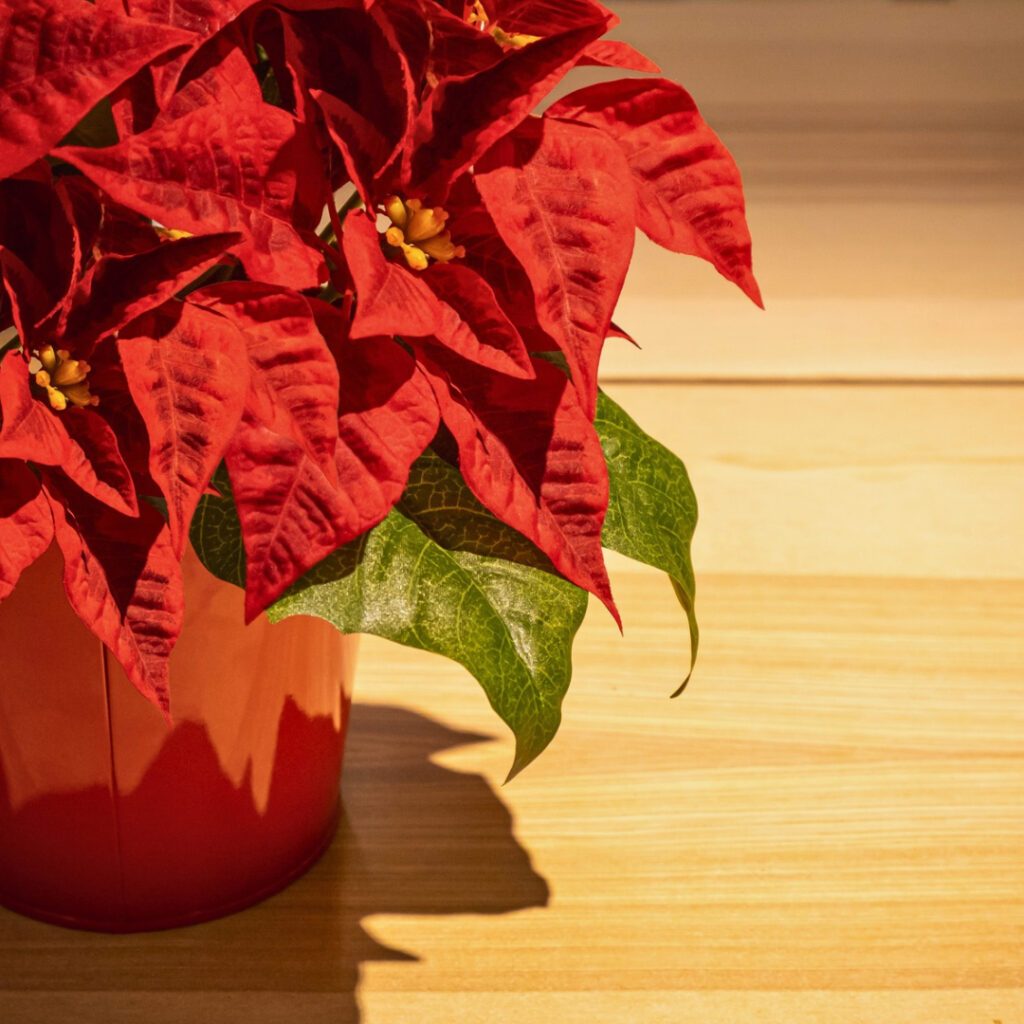
I watch the bracts, soil, and light schedule closely when I want a poinsettia to color up again. Small care mistakes can keep this holiday plant green or even damage its roots.
Troubleshoot Green Bracts and Delayed Color Before the Holidays
If my poinsettia has green bracts in late fall, I check its darkness routine first. It needs 14–16 hours of complete darkness every night for about 8–10 weeks, starting in late September or early October.
Even a lamp, TV glow, or porch light can mess things up. I keep it in a closet, covered box, or unused room from evening until morning.
Darkness has to be steady—this plant doesn’t forgive random light very well.
Quick Tip: I mark the start and end times on my calendar so I don’t miss a night.
I also give it bright, indirect light during the day. A north-facing window might be too dim in winter, but hot direct sun can scorch the bracts.
In warm climates, I protect outdoor plants when nights turn cool; frost can ruin the leaves in a hurry.
Correct Overwatering, Underwatering, and Poor Drainage Before Roots Suffer
I feel the soil before I water. When the top inch feels dry, I water slowly until a little runs through the drainage holes, then I empty the saucer after 10–15 minutes.
Wet soil that stays heavy and sour-smelling can lead to root rot. Signs include yellow leaves, drooping stems, and brown, soft roots.
I move the plant into fresh potting mix if the roots are damaged, cutting away soft black or brown parts with clean scissors.
Quick Tip: I never let the pot sit in water, even if it wears a decorative foil cover.
Dry soil causes trouble too. Leaves may curl, wilt, or drop, and the root ball can pull away from the pot edge.
I soak very dry soil thoroughly, let it drain, and then get back to a regular schedule. Good poinsettia care means moist soil, not a soggy mess.
Keep Expectations Realistic for This Holiday Plant at Home
I treat a poinsettia as a living holiday plant, not something that has to look perfect every December. It can rebloom, but the process takes months of steady care and a strict fall darkness schedule.
The colorful parts are bracts, not flowers. The little yellow centers are the true flowers, and they don’t last long.
Fresh bracts might be smaller or less even than those on a store-bought plant since growers use controlled light and temperature.
Quick Tip: I keep the plant for the challenge and color, not as a guaranteed yearly showpiece.
A poinsettia is less forgiving than a Christmas cactus, which usually reblooms with cooler nights and shorter days. If mine stays healthy but doesn’t turn fully red, I still count that as progress.
Healthy leaves and firm roots give it the best shot next season.
Frequently Asked Questions
I can help a poinsettia color up again with steady care, long nights, and good timing. Water, temperature, and light leaks all mess with the red bracts.
Can a poinsettia turn red again next year?
Yes, I can get a healthy poinsettia to turn red again next year. I keep it growing in bright indirect light after the holidays, then start the darkness routine in fall.
Quick Tip: I start the routine about 8 to 10 weeks before I want red bracts.
I don’t expect the plant to look perfect right away. It might get tall or uneven, but pruning in spring helps it fill out.
Why are my poinsettia leaves staying green instead of turning red?
Green bracts usually mean my plant gets too much light at night. Even a lamp, porch light, or light from a nearby room can interrupt the process.
Quick Tip: I put the plant in complete darkness, not a dim closet with the door cracked open.
Warm nights can also slow color changes. I keep my poinsettia near 60 to 70°F at night and away from cold windows or heating vents.
When should I start giving my poinsettia darkness to encourage red bracts?
I usually start in late September or early October for color around December. I keep up the schedule every day for at least 6 to 8 weeks.
Quick Tip: I mark the start date on my calendar, because missed nights can delay the color.
I adjust the timing if I live in a warm climate or want color for a date other than Christmas. Outdoor plants in frost-free areas still need naturally long, dark nights to change color.
How many hours of darkness does a poinsettia need each day?
I give my poinsettia 14 to 16 hours of complete darkness each day. Then I let it have 8 to 10 hours of bright daylight.
Quick Tip: I use a box or a dark room from about 5 p.m. to 8 a.m. each day.
I keep the schedule exact. The plant notices small light leaks more than most houseplants, so I don’t let a quick check ruin its dark period.
Do I need to water my poinsettia while it is kept in the dark?
Yes, I still water my poinsettia during the darkness routine. I check the soil before moving it into darkness or after bringing it back into the light.
Quick Tip: I water when the top inch of soil feels dry, then let extra water drain away.
I don’t let the pot sit in water. Soggy soil can cause root rot, while dry soil can make leaves droop and fall.
What should I do with my poinsettia after the colorful leaves fall off?
Once the bracts fade, I just keep the plant in bright, indirect light. I water it when the top inch of soil feels dry to the touch.
I usually cut back on fertilizer until spring rolls around.
Quick Tip: In spring, when I spot new growth, I trim the stems down to about 4 to 6 inches. It feels drastic, but it helps the plant bounce back.
If I notice the roots crowding the pot, I move the poinsettia to a slightly bigger one. After the last frost, I like putting it outside in a shaded spot for the summer.
But as soon as those chilly fall nights threaten, I always bring it back indoors.