
I’ll show you how to grow healthy roses with the right plant, a sunny site, rich soil, steady care, and simple pruning. Roses (Rosa spp.) can thrive in many gardens when you match them to your climate and give them a strong start.
I’ll help you choose roses that suit your space, plant them at the right time, and keep the soil evenly moist without soaking the roots. You’ll also learn how to feed, train, and prune Rosa plants for fuller growth and better blooms.
Quick Tip: Start with a rose suited to your USDA zone, since winter cold and summer heat affect rose care. I’ll also cover common pests and diseases, so you can spot trouble before it spreads.
Choose Roses That Suit Your Garden
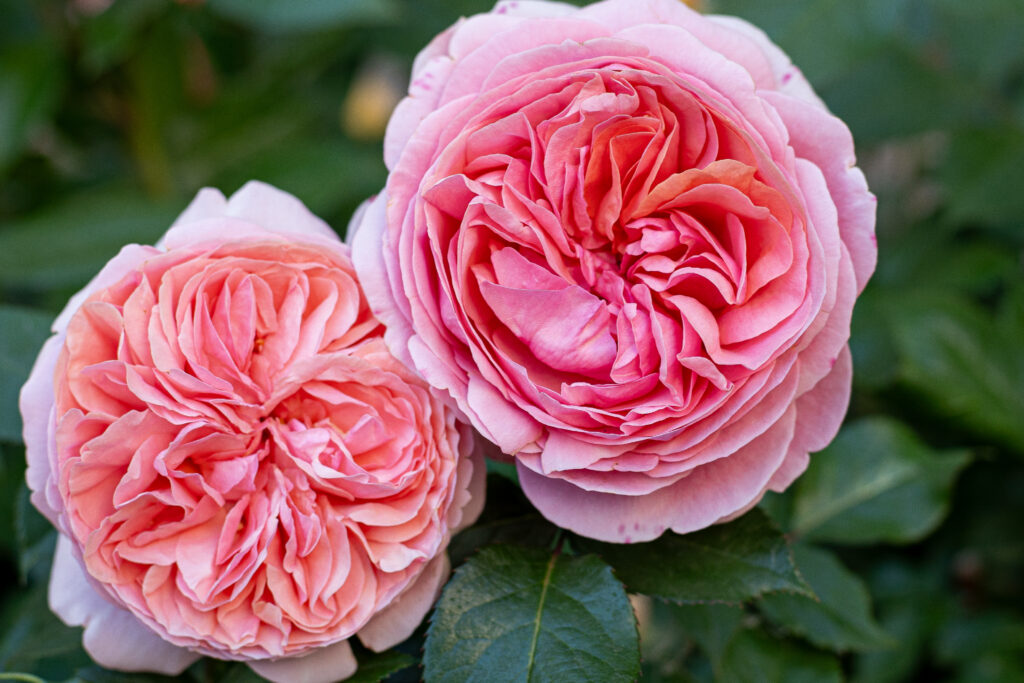
I choose roses based on winter cold, summer heat, available space, and how much care I can give. The right type grows with fewer problems and fits the look I want.
Match Varieties to Your USDA Hardiness Zone
I check my USDA Hardiness Zone before buying a rose. This number shows the average lowest winter temperature in my area, which matters most for roses that may die back during hard freezes.
I choose varieties rated for my zone or colder. For example, a rose rated for Zones 5–9 can usually handle a Zone 6 winter, while a Zone 7 rose may struggle there without winter protection.
Quick Tip: I read the plant label closely. A sheltered wall can feel warmer, but cold wind and wet soil can still damage roses.
I also consider summer conditions. Rugosa roses often handle cold, wind, and salty air well, while many David Austin English roses prefer cooler nights and may need afternoon shade in very hot areas.
In cold zones, I look for hardy shrub roses, own-root roses, and old garden roses. In warm zones, I watch for heat stress, black spot, and poor flowering during long, humid summers.
Compare Shrub, Tea, Floribunda, and Climbing Types
I pick the rose type based on where I’ll plant it. Shrub roses form rounded bushes and work well in borders, hedges, and large containers. Disease-resistant shrub roses, such as Knock Out roses and Drift roses, suit gardeners who want less spraying and pruning.
Hybrid tea roses grow tall stems with one large bloom per stem. I choose them for cutting flowers, but they often need more care than shrub roses.
Quick Tip: I measure the planting space before shopping. A small plant tag can hide a very large mature rose.
Floribunda roses carry clusters of blooms and usually flower often through the season. They work well for bright color in beds. Miniature roses stay smaller, but they still need full sun and regular watering.
I use climbing roses for fences, arches, and trellises. A climbing rose doesn’t cling by itself, so I tie its long canes loosely to supports. Many climbing types repeat-bloom, but some old garden roses bloom mainly once each year.
Decide Between Own-Root and Grafted Roses
I choose own-root roses when I want the roots and stems to belong to the same variety. If winter kills the top growth, new shoots can still grow true to the named rose from the roots.
Grafted roses join the flowering variety to a separate rootstock. The rootstock may add vigor or help the plant grow in certain soils, but hard winters can kill the grafted top while the rootstock survives.
Quick Tip: I check for shoots growing below the graft union. I remove them because they belong to the rootstock, not my rose.
I often favor own-root roses in cold areas, especially shrub roses and English roses. I may choose grafted roses when local nurseries sell healthy plants suited to my climate.
For either type, I plant in full sun, give the roots room, and avoid waterlogged soil. Healthy roots matter more than a fancy label.
Pick the Best Site and Prepare the Soil
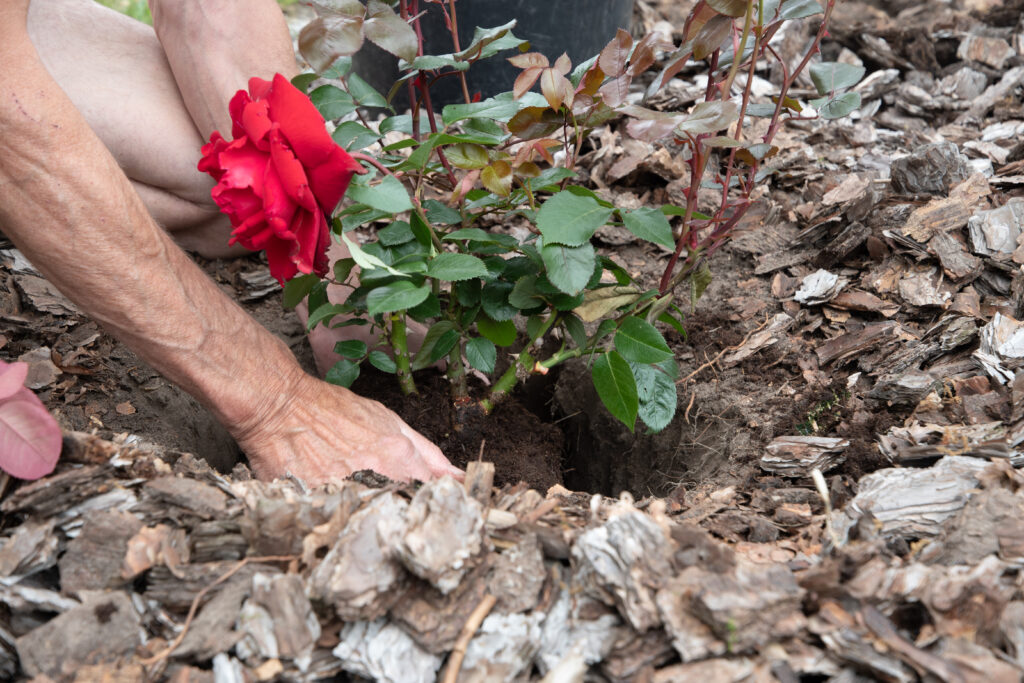
I give roses direct sunlight, rich soil, and room for air to move. These basics help plants grow strong and keep leaves from staying damp for too long.
Provide Full Sun and Good Airflow for Healthier Rose Leaves
I plant roses where they get at least 6 hours of direct sunlight each day. Morning sun works best because it dries dew from the leaves early. A spot with 8 hours of sun is even better for most roses.
I avoid placing roses tight against a fence, wall, or thick hedge. Cold areas may need an exception, though: I use a south- or west-facing wall for extra warmth, but leave enough space for air to pass behind the plant.
Quick Tip: I watch the spot for a full day before planting. If nearby trees shade it after lunch, I choose a brighter place.
Good airflow helps leaves dry after rain and watering. I also avoid low pockets where cold, damp air settles. Roses dislike wet feet and stale air. Frankly, neither makes a happy garden bed.
Build Fertile, Well-Draining Soil Before Planting Roses
I start soil preparation by checking drainage. After rain, I avoid any site where water stands for more than a few hours. Roses need well-drained soil so their roots can get air instead of sitting in soggy ground.
I mix 2 to 3 inches of organic matter into the top 10 to 12 inches of soil. Good choices include finished compost, aged manure, and leaf mold. These materials make clay soil less dense and help sandy soil hold water.
| Soil problem | What I add |
|---|---|
| Heavy clay | Compost, leaf mold, and coarse organic matter |
| Fast-draining sand | Compost and aged manure |
| Average garden soil | Compost for steady fertility |
Quick Tip: I use aged manure, not fresh manure. Fresh manure can burn roots and bring weed seeds into the bed.
I aim for fertile soil that feels crumbly and smells earthy. If I need to improve a large area, I prepare the whole bed instead of only the planting hole. Roots will spread, so the soil should be good beyond one small pocket.
Plan Spacing and Companion Plants Before Filling the Bed
I check the rose label for its mature width, then give each plant enough room. Most bush roses need 2 to 3 feet between plants, while larger shrub and climbing roses may need 4 to 6 feet or more.
I don’t crowd roses to make a new bed look full. They grow, after all. Air needs space to move between stems, especially in humid or rainy areas.
Quick Tip: I picture each rose at its full size, not its size in the nursery pot. Small plants can be misleading little things.
I use companion planting with plants that enjoy similar sun and soil. Lavender adds scent and attracts pollinators, but I place it where the soil stays slightly drier. Marigolds can fill open edges, while low perennial flowers can cover bare soil without pressing against rose stems.
I keep companions at least 12 to 18 inches from the rose base. This leaves room to water, mulch, prune, and check for pests.
Plant Roses at the Right Time
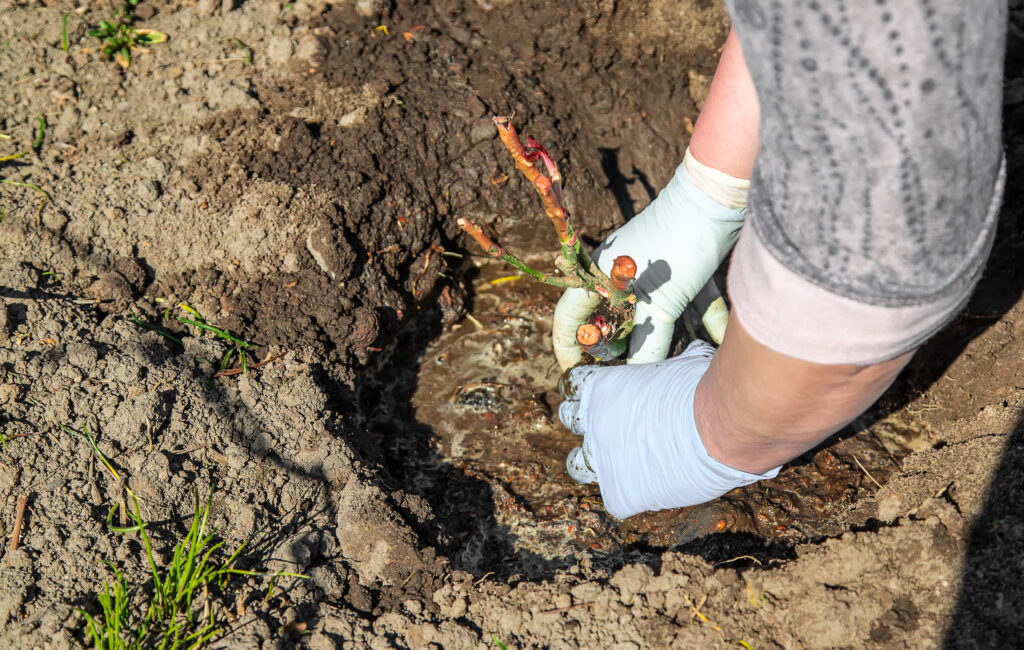
I plant roses when the soil is workable and the weather is mild. The right timing, planting depth, and steady moisture help new roots settle in without stress.
Know When to Plant Bare-Root and Container Roses
I plant bare-root roses in late winter or early spring, while they’re still dormant. In cold areas, I wait until the ground has thawed and I can dig easily. I plant before the buds open if possible.
I use my local last frost date as a guide. Bare-root roses can handle cool weather, but I avoid planting in frozen or waterlogged soil. Cold, sticky mud is no friend to new roots.
I can plant container-grown roses in spring after the last frost or in early fall, about six weeks before hard frost. Fall planting works well in mild winter zones because roots can grow in cool soil.
Quick Tip: I soak bare-root rose roots in a bucket of water for 2–12 hours before planting. I water container-grown roses in their pots before removing them.
Set the Bud Union at the Proper Depth
I find the bud union, also called the graft union, near the base of many roses. It looks like a swollen knot where the rose joins its rootstock.
In warm winter areas, I set the bud union 1–2 inches above the soil line. In cold winter zones, I plant it 2–3 inches below the soil line to help protect it from freezing wind.
I spread the roots across the bottom of a wide hole, then refill it with the original soil. I don’t pack heavy compost around the roots. Too much rich material can hold water against the plant.
Quick Tip: I check the rose from a few steps away before filling the hole. The stems should stand straight, not lean like they had a long night.
Water and Mulch New Plantings
I water newly planted roses slowly and deeply right after planting. This settles soil around the roots and removes air pockets. I keep the soil evenly moist during the first growing season.
I check the top inch of soil every few days, especially during dry or windy weather. If it feels dry, I water at the base of the plant. I avoid spraying the leaves late in the day.
I add a 2–3 inch layer of organic mulch, such as shredded bark, pine needles, or compost. Mulch keeps roots cooler, slows water loss, and limits weeds.
Quick Tip: I keep mulch 2 inches away from the rose stems. Mulch piled against the canes can trap moisture and invite rot.
Water, Feed, and Maintain Healthy Growth
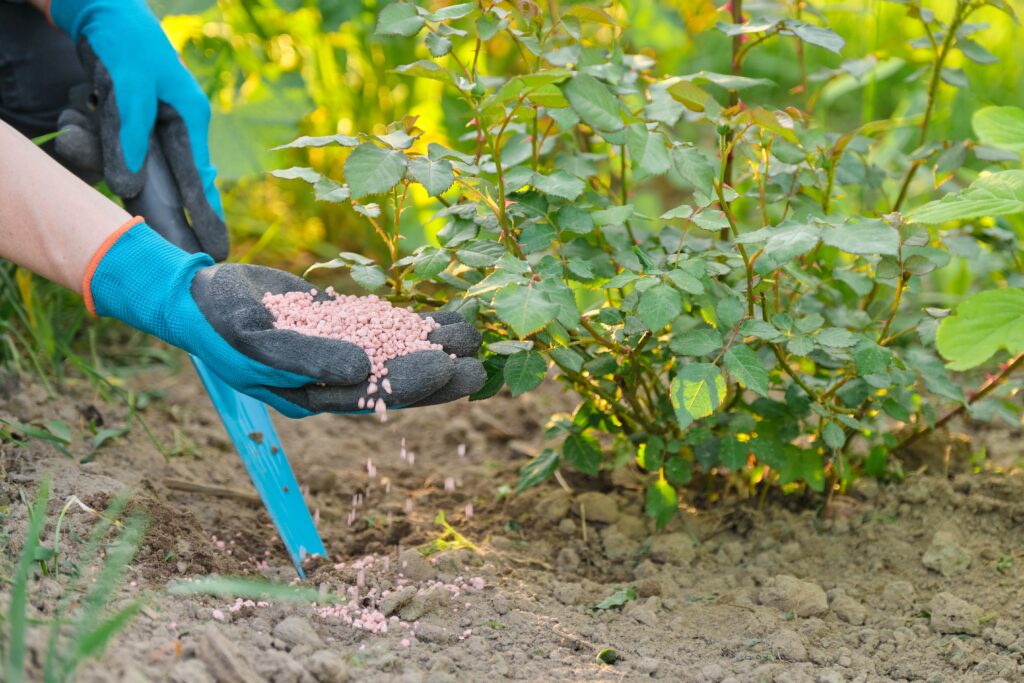
I keep rose care simple: soak the roots, feed at the right time, and remove fading blooms. These habits help roses stay leafy, rooted, and ready to flower again.
Water Deeply Without Wetting the Foliage
I water roses slowly at the base so moisture reaches the deeper roots. Most roses need about 1–2 inches of water each week, including rain. During hot, dry weather, I check more often.
I push a finger 1 inch into the soil. If it feels dry, I water deeply instead of giving the plant a quick daily sprinkle. Shallow watering makes weak, surface-level roots.
Quick Tip: I water early in the morning and keep the leaves dry. Wet foliage can encourage black spot and other diseases.
I spread 2–3 inches of mulch around the plant, leaving a small gap around the stems. Compost, shredded bark, or other organic matter helps the soil hold moisture and keeps roots cooler in summer.
Fertilize for Strong Roots and Repeat Blooms
I feed established roses when new growth begins in spring. I use a rose fertilizer as the label directs, then feed after each main bloom cycle if the roses bloom repeatedly.
I choose an organic fertilizer when I want a slower, steadier feed. Compost, alfalfa meal, and well-rotted organic matter can improve the soil while adding nutrients.
Quick Tip: I water the soil before and after fertilizing. Dry roots and fertilizer make a bad pair.
I do not add bone meal unless a soil test shows that the soil needs phosphorus. Too much can build up in the soil, and it does not solve every flowering problem. In cold areas, I stop fertilizing about 6–8 weeks before the first expected frost so soft new growth does not face an early freeze.
Deadhead Spent Flowers
I remove faded flowers before they form rose hips. This task, called deadheading, helps many repeat-blooming roses put energy into new flowers instead of seeds.
I cut the stem just above an outward-facing leaf with five leaflets. I use clean, sharp pruners and make the cut about ¼ inch above the leaf.
Quick Tip: I snip off brown petals as soon as they look tired. The bush looks cleaner, and I can spot pests or disease sooner.
I do not deadhead roses that bloom only once each year if I want colorful hips in fall. During very hot weather, I avoid heavy cutting and remove only the spent flower head.
Prune and Train Roses for Better Blooms
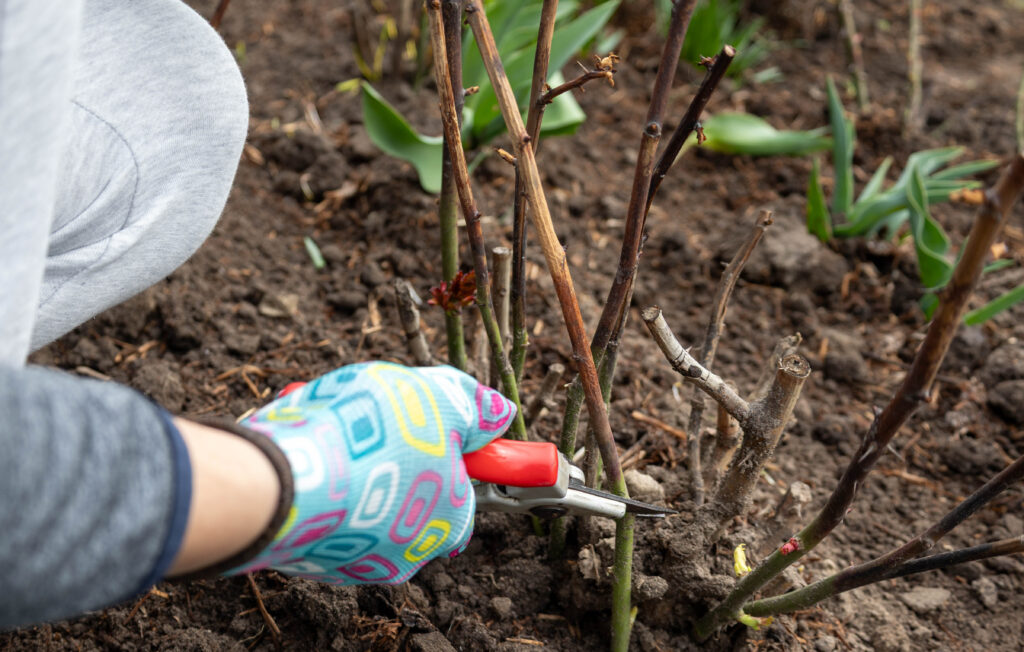
I prune at the right time to remove weak growth and guide the plant’s energy into healthy canes. I also tie climbing roses in wide, gentle lines so more flowering shoots can form.
Prune Bush Roses in Early Spring for Strong New Canes
I prune most rose bushes in early spring, just as buds begin to swell and after the worst hard freezes have passed. In cold zones, I wait until new growth shows because an early cut can expose fresh stems to frost.
I use clean, sharp bypass pruners. First, I remove dead, blackened, damaged, or crossing canes. Then I cut each stem about 1/4 inch above an outward-facing bud at a sloping angle.
For hybrid tea roses, I cut back to 3–5 strong canes, about 12–18 inches tall. I prune floribunda roses less severely, leaving more canes at about 18–24 inches for a fuller plant and clusters of flowers.
Quick Tip: I scrape a small spot on a questionable cane. Green tissue means it is alive; brown and dry means it should go.
Train Climbing Roses on Supports to Create More Flowering Stems
I do not cut climbing roses down like bush roses. Their long main canes build the plant’s frame, and they need time to mature.
I tie flexible canes to a trellis, fence, or wires with soft plant ties. I spread them out as much as possible, bending long canes sideways or into a gentle fan shape.
A cane tied flat or nearly horizontal produces more side shoots, and those shoots carry blooms. I remove dead wood and thin, weak, crowded stems.
After a climber has flowered for several years, I remove one or two of the oldest main canes at the base to make room for new growth.
Quick Tip: I leave ties loose enough for the cane to thicken. Tight wire or string can cut into the bark. No rose enjoys being squeezed.
Adjust Pruning for Different Rose Types and Growth Habits
I match the cut to the rose type. Shrub roses, including Knock Out roses, need simple thinning rather than careful shaping.
I remove dead canes, then reduce the plant by about one-third if it has grown too large. David Austin English roses and other shrub roses bloom well with moderate pruning.
I cut them back by about one-third for a taller shrub, or by half for a smaller, neater plant. I keep several strong canes because they create the rounded shape.
I prune once-blooming climbing roses after they finish flowering because they bloom on older wood. I prune repeat-blooming climbing roses in early spring, then remove spent flowers during the season if I want more blooms.
Quick Tip: I check the plant tag when possible. A rose that blooms once needs its old canes, so a hard spring cut can remove that year’s flowers.
Prevent and Treat Pests and Diseases
I prevent most rose problems by keeping leaves dry, checking plants often, and acting early. Clean habits and gentle controls protect roses without making harsh sprays the first choice.
Avoid Fungal Problems With Smart Garden Habits
I plant roses where they get at least six hours of sun and moving air. Crowded, damp leaves invite black spot, powdery mildew, and rust.
I water the soil at the base of each plant, not the leaves. I water in the morning so any splashes can dry before nightfall.
Quick Tip: I remove yellow, spotted, or fallen leaves right away. I do not add diseased leaves to the compost pile.
I spread 2–3 inches of organic mulch around the base, leaving a small bare gap around the stems. Mulch stops soil from splashing onto leaves during rain, which can spread black spot spores.
Disease-resistant shrub roses need less fuss than many older rose types. In humid or rainy areas, I give plants extra space and prune crowded stems in late winter.
Identify Common Rose Pests Before They Spread
I check new growth, flower buds, and leaf undersides once or twice each week. Small pests multiply fast, so catching them early saves a lot of bother.
| Pest | What I Look For | Common Damage |
|---|---|---|
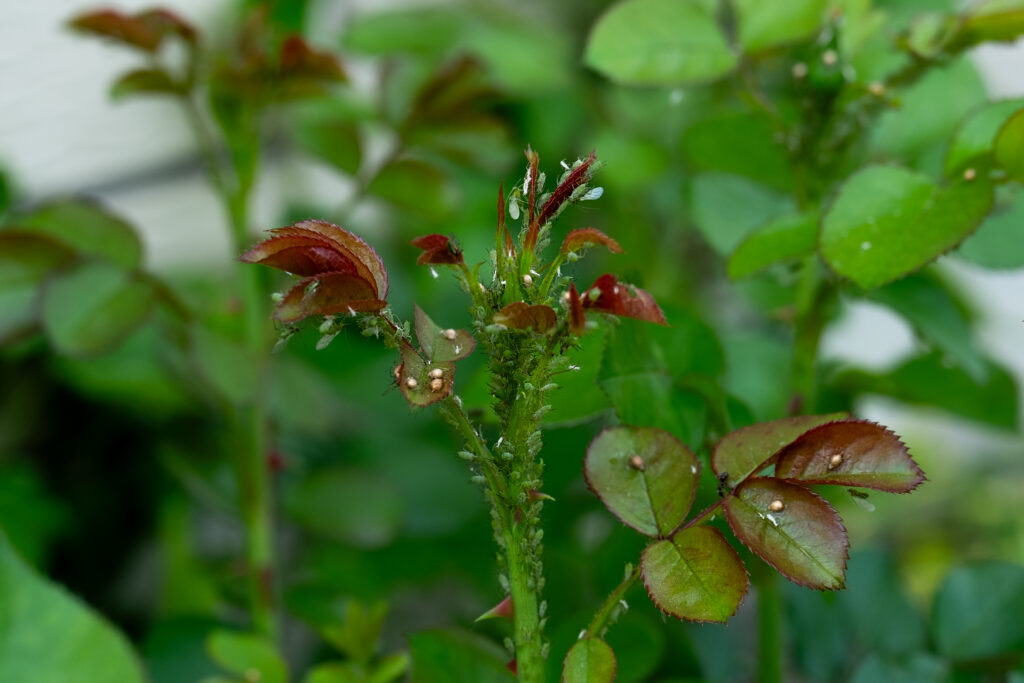
| Aphids | Soft green, black, or pink insects on buds | Curled leaves and sticky sap |
| Spider mites | Tiny dots and fine webbing under leaves | Pale, dry-looking leaves |
| Thrips | Thin insects hidden in buds | Brown-edged, misshapen flowers |
| Japanese beetles | Shiny green and bronze beetles | Chewed leaves with lacy holes |
Aphids often gather on soft new stems like a tiny crowded bus stop. Spider mites prefer hot, dry weather, while Japanese beetles can be worse in areas where they are common during summer.
Quick Tip: I shake a flower gently over white paper if I suspect thrips. Tiny moving specks can confirm the problem.
Use Gentle Control Methods First to Protect Helpful Insects
I start by spraying aphids off with a firm stream of water. I repeat this every few days until the clusters are gone.
For aphids, spider mites, and young thrips, I use insecticidal soap on the pests and leaf undersides. I spray in the cool morning or evening, never in strong sun or when temperatures rise above 85°F.
Quick Tip: I test soap or neem oil on a few leaves first, then wait 24 hours. Some roses react badly, especially during hot weather.
I handpick Japanese beetles early in the morning and drop them into soapy water. I also avoid broad insect sprays because they can kill helpful insects, including lacewings, which eat aphids.
I prune badly infected stems and discard them in the trash. If fungal disease keeps returning, I choose a labeled rose fungicide and follow the package directions exactly.
Frequently Asked Questions
Plant roses in the right season, give them enough sun, and water deeply when the soil starts to dry. I also match the rose type to the space, whether that means a garden bed or a pot.
What is the best month to plant roses?
I plant bare-root roses in late winter or early spring, while they are still dormant. In many areas, that means February through April, after the hardest freezes have passed.
I plant container-grown roses in spring or fall. Fall planting works well in mild climates because roots can settle in before summer heat arrives.
Quick Tip: I avoid planting in frozen ground, heavy rain, or a hot spell. Roses dislike starting life in muddy or baking soil.
Should beginners grow roses in pots or in the ground?
I suggest growing roses in the ground if you have a sunny garden bed. Ground-grown roses usually need less frequent watering and have more room for roots.
I use pots when I have a patio, poor soil, or limited space. Choose a pot at least 18 to 24 inches wide with drainage holes, or roots may become crowded fast.
Quick Tip: I pick a compact or patio rose for containers. Large climbing roses and tall shrub roses can outgrow pots quickly.
How much sunlight do rose plants need each day?
I give roses at least 6 hours of direct sunlight each day. They often bloom best with 6 to 8 hours of morning and midday sun.
In very hot zones, I give them light afternoon shade. This helps protect flowers from fading and leaves from looking scorched.
Quick Tip: I check the spot at different times of day. Bright shade is not the same as direct sun.
How often should roses be watered?
I water roses deeply once or twice a week, depending on rain, heat, and soil type. Sandy soil dries faster, while clay soil stays wet longer.
I check the soil before watering. If the top 1 to 2 inches feel dry, I water slowly at the base until the root area is moist.
Quick Tip: I keep water off the leaves when possible. Wet leaves can help fungal diseases spread, especially in humid weather.
How can I grow a rose plant from a stem cutting?
I take a 6- to 8-inch cutting from a healthy, nonflowering stem in late spring or early summer. I cut just below a leaf joint, remove the lower leaves, and leave two small leaf sets near the top.
I place the cut end in moist potting mix, cover it loosely with a clear bag, and keep it in bright, indirect light. The mix should feel damp, not soggy.
Quick Tip: I tug the cutting gently after 4 to 8 weeks. If it resists, new roots may have formed.
How long does it take for a rose bush to fully grow?
I expect a new rose bush to produce a few flowers during its first growing season. It usually takes 2 to 3 years to reach a fuller, mature size.
Growth depends on the rose variety, sunlight, soil, pruning, and weather. A rose may grow more slowly after a harsh winter or through a very hot, dry summer.
Quick Tip: I avoid heavy pruning during the first year. Instead, I let the plant build strong roots and sturdy canes first.