
You can grow healthy, colorful dahlias in pots with a large container, rich soil, full sun, and steady care. I’ll help you choose the right dahlia, plant its tuber, and keep the blooms coming all season.
Growing dahlias in pots works well on patios, balconies, and small yards. I’ll cover watering, feeding, staking, and common problems, so your potted dahlias don’t get floppy or stressed.
Quick Tip: I check the top inch of soil and water when it feels dry. I’ll also explain how to handle frost and save tubers if your winter gets cold.
Choose Dahlias and Containers That Fit
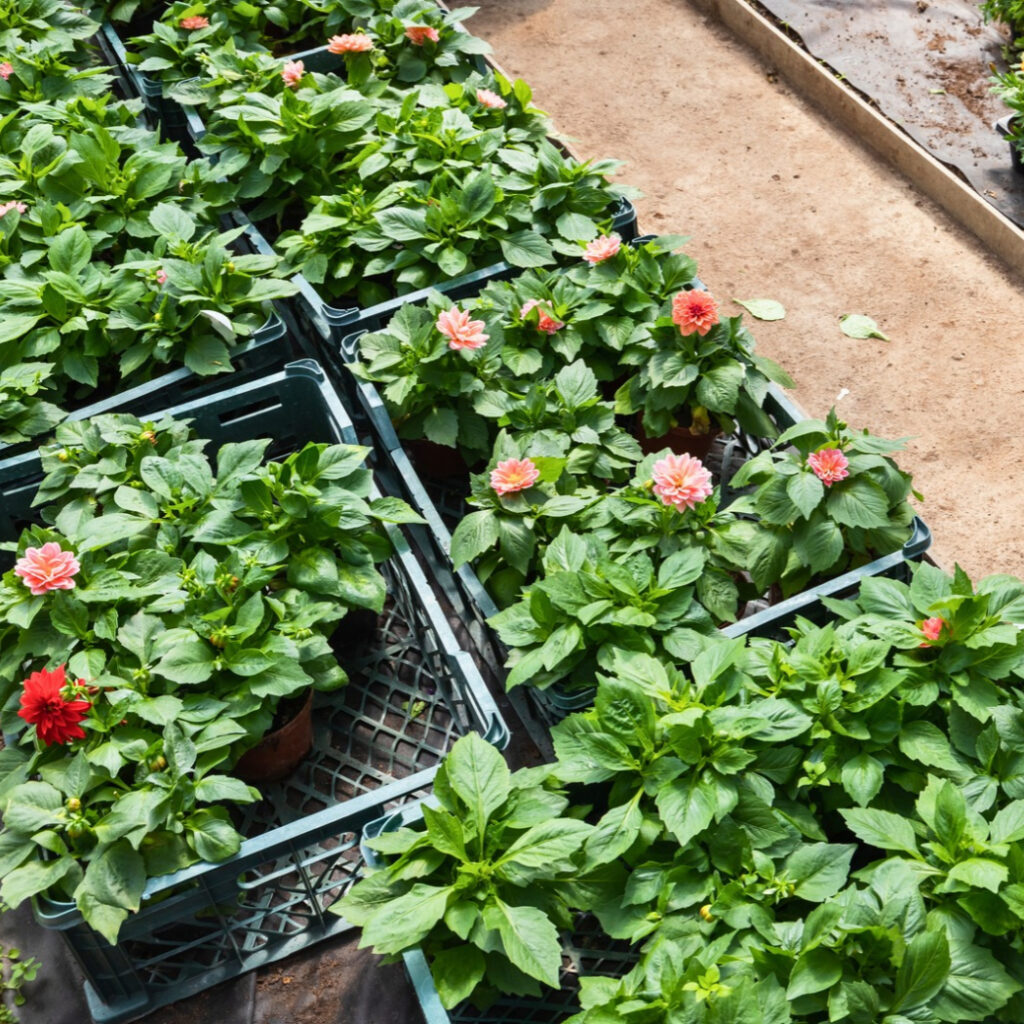
I match the dahlia’s mature size to a pot with enough root room and weight. A cramped pot dries out quickly, tips easily, and limits flower size.
Best Compact and Dwarf Varieties
I choose compact dahlias or dwarf dahlias for small patios, balconies, and steps. These plants usually grow 12 to 24 inches tall, so they stay tidy without needing a huge container.
Good dahlia varieties for pots include Gallery types, Happy Single types, Topmix types, and Bishop’s Children. I also look for labels that say “border,” “compact,” or “container-friendly.”
A 12-inch pot works for one small dahlia tuber, but I use a 14- to 16-inch pot when I can. The extra soil holds moisture longer during hot, dry weather.
Quick Tip: I pick a pot at least as wide as it is deep. A narrow pot can make even a short dahlia lean toward the sun.
Sizing Pots for Taller and Dinnerplate Types
I give taller dahlia varieties more space from the start. For plants that grow 3 to 4 feet tall, I use a 5-gallon container that measures at least 12 to 14 inches deep and 14 inches wide.
Dinnerplate dahlias and giant dahlias need larger pots because they grow tall stems and heavy blooms. I use a 7- to 10-gallon container, ideally 18 inches wide and deep, for one tuber.
I avoid planting two large tubers in one pot. Their roots compete for water and food, and the pot can become a crowded mess by midsummer.
Quick Tip: I plant tall types in their final pot. Moving a growing dahlia can snap tender roots or knock off new shoots.
Drainage, Materials, and Stability
I use containers with several drainage holes in the bottom. Dahlias need moist soil, but tubers can rot in cold, soggy soil after heavy rain.
Plastic pots stay lighter and hold moisture longer, which helps in hot, dry areas. Terracotta looks great and adds weight, but it dries out faster and may crack during freezing winters.
For tall plants, I choose wide, heavy pots and add support at planting time. I push bamboo stakes into the soil near the pot edge, or I place a small tomato cage over the tuber before stems grow tall.
Quick Tip: I set tall containers where they’ll stay for the season. Once the pot fills with wet soil, it gets heavy fast.
Set Up the Right Soil Mix and Location
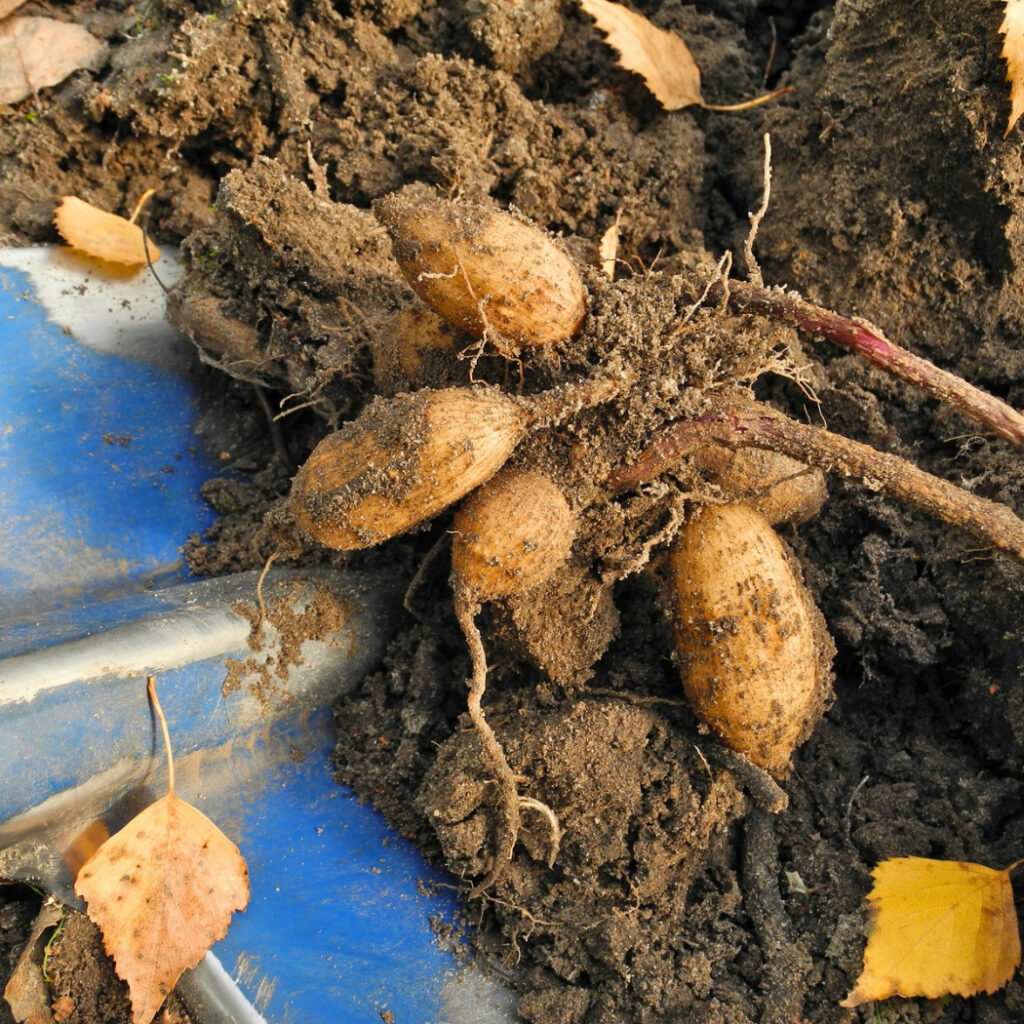
I use a loose potting mix, steady sunlight, and warm spring weather to give potted dahlias a strong start. Heavy soil and cold, wet conditions can rot tubers before they grow.
Build a Free-Draining Growing Medium That Holds Some Moisture
I fill pots with a well-draining potting mix, not garden soil. Garden soil packs down in containers, stays wet too long, and limits air around the roots.
I mix about 2 parts potting mix, 1 part compost, and 1 part perlite. Compost adds nutrients, while perlite creates small air spaces and helps extra water drain away. The mix should feel light and crumbly, not muddy or sticky.
Peat moss, coir, coco coir, and coconut coir can hold moisture without making the pot soggy. I use them as part of a potting mix rather than planting in them alone. Vermiculite holds more water, so I use only a small amount in hot, dry areas.
Quick Tip: When I squeeze damp mix in my hand, it should form a loose clump and fall apart with a tap.
Provide Enough Sun Without Letting Pots Bake All Afternoon
I place dahlias where they get full sun for at least six hours a day. Morning sun helps dry dew and rain from the leaves, which can reduce disease problems.
In mild areas, I give them sun from morning through late afternoon. In very hot climates, especially where summer days often reach 90°F (32°C) or more, I provide afternoon shade. A spot with morning sun and shade after 2 p.m. often works well.
I avoid dark corners, north-facing walls, and places shaded by trees. Dahlias may grow in lower light, but they can become tall, floppy, and slow to flower.
Quick Tip: I check the pot in late afternoon. If it feels too hot to touch comfortably, I move it or shade the container.
Know When Spring Conditions Are Safe for Planting Tubers
I wait until the danger of frost has passed before planting dahlia tubers outside. I use my local last frost date as a guide, then watch the actual forecast because spring likes to change its mind.
The soil temperature should be at least 60°F (16°C) and no longer cold and wet. Cool, soaked potting mix often causes tubers to rot. If nights still drop near freezing, I wait.
In colder zones, I can start tubers indoors four to six weeks before the last frost date. I keep them in a bright, frost-free place, then move the pot outside after hardening it off for several days.
Quick Tip: I plant only when the potting mix feels mildly warm by midday, not chilly and wet like a sponge.
Plant Dahlia Tubers Step by Step
I plant dahlia tubers at the right depth, add support early, and keep the soil lightly moist. These steps help prevent broken stems and tuber rot in pots with good drainage holes.
Position Tubers at the Proper Depth
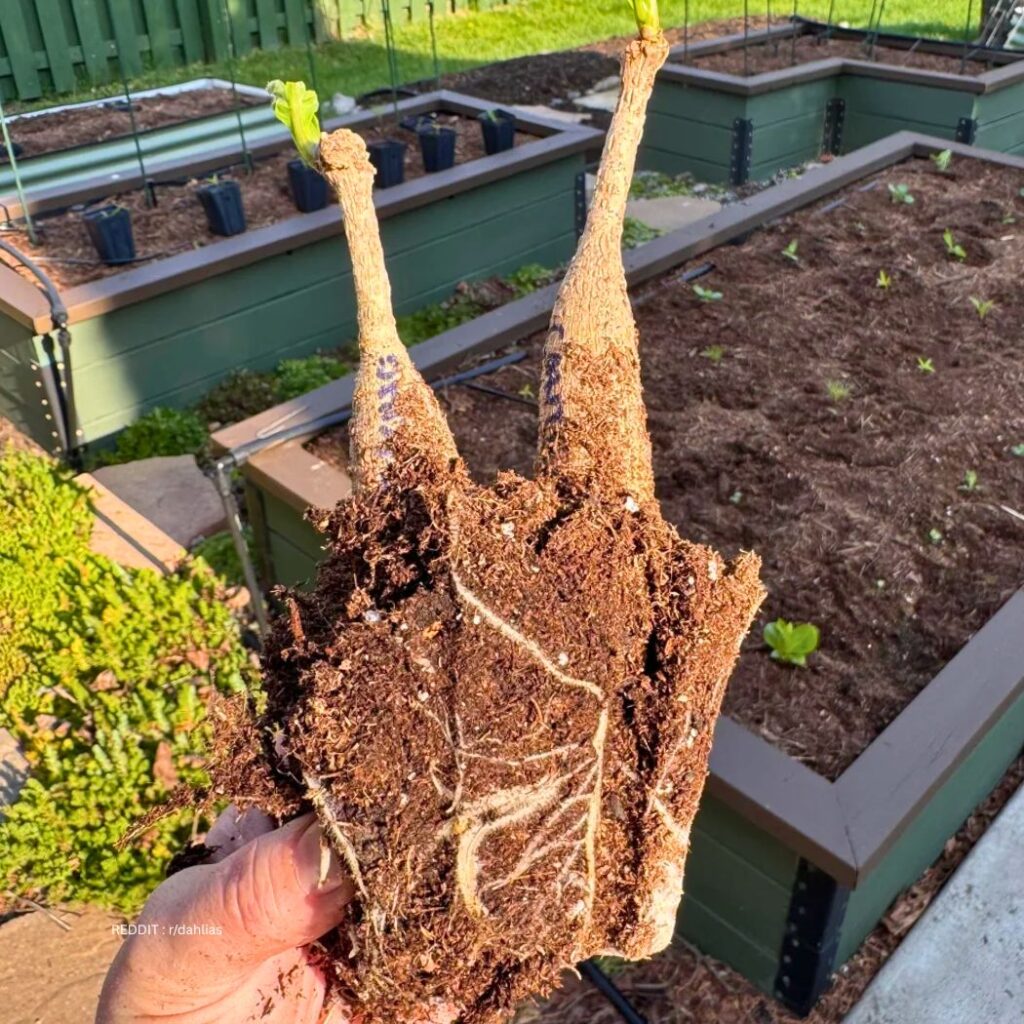
I fill my pot with moist, loose potting mix until there is enough room to set the dahlia tuber 4 to 6 inches below the soil surface. I place it on its side with the old stem or visible “eye” facing upward. The eye is where new shoots will grow.
I keep the tuber at least 2 inches from the pot wall. This gives the roots space and helps water drain through the mix instead of sitting around the tuber.
I cover the tuber with soil and press it down gently. I don’t pack it hard. Dense soil holds too much water and can lead to tuber rot.
Quick Tip: I use a pot with several drainage holes, not one tiny hole in the center. Dahlias dislike wet feet.
In cool spring weather, I wait to plant until frost danger has passed or keep the pot in a protected spot. Cold, wet soil can slow growth and cause the tuber to rot before it sprouts.
Add Supports Before Growth Begins
I add supports while I plant the tuber, not after the stems grow tall. Pushing a stake into a full pot later can slice through roots or damage the tuber. It’s a small job now that saves a messy fix later.
For tall dahlias, I push bamboo stakes down near the pot edge, about 2 to 3 inches from the tuber. I choose stakes that will stand at least 4 feet above the soil for large varieties.
I can also place a small tomato cage over the planting spot. The cage works well for bushier dahlias because it supports several stems as they spread.
Quick Tip: I place the stake or cage before covering the tuber fully, so I can see exactly where the tuber sits.
As stems reach 12 inches tall, I tie them loosely with soft plant ties. I leave room for the stems to thicken. Tight ties can rub the stems and leave damage after wind or rain.
Water Carefully Until Shoots Emerge
I water the pot lightly after planting a dahlia to settle the soil around the tuber. Then I hold back. A dormant tuber has no leaves yet, so it uses very little water.
I check the soil with my finger every few days. If the top 1 to 2 inches feel dry and the pot feels light, I add a small amount of water around the edge. I don’t soak the whole container.
Quick Tip: I wait for green shoots before beginning regular, deeper watering. Until then, soggy soil is the main problem.
Once shoots appear, I water when the top inch of soil feels dry. During hot, windy weather, a sunny pot may dry out quickly and need water more often. After heavy rain, I check that excess water drains freely through the drainage holes.
Maintain Healthy Plants for Continuous Blooms
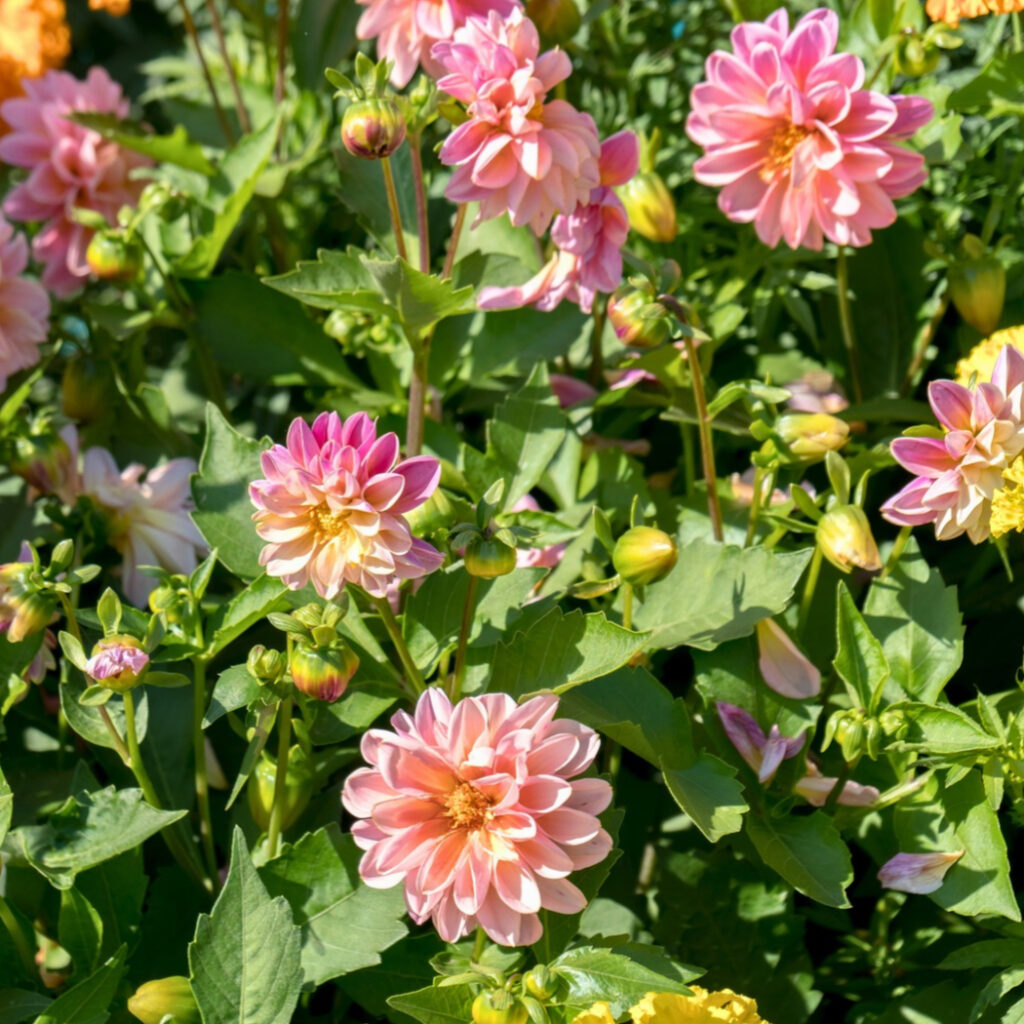
I keep potted dahlias blooming by watering on time, feeding lightly, and removing spent flowers. Small checks every few days prevent most container problems.
Water Potted Dahlias Consistently
I check dahlias in containers every morning during warm weather. If the top inch of soil feels dry, I water slowly until it runs from the drainage holes. A full soak helps roots grow through the pot instead of staying near the surface.
Potted dahlias dry out faster than plants in garden beds, especially in sun, wind, or hot weather. During heat waves, I may need to water once a day. In cool or rainy periods, I wait until the soil starts to dry.
Quick Tip: I water the soil, not the leaves, early in the day. Wet foliage can stay damp overnight and invite disease.
I never let a pot sit in a tray of standing water. Soggy soil can rot dahlia tubers, and the plant may wilt even though the pot feels wet.
Feed for Strong Growth and More Flowers
I mix a slow-release fertilizer into the potting soil at planting time, following the label rate. This gives potted dahlias a steady supply of nutrients without constant feeding.
Once buds form, I use a water-soluble fertilizer or balanced liquid fertilizer every two to three weeks. I apply it to already-moist soil so it doesn’t stress the roots. Too much nitrogen causes lots of leafy growth but fewer flowers.
Quick Tip: I stop heavy feeding in late summer. The plant needs time to finish flowering and prepare its tubers for the end of the season.
I watch the leaves as part of regular dahlia care. Pale new leaves or weak stems can signal that the pot needs food, but I check watering first. Dry roots can’t use fertilizer well.
Pinch, Deadhead, and Support Stems for Tidier Plants
I pinch out the center growing tip when a young plant has three or four sets of leaves. This encourages side branches and creates a fuller plant with more flowering stems. I use clean fingers or snips and remove only the soft top growth.
I deadhead as soon as flowers fade. I cut the stem back to the first pair of healthy leaves or a side shoot rather than just pulling off the old petals. The plant then puts energy into new buds instead of seed production.
Quick Tip: I stake dahlias early, before stems get tall and floppy. Pushing a stake into a crowded pot later can damage roots.
I tie stems loosely with soft plant ties. Wind can snap heavy flower stems, especially on tall varieties. In exposed areas or cooler zones with strong spring winds, I place pots near a sheltered wall while still giving them enough sun.
Prevent and Solve Common Container Problems
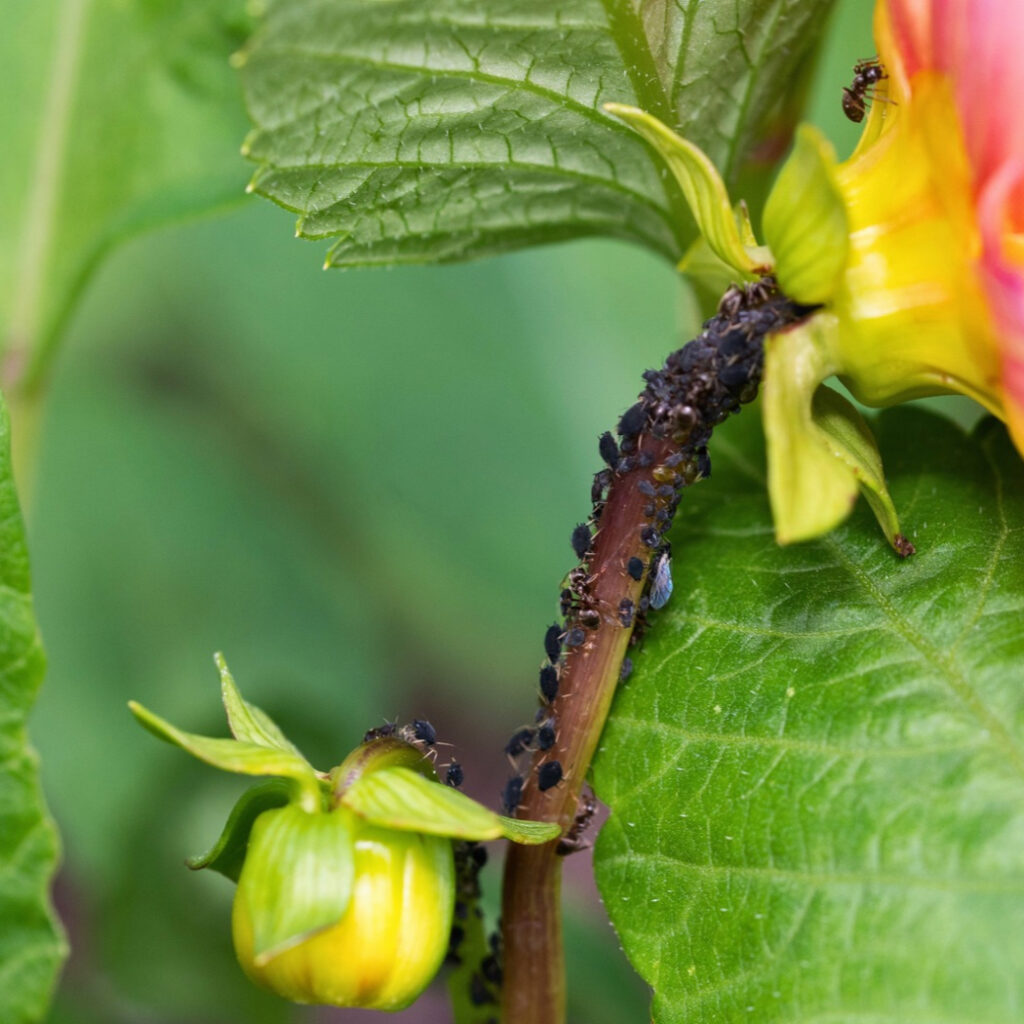
I check potted dahlias often because small problems can spread quickly in a container. Pests, wet soil, and rough weather need quick action before they affect flowers and tubers.
Manage Pests Before They Spread
I inspect the leaves twice a week, especially the soft new tips and undersides. Aphids gather in clusters and leave sticky residue, while spider mites cause pale speckles and fine webbing in hot, dry weather.
I spray aphids off with a steady stream of water early in the day. For spider mites, I rinse the leaf undersides every few days and keep the pot from drying out completely.
Quick Tip: I isolate a pot with pests for a week so insects do not hop to nearby plants.
I remove badly damaged leaves and put them in the trash, not the compost pile. If pests keep returning, I use insecticidal soap as directed on the label and avoid spraying blooms in direct sun.
Avoid Rot and Fungal Diseases
I use a pot with several open drainage holes and never let it sit in a saucer full of water. Soggy soil can cause tuber rot, which makes stems turn soft, dark, or loose at the base.
I water the soil near the stem instead of wetting the leaves. When the top inch of soil feels dry, I water deeply until excess drains from the bottom.
Quick Tip: I lift the pot after watering. If it stays unusually heavy for days, the soil may be too wet.
Powdery mildew looks like a dusty white coating on leaves. I remove affected leaves, improve airflow by spacing pots apart, and move the plant where morning sun can dry dew. In humid areas, I avoid crowding pots against walls or fences.
Respond to Heat, Wind, and Weak Growth
I give dahlias full sun for at least six hours in most climates. In very hot areas, I provide afternoon shade when leaves curl, fade, or feel dry by midday.
Wind can snap tall stems and tip lightweight pots. I place a stake in the pot at planting time, tie stems loosely, and use a heavy container or set the pot beside a sheltered wall.
Quick Tip: I turn the pot one-quarter turn each week so the plant grows evenly instead of leaning toward the light.
Weak, pale growth often means too little sun, crowded roots, or too much nitrogen fertilizer. I move the pot to brighter light, repot if roots fill the container, and use a bloom fertilizer with less nitrogen after buds begin forming.
Finish the Season and Save Tubers
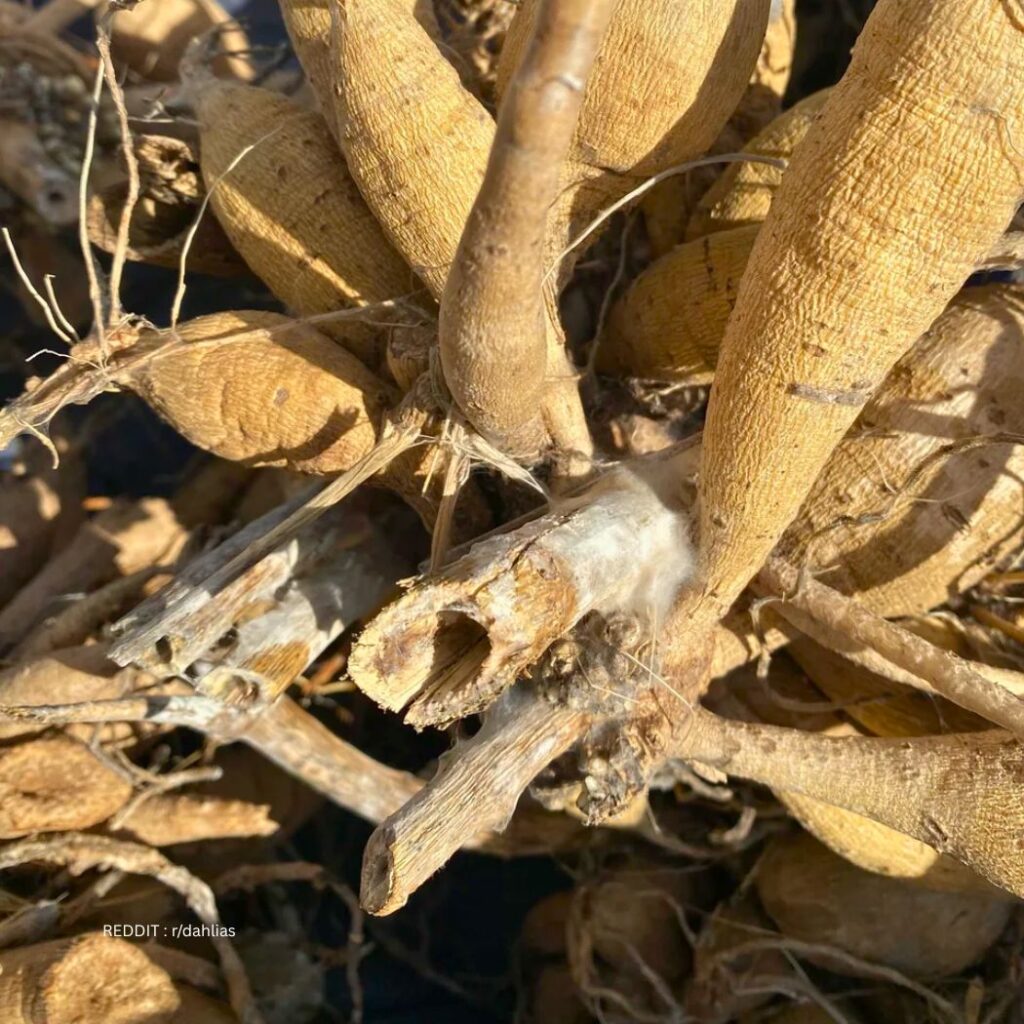
I protect container dahlias from frost, save healthy dahlia tubers, and clean pots before spring. These steps help prevent rot, pests, and a messy restart next year.
Protect Plants From the First Frost Before Cold Damages Tubers
I watch the forecast in early fall, especially when night temperatures approach 32°F. A light frost turns dahlia leaves dark and limp, but it does not always harm tubers in the soil right away.
After frost blackens the foliage, I stop watering and leave the pots outside for about 7 to 10 days if the weather stays dry and above hard-freeze levels. This short wait lets the tubers mature and firm up.
Quick Tip: I move pots under cover if heavy rain is expected. Wet compost around resting tubers can cause rot fast.
In cold zones, I do not wait through repeated freezes. I cut stems back to 4 to 6 inches, then bring the pot into a frost-free garage until I can lift the tubers.
In mild winter zones, such as USDA Zones 8 to 10, dahlias may stay outdoors if I protect the pot from freezing and winter rain.
Store Tubers for Next Year Without Letting Them Rot or Shrivel
I gently tip the pot onto a tarp and brush compost away from the tubers. I check each clump for firm, solid tubers with no soft spots, mold, or deep cuts.
I cut away damaged tubers and let healthy clumps dry in a cool, airy place for one to three days. I keep them out of direct sun, and the skin should feel dry, not hard and wrinkled.
Quick Tip: I label each clump before storage, including the dahlia name and flower color. By spring, similar-looking tubers become a guessing game.
I place tubers in a cardboard box or paper bag with barely damp peat moss, vermiculite, or wood shavings. I store them at 40°F to 50°F in a dark place that will not freeze.
Longfield Gardens also recommends checking stored tubers during winter. I remove any that turn soft and lightly mist the packing material only if tubers begin to shrivel.
Refresh Pots Before Replanting for Cleaner Spring Growth
I empty old compost from the pot after lifting the tubers. I do not reuse it for dahlias if it held pests, disease, or rotting roots. Container gardening works best when plants start with clean materials.
I scrub the pot with warm water and dish soap, then rinse it well. For pots that had disease problems, I disinfect them with a diluted bleach solution, using 1 part bleach to 9 parts water, and let them dry fully.
Quick Tip: I check drainage holes before putting the pot away. Roots and old compost often clog them, and dahlias hate sitting in soggy soil.
In spring, I fill the cleaned pot with fresh, well-draining potting mix and compost. I use a container at least 12 inches wide and deep for smaller dahlias, and larger pots for tall types. Fresh mix gives new roots room to grow and avoids carrying over hidden pests.
Frequently Asked Questions
I use a pot with good drainage, loose soil, and full outdoor sun for healthy dahlia growth. Water needs change with heat, and winter care depends on your growing zone.
What size pot do dahlias need to grow well?
I use at least a 12-inch-wide pot for compact dahlias. Larger types need a pot that is 18 to 24 inches wide and holds 10 to 15 gallons of soil.
Choose a pot at least 12 inches deep, with several drainage holes. Crowded roots and soggy soil make weak plants.
Quick Tip: I pick a heavier pot for tall dahlias, so wind does not knock it over.
What is the best soil mix for growing dahlias in containers?
I fill pots with a quality potting mix, not garden soil. I mix in compost for nutrients and perlite or pine bark for better drainage.
The soil should feel light and crumbly when damp. Thick, muddy soil holds too much water around the tuber.
Quick Tip: I leave about 1 inch of space below the pot rim so water does not spill over.
How deep should I plant dahlia tubers in a pot?
I plant dahlia tubers 4 to 6 inches deep, with the eye or small bud facing up. I place a stake in the pot at planting time for tall varieties.
I cover the tuber with soil, then water lightly. Too much water before shoots appear can cause rot, especially during cool spring weather.
Quick Tip: I wait to water deeply until green shoots break through the soil.
How often should I water potted dahlias?
I check the soil every day during warm weather. When the top inch feels dry, I water slowly until it drains from the bottom holes.
A large dahlia in a sunny pot may need water every day during hot, dry spells. Rain may not reach the soil in a dense plant, so I still check with a finger.
Quick Tip: I water early in the day to keep leaves drier and reduce disease problems.
Can dahlias be grown indoors or do they need full sun outside?
I grow dahlias outside whenever possible because they need 6 to 8 hours of direct sun each day. A north-facing window will not provide enough light.
I can grow small dahlias indoors only with a strong grow light and good airflow. Indoor plants may grow fewer flowers and become tall or floppy.
Quick Tip: I move pots outside after frost danger passes and nights stay above about 50°F.
How do I overwinter dahlias grown in pots?
After the first hard frost turns the leaves black, I cut the stems back and let the pot dry for a few days. Then I lift the tubers, brush away loose soil, and store them somewhere cool and frost-free.
I keep the tubers in dry peat moss, vermiculite, or wood shavings at about 40 to 50°F. In USDA Zones 8 to 10, I might leave them in the pot, as long as the soil stays dry and the container won’t freeze.
Quick Tip: I check the stored tubers once a month and remove any that feel soft or show signs of mold.