
You can grow dahlias from seed by starting seeds indoors, caring for young plants, and moving them outside after frost. I like this method because each plant can bring a new mix of dahlia flowers, colors, and shapes.
Growing dahlias from seed takes more patience than planting tubers, but it gives you plenty of plants for a small cost. I’ll show you when to sow, how to avoid leggy seedlings, and when warm weather makes planting safe.
Quick Tip: Start seeds indoors about 6 to 8 weeks before your last spring frost, especially in cool zones.
Seeds Versus Tubers: What to Expect
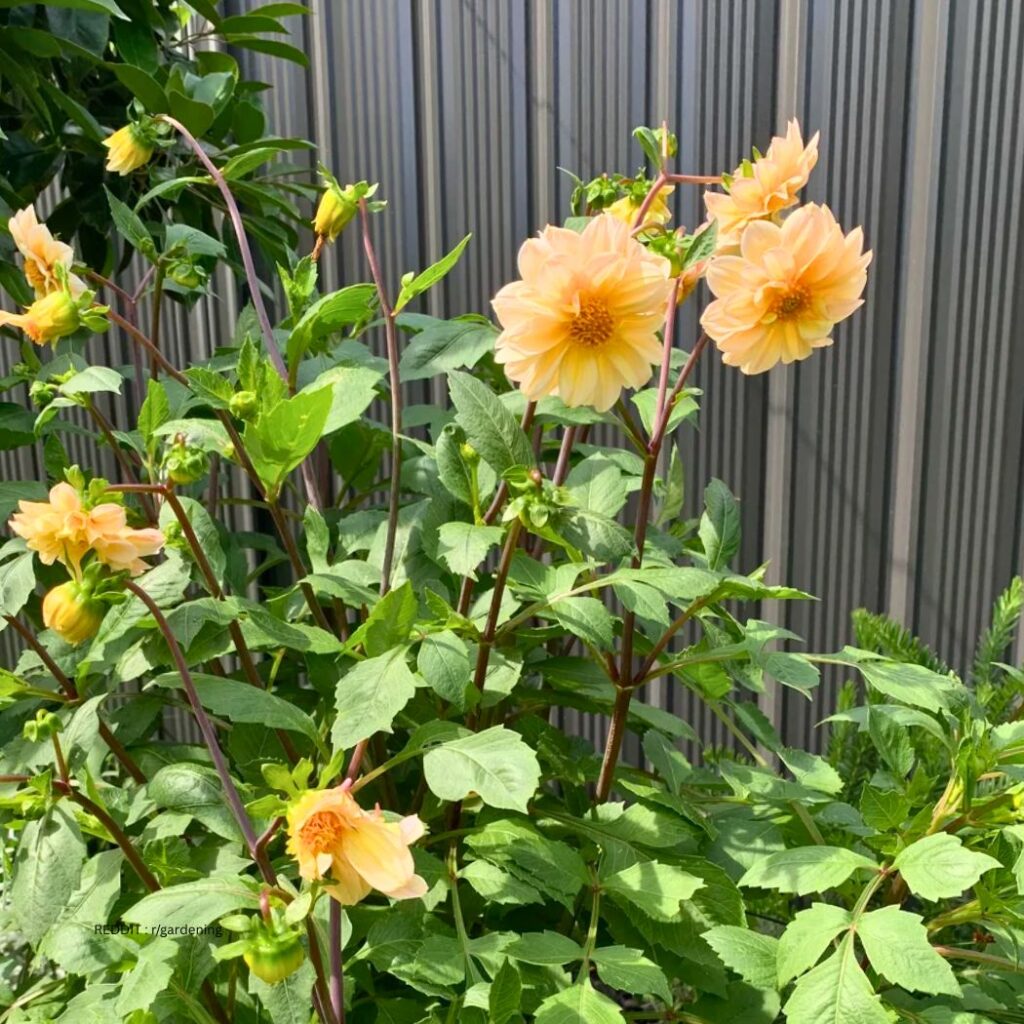
I grow dahlias from seed when I want surprises and new color mixes. I use dahlia tubers when I want a plant that matches a known variety.
Why Seed-Grown Plants Are Unique
Dahlia seeds, often sold as Dahlia variabilis, do not grow into exact copies of the parent plant. Each seedling can differ in height, flower shape, color, and bloom size.
One plant may open red single flowers, while another produces soft yellow pompons. Growing dahlias from tubers gives more predictable results.
When I plant dahlia tubers from a named variety, such as one sold by Longfield Gardens, I expect the same type of dahlia blooms shown on its label.
Quick Tip: I label seedlings as soon as they bloom. If I find a favorite, I can save its tubers after frost and grow that exact plant again next year.
Seed-grown dahlias may bloom later than plants started from tubers, especially in cool northern zones with short summers. I start seeds indoors early if spring stays chilly where I live.
Choosing Dahlia Seeds and Varieties
I choose dahlia seeds when I want several plants at a lower cost and don’t mind variation. Seed packets often list mixes by color, flower type, or plant height, such as dwarf bedding dahlias or tall cutting types.
| Choose | When I Want |
|---|---|
| Dahlia seeds | Mixed colors, new plants, and a little surprise |
| Dahlia tubers | A specific named plant with known flower size and color |
I check the packet for mature height and days to bloom. Tall dahlia varieties need staking, while compact types suit pots and front beds.
I also pick open-centered flowers if I want to attract bees.
Quick Tip: I buy fresh dahlia seeds from a reliable seller and avoid packs with no variety details. Clear labels make planning much easier.
When and How to Start Seeds Indoors
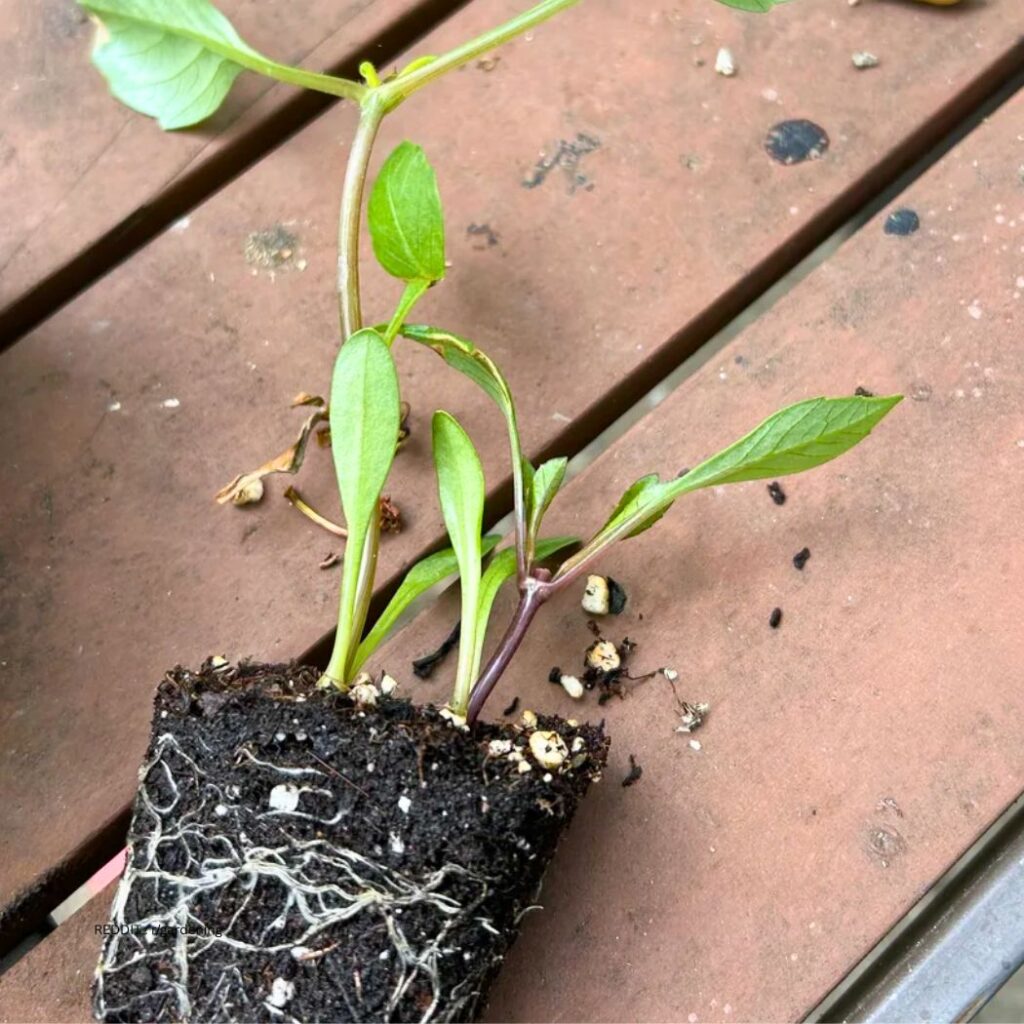
I start dahlia seeds indoors so the seedlings have time to grow before warm planting weather arrives. A clean mix, steady warmth, and bright light prevent most early problems.
Plan Around Your Last Frost Date
I sow dahlia seeds 6 to 8 weeks before my last frost date. This gives seedlings enough time to develop sturdy stems and several true leaves without becoming crowded indoors.
I check my local last frost date, not just my hardiness zone. Hardiness zones describe average winter cold, but spring weather can still run early or late.
In colder hardiness zones, I may start closer to six weeks before frost if outdoor soil stays cold for a long time.
Quick Tip: I wait to plant dahlia seedlings outside until frost danger has passed and nighttime temperatures stay above 50°F (10°C).
Dahlias dislike cold soil. If a late frost is likely, I keep seedlings inside a few extra days rather than rushing them outdoors. The calendar is useful, but the weather gets the final vote.
Sow in a Clean, Well-Draining Medium
I fill a clean seed tray or small pots with moist seed-starting mix. A mix made with peat moss, vermiculite, and other fine materials holds moisture while letting extra water drain away.
I place each seed about 1/4 inch deep, then cover it lightly. I label the tray with the dahlia variety and sowing date.
Tiny labels save me from guessing later, which is never as fun as it sounds.
Quick Tip: I moisten the mix before sowing, so I do not wash seeds deeper into the tray with a heavy first watering.
I press the surface gently, then mist or bottom-water the tray. The mix should feel like a wrung-out sponge: damp throughout, not dripping.
I use a humidity dome only until seeds sprout, then remove it to improve air flow and reduce mold.
Provide Warmth, Light, and Even Moisture
I keep the seed tray warm, ideally between 70°F and 75°F (21°C to 24°C). A heat mat under the tray can help in a cool room, especially if the growing area feels chilly in the morning.
Once seedlings emerge, I move them under grow lights right away. I keep grow lights a few inches above the plants and run them for 14 to 16 hours each day.
A north-facing window usually does not provide enough light by itself.
Quick Tip: I check the mix daily and water when the surface begins to feel dry, before seedlings wilt.
I avoid keeping the medium soggy. Too much water can cause weak growth or damping-off, where seedlings suddenly fall over near the soil line.
I also run a small fan nearby on low, if needed, to give stems a gentle breeze and help seedlings grow stronger.
Care for Dahlia Seedlings Before Planting Out
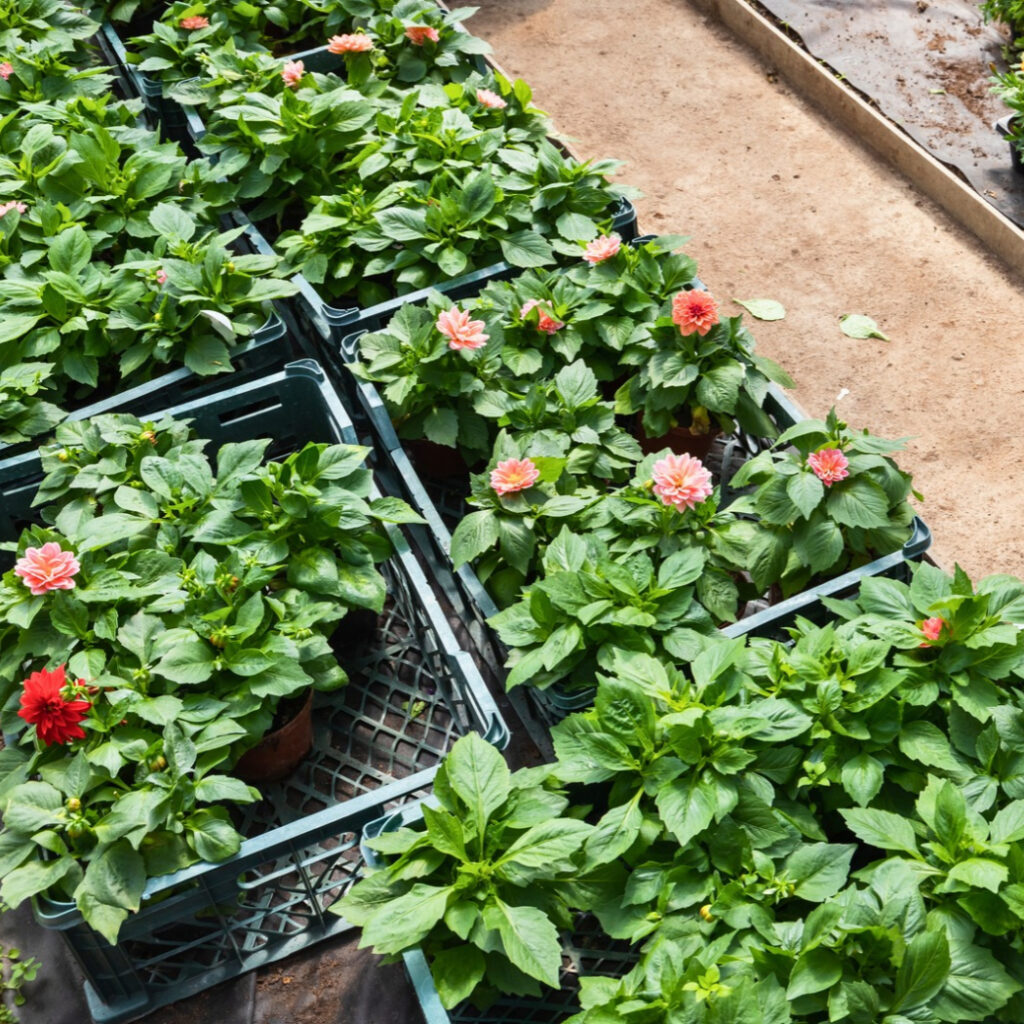
I keep dahlia seedlings compact, well rooted, and used to outdoor conditions before they go into the garden. A little care now prevents weak stems, crowded roots, and sun-scorched leaves later.
Recognize True Leaves and Pot Up Seedlings
I wait for true leaves before potting up dahlia seedlings. The first pair of leaves, called seed leaves, are smooth and rounded.
True leaves appear next and look more pointed, with the familiar dahlia shape.
When each seedling has one or two sets of true leaves, I move it into its own 3- to 4-inch pot. I use fresh, well-draining potting mix and make a hole deep enough for the roots.
I hold the seedling by a leaf, never the thin stem. If a leaf tears, the plant can grow another one. A crushed stem is much harder to fix.
Quick Tip: I bury a stretched stem slightly deeper in the new pot, up to the seed leaves, to help support it.
I water after potting up until the mix feels evenly damp. Then I let the top inch dry before watering again. Soggy soil can make young roots rot.
Prevent Leggy and Root-Bound Plants
I place my seedlings under grow lights for 14 to 16 hours each day. I keep the lights about 2 to 4 inches above the leaves, adjusting them as the plants grow.
A north-facing window rarely gives enough light on its own. If stems lean hard toward the glass or grow long and pale, I add grow lights or move the plants closer to them.
I turn pots every few days if they sit in a window. This keeps stems growing straighter instead of reaching in one direction.
Quick Tip: I run a small fan on low nearby for a few hours daily. Gentle air movement helps stems grow sturdier, but I don’t blast the plants.
I check for root-bound plants every week. Roots circling the pot edge or pushing through drainage holes mean the seedling needs a larger pot soon.
I pot it up before the roots form a tight, tangled mass.
Harden Off Plants Gradually
I start hardening off my dahlia seedlings 7 to 10 days before planting. I begin on a mild, cloudy day when temperatures stay above 50°F (10°C).
On day one, I place plants outside in bright shade for one or two hours. I bring them back indoors before evening chill, strong wind, or rain hits.
Quick Tip: I use a sheltered spot beside a wall or under a porch edge. Young leaves can burn in direct sun faster than most people expect.
Each day, I add more outdoor time and a little more morning sun. By the end, I leave plants out overnight only if frost is no longer expected.
I wait to plant dahlias until soil has warmed and nighttime temperatures stay mild. In cooler zones, that may be late spring or early summer.
Plant Seedlings in the Garden
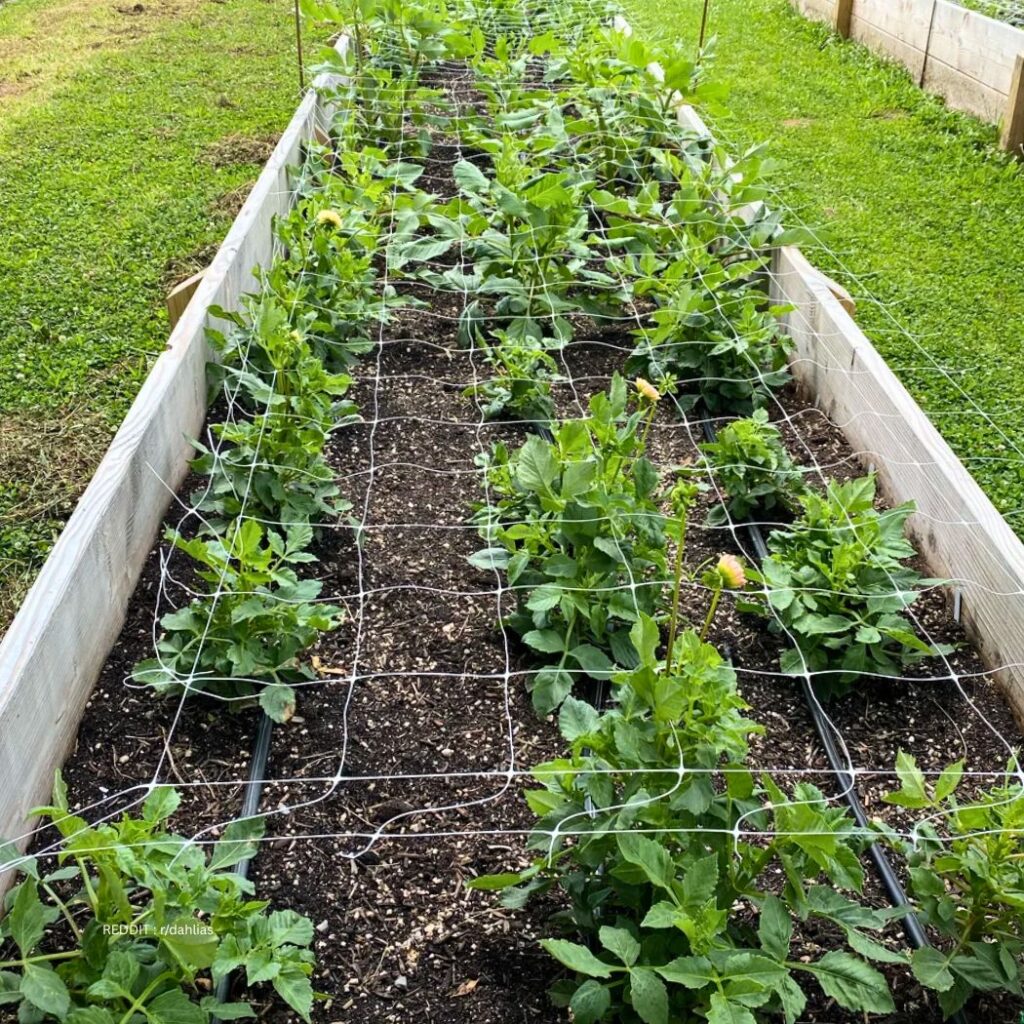
I wait until frost danger has passed and nighttime temperatures stay above 50°F (10°C). I choose a sunny spot, give each plant room, and add support before roots spread.
Prepare a Sunny, Sheltered Site
I plant dahlias where they get at least six to eight hours of direct sun each day. Morning sun helps dry dew from the leaves, while a wall, fence, or hedge can block strong winds.
In very hot areas, especially Zones 8 and warmer, light afternoon shade can prevent leaf scorch. I avoid deep shade, though.
Dahlias in low light often grow tall and weak with fewer flowers.
I loosen the soil about 12 inches deep and remove rocks, weeds, and old roots. Dahlias need well-drained soil; soggy ground can rot the young roots fast.
I mix in 2 to 3 inches of compost before planting. If my soil is heavy clay, I use a raised bed or mound to help water drain away.
Quick Tip: I squeeze a handful of damp soil. If it stays in a hard, muddy ball, I add compost and improve drainage before planting.
Set Proper Plant Spacing and Add Support
I space seedlings based on their expected plant height. Smaller bedding types need about 12 to 18 inches, while taller dahlias need 24 to 36 inches between plants.
Good plant spacing lets air move around the leaves after rain. It also gives me room to weed, water, and cut stems for a cut flower garden without crushing nearby plants.
I set a sturdy stake or plant support in the ground at planting time. Tall dahlias can reach 3 to 5 feet or more, and adding support later can damage roots.
A bamboo stake, metal stake, or tomato cage works well.
I tie stems loosely with soft garden tape as they grow. I do not pull ties tight; stems need space to thicken.
Quick Tip: I place the stake 2 to 3 inches from the seedling, then guide the stem toward it as the plant grows.
Use Containers in Small Spaces
I grow seed dahlias in containers when my yard has poor soil, limited space, or too much shade. I choose a pot with drainage holes that is at least 12 inches wide for compact types and 16 to 18 inches wide for taller plants.
I fill the container with fresh potting mix, not heavy garden soil. Potting mix drains better and stays loose around young roots.
I place pots where they receive full sun and shelter them from rough wind. Dark containers can heat up quickly, so I check the soil more often during hot weather.
I water when the top inch of mix feels dry. Once seedlings start active growth, I feed them with a light organic fertilizer made for flowers, following the label rate.
Quick Tip: I lift the pot after watering. When it feels much lighter, the dahlia likely needs another drink.
Keep Plants Blooming Through Summer
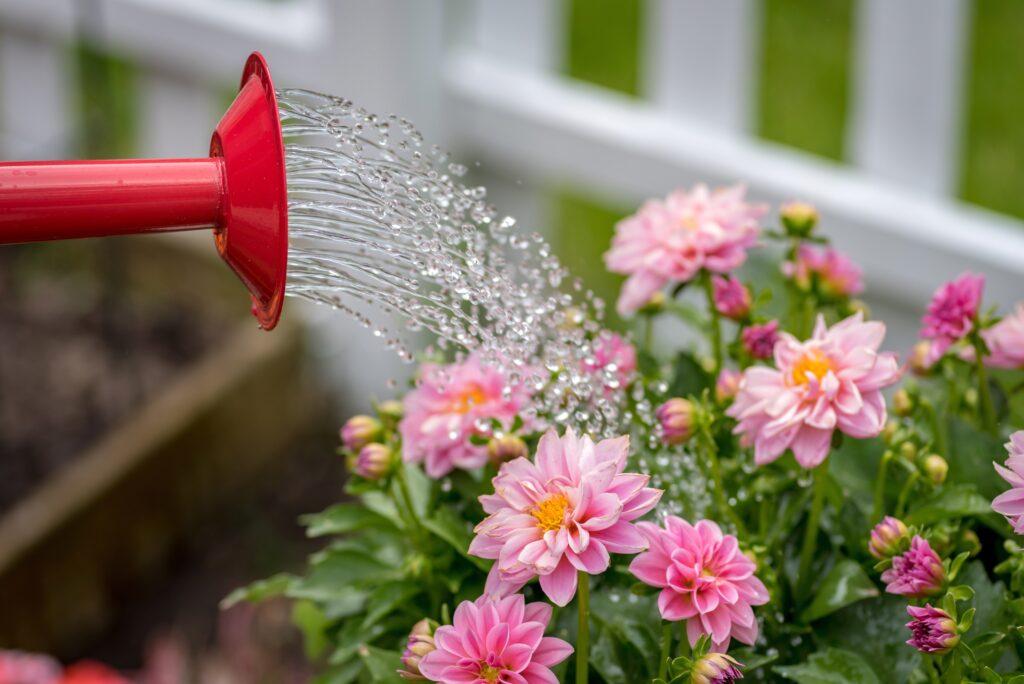
I keep dahlias watered, fed, and tidy so they can keep making fresh dahlia blooms. I also check leaves and soil often, because small problems can grow fast in warm weather.
Water, Feed, and Mulch Consistently
I water deeply when the top inch of soil feels dry. Dahlias need steady moisture, especially while they form buds and flowers, but soggy soil can rot their tubers.
I use drip irrigation or water at the base early in the morning. Wet leaves can stay damp overnight and may develop mildew, so I avoid spraying the whole plant.
Quick Tip: I give each plant a slow, deep soak two or three times a week during dry spells instead of a light daily sprinkle.
I spread 2 to 3 inches of mulch around each plant, leaving a small bare space around the stem. Straw, shredded leaves, or compost keeps the soil cooler and slows water loss.
I feed plants every three to four weeks with a low-nitrogen organic fertilizer. Too much nitrogen produces tall, green plants with fewer dahlia flowers. In rainy weather, I check the soil before watering. In hot, dry areas, plants may need water more often.
Pinch, Stake, and Deadhead for More Flowers
I pinch young dahlia plants when they reach about 12 inches tall and have several sets of leaves. I cut or pinch the center stem just above a set of leaves.
This encourages side stems, which usually means more flower stems later. I add stakes while plants are still small, using a bamboo cane, metal stake, or tomato cage.
I tie stems loosely with soft garden tape as they grow, so wind doesn’t snap heavy branches.
Quick Tip: I stake before the plants lean. Trying to fix a flopped dahlia after a storm isn’t much fun.
I remove faded flowers every few days. I cut the stem back to the next side shoot or set of leaves, not just below the old bloom.
This tells the plant to make more buds and keeps it useful for cut flowers.
Manage Slugs and Snails
I check for slugs and snails in the early morning, after rain, or at dusk. They leave shiny slime trails and chew ragged holes in young leaves, stems, and new shoots.
I hand-pick them and drop them into soapy water. I also clear away boards, pots, thick weeds, and wet plant debris where they hide during the day.
Quick Tip: I look under mulch and along the soil line first. That’s where these quiet leaf-chewers often sit.
I use iron phosphate slug bait if damage continues, following the label directions. I avoid piling mulch against stems and keep the area around new plants fairly open.
In wet summers, I check more often because slugs and snails become much more active.
Save Favorites for Future Seasons
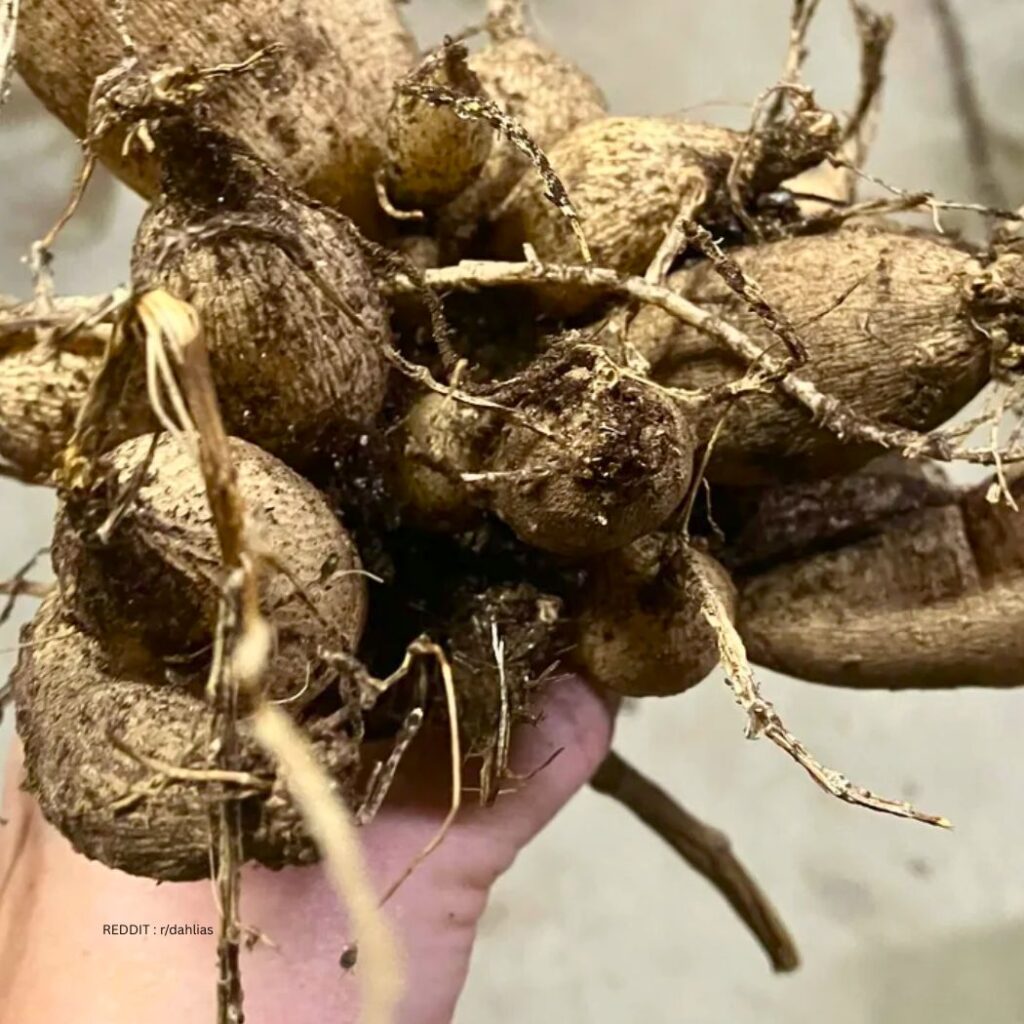
I save the dahlia seedlings that earn their space with strong stems, clean blooms, and good color. I also keep their tubers or seeds, so I can grow the best plants again.
Select Promising Seedlings and Record Their Traits
I watch my dahlias from seed through the full bloom season before choosing favorites. I look for sturdy stems, healthy leaves, long-lasting blooms, and flowers that open well in my weather.
I take photos and label each plant with a code, such as D-12. In my notes, I record flower color, size, form, height, bloom time, and vase life.
Detailed records matter because dahlia varieties grown from seed won’t come true from their own seeds.
Quick Tip: I mark favorites while they’re blooming. By frost time, every red or pink flower can blur together.
I also note weak points, such as floppy stems, faded petals, or blooms that face down. Growers such as Kristine Albrecht of Santa Cruz Dahlias rely on careful records when selecting plants for future breeding.
Lift and Store First-Year Tubers
After a light frost blackens the foliage, I cut the stems back and wait about 7 to 14 days before lifting the dahlia tubers. This short wait helps the skin firm up, but I lift sooner if hard frost or heavy rain is expected.
I dig wide around each plant with a fork, then lift the clump gently. First-year tubers can be small, so I avoid pulling on the stem.
I brush off loose soil and let the clumps dry in a frost-free place for a day or two.
Quick Tip: I keep each tuber clump with its label. A lost label turns a favorite into a mystery.
I store dry tubers in breathable boxes with barely damp peat moss or vermiculite. I keep them at about 40–50°F in a dark place.
In warm winter zones, I check for rot often. In very cold zones, I protect them from freezing.
Collect Mature Seeds for New Crosses
I collect seeds only from flowers I want to use for new dahlia seedlings. Open-pollinated seeds may carry traits from nearby dahlia varieties, so each seed batch can produce surprises.
That’s part of the fun, but it isn’t a copy machine. I leave selected blooms on the plant until the flower head turns brown, dry, and papery.
The seeds should feel dark, flat, and firm inside the dried head. I cut the heads before long wet weather can cause mold.
Quick Tip: I label seed envelopes with the mother plant’s code and harvest date, not just the flower color.
I dry seeds indoors for another week, then store them in paper envelopes inside a cool, dry container. I don’t seal damp seeds in plastic because moisture can ruin a promising batch fast.
Frequently Asked Questions
I start dahlia seeds indoors 6 to 8 weeks before my last expected spring frost. I plant them shallowly, keep the soil warm, and move young plants outside only after frost danger passes.
When should I start dahlia seeds indoors?
I start dahlia seeds indoors 6 to 8 weeks before my area’s last frost date. This usually gives plants enough time to grow sturdy before outdoor planting.
In warm areas with long growing seasons, I can sow seeds outdoors after the soil warms. In colder zones, starting indoors helps plants bloom before fall frost arrives.
Quick Tip: I check my local frost date, then count back 6 to 8 weeks.
How deep should dahlia seeds be planted?
I plant dahlia seeds about 1/4 inch deep in moist seed-starting mix. A light layer of soil is enough; seeds don’t need to be buried deep.
I press the mix gently after planting so the seed has good contact with the damp soil. I keep the surface evenly moist, but I don’t leave it soggy.
Quick Tip: I cover each seed with soil about as deep as the seed is wide.
How long do dahlia seeds take to germinate?
I usually see dahlia seedlings emerge in 5 to 14 days. They germinate fastest when the soil stays between 70°F and 75°F.
Cool soil can slow them down, sometimes by several days. I place trays in a warm spot and give them bright light as soon as green shoots appear.
Quick Tip: I use a heat mat if my room feels cool, especially at night.
Can dahlias be grown from seed in pots?
I can grow seed-started dahlias in pots as long as the container has drainage holes and enough room for roots. I use at least a 1-gallon pot for a young plant, then move larger types into a 3- to 5-gallon container.
I choose a potting mix that drains well and place the pot where it gets at least 6 hours of sun. Pots dry out faster in hot, windy weather, so I check the soil often.
Quick Tip: I water when the top inch of potting mix feels dry to the touch.
Will seed-grown dahlias bloom in their first year?
I expect most seed-grown dahlias to bloom in their first year if I start them early enough. Many bloom about 12 to 16 weeks after sowing, depending on the variety, sunlight, and weather.
Late planting or a short growing season can delay flowers until late summer. A hard fall frost can cut the show short, which is rude but normal.
Quick Tip: I plant seedlings outside only after nights stay above 50°F and frost is no longer expected.
Do dahlias grown from seed produce tubers?
I find that dahlias grown from seed usually form tubers by the end of their first growing season. They may be small at first, especially in cooler areas or after a late start.
I let the plants grow until frost blackens the foliage, then lift and store the tubers in zones with freezing winters. In mild winter areas, such as parts of USDA Zones 8 to 10, I may leave them in the ground if the soil doesn’t freeze or stay wet.
Quick Tip: I label each plant before lifting the tubers because seed-grown dahlias can produce different flower colors and shapes.