
You can grow healthy dahlias by planting firm tubers in warm, well-drained soil, giving them full sun, and watering them deeply as they grow.
Dahlias are tender perennials from Mexico and Central America, and they reward you with bold dahlia flowers from summer into fall. I’ll help you choose strong tubers, find the right spot, and avoid soggy soil—the fastest way to upset these plants.
Quick Tip: Wait to plant until frost has passed and the soil feels warm. You can grow dahlias in garden beds or pots, but cold weather and poor drainage need extra care.
Choose Dahlia Types and Healthy Planting Stock
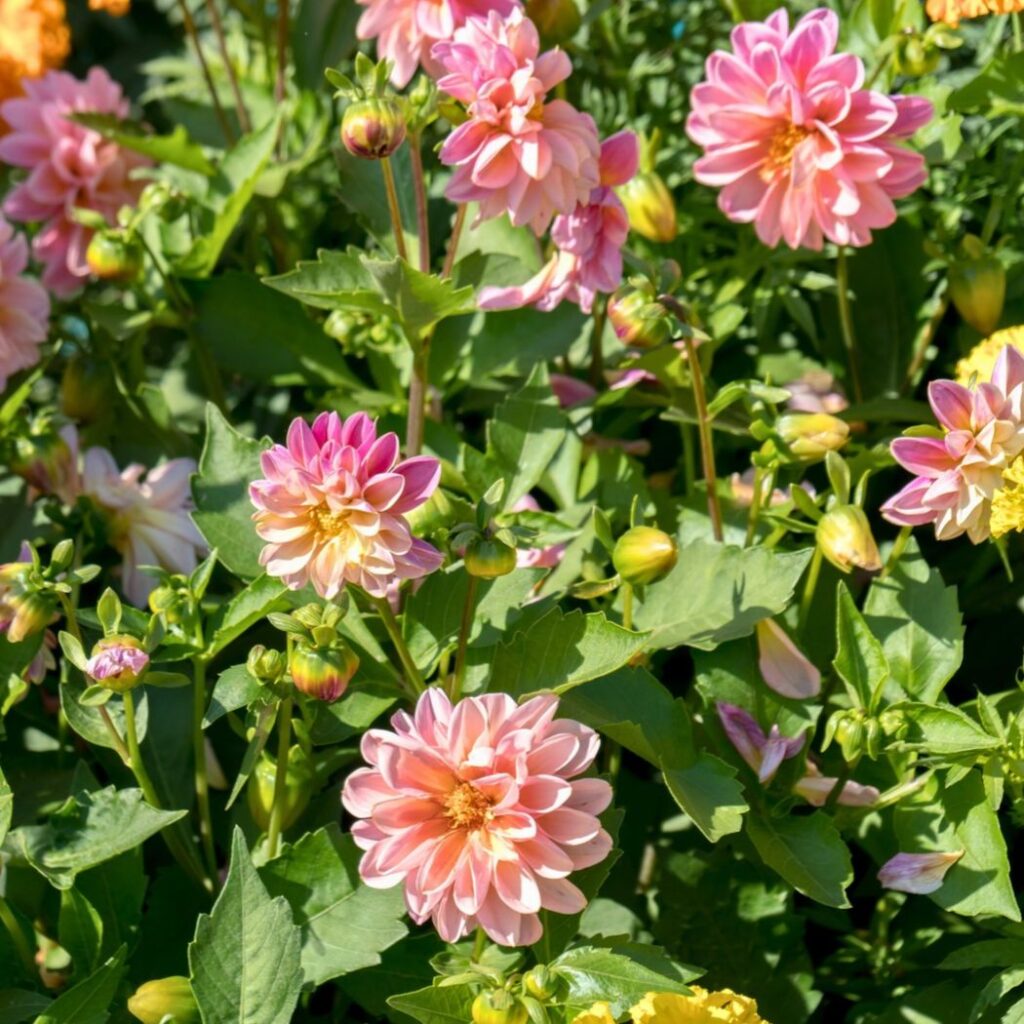
I start with firm, healthy tubers and choose plants that fit my space, vase needs, and local growing season. Dahlia size, flower form, and color can vary widely, so a little planning prevents a crowded bed later.
Recognize Viable Dahlia Tubers and Eyes
I buy dahlia tubers that feel firm and heavy, like a small potato. A tuber can look wrinkled after storage, but it should not feel hollow, mushy, or smell rotten.
Each clump needs at least one visible eye near the crown, where the tuber joins the stem. The eye looks like a tiny bump or pale nub. Without an eye, a tuber cannot grow a new stem, no matter how plump it looks.
Quick Tip: I skip tubers with soft black spots, deep cuts, mold, or a detached neck. A healthy-looking tuber without an eye is still a dud.
I can also grow dahlias from dahlia seeds, but seed-grown plants may not match the parent flower. I use tubers when I want a known variety, color, and flower shape.
Match Dahlia Varieties to Your Garden Goals
I check the mature height before I plant. Dwarf dahlias and bedding dahlias usually stay compact, often 12 to 24 inches tall, so they suit pots and the front of beds. Taller dahlia plants may reach 4 to 6 feet and need stakes.
For large blooms, I choose dinnerplate dahlias. Their flowers can reach 8 to 12 inches across, but heavy rain and wind can bend their stems. A sheltered spot helps, especially in stormy summer areas.
Quick Tip: I plant tall varieties behind shorter ones and add stakes at planting time. Trying to stake a full-grown dahlia later is a prickly mess.
In short-season areas, such as USDA Zones 3 through 5, I favor early- or midseason dahlia varieties. Late types may not flower much before the first fall frost.
Choose Dahlias for Bouquets, Borders, and Pollinators
I grow ball dahlias and pompon dahlias for cut flowers because their round, tightly packed blooms hold up well in a vase. Decorative dahlias also make useful cut flowers, with broad petals and many colors.
For soft, pale bouquets, Café au Lait is a popular dinnerplate dahlia. Its large blush, cream, and peach flowers need support, but a few stems can fill a vase quickly.
Quick Tip: I cut flowers early in the morning, when stems feel cool and full of water. I choose blooms that are open, since dahlia buds do not open well after cutting.
For pollinators, I choose open-centered types with visible yellow centers. Bishop of Llandaff has dark leaves, red flowers, and an open center that gives bees easier access to pollen. Dense double flowers can look lovely, but they offer pollinators less access.
Pick the Right Site and Prepare the Soil
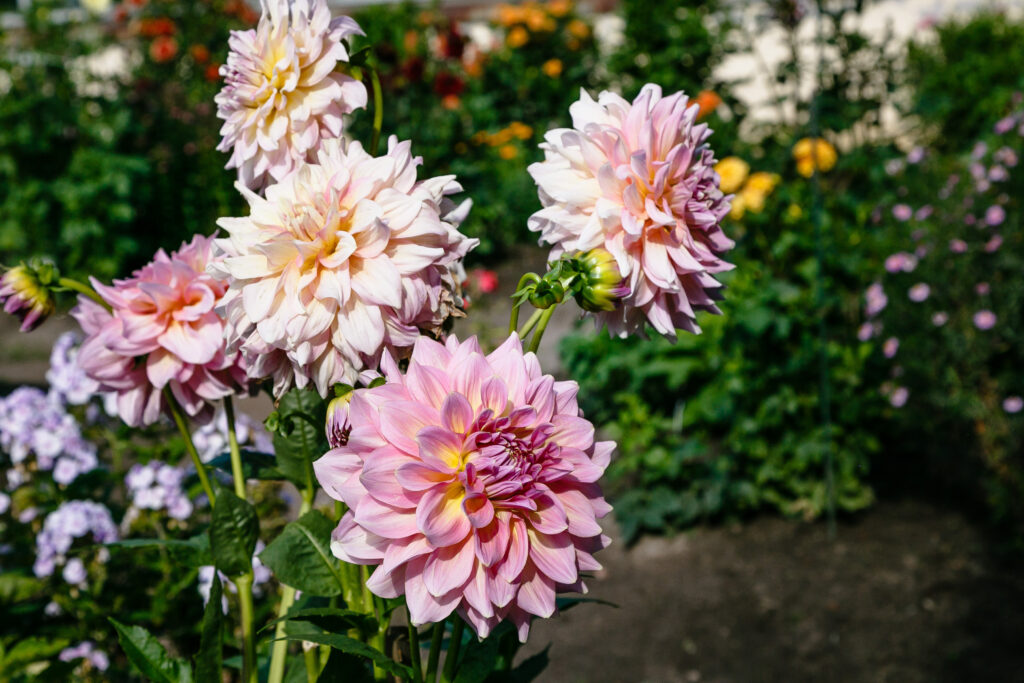
I give dahlias full sun, shelter from strong wind, and loose soil that drains fast. A little prep before planting saves a lot of trouble once the plants grow tall and heavy.
Meet Sun, Shelter, and Spacing Needs
I choose a sunny spot that gets at least 6 to 8 hours of direct sun each day. Morning sun helps dry dew from leaves, while afternoon sun supports strong stems and better blooms.
I avoid low areas where cold air and water collect. Dahlias dislike soggy roots, and a damp patch can turn into a problem after one long rain.
I give plants wind protection with a fence, hedge, or nearby shrubs, but I do not crowd them against it. Air needs to move around the leaves. In hot zones, light late-afternoon shade can help flowers last longer.
Space most dahlias 18 to 24 inches apart. Large varieties may need 30 inches or more, especially in a full dahlia garden.
Quick Tip: I place stakes at planting time. Pushing them in later can damage the tubers and roots.
Build Fertile, Free-Draining Soil
I plant dahlias in fertile, well-drained soil that feels loose and crumbly in my hand. The soil should hold some moisture but never stay wet like a wrung-out sponge.
I mix 2 to 4 inches of compost or well-rotted aged manure into the top 8 to 12 inches of soil. Organic matter feeds soil life and helps sandy ground hold water. It also helps clay soil loosen up.
If my soil feels heavy and sticky, I add coarse sand or perlite along with compost. I do not rely on peat moss alone, since it can hold too much water and may become hard to re-wet when dry.
I skip fresh manure. It can burn new roots and add too much nitrogen, which may lead to leafy plants with fewer flowers.
Quick Tip: I test drainage by filling a planting hole with water. If water remains after a few hours, I improve the site or use a raised bed.
Use Raised Beds for Heavy or Wet Ground
I use raised beds when my ground has dense clay, poor drainage, or standing water after rain. A bed that sits 8 to 12 inches above ground level gives dahlia tubers a safer, drier place to grow.
I fill the bed with a mix of garden soil, compost, and coarse material such as perlite or coarse sand. The finished soil should feel soft, dark, and easy to dig with my hands.
I avoid packing the bed down as I fill it. Loose soil lets roots spread and lets extra water move away from the tubers. In rainy areas or cool zones with wet springs, raised beds can prevent rot before summer heat arrives.
I add a 2- to 3-inch layer of mulch after shoots appear. Mulch keeps the soil cooler, cuts weeds, and slows moisture loss, but I keep it a few inches away from the stems.
Quick Tip: I check raised beds more often in hot weather because they dry faster than ground-level soil.
Time and Plant Dahlia Tubers Correctly
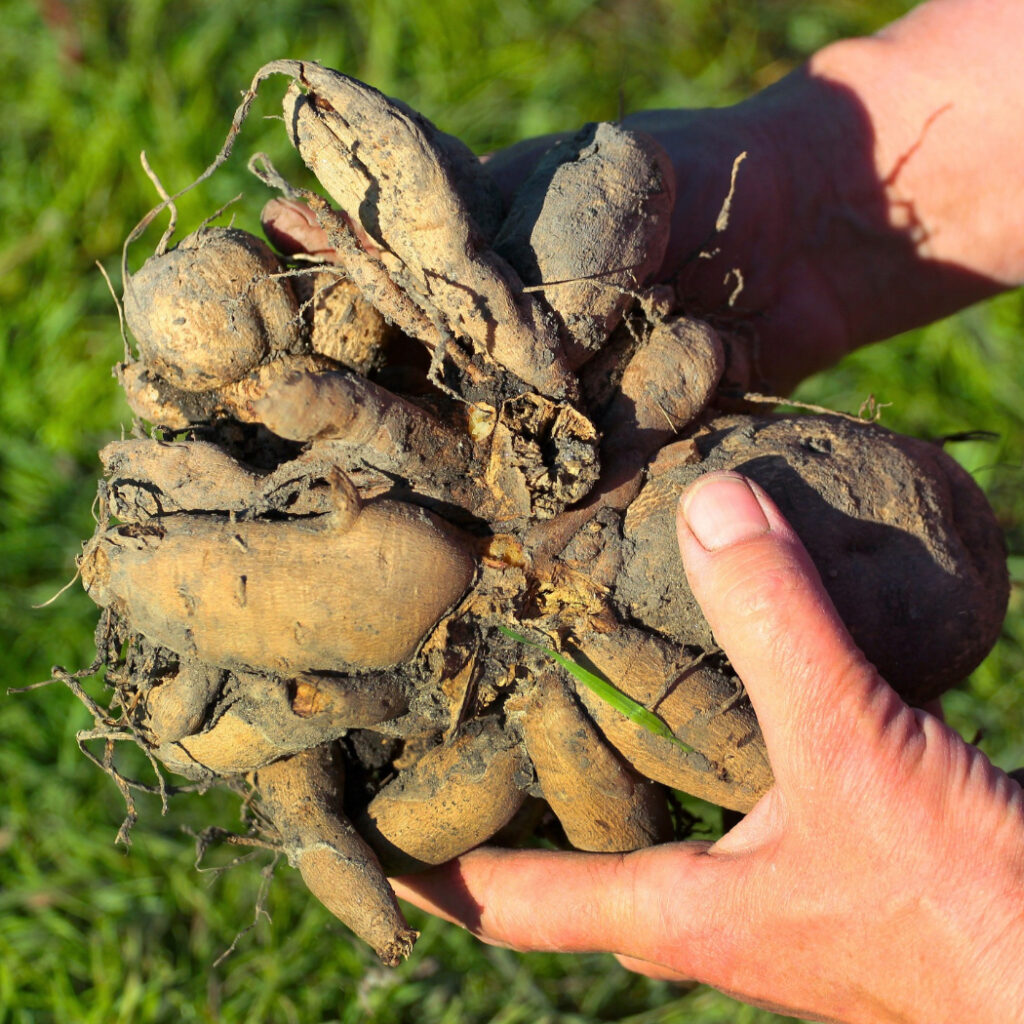
I wait for frost-free weather, warm soil, and enough room for each plant to grow. Careful dahlia planting helps prevent tuber rot and makes staking much easier later.
Know When Spring Conditions Are Safe
I plant dahlias after the last frost date for my area. A late frost can damage new shoots, so I do not rush just because the calendar says spring.
I check the soil with a soil thermometer before planting dahlia tubers. The soil should be at least 60°F and feel loose rather than cold and soggy. In cool or rainy springs, especially in northern zones, I wait another week or two.
Quick Tip: I avoid planting in wet, chilly soil. That is how tubers rot before they can sprout.
Follow the Tuber Planting Steps
To plant dahlia tubers, I dig a hole about 4 to 6 inches deep and loosen the soil at the bottom. I place the tuber flat on its side with the neck, or stem end, facing up.
I cover it with soil and water lightly once. I do not water again until I see green shoots, unless the ground becomes very dry. Too much water before growth begins can cause tuber rot.
I skip putting fertilizer directly in the hole. If my soil needs help, I mix compost into the bed first. I use bone meal only if a soil test shows low phosphorus; adding it without need will not improve the plant.
Quick Tip: I mark each planting spot with a label before covering the tuber. Bare soil can look very empty for several weeks.
Space Plants and Install Supports Early
I space most dahlias 18 to 24 inches apart. Large dinner-plate types need 24 to 36 inches so air can move between leaves and stems.
I install stakes, tomato cages, or other supports at planting time. Pushing a stake into the ground later can cut through a hidden tuber. A sturdy stake should sit about 12 inches deep.
As stems grow, I secure them loosely with soft plant ties or strips of garden twine. I leave room around each stem so it can thicken without being pinched.
Quick Tip: I choose supports before planting, not after stems start leaning. Dahlias grow fast once warm weather settles in.
Grow Dahlias in Pots and Small Spaces
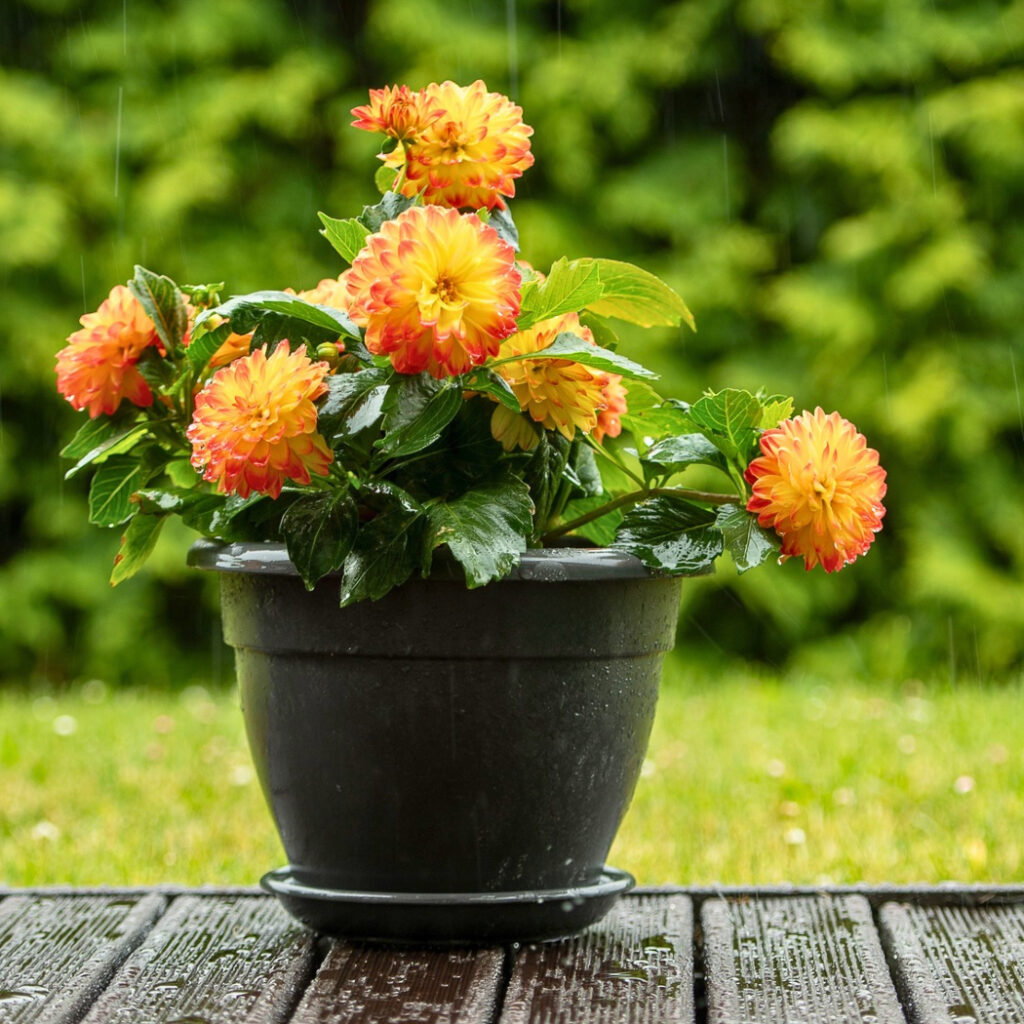
I grow container dahlias in roomy pots with fast drainage, loose soil, and steady moisture. Dwarf dahlias work especially well on patios, balconies, and small sunny yards.
Select Containers With Reliable Drainage
I choose a pot with several drainage holes and a saucer that I empty after rain or watering. Dahlia plants rot in soggy soil, so a decorative pot without holes will cause trouble fast.
For dwarf dahlias, I use a container at least 12 inches wide and deep. I give larger types a pot that holds 5 to 10 gallons of soil, with about 18 inches of depth. One tuber per pot prevents crowded roots and weak stems.
I place pots where they get at least six hours of direct sun. In very hot areas, I give them morning sun and light afternoon shade, since dark pots can heat the roots.
Quick Tip: I lift the pot slightly on feet or bricks so excess water can drain freely after a heavy storm.
Use a Suitable Potting Mix
I fill pots with fresh, quality potting mix rather than garden soil. Garden soil becomes heavy and packed in containers, which slows drainage and makes tubers more likely to rot.
I mix in perlite if the potting mix feels dense or stays wet for days. A simple blend of potting mix with about one-quarter perlite keeps air around the roots while still holding enough moisture.
I plant the tuber 4 to 6 inches deep, with the growing eye facing up. Then I leave 1 to 2 inches of space below the pot rim, which keeps water from spilling over every time I water.
Quick Tip: I avoid adding fertilizer at planting if my potting mix already contains plant food; too much nitrogen can produce leafy dahlia plants with fewer flowers.
Water and Support Container Plants
I check dahlias in containers every day during warm, dry weather. When the top inch of potting mix feels dry, I water slowly until water runs from the drainage holes.
I use deep watering instead of small daily splashes. The soil should feel evenly damp through the pot, not muddy or bone-dry. In cool or rainy weather, I water less often because containers can stay wet longer than expected.
I add a stake when I plant the tuber, especially for dahlias taller than 2 feet. Pushing in a stake later can damage the tuber, and wind can snap a full stem without warning.
Quick Tip: I turn the pot a quarter turn every few days if one side leans toward the sun.
Keep Plants Blooming All Season
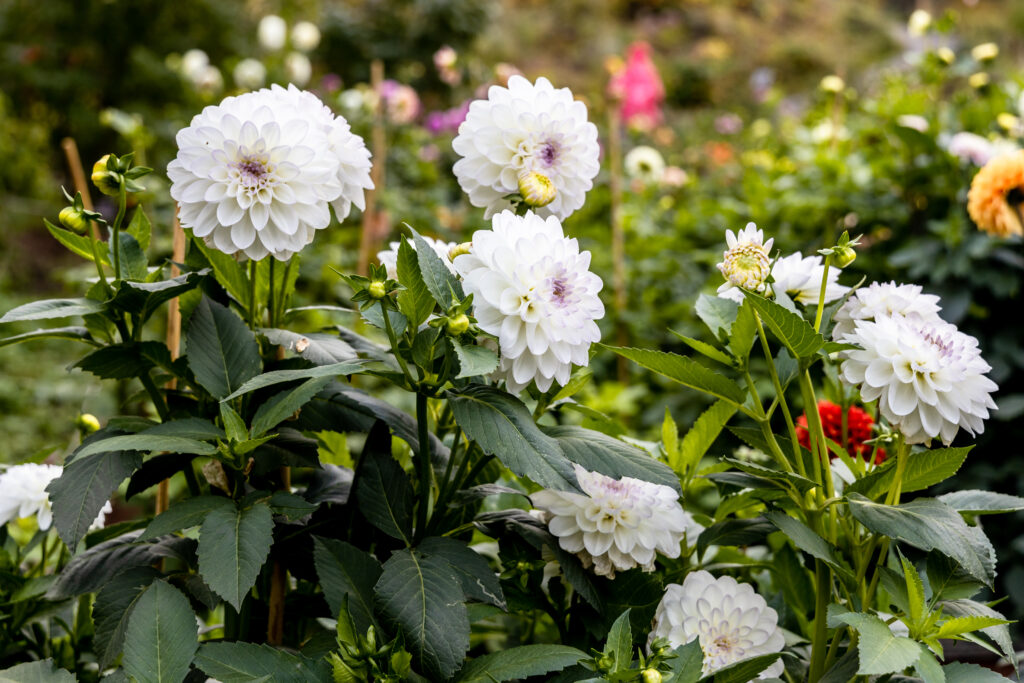
I keep dahlias flowering by watering at the right depth, feeding lightly, and removing spent blooms. Strong stems and steady care help the plant put energy into new flowers instead of seed heads.
Water Deeply Without Soaking the Roots
I water dahlias deeply when the top inch of soil feels dry. I aim the hose at the soil, not the leaves and flowers, and let water soak down to the tubers. Deep watering encourages roots to grow lower, where soil stays cooler and moist longer.
Most garden dahlias need about 1 inch of water each week, including rain. During hot, dry weather, I check plants every day and may water two or three times a week. Sandy soil dries fast, while heavy clay holds water longer.
Quick Tip: I water early in the morning so leaves dry quickly and fungal problems have less chance to spread.
I avoid soggy soil. Yellow leaves, weak growth, and poor flowering can mean the roots stay too wet. In rainy areas or cool zones, I water less often and make sure the planting bed drains well.
Feed for Strong Stems and More Flowers
I begin feeding dahlias after they have several sets of leaves and start active growth. I use a low-nitrogen fertilizer every three to four weeks through midsummer. Too much nitrogen creates tall, leafy plants with soft dahlia stems and fewer flowers.
A balanced fertilizer can work if it does not contain a high first number, such as 10-10-10. For more blooms, I prefer a blend with lower nitrogen and higher phosphorus and potassium, such as 5-10-10. Phosphorus supports root and flower growth, while potassium helps plants build sturdy stems.
Quick Tip: I spread fertilizer a few inches away from the stem, water it in, and never pile it against the plant.
I also use finished compost or a gentle organic fertilizer. I stop feeding by late summer in colder zones, since I want tubers to mature before frost rather than push tender new growth.
Pinch, Tie, and Deadhead for Continuous Blooms
I pinch dahlias when young plants reach about 12 to 16 inches tall and have at least three sets of leaves. I remove the center growing tip just above a leaf pair. This sounds a little mean, but it encourages side branches and produces more flowering stems.
Tall varieties need support before they flop. I place a stake at planting time or add one early, then loosely secure stems with soft plant ties or garden twine. I check ties as stems thicken so they do not rub or pinch the plant.
Quick Tip: I tie stems in a loose figure-eight shape, with one loop around the stake and one around the stem.
I deadhead dahlias every few days. I cut faded flowers back to the next side bud or branching point, not just below the flower head. Spent blooms look pointed and cone-shaped; unopened buds look round. Removing old flowers keeps the plant focused on new blooms instead of making seeds.
Prevent Pests, Diseases, and Winter Losses
I check plants often, especially after rain or humid weather. Fast action helps me protect blooms, leaves, and tubers before small problems spread.
Manage Chewing and Sap-Sucking Pests
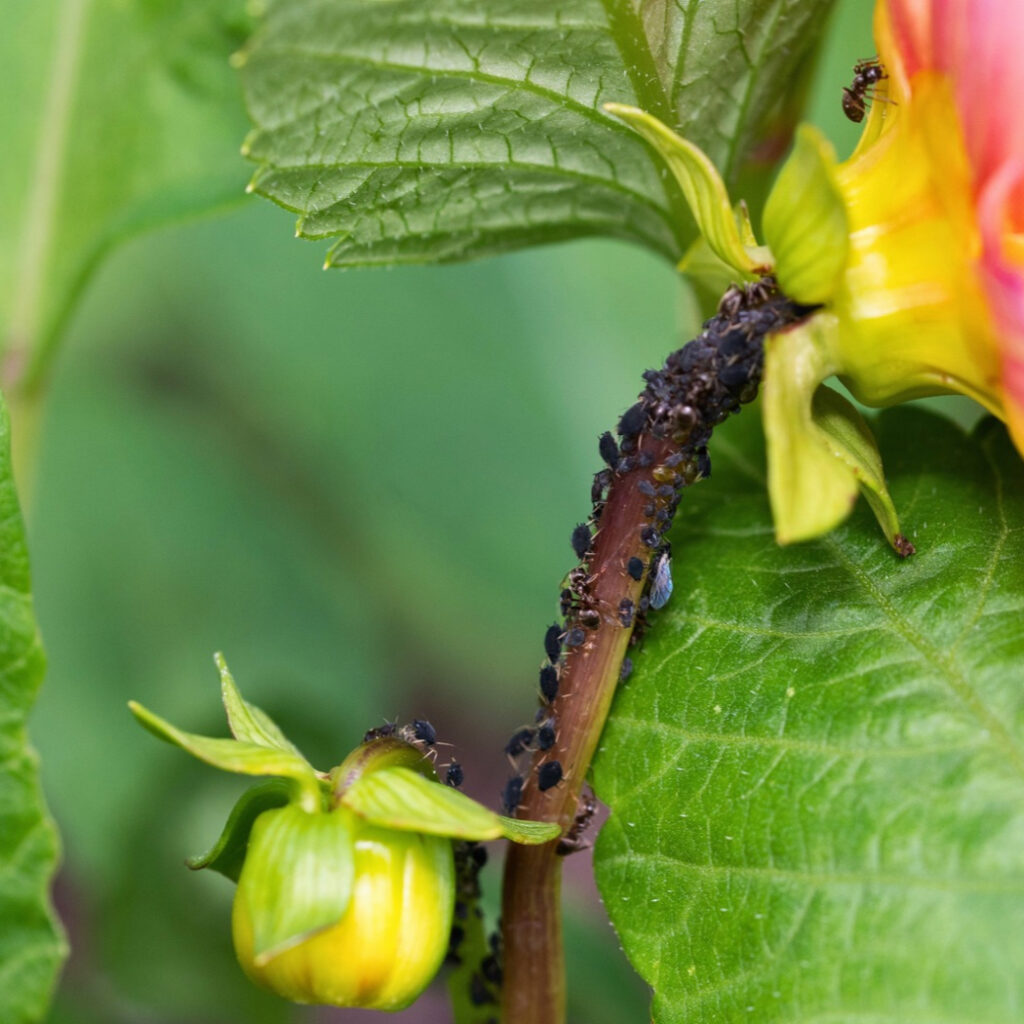
I look under leaves and around new shoots for aphids, spider mites, earwigs, slugs, snails, and Japanese beetles. Aphids cluster on soft stems, while spider mites leave pale dots and fine webbing on dry, dusty leaves.
I hand-pick Japanese beetles, slugs, snails, and earwigs in the early morning or evening. I remove weeds, boards, and wet debris where slugs and snails hide. Deer may eat buds and stems, so I use fencing or a deer repellent labeled for ornamentals.
Quick Tip: I water at soil level in the morning. Dry leaves make a less welcoming home for many dahlia pests.
I protect beneficial insects, such as ladybugs and lacewings, by avoiding broad insect sprays. For heavy aphid or mite problems, I spray insecticidal soap or neem oil in the evening, following the label. I do not spray open flowers or plants buzzing with bees.
Reduce Fungal Disease and Rot Risks
I space dahlias so air can move between plants, and I remove lower leaves that touch damp soil. Crowded, wet growth can lead to fungal diseases such as powdery mildew and botrytis blight.
Powdery mildew looks like white or gray dust on leaves. Botrytis blight causes brown, soft spots on petals, buds, and stems, often after cool, wet weather. I clip off affected parts and throw them away instead of adding them to compost.
Quick Tip: If the top inch of soil feels dry, I water deeply near the base rather than giving the plant a daily splash.
Poor drainage causes tuber rot, especially in heavy clay soil. I plant in raised beds or amend the area with compost to improve drainage. I also remove plants with leafy gall, which causes rough, leafy growth near the base; I discard the plant and tubers and avoid planting dahlias in that spot for several years.
Harvest Blooms and Save Tubers After Frost
I cut dahlias early in the morning or during cool evening hours. I choose blooms that are fully open, because tight buds usually will not open well as cut flowers. I place cut dahlias in clean water right away.
After the first hard frost blackens the leaves, I wait about a week before digging. This short pause helps the tubers firm up, but I do not leave them in cold, wet soil for long.
Quick Tip: I use a garden fork and dig at least 10 inches from the stem. Dahlia tubers snap easily, and they hold grudges.
Dahlias are tender perennials. In Zone 8 and warmer areas with well-drained soil, I may leave tubers in the ground under a thick mulch layer. In colder or wet-winter areas, I lift them, let them dry for a day or two, and store them in barely damp peat moss, vermiculite, or wood shavings at 40–50°F.
Frequently Asked Questions
I plant dahlias after frost, give them sun and steady water, and lift tubers in cold-winter areas. Spacing, pot size, and drainage make a big difference.
When is the best time to plant dahlia tubers?
I plant dahlia tubers in spring after the last frost date has passed. The soil should feel warmer than cool spring mud, usually at least 60°F.
In many areas, I plant from late April through June. If I live in a short-season area, I start tubers indoors 4 to 6 weeks early and move them outside after frost.
Quick Tip: I wait if the soil is cold and soggy. Tubers can rot before they sprout.
How deep and how far apart should I plant dahlias?
I plant most dahlia tubers 4 to 6 inches deep, with the stem or eye facing up. I cover them with soil but do not water heavily until green growth appears.
I space small varieties about 12 to 18 inches apart. I give large dinner-plate dahlias 24 to 36 inches because they need room for air and wide roots.
Quick Tip: I put stakes in the ground at planting time. Driving them in later can damage the tuber.
Can I grow dahlias successfully in pots?
I can grow dahlias in pots if I choose compact or dwarf types. I use a pot at least 12 inches wide and deep for small plants, while larger types need a container closer to 18 inches wide.
I use potting mix with good drainage and make sure the pot has drainage holes. Pots dry out faster in hot, windy weather, so I check them often.
Quick Tip: I avoid dark pots in very hot places. The root area can heat up fast in direct sun.
How often should I water and fertilize dahlias?
I water deeply when the top inch of soil feels dry after the plants begin growing. During hot, dry weather, I may water 2 or 3 times each week, especially for plants in pots.
I feed dahlias every 3 to 4 weeks with a low-nitrogen fertilizer after they reach about 8 to 12 inches tall. Too much nitrogen creates lots of leaves and fewer flowers. Sneaky stuff.
Quick Tip: I water at the soil line in the morning when possible. Wet leaves can encourage disease.
Do dahlias come back every year, or do I need to dig up the tubers?
Dahlias can stay in the ground year-round in warm areas, usually USDA Zones 8 through 10, if the soil drains well. In colder zones, freezing soil can kill the tubers.
After the first hard frost turns the foliage black, I cut the stems back and dig up the tubers. I let them dry briefly, then store them in a cool, dry place that stays above freezing.
Quick Tip: I label each tuber clump before storage. By spring, similar-looking tubers can become a guessing game.
What are the most common mistakes to avoid when growing dahlias?
I avoid planting too early in cold soil, overwatering dormant tubers, and crowding plants too close together. Poor air flow can lead to powdery mildew and other leaf problems.
I also deadhead spent flowers and remove damaged leaves. If I leave old blooms on the plant, it puts energy into making seeds instead of new flowers.
Quick Tip: I check plants twice a week for slugs, earwigs, aphids, and chewed leaves. Small pest problems are easier to handle early.