
Growing basil from seeds is easy and fun! 🌱 Whether you’re a gardening newbie or a seasoned pro, you’ll love watching your basil grow day by day. Starting with the right seeds and soil is key to your basil’s success. Make sure to choose high-quality basil seeds from a trusted source.
Basil loves sunshine, so find a sunny spot in your garden or balcony. Plant the seeds about 1/4 inch deep in well-draining soil, and keep them moist but not soggy. You’ll see tiny sprouts in just a week or so. Isn’t that exciting?
Don’t forget, basil needs enough space to grow. 🌿 As the plants get bigger, thin them out so each has room to spread out. Regular watering and a bit of plant food will keep your basil healthy and happy. Ready to start your basil journey? Share your planting stories in the comments!
Getting to Know Basil
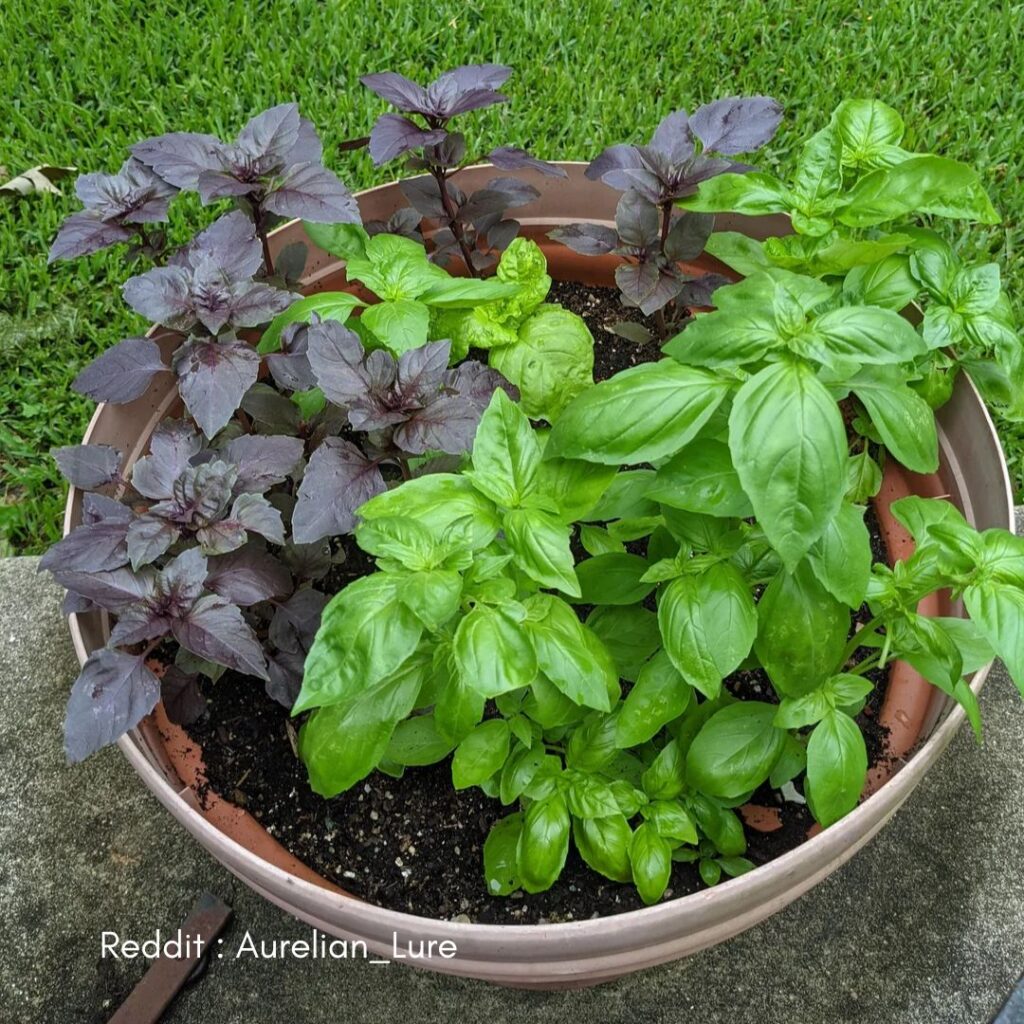
Growing basil at home is rewarding and easy. Whether you prefer the classic Genovese or the unique Lemon basil, there’s a variety for everyone. Plus, basil has numerous benefits like enhancing your dishes and even boosting your mood 🌿😊.
Varieties of Basil
Basil comes in many types. Genovese basil is your classic pesto basil with large, green leaves and a sweet, slightly peppery taste. Thai basil has a hint of anise flavor and is perfect for Asian dishes. Ever tried Lemon basil? It has a citrusy kick that’s great for fish and salads. There’s also the purple-leaved Opal basil which looks stunning in gardens and salads. Got a favorite basil variety? Share it in the comments!
Benefits of Growing Basil
Why grow basil? First, it’s super fresh! Just imagine picking leaves straight from your garden for your pasta or salad. Second, basil is packed with nutrients like vitamins A, K, and C. These can help your immune system and skin. Third, basil has a lovely aroma that can reduce stress and improve your mood. 🌱
Plus, it’s really satisfying to watch something grow from a tiny seed into a lush plant. Trust me, you’ll enjoy every bit of it. Have you grown basil before? What benefits did you notice? Let me know below!
Starting Your Basil Journey
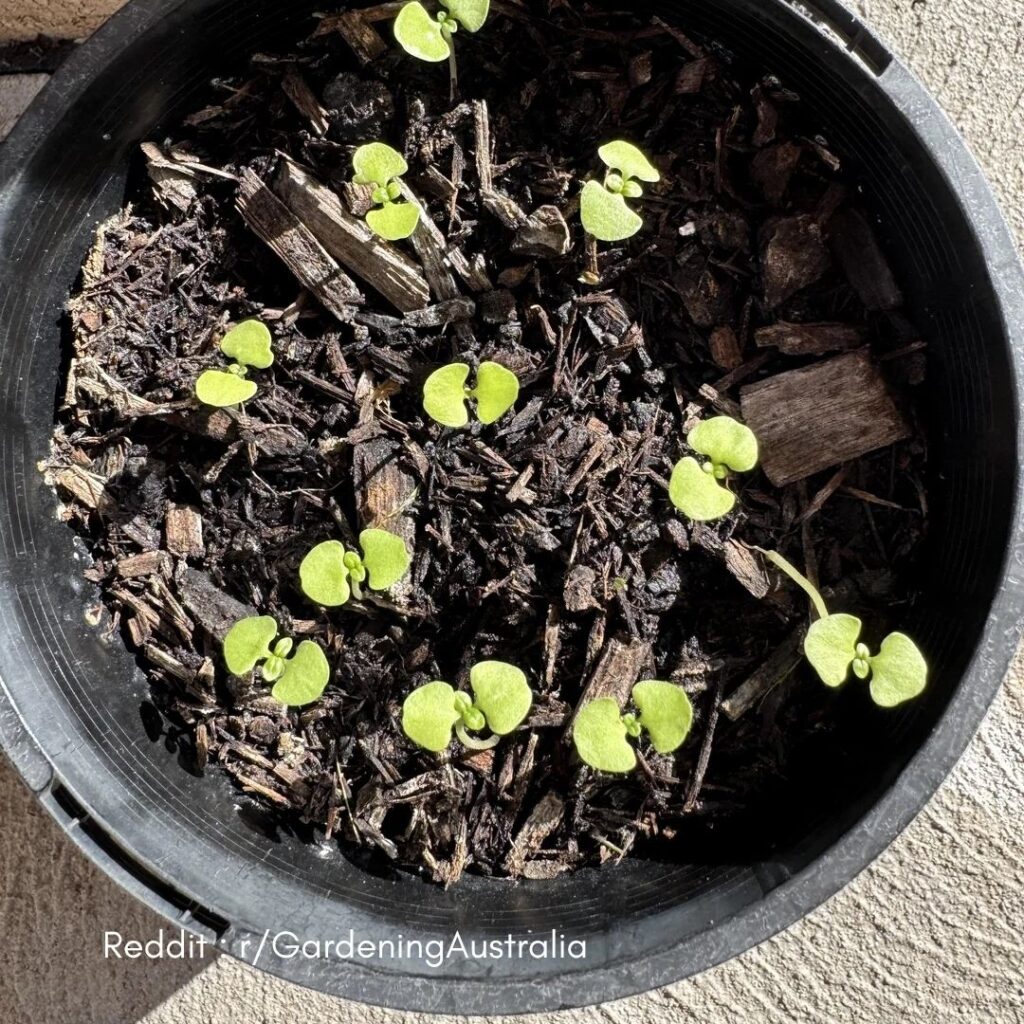
Ready to grow some amazing basil? 🌿 Let’s kick things off by selecting the right seeds and knowing the best time to plant them. You’ll be harvesting fresh basil in no time.
Choosing Quality Seeds
The first step to growing healthy basil is choosing high-quality seeds. Go for seeds from a trusted supplier. If the seeds are old, they may not sprout well. Aim for seeds that are fresh and labeled for the current year.
Opt for organic seeds if you can. They’re usually more reliable and don’t have any chemicals. Check the seed packets for information about the plant variety. Some basil types might be better for certain dishes or climates. For example, sweet basil is great for most recipes, while Thai basil adds a unique flavor.
Keep your seeds in a cool, dry place until you’re ready to plant them. Moisture and heat can damage the seeds. 🌱
Ideal Planting Time
Timing is everything when planting basil. Basil loves warmth. The best time to plant is in the spring after the last frost. If you plant too early, the seeds might not germinate, or the young plants could get damaged by cold weather.
In most areas, this means planting in late April or early May. If you’re in a warmer climate, you might be able to start a bit earlier. Use a calendar to track the last expected frost date in your area.
Indoor gardening is an option too! You can start seeds indoors 6-8 weeks before the last frost. This gives your basil a head start. Just make sure they get plenty of sunlight or use a grow light.
Who’s excited to get started? 🌿 Let me know if you have any questions or tips to share!💬
Preparation for Planting
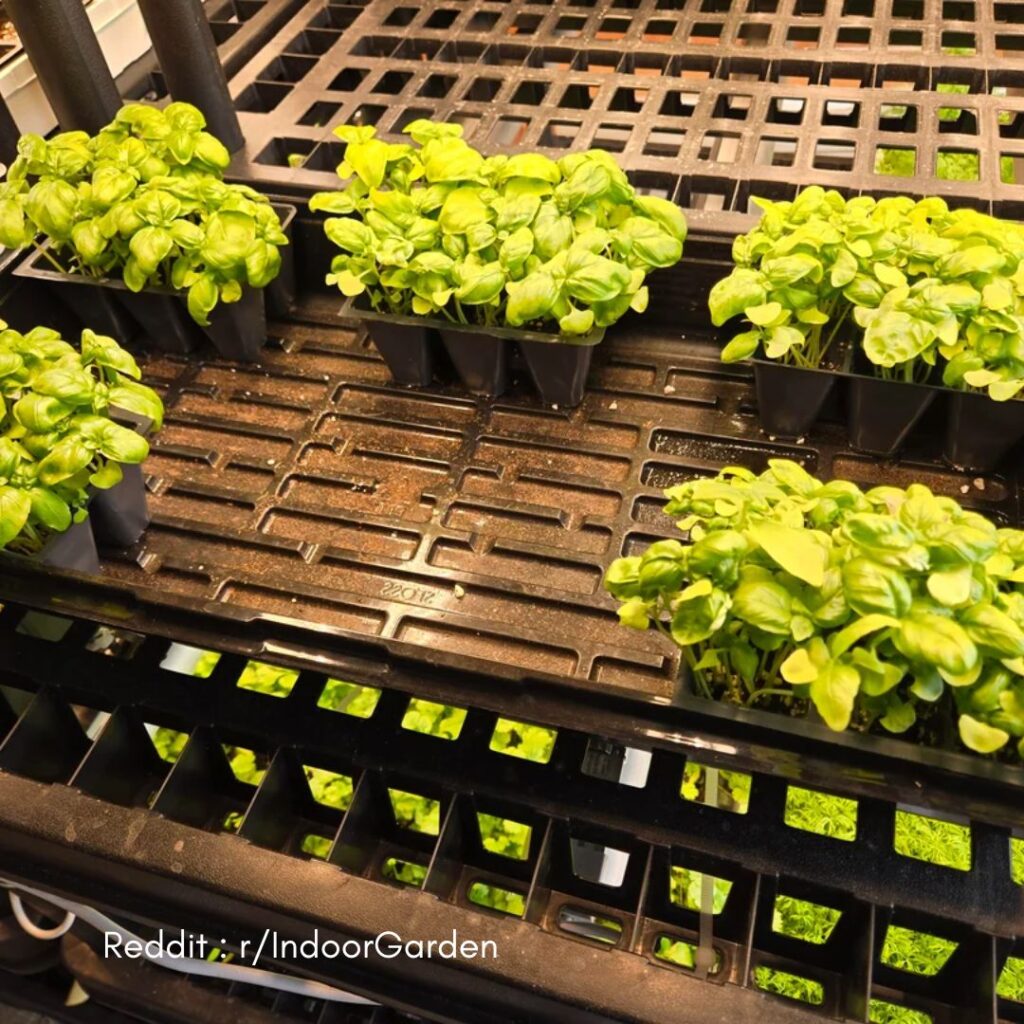
Starting basil from seeds is fun and straightforward. You just need to gather some basic supplies and prepare your soil correctly. This will help your seeds sprout healthy and strong!
Gathering Supplies
First, let’s get all the supplies you’ll need. Here’s a quick list to make things easier:
- Seeds: Choose a basil variety you like.
- Seed trays or small pots: Make sure they have drainage holes.
- Potting mix: A seed-starting mix works best.
- Labels: To keep track of your plants.
- Watering can: Something gentle like a spray bottle.
- Plastic wrap: To create a mini-greenhouse effect.
Ever forgotten an ingredient while baking a cake? Yeah, it’s like that. Gather all your supplies before you start to avoid that “Oh no!” moment halfway through. 🌱
Soil Selection and Preparation
Now, let’s talk soil. Basil likes well-drained, nutrient-rich soil. A seed-starting mix or a light potting soil works perfectly. If you’re using garden soil, make sure it’s loose and free of clumps.
- Fill your trays or pots with the potting mix.
- Lightly moisten the soil with your watering can or spray bottle.
- Make shallow holes for your seeds, about 1/4 inch deep.
- Place one seed in each hole.
Mix up the soil well so it’s nice and crumbly. Moist but not soaking wet soil helps seeds sprout faster. Just imagine you’re prepping a comfy bed for your basil babies to rest in. 🌿
What’s your favorite kind of basil? Share in the comments below! 👇
Planting the Seeds

Let’s get those basil seeds into the soil! I’ll go over the depth and spacing, as well as the best method to sow them.
Seed Depth and Spacing
Basil seeds are tiny, so planting them just right is important. I plant them about a quarter inch deep. It’s amazing how such a small seed can grow into a big plant! I space the seeds 1-2 inches apart. This gives each basil plant plenty of room to spread their leaves 🌿.
Using a ruler or just eyeballing it works fine. Too close and they’ll compete for nutrients, too far and you’ll waste space. If you’re using a pot, check it’s at least 6 inches wide to fit a few plants.
Sowing Technique
I like to moisten my soil first. Pro tip: sprinkle water to make it damp, not soaked! Next, I gently press the seeds into the soil. I cover them lightly with soil. You barely need to bury them.
After planting, I give them another light misting of water. Keep the soil moist but not drowned. Seeds need consistent moisture to sprout. 🚰
Tip: Use a spray bottle for watering—it’s gentle on the seeds. Don’t forget to place your pot or garden where it gets plenty of sunlight. Basil loves the sun! 🌞
What’s your favorite spot to grow basil? Share in the comments!
Optimal Growth Conditions
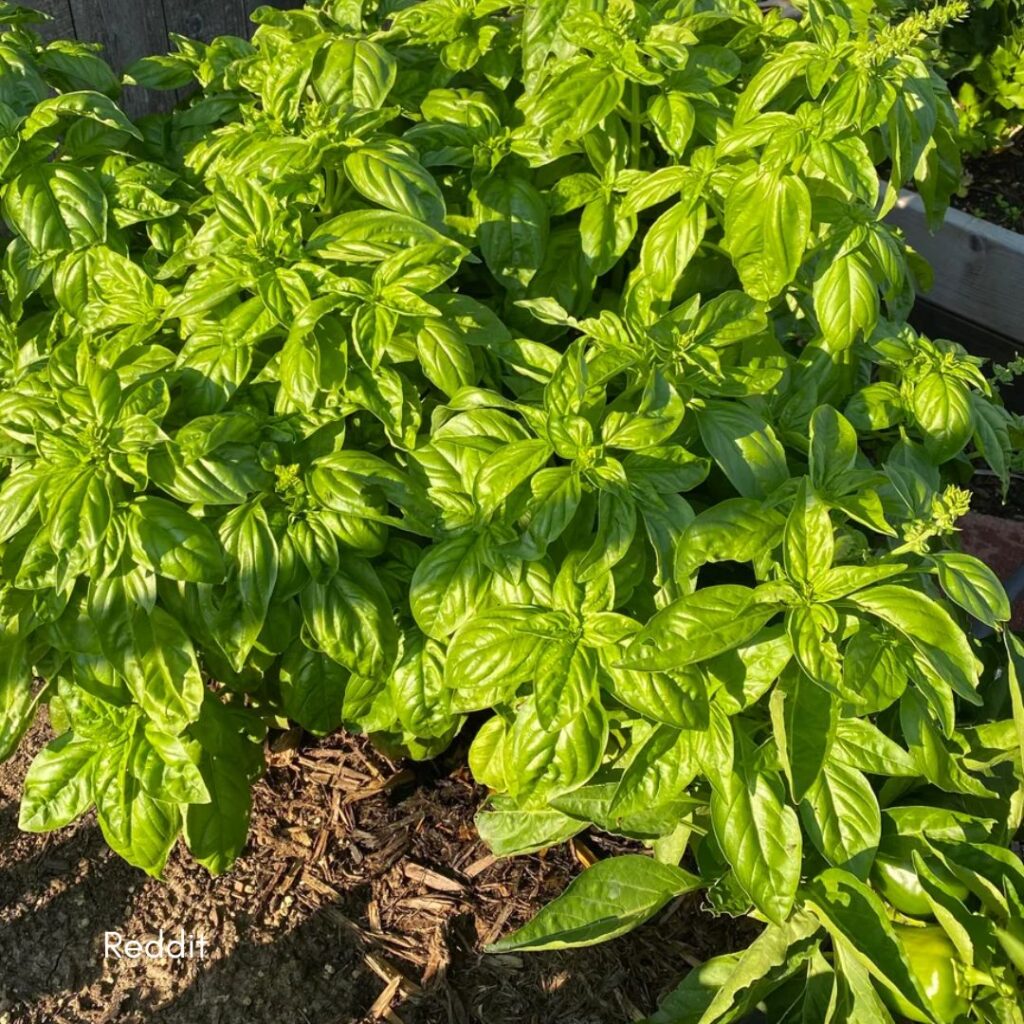
Growing basil from seeds can be fun and rewarding. To achieve the best results, it’s crucial to create the right environment. Let’s explore the key elements needed for basil to thrive. 🌱
Lighting Requirements
Basil loves sunlight! Aim to provide at least 6-8 hours of direct sunlight daily.
If you’re growing basil indoors, place it near a sunny window. If natural light is limited, consider using grow lights. I personally use LED grow lights to ensure my basil gets enough light, even on cloudy days. 🌞
Tip: Rotate the pot every few days so all sides receive equal light.
Proper lighting promotes healthy, vibrant basil leaves. Have you noticed how plants lean toward the light? It’s their way of saying, “Hey, I need more sun!”
Temperature and Humidity
Basil prefers warm temperatures. Keep it between 70-85°F (21-29°C).
If temperatures drop below 50°F (10°C), basil can struggle. In colder months, I use a heating mat for indoor plants.
Ideal humidity levels are around 40-60%. If your home is dry, a humidity tray or spray misting can help.
Keeping basil comfortable is like giving a friend the perfect cozy blanket. When basil is happy, it grows beautifully!
Watering Schedule
Basil needs regular watering but hates soggy feet! Water the soil when the top inch feels dry.
I usually check my plants every morning. Overwatering can lead to root rot.
Make sure your pots have good drainage. If water pools at the bottom, your basil might get too soaked. 🚫💦
Use a watering can with a narrow spout to water directly at the base. Remember, a little love and attention go a long way in helping your basil thrive.
Share your tips and experiences in the comments! Have you tried growing basil before? 😊
Caring for Your Basil
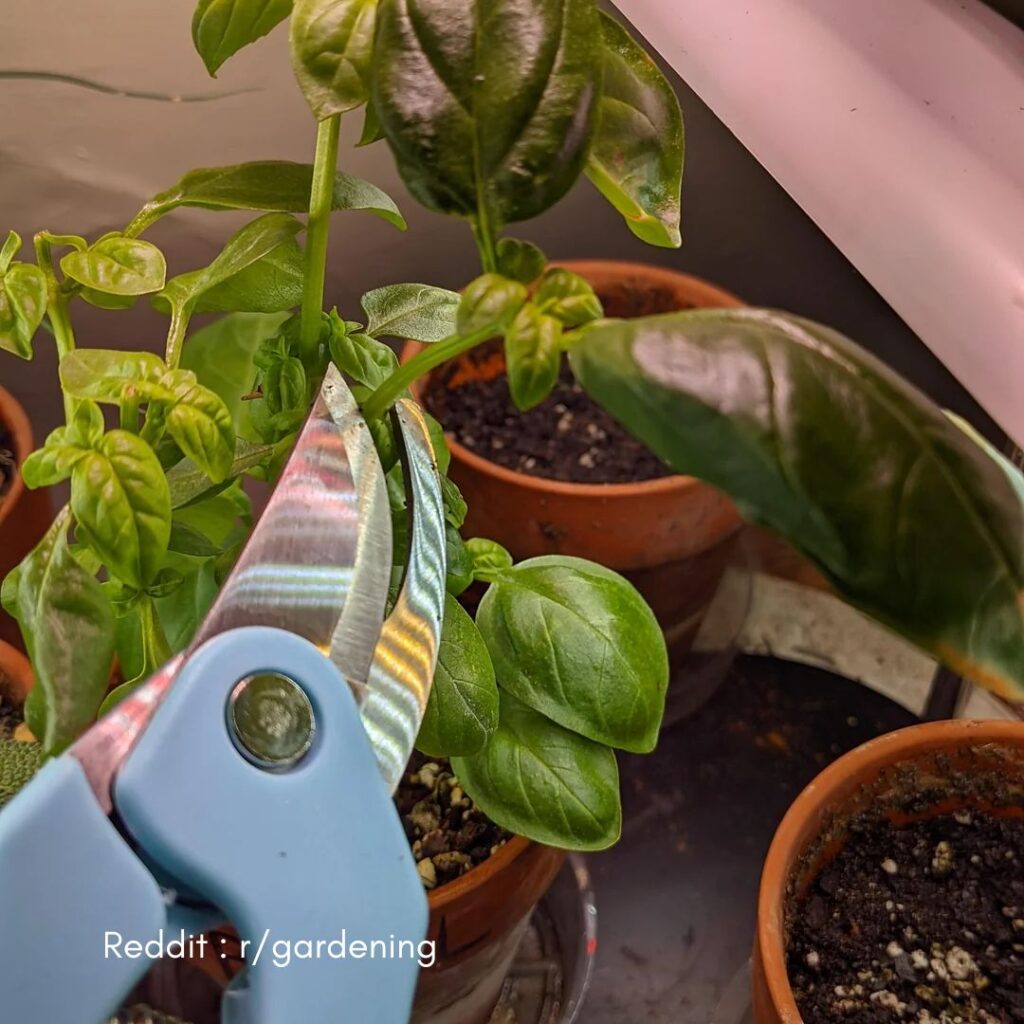
Basil needs proper care to thrive. From fertilizing to pruning, it’s important to pay attention to your plants’ needs.
Fertilizing Basil Plants
Basil plants aren’t too needy, but they do appreciate a little boost. To keep them healthy and vibrant, I use a balanced, water-soluble fertilizer. I typically feed my basil every 4-6 weeks during the growing season.
Mix the fertilizer according to the package instructions. Over-fertilizing can be harmful, so it’s better to stick to the guidelines.
Do you use organic methods? A compost tea can work wonders! I just steep compost in water, strain it, and use the liquid to water my basil. This natural method is both eco-friendly and effective!
Pruning for Fuller Growth
To keep my basil plants bushy and full, I prune them regularly. When the plants are about 6 inches tall, I start by trimming the tops. Snip just above a pair of leaves to encourage side growth.
I also remove any flowers as soon as they appear. This helps the plant focus on growing leaves instead of flowering. If you let it flower, the leaves can become bitter.
Have you ever noticed your basil looking a little leggy? Give it a nice trim! Regular pruning not only makes the plant look better but also promotes a more abundant harvest. 🌿
Have any tips you’d like to share? Drop them in the comments! I’d love to hear how you care for your basil.
Dealing With Issues
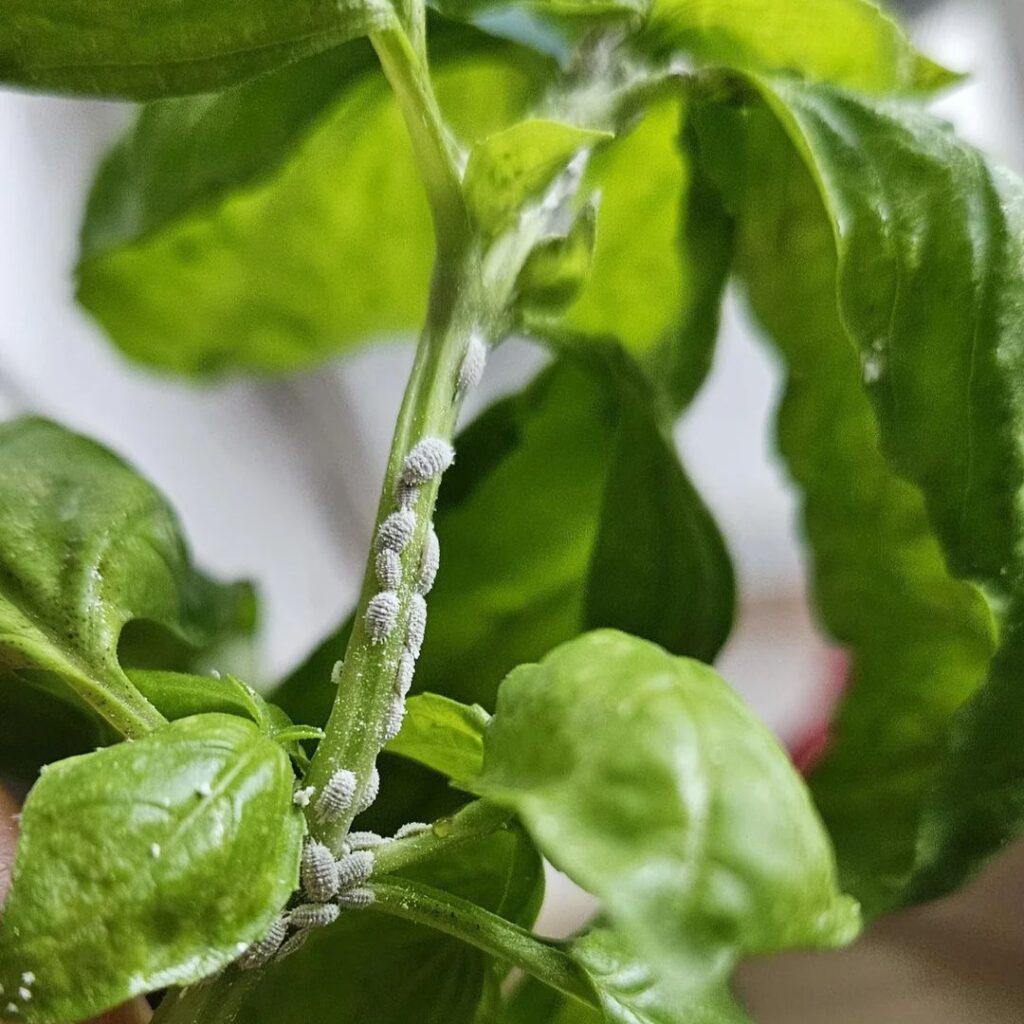
When growing basil from seeds, it’s common to encounter pests and diseases. Handling these problems early can make sure your basil thrives.
Common Pests
Basil can attract several pests like aphids, spider mites, and whiteflies. To spot these tiny intruders, I check the undersides of the leaves regularly. Aphids are small and green, while spider mites appear as tiny red dots with webbing. Whiteflies cause yellowing leaves.
To tackle these pests, I gently spray the leaves with soapy water (a drop of dish soap in a spray bottle of water). This usually helps get rid of them without harming my basil. If you spot caterpillars munching on your basil, you can simply pick them off by hand. Sticky traps work well for whiteflies.
Have you ever dealt with stubborn pests in your garden? Try these simple tricks and see if they help! 🐛
Diseases and Prevention
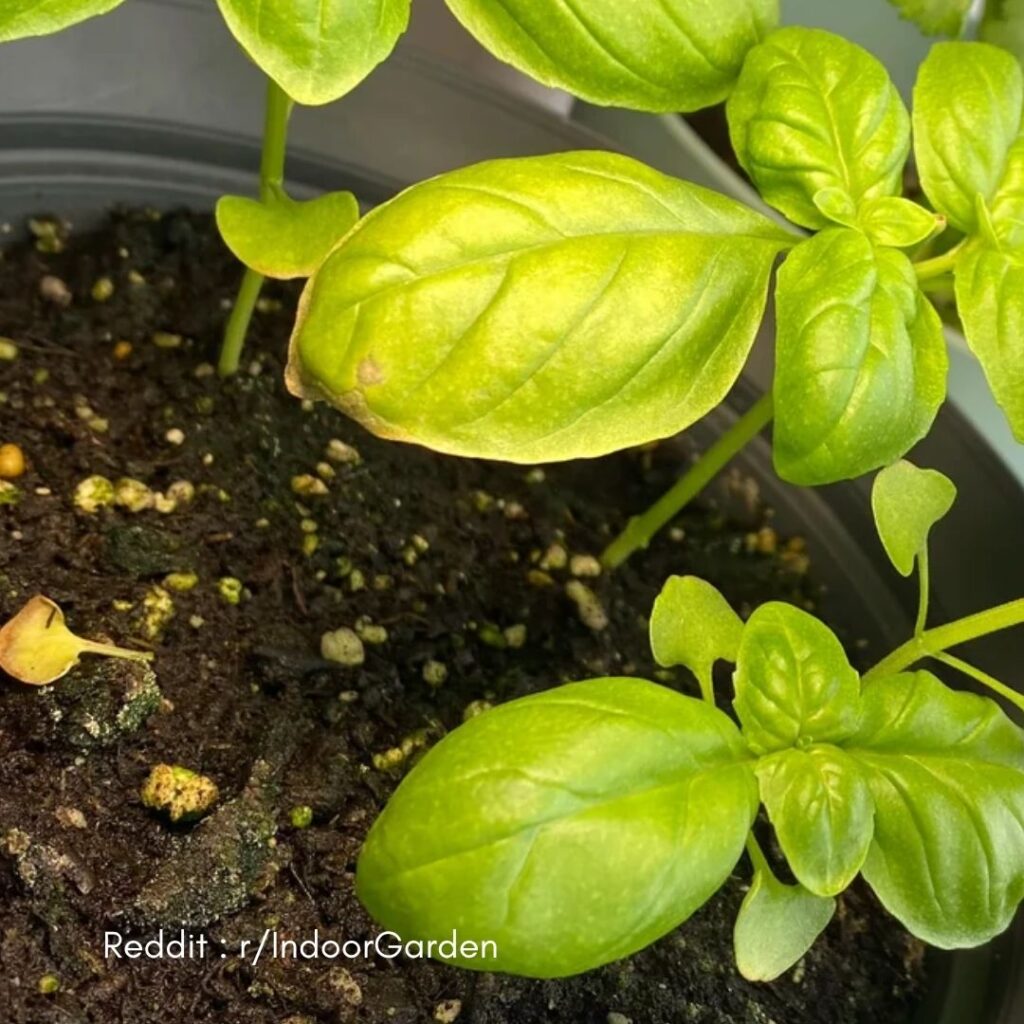
Basil can also suffer from diseases like downy mildew and fusarium wilt. Downy mildew causes yellow spots on the leaves and a fuzzy growth underneath. Fusarium wilt makes the basil wilt and turn dark at the stem.
To prevent these diseases, I make sure to plant my basil in well-draining soil and water it at the base rather than from above. This keeps the leaves dry. Spacing the plants apart also ensures proper air circulation.
If downy mildew strikes, I remove affected leaves and ensure the area is well-ventilated. Using disease-resistant varieties of basil can help too. Have you ever struggled with plant diseases? Share your experiences and tips in the comments! 🌱
Harvesting Your Basil

Ready to pick those delicious basil leaves? 🌿 Here’s how to do it:
First, I wait until the basil plant is about 6-8 inches tall. The leaves should be big and bright green. Then, I use clean scissors to snip the leaves just above a leaf pair. This helps the plant grow more.
I always take more leaves from the top to encourage bushy growth. If you see flowers, pinch them off. Flowers can make the leaves taste bitter.
Remember to harvest in the morning. The leaves will be freshest then. If I need a lot of basil, I take a few leaves from each plant so they can keep growing.
A trick I use: when I harvest, I leave at least half the plant. This means more basil for later! Plus, it keeps the plant healthy.
Do you have any tips for harvesting basil? Share them in the comments! 🌱✨
Preserving and Storing Basil
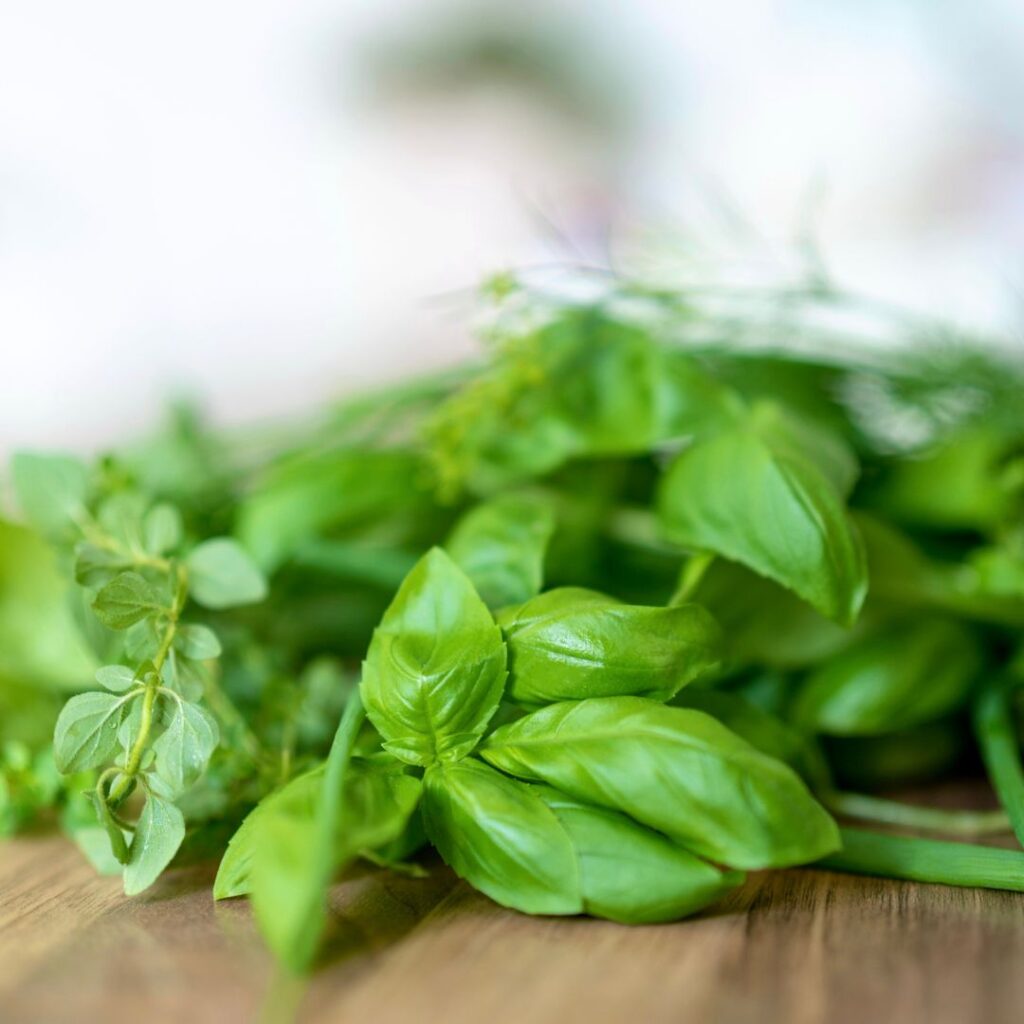
Once you’ve finished growing your basil, it’s time to store and preserve it so you can use it later. Here are some simple methods I like to use:
Freezing:
Pluck the leaves and chop them up. Place them in ice cube trays, then fill with water or olive oil. Freeze the trays. Later, you can pop out the cubes for a burst of fresh basil flavor in soups or sauces. ❄️Drying:
Hang small bunches of basil upside down in a dry, airy place. Or, use a dehydrator. Once dried, crumble the leaves and store them in an airtight container. Drying keeps the basil flavorful for months! 🌿Making Pesto:
Blend fresh basil with olive oil, garlic, pine nuts, and Parmesan cheese. Freeze this pesto in small jars or ice cube trays. How cool is it to have homemade pesto ready anytime? 😋
When storing your basil:
- Airtight containers are key.
- Keep dried basil in a cool, dark place. This helps maintain its flavor.
- Use labeling to note the date you preserved the basil, so you know how fresh it is.
Do you have any favorite methods for preserving herbs? Share them in the comments! 🌱💬
Enjoying Your Homegrown Basil
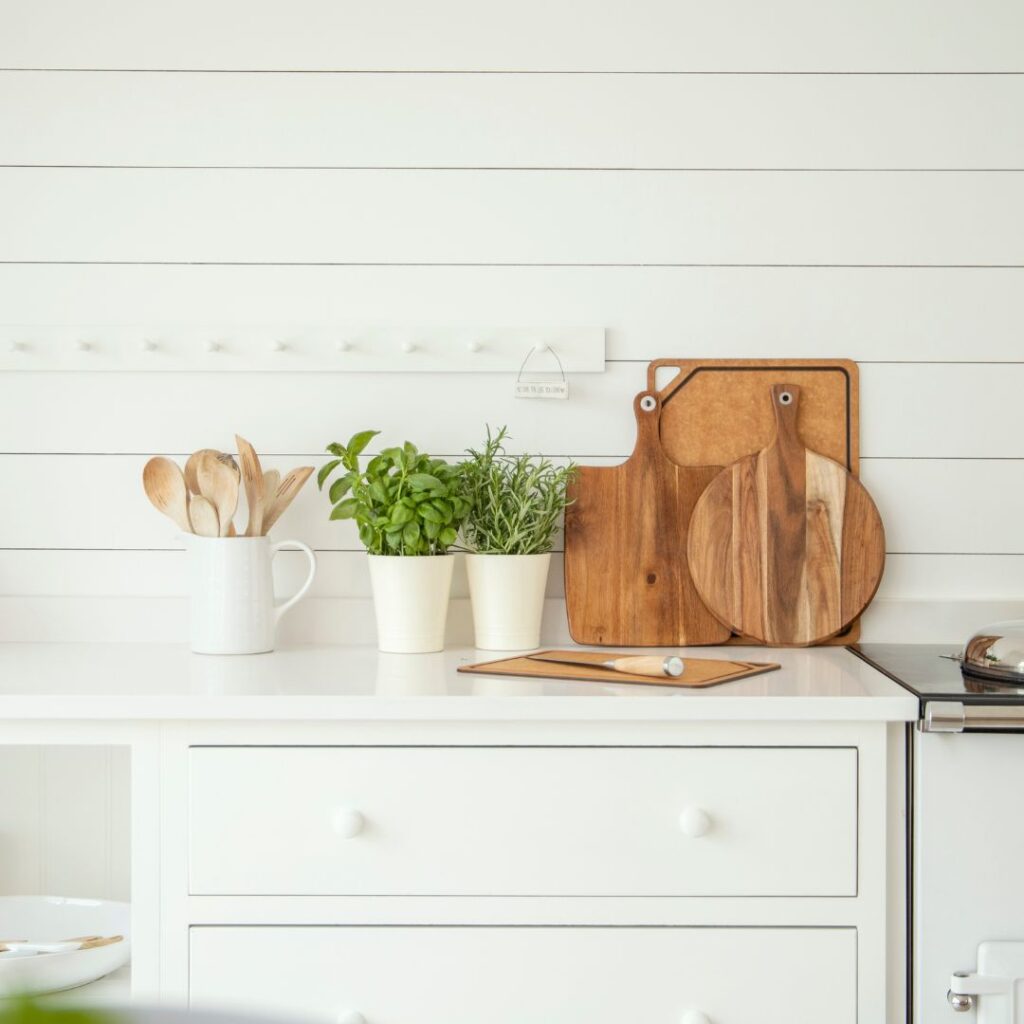
After all your hard work, it’s time to enjoy that fresh basil! Let’s get into some tasty ways to use it with some cooking tips and recipe ideas.
Cooking Tips
Basil is a fantastic herb that can lift your dishes to the next level. Always use fresh basil at the end of cooking to keep its flavor strong.
A quick tip: Chiffonade your basil leaves. Stack a few leaves, roll them up, and then slice them thinly to create pretty little ribbons. They look great and release more flavor.
Ever try basil in drinks? Fresh basil leaves in lemonade or a cocktail 🥂 can be super refreshing!
Recipe Ideas
Let’s talk recipes! Basil isn’t just for pasta. Make a classic Caprese salad with tomatoes, mozzarella, and fresh basil, drizzled with balsamic glaze.
Feeling like a snack? Try basil on avocado toast 🥑. Just toast some bread, spread avocado, and top with basil leaves, salt, and pepper. Yum!
For something a bit fancy but easy, go for a basil pesto pizza. Spread pesto on pizza dough, add some mozzarella, and your favorite toppings.
These are just a few ideas to get you started. I’d love to hear your favorite basil recipes. Drop them in the comments below! 🍃
Frequently Asked Questions
Ever wondered how to get your basil seeds to sprout and grow into a lush herb plant? Let’s dig into these common queries and get your basil garden flourishing! 🌱
What is the best way to grow basil from seeds indoors?
I find that starting basil seeds in small pots or seed trays works really well. Place the seeds on top of moistened soil and lightly cover them. Keep them in a warm spot away from drafts. Make sure they get 6-8 hours of sunlight or use a grow light.
How long does it take for basil seeds to germinate and grow to maturity?
Basil seeds usually germinate in 5-10 days. They reach maturity in around 60-90 days. That means you can start harvesting leaves in just a couple of months! 🌿
What are the steps for growing basil in containers from seed?
- Fill a container with well-draining potting mix.
- Scatter a few seeds and cover them with a thin layer of soil.
- Water gently and keep the soil moist.
- Place the container in a sunny spot.
- Thin out seedlings once they are a couple of inches tall.
Can basil seeds be germinated using a paper towel method, and how is it done?
Yes! Here’s how to do it:
- Moisten a paper towel and place basil seeds on it.
- Fold the towel and put it in a zip-lock bag.
- Keep the bag in a warm, dark place.
- Check daily for moisture and sprouts, and transfer into soil once they sprout.
Is it better to grow basil in water or soil when starting from seeds?
Starting from seeds, soil is better. Soil provides the necessary nutrients and supports the delicate roots. If you want to grow basil in water, try it once the plants are established. Just clip some stems and place them in a glass of water.
What are the light and temperature requirements for successfully germinating basil seeds indoors?
Basil seedlings need 6-8 hours of light daily. Use a grow light if your home doesn’t get enough sunlight. Ideal temperatures are between 70-75°F (21-24°C). Keep them away from cold drafts and sudden temperature changes for best results.
Got more questions or tips? 🧑🌾 Share them in the comments below—I’d love to hear your thoughts! 🌿💚