
Water dahlias deeply once or twice a week. Water more often during hot, dry weather when the top inch of soil feels dry.
I check the soil before watering because dahlia plants dislike soggy roots as much as dry ones. Consistent watering helps plants grow strong stems and produce more blooms.
Quick Tip: I soak the soil at the roots instead of spraying the leaves. Soil type, weather, and whether you grow dahlias in pots can all change their water needs, so a fixed schedule will not always work.
Quick Watering Schedule by Growth Stage
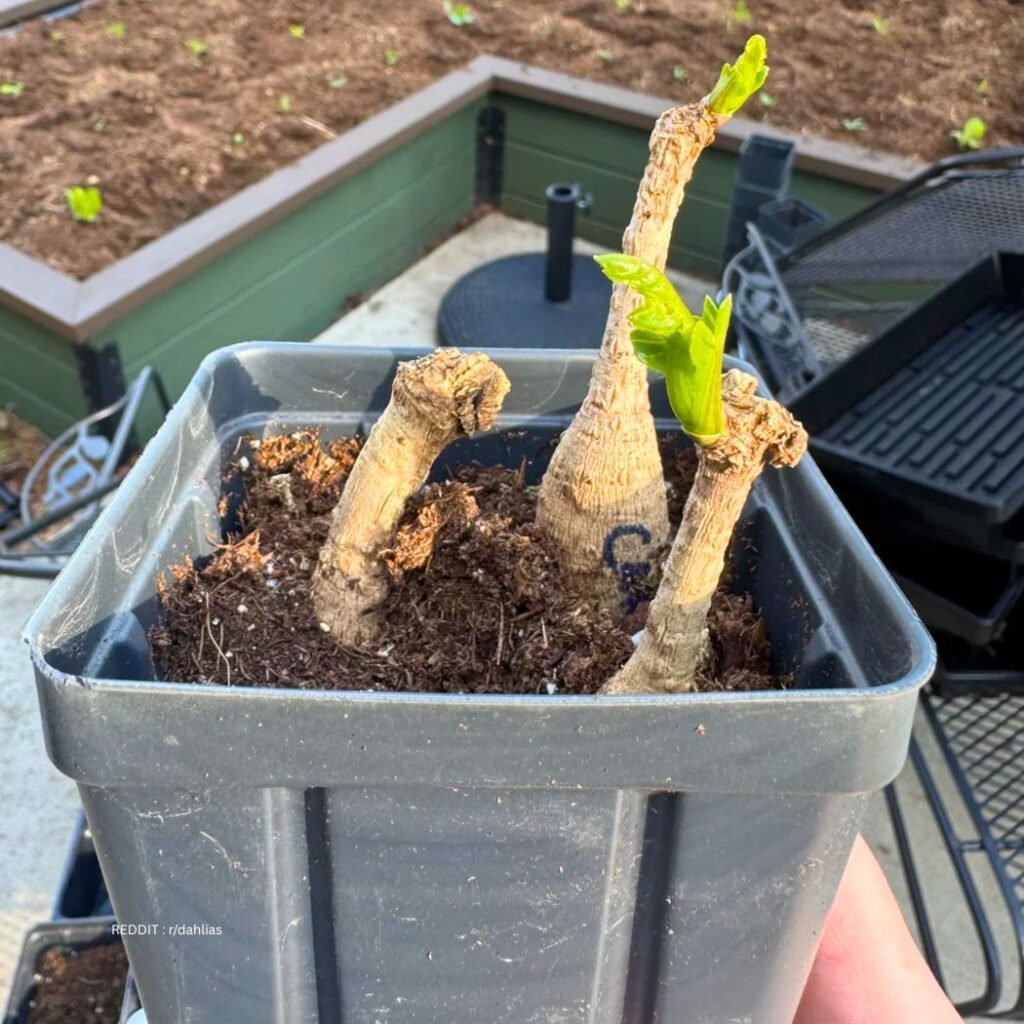
I change how often I water dahlias as their roots, stems, and flowers develop. Soil moisture, rain, and summer heat matter more than a fixed calendar.
Newly Planted Tubers Before Sprouting
I keep newly planted dahlia tubers mostly dry until I see shoots. A tuber has no leaves yet, so it cannot use much water. Soggy soil can cause rot before growth begins.
If spring weather stays dry and the soil feels dusty several inches down, I give the planting area a light watering. I do not soak it.
In rainy areas or heavy clay soil, I usually skip extra spring watering. Quick Tip: I wait for green shoots before starting regular dahlia watering.
I check the soil after heavy rain, too. If water sits in the planting hole or the soil feels cold and muddy, I hold off and let it drain.
Gardeners in warm, dry zones may need one light drink sooner than those in cool, wet zones.
Young Plants After Shoots Emerge
Once shoots reach a few inches tall, I start watering dahlias more regularly. I water deeply about once a week if rain does not provide enough moisture.
I aim water at the soil around the plant, not the leaves. I want moisture to reach the growing roots, while wet foliage can stay damp too long.
Quick Tip: I water when the top 1 to 2 inches of soil feels dry, not just because a day has passed.
A young plant may need water twice a week in sandy soil or during a dry, windy spell. In clay soil, I check first because it holds water longer.
The soil should feel cool and slightly damp below the surface, not sticky or swampy.
Established Plants During Active Growth
When stems grow fast and leaves fill out, I give established dahlias about 1 inch of water per week, including rainfall. That often means one deep watering, though sandy beds may need two.
I soak the root zone slowly so water reaches several inches down. A quick sprinkle only wets the surface and encourages shallow roots.
Dahlias do better when their roots search deeper for moisture. Quick Tip: I use a rain gauge or a small container to track rainfall instead of guessing.
During active summer growth, I check plants every few days. Drooping leaves in the afternoon can happen in strong sun, so I check again near evening.
If they recover, I wait. If they stay limp and the soil is dry, I water.
Peak Bloom and Hot-Weather Watering
Bud formation and flower development raise a dahlia’s water needs. I keep soil evenly moist during peak bloom so the plant can support large dahlia flowers without drying out.
In normal summer weather, I water deeply one or two times each week. During summer heat or heat waves, I may water every two to three days, especially for plants in containers.
Quick Tip: I water early in the morning during heat waves so roots get moisture before the hottest hours.
I check containers daily because they dry out much faster than garden beds. If the soil feels dry an inch below the surface, I water until it drains from the bottom.
I avoid flooding plants every day in cool weather. Too much water can harm roots just as much as too little.
Check Soil Before You Water
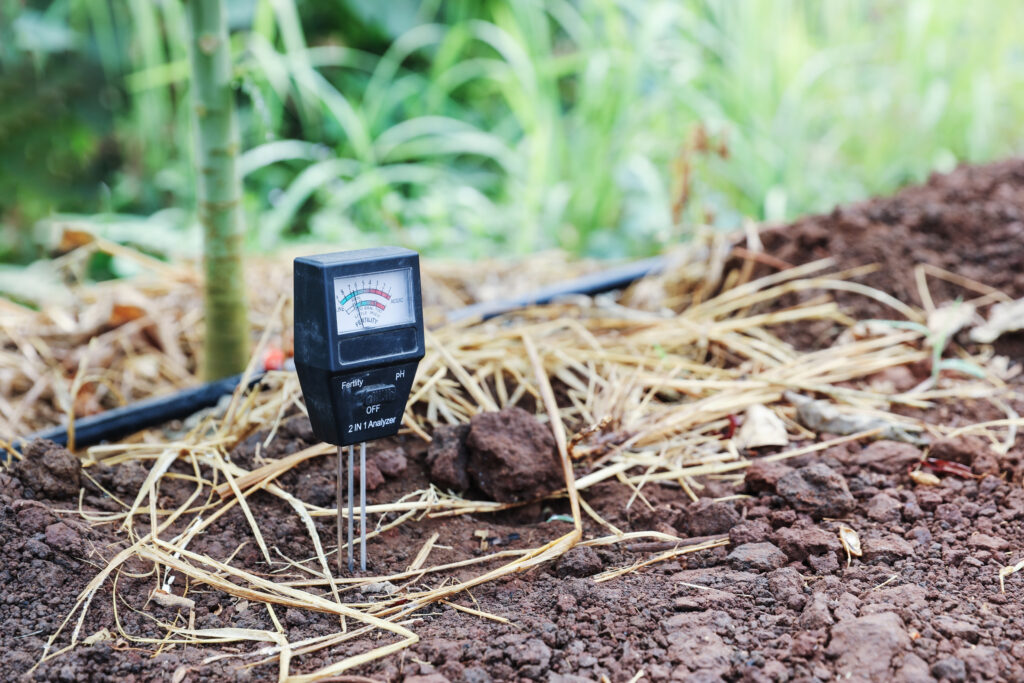
I check the soil at the root zone, not just the dusty surface. A finger test, a soil moisture meter, and local rainfall records help me match watering frequency to real soil conditions.
Use the Finger Test at Root Depth, Not Just the Surface
I push my finger 2 to 3 inches into the soil near the dahlia, a few inches away from the stem. This reaches closer to the root zone, where the plant actually takes up water.
If the soil feels dry, crumbly, and cool only near the surface, I check deeper before watering. Dahlias can look thirsty while their roots still sit in moist soil.
Quick Tip: I water when the soil at 2 to 3 inches feels mostly dry, not bone-dry like dust.
I avoid digging too close to the tuber or pulling soil away from the stem. In sandy soil, I check more often because water drains fast.
In heavy clay, I wait longer because moisture can stay trapped below the surface.
Read Soil Moisture Meters and Rainfall Before Adding Water
I place a soil moisture meter probe into the root zone and follow the tool directions. I test in two or three spots because one small area may be wetter or drier than the rest of the bed.
A meter gives a useful reading, but I do not treat it like a bossy little oracle. I wipe the probe clean after use and compare its reading with the finger test if something seems off.
Quick Tip: I skip watering after a steady soaking rain unless the root zone feels dry.
I use a rain gauge to track rainwater rather than guessing from a wet patio or damp leaves. A short shower may wet only the top inch, while slow rain can water much deeper.
Hot, windy weather dries soil faster, especially in containers and sunny garden zones.
Know the Difference Between Dry Soil and Saturated Soil
Dry soil pulls away from the edge of a pot, feels loose, and may look pale or dusty. Water may run straight through very dry soil at first, so I water slowly and let it soak in.
Waterlogged soil feels heavy, sticky, and slick. It may smell sour, and puddles can remain on the surface long after rain or watering.
Quick Tip: I do not add more water if soil feels muddy or leaves droop while the root zone stays wet.
Dahlias need moist soil, but their tubers can rot in saturated ground. If the bed stays wet for several days, I check drainage, clear blocked pot holes, and pause watering until the soil begins to dry.
Water Deeply and Directly at the Roots
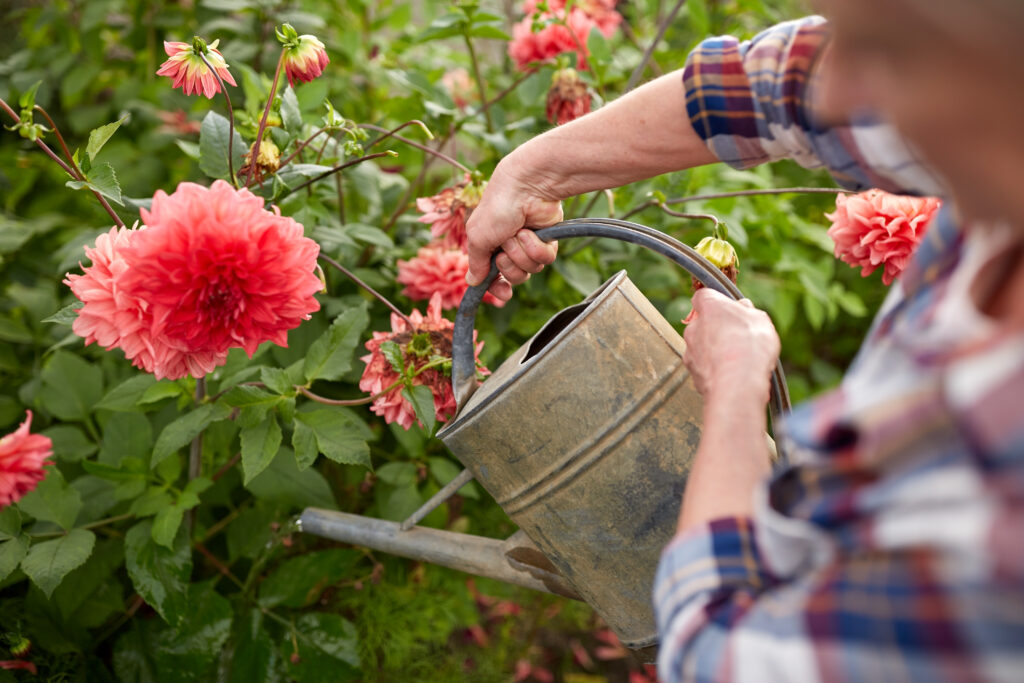
I water dahlias slowly at soil level so moisture reaches the roots instead of sitting on leaves. Early morning watering and dry foliage help prevent common fungal problems.
Why Deep Soaking Builds Stronger Roots
I use deep watering rather than quick surface watering. A light sprinkle wets only the top layer, where it dries fast in sun and wind.
Dahlias then form shallow roots that struggle during hot, dry weather. I let water soak into the soil several inches deep.
This encourages deep root growth, which helps the plant stay steady and take up water when the surface feels dry. The soil should feel cool and damp below the top 4 to 6 inches, not muddy.
Quick Tip: I check moisture by pushing a finger or trowel into the soil. If it is dry 2 inches down, I water slowly and deeply.
In sandy soil, I may need to water more often because it drains quickly. Heavy clay holds water longer, so I wait until the soil begins to dry.
Soggy ground can rot dahlia tubers, so more water is not always better.
Best Times of Day to Water for Dry, Healthy Leaves
I choose early morning watering whenever I can. The soil gets a good drink before daytime heat increases evaporation, and any splashed leaves have time to dry.
Morning watering also helps limit fungal diseases such as powdery mildew and gray mold. These problems spread more easily when leaves stay wet through cool nights.
Wet foliage plus poor airflow is a bad mix, plain and simple. Quick Tip: I aim to finish watering by midmorning, especially during humid or rainy periods.
If I miss the morning, I water at the base in late afternoon only when the foliage can dry before nightfall. I avoid watering in the evening unless the plant is badly dry and needs it.
During heat waves, I check dahlias more often. Containers and plants in hot, windy spots dry out first.
Irrigation Methods That Keep Foliage Dry
I use drip irrigation or a soaker hose to send water straight into the root zone. These methods apply water slowly, reduce waste, and keep leaves mostly dry.
I place soaker hoses under mulch or along the soil beside each plant, not against the stems. A watering wand set low also works well for a few plants.
I direct the stream at the soil in a slow circle around the dahlia, giving the water time to sink in instead of running away.
Quick Tip: I keep the hose end near the ground and avoid spraying flowers and leaves.
I avoid regular overhead watering when possible. It can splash soil onto leaves and keep buds damp, which raises the chance of powdery mildew and gray mold.
If rain does the job, I let it, but I still check the soil afterward. A brief shower may wet leaves without providing a true deep soaking.
Adjust for Soil, Weather, and Garden Conditions
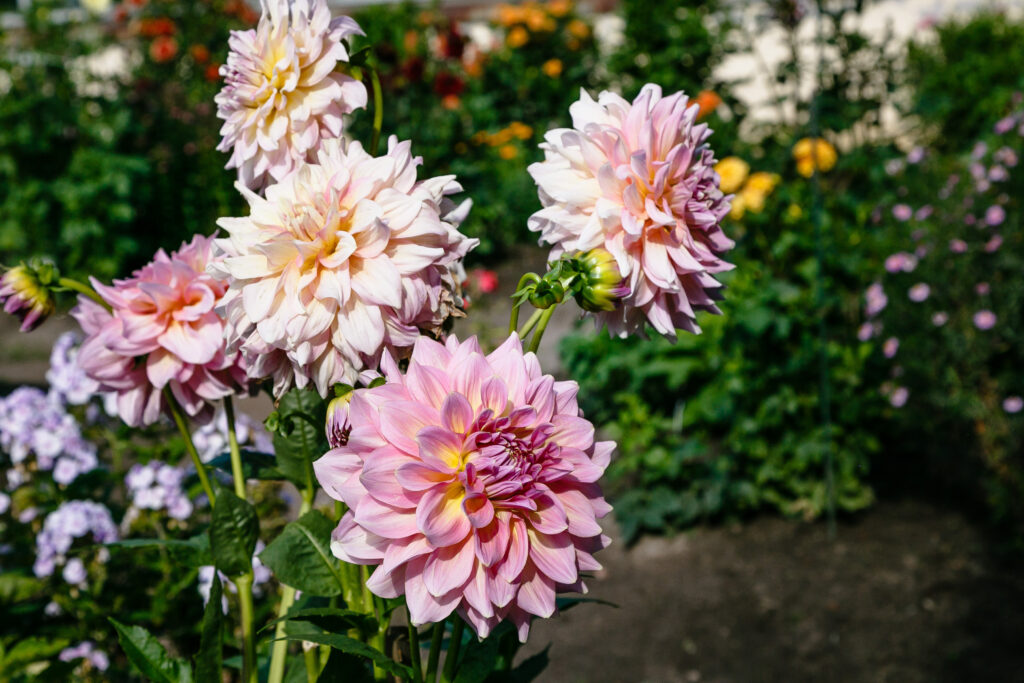
I check the soil before I water because dahlias dry at different speeds in different garden beds. Rain, heat, wind, and drainage can change a watering plan within a day or two.
Sandy and Loamy Soil Considerations
In sandy soil, especially soil with coarse sand, water drains away fast. I check the top 1 to 2 inches every day during summer heat because thirsty plants can wilt quickly, even after a recent watering.
I water slowly and deeply so moisture reaches the tubers instead of running past them. Adding compost or other organic matter helps sandy soil hold water longer.
It also keeps the soil from feeling dry and gritty by midday. Quick Tip: I mulch with 2 to 3 inches of compost, shredded leaves, or bark to slow moisture loss.
Loamy soil usually gives dahlias the easiest balance of water and air. I water when the top inch feels dry, then soak the root area well.
Loamy soil should feel damp and crumbly, not slick or muddy.
Managing Heavy Clay and Poor Drainage Before Roots Rot
Clay soil holds water for a long time, and heavy clay soil can stay wet around dahlia tubers after one deep soaking. I wait longer between waterings and check below the surface with my finger or a small trowel.
If the soil feels cool, sticky, and wet 2 inches down, I do not water. Dahlia roots need air as well as moisture, and poor drainage can lead to weak growth and rotting tubers.
More water will not fix a sad-looking plant if its roots sit in soggy soil. Bit rude, but true.
I mix compost into clay soil before planting, but I avoid adding only sand. A small amount of sand can make clay soil pack even harder.
Quick Tip: I grow dahlias in raised beds if rainwater pools in my garden for more than a few hours.
Raised beds let excess water drain away while still holding enough moisture for steady growth. In cool or rainy zones, I water less often than gardeners in hot, dry areas.
Responding to Rain, Humidity, Wind, and Heat
I skip watering after steady spring rain if the soil remains damp below the surface. Light rain may wet leaves and the top soil layer, but it may not reach the roots.
I check before assuming the job is done. High humidity slows water loss from leaves and soil, so I water in the morning only when the soil needs it.
Wet soil plus humid air can keep plants damp for too long. Quick Tip: I check dahlias after strong wind, not just on hot days.
Wind can dry plants quickly, even when temperatures stay mild. During summer heat or heat waves, I water early in the morning and give a deep soak rather than several small splashes.
If leaves droop in the afternoon but recover by evening, I check the soil before watering. Heat can cause temporary wilt.
Watering Dahlias in Containers
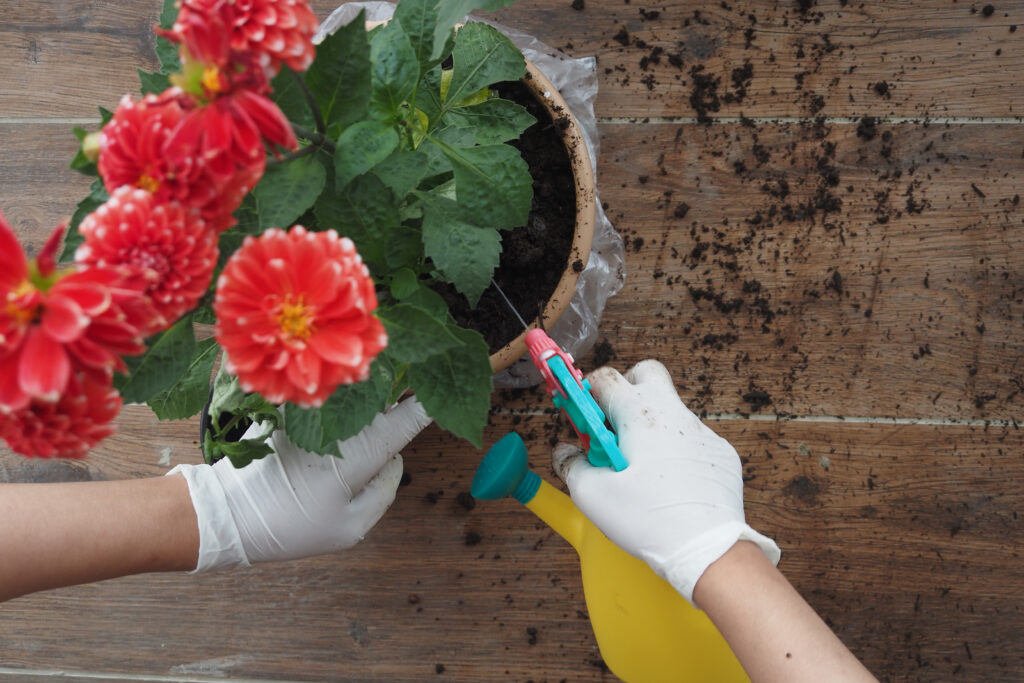
I check container-grown dahlias more often than garden plants because pots lose moisture quickly. A well-draining potting mix, open drainage holes, and daily soil checks help keep the root zone evenly moist.
Why Pots Dry Out Faster
Dahlias in containers have less soil around their roots than dahlias planted in the ground. Sun, wind, warm pavement, and dark-colored pots can heat that small soil space fast.
On hot summer days, a potted dahlia may need water once each day. I water slowly until it runs from the drainage holes, which wets the full root zone instead of leaving dry pockets near the bottom of the pot.
Quick Tip: If the top inch of soil feels dry and crumbly, I water deeply.
Morning watering works best for me. The leaves dry before night, and the plant has moisture ready for the day’s heat.
In very hot or windy weather, I check again in late afternoon, especially for container dahlias in full sun.
Choose a Potting Mix With Reliable Drainage
I use a light potting mix rather than heavy garden soil for growing dahlias in pots. Garden soil can pack down in a container, which slows drainage and may leave the tubers sitting in wet soil.
A good mix holds water but still lets extra water leave the pot. I look for potting mix with perlite, pine bark, or coco coir.
Perlite creates small air spaces, so roots can breathe after watering.
Quick Tip: I choose a pot with several drainage holes, not just one tiny hole in the center.
I also raise the pot slightly on feet or blocks if it sits on a flat patio. Water needs a clear path out.
If the saucer stays full after watering, I empty it so potted dahlias do not soak in standing water.
Daily Checks for Container Plants
I press one finger about an inch into the potting mix each day. If it feels cool and damp, I wait; if it feels dry, I water.
The surface can look dry while the soil below still holds enough moisture, so I do not water by appearance alone.
I watch the leaves too. Drooping leaves during midday heat may perk up by evening, even when the soil is moist.
But leaves that stay limp in the morning often signal a thirsty plant.
Quick Tip: I check containers twice daily during heat waves, especially in warm growing zones.
Too much water causes trouble as well. Yellowing lower leaves, a sour smell from the soil, or constantly wet potting mix can mean the roots need more air.
I pause watering until the top inch dries, then check that the drainage holes are clear.
Prevent Water Stress, Rot, and Disease
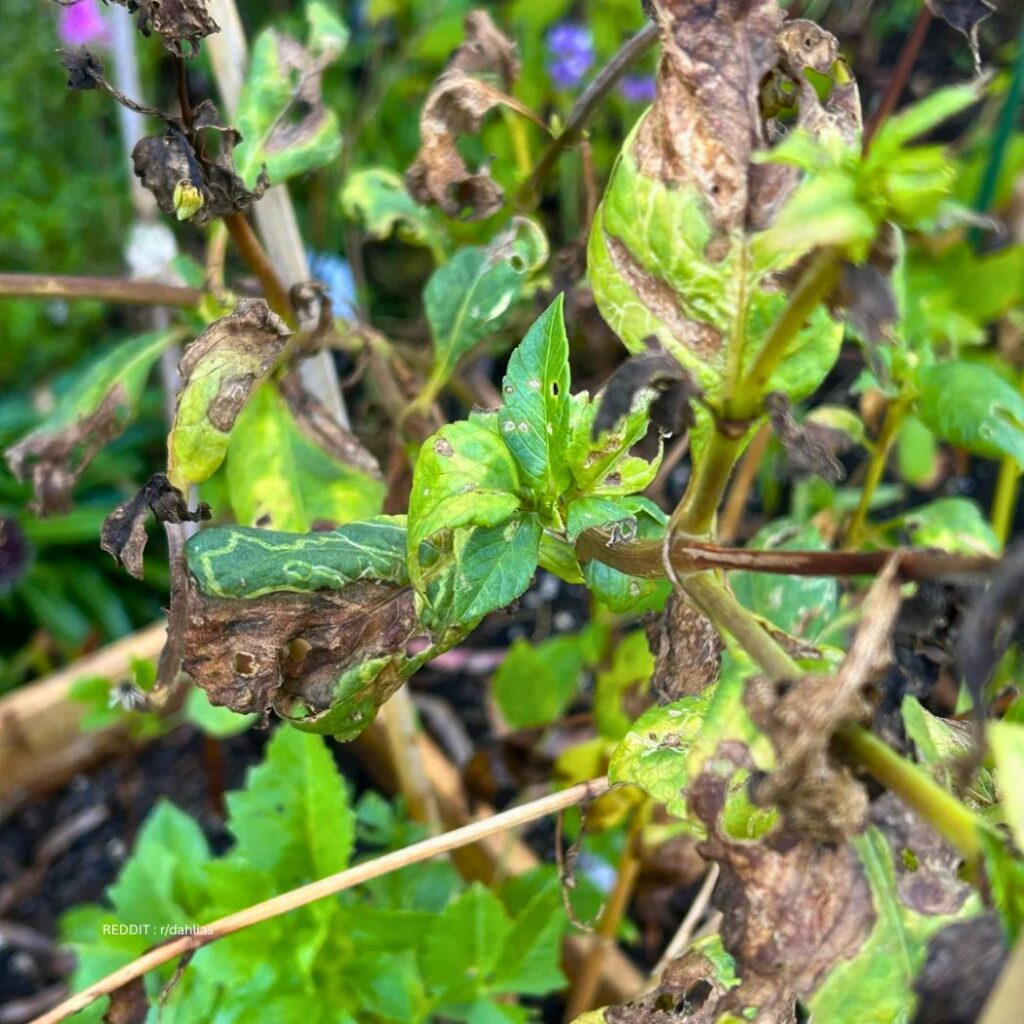
I check the soil often because both underwatering and overwatering can slow tuber development and reduce blooms. Even moisture, good drainage, and a light mulch layer help dahlias grow without sitting in wet soil.
Signs of Underwatering and How to Respond
Wilting leaves in the morning or dry, crumbly soil 1–2 inches down often point to underwatering. Lower leaves may turn yellow or brown at the edges, and flower buds can drop before opening.
I water slowly at the base of the plant until the root zone feels moist. A deep soak works better than a quick splash, which wets only the surface and leaves the tubers thirsty.
Quick Tip: If the top inch of soil is dry and the plant looks limp, water deeply early in the day.
During hot, dry weather, dahlias may need water every day or every other day. In cool or rainy areas, I wait longer and check the soil first.
Leaves can wilt in strong afternoon sun, so I check again in the evening before adding water.
Signs of Overwatering and How to Correct It
Overwatering makes soil stay soggy and pushes air out of the root zone. Yellowing leaves, soft growth, and mushy stems near the soil line are common warning signs.
I stop watering when the soil feels wet below the surface. I also clear away standing water and make sure the bed drains well.
Root rot and tuber rot can spread when dahlias sit in wet ground for too long.
Quick Tip: Damp soil feels cool and holds together in your hand; soggy soil feels heavy and may smell sour.
I remove badly damaged stems or leaves with clean pruners. I also watch for fuzzy fungal growth, dark spots, or collapsing stems, since wet leaves and crowded plants can lead to fungal diseases.
Water at soil level, not over the foliage.
Use Mulch to Maintain Even Moisture
Mulching helps the soil hold moisture during warm weather, so I do not need to water as often. It also limits soil splash, which can carry fungal diseases onto lower leaves.
I spread a 2–3 inch layer of organic mulch, such as shredded bark, chopped leaves, or clean straw. I keep mulch a few inches away from each stem so the base stays dry and airy.
Quick Tip: Pull mulch back after long rain so the soil can dry faster around the tubers.
Mulch supports consistent watering, but it can also hide wet soil. I lift the mulch and check the ground before watering, especially during cool spells or rainy weeks.
Taper Watering at the End of the Season
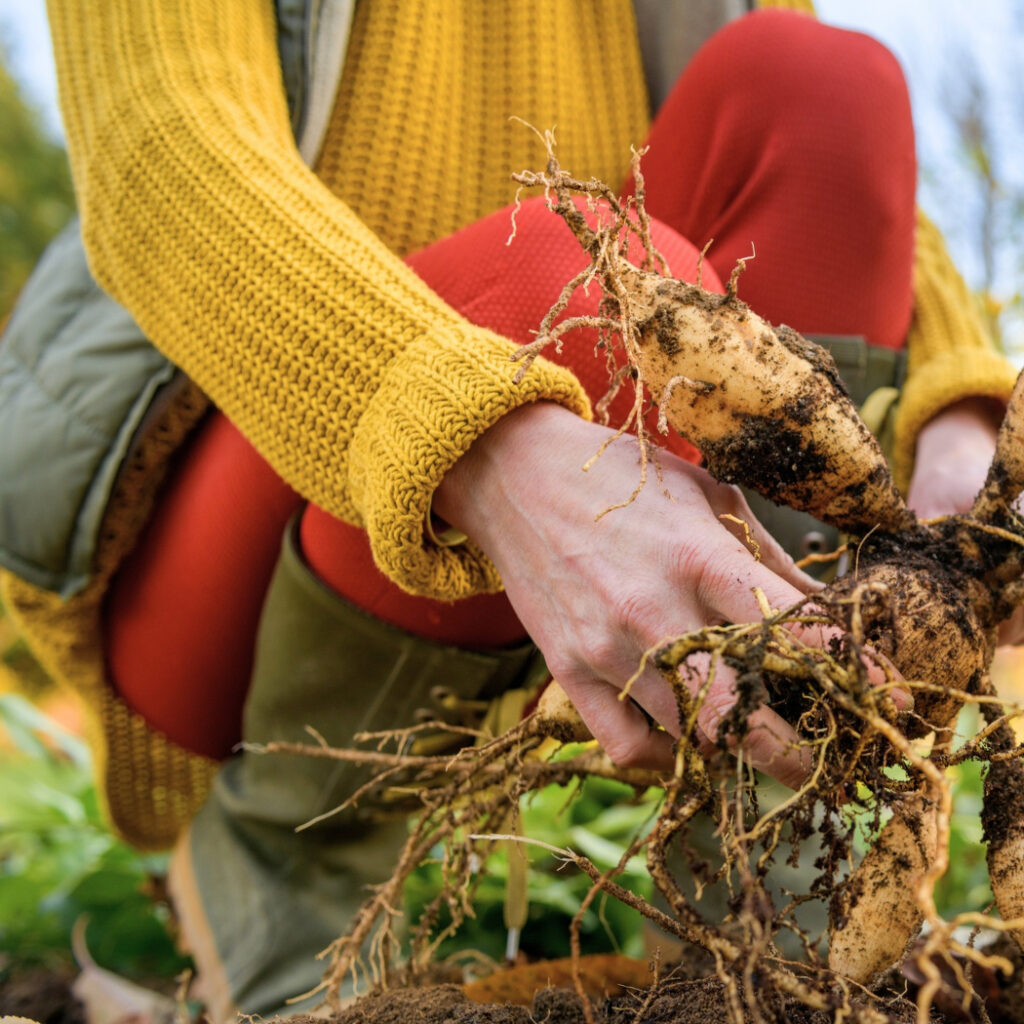
I reduce seasonal watering when dahlia plants slow down in fall. This helps dahlia tubers mature without sitting in cold, wet soil.
Reduce Water as Growth Slows
I start cutting back water when nights turn cooler and the plants produce fewer new buds. I let the top 2 inches of soil dry before watering again, rather than following a summer schedule.
I stop deep watering after a light frost damages the leaves. The stems may look dark and limp, which is normal.
Too much water at this stage can leave the soil soggy and raise the risk of tuber rot.
Quick Tip: I water only if the soil feels dry several inches down and the weather stays warm and dry.
Rain changes the plan. In wet fall weather, I often stop watering completely.
In warm zones without frost, I taper water gradually as bloom growth fades, but I do not let the soil stay bone-dry for weeks.
Prepare Tubers for Lifting and Winter Storage
I stop watering 7 to 14 days before lifting dahlia tubers for winter storage. Drier soil makes digging easier, and the tubers come out with less mud clinging to them.
After the first killing frost, I cut stems back to about 4 to 6 inches. I wait several days before digging so the tuber skins can firm up.
This short wait supports tuber development for storage.
Quick Tip: I never wash tubers right before storage unless I can dry them fully; trapped moisture causes trouble fast.
I lift the clumps on a dry day, brush off loose soil, and check for soft, damaged, or rotten pieces. I let healthy tubers dry in a sheltered, frost-free spot before placing them in winter storage.
Frequently Asked Questions
I water dahlias deeply when the soil starts to dry, then adjust for heat, rain, and pot size. Soggy soil causes as many problems as dry soil, so I check before reaching for the hose.
How often should I water dahlias in the ground?
I water established dahlias in the ground about once or twice a week, giving the soil a deep soak. They usually need about 1 inch of water per week, including rain.
In hot, dry weather, I may water every two to three days. I water at the base so the roots get moisture and the leaves stay drier.
Quick Tip: I push a finger 2 inches into the soil. If it feels dry, I water slowly and deeply.
Should I water dahlias every day during hot weather?
I do not water ground-planted dahlias every day unless heat, wind, and dry soil demand it. Daily light watering can leave roots shallow and the soil damp near the surface.
During a heat wave, I check early in the morning. If the soil feels dry a few inches down and leaves droop by morning, I give the plants a deep drink.
Quick Tip: I water before 10 a.m. when possible, so less water evaporates in the afternoon sun.
How often do potted dahlias need watering?
I check potted dahlias every day because containers dry out fast. In warm weather, a large pot may need water daily, while small pots may need it twice a day.
I water until liquid runs from the drainage holes, then I empty any saucer under the pot. Roots should smell earthy, not sour or swampy.
Quick Tip: I use a pot with drainage holes. Dahlias do not like sitting in standing water.
Should dahlia tubers be watered right after planting?
I do not soak dahlia tubers right after planting unless the soil is very dry. Before shoots appear, wet soil can rot an inactive tuber.
I wait until green growth breaks through the soil, then I begin watering as needed. In rainy areas or cool zones, I stay especially careful because spring soil can remain wet for days.
Quick Tip: I plant tubers in loose, slightly moist soil, not muddy soil.
How can I tell if my dahlias are getting too much or too little water?
When dahlias need water, leaves may look limp, dry, or crisp around the edges. The soil may pull away from the pot sides, and blooms can look smaller or fade quickly.
Too much water can cause yellow lower leaves, soft stems, and soil that stays wet for several days. If I smell a sour odor near the roots, I let the soil dry and check drainage.
Quick Tip: I check the soil first. Droopy leaves can mean either dry roots or soggy roots.
Does watering affect how many blooms my dahlias produce?
I keep the soil moisture steady so dahlias can grow strong stems and produce more flower buds. Dry spells followed by heavy soaking can stress the plant, which may lead to fewer or smaller blooms.
I water deeply, then let the top layer of soil dry slightly before watering again. I also remove spent flowers, since fading blooms won’t help the plant produce new ones.
Quick Tip: I pair steady watering with regular feeding during the growing season to encourage better bloom production.