
Chrysanthemums—mums for short—always look so cheerful and full, but honestly, they dry out quicker than most folks expect. I’ve noticed steady watering keeps those flowers looking lively and bright.
If you want your mums to stick around all season, you’ll need a straightforward routine. Water when the top inch of soil feels dry—usually every 2–3 days in warm weather, a bit less often if it’s cool or rainy.
Pots dry out much faster than garden beds. Fall heat waves? They’ll sneak up on you. Where you plant, the season, and how far along your mums are all change the routine a bit.
Quick Tip: Check the soil with your finger every morning during hot spells. If it’s dry at the top, water deeply until you see it drain from the bottom.
Watering Needs by Planting Location
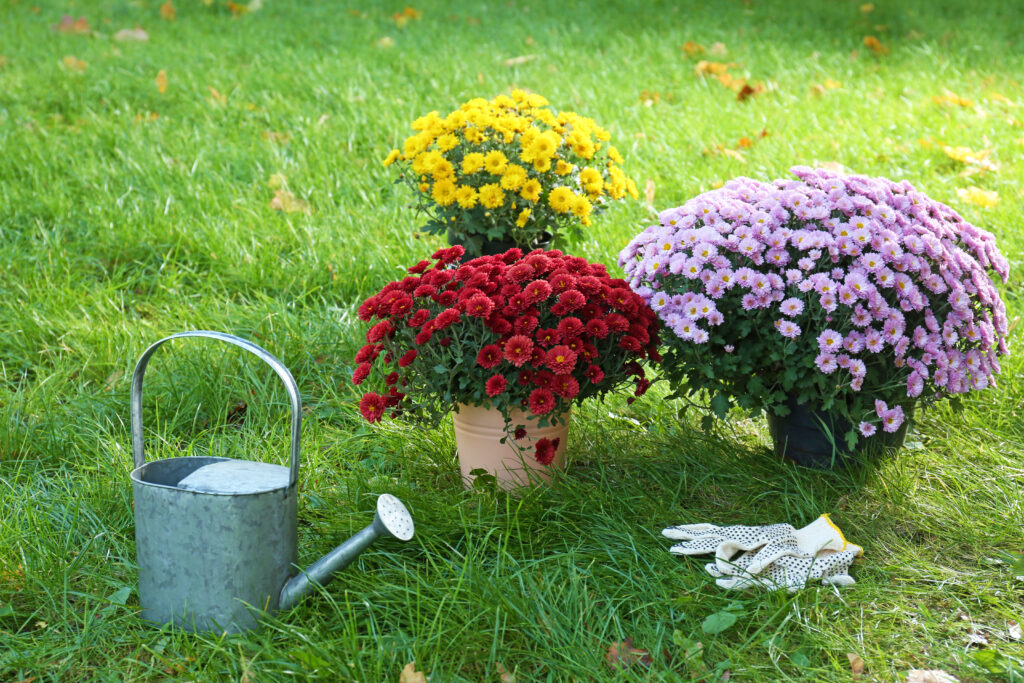
I always adjust how I water mums depending on where they’re growing. Garden soil, pots, and indoor containers all dry out at their own pace.
Roots need to stay moist, but you don’t want them sitting in soggy soil. That’s a recipe for trouble.
Caring for Garden Mums in Flower Beds and Landscapes
For mums in the ground, I pay attention to rain, soil type, and sun. They generally want about 1 inch of water per week, rain included.
I push my finger into the soil—if the top inch is dry, I water deeply so moisture reaches 6–8 inches down. Shallow watering just gives you weak roots.
Quick Tip: Water at the base, not over the leaves. Wet leaves are just asking for disease.
Sandy soil drains fast, so I water more often there. Clay holds water longer; I wait and check before adding more. In hot zones (think Zones 8–10), I might water every 2–3 days during heat waves.
Droopy leaves in the morning? That’s your sign—water. If they droop in the afternoon but perk up overnight, I hold off.
Watering Potted Chrysanthemums Without Overdoing It
Potted mums dry out much faster than those in the ground. Roots are cramped, and pots lose moisture quickly.
I check pots daily when it’s warm. If the top inch is dry, I water until it drains from the bottom. Good drainage isn’t optional here.
Quick Tip: Don’t let pots sit in a saucer of water for more than half an hour.
Small pots dry out faster than big ones. Terra-cotta dries out faster than plastic. In cool fall weather, I water every few days. In summer heat, sometimes it’s every day.
If you see the soil pulling away from the pot’s edge, it’s dried out too much. I water slowly, so it soaks back in.
Container Mums Indoors and Outdoors Need Different Care
Indoors and outdoors, container mums act differently. Light, air, and temperature all play a part in how fast the soil dries.
Outdoor container mums need close watching, especially in wind or sun. Even cool days can dry out the soil. I check every day during bloom season.
Quick Tip: Lift the pot—if it feels light, it probably needs water.
Indoors, mums dry out slower, especially in cooler rooms. North-facing windows mean less water than bright, south-facing spots. I avoid heat vents, which dry soil in a hurry.
Wherever they are, I keep the soil evenly moist—never soggy. Wet roots rot fast, and I’ve learned that lesson the hard way.
How Often to Water Based on Season and Growth Stage
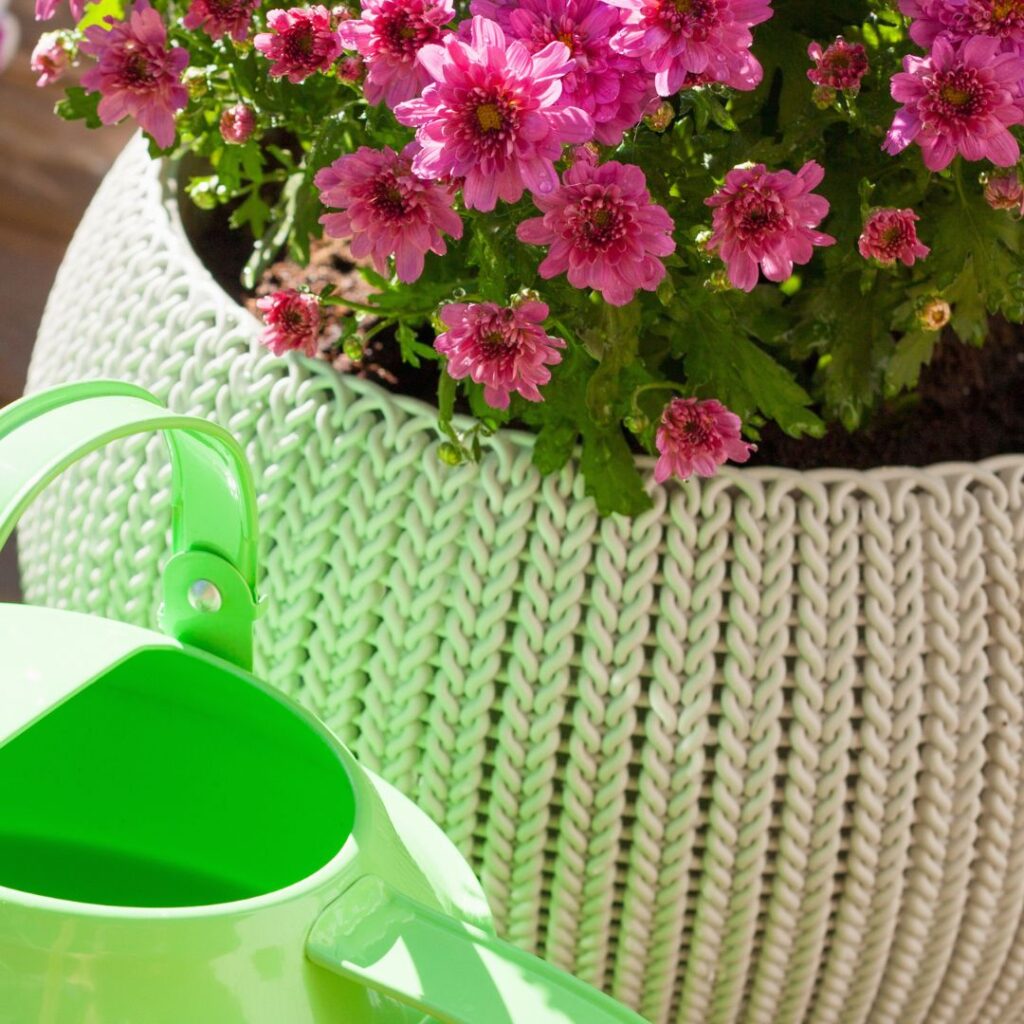
I always tweak my watering as the weather shifts and the mums grow. Young plants, blooming mums, and dormant ones all have their own pace. Matching your watering to the season keeps mums from wilting, rotting, or blooming poorly.
Spring and Early Summer Requirements for Active Growth
In spring, new green shoots pop up and leaves fill in. Mums start drinking more, but they don’t need soaking every day.
Usually, I water every 3–4 days if the weather’s mild. If it rains, I skip a day. I check the top inch of soil—dry means water, damp means wait.
Pots dry out faster than beds, especially for young plants. Wind and sun speed it up, even in cooler zones.
Quick Tip: I stick my finger in about an inch. Dry? Time to water.
Spring roots need moisture, but soggy soil slows growth. I water deeply, then let the soil dry just a bit before watering again.
Peak Summer Care During Heat Waves and Fast Drying Soil
Summer heat really changes things. When temps climb above 85°F, I check mums every single day.
In the ground, I water about 2–3 times per week. In containers, sometimes it’s daily, especially in full sun. Pots can dry out in just a few hours.
Wilting leaves don’t always mean disaster. I check the soil—if it’s dry and crumbly, I water. If it’s still damp, I wait and check again later.
Quick Tip: Water early in the morning so roots get moisture before the sun’s up in full force.
I avoid shallow watering—roots need moisture deep down. I soak the soil until it’s moist several inches below the surface.
In humid areas, I might water a bit less to avoid root problems.
Fall Bloom Support to Keep Flowers Full and Bright
Buds and blooms mean mums still need steady moisture. Dry soil shrinks the flowers and shortens bloom time.
Cooler fall air slows evaporation. Usually, I water every 4–5 days, unless it rains. I try to keep the soil moist but not muddy.
Container mums still dry out faster than those in the ground. I pick up the pot—if it feels light, it’s probably dry.
Quick Tip: Keep soil slightly moist during bloom time for bigger, longer-lasting flowers.
Heavy rain? I skip watering for a while. Wet roots and cool weather can rot them out.
Winter Dormancy Guidelines for Outdoor and Potted Mums
After a hard frost, mums stop growing and use barely any water.
For garden mums in cold climates, I rarely water in winter unless it’s been dry for weeks. Wind can still dry out soil, even in winter.
Potted mums stored in garages or sheds get a light watering about once every 3–4 weeks. I keep the soil barely moist—never dry and dusty.
Quick Tip: During dormancy, just give enough water to keep roots alive.
Too much water can freeze and damage roots. I always check the soil before adding any moisture.
Techniques for Proper Watering
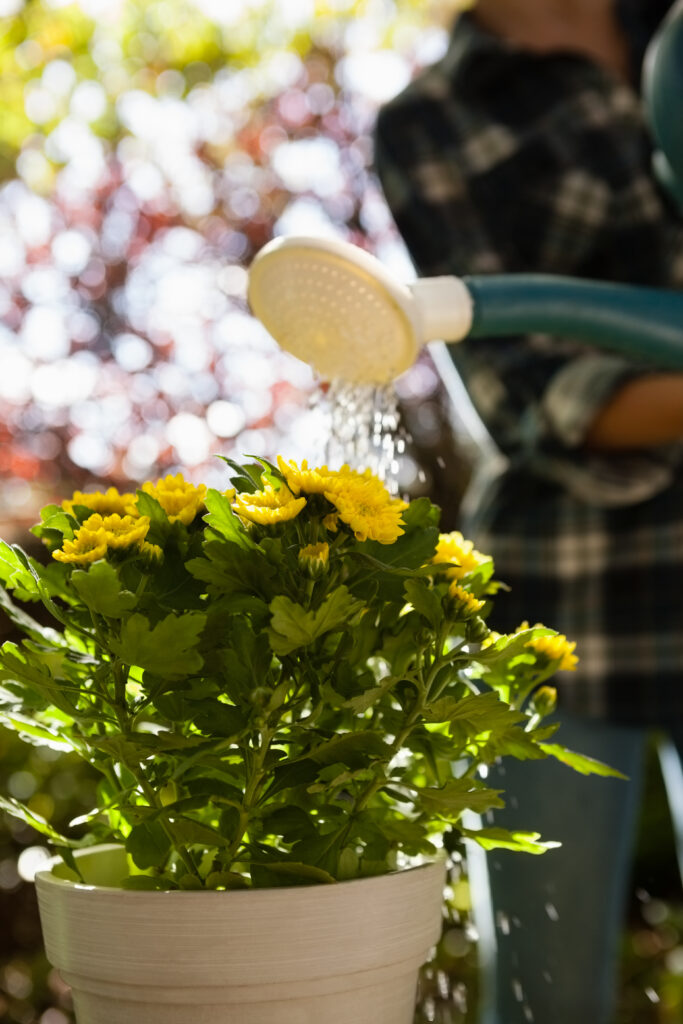
I stick to a few simple habits for watering mums. I check the soil, aim water at the roots, and pay attention to the time of day. These little routines help prevent wilt, rot, and weak blooms.
The Finger Test for Soil Moisture and How I Know When to Water Chrysanthemums
Guessing doesn’t work for mums. I push my finger about an inch into the soil by the plant. If it’s dry, I water. If it’s cool and damp, I wait and check again tomorrow.
Dry soil feels crumbly and light. Moist soil is cool and a bit sticky. That quick check tells me more than any schedule ever could.
With potted mums, I also lift the pot—light means dry, heavy means there’s still water. This trick’s a lifesaver during hot spells.
Quick Tip: If the top inch is dry but deeper soil feels wet, hold off. Roots need air, not just water.
In hot weather, I check daily. In cooler weather, every couple of days is enough. I adjust for heat, wind, and sun.
Watering at the Base Instead of Overhead to Protect Leaves and Flowers
When I water mums, I aim at the base. Watering low and slow lets it soak into the root zone.
I skip spraying the leaves and blooms. Wet foliage brings mildew and leaf spots, especially if it’s humid. Dry leaves just stay healthier.
A watering can with a narrow spout makes it easy. For a big bed, I use a soaker hose—it gives steady moisture right to the roots.
Quick Tip: If you’re using a hose, turn the pressure way down and let the water trickle instead of blasting the soil.
Overhead watering knocks petals off, too. I like my blooms to stick around, so I keep the spray away from flowers.
Choosing the Right Time of Day to Water Mums for Best Results
I water mums early in the morning whenever possible. The soil soaks up moisture before the sun gets harsh.
Morning watering gives any splashed leaves time to dry, which cuts down on disease. In hot climates, this really matters.
If I miss the morning, late afternoon works—but not after dark. Wet, cool soil overnight can cause problems.
Quick Tip: Skip watering at midday. The sun dries the surface too fast, and roots might miss out.
In cooler areas, timing isn’t quite as strict, but I still avoid late-night watering. Keeping a simple schedule makes life easier.
Recognizing and Preventing Overwatering
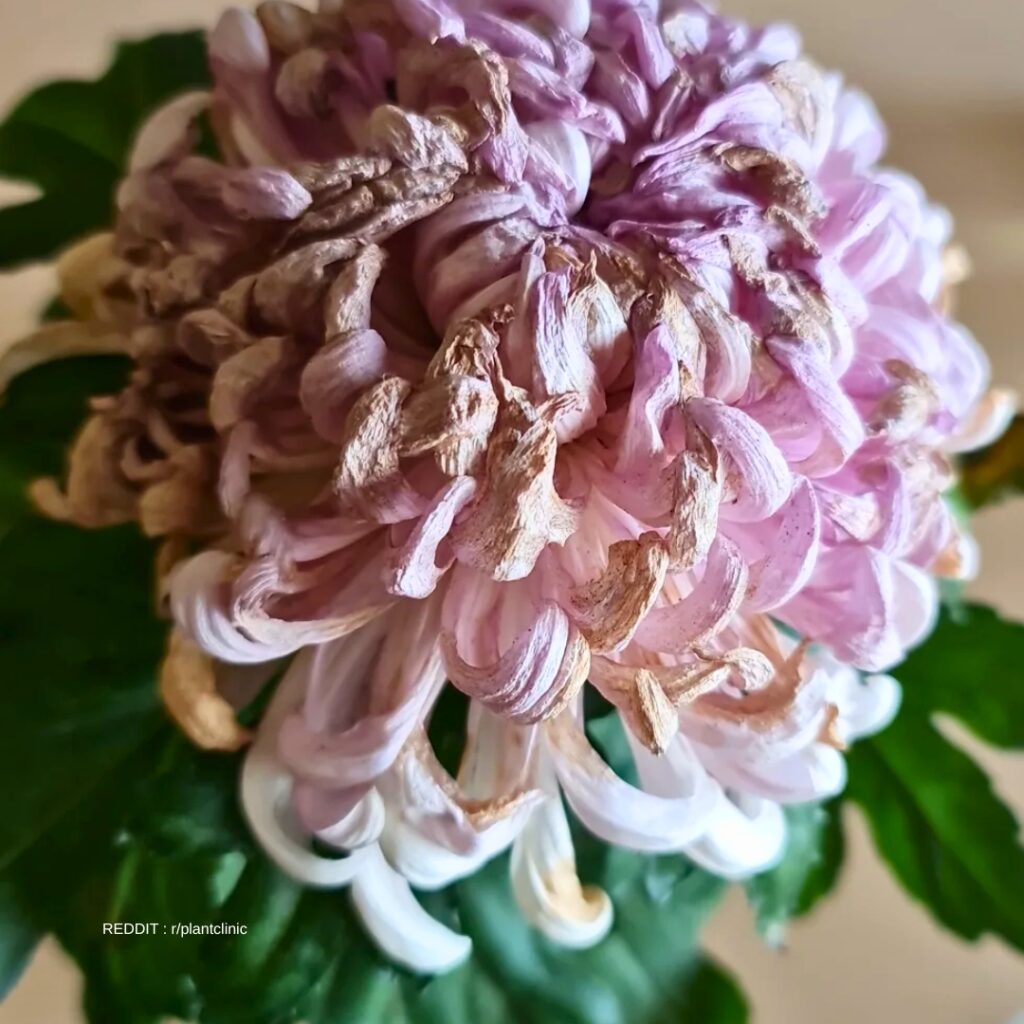
Honestly, overwatering mums does more harm than skipping a single watering. I watch the leaves, the soil, and the pot for early signs and fix things fast.
Common Signs of Overwatering Chrysanthemums and What They Look Like Up Close
First sign I see when I’ve overdone it? Yellowing leaves, usually at the bottom. They feel soft, not crisp, and might drop even if the soil’s wet.
If the soil smells sour or musty, roots could be rotting. In pots, water sitting in the saucer for hours is a bad sign.
Wilting can be sneaky. Sometimes, too much water makes mums wilt, not too little. If the top inch is wet but the plant’s limp, I stop watering and let it dry out.
Quick Tip: If soil stays wet for more than 2–3 days in mild weather, hold off and let it dry out.
Cool fall weather or shady spots mean soil dries slower. I adjust my routine for those conditions.
Improving Drainage and Potting Mix to Prevent Soggy Roots
Good drainage fixes most overwatering issues. I never use pots without drainage holes. No holes, no healthy mums.
For potted mums, I pick a loose, crumbly potting mix—never dense garden soil. Heavy mixes trap water around roots.
If water pools on top instead of soaking in, the mix might be compacted. I gently loosen the top layer or repot with fresh mix.
Quick Tip: I empty saucers ten minutes after watering so roots never sit in standing water.
In rainy or humid areas, I tilt outdoor pots just a bit so extra rain drains out. Little things like this keep roots firm and white, not brown and mushy.
Reviving Overwatered Mums Before Root Rot Gets Worse
When I think I’ve overwatered mums, I act fast. I stop watering and wait until the top 1–2 inches of soil feel dry before doing anything else.
If the soil’s heavy and soggy, I tip the plant out of its pot. I check the roots—healthy ones look white and firm, but if I see brown, mushy roots, I trim them away with clean scissors.
I always use fresh, well-draining potting mix and a clean pot for repotting. I water just enough to settle the soil, nothing more.
Quick Tip: After repotting, I set the plant in bright, indirect light and skip fertilizer for a couple of weeks.
Patience is key here. I keep the soil barely moist and look for any sign of new green growth—if I spot it, I know things are turning around.
Factors That Influence Watering Frequency
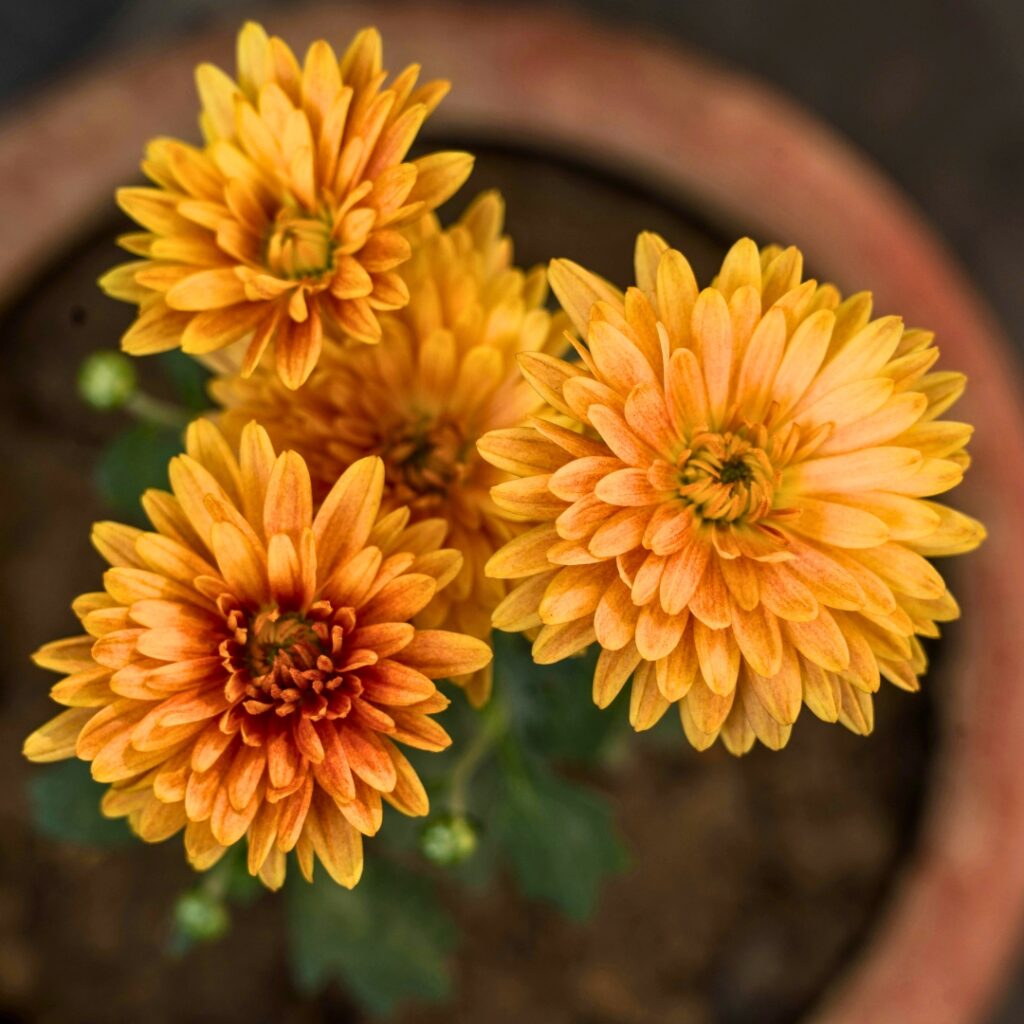
Watering mums isn’t one-size-fits-all. Pot size, soil type, and weather all play a part in how quickly soil dries out.
When I pay attention to these details, I avoid both soggy roots and dry, stressed plants.
Pot Size and Type Matter More Than You Think
Pot size makes a surprising difference. Small pots dry out in a flash because there’s less soil to hold moisture, while big pots stay wet longer, so I water less often.
The pot material changes things too. Plastic pots keep soil damp longer, but terracotta pots breathe and dry out faster. That’s handy in humid climates but can be a headache during hot spells.
Potted mums and those in shallow decorative planters need more attention. The roots sit closer to the surface, so the top layer dries out first, especially on hot days.
When I grow mums in hanging baskets, I check them daily in summer. Wind can dry them out before I even notice.
Quick Tip: If the top inch of soil feels dry and the pot feels light, I water thoroughly until I see water run out the bottom.
Soil Composition Affects Drainage and Moisture Retention
Soil decides how long water sticks around the roots. I always go for a loose, well-draining mix for container mums—roots need moisture, not a swamp.
Heavy garden soil in pots is a mistake. It holds too much water and can cause root rot, so I never use it on its own for potted mums.
Mixes with peat moss or coconut coir keep things moist a bit longer. Perlite or coarse sand helps water drain quickly. I aim for a mix that feels light and crumbly, not dense.
If I see water pooling on top instead of soaking in, I gently loosen the surface and check that the drainage holes aren’t blocked.
Quick Tip: After watering, I watch how fast water drains. If it sits on top for more than a minute, the soil’s probably too dense.
Weather and Climate Impact on Drying Time
Weather changes everything. Hot, sunny days dry soil much faster than cool, cloudy ones.
In the middle of summer, I sometimes water daily—especially for small pots. Wind speeds up moisture loss, even if it’s not that hot out.
When fall rolls around and temperatures drop, I cut back on watering. Soil stays moist longer and overwatering becomes a real risk.
Humidity makes a difference too. In dry climates, I check my plants more often. In humid places, I focus on drainage so roots don’t stay wet for too long.
Indoor mums near a sunny window can dry out quickly, but those in a north-facing window need less water.
Quick Tip: During a heat wave, I check the soil in the morning and again late afternoon—wilting can sneak up on you fast.
Tips for Healthier and Longer-Lasting Mums
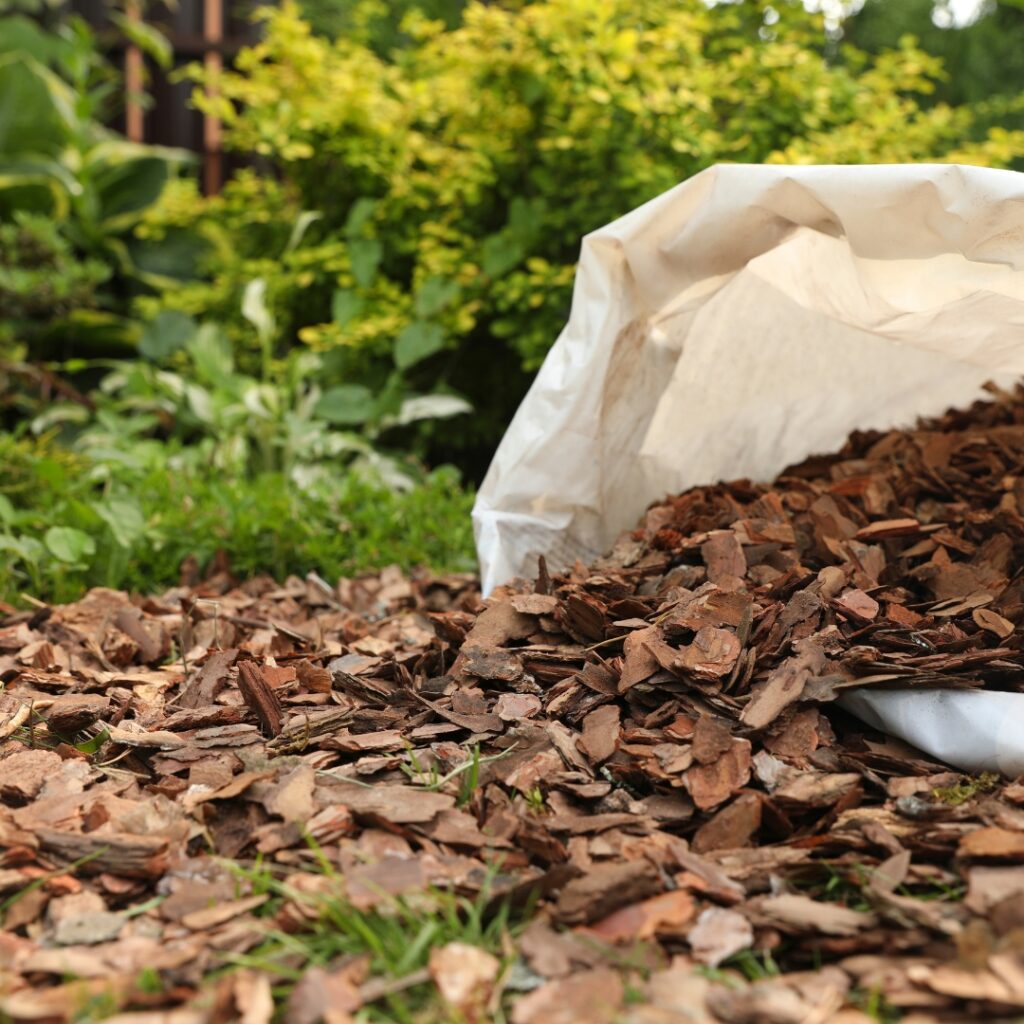
I’ve found that small habits—like covering soil, using clean water, and keeping a steady routine—really do make mums last longer and bloom better.
Mulching Strategies That Lock In Moisture and Protect Roots
I spread 2–3 inches of mulch around my garden mums after planting, but I keep it about an inch away from the stems so they don’t stay damp.
Mulch traps moisture in the soil and slows evaporation, which helps a lot during hot spells and windy days. It also keeps roots cooler in the summer and a bit warmer at night in early fall.
Shredded bark, straw, or leaf mulch are my go-to choices—they break down slowly and improve the soil over time.
Quick Tip: If the soil feels dusty and dry by midday, I toss on a fresh layer of mulch before reaching for the watering can.
In colder zones (Zone 5 and below), I add extra mulch after the first hard frost to protect the crown through winter. In warmer zones, I keep the mulch layer thinner to avoid soggy soil.
Water Quality Considerations That Affect Bloom Health and Leaf Color
I pay attention to what’s in my water. If my tap water leaves a white crust on pots or soil, it probably has high salts, which can stress roots over time.
Once a month during active growth, I flush the soil with distilled or rainwater to help wash out extra salts.
Quick Tip: Letting tap water sit overnight lets chlorine dissipate, which seems to help sensitive plants.
I water at the base, not over the leaves—wet foliage invites mildew, especially in cool fall weather. For potted mums, I always make sure excess water drains out; standing water can lead to root rot in no time.
General Maintenance Advice That Keeps Mums Compact and Blooming Longer
I pinch back new growth in late spring to keep mums full and bushy. By mid-July, I stop pinching so buds can set.
Deadheading makes a difference. I remove faded blooms right away—keeps things tidy and encourages new flowers.
Quick Tip: I just snap off spent blooms with my fingers. If they feel soft and papery, they’re ready for the compost pile.
I check soil moisture often. If the top inch is dry, I water deeply. Shallow, frequent watering just leads to weak roots.
I always put mums where they get at least 6 hours of direct sun. Less sun, fewer blooms—simple as that. In really hot spots, a bit of afternoon shade can prevent wilting.
Frequently Asked Questions
I tweak my watering routine depending on the season, sunlight, and whether my mums are indoors or out. Soil moisture, temperature, and pot size all factor in.
How often should I water chrysanthemums during winter?
In winter, I cut way back. Outdoor mums in cold zones usually go dormant, so I might water every 2–3 weeks if the soil gets dry and the ground isn’t frozen.
I check the top couple inches. If it’s dry and crumbly, I water lightly. If it feels cool and damp, I wait.
Quick Tip: In milder winters, I water on warmer days, so roots don’t sit in icy soil.
How often should I water chrysanthemums in the summertime?
Summer heat dries soil out fast. I usually water outdoor mums every 2–3 days, sometimes daily when it’s over 90°F.
I poke my finger an inch into the soil—if it’s dry, I water thoroughly until water drains from the bottom.
Hot wind and full sun can dry pots in just a day. When temps spike, I stay on my toes.
Quick Tip: I water early in the morning so the soil stays moist longer and leaves dry quickly.
How often should I water chrysanthemums in the fall?
Fall is prime blooming time. I water about once or twice a week, depending on the rain.
Cooler air slows things down, but blooming mums still need steady moisture. I keep the soil just moist, never soggy.
If a fall rainstorm soaks the ground, I skip watering—cool, wet soil is a recipe for root rot.
Quick Tip: After heavy rain, I check pots and dump out any standing water from saucers.
How often should I water potted mums, especially in full sun?
Potted mums dry out quicker than those in the ground. In full sun, I often water every day or every other day.
Small pots dry out in a snap. If the pot feels light or the top inch is dry, I water deeply.
In hot zones like 8–10, daily checks are a must. Shade slows things down a bit.
Quick Tip: I try not to let pots dry out completely—wilted mums drop their blooms fast.
How often should I water indoor chrysanthemums?
Indoor mums need less water. I usually water once every 5–7 days.
I check the top inch of soil—if it’s dry, I water until the excess drains out, then empty the saucer.
In a cool room or north window, soil stays moist longer. In a bright, warm spot, I check more often.
Quick Tip: I keep mums away from heat vents—those dry the soil out in no time.
Can chrysanthemums be overwatered?
Absolutely. I’ve overwatered mums before, especially when the soil stays soggy for days. Roots crave air just as much as water, and too much moisture just suffocates them.
Yellow leaves pop up, stems get all mushy, and sometimes there’s this odd musty smell wafting up from the pot. Weirdly enough, the plant can wilt even when the soil’s still wet, which always feels counterintuitive.
Now, I just let the top layer dry out before grabbing the watering can again. Without decent drainage holes, honestly, it’s a losing battle.
Quick Tip: If I think I’ve overdone it, I’ll pause watering for a few days and make sure water isn’t pooling at the bottom. That usually helps the roots bounce back.