
Chrysanthemums really show off when they get plenty of light. If you want those full, bold blooms, sunlight is key.
They need about six hours of direct sun each day for strong stems, healthy leaves, and those vibrant flowers everyone loves.
Sure, you can grow mums in partial shade, but you’ll notice fewer and smaller blooms. Morning sun with a bit of afternoon shade helps protect them from harsh heat, especially in warmer spots.
Where you put them matters too—garden mums handle outdoor light much better than florist mums, which are really just for short-term indoor displays.
Key Takeaways
- Mums need around six hours of direct sunlight daily for healthy growth
- Morning sun and light afternoon shade support bright blooms in warmer climates
- Garden mums are better suited for outdoor sunlight than florist mums
Essential Sunlight Requirements for Chrysanthemums
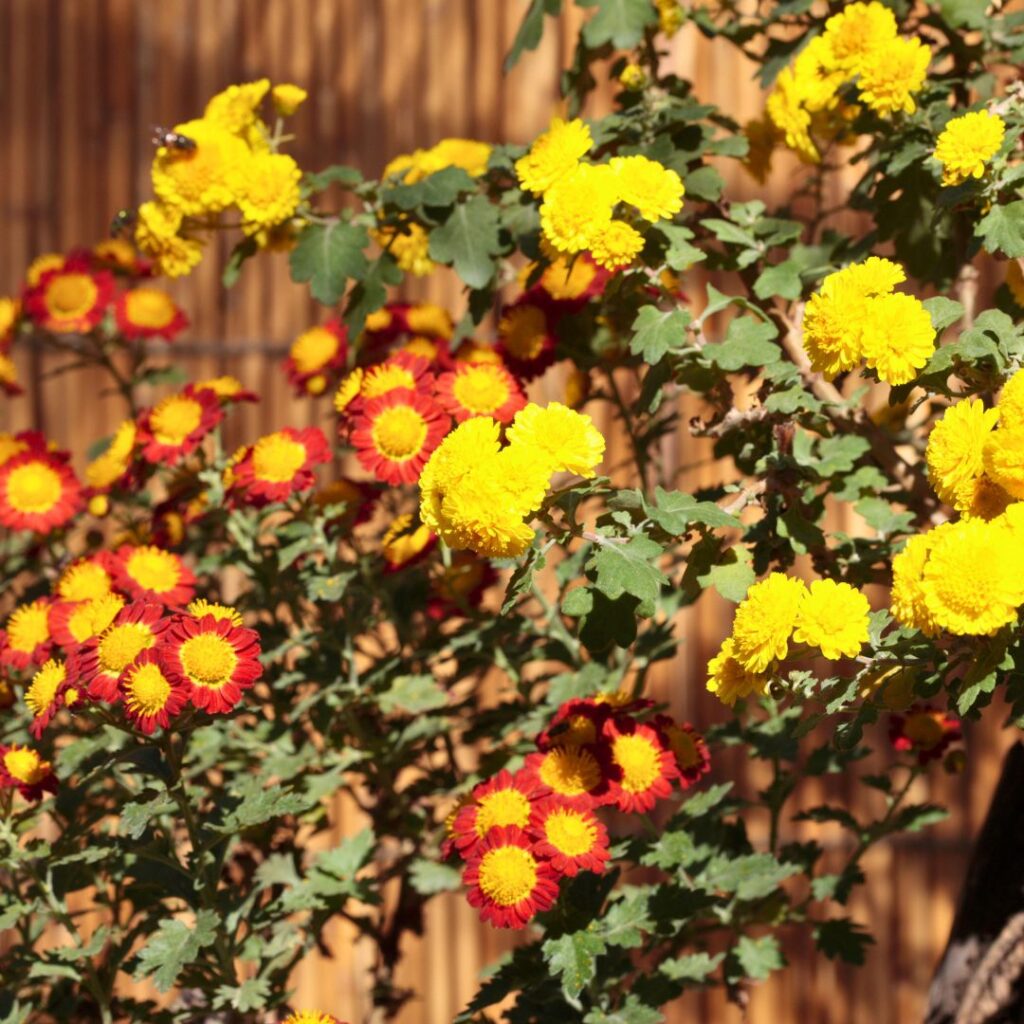
If you want mums that stand tall and bloom like crazy, give them steady, direct sunlight every day. They rely on strong light to keep plants compact and flowers colorful all season long.
The amount and quality of sunlight really shape how your mums turn out. It’s not just about survival—sunlight makes a difference in bloom count and overall health.
Minimum Daily Sun Hours for Healthy Blooms
Give your chrysanthemums at least 6 hours of direct sunlight each day. That’s the sweet spot for sturdy stems, thick foliage, and a natural bloom cycle.
In cooler climates, bumping it up to 7–8 hours can push out even brighter, fuller flowers. If you garden in a hot spot, a bit of afternoon shade keeps petals from frying.
Early morning and late afternoon light work well since the sun isn’t as harsh but still fuels growth. Less than 4 hours of sun? The plants might survive, but blooming drops way off.
| Sun Exposure | Expected Growth | Bloom Quality |
|---|---|---|
| 6–8 hrs (Full Sun) | Strong, compact | Large and vibrant |
| 4–5 hrs (Partial Sun) | Moderate | Fewer flowers |
| <4 hrs (Shade) | Weak stems | Sparse or dull blooms |
Impact of Sun Levels on Flowering and Growth
Give mums plenty of direct sunlight and they’ll reward you with more buds and bushier shapes. Good light tells the plant it’s time to grow new shoots and set flowers.
If they sit in shade, mums stretch toward the light, get tall and leggy, and don’t bloom much. The leaves might fade and stems can get floppy.
Too much heat from intense sun dries out leaves or scorches petals, though. I always mulch around the base and water regularly to keep things balanced.
If you see slow growth or pale, small flowers, move the plant somewhere sunnier. Sometimes just a few days of better light perks them right up.
Full Sun vs. Dappled Sunlight and Shade
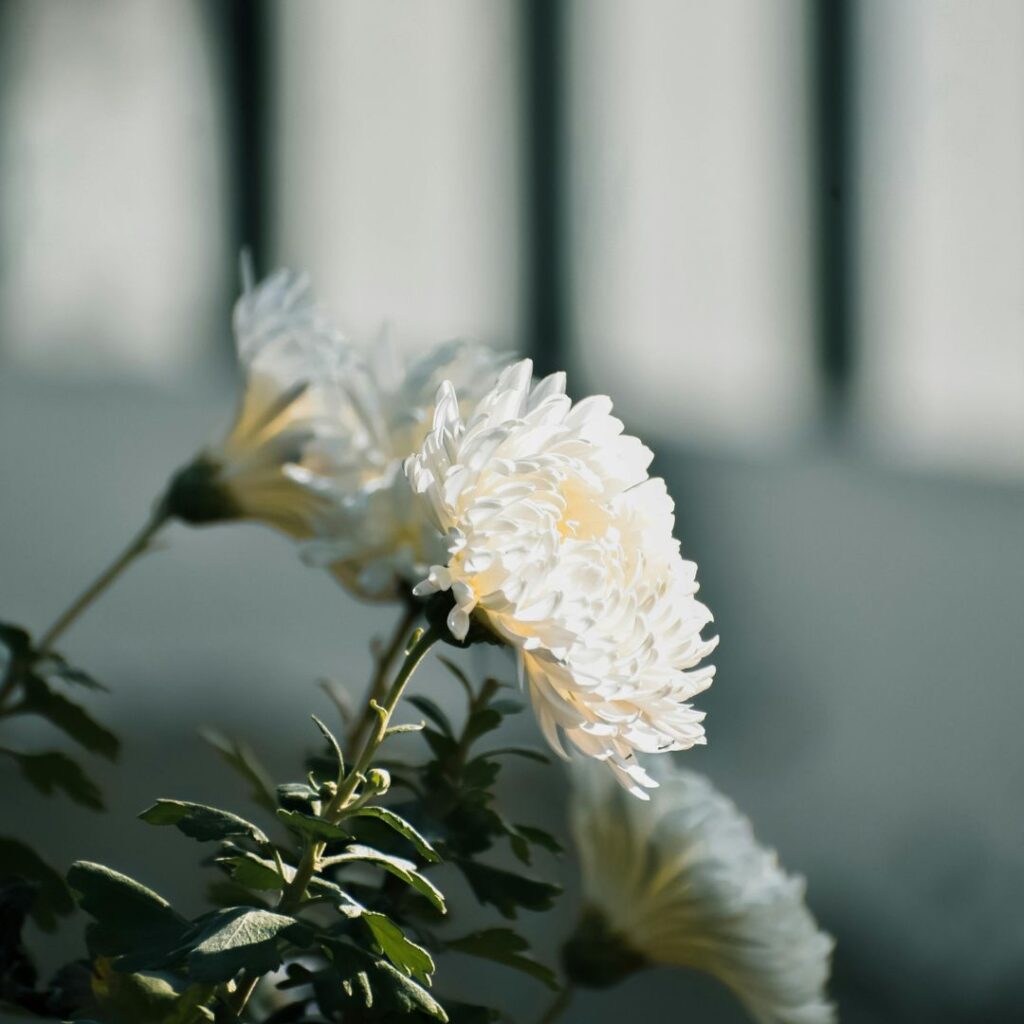
Chrysanthemums love steady light. Direct sunlight means strong stems and big blooms, but they can handle less if you’re careful with placement and care.
Comparing Direct Sun With Dappled Sunlight
Full sun—at least 6 hours of direct light—is where mums really shine. They stay compact, stems get sturdy, and flowers come out bold and plentiful.
In dappled sunlight, like under tree branches, mums survive but blooms drop off and plants lose some vigor. In cooler spots, 6–8 hours of unfiltered morning and midday light works best.
If you’re gardening somewhere hot, a bit of afternoon shade helps keep flowers from getting scorched.
| Light Type | Daily Exposure | Expected Growth Results |
|---|---|---|
| Full Sun | 6–8 hours | Strong stems, heavy bloom |
| Dappled Sunlight | 4–6 hours | Fewer flowers, thinner stems |
Adapting to Partial Shade Conditions
If your garden only gets partial shade, pick a spot with bright morning sun and lighter shade after noon. That way, mums get enough energy but don’t bake in the heat.
Growing them in containers makes it easy to chase the sun as the seasons change. I often rotate pots or trim back branches nearby to sneak in more light.
Shaded soil dries out slower, so keep an eye on moisture—too damp can lead to fungus and fewer blooms. Even with less sun, reflective light from walls or fences can give them a boost.
These little tweaks can really help with bloom count and plant shape, even in trickier spots.
Consequences of Insufficient Sun Exposure
With less than 4 hours of sun, chrysanthemums get leggy and stretch toward any hint of light. Buds are fewer, and the flowers that do show up are usually smaller and duller.
Roots don’t develop as well, and mildew risk jumps. Leaves might turn pale or brown at the edges, and sometimes buds just never open.
If you see these signs, move your mums to a brighter spot or thin out nearby plants. Even a couple more hours of sun can make a noticeable difference.
The Role of Hardiness Zones in Light Needs
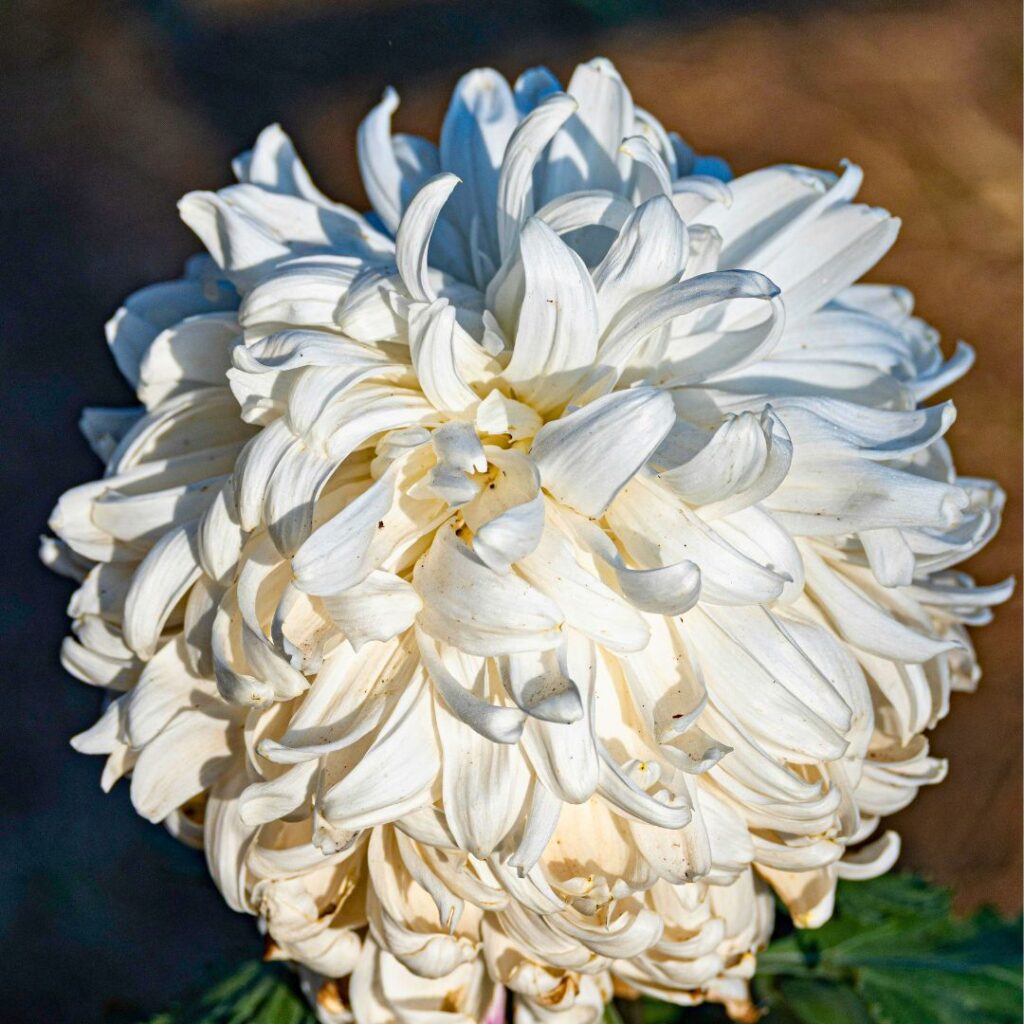
Your climate really shapes how much sun your chrysanthemums need. How they handle heat or cold depends a lot on where you garden, so knowing your USDA hardiness zone helps you dial in the right light.
Optimal Light by USDA Hardiness Zones 5-9
In zones 5 through 9—where winter lows range from -20°F to 30°F—chrysanthemums act as hardy perennials. They thrive with at least 6 hours of direct sun per day.
Full sun gives them strong stems and bright blooms. Too much shade, though, and you’ll see weak growth and not many flowers.
In cooler zones (5–6), full sunlight all day helps mums bloom before frost. Afternoon light is especially helpful as the days get shorter.
Warmer zones (7–9) still need 6–8 hours of direct light, but a bit of afternoon shade helps keep plants from wilting. I like to use light-colored mulch to reflect heat and keep the soil moist.
| Zone Range | Average Ideal Light | Suggested Sun Protection |
|---|---|---|
| 5–6 | 6–8 hrs full sun | Minimal; focus on early-season warmth |
| 7–9 | 6–8 hrs full sun | Provide light afternoon shade |
Adjustments for Cooler or Hotter Regions
If you’re outside zones 5–9, you’ll need to tweak things. In cooler areas below zone 5, go for maximum sun—every bit helps mums flower before it gets too cold.
Black mulch or a south-facing wall can help hold warmth. In hot climates above zone 9, keep mums out of the midday sun to avoid scorched leaves. Morning sun with some afternoon shade works best.
Potted mums are easy to move into the shade during heat waves. Simple tricks like changing mulch color or placing plants near walls can balance light and temperature for healthier mums year after year.
Morning Sun and Afternoon Shade Strategies
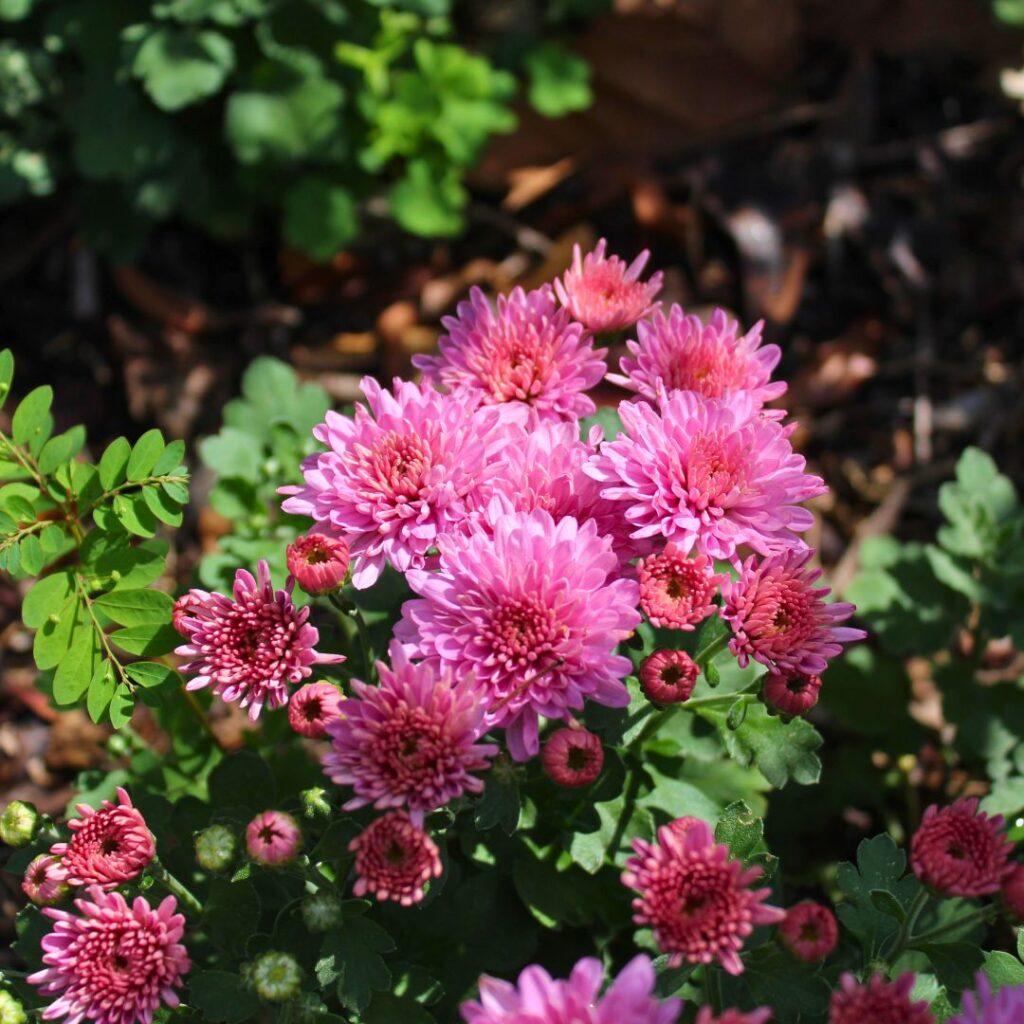
Bright light in the morning, then some relief from harsh afternoon rays—that’s my go-to for happy chrysanthemums. This combo keeps blooms from fading and helps soil stay moist without sacrificing the sun they crave.
Benefits of Morning Sun
Morning sunlight fuels strong growth. The gentler light and cooler air let mums soak up energy without getting fried.
Most mums want at least six hours of sun, and morning is the best time for it. Early sun dries off dew or leftover water, cutting down on fungal issues.
Direct light from sunrise through early afternoon sets the stage for more buds and bolder colors. If your days are short, making sure mums catch full morning sun becomes even more important.
Protecting Mums in Hot Climates
In hot places, afternoon shade keeps mums from wilting or losing flower color. Too much heat can scorch leaves and dry out soil fast.
I use shade cloth, fencing, or even taller plants to block the worst rays between 1 and 4 p.m. If you spot droopy leaves by midday, it’s a sign they need more shade or water.
A thick layer of organic mulch—2 to 3 inches—keeps roots cool and helps soil hold moisture. I always water in the morning to prep mums for hot afternoons.
Placing Plants for Best Results
Pick a spot with open morning sun and some afternoon protection. East-facing beds or patios, or spots near fences that cast shadows later in the day, work well.
Containers make it easy to chase the sun as seasons change. Just keep taller plants or structures behind your mums so they don’t block the light.
Space mums 18–24 inches apart for good airflow and light coverage. That way, each plant gets enough sun without crowding, and you’re less likely to see disease or weak growth.
Florist Mums vs. Garden Mums: Light Needs Compared
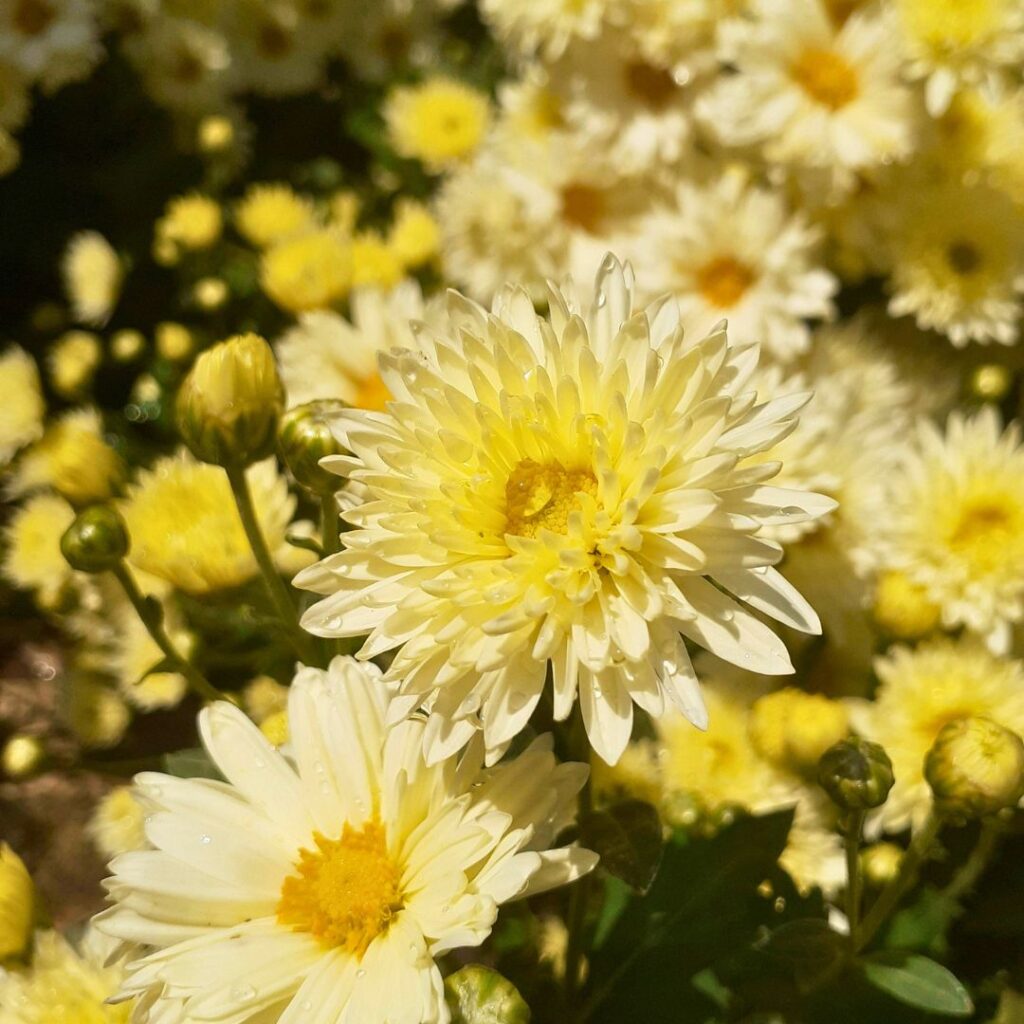
Florist mums and garden mums both come from the same species, but their sunlight needs aren’t quite the same. Breeding, environment, and whether you’re growing indoors or out all play a role.
How Light Preferences Differ by Type
Garden mums really shine outdoors when they get 6–8 hours of direct sunlight each day. That kind of exposure leads to sturdy stems, thick foliage, and plenty of blooms.
If you’re gardening in a spot that gets scorching hot afternoons, a bit of shade after lunch can keep leaves from burning. But if they get less light overall, expect fewer, smaller flowers.
Florist mums usually show up as indoor plants or quick decorations. They’re happiest with bright, indirect light inside.
Filtered sunlight near a window works, but too much direct sun makes their leaves brown or stressed. Since breeders designed these mums for controlled spaces, they just don’t need as much full sun as garden types.
| Type | Ideal Light | Best Location |
|---|---|---|
| Garden Mums | 6–8 hours direct sunlight | Outdoor beds, patios |
| Florist Mums | Bright, indirect light | Indoors near windows |
Considerations for Indoor and Outdoor Growing
If you’re planting outdoors, find a spot with sun from morning through midday. Skip heavy shade—mums get leggy and bloom less without enough light.
During brutal summers, a little afternoon shade can take the edge off and prevent stress, but don’t overdo it. You want to keep those blooms coming.
With indoor florist mums, set pots close to an east- or west-facing window. Give the pot a spin every few days so all sides catch some light.
Keep mums out of the line of fire from heat vents or cold drafts. That kind of exposure just messes with their rhythm.
If you plan to move your mums outdoors later, ease them into brighter light over a week or so. That way, they won’t fry in the sun.
Recognizing and Solving Sunlight Stress in Mums
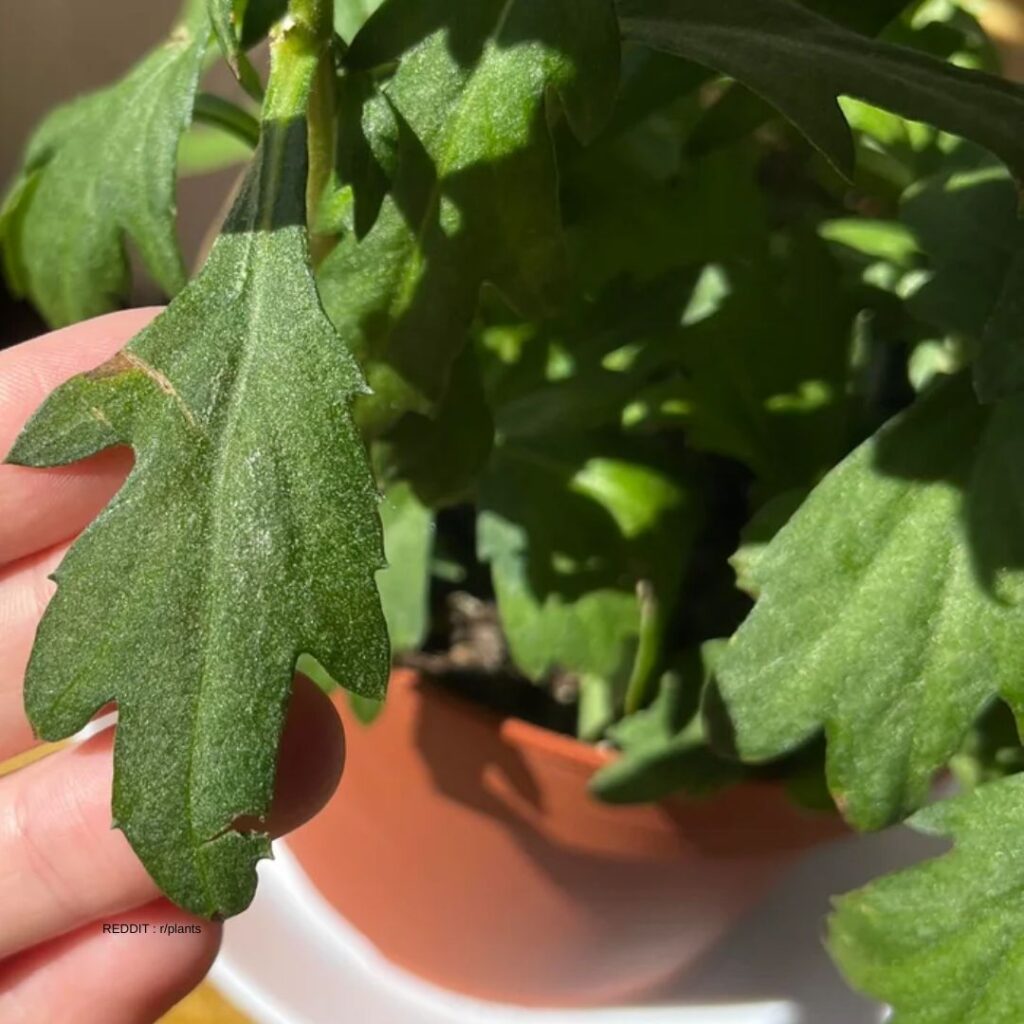
Chrysanthemums really need steady, direct sun to stay healthy and bloom well. If their light drops below six to eight hours, they start sending signals that something’s off.
Spotting these early and making small tweaks—maybe shifting their spot or trimming nearby branches—can keep them growing strong and flowering reliably.
Visible Symptoms of Light Deficiency
Not enough light? You’ll see long, thin stems and not many buds. Leaves fade to pale green or yellow—a clear sign they’re not making enough chlorophyll.
Over time, blooms shrink, and some flowers never even open. I’ve seen weak stems flop over after watering, and that almost always means light is the problem.
If you notice mums putting out lots of leaves but barely any buds, they’re probably not getting enough sun. When sunlight’s too harsh, especially in the afternoon, you’ll see leaf scorch—those brown or bleached edges on top leaves.
These burns show up even if the soil’s moist, so heat is the culprit, not drought. Fixing either issue comes down to adjusting how much and when your mums get sun.
| Symptom | Likely Cause | What It Means |
|---|---|---|
| Pale/yellow leaves | Too little sunlight | Low photosynthesis |
| Brown edges | Too much intense sun | Leaf scorch from heat |
| Weak stems | Insufficient light | Limited structural growth |
| Sparse blooms | Not enough daily sun | Reduced flower initiation |
Simple Fixes to Improve Light Exposure
First, check how many hours of sun your mums actually get. Track direct sunlight for a day—use a sun chart or just watch when the light hits them.
Garden mums need at least six hours of strong morning or midday sun. If your garden’s shaded by trees or buildings, move pots or trim nearby plants to let more light through.
For mums in the ground, you can bounce extra light onto lower leaves with pale fencing or mulch. In hot climates, give mums some afternoon shade to keep them from burning up.
Set them where they’ll get full morning sun, then filtered light after noon. That balance really does make a difference.
If you’re growing mums indoors or in containers, grow lights can help during dark winter months. I set mine on a timer for around seven hours to mimic outside conditions.
It’s surprising how quickly these tweaks can bring back strong stems, fuller blooms, and lush, green leaves.
Frequently Asked Questions
Chrysanthemums just do better with steady, direct sunlight and decent air flow. Light shapes their blooms, color, and how tough their stems get.
Paying attention to daylight as the seasons shift—and where you put your mums—makes all the difference for healthy, happy plants year-round.
How many hours of direct sun do chrysanthemums need each day to bloom well?
Give your mums at least 6 hours of direct sunlight daily. That’s the sweet spot for more buds and bigger blooms.
With less sun, you’ll see fewer flowers and spindly stems. It’s just the way they grow.
Can chrysanthemums grow in partial shade, or do they really need full sun?
They’ll survive in light or partial shade, but full sun is where they thrive. In shadier spots, mums stretch toward the light and don’t bloom as much.
If you’re limited on sunlight, find places with bright morning rays and avoid deep shade. It’s not ideal, but it works in a pinch.
Does the ideal light exposure for chrysanthemums change in the fall as days get shorter?
Fall days shrink, but as long as your mums get their 6 hours of direct light, they’ll still bloom. Try to place them where they’ll catch early sun since evenings fade faster.
Unless your area stays gloomy for weeks, you don’t really need extra lights in autumn.
What sunlight conditions work best for chrysanthemums in hot climates like Florida?
In super hot places, morning sun and light afternoon shade keep leaves from scorching and flowers from drooping. All-day sun can stress them if temps hit the mid-90s or higher.
Look for a spot with gentle afternoon cover—near a fence, a taller plant, or anything that casts a bit of shade.
How can you tell if a chrysanthemum isn’t getting enough sun versus getting too much?
Not enough sun? You’ll see tall, skinny growth and fewer blooms. Leaves fade to pale green and buds might not open.
Too much harsh sun shows up as brown leaf edges or fading flowers. Tweak their spot until you see sturdy growth and solid color.
Where’s the best spot to place potted chrysanthemums so they get the right amount of light?
Put your potted mums somewhere they’ll catch at least half a day of direct morning sunlight. A porch, balcony, or even a sunny patio usually does the trick.
If you notice the plants growing unevenly or dropping flowers, just shift the pots around a bit. That’s the beauty of containers—you can chase the sun as the season changes and keep your mums looking their best.