
Most roses need at least six hours of direct sun each day to grow well and bloom freely. I’ll help you spot the light your garden gets and choose a place where your roses can thrive.
Morning sun works best because it dries dew from the leaves and helps prevent disease. Hot climates may need some afternoon shade, while cool areas often need all the sun they can get.
Quick Tip: Watch your planting spot for a full day before you plant. I’ll cover rose light requirements, shade problems, container roses, and simple ways to match each rose to your space.
The Daily Light Target
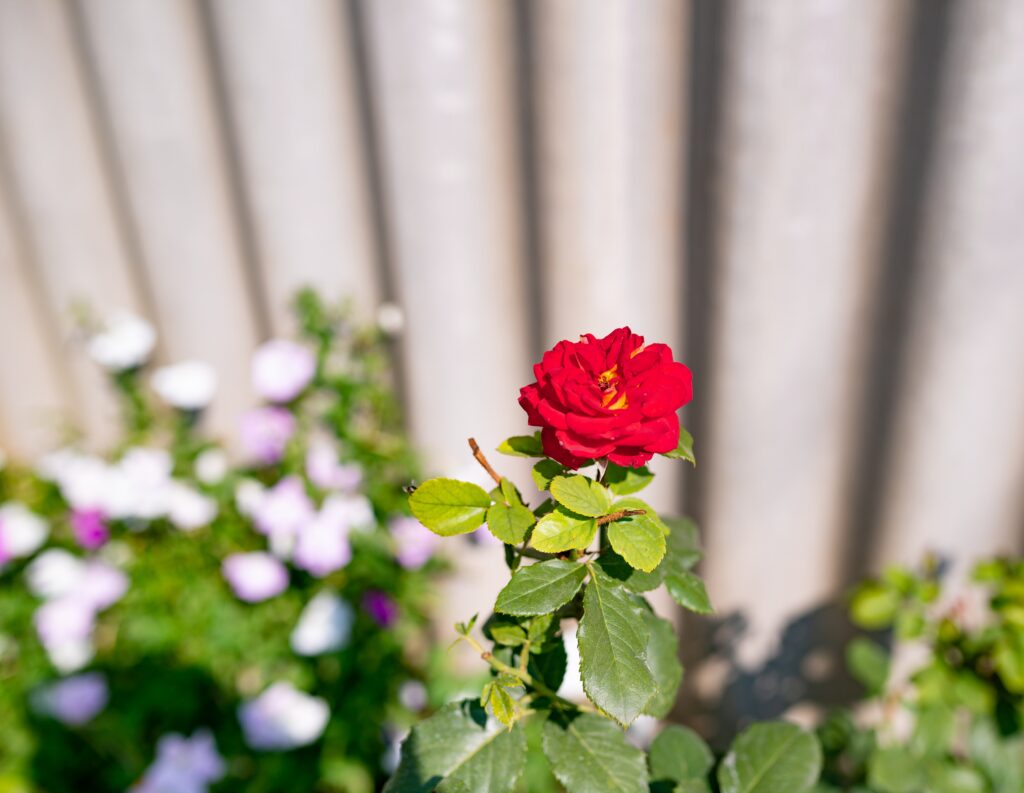
I aim to give most rose bushes six to eight hours of direct sunlight each day. This supports photosynthesis, healthy growth, and steady blooming, although seasonal heat can change what a plant handles well.
Why Six To Eight Hours Works Best
I treat six hours as the minimum for most garden roses. With enough full sun, a rose bush can make the energy it needs for strong stems, green leaves, and repeated blooms.
I often see fewer flowers when roses get only three or four hours of sun. The plant may stretch toward the light, grow thin stems, and produce pale or small blooms. It’s doing its best, but it needs more fuel.
Quick Tip: I choose a spot that gets sun from late morning through early afternoon. That light is usually strong enough to support good blooming.
Some roses can survive with less light, especially in warm areas, but they usually won’t bloom as heavily. I also avoid dense shade from trees, fences, or tall buildings. A bright-looking spot isn’t always a sunny one.
What Counts As Direct Sunlight
I count direct sunlight only when the sun shines straight onto the leaves and casts a clear shadow. Light filtered through a tree canopy, screen, or sheer curtain doesn’t count as full sun.
I check the planting spot several times during the day, around 9 a.m., noon, and 3 p.m. This simple check shows whether nearby shade moves across the area.
Quick Tip: I use my hand as a quick test. A sharp shadow means direct sun; a soft, blurry shadow means filtered light.
Morning sunlight works well because it dries dew from leaves. Dry leaves can help limit fungal problems such as black spot. Afternoon sun helps too, though it can feel harsh in very hot climates.
How Needs Change During The Growing Season
I watch sunlight more closely as the growing season changes. Spring sun is gentler, so I let roses receive as much direct light as the site offers. This supports new leaves, roots, and early buds.
Summer heat can stress a rose bush in hot zones. When daily temperatures stay above 90°F, I value morning full sun and light afternoon shade. The leaves should look green and firm, not curled, dry, or scorched.
Quick Tip: I check the soil during hot weather. If the top inch is dry, I water deeply at the base rather than spraying the leaves.
In fall, shorter days naturally reduce sunlight. I avoid pruning heavily late in the season because I don’t want to push soft new growth when cooler weather is close.
Why Morning Light Matters Most
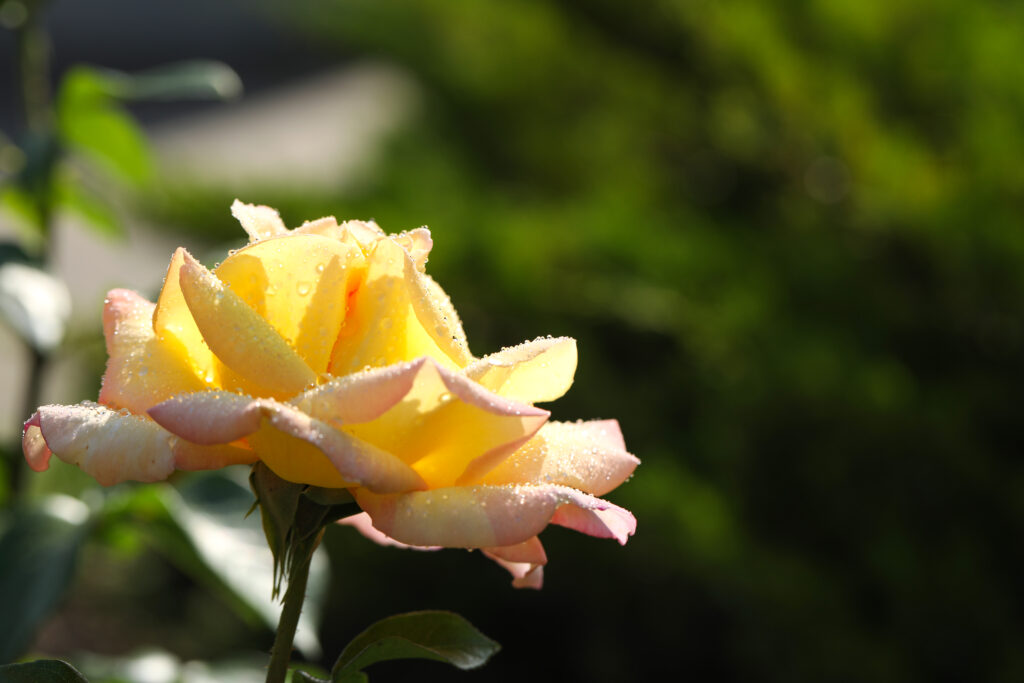
I give roses morning sun whenever I can. It dries wet leaves, supports steady growth, and avoids the harshest heat later in the day.
Morning Sun And Faster Leaf Drying
Morning sun warms dew and rain from rose leaves soon after sunrise. Dry leaves are less likely to develop fungal diseases such as blackspot and powdery mildew. This matters most in humid areas, rainy seasons, and crowded gardens.
I also leave space around each rose for good airflow. Sun can’t do all the work if branches press together and hold damp air. Prune crowded canes and keep weeds or tall plants from blocking the breeze.
Quick Tip: I aim for at least 6 hours of direct sun, with several of those hours before noon when possible.
Watch the leaves after a damp morning. If they stay wet well into the day, I improve airflow or move nearby plants. A little breeze and early light beat soggy foliage every time.
When Afternoon Sun Becomes Too Intense
Afternoon sun can help roses bloom, but it can also bring hard heat. In very hot weather, dark-colored blooms may fade, while pale petals can develop brown, dry edges called petal scorch.
I watch for flowers that look bleached, crispy, or limp by late afternoon. Heat stress can also make a rose use water faster, especially in sandy soil or containers. The plant may recover overnight, but repeated stress can reduce bloom quality.
Quick Tip: I water at the base early in the day when the top inch of soil feels dry, rather than spraying the leaves.
Most roses handle strong afternoon sun in mild or cool climates. In hot summer zones, though, full sun from noon until evening can be a bit much. Roses like sunshine, not an oven.
Balancing Sun With Afternoon Shade In Hot Climates
In hot climates, I place roses where they receive morning sun and afternoon shade after about 2 or 3 p.m. A fence, open-limbed tree, or nearby structure can block the hottest rays without turning the site dark.
I avoid dense shade all day. Roses still need direct light to make strong stems and flowers, and damp shade can encourage blackspot and other fungal diseases. The goal is bright morning light, then relief when heat peaks.
Quick Tip: I choose light, filtered shade instead of deep shade, and I keep air moving around the plant.
Check the site during summer, not just spring. A spot that seems sunny in April may become punishing in July. In cooler zones, roses may need more afternoon sun; in hot, dry areas, that small patch of shade can protect petals and leaves.
Match Rose Types To Your Garden Light
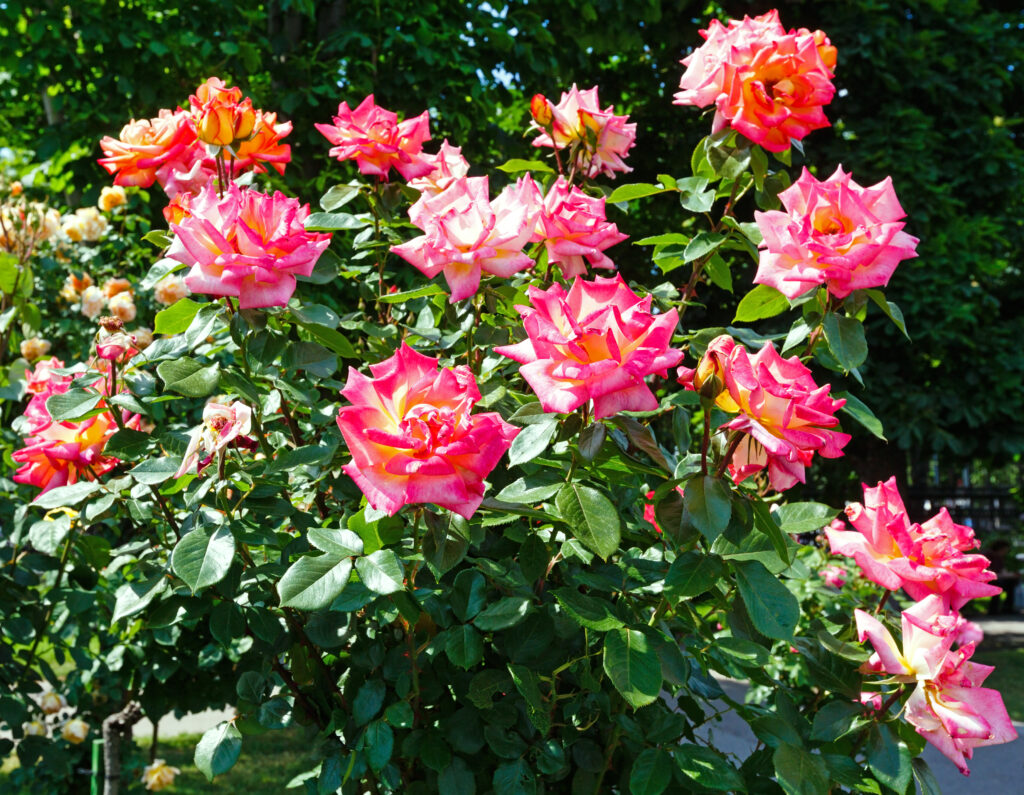
I match rose types to the hours of direct sun they’ll actually get, not the label on the plant. Morning light, hot afternoon sun, and shade from trees can change what will grow well.
Full-Sun Roses For Open Beds
I plant hybrid tea roses, many floribundas, miniature roses, and sun-loving shrub roses where they get at least six hours of direct sun. Open beds with clear space above them work best. These roses make more flowers and dry faster after rain when air moves around them.
I also grow many English roses and old garden roses in full sun, especially in cool climates. In very hot zones, harsh late-afternoon sun can bleach petals and stress plants. I give them morning sun with a little late-day relief if summers feel scorching.
Quick Tip: I check the bed at three times, morning, noon, and late afternoon, to count real sun hours.
Roses That Manage Part Shade
I use roses marked for part shade or partial shade in spots with four to six hours of direct sun, preferably in the morning. Dappled light under a high-branched tree can also work if the rose still gets bright light for much of the day.
I often choose tough shrub roses, some English roses, and flexible climbers for these sites. Zephirine Drouhin is a climbing rose that can handle partial shade better than many roses. It still blooms best with enough direct sun, so I don’t tuck it into a dark corner and expect a wall of flowers.
Fewer sun hours usually mean fewer blooms and slower growth. I prune nearby branches if they block morning light, but I avoid cutting roots or crowding the rose with thirsty trees.
Quick Tip: I choose a rose for part shade only when the site gets at least four hours of direct sun.
Why Deep Shade And Full Shade Fail
I don’t plant roses in deep shade or full shade. These places may have only indirect light, such as the north side of a building or beneath dense evergreen trees. A rose may stay alive for a while, but it often grows thin, leans toward light, and produces few or no flowers.
Shade also keeps leaves damp longer after rain or dew. That can make black spot and mildew more likely, especially where the air feels still and cool. Even shade-tolerant rose varieties need direct sun to build strong stems and flower well.
If a bed gets only indirect light, I pick a shade plant instead. Roses aren’t being fussy; they’re simply asking for the light their flowers need.
Quick Tip: I treat less than four hours of direct sun as too little light for reliable rose blooms.
Choose And Assess The Best Planting Site
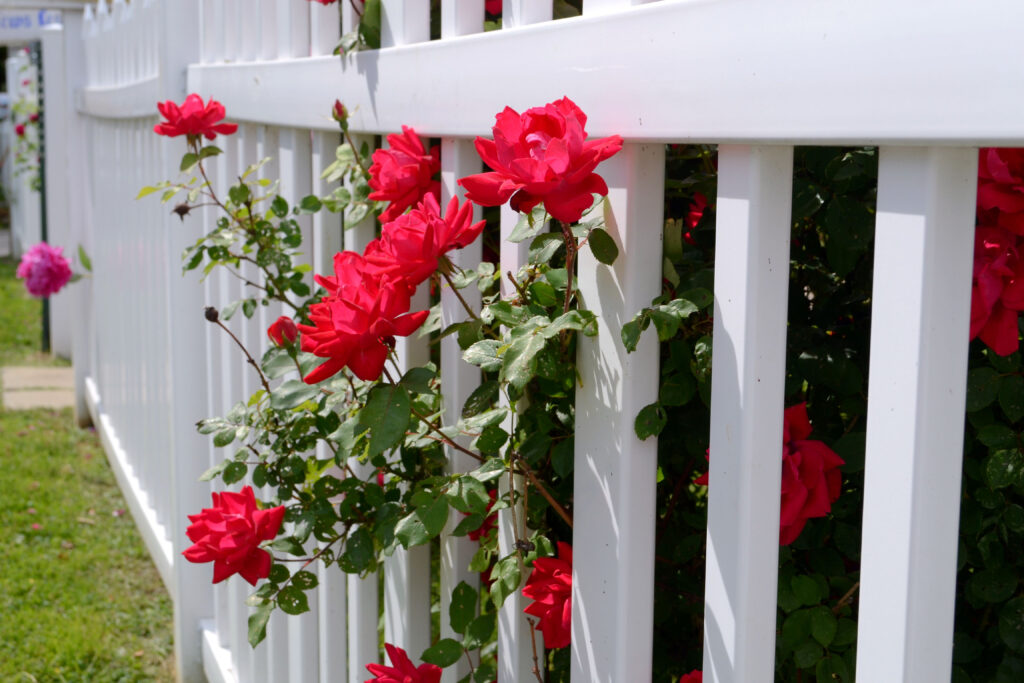
I look for steady light, open air, and enough space before I plant rose bushes. A good site helps leaves dry after rain and gives flowers the energy to bloom.
Track Light Exposure Before Planting
I watch the planting area for a full day before I dig. Roses grow best with at least six hours of direct sunlight, and eight hours of full sun often gives the strongest flowering.
Check the spot at 9 a.m., noon, 3 p.m., and 6 p.m. Note when sun reaches the ground and when shade moves in. Morning sun matters most because it dries dew from the leaves.
Quick Tip: Mark sunny periods with small stakes or take phone photos at each check.
Dappled light under a thin canopy may look bright, but it rarely counts as full sun. In very hot zones, light afternoon shade can protect flowers from scorching, especially near reflected heat.
Use Walls And Open Space Wisely
I place my rose garden where it gets open sky and reliable light exposure. A south-facing wall can give rose bushes extra warmth and direct sunlight, which helps in cool areas with short growing seasons.
Walls also reflect heat. In hot, dry climates, a south-facing wall may bake the soil and fade blooms during summer afternoons. I leave enough room to water deeply and keep mulch from drying out too fast.
Quick Tip: Keep rose bushes about 2 to 3 feet away from a wall so their roots have room and air can move behind the plants.
Avoid tight corners between fences, sheds, and walls. They can trap heat and still air. An open bed often works better, even if it seems less sheltered.
Avoid Tree Competition And Stagnant Air
I avoid planting roses under or close to large trees. Tree roots compete for water and nutrients, while branches block direct sunlight as the season changes.
Even a site with morning sun can become too shady once leaves fill out in late spring. Check the area during the growing season, not only in winter when bare branches make it look brighter.
Quick Tip: Choose a spot where a light breeze can pass through, but avoid a hard, constant wind.
Good airflow helps leaves dry after rain and watering. Stagnant air can leave foliage damp for hours, which can lead to more disease problems. I space rose bushes so mature plants don’t press tightly together.
Recognize And Fix Light Problems
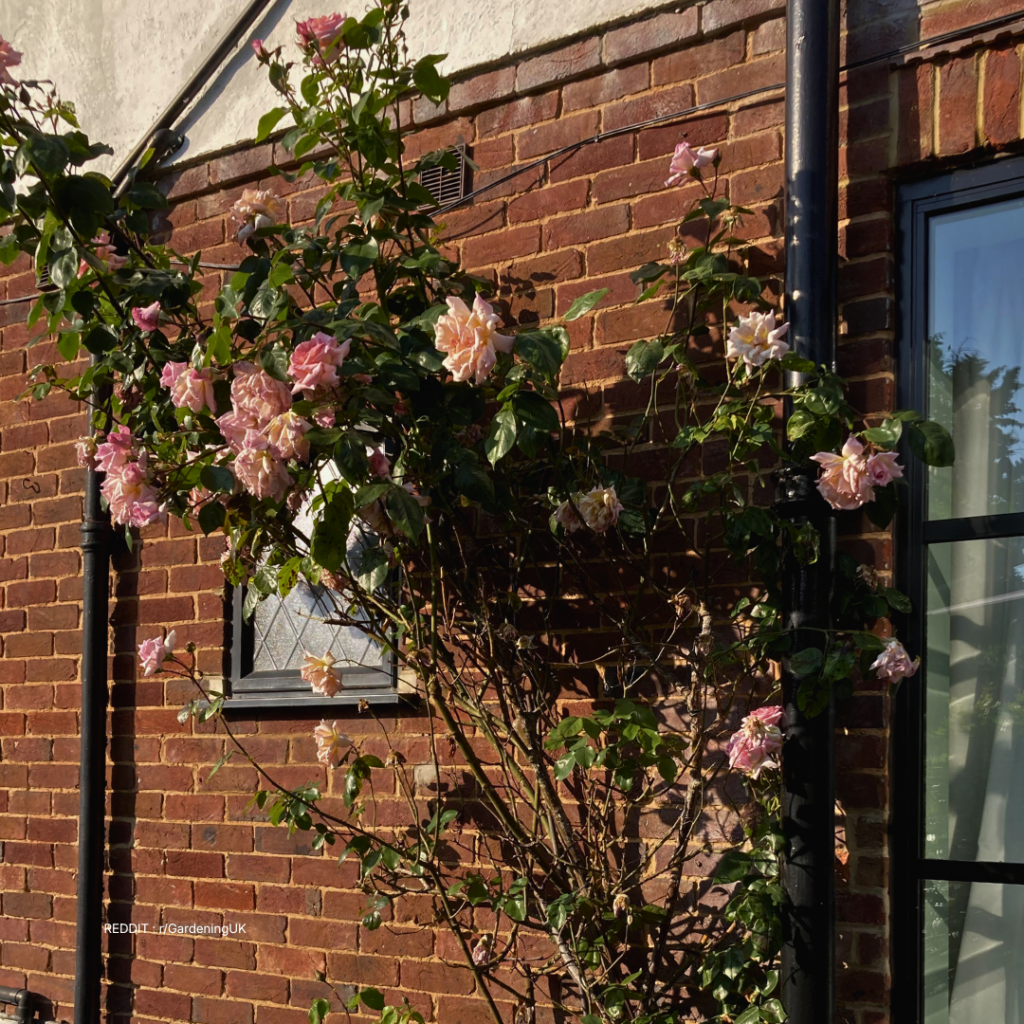
I watch leaf color, stem strength, and flower damage to judge whether my roses get the right light. Too little sun slows blooming, while harsh afternoon heat can burn petals and dry the plant too fast.
Signs Of Too Little Light
When my rose gets too little light, it often makes leggy growth. New stems stretch long and thin toward the brightest area, with wide gaps between leaves. The plant may lean, look sparse, and produce few flowers.
I also look for pale foliage, weak stems, and small blooms that open poorly. Damp, shaded leaves stay wet longer after rain or watering, which can encourage rose diseases such as black spot and powdery mildew.
Quick Tip: I aim for at least six hours of direct sun daily for most roses.
I prune crowded branches to let light reach the center of the plant. If trees or shrubs cast heavy shade, I can trim them back or move a potted rose to a sunnier spot. Indoors, I place roses in the brightest window available and use grow lights when daylight is weak, especially in winter or in a north-facing window.
Symptoms Of Excessive Heat And Sun
Too much intense sun usually shows up first on flowers. I may see brown, crispy petal edges, faded colors, or petal scorch on blooms facing the hot afternoon sun. Leaves can curl inward, feel dry, or develop brown patches.
Heat stress can also make buds drop before they open. The soil may dry quickly, and the rose can wilt by afternoon even if it looked fine that morning.
In hot, dry zones, six hours of gentle morning sun may work better than full, blazing all-day sun.
Quick Tip: I check roses in late afternoon, when heat damage is easiest to spot.
I water deeply at the soil line early in the day when the top inch feels dry. I avoid wetting the leaves late in the day.
Light-colored reflective mulch can brighten the lower plant, but I use it carefully in very hot areas because reflected heat may add stress.
Practical Ways To Increase Available Light
I start by checking where shadows fall every few hours. A spot that looks sunny at breakfast may sit in shade by noon, so I track direct light before moving a rose.
Containers make this job much easier because I can shift them as the seasons change. I prune nearby branches that block morning or midday sun, but I don’t remove large limbs without considering the tree’s health.
I also space roses so taller plants don’t shade shorter ones and air can move through the leaves.
Quick Tip: I move container roses gradually, giving them a few days to adjust to stronger sun.
If summer afternoons are brutal, I use shade cloth during the hottest part of the day instead of leaving the rose in deep shade. A light cloth can reduce scorch while still allowing useful light through.
For indoor roses, I keep grow lights close enough to work but far enough away that the leaves don’t feel hot.
Light Tips For Container And Potted Roses
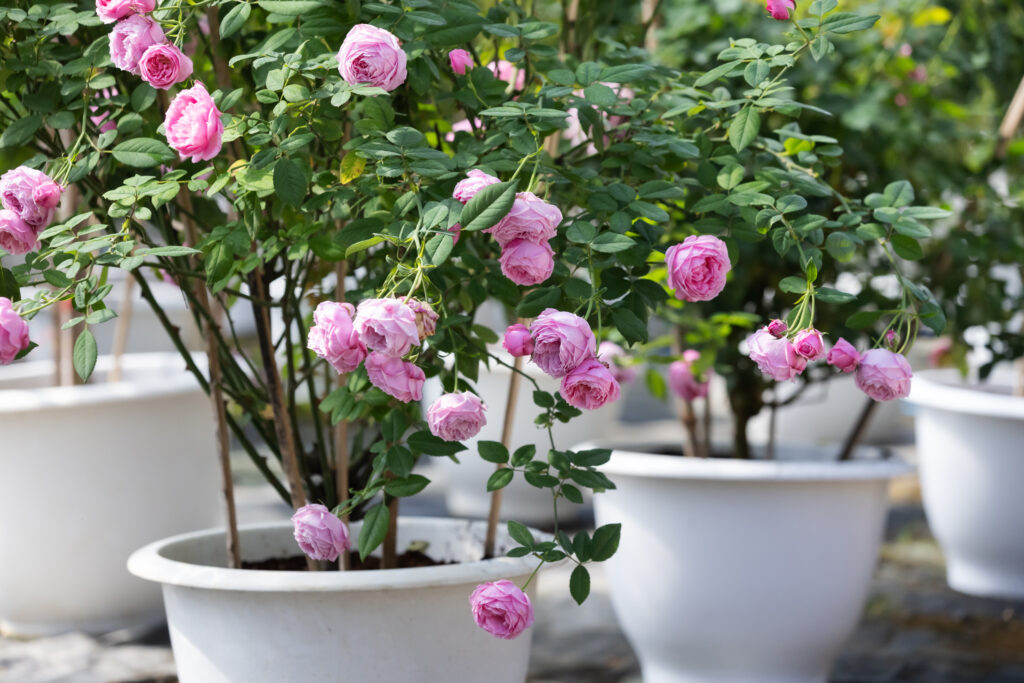
Container-grown roses need steady sunlight, but pots let me adjust their spot when heat or seasonal shade becomes a problem. I watch the leaves, soil, and nearby shadows for signs that the location needs to change.
Positioning And Rotating Containers
I place container roses where they receive at least 6 hours of direct sunlight during the growing season. Morning sun works especially well because it dries dew from the leaves and gives the plant light before the hottest part of the day.
In very hot areas, I give potted roses full sun in the morning and light afternoon shade. A spot beside a fence, wall, or large shrub can work, as long as it doesn’t block too much sunlight.
Quick Tip: I turn each pot one-quarter turn every week so all sides get light and grow evenly.
I also leave space between pots. Crowded container roses trap still, damp air around the leaves, which can lead to disease.
If one side stretches toward the sun or blooms mostly on one side, I know it needs rotating.
Protecting Pots During Hot Weather
Dark pots can get hot enough to stress rose roots, especially when they sit on concrete, brick, or a sunny deck. If the pot feels very warm to my hand in the afternoon, I move it somewhere the container gets shade while the rose still receives morning sunlight.
I can place the pot inside a larger, lighter-colored planter or wrap the outside with burlap. This helps keep the root zone cooler without blocking the rose’s light.
Quick Tip: I check the top inch of soil each morning during hot weather. If it feels dry, I water slowly until water drains from the bottom.
I avoid moving a rose from full sun to deep shade without a reason. Roses still need strong sunlight to bloom, even when the weather feels like an oven.
In hotter zones, a few hours of afternoon shade often helps more than cutting sun all day.
Moving Roses When Seasonal Light Shifts
Sun angles change through the year, and a spot that gets full sun in spring may become shady in summer or fall. I check the area at different times of day, especially after nearby trees leaf out.
If my container roses receive less than 6 hours of direct sunlight, I move them closer to an open south- or west-facing area. I also watch for new shade from patio umbrellas, fences, and taller pots.
Shade can sneak in fast.
Quick Tip: I move a potted rose in the morning or evening, not during peak afternoon heat.
In cool climates, I keep container roses in the sunniest available spot as fall arrives. In warm climates, I may shift them slightly to protect them from harsh late-day sun.
I make changes gradually when possible, since roses need time to adjust.
Frequently Asked Questions
Most roses bloom best with at least 6 hours of direct sun each day. Morning light, good air flow, and protection from harsh heat help plants stay healthier and produce more flowers.
Do roses grow best in full sun or partial shade?
I find that most roses grow and bloom best in full sun. Aim for 6 to 8 hours of direct sunlight daily, especially for hybrid teas, floribundas, and climbing roses.
Partial shade can work in hot climates, where strong afternoon sun may stress the plant. Roses in shade often grow fewer blooms and stretch toward the light.
Quick Tip: I plant roses where they get sun by midmorning, not only late-day light.
Do roses prefer morning sun or afternoon sun?
I prefer morning sun for roses because it dries dew from the leaves early. Dry leaves are less likely to develop black spot, powdery mildew, and other fungal problems.
Afternoon sun also helps roses bloom, but it can feel intense in hot, dry areas. In USDA Zones 8 through 11, light shade after 2 p.m. can prevent leaf scorch.
Quick Tip: I choose a spot with morning sun and some afternoon shelter if summers are very hot.
Can roses grow in shaded areas?
I can grow some roses in light shade, but they won’t perform like roses in full sun. They need at least 4 to 5 hours of direct light to produce a fair number of blooms.
Avoid deep shade under dense trees, beside tall buildings, or on the north side of a fence. The plant may stay green, but flowers will be sparse.
Quick Tip: I watch the planting spot for a full day before planting, since shade shifts more than people expect.
Can rose bushes get too much direct sunlight?
I have seen rose bushes struggle with intense sun during heat waves, especially when the soil dries quickly. Leaves may look faded, crispy at the edges, or droopy by late afternoon.
Too much heat is usually the problem, not sunlight alone. Give roses deep watering, mulch around the roots, and light afternoon shade in very hot areas.
Quick Tip: I add 2 to 3 inches of mulch, keeping it a few inches away from the stems.
Where is the best place to plant a rose bush?
I plant rose bushes in a spot with 6 or more hours of sun, well-drained soil, and steady air movement. A location with morning sun helps leaves dry after rain or dew.
Keep roses away from crowded shrubs and large tree roots. They need room for air to move around the leaves, and they don’t enjoy competing for water.
Quick Tip: I leave enough space around each bush for its mature width, not its small nursery size.
Do different types of roses need different amounts of sunlight?
I give most rose types 6 to 8 hours of sun, though some varieties handle light shade better than others. Shrub roses and certain old garden roses can often bloom with about 4 to 6 hours of direct light.
Hybrid teas, grandifloras, and many climbing roses usually need more sun to flower well. Check the plant label, since the breeder may list a variety as suitable for partial shade.
Quick Tip: I choose shade-tolerant rose varieties when my yard gets less than 6 hours of direct sun.