
I love growing asters for the jolt of color they bring when most flowers are calling it quits. If you want those full, bright blooms, you’ve got to give them the right light from day one.
Asters really do best in full sun—think at least 6 to 8 hours of direct sunlight each day.
They can put up with a bit of light shade, especially in the hotter southern zones, but don’t expect as many blooms if they get only 4 or 5 hours. If you see your plants stretching, leaning, or just not flowering much, lack of sun is usually the culprit.
Sunlight influences their height, the number of buds, and even how many bees or butterflies stop by. It’s honestly one of those things you can’t fake.
Sunlight Needs for Healthy Asters
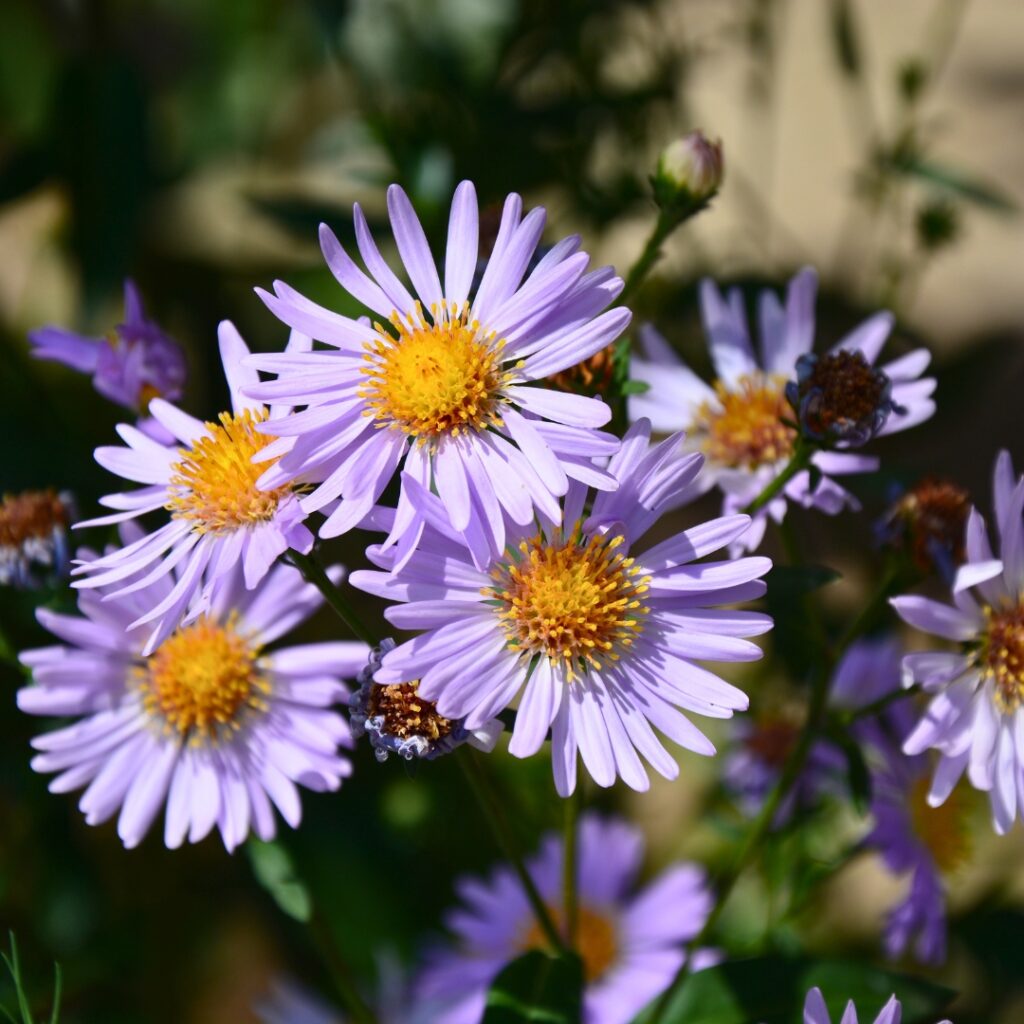
Asters need enough sunlight to grow sturdy stems and those classic daisy-like flowers. When I plant them in a sunny spot, I get fuller blooms and healthier leaves—no secret there.
Full Sun vs. Partial Shade for Aster Growth: What I Choose and Why It Matters
I put most asters in full sun—at least 6 hours of direct sunlight. That’s when they really thrive, with strong stems, lots of flowers, and compact clumps that don’t flop all over the place.
In hotter zones (like Zone 8 or warmer), I sometimes give them a little break from the afternoon sun. Too much heat can stress them and fade the color, so morning sun with a touch of shade after 2 p.m. usually does the trick.
Woodland types are a bit different. They’ll manage with 4–6 hours of sun, especially if it’s filtered through tree branches.
Quick Tip: If your asters are leaning or stretching, it’s a sign they need more direct sun. Move them to a brighter spot if you can.
Sunlight Duration and Aster Blooms: How Many Hours Make a Difference
I shoot for 6–8 hours of sunlight a day during spring and summer. That’s what helps the plants store up energy for those late summer and fall blooms.
Drop below 4 or 5 hours, and you’ll see fewer buds. The plant might just grow leaves and skip the showy flowers, and the stems get so thin they can’t hold themselves up.
Cloudy spells pass, but if low light is the norm all season, you’ll have problems. It’s not just about blooms—the whole plant looks off.
Quick Tip: Track the sun in your chosen spot for a full day before planting. Shadows at 10 a.m., noon, and 3 p.m. will tell you a lot.
Best Location in the Garden for Strong Stems and Bright Daisy-Like Flowers
I look for a spot with open sky and plenty of air movement. South- or west-facing beds usually get the job done for strong, upright growth.
I avoid planting too close to tall shrubs or fences that block the sun. If I’m near the house, I steer clear of deep shade from roof overhangs.
Good light helps leaves dry after rain, which means fewer disease headaches and cleaner foliage. That’s something I learned the hard way.
Quick Tip: Stand where you want to plant at midday. If your shadow is sharp and dark, you’re good to go.
Signs of Insufficient Light: Pale Foliage, Weak Growth, and Fewer Blooms
If asters don’t get enough sun, they’ll tell you. I watch for pale leaves, long weak stems, and not many buds.
The plant might look tall but spindly, with big gaps between the leaves. Leaves can turn light green, and blooms might stay small or not open at all.
Stems sometimes bend under the weight of just a few flowers. If I spot these signs, I move the plant in early spring or fall when it’s cooler.
Quick Tip: If your plant’s been underperforming for two years straight, try more sunlight before reaching for fertilizer. Light fixes more than you’d think.
Understanding Aster Varieties and Their Preferences
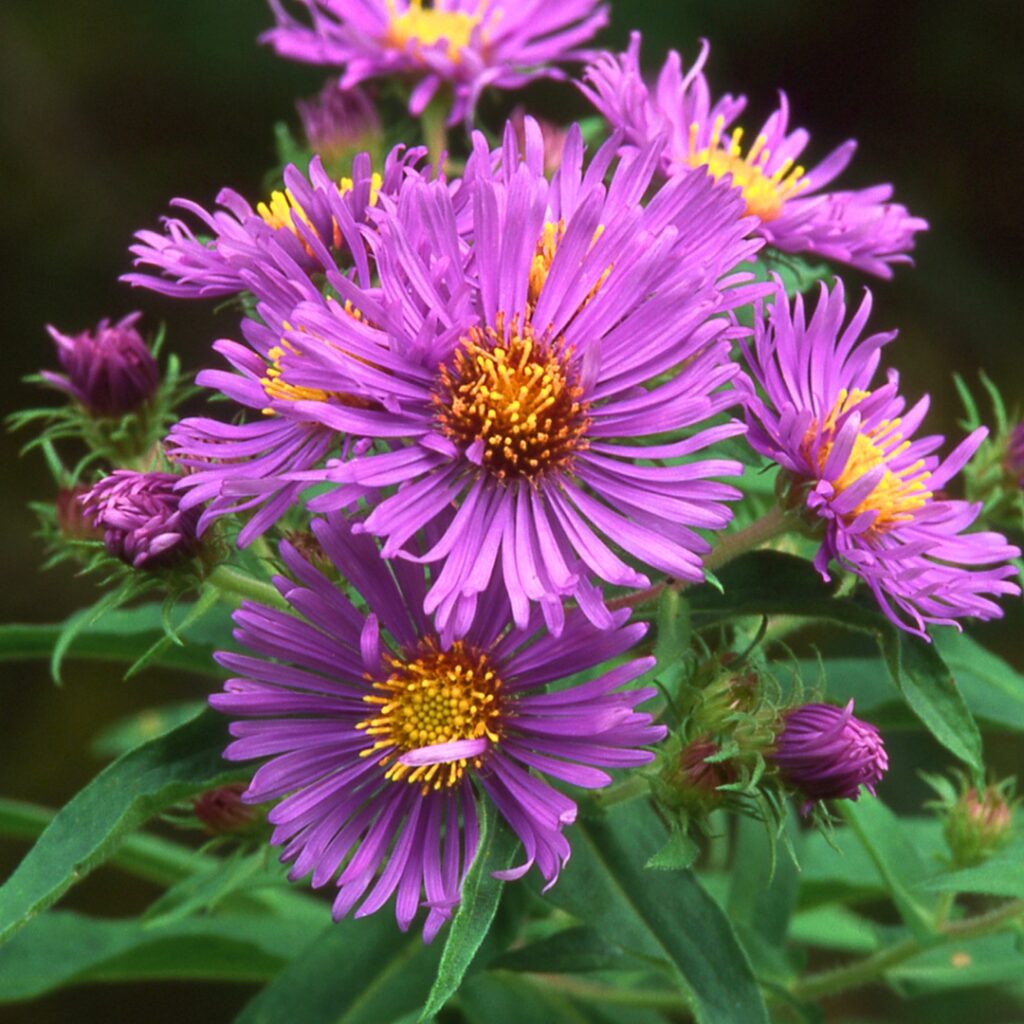
Not every aster wants the same amount of sun. Some crave it all day long, while others are fine with a bit of shade. I always check the variety before picking a spot.
New England Aster and Other Sun-Loving Types That Thrive in Full Light
New England aster (Symphyotrichum novae-angliae) is happiest in the sunniest patch I’ve got. It’s part of the Asteraceae family and needs at least 6–8 hours of direct sun daily.
If it gets less, the stems stretch and flop—no mystery there. Same goes for those classic fall bloomers, the Michaelmas daisies and Symphyotrichum hybrids. They want strong afternoon light for the best blooms.
In cooler zones (USDA 3–6), they can take full sun all day. In the hotter areas, I keep the soil moist so leaves don’t wilt when summer turns brutal.
Quick Tip: If your New England aster flops or flowers less, move it to a sunnier spot next season.
Asters Tolerant of Partial Shade and How They Handle Less Light
Some asters manage with partial shade—about 3–6 hours of sun. I put these where they’ll catch morning light and escape the harsh afternoon rays, which works in warm climates.
Certain Symphyotrichum varieties and hybrid Michaelmas daisies are a bit more flexible, but they still need bright conditions for decent blooms. Too much shade, and you’ll get lanky plants with few buds.
If the leaves look pale or the plant’s shooting up weak, it’s a sign it needs more sun. In cloudy regions, even “partial shade” spots should be bright most of the day.
Quick Tip: Morning sun is your friend for these types—gentle but effective for blooming.
Wood Aster: A Unique Case That Naturally Grows in Shadier Spots
Wood aster (Symphyotrichum cordifolium) is different. I usually find it along woodland edges or under big trees, and it handles partial to full shade better than most.
It’ll flower more with some sun, but it won’t collapse in lower light. Too much afternoon sun can actually stress it out, especially in the South.
Wood aster’s in the same Asteraceae family, but its needs are just not the same as New England aster. I use it in shaded borders where sun-lovers would sulk.
Quick Tip: If you’ve got a shady spot under trees or on the north side of the house, wood aster adds fall color without begging for full sun.
Starting and Planting Asters For Optimal Light
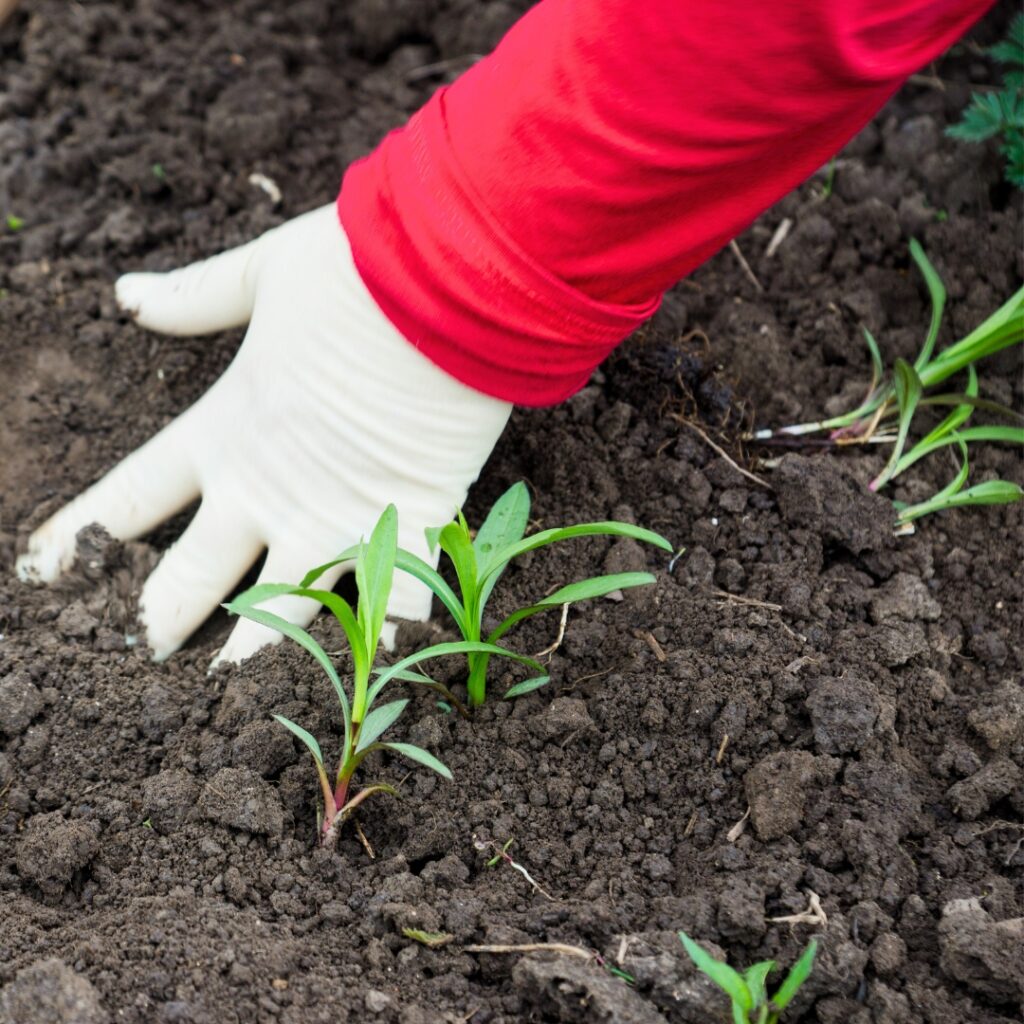
Light makes or breaks asters from the very start. When I’m starting seeds or picking a planting spot, I make sure they’ll get enough sun without getting scorched.
Starting Asters From Seed Indoors and Outdoors for Strong, Sun-Ready Plants
I start seeds about 6–8 weeks before the last spring frost if I want earlier flowers. I use small pots with moist seed-starting mix, pressing seeds lightly—don’t bury them deep, they need the light to sprout.
The trays go in a bright window or under grow lights for 12–14 hours a day. If seedlings get leggy, they’re begging for more light. I keep the soil barely damp, never soggy.
Quick Tip: If the soil surface feels dry, I water from the bottom so I don’t wash the seeds away.
In warmer zones (8–10), I sometimes sow seeds outside after frost. I pick a spot with at least 6 hours of direct sun. If it’s too cool or shady, growth just crawls, so I wait for mild, bright days.
Transplanting and Spacing Asters to Maximize Sun Exposure and Airflow
Once seedlings have 2–3 sets of true leaves, I harden them off for about a week. I set them outside for a few hours daily, slowly increasing their sun time to prevent leaf burn.
I plant them in spots that get full sun—6–8 hours of direct light. In really hot southern zones, I offer a little afternoon shade.
Spacing matters more than people think. I give most asters 12–18 inches between plants, depending on the type. Crowding blocks light and keeps leaves damp, which is just asking for disease.
Quick Tip: Read the plant tag for spacing. More space means better light and fewer problems down the line.
I loosen the soil, set the plant at the same depth as in the pot, and water well. Planting too deep weakens stems, so I avoid that.
Best Time to Plant Asters for Healthy Growth and Reliable Blooms
I plant asters in spring after frost danger’s gone. Cool air and gentle sun help roots settle before summer heat.
In colder zones (3–6), late spring is best. In warmer zones (7–9), I can plant earlier, but I skip the hottest weeks. Fall planting works in mild climates if I give them 6–8 weeks before frost.
Quick Tip: I check my local frost dates and count backward for seed starting and planting.
Morning sun is usually best. If summers are brutal, I pick a spot with bright morning light and a touch of afternoon shade. Good timing and the right light make for compact, blooming asters.
Light-Related Aster Care Tips
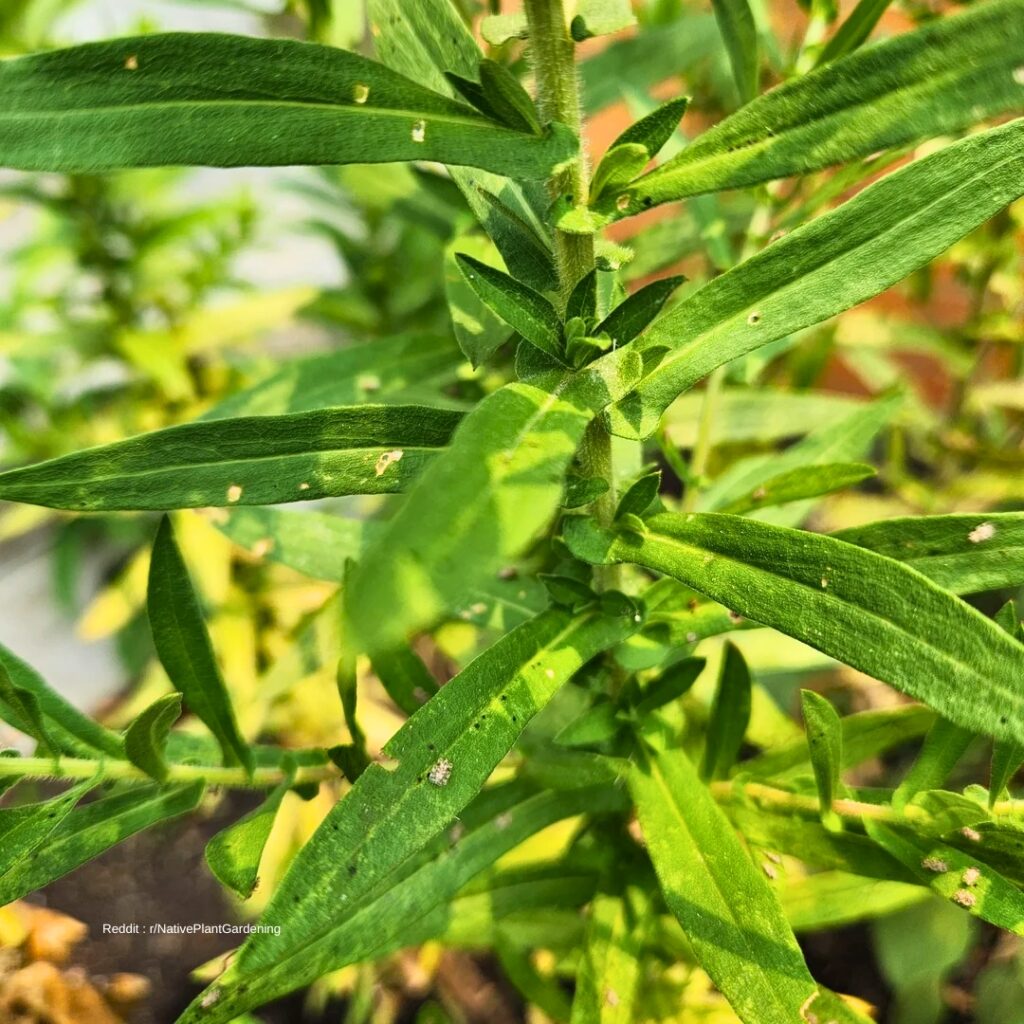
I keep an eye on how much light my asters get. Even small changes can lead to pale leaves, weak stems, or fewer flowers, so I tweak things early if needed.
Adjusting to Indoor or Outdoor Conditions Without Shocking the Plant
When I move asters from indoors out, I go slow. Direct sun can scorch leaves if they’ve been in shade or under grow lights.
I start with a couple hours of morning sun, adding an hour each day. After about a week, they’re usually ready for full sun—at least the common garden types.
Indoors, the brightest spot wins. South-facing windows are best. If I’m stuck with a north window, I expect slower growth and fewer blooms.
If I see signs of not enough light—like floppy stems or pale leaves—I move the plant closer to the window right away.
Quick Tip: When I divide asters in spring, I let the new pieces sit in bright but indirect light for a few days before full sun.
In hot zones (8+), I give some afternoon shade during heat waves to avoid stressing them out.
Supplementing Natural Light When the Sun Isn’t Enough
Sometimes, natural light just doesn’t cut it—especially during winter. When days get short, my asters might stop blooming or start leaning toward the window.
I use a basic LED grow light, about 6–12 inches above the plant. I run it for 12–14 hours a day to mimic longer summer days.
The leaves should stay a rich green, not pale or thin. If growth looks weak, I lower the light a bit but keep it far enough to avoid heat damage.
Quick Tip: I set my grow light on a timer so I don’t forget. Consistent light keeps things on track.
This helps indoor asters stay compact and ready to bloom again once the natural light returns.
Dealing with Too Much Sun and Preventing Leaf Scorch
Too much direct sun can crisp up aster leaves in no time. I usually spot dry, brown edges during those brutal midsummer afternoons.
If leaves turn pale or feel brittle, I move the plant somewhere with gentle morning rays and a bit of afternoon shade. Outdoor asters mostly deal well with full sun, but even the tough ones sometimes wilt in extreme heat.
Soil dries out faster in these conditions. When that happens, I notice droopy stems and fewer flowers.
Quick Tip: During a heat wave, I water deeply in the morning and toss on a thin mulch layer to keep roots cooler.
Influence of Sunlight on Flowering and Pollinators
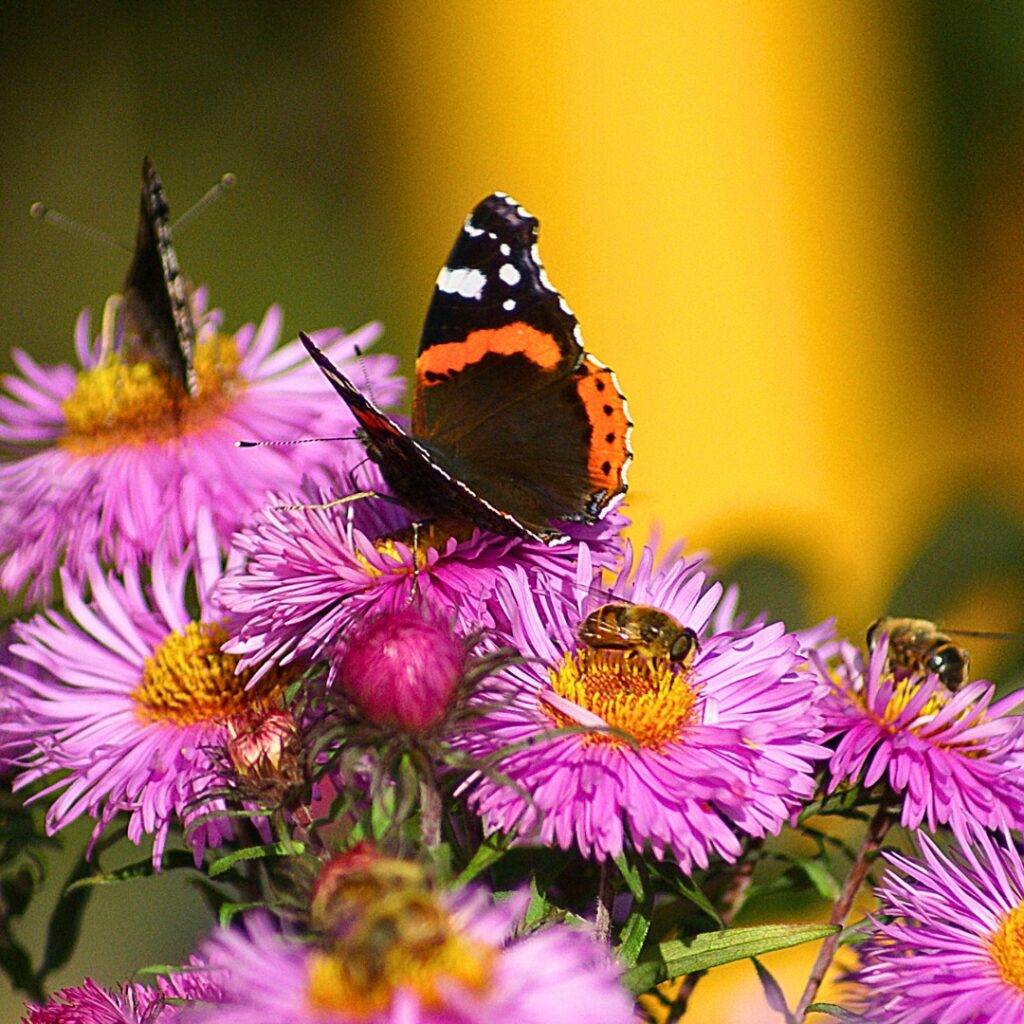
Sunlight makes a big difference in how long asters bloom and how intense their colors get. It even affects how many bees and butterflies stop by for a visit.
How Sun Affects Blooming Duration and Color in Aster Blooms
Full sun triggers more buds and faster opening in my asters. Most varieties really need at least 6 hours of direct sun for solid flowering.
With less light, they stretch out and sometimes flop over. Strong sun also brings out deeper purples and pinks—shady spots just don’t do the colors justice.
Bloom time shifts with light, too. In cool areas, asters in full sun often flower well into fall. Down south, a touch of afternoon shade helps keep blooms from fading too fast.
Quick Tip: If your asters turn leafy but stubbornly refuse to bud, give them more direct sun next year.
Attraction for Bees and Butterflies to Bright, Sun‑Grown Flowers
Bees and butterflies flock to asters in sunny spots. I always see the most activity where the plants get open, all-day light.
Sunny flowers make more nectar and stand out to pollinators. Those flat, daisy-like blooms are perfect landing pads for bees, and butterflies love moving along bright clusters.
In the shade, blooms drop off, and pollinators lose interest. On cloudy or chilly days, bees barely move—sun-warmed flowers pull them back in.
Quick Tip: Plant asters away from thick shrubs so pollinators spot them right away.
Soil, Water, and Fertilizer Factors for Sun-Loving Asters
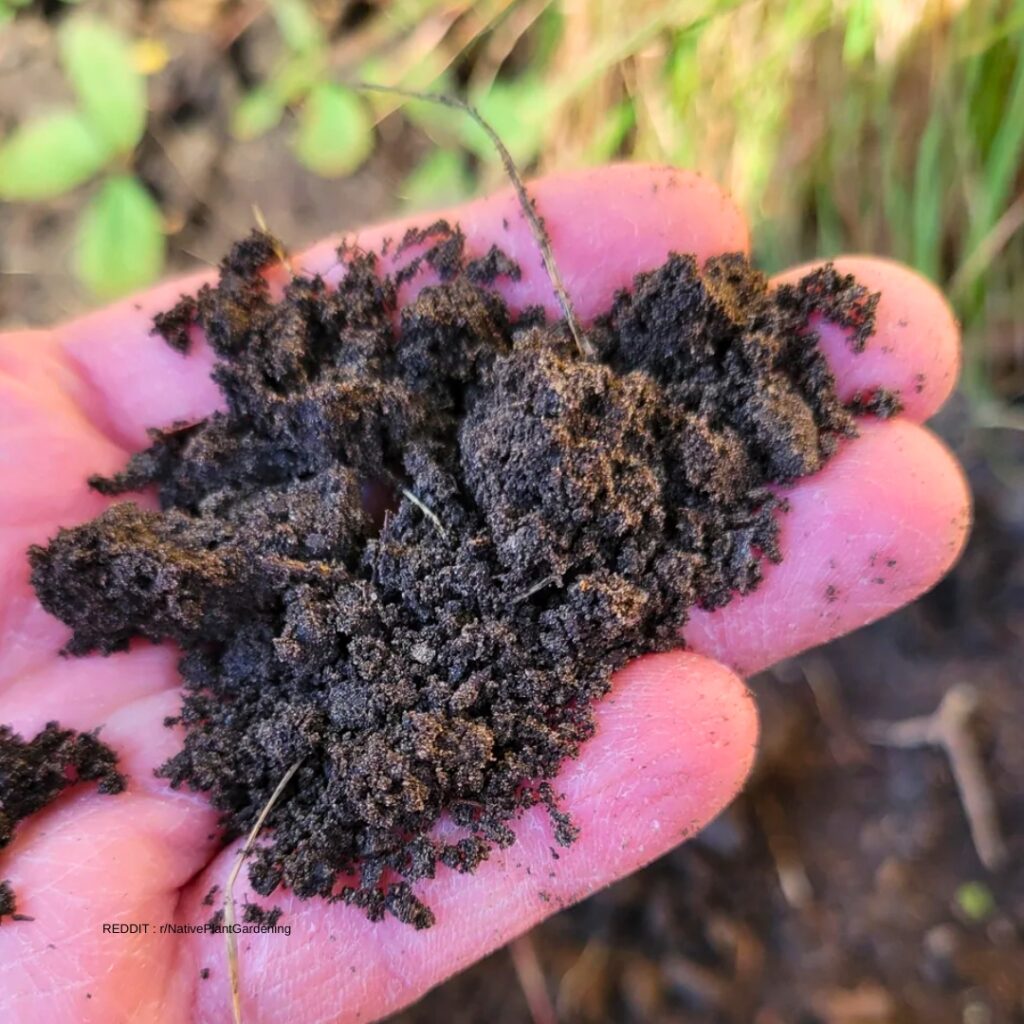
Soil, water, and feeding all play their part. Sun helps asters bloom, but roots need the right setup to keep things rolling.
Soil Type and pH Levels That Keep Asters Strong and Steady
I always go for well-draining soil. Heavy clay just holds too much water and risks root rot after big summer storms.
If my soil feels sticky or stays wet, I add compost or coarse sand to loosen it up. Most asters like soil that’s a bit acidic to neutral—right around 6.0 to 7.0 pH.
If I’m unsure, I grab a soil test kit at the garden center. Rich soil means thicker stems and more buds, so I mix in a couple inches of compost before planting.
Quick Tip: If rainwater sits for half an hour or more, fix the drainage before planting asters.
In hot climates (Zones 8–10), good soil is even more important. Heat plus soggy roots just doesn’t work out.
Watering Needs Linked to Sun Exposure and Heat Levels
Bright sun dries out the soil fast. I keep an eye on moisture, especially in summer.
I stick a finger an inch down—if it’s dry, I water deep. Light sprinkles don’t cut it. Deep soaks help roots reach down and stay strong.
Most asters want about 1 inch of water per week, counting rain. Hot spells call for more, but cool weather means less.
Quick Tip: Always water at the base, not over the leaves. Wet leaves can lead to mildew, especially when it’s humid.
Morning is best for watering. The soil soaks it up, and leaves dry off before the heat kicks in.
Fertilizing Asters for Better Blooms Without Overfeeding
When it comes to fertilizer, less is more. Too much just makes them leafy with fewer flowers.
I use a balanced fertilizer like 10-10-10 in early spring, following the label. If my soil is rich from compost, sometimes I skip it altogether.
Overfeeding leads to tall, floppy stems that can’t hold up in late summer storms. If leaves look dark green but flowers are scarce, I cut back on feeding.
Quick Tip: In poor soil, a second light feed before buds show up helps, but I always stop once flowering starts.
Frequently Asked Questions
Asters love strong light, but the right amount depends on the season and location. I watch sun hours, plant height, and bloom size to figure out if they’re happy.
Can asters handle partial shade, or do they need full sun to bloom well?
Best blooms come from full sun. Asters need at least 6 hours of direct sun to really put on a show.
They can take some afternoon shade in hot southern spots, but less than 4 hours of sun usually means fewer flowers and floppier stems. If the blooms are small or floppy, it’s probably a light issue.
Quick Tip: In Zones 8–10, morning sun with a touch of afternoon shade helps prevent heat stress.
How many hours of direct sunlight do potted asters need each day?
Potted asters want 6–8 hours of direct sun, just like garden ones. I set mine where morning light is strongest.
Containers dry out faster, so I check the soil every day when it’s hot. If the top inch feels dry, I give a deep watering.
Quick Tip: On a north-facing balcony, move pots to the brightest spot or blooming might suffer.
Do asters need the same amount of sunlight in fall as they do in summer?
Most fall-blooming asters still crave 6 hours of sun in autumn. Shorter days mean I keep an eye out for shade from trees or buildings.
Cooler weather helps blooms last, but in hot late summers, a bit of afternoon shade helps. If leaves look pale or stretched, they’re probably reaching for more light.
Quick Tip: Trim back nearby plants in late summer so your asters get all the fall sun they can.
How much sunlight should asters get during winter to stay healthy?
Most perennial asters go dormant after frost, so I don’t sweat the sun in winter. In warmer Zones 7–10, evergreen types still want bright light, so I keep them in sun or light shade.
Indoor pots overwintering need a sunny window for a few hours a day. In cold climates, I focus on mulch to protect roots, not sunlight.
Quick Tip: Mulch matters more than sun for winter survival in cold zones.
Do asters come back every year, and does sunlight affect their return?
Most garden asters are perennials and return every year in Zones 3–8 if the roots stay healthy. Sunlight helps them store energy for next season.
When I plant them in deep shade, they come back weaker and bloom less. Good sun means fuller clumps and better flowers the next year.
Quick Tip: Divide crowded clumps every couple of years in early spring to keep them thriving and sun-hungry.
How tall do asters usually grow, and does sun exposure change their height?
Most asters reach about 1 to 4 feet tall, though it really depends on the variety. If you’re growing the taller types, you’ll probably need to stake them, especially in rich, fertile soil.
When asters get less light, I notice their stems stretch out and look weaker. They’ll lean toward any bit of sun they can find, and sometimes they just flop over.
With plenty of sun, asters stay shorter and sturdier. They look a lot more upright and tidy that way.
Quick Tip: If your potted asters keep leaning one way, try rotating the pot every week. It helps them grow straighter instead of reaching off to the side.