
Dahlias need at least 6 to 8 hours of direct sun each day for strong stems and plenty of blooms. I’ll help you spot the right level of sun exposure before you plant.
Growing dahlias in bright sun usually brings fuller plants and better flowers. In very hot climates, you may need to protect them from harsh late-afternoon heat.
Quick Tip: Watch your planting spot for a full day before you dig. I’ll cover site choices, watering, containers, and the common light problems that can leave a dahlia tall, weak, or short on blooms.
The Daily Light Target for Healthy Dahlias
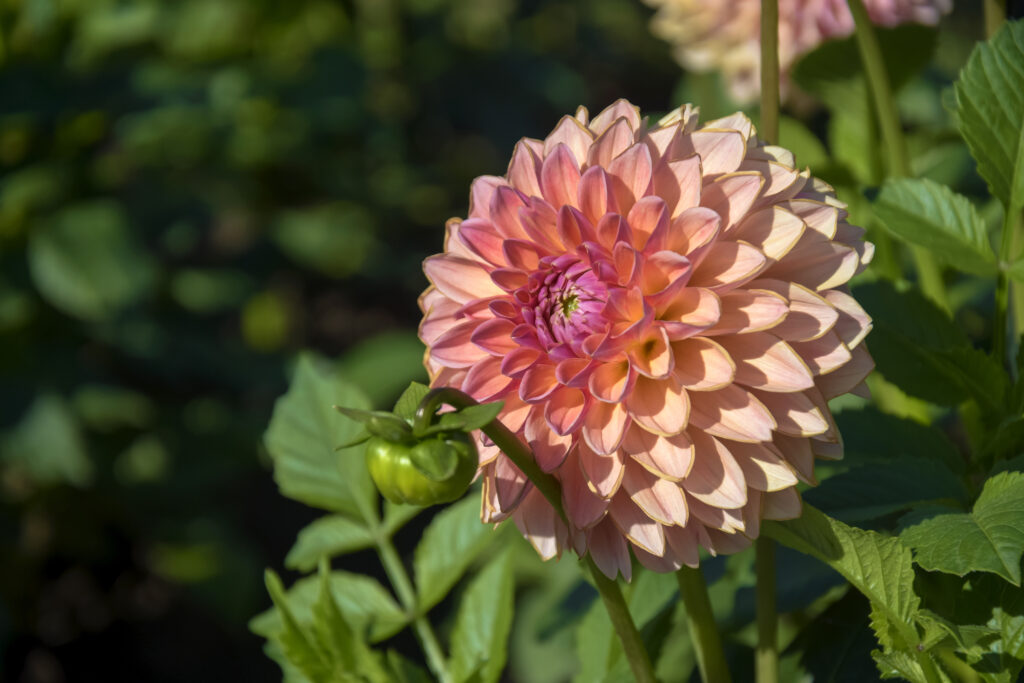
I give dahlias six to eight hours of direct sunlight each day for strong stems, full leaves, and steady blooms. Morning sun works especially well, though very hot climates may need some afternoon relief.
What Full Sun Means in a Garden
I call a site full sun when it receives at least six hours of unobstructed, direct sunlight. The light must reach the dahlia’s leaves and soil, rather than filtering through a tree canopy, fence slats, or shade cloth.
I check the spot from morning through late afternoon. A bed that gets sun from 9 a.m. to 3 p.m. meets the minimum target, though eight hours works better in most areas.
Quick Tip: I watch the garden on a clear day and note when shadows cover the planting area.
Bright shade isn’t full sunlight. A dahlia can look green in partial shade, but it may grow tall, lean toward the light, and produce fewer flowers.
Photosynthesis needs strong light, not just a bright-looking yard.
Why Six to Eight Hours of Direct Light Works Best
I aim for six to eight hours of sun exposure because dahlias use that light to make energy through photosynthesis. That energy supports leaf growth, root growth, tuber development, and flower production.
With sufficient sunlight, I usually see firmer stems and more buds. Flowers also tend to open with richer color and sit on sturdier plants instead of floppy, stretched stems.
Quick Tip: I plant dahlias where they get morning and early afternoon sun, then stake them before they grow tall.
Insufficient sunlight often shows up as long spaces between leaves, thin stems, and sparse blooms. The plant may survive, but it won’t perform at its best.
Too much fertilizer won’t fix a shady spot. It can create more leafy growth with even fewer flowers.
When Partial Sun Is Acceptable
I use partial sun for dahlias only when summer heat is intense. In very hot, dry areas, especially warm zones with harsh afternoon sun, four to six hours of direct sunlight plus light afternoon shade can protect leaves and flowers from stress.
I still choose morning sun whenever possible. Gentle, bright light helps the plant dry after dew and gives it time to photosynthesize before the hottest part of the day.
Quick Tip: I use partial shade after about 2 or 3 p.m., not all-day shade.
I watch for scorched leaf edges, faded blooms, and drooping during extreme heat. If those problems appear, I add temporary shade cloth or use nearby plants for late-day cover.
In cool or mild climates, I avoid partial shade because dahlias usually need full sun to bloom well.
How Sunlight Shapes Growth, Stems, and Blooms
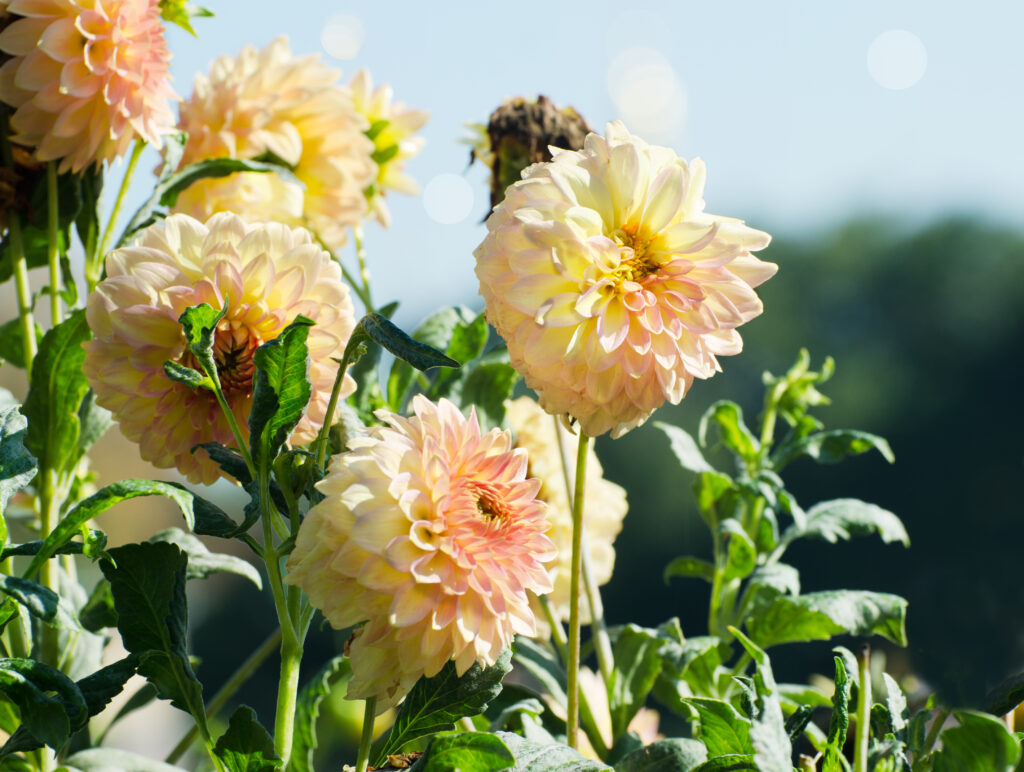
I look for steady, direct sun to support more flowers, firm stems, and full tubers. Different dahlia varieties vary, but most garden dahlias perform best with 6–8 hours of sun each day.
Flower Production and Bloom Size
I give dahlias enough sun because flowers use that light to form buds and reach their expected size. With 6–8 hours of direct sun, most dahlia types produce more blooms and show stronger color.
Dinnerplate dahlias need especially good light. Their large flowers take extra energy, so plants in partial shade may make fewer buds or smaller blooms.
A dinnerplate dahlia can still grow in lighter conditions, but it may not deliver the big, full flower its label promised.
Quick Tip: I place dahlias where they receive morning and early afternoon sun, not only late-day light.
In very hot zones, intense afternoon sun can dry plants quickly. I watch for limp leaves, dry soil, or faded petals, then add mulch and water deeply rather than moving the plant into heavy shade.
Preventing Weak, Leggy Stems
I use sunlight to keep dahlia stems shorter, thicker, and better able to hold flowers. Plants that get too little light stretch toward the brightest area.
The stems often look thin, pale, and floppy. Weak stems matter most with tall dahlia varieties and heavy flower types.
Large dinnerplate dahlias can bend or snap after rain if low light has left their stems soft. Staking helps, but a stake can’t fully fix a plant that’s reaching for sun.
Quick Tip: I stake tall dahlias when they are young, before stems lean or buds become heavy.
I also avoid crowding plants. Give most garden dahlias 18–24 inches of space so leaves don’t block each other’s light.
Good spacing lets air move through the plant, which helps wet leaves dry after rain.
Building Strong Dahlia Tubers
I let foliage receive plenty of sun because leaves feed the dahlia tubers below ground. After flowering starts, the plant sends stored energy into its tubers for next season’s growth.
A shaded dahlia may survive, but it can make smaller tubers or fewer tubers. These plants may return slowly after winter storage, especially in cooler zones where the growing season is short.
Quick Tip: I keep healthy green leaves on the plant until frost kills them back.
I remove spent flowers to encourage more blooms, but I don’t cut away large amounts of healthy foliage. Leaves act like small food makers, and the tubers need that supply before digging time.
Adjusting Exposure for Your Climate
I adjust dahlia sun exposure to match local temperatures, not just the hours of daylight. Cool areas can handle more direct sun, while hot areas need protection from harsh afternoon heat.
Cool and Moderate Climate Zones: Give Dahlias Full, Steady Sun
In cool and moderate climate zones, I plant dahlias where they receive 6 to 8 hours of direct sun each day. Full sun helps stems grow strong and supports larger, more frequent blooms.
I watch the planting spot for a full day before choosing it. A bed that gets sun from late morning through afternoon usually works well.
Morning sun alone may not provide enough light in cloudy or short-summer areas.
Quick Tip: I choose a south- or west-facing bed when summers stay mild.
If leaves stay dark green but plants make few flowers, I check for shade from trees, fences, or tall plants. Even a few extra hours of shade can reduce blooming.
Hot-Climate Morning Sun and Afternoon Shade: Prevent Scorched Leaves
In a hot climate, I give dahlias 4 to 6 hours of morning sun and afternoon shade. Dahlias came from the highlands of Mexico, where warm days didn’t always bring the intense, dry afternoon heat found in many low-elevation gardens.
I look for a spot with sun until about noon or early afternoon. Then I let a fence, tree, or shade structure block the strongest light.
The goal is bright light without leaves feeling hot, limp, or dry by late afternoon.
Quick Tip: I move container dahlias out of direct sun when temperatures rise above about 90°F.
Heat stress can slow flowering and cause curled leaf edges, faded blooms, and dry soil. I water deeply at the base in the morning, but I don’t use extra water as a substitute for shade.
Using Shade Cloth During Extreme Heat: Filter Light Without Making It Dark
I use shade cloth when a heat wave brings several days of intense sun. A 30% to 40% shade cloth usually gives dahlias enough protection while still allowing good light for flowering.
I place the cloth above the plants, not directly on the leaves. This creates airflow and keeps hot fabric from trapping heat against the foliage.
I secure it well because wind can turn loose cloth into a garden mess fast.
Quick Tip: I put shade cloth up before the hottest part of the day, not after leaves start drooping.
I remove the cloth when temperatures return to normal, especially in cooler climate zones. Too much shade can make stems stretch and reduce the number of flowers.
Choosing and Improving the Planting Site
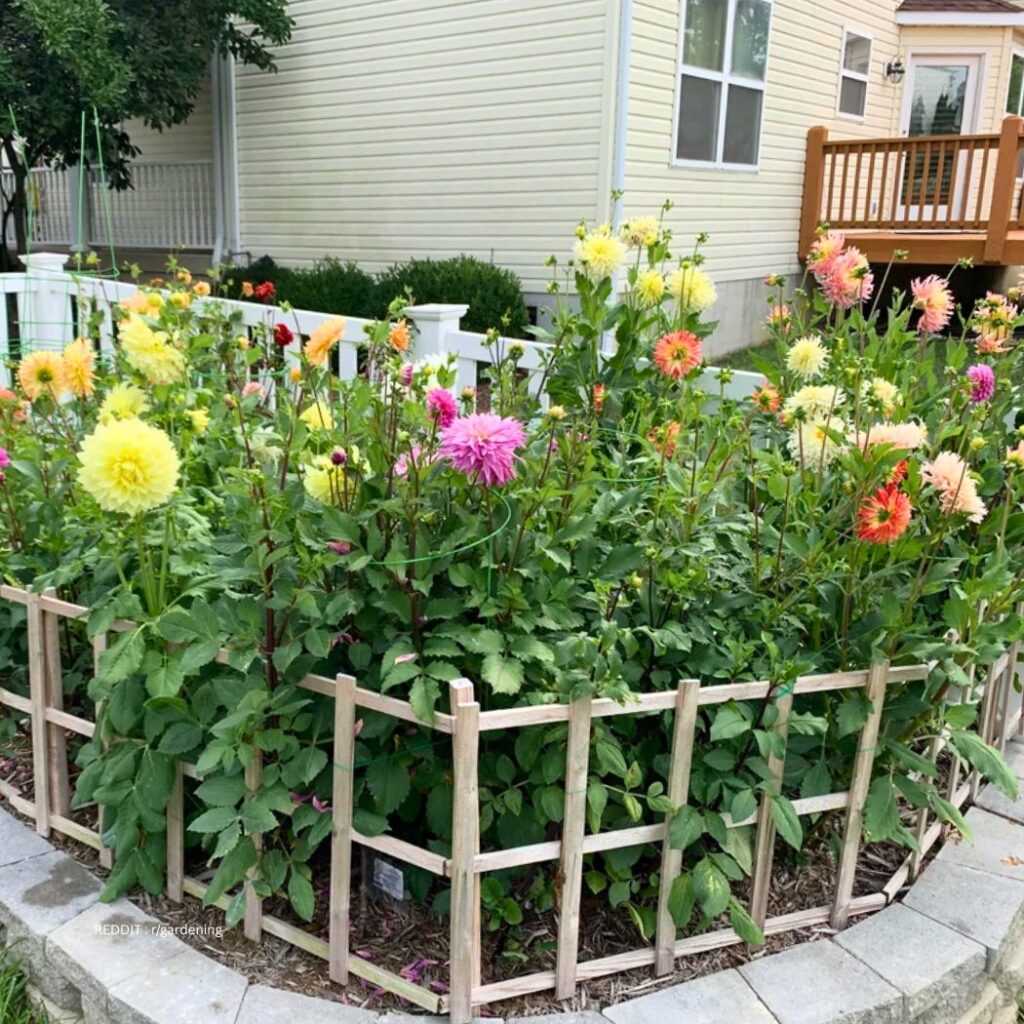
I choose a site that receives long, direct sun and stays open to air movement. I also watch for shifting shade, nearby obstacles, and heat that bounces off hard surfaces.
Tracking Sun Across the Day
Before dahlia planting, I watch the proposed bed from morning until evening. Dahlias usually need at least 6–8 hours of direct sun, and I aim for the longest stretch of midday and afternoon light.
I check the site at about 9 a.m., noon, 3 p.m., and 6 p.m. A sunny spot at breakfast can sit in shade by lunch, so one quick look doesn’t tell the whole story.
Quick Tip: I mark the edge of shade with a stake or small stone at each check. The marks show exactly where dahlia placement will get the most sun.
In very hot zones, intense late-day sun can dry soil fast and fade some blooms. I still give dahlias full sun, but I mulch the soil and water deeply when the top inch feels dry.
Avoiding Trees, Buildings, and Full Shade
I keep dahlias away from large trees, tall hedges, and the north side of buildings. These spots often create full shade or several hours of dense shade, which leads to weak stems and fewer flowers.
Trees cause a second problem: their roots compete with dahlias for water and nutrients. Even if filtered light reaches the bed, the soil beneath a mature tree can become dry and crowded.
Quick Tip: I stand in the planting spot at midday. If I can’t see clear sky above most of the bed, I pick another location.
A south- or west-facing area usually works well in cooler regions. In rainy or cloudy climates, I avoid sites that lose morning sun, since damp foliage needs time to dry after dew or rain.
Longfield Gardens also advises growing dahlias in full sun for the best flowering. I treat filtered light as a backup option, not the main plan.
Using Reflective Surfaces and Smart Dahlia Placement
I use light-colored fences, pale walls, gravel paths, or patio edges to reflect extra light onto dahlias. Reflective surfaces can help a bed near a wall receive brighter conditions, especially in cooler areas.
I don’t place tubers right against brick, concrete, or metal. These surfaces hold heat, and the soil can dry out quickly during hot, windy weather.
Quick Tip: I leave enough space to reach each plant easily and check soil moisture. A crowded bed makes sunlight management and watering harder than it needs to be.
I place taller dahlia varieties where they won’t shade shorter plants. I also keep rows running north to south when possible, so both sides receive more even sunlight as the day moves.
Managing Water, Mulch, and Airflow in Sunny Beds
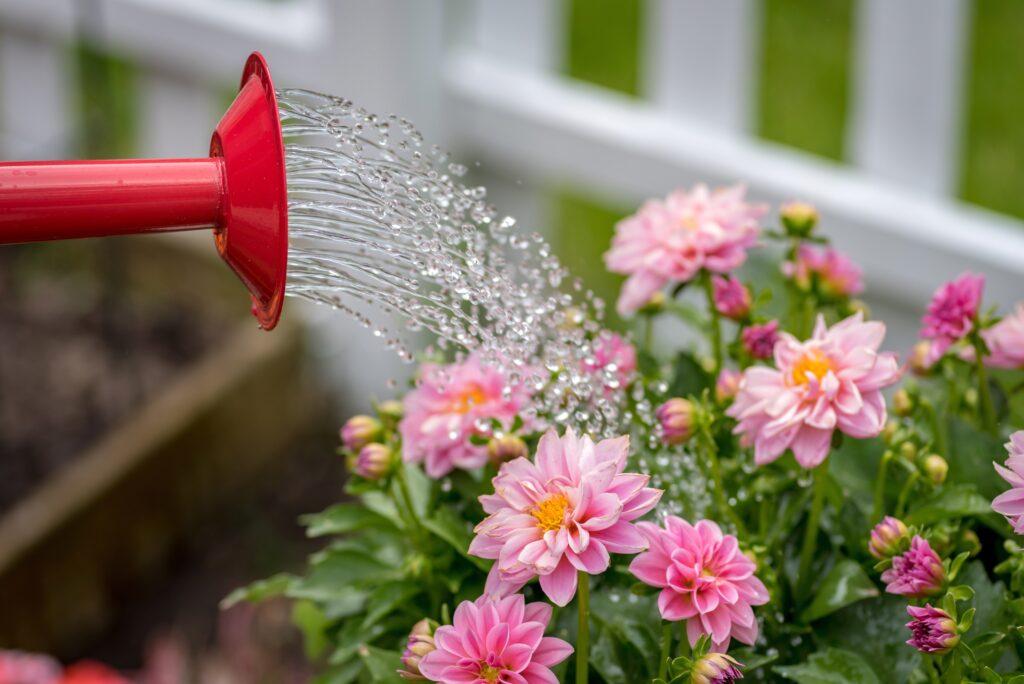
I keep dahlias evenly watered, protect their roots with organic mulch, and leave space for air to move. These steps help plants handle hot sun without staying wet and crowded.
Deep Watering and Soil Moisture
I water dahlias deeply so moisture reaches the roots instead of sitting near the surface. I aim for about 1 inch of water per week, including rain, and give more during hot, dry weather.
I check the soil with my finger before watering. If the top 1–2 inches feel dry, I soak the bed slowly at the base of each plant.
Wet leaves invite trouble, so I keep the hose pointed down.
Quick Tip: I water early in the morning so damp soil has time to settle before the day heats up.
Sandy soil dries fast and may need watering two or three times a week. Heavy clay holds water longer, so I wait until the soil begins to dry.
Soggy roots can rot, and dahlias don’t enjoy wet feet.
Organic Mulch for Cooler Roots
I spread 2–3 inches of organic mulch around my dahlias after the soil warms in late spring. Shredded leaves, clean straw, or untreated wood chips all work well.
Mulch slows moisture loss in sunny beds and keeps the roots cooler when summer sun beats down on the ground.
Quick Tip: I leave a 2-inch bare space around each stem so mulch does not trap moisture against it.
I check the mulch after heavy rain or strong wind. If it mats into a wet layer, I loosen it with my hands.
In cool or rainy areas, including many northern zones, I use a thinner layer so the soil can dry between waterings.
Airflow and Disease Prevention
I give each dahlia enough room for air to move between its leaves. Most varieties need 18–24 inches of space, while large types may need 3 feet or more.
Good airflow helps leaves dry after rain, dew, or watering. That lowers the risk of mildew, powdery mildew, and other fungal diseases.
Quick Tip: I remove yellow, damaged, or crowded lower leaves as plants grow taller.
I also keep weeds out of the bed because they block airflow and hold dampness near the soil. If I spot white, dusty powdery mildew on leaves, I remove the affected leaves and avoid watering overhead.
Container Dahlias and Common Light Problems
Container dahlias let me adjust their light as the season changes. I watch for weak growth, wilting, and burned leaves, then move pots before small problems get worse.
Positioning and Moving Container Dahlias
I place container dahlias where they receive 6 to 8 hours of direct sunlight each day. Morning sun works well because it dries dew and gives plants steady light before the hottest part of the day.
In hot, dry areas, I give pots partial shade after about 2 p.m. Afternoon heat can bake a dark container and dry the soil quickly.
A spot with morning sun and light afternoon shade often works better than full-day heat. I turn the pot one-quarter turn every few days so stems grow evenly.
I also leave space around the container for airflow. Crowded corners stay damp and invite disease.
Quick Tip: I move pots slowly. I shift a dahlia into stronger sun for one or two extra hours each day instead of placing it in full heat at once.
Recognizing Too Little Light Before Growth Gets Weak
Insufficient sunlight makes container dahlias stretch toward the brightest area. Stems become long, thin, and pale, while leaves may look smaller than normal.
I also watch for few buds or buds that drop before opening. A dahlia can stay alive in partial shade, but it may produce fewer flowers and weaker stems.
A north-facing patio, covered porch, or space beside a tall fence often provides too little direct sunlight. I check the spot at different times because a place that looks bright can still receive no true sun.
Quick Tip: If my dahlia leans hard in one direction, I check its daily sun hours before adding fertilizer. More plant food will not fix a dark location.
Handling Wilting and Leaf Scorch Without Overreacting
Wilting at midday does not always mean a container dahlia lacks water. I feel the soil about 1 inch down. If it is still moist, I wait until evening to see whether the leaves recover.
If the soil feels dry, I water slowly until it runs from the drainage holes. Pots can dry out in a single hot, windy day, especially in warm zones or during a heat wave.
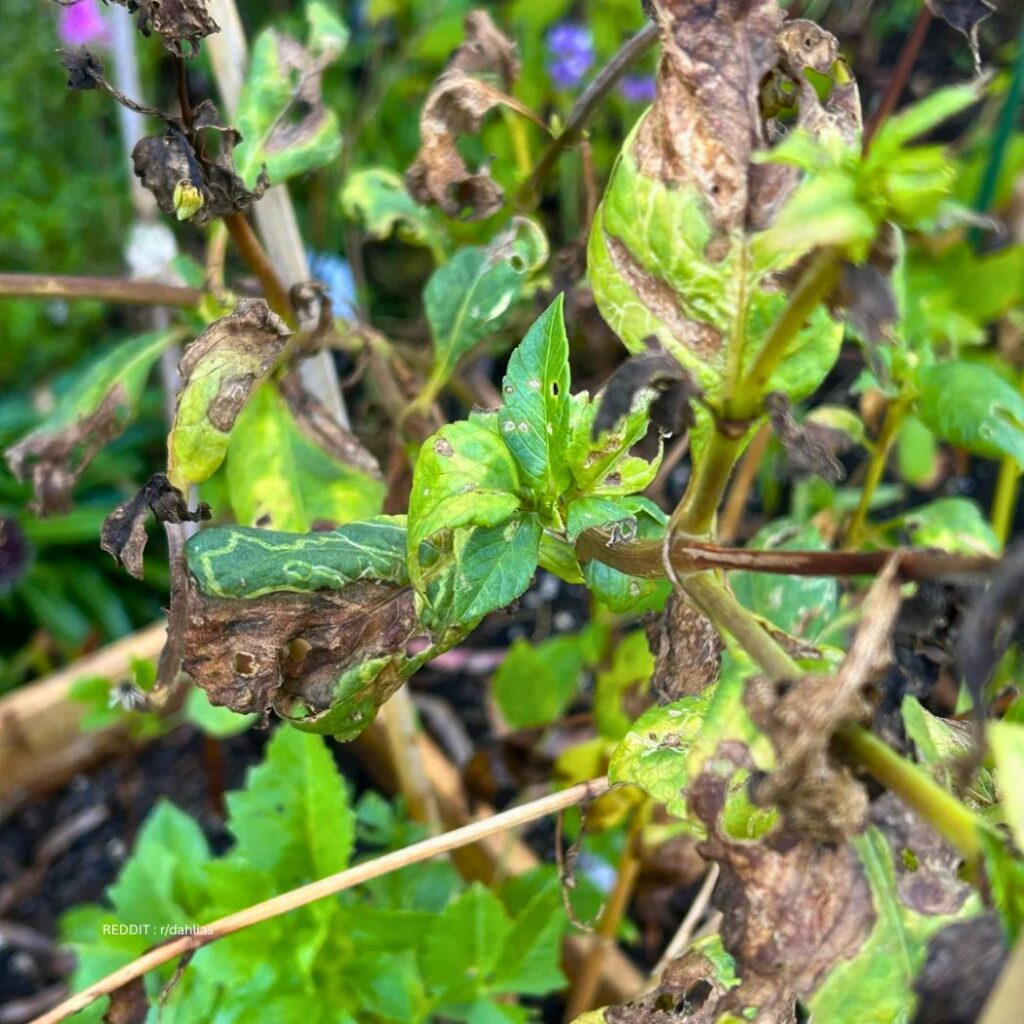
Leaf scorch looks like dry, brown edges or pale patches, often on leaves facing the strongest sun. I move the pot into afternoon partial shade during extreme heat, but I keep its morning direct sunlight.
Quick Tip: I avoid watering leaves in bright sun. I water the soil near the base, where roots can use it.
When Grow Lights Can Help Indoor or Shaded Dahlias
I use grow lights only when natural light falls short, such as in a bright room with no direct sun. A sunny window may not provide enough light for strong indoor growth, especially in winter.
I place a full-spectrum grow light close enough to help, following the light maker’s distance guide. I run it for about 12 to 14 hours daily and keep a regular schedule.
Grow lights work best for starting tubers, young plants, or dahlias kept indoors before outdoor weather warms. Once frost danger has passed, I move container dahlias outside gradually so direct sunlight does not scorch tender leaves.
Quick Tip: I look for sturdy, green growth under lights. Thin, leaning stems mean the light is too weak, too far away, or not on long enough.
Frequently Asked Questions
I recommend at least 6 hours of direct sun for strong stems and full blooms. In very hot areas, I give dahlias some relief from intense late-day heat.
How many hours of sunlight do dahlias need each day?
I aim for 6 to 8 hours of direct sunlight each day. Morning sun works especially well because it dries dew from leaves and starts growth early.
Quick Tip: I plant dahlias where the sun reaches them by late morning and stays until midafternoon.
Can dahlias grow in partial shade?
I can grow dahlias in partial shade, but I expect fewer flowers and taller, weaker stems. A spot with morning sun and light afternoon shade is usually better than deep shade.
Quick Tip: I avoid planting dahlias under dense trees, where leaves block light and roots compete for water.
Is 4 hours of sun enough for dahlias?
I consider 4 hours of direct sun the low end for dahlias. They may survive and produce some blooms, but the plants often stretch toward the light and flower less.
Quick Tip: I choose smaller or shorter dahlia types for a 4-hour sun spot, then stake them early.
Do dahlias need full sun when grown in pots?
I place potted dahlias in full sun for 6 to 8 hours when possible. Pots dry out faster than garden beds, so I check the soil often during warm, bright weather.
Quick Tip: I water when the top inch of potting mix feels dry, especially when the pot feels light.
What happens if dahlias do not get enough sunlight?
I watch for pale leaves, long thin stems, slow growth, and few flowers. The plant may lean toward the brightest side, too.
Quick Tip: I move container dahlias to a sunnier spot if they become lanky or stop making buds.
Should dahlias be protected from hot afternoon sun?
I give dahlias some afternoon shade in very hot climates, especially when summer temperatures often reach 90°F or higher. In cooler zones, though, I usually leave them in full sun.
Quick Tip: I use shade from a nearby plant or a light shade cloth. Heavy shade can block too much daylight.