
Dahlias can attract pests and diseases when leaves stay wet, soil drains poorly, or insects move in unnoticed. I can help you spot warning signs early and treat common dahlia pests and diseases before they damage your plants.
From chewed leaves and sticky stems to spots, wilt, and soft tubers, each problem leaves clues. I’ll cover practical ways to manage pests, fungal trouble, rot, and infections in your dahlia garden.
Quick Tip: Check your dahlias twice a week, especially after rain or during hot, humid weather.
Identify The Problem From Symptoms
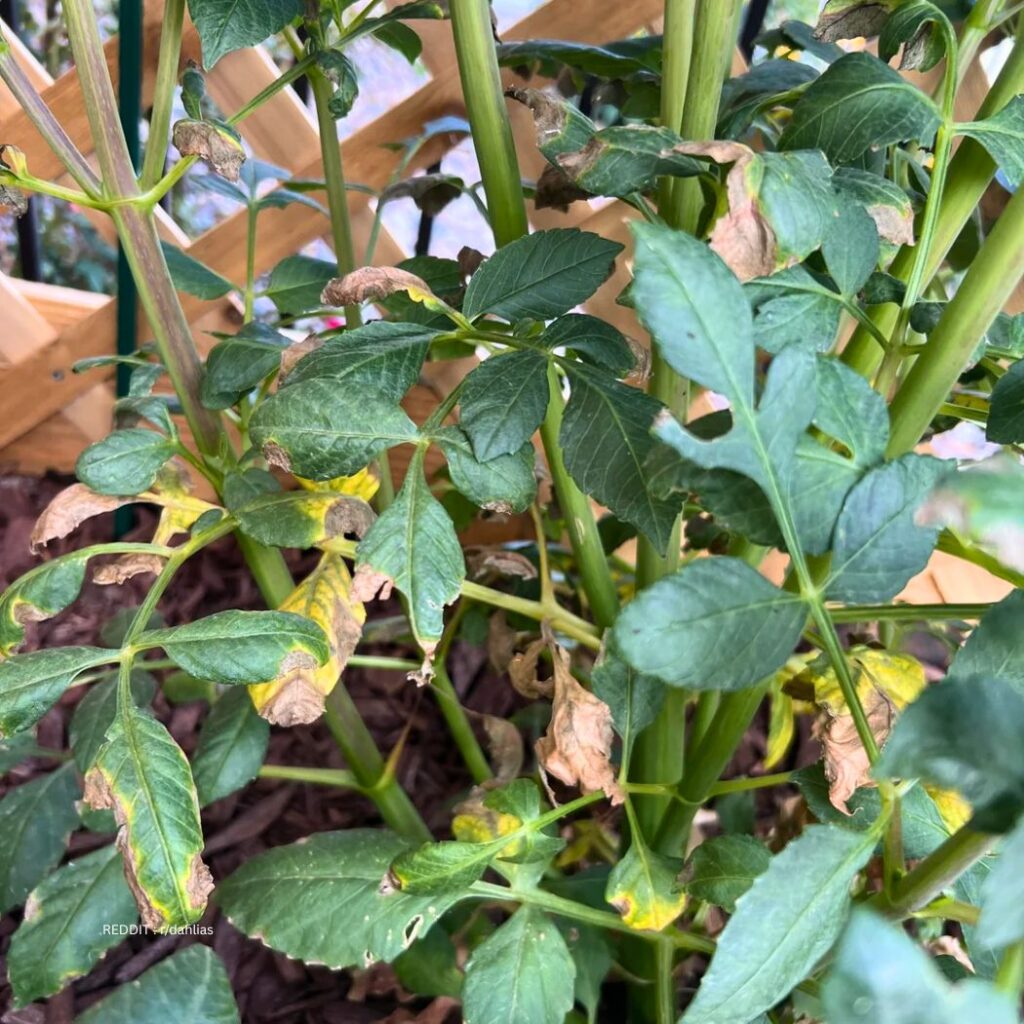
I check the leaves, stems, buds, and soil before treating a dahlia. Leaf color, damage patterns, and soil texture often point to the cause.
Yellowing, Stunting, And Wilt
I look at where yellow leaves start. Lower leaves that turn yellow first often mean the soil stays too wet, especially after heavy rain or cool weather.
Check the soil. If it feels soggy and smells sour, root rot may be starting. Yellowing leaves with green veins can also point to a nutrient problem.
I watch for stunted growth, thin stems, and fewer dahlia flowers. Poor soil, crowded roots, or pests feeding on the plant can cause these signs.
Mosaic patterns, including light and dark green patches, streaks, or twisted leaves, can signal dahlia common mosaic virus. Remove infected plants and don’t compost them. There is no cure, and sap-feeding insects can spread the virus.
Quick Tip: I water only when the top inch of soil feels dry, then water deeply at the base.
Spots, Mold, And Rot
I inspect dahlia foliage for round brown, black, or tan spots. Small spots that grow and join together often come from fungal disease, especially during humid, wet weather.
Leaves may develop yellow edges before they fall. Gray, fuzzy mold on dahlia flowers, buds, or stems points to botrytis blight.
I remove affected flowers right away because dead petals hold moisture against healthy tissue. I also give plants space so air can move between the stems.
Dark, sunken necrotic lesions on stems, along with soft roots or tubers, suggest rot. I cut away damaged parts with clean tools.
If a tuber feels mushy or smells rotten, I discard it.
Quick Tip: I water the soil, not the leaves, and remove fallen petals after rain.
Chewed Leaves, Damaged Buds, And Sticky Foliage
I check chewed leaves at dusk or early morning. Slugs and snails leave rough holes and shiny slime trails, while caterpillars often leave larger bites and dark droppings.
Earwigs may chew petals and buds at night. Damaged buds that fail to open can also mean thrips.
These tiny insects leave pale streaks, brown petal edges, and scarred dahlia flowers. I gently shake a bud over white paper to spot small moving insects.
Sticky honeydew on leaves and stems usually means aphids, whiteflies, or scale insects are feeding nearby. Black sooty mold can grow on the sticky coating.
It looks messy, but the insects cause the main problem.
Quick Tip: I spray aphids from stems and leaf undersides with a firm stream of water, then check plants every few days.
Manage Common Insect And Mollusk Pests
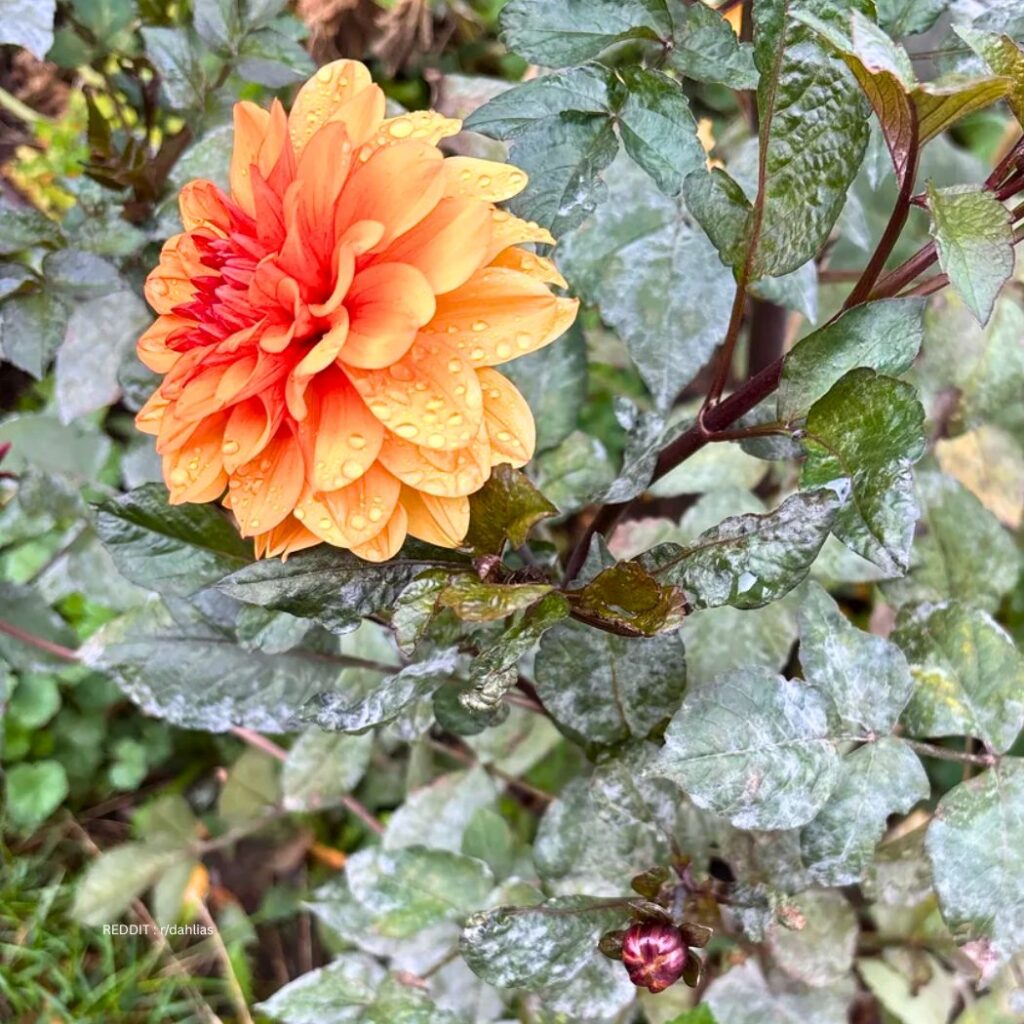
I check dahlias often, especially the leaf undersides, flower buds, and new shoots. Fast action keeps small pests from turning leaves ragged, sticky, or pale.
Aphids, Leafhoppers, And Their Natural Predators
Aphids gather on soft stems and buds. They leave sticky honeydew, which can lead to black sooty mold.
Leafhoppers cause pale speckles and curled leaf edges, and they can spread plant diseases. I spray aphids with insecticidal soap early in the morning or near sunset.
I coat the pests directly and repeat every 5–7 days if needed. Horticultural oil or neem oil can also help, but I avoid spraying during hot, sunny weather or when plants are drought-stressed.
Ladybugs, lady beetles, lacewings, parasitic wasps, and predatory wasps eat or control aphids. I avoid broad-spectrum insect sprays because they also kill these beneficial insects.
Quick Tip: I rinse aphids off with a firm stream of water first. Many can’t climb back onto the plant.
Thrips And Spider Mites
Thrips scar flowers and leaves, leaving silvery streaks, dark specks, or distorted buds. Spider mites, including red spider mites, create tiny pale dots and fine webbing under leaves.
They thrive in hot, dry weather, so I watch closely during summer heat. I remove badly damaged leaves and spray insecticidal soap or horticultural oil on leaf undersides.
For thrips, I use spinosad only as directed on the label and avoid spraying open flowers when bees visit. Yellow or blue sticky traps help me spot adult thrips, but they won’t solve a heavy infestation alone.
Predatory mites and minute pirate bugs feed on mites and thrips. I keep plants evenly watered because dry, dusty leaves make spider mite problems worse.
Quick Tip: I hold a white sheet under a leaf and tap it. Crawling red or dark specks often reveal mites.
Slugs, Snails, Earwigs, And Caterpillars
Slugs and snails chew smooth holes in leaves and can strip young dahlia shoots overnight. Earwigs leave ragged holes and may hide in damp mulch, while caterpillars chew leaves, buds, and petals.
I hand-pick slugs, snails, earwigs, and caterpillars at dusk or early morning. I place beer traps away from the plants and empty them often.
For wider slug and snail control, I use iron phosphate bait such as Sluggo according to the label. I avoid metaldehyde baits where pets or wildlife could reach them.
I check under pots, boards, and thick mulch, where pests stay cool and damp. In rainy areas, slug and snail pressure can stay high through summer.
Quick Tip: I clear hiding places near the plants. Damp clutter gives slugs and earwigs a free daytime shelter.
Treat Fungal Diseases And Tuber Rots
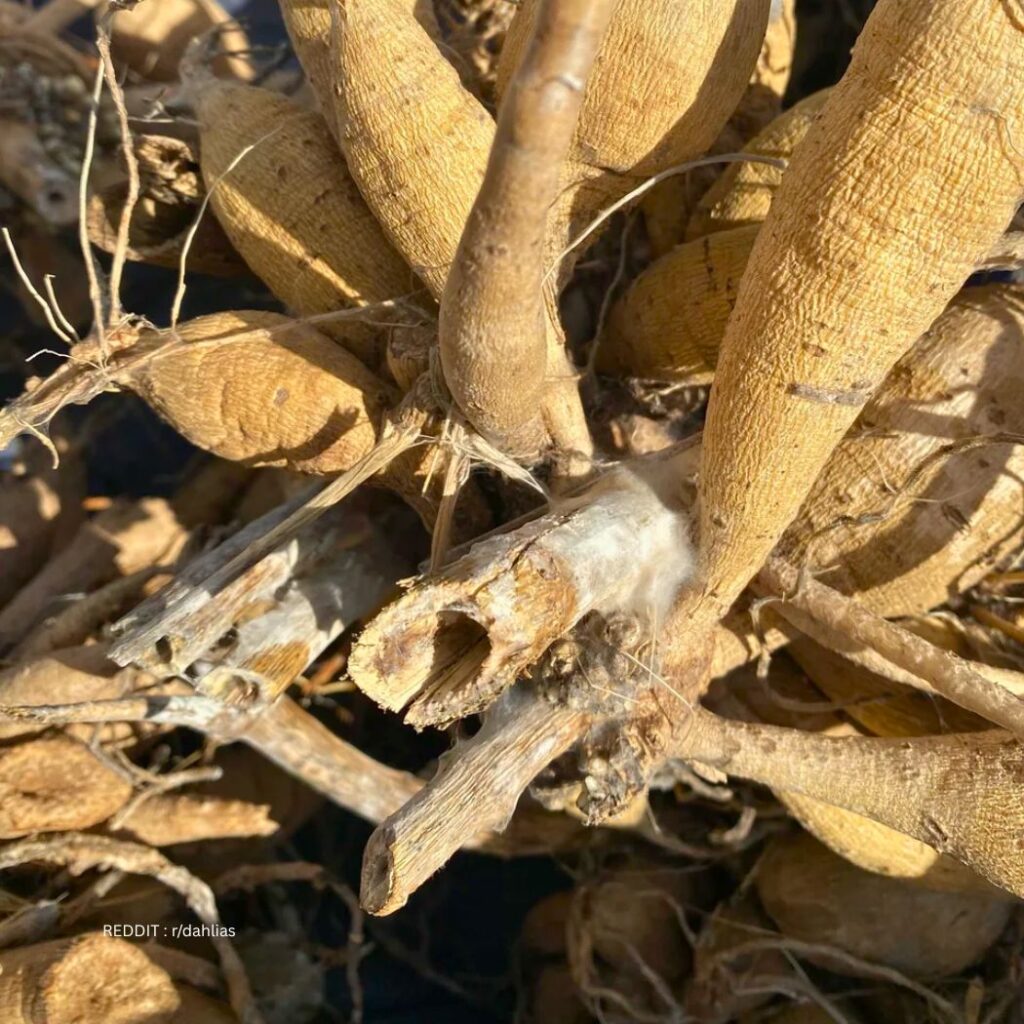
I act quickly when I see spots, fuzzy growth, or sudden wilting. Fungal diseases spread fastest in damp, crowded beds, while rotting dahlia tubers need dry, clean storage.
Powdery Mildew And Dahlia Smut
I look for powdery mildew as white or pale gray dust on leaves, stems, and buds. It often appears during warm days followed by cool, humid nights.
Unlike many fungal diseases, it can spread even when leaves stay dry. I remove badly covered leaves and place them in the trash, not the compost.
I also space plants well, water at soil level, and avoid heavy nitrogen fertilizer, which causes soft, crowded growth.
Quick Tip: I apply a labeled fungicide at the first signs of powdery mildew, then repeat only as the label directs.
Dahlia smut causes dark, swollen, or rough growths, often on stems or flower parts. I remove affected plants or parts right away.
I clean tools between cuts because smut spores can hitch a ride on pruners.
Botrytis Blight And Gray Mold
I watch for botrytis blight, also called gray mold, during rainy weather or in damp gardens with poor airflow. It creates soft brown patches on flowers, buds, and leaves.
A fuzzy gray coating may appear when the air feels wet and still. I deadhead spent blooms often because botrytis feeds on old petals.
I cut away infected stems several inches below damaged tissue and discard them. Leaving soggy flowers on the plant is basically an open invitation for mold.
Quick Tip: I water early in the day so leaves and flowers can dry before nightfall.
A fungicide can help protect healthy growth when wet weather continues, but it won’t restore rotted blooms. In humid areas or cool, rainy seasons, I check dahlias every few days and remove damaged parts promptly.
Wilt, Stem Rot, And Soil-Borne Diseases
I treat sudden wilting with care, especially if the soil is already moist. Fusarium wilt and verticillium wilt, caused by Verticillium dahliae and related fungi, can yellow lower leaves and make one side of a plant droop.
Cutting a stem may reveal brown streaks inside. I pull and discard plants with severe wilt rather than composting them.
Fungicides don’t cure these soil-borne diseases. I avoid planting dahlias in the same spot for several years and use clean, healthy dahlia tubers.
Quick Tip: I dig tubers after frost only when the soil isn’t soggy, then let them dry before storage.
Stem rot and sclerotinia disease can make the stem base soft, tan, or brown, sometimes with white cottony growth. I remove affected plants and nearby soil.
For stored tubers, I discard any that feel soft, smell sour, or show dark, wet spots.
Respond Quickly To Viral And Bacterial Infections
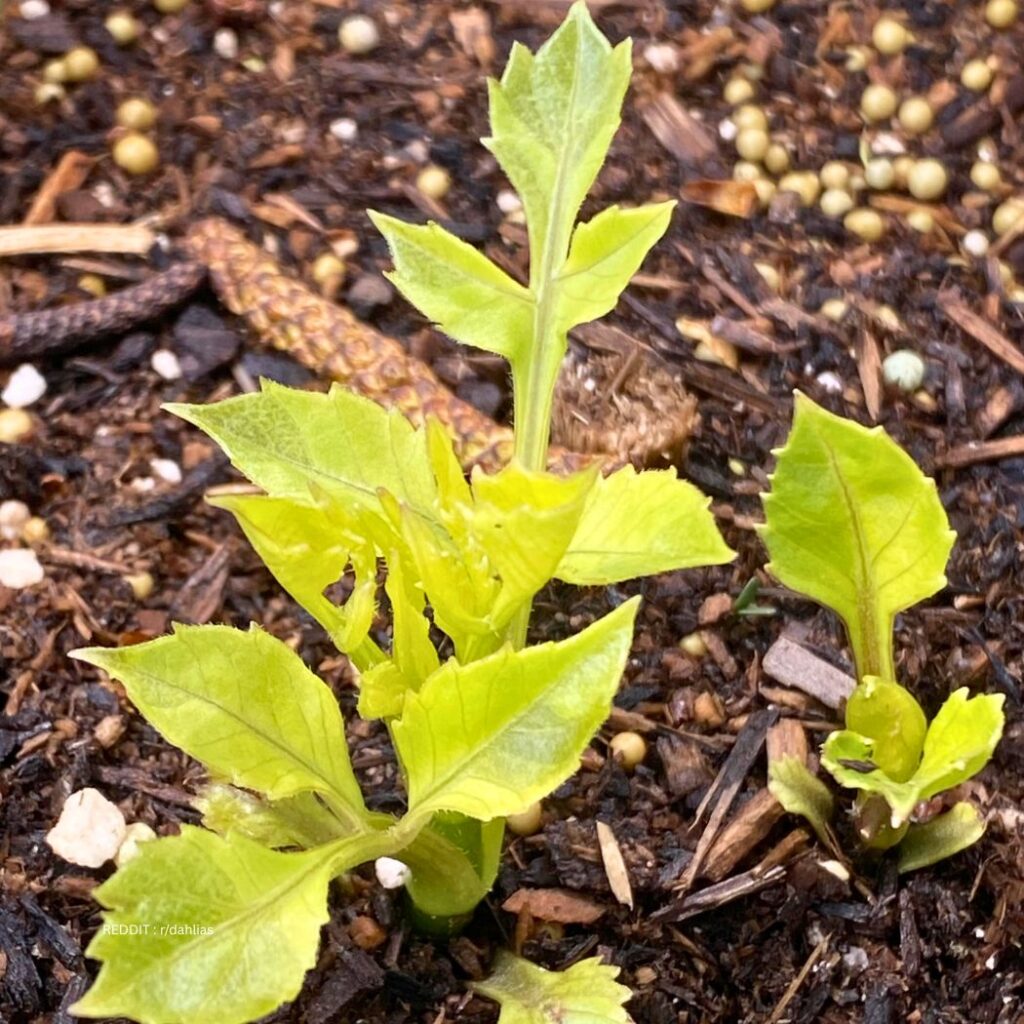
I remove plants with suspected viral or bacterial disease quickly. These problems can spread through pests, tools, soil, or infected tubers, and sprays can’t cure them.
Mosaic Viruses And Virus-Transmitting Pests
Dahlia viruses, including dahlia mosaic virus and dahlia common mosaic virus, can cause pale yellow streaks, mosaic patterns, curled leaves, and weak growth.
Some infected plants show few signs, so I avoid saving tubers from plants that looked odd during the season. Aphids can spread a viral infection as they feed.
Leafhoppers can also move diseases, including the phytoplasma that causes aster yellows. Aster yellows may make plants yellow, stunted, and crowded with thin, leaf-like growth where flowers should form.
Quick Tip: I bag and discard suspected plants and tubers. I don’t compost them.
I control aphids and leafhoppers early with a strong water spray or insecticidal soap, following the label. I clean pruners with disinfectant between plants, especially after cutting a sick-looking stem.
Tomato Spotted Wilt And Impatiens Necrotic Spot
Tomato spotted wilt virus (TSWV) and impatiens necrotic spot virus (INSV) can infect dahlias when thrips feed on leaves and flowers.
Watch for dark rings, brown spots, pale line patterns, distorted new leaves, and stunted stems. Flower petals may show broken color or brown marks.
Thrips are tiny and quick. I check inside buds and under leaves, where they hide.
A light tap of a bloom over white paper can reveal small, narrow insects moving around.
Quick Tip: I remove infected plants instead of trying to nurse them back to health.
I use yellow or blue sticky cards to monitor thrips, but cards don’t solve a heavy infestation alone. I remove weeds and old plant debris near dahlias, since thrips and viral diseases can survive on other host plants.
Hot, dry weather often favors thrips, so I check plants more often during dry spells.
Bacterial Wilt, Soft Rot, And Galls
Bacterial diseases can turn a healthy dahlia into a limp mess quickly. Bacterial wilt may cause sudden drooping even when the soil feels moist.
Bacterial stem rot and soft rot create wet, dark, mushy tissue that may smell sour or rotten. I cut away and discard plants with soft rot rather than planting their tubers again.
I keep water off the stems when possible and give plants room for air movement. Poor drainage raises the risk, especially after long rainy periods or in cool, wet zones.
Quick Tip: I never divide or store tubers with soft spots, ooze, or a bad smell.
Crown gall causes rough, woody lumps near the crown or roots. Leafy gall creates strange clusters of leafy shoots.
These galls can spread through contaminated tools and soil, so I remove the whole plant and avoid replanting dahlias in that spot for several years.
Correct Environmental And Nutritional Stress
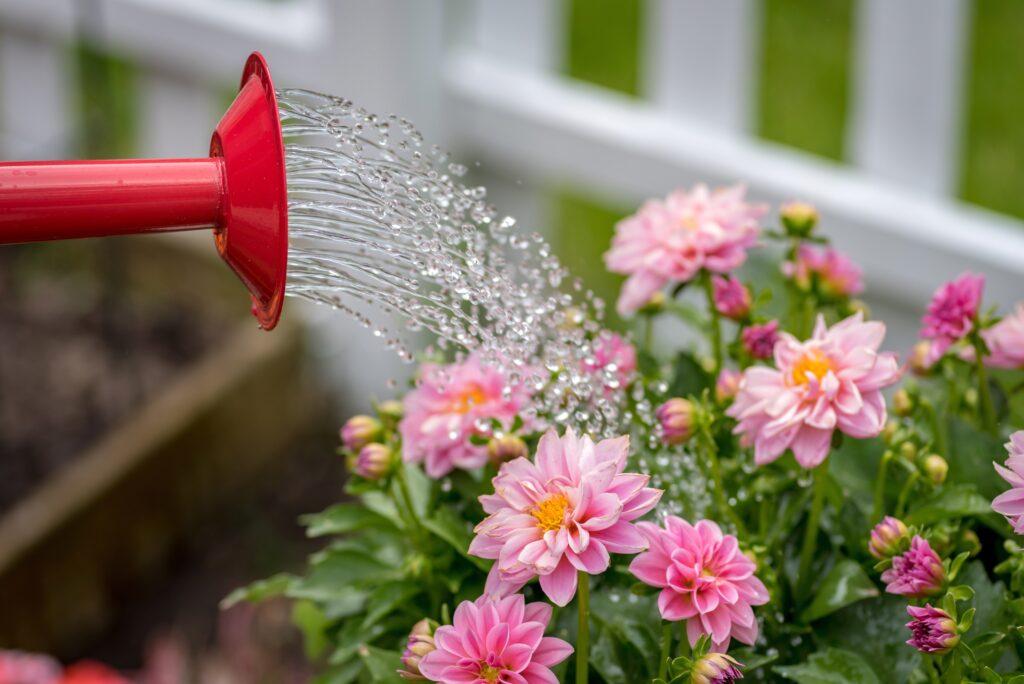
I check water, soil, light, spacing, and feeding when dahlias show yellow leaves, wilt, or stunted growth. These conditions can weaken plants and make pest and disease problems worse.
Improve Watering, Soil, And Drainage
I water deeply when the top inch of soil feels dry, then let extra water drain away. Dahlias need steady moisture, but soggy soil can rot tubers and roots.
A wilted plant in wet soil needs less water, not more. I use soaker hoses or drip irrigation to keep water off the leaves.
Overhead watering leaves foliage damp, especially in cool or humid weather, and that can support fungal diseases.
Quick Tip: I add water slowly until the soil feels moist 6 inches down, not muddy or puddled.
Heavy clay soil needs help. I mix in compost or other organic matter before planting, and I use raised beds where water sits after rain.
In hot, dry areas, I check plants more often because raised beds dry faster.
Provide Sunlight, Spacing, And Airflow
I plant dahlias in full sun, aiming for at least six hours of direct sunlight each day. Too little sun often causes weak stems, fewer flowers, and slow growth.
In very hot zones, light afternoon shade can prevent leaf scorch. I leave enough room between plants for good air circulation.
Most dahlias need about 18 to 24 inches of space, while large varieties may need more. Crowded leaves stay damp longer after rain or watering.
Quick Tip: I can usually tell spacing is too tight when leaves touch, feel humid, or dry slowly in the morning.
I remove a few damaged or crowded lower leaves if airflow is poor. I also keep weeds and thick mulch away from the stem base.
Damp, still air gives mildew and rot an easy place to start.
Rule Out Nutrient Deficiencies
I look for nutrient deficiencies before adding more fertilizer. Yellow leaves may come from low nitrogen, but they can also signal overwatering, poor drainage, root damage, or disease.
Fertilizer won’t fix roots sitting in cold, wet soil. I use a soil test when possible.
Dahlias grow best in soil with balanced nutrients and plenty of organic matter. I avoid high-nitrogen feeds because they can create lots of leafy growth with fewer flowers.
Quick Tip: I use a low-nitrogen fertilizer once plants begin active growth, following the label rate.
I watch where symptoms begin. Older leaves turning pale may point to nitrogen shortage, while yellowing between the veins on newer leaves can suggest a micronutrient problem.
If growth stays stunted after I correct water and soil conditions, I test the soil instead of guessing.
Prevent Repeat Problems Throughout The Season
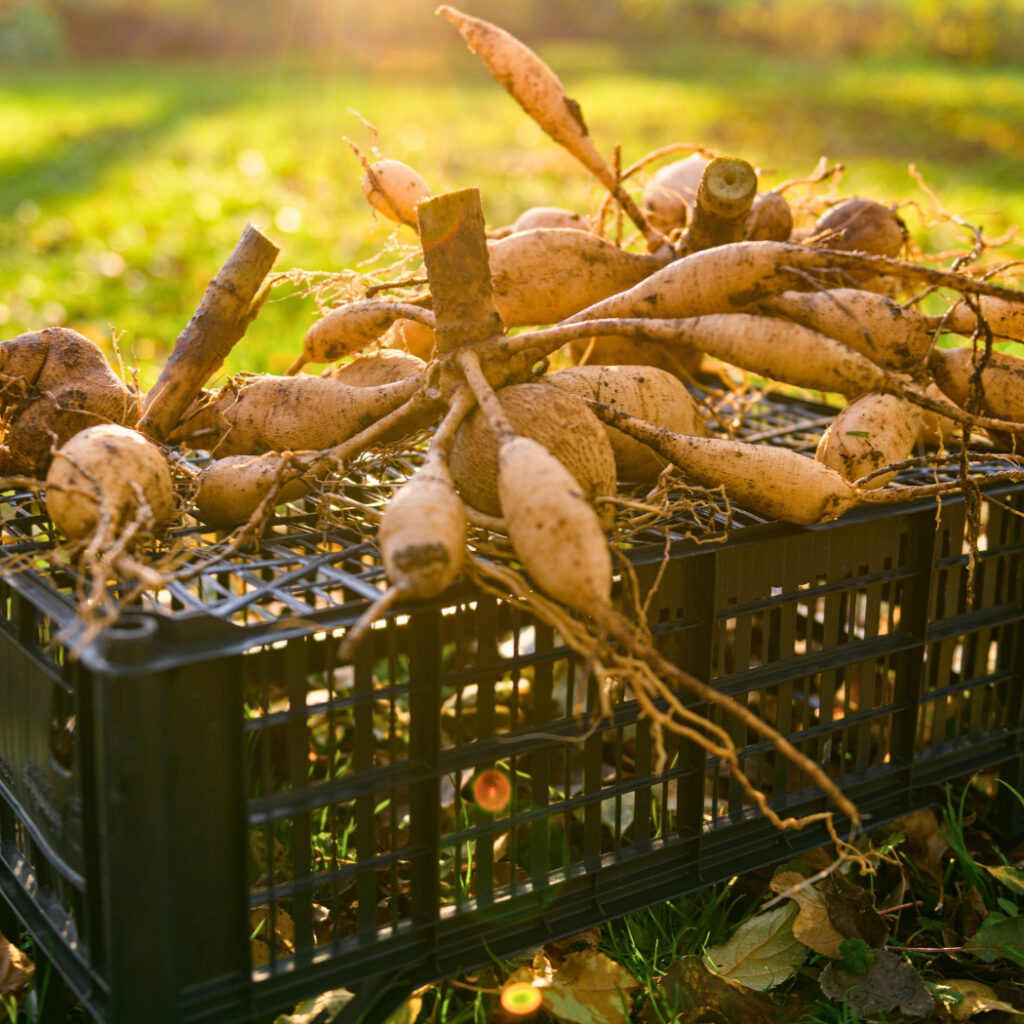
I prevent most repeat pest and disease issues by starting clean, removing trouble early, and keeping the dahlia garden tidy. Small checks each week save a lot of wilted leaves later.
Start With Healthy Tubers And Clean Propagation Material From Day One
I inspect dahlia tubers before planting. I discard tubers with soft, black, wet, or sunken areas, since rot can spread in cool, wet soil.
Firm tubers with a solid neck and visible eye give me the best start. I also check dahlia cuttings for curled leaves, sticky residue, whiteflies, or tiny aphids.
I keep new plants apart from my main dahlia garden for about two weeks when possible. This helps me spot pests before they move in.
Quick Tip: I label dahlia varieties as I plant them, so I can track which ones repeatedly get mildew, mites, or virus-like leaf patterns.
I buy from careful growers and follow guidance from sources such as the American Dahlia Society. In wet zones or after a cold spring, I wait until the soil drains well before planting.
Soggy ground invites tuber rot.
Use Garden Hygiene And Safe Tool Sanitation To Stop Spread
I pick up fallen leaves, spent flowers, and plant debris every week. Slugs hide under damp scraps, and fungal spores can linger there after rain.
I don’t leave diseased leaves in the compost pile unless my compost gets hot enough to kill pathogens. I clean pruners between plants when I cut off spotted stems or suspicious growth.
I wash away soil first, then disinfect the blades with a fresh bleach solution made with 1 part household bleach to 9 parts water. I rinse and dry metal tools after use to limit rust.
Quick Tip: I keep a small bucket or spray bottle of disinfectant near my cutting area. Clean tools are less work than fixing a spread of disease.
I water the soil rather than the leaves, especially in humid weather. Reflective mulch can also help deter thrips and aphids by making it harder for them to settle on young plants.
I keep mulch away from stems so the base stays dry.
Monitor Plants And Know When To Remove Them Before Trouble Spreads
I walk through my dahlias at least twice a week, checking the undersides of leaves and new growth. I look for chewed holes, pale stippling, sticky sap, powdery patches, and distorted leaves.
A quick look while I deadhead works well. I remove a few pest-covered leaves early instead of waiting for the problem to grow.
For aphids, I can spray them off with water or hand-remove badly infested tips. I don’t use lettuce or other tender plants as nearby “trap crops” if they already draw slugs or aphids into the bed.
Quick Tip: If one plant shows strong virus-like signs, such as yellow streaks, ring patterns, or twisted growth, I remove the whole plant and its tuber rather than risk nearby dahlias.
I bag and trash plants with suspected viral disease or severe rot. I don’t divide, trade, or save cuttings from them.
Washington State University notes that removing infected plants helps reduce disease sources in the garden.
Frequently Asked Questions
I check leaves, stems, and blooms often because small problems spread fast in warm, wet weather. I also match the treatment to the pest or disease instead of spraying everything at once.
What are the most common pests that damage dahlias?
Aphids, slugs, snails, earwigs, spider mites, thrips, and Japanese beetles commonly damage dahlias. Aphids gather on soft new growth, while slugs and earwigs chew ragged holes in leaves and petals.
Spider mites leave tiny pale dots and fine webbing, especially during hot, dry weather. Japanese beetles chew leaves into a lace-like pattern.
Quick Tip: I check under leaves early in the morning, when slugs, aphids, and earwigs are easier to spot.
How can I identify common dahlia diseases from leaf symptoms?
Powdery mildew looks like white or gray powder on leaf surfaces. It often appears during humid days followed by cool nights, even when the soil feels dry.
Leaf spot causes brown, black, or tan spots, sometimes with yellow edges. Gray mold can create soft brown patches and fuzzy gray growth on wet flowers or stems.
Virus problems may cause yellow streaks, rings, twisted leaves, or patchy color patterns. I remove plants with likely virus symptoms because fungicides can’t cure viruses.
Quick Tip: I avoid watering the leaves late in the day, since damp foliage invites fungal trouble.
How do I get rid of aphids, slugs, and earwigs on dahlias?
I knock aphids off with a firm spray of water, then check plants again every few days. For heavy aphid numbers, I use insecticidal soap or neem oil according to the label.
I hand-pick slugs and earwigs at dusk or early morning. I also place slug bait labeled for garden use around plants, keeping it away from pets and wildlife.
Earwigs hide in damp, dark spots during the day. I set rolled-up newspaper or shallow traps near the plants, then empty them each morning.
Quick Tip: I clear away wet mulch, fallen leaves, and boards near dahlias because pests love those hiding spots.
What should I do if my dahlia leaves are turning brown or yellow?
I first check the soil moisture. Yellow lower leaves can mean overwatering, poor drainage, or natural aging, while dry brown edges often point to heat, drought, or fertilizer burn.
If the top inch of soil is dry, I water deeply at the base of the plant. If the soil stays wet for days, I improve drainage and pause watering until it dries slightly.
Brown spots with yellow halos may signal leaf spot. I remove badly affected leaves, improve airflow, and avoid overhead watering.
Quick Tip: I water in the morning so leaves dry before evening, especially during rainy or humid spells.
What is the best fungicide to use for dahlia diseases?
I choose a fungicide based on the disease. Sulfur or potassium bicarbonate products can help manage powdery mildew, while copper-based products may help prevent some leaf spot diseases.
I use only products labeled for dahlias or ornamental flowers and follow the label rate exactly. Fungicides work best as a preventive step or at the first sign of disease.
No fungicide cures dahlia viruses, bacterial rot, or badly rotted tubers. I remove infected plant parts and keep tools clean to limit spread.
Quick Tip: I spray on a calm, dry day and avoid treating plants during strong heat or direct midday sun.
Is neem oil safe and effective for treating dahlia pests?
Neem oil can help control aphids, spider mites, thrips, and young, soft-bodied pests when I spray it directly on them. It works best on small outbreaks, not large infestations.
I test neem oil on a few leaves first, then wait 24 hours to check for leaf burn or spotting. I spray in the early morning or evening, never in hot sun, since oil can damage stressed leaves.
Neem oil can also harm bees if I spray it on open flowers or near active pollinators. So I avoid blooms and apply it only when bees aren’t around.
Quick Tip: I repeat neem treatments only as the label directs. Too much oil can leave leaves dull, spotted, or burned.